

Free Negeri Sembilan Travel Guide & Mobile App
Explore Negeri Sembilan with free travel guides. Discover regional history, expert tips, proposed trips, and audio guides on web or mobile app.


Explore Negeri Sembilan for Minangkabau-inspired heritage, Seremban food, forest trails, royal history and the beaches of Port Dickson.
Read more about Negeri Sembilan
When is the best time to visit Negeri Sembilan?
Best: January–February, July · 32°C| Month | High (°C) | Rainfall (mm) |
|---|---|---|
| January (best) | 32 | 200 |
| February (best) | 32 | 150 |
| March | 32 | 200 |
| April | 33 | 250 |
| May | 33 | 250 |
| June | 32 | 200 |
| July (best) | 32 | 200 |
| August | 32 | 200 |
| September | 32 | 250 |
| October | 32 | 250 |
| November | 32 | 250 |
| December | 32 | 250 |
Getting to and around Negeri Sembilan
How to get there
Transportation
Top city travel guides in Negeri Sembilan
The cities of Negeri Sembilan, and the easiest places to base yourself.
-
-


Swipe for more cities
Destinations in Negeri Sembilan
Resorts, valleys and scenic spots worth a trip of their own.

Swipe for more destinations
Best attractions in Negeri Sembilan
Negeri Sembilan's attractions combine living cultural heritage with accessible outdoor recreation. In Seremban, museums and civic buildings introduce the state's royal and customary history, while the city is also a useful base for food and shopping. The former royal palace at Seri Menanti provides a more focused encounter with Negeri Sembilan architecture and court history. Rembau and Kuala Pilah offer rural landscapes, traditional communities and routes through the state's historic interior. Forest recreation is concentrated around places such as Ulu Bendul, Jeram Toi, Gunung Angsi and Kenaboi State Park, where hiking, waterfalls and native vegetation replace urban sightseeing. Port Dickson supplies the coastal counterpoint, with beaches, family recreation and the Army Museum. The experience is less about a single monumental attraction than about moving between royal heritage, village landscapes, forested hills and the Strait of Malacca coast, with practical planning needed for distances and limited public transport outside Seremban.
-
Landmark
Dataran Nilai
Explore Dataran Nilai, a charming landmark in Negeri Sembilan, where vibrant culture and scenic beauty blend for an unforgettable travel experience.
-
Nature preserve
Gunung Datuk Recreational Forest
Experience the tranquility and adventure of Gunung Datuk Recreational Forest, a nature preserve in Negeri Sembilan, perfect for outdoor enthusiasts and families.
-
Animal park
P.D. Ostrich Show Farm
Discover the joy of wildlife at P.D. Ostrich Show Farm in Port Dickson, an exciting animal park perfect for families and animal enthusiasts.
-
Nature preserve
Jeram Toi Recreation Forest (Jelebu)
Discover the enchanting Jeram Toi Recreation Forest in Negeri Sembilan, a nature preserve featuring stunning waterfalls and lush landscapes perfect for relaxation and adventure.


Best landmarks in Negeri Sembilan
The most recognisable architectural landmark in Negeri Sembilan is the former royal palace at Seri Menanti, a grand timber building whose layered roof forms and decorative details express the state's Minangkabau-influenced architectural tradition. The Negeri Sembilan State Museum complex in Seremban continues this visual language and provides an important civic setting for understanding local history. In the capital, historic administrative and religious buildings contribute to a townscape shaped by colonial-era development and later Malaysian institutions. Port Dickson's coastal identity is marked by its long shoreline and the military heritage represented by the Army Museum, rather than by a single ancient monument. Inland landmarks are often environmental or cultural: the forested profile of Gunung Angsi, the hills around Rembau and the royal landscape of Seri Menanti give the state its physical character. These places matter because they connect architecture, customary authority, colonial administration, military history and the terrain of the central peninsula.
-
Army museum
Army Museum Port Dickson
Explore Malaysia's military heritage at the Army Museum Port Dickson, featuring captivating exhibits and historical artifacts that tell the nation's defense story.
-
Landmark
Dataran Nilai
Discover the vibrant Dataran Nilai, a cultural landmark in Negeri Sembilan, where local traditions come to life in a lively community setting.
-
Nature preserve
Tanjung Tuan Recreational Forest
Discover the tranquility and natural beauty of Tanjung Tuan Recreational Forest, a must-visit nature preserve in Melaka, Malaysia, rich in wildlife and scenic views.
-
Nature preserve
Gunung Datuk Recreational Forest
Immerse yourself in nature's beauty at Gunung Datuk Recreational Forest, where adventure meets tranquility in the heart of Negeri Sembilan.


Explore Negeri Sembilan on the map
Plan your trip on one map. See where the top cities, national parks and sights are, and book hotels and experiences in a few clicks.
Best hotels in Negeri Sembilan
Best restaurants in Negeri Sembilan
Negeri Sembilan's food identity is closely associated with bold chilli, coconut milk and smoky flavours. Masak lemak cili api, a rich, yellow coconut-based preparation with a sharp chilli heat, appears in variations using meat, poultry, fish or vegetables. Daging salai, traditionally smoked beef, is another local favourite, while rendang and lemang are especially prominent during festive and family gatherings. In Seremban and the larger towns, Malay restaurants sit alongside Chinese-Malaysian coffee shops and casual eateries, including the city's established siew pau tradition, a baked filled bun associated with Seremban's Chinese food culture. Port Dickson adds seafood and resort dining, although the quality and style vary between establishments. Markets, roadside stalls and family-run restaurants are often the most direct way to encounter everyday local cooking; ask about chilli intensity and whether dishes contain seafood, fermented ingredients or other strong flavours.
-
Restaurant
Restoran Selera Nogori
Experience authentic Malay cuisine at Restoran Selera Nogori - a must-visit dining destination in Seremban offering delightful flavors.
-
Indian
India Gate Restaurant - Seremban
Discover authentic Indian flavors at India Gate Restaurant in Seremban - a culinary delight for every traveler.
-
Restaurant
Mohd Chan Restaurant @Seremban
Experience authentic Malaysian flavors at Mohd Chan Restaurant in Seremban – a culinary delight not to be missed!
-
Seafood
Restoran Seremban Seafood Village
Discover fresh seafood delights at Restoran Seremban Seafood Village – where every dish tells a story of flavor and tradition.


Best bars in Negeri Sembilan
Nightlife in Negeri Sembilan is modest and concentrated in Seremban and the resort areas of Port Dickson rather than organised around a large club scene. Seremban offers hotel lounges, casual restaurants, cafés and a selection of evening venues, while Port Dickson's hotels and beachfront businesses provide a more seasonal, holiday-oriented atmosphere. Across the state, traditional coffee shops and eateries are important places for evening meals and conversation, although many are not late-night venues. Visitors seeking alcohol will find greater choice in licensed hotels and selected urban establishments, while rural districts are generally quiet after dinner. Live music and occasional entertainment may be available in larger hotels, but opening arrangements change, so current local information is advisable. Evening travel is easiest in the main towns; rural attractions and forest areas should not be treated as nightlife destinations.
-
Bar
La Playa, Bar & Restaurant
Experience the vibrant atmosphere and delicious flavors at La Playa, Bar & Restaurant in Port Dickson, the perfect spot to unwind by the sea.
-
Grill
The LOFT Dine & Drink
Experience the best of Seremban's culinary scene at The LOFT Dine & Drink, where delectable grilled dishes meet vibrant nightlife.
-
Bar
Wheels Restaurant & Bar Port Dickson
Experience the vibrant culinary scene at Wheels Restaurant & Bar in Port Dickson, where local flavors meet international cuisine in a lively atmosphere.
-
Bar
Bombay Bar & Restaurant
Discover the vibrant Indian cuisine and exhilarating nightlife at Bombay Bar & Restaurant in Bandar Sri Sendayan, a must-visit for every traveler.


Best nightclubs in Negeri Sembilan
Nightlife in Negeri Sembilan is modest and concentrated in Seremban and the resort areas of Port Dickson rather than organised around a large club scene. Seremban offers hotel lounges, casual restaurants, cafés and a selection of evening venues, while Port Dickson's hotels and beachfront businesses provide a more seasonal, holiday-oriented atmosphere. Across the state, traditional coffee shops and eateries are important places for evening meals and conversation, although many are not late-night venues. Visitors seeking alcohol will find greater choice in licensed hotels and selected urban establishments, while rural districts are generally quiet after dinner. Live music and occasional entertainment may be available in larger hotels, but opening arrangements change, so current local information is advisable. Evening travel is easiest in the main towns; rural attractions and forest areas should not be treated as nightlife destinations.
-
Karaoke bar
Bintang Family Karaoke
Experience the joy of singing at Bintang Family Karaoke, a vibrant karaoke bar in Port Dickson with an extensive song selection and a lively atmosphere.
-
Karaoke bar
My Red 7 Family Karaoke
Join the fun at My Red 7 Family Karaoke, Seremban's favorite karaoke bar for families and friends, where singing meets joy!
-
Karaoke bar
Evo Box KTV
Experience the thrill of karaoke at Evo Box KTV in Seremban, where laughter, music, and unforgettable memories come together.
-
Pub
Yex Club
Discover the lively nightlife at Yex Club, a premier pub in Seremban offering a vibrant atmosphere and diverse drink options for an unforgettable evening.


Best shops in Negeri Sembilan
Seremban is the region's main shopping centre, combining modern retail, established commercial streets, markets and food-oriented shops. Visitors can look for local snacks such as siew pau, biscuits and other packaged specialities, as well as Malaysian festive foods and everyday produce. Traditional wet markets and morning markets in the larger towns are useful for seeing seasonal fruit, vegetables, spices and prepared foods, while smaller rural markets offer a more local rhythm but may operate on particular days. Around Port Dickson, shopping is oriented towards beach necessities, casual clothing, souvenirs and resort visitors rather than specialist craft retail. In the interior, look for small sellers of lemang, smoked products and locally made food rather than expecting a continuous handicraft quarter. When buying traditional objects or textiles, ask about materials, production and provenance, and choose legal, responsibly sourced products instead of wildlife items or anything removed from historic sites.
-
Shopping mall
AEON Mall Seremban 2
Discover the vibrant shopping experience at AEON Mall Seremban 2, where retail, dining, and entertainment come together in perfect harmony.
-
Shopping mall
Freeport A'Famosa Outlet
Explore Freeport A'Famosa Outlet in Malacca for a vibrant shopping experience with local and international brands, dining, and entertainment.
-
Shopping mall
Terminal 1 Shopping Centre
Explore the dynamic Terminal 1 Shopping Centre in Seremban, where shopping, dining, and entertainment come together to create an unforgettable experience.
-
Shopping mall
Seremban Gateway
Explore Seremban Gateway, a lively shopping mall in Negeri Sembilan where shopping meets local culture and delicious cuisine.


Get your free copy of our complete guide to Negeri Sembilan, delivered straight to you.
Everything on this page, from attractions and restaurants to essentials and local phrases, in one PDF you can read offline, print or share.
Already have an account? Sign in
Your Negeri Sembilan guide is ready.
We'll send it to · Not you? Sign out

Getting your guide ready…
We are putting together a fresh copy of the Negeri Sembilan guide. This can take up to a minute.
This can take a few moments. If your browser asks, choose Allow so the download can start. You'll find the guide in your Downloads folder.
Nothing happened? Download it again
Sorry, the guide is taking longer than usual. Please try again in a minute, or get it by email instead.
Negeri Sembilan essentials
Currency and Payment
Safety
Emergency Situations
Do's and Don'ts
Local Tips
From Eve
Local phrases worth knowing
You don't need to get them perfect. A few words go a long way, and locals appreciate the effort.
Basics
| English | Local | Say it |
|---|---|---|
| Hello | Halo | [ha-lo] |
| Goodbye | Selamat tinggal | [suh-lah-maht ting-gahl] |
| Yes | Ya | [yah] |
| No | Tidak | [tee-dahk] |
| Please/You're welcome | Silakan/Sama-sama | [see-lah-kahn/sah-mah sah-mah] |
| Thank you | Terima kasih | [teh-ree-mah kah-see] |
| Excuse me/Sorry | Maaf | [mah-ahf] |
| How are you? | Apa khabar? | [ah-pah kah-bar] |
| Fine. And you? | Baik. Dan kamu? | [bye-k. dahn kah-moo] |
| Do you speak English? | Boleh cakap Bahasa Inggeris? | [boh-leh chah-kahp bah-hah-sah ing-ger-is] |
| I don't understand | Saya tidak faham | [sah-yah tee-dahk fah-hahm] |
Eating & Drinking
| English | Local | Say it |
|---|---|---|
| I'd like to see the menu, please | Saya nak tengok menu, boleh? | [sah-yah nahk teng-ohk meh-noo, boh-leh?] |
| I don't eat meat | Saya tidak makan daging | [sah-yah tee-dahk mah-kahn dah-ging] |
| Cheers! | Selamat! | [suh-lah-maht] |
| I would like to pay, please | Saya nak bayar, boleh? | [sah-yah nahk bah-yar, boh-leh?] |
Emergencies
| English | Local | Say it |
|---|---|---|
| Help! | Tolong! | [toh-long] |
| Go away! | Pergi jauh! | [per-gee jah-oo] |
| Call the Police! | Panggil polis! | [pang-gil poh-lis] |
| Call a doctor! | Panggil doktor! | [pang-gil dok-tor] |
| I'm lost | Saya sesat | [sah-yah seh-saht] |
| I'm ill | Saya sakit | [sah-yah sah-kit] |
Shopping
| English | Local | Say it |
|---|---|---|
| I'd like to buy... | Saya nak beli... | [sah-yah nahk beh-lee] |
| I'm just looking | Saya cuma tengok | [sah-yah choo-mah teng-ohk] |
| How much is it? | Berapa harganya? | [ber-ah-pah har-gah-nya] |
| That's too expensive | Itu terlalu mahal | [ee-too ter-lah-loo mah-hahl] |
| Can you lower the price? | Boleh turunkan harga? | [boh-leh too-run-kahn har-gah] |
Time & Numbers
| English | Local | Say it |
|---|---|---|
| What time is it? | Jam berapa? | [jahm ber-ah-pah] |
| It's one o'clock | Pukul satu | [poo-kool sah-too] |
| Half past (10) | Setengah (10) | [seh-teng-ah (sepuluh)] |
| Morning | Pagi | [pah-gee] |
| Afternoon | Petang | [peh-tahng] |
| Evening | Malam | [mah-lahm] |
| Yesterday | Semalam | [seh-mah-lahm] |
| Today | Hari ini | [hah-ree ee-nee] |
| Tomorrow | Esok | [eh-sok] |
| 1 | Satu | [sah-too] |
| 2 | Dua | [doo-ah] |
| 3 | Tiga | [tee-gah] |
| 4 | Empat | [em-pah-t] |
| 5 | Lima | [lee-mah] |
| 6 | Enam | [eh-nahm] |
| 7 | Tujuh | [too-joo] |
| 8 | Lapan | [lah-pahn] |
| 9 | Sembilan | [sem-bee-lahn] |
| 10 | Sepuluh | [seh-poo-looh] |
Transport & Directions
| English | Local | Say it |
|---|---|---|
| Where's a/the...? | Di mana ...? | [dee mah-nah] |
| What's the address? | Apa alamatnya? | [ah-pah ah-lah-maht-nya] |
| Can you show me (on the map)? | Boleh tunjukkan (pada peta)? | [boh-leh toon-jook-kahn (pah-dah peh-tah)] |
| When's the next (bus)? | Bila bas seterusnya? | [bee-lah bahs seh-teh-roos-nya] |
| A ticket (to ....) | Sebuah tiket (ke ....) | [seh-boo-ahh tee-ket (keh)] |
History of Negeri Sembilan
Early settlements and riverine communities
The area now known as Negeri Sembilan has long been shaped by forest, river valleys and routes linking the west coast with the interior. Archaeological evidence from wider Peninsular Malaysia indicates considerable prehistoric activity, while later Malay communities developed settlements connected to agriculture, river transport and trade. The region's landscape encouraged a mixture of settled cultivation and movement between coastal and inland areas. Although many early sites are not presented as large monumental ruins, the persistence of village networks and customary land relationships provides an important background to the state's later political history.
Minangkabau migration and adat perpatih
From the Malay world of Sumatra, Minangkabau migrants settled in the interior of the peninsula over several centuries, particularly in areas now associated with Negeri Sembilan. They developed communities organised through matrilineal descent and the customary system known as adat perpatih. Inheritance through the female line, clan-based leadership and collective responsibilities became central features of local society. The system evolved in dialogue with existing Malay communities and Islamic institutions rather than forming an isolated transplant. Its continuing influence is visible in customary titles, social organisation and the distinctive architecture of Negeri Sembilan.
The formation of the nine traditional territories
Negeri Sembilan means 'Nine States', reflecting the historical grouping of several traditional territories and communities under a shared political identity. The exact composition and relationships of these territories changed over time, but the idea of a union of negeri remained important. Local penghulu and customary leaders exercised authority in their respective areas, while political ties linked the interior settlements with the Malay sultanates and trading centres of the west coast. This layered system of customary and royal authority helped produce the state's distinctive political culture, which remains important to its constitutional identity.
The Yang di-Pertuan Besar and royal consolidation
Negeri Sembilan's modern monarchy developed through the selection of a Yang di-Pertuan Besar by customary leaders rather than through a simple hereditary succession identical to that of every other Malay state. In the eighteenth century, Raja Melewar became the first Yang di-Pertuan Besar, establishing a royal line connected to the Minangkabau world. The relationship between the ruler, the four principal undang and other customary authorities became a defining feature of the state. Seri Menanti later served as the royal centre, and its former palace remains a significant expression of this history.
Colonial intervention, tin and transport
During the nineteenth century, competition over authority, trade and mineral resources brought increasing British intervention in the Malay Peninsula. Negeri Sembilan's tin-producing districts and strategic connections to the west coast drew colonial administrative attention, while roads and railways later linked Seremban and the interior more closely with Port Dickson, Kuala Lumpur and the southern peninsula. Colonial rule altered taxation, administration and land use, but it did not replace the state's customary institutions entirely. The resulting mixture of royal, customary and colonial legacies remains visible in historic buildings and town plans.
Rubber, plantations and the twentieth-century economy
The expansion of rubber cultivation in the late nineteenth and early twentieth centuries transformed Negeri Sembilan's rural economy. Estates and smallholdings spread across suitable lowland areas, bringing new patterns of labour migration, commercial agriculture and settlement. Tin mining was also important in selected districts, although its prominence declined as resources and markets changed. Seremban grew as an administrative and commercial centre, while railway development strengthened connections with other parts of Malaya. These economic changes laid foundations for the state's modern towns and left a landscape of plantations, former estate settlements and transport corridors.
Post-war change and contemporary Negeri Sembilan
After the Second World War, Negeri Sembilan became part of the political and constitutional developments that led to the Federation of Malaya in 1957 and Malaysia in 1963. Urban growth around Seremban, industrial development along major transport routes and the expansion of Port Dickson tourism gradually complemented agriculture and plantations. The state has retained its elected monarchy and customary institutions while participating in Malaysia's modern economy. Today, Negeri Sembilan's identity is expressed through the coexistence of urban development, royal heritage, adat perpatih, multicultural food traditions and protected forest landscapes.
Negeri Sembilan in Photos
Browse through our photo collection highlighting the charm and character of the destination.
Neighbouring regions of Negeri Sembilan
The closest regions to Negeri Sembilan, if you have time for more than one.
-

-

-

-

-


Swipe for more regions
Explore more
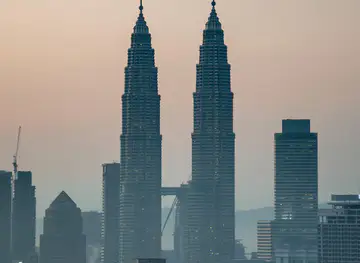
Explore more of Malaysia
Discover Malaysia: A stunning blend of modernity and nature, where diverse cultures meet, and adventure awaits. From vibrant cities to serene beaches, Malaysia has it all.
Explore Malaysia