

Free Pahang Travel Guide & Mobile App
Explore Pahang with free travel guides. Discover regional history, expert tips, proposed trips, and audio guides on web or mobile app.


Explore Pahang's Malaysian rainforests, tea highlands, eastern beaches, royal heritage and island waters from Kuantan to Tioman.
Read more about Pahang
When is the best time to visit Pahang?
Best: January–March · 31°C| Month | High (°C) | Rainfall (mm) |
|---|---|---|
| January (best) | 31 | 200 |
| February (best) | 31 | 140 |
| March (best) | 31 | 160 |
| April | 31 | 200 |
| May | 32 | 220 |
| June | 32 | 260 |
| July | 31 | 220 |
| August | 31 | 240 |
| September | 31 | 260 |
| October | 31 | 300 |
| November | 31 | 340 |
| December | 31 | 380 |
Getting to and around Pahang
How to get there
Transportation
Top city travel guides in Pahang
The cities of Pahang, and the easiest places to base yourself.
-

-

-

-

-

-


Swipe for more cities
Destinations in Pahang
Resorts, valleys and scenic spots worth a trip of their own.
-

-

-

-


Swipe for more destinations
Best attractions in Pahang
Pahang's attractions are defined by environmental variety and long travel distances. Taman Negara's Pahang sector, reached through Kuala Tahan, offers guided forest walks, river journeys, canopy experiences and longer treks in one of Peninsular Malaysia's great rainforest landscapes. Cameron Highlands provides cooler-weather activities around tea estates, vegetable farms, gardens and montane forest, while Genting Highlands in Bentong district combines a highland resort with entertainment and panoramic mountain settings. Along the coast, Cherating is associated with beaches, water activities and turtle conservation, and Kuantan provides urban, riverfront and coastal excursions. Tioman Island adds coral-rich waters, forest trails and small coastal settlements reached by boat. Inland towns such as Pekan, Raub, Kuala Lipis and Temerloh contribute royal, mining, river and museum heritage. Outdoor pursuits range from birdwatching and jungle trekking to diving, snorkelling, fishing and cycling, but conditions vary greatly by season and site. The strongest itineraries combine one natural environment with one cultural or urban base rather than trying to cover the entire state in a single circuit.
-
Attraction
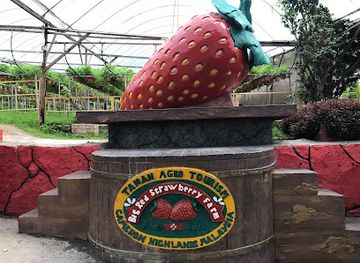
Big Red Strawberry Farm
Experience the joy of strawberry picking, indulge in delicious strawberry treats, and enjoy stunning views at Big Red Strawberry Farm in Brinchang, Pahang.
-
Botanical garden
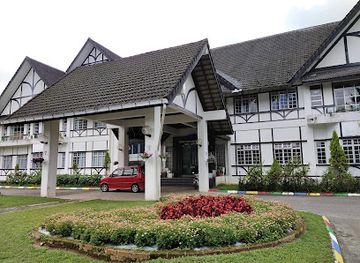
Agro Technology Park MARDI Cameron Highlands
Discover the beauty of Malaysia's agriculture at Agro Technology Park MARDI, a stunning botanical garden in the breathtaking Cameron Highlands.
-
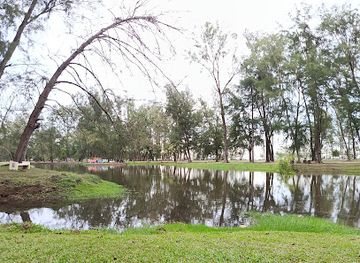
Taman Gelora Kuantan
Explore the lush landscapes and serene lakes of Taman Gelora Kuantan, a perfect park for relaxation and family fun in the heart of Kuantan.
-
Wildlife Sanctuary
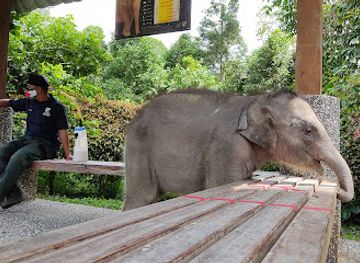
National Elephant Conservation Centre Kuala Gandah
Explore the National Elephant Conservation Centre in Kuala Gandah - a wildlife sanctuary dedicated to the protection and rehabilitation of Malaysia's majestic elephants.
Best landmarks in Pahang
Pekan's royal heritage is among Pahang's most distinctive built landmarks, expressed through the Sultan Abu Bakar Museum, royal institutions and the town's relationship with the Pahang Sultanate. In Kuala Lipis, surviving colonial-era civic buildings and the historic railway townscape recall the period when the inland settlement served as an administrative centre. Raub's older commercial architecture reflects the gold-mining economy that drew traders and workers into the interior. The Pahang River is a defining natural landmark, linking river settlements and shaping the state's geography on its course towards the coast. In Taman Negara, the rainforest canopy and forested ridges are landmarks of landscape rather than masonry, while Cameron Highlands' tea-covered slopes provide an instantly recognisable upland scene. Tioman's granite peaks, dense forest and clear coastal waters form another powerful visual symbol of Pahang. Along the coast, Cherating's broad beach and fishing-village setting are more significant for their maritime character than for monumental architecture, illustrating the contrast between the state's royal, mining, rainforest and island identities.
-
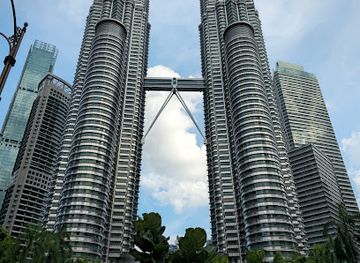
Historical landmark
Petronas Twin Towers
Explore the iconic Petronas Twin Towers, a breathtaking blend of modern architecture and cultural heritage in the heart of Kuala Lumpur.
-
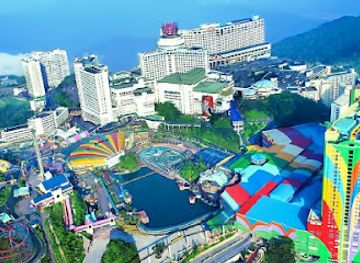
Resort hotel
Resorts World Genting
Discover adventure and relaxation at Resorts World Genting, a premier resort nestled in the stunning Genting Highlands, Malaysia's entertainment paradise.
-
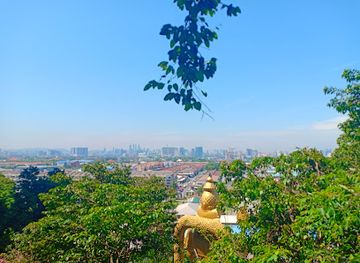
Shrine
Batu Caves
Explore the stunning Batu Caves, a unique blend of natural beauty and cultural heritage in Selangor, Malaysia, featuring impressive temples and breathtaking landscapes.
-
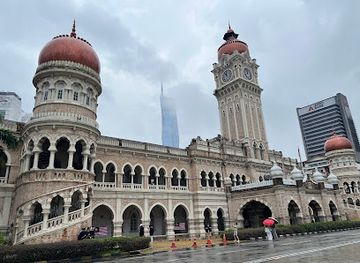
Historical landmark
Merdeka Square
Explore Merdeka Square, Kuala Lumpur's iconic historical landmark, a vibrant hub of culture, heritage, and national pride.
Explore Pahang on the map
Plan your trip on one map. See where the top cities, national parks and sights are, and book hotels and experiences in a few clicks.
Best hotels in Pahang
Best restaurants in Pahang
Pahang's dining reflects its rivers, coast, Malay court traditions and agricultural highlands. Kuantan and the east-coast towns are good places to sample Malay dishes based on rice, coconut, herbs, fermented ingredients and seafood, while freshwater fish from the state's river systems are especially associated with inland eating. Around Temerloh, ikan patin is a familiar local speciality, often prepared in rich or sour gravies, though menus vary by establishment. Cherating and Kuantan offer fish, prawns and other seafood alongside Chinese-Malaysian and Indian-Malaysian cooking. Cameron Highlands supplies strawberries, vegetables, herbs, tea and other produce used in cafés, steamboat meals and farm-linked eateries. Pekan and smaller towns are useful for traditional breakfast dishes, kuih and market food rather than formal dining. Pahang also shares national favourites such as nasi lemak, roti canai and noodle dishes, so regional identity is often found in ingredients and preparation rather than a single exclusive cuisine.
-
Malaysian
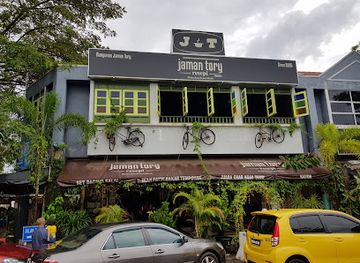
Jaman Tory Resepi
Discover the essence of Malaysian cuisine at Jaman Tory Resepi – where every dish tells a story.
-
Restaurant
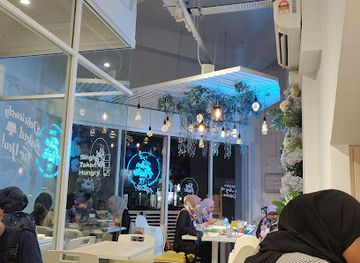
The Blue Plates
Discover a fusion of Malaysian and Western flavors at The Blue Plates in Kuantan, where every dish tells a delicious story.
-
Fusion restaurant
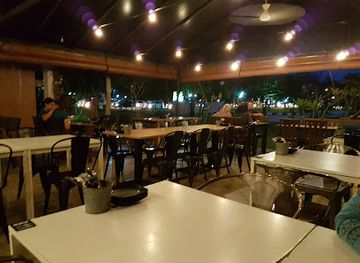
Lila Wadi Restaurant
Experience the best of Malaysian fusion cuisine at Lila Wadi Restaurant, where tradition meets innovation in every delicious bite.
-
Western
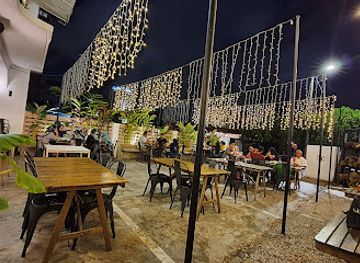
Rimba by Loft
Experience delightful Western cuisine at Rimba by Loft in Kuantan – where flavor meets ambiance.
Best bars in Pahang
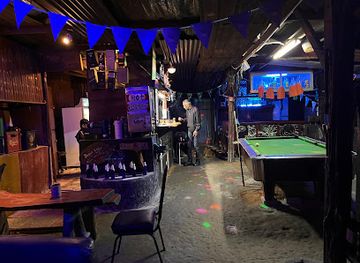
Pahang's evening life is varied but generally quieter and more dispersed than Kuala Lumpur's. Kuantan has the broadest selection of cafés, hotel bars, restaurants and occasional live-music venues, with evening activity concentrated around the town centre, waterfront areas and established hospitality districts rather than one dominant nightlife quarter. Cherating has a relaxed beach-oriented atmosphere, where restaurants, small bars and informal music venues provide the main after-dark options; activity can be seasonal and subdued during rough-weather periods. Cameron Highlands centres on restaurants, hotel lounges, steamboat dining and early-evening walks rather than large clubs. Genting Highlands, as a major resort area, has the state's most substantial entertainment infrastructure, including casino and performance facilities subject to current rules and access requirements. In Tioman and rural Pahang, evenings usually focus on accommodation restaurants, quiet beach settings and small local establishments, with limited late-night transport.
-
Bar
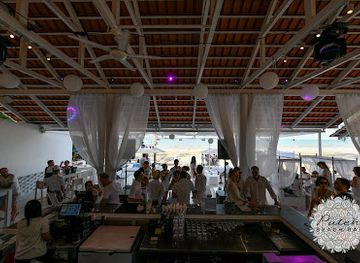
Puteh Beach Bar
Discover the ultimate beachside retreat at Puteh Beach Bar, where stunning views, delicious cuisine, and a vibrant atmosphere await in Kuantan.
-
Wine bar
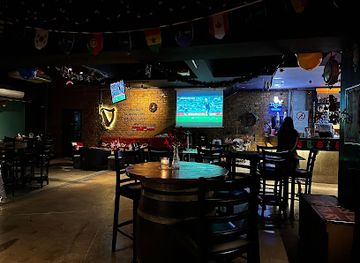
The 8th Bar
Discover The 8th Bar in Kuantan, a charming wine bar offering an exquisite selection of wines and delicious cuisine in a cozy atmosphere.
-
Bar
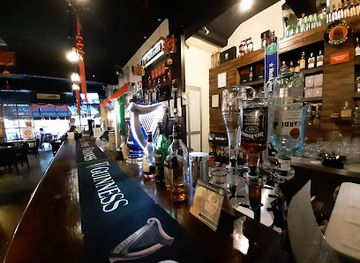
Black Pearl
Experience the essence of Kuantan's nightlife at Black Pearl, where exquisite dining meets a vibrant bar atmosphere.
-
Night club
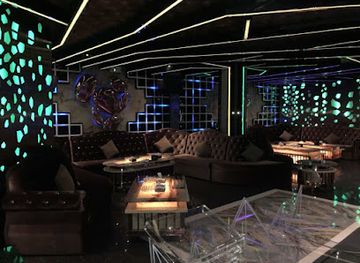
EMPEROR KTV
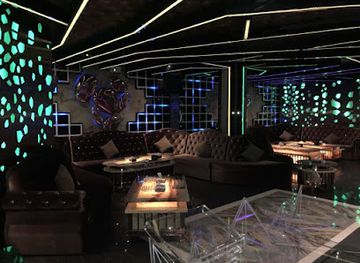
Discover the vibrant nightlife of Kuantan at Emperor KTV, where karaoke meets a chic wine bar atmosphere for unforgettable evenings.
Best nightclubs in Pahang
Pahang's evening life is varied but generally quieter and more dispersed than Kuala Lumpur's. Kuantan has the broadest selection of cafés, hotel bars, restaurants and occasional live-music venues, with evening activity concentrated around the town centre, waterfront areas and established hospitality districts rather than one dominant nightlife quarter. Cherating has a relaxed beach-oriented atmosphere, where restaurants, small bars and informal music venues provide the main after-dark options; activity can be seasonal and subdued during rough-weather periods. Cameron Highlands centres on restaurants, hotel lounges, steamboat dining and early-evening walks rather than large clubs. Genting Highlands, as a major resort area, has the state's most substantial entertainment infrastructure, including casino and performance facilities subject to current rules and access requirements. In Tioman and rural Pahang, evenings usually focus on accommodation restaurants, quiet beach settings and small local establishments, with limited late-night transport.
-
Night club
kyō kuala lumpur
Dive into the electrifying nightlife of kyō Kuala Lumpur, a must-visit night club with innovative cocktails and vibrant beats.
-
Bar
Jungle Bar
Discover the lively Jungle Bar in Tanah Rata – your ultimate destination for fun, drinks, and unforgettable evenings in the Cameron Highlands.
-
Night club
EMPEROR KTV
Discover the energetic nightlife at Emperor KTV in Kuantan, where music, drinks, and vibrant atmosphere await every night of the week.
-
Lounge
Barce Bistro & Lounge
Discover Barce Bistro & Lounge: A vibrant lounge in Kuantan for delicious food, refreshing drinks, and lively ambiance.

Best shops in Pahang
Shopping in Pahang is strongest in its market towns, food-producing areas and resort centres rather than in a single regional retail district. Kuantan provides the widest choice of department stores, malls, supermarkets, independent shops and urban markets, while Pekan is a useful place to look for traditional Malay handicrafts and locally made food products. Freshwater fish products, dried seafood, coconut-based snacks, sauces, kuih and other shelf-stable foods make practical edible souvenirs, subject to customs rules for the traveller's destination. Cameron Highlands is associated with tea, strawberries, vegetables, preserves, flowers and farm-shop produce, although visitors should consider how well fresh items will travel. Cherating and Tioman have small shops selling beach goods, clothing, crafts and practical island supplies rather than extensive retail ranges. In Bentong, Raub and Kuala Lipis, traditional shopfronts and local markets offer a more everyday view of inland commerce, with regional snacks and household goods often more representative than mass-produced souvenirs.
-
Outlet mall
Genting Highlands Premium Outlets
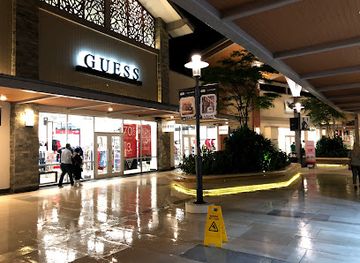
Discover unbeatable deals and breathtaking views at Genting Highlands Premium Outlets, a shopping haven in the clouds!
-
Shopping mall
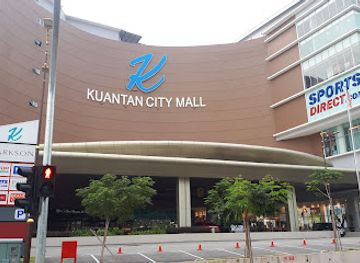
Kuantan City Mall
Discover shopping, dining, and entertainment at Kuantan City Mall – a vibrant hub in Pahang for locals and tourists alike.
-
Shopping mall
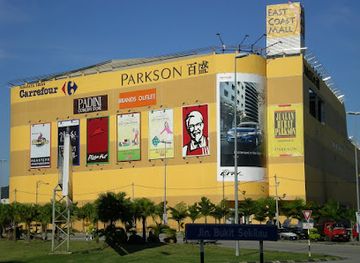
East Coast Mall
Discover East Coast Mall in Kuantan, Malaysia - a vibrant shopping hub with diverse stores, dining, and entertainment options for every traveler.
-
Shopping mall
Kuantan Parade
Discover the vibrant shopping and culinary experience at Kuantan Parade, the ultimate destination for tourists in Kuantan, Malaysia.
Get your free copy of our complete guide to Pahang, delivered straight to you.
Everything on this page, from attractions and restaurants to essentials and local phrases, in one PDF you can read offline, print or share.
Already have an account? Sign in
Your Pahang guide is ready.
We'll send it to · Not you? Sign out

Getting your guide ready…
We are putting together a fresh copy of the Pahang guide. This can take up to a minute.
This can take a few moments. If your browser asks, choose Allow so the download can start. You'll find the guide in your Downloads folder.
Nothing happened? Download it again
Sorry, the guide is taking longer than usual. Please try again in a minute, or get it by email instead.
Pahang essentials
Currency and Payment
Safety
Emergency Situations
Do's and Don'ts
Local Tips
From Eve
Local phrases worth knowing
You don't need to get them perfect. A few words go a long way, and locals appreciate the effort.
Basics
| English | Local | Say it |
|---|---|---|
| Hello | Hai | [hai] |
| Goodbye | Selamat tinggal | [səˈlɑːmət ˈtɪŋɡəl] |
| Yes | Ya | [ja] |
| No | Tidak | [tiˈdɑk] |
| Please/You're welcome | Sila/Sama-sama | [siˈlɑ/ˈsɑːmɑ ˈsɑːmə] |
| Thank you | Terima kasih | [təˈrimɑ ˈkɑːsih] |
| Excuse me/Sorry | Maaf | [mɑːʔ] |
| How are you? | Apa khabar? | [ˈɑpɑ ˈkɑbɑr] |
| Fine. And you? | Baik. Dan kamu? | [ˈbaɪk. dɑn ˈkɑmu] |
| Do you speak English? | Adakah kamu bercakap bahasa Inggeris? | [ˈɑdəˌkɑh ˈkɑmu bərˈtʃɑkɪp ˈbɑhɑːsə ˈɪŋɡərɪs] |
| I don't understand | Saya tidak faham | [ˈsaɪə ˈtiːdɑk ˈfɑhæm] |
Eating & Drinking
| English | Local | Say it |
|---|---|---|
| I'd like to see the menu, please | Saya ingin melihat menu, sila | [ˈsaɪə ˈiŋɪn məˈlihɑt ˈmɛnʊ, ˈsiːlɑ] |
| I don't eat meat | Saya tidak makan daging | [ˈsaɪə ˈtiːdɑk ˈmɑkɑn ˈdɑɡɪŋ] |
| Cheers! | Bersulang! | [bərˈsʊlɑŋ] |
| I would like to pay, please | Saya ingin membayar, sila | [ˈsaɪə ˈiŋɪn ˈməmˈbɑjɑr, ˈsiːlɑ] |
Emergencies
| English | Local | Say it |
|---|---|---|
| Help! | Tolong! | [ˈtoːlɒŋ] |
| Go away! | Pergi jauh! | [pərˈɡi ˈdʒɑʊ] |
| Call the Police! | Panggil Polis! | [ˈpæŋɡɪl ˈpoːlɪs] |
| Call a doctor! | Panggil doktor! | [ˈpæŋɡɪl ˈdɔktər] |
| I'm lost | Saya sesat | [ˈsaɪə səˈsɑt] |
| I'm ill | Saya sakit | [ˈsaɪə ˈsɑkɪt] |
Shopping
| English | Local | Say it |
|---|---|---|
| I'd like to buy... | Saya ingin beli... | [ˈsaɪə ˈiŋɪn bəˈli...] |
| I'm just looking | Saya hanya melihat | [ˈsaɪə ˈhɑnjə məˈlihɑt] |
| How much is it? | Berapa harganya? | [bəˈrɑːpɑ ˈhɑrɡɑnʲə] |
| That's too expensive | Itu terlalu mahal | [ˈitu tərˈlɑlu məˈhɑl] |
| Can you lower the price? | Bolehkah kamu turunkan harga? | [ˈboːlɛkɑh ˈkɑmu ˈtuːrʊŋkɑn ˈhɑrɡɑ] |
Time & Numbers
| English | Local | Say it |
|---|---|---|
| What time is it? | Jam berapa? | [dʒɑm bəˈrɑːpɑ] |
| It's one o'clock | Jam satu | [dʒɑm ˈsɑtu] |
| Half past (10) | Setengah (10) | [səˈtɪŋə(ʔ) (ˈsɪmpʌt)] |
| Morning | Pagi | [ˈpɑːɡi] |
| Afternoon | Petang | [pəˈtɑŋ] |
| Evening | Malam | [ˈmɑːlɑm] |
| Yesterday | Semalam | [səˈmɑlɑm] |
| Today | Hari ini | [ˈhɑri ˈini] |
| Tomorrow | Esok | [ˈɛsək] |
| 1 | Satu | [ˈsɑtu] |
| 2 | Dua | [ˈduːə] |
| 3 | Tiga | [ˈtiːɡɑ] |
| 4 | Empat | [əmˈpɑt] |
| 5 | Lima | [ˈliːmɑ] |
| 6 | Enam | [əˈnɑm] |
| 7 | Tujuh | [ˈtuːdʒu] |
| 8 | Lapan | [ˈlɑpɑn] |
| 9 | Sembilan | [səmˈbɪlɑn] |
| 10 | Sepuluh | [səˈpuːlʊh] |
Transport & Directions
| English | Local | Say it |
|---|---|---|
| Where's a/the...? | Di mana...? | [di ˈmɑnɑ] |
| What's the address? | Apa alamatnya? | [ˈɑpɑ ʔɑˈlɑːmɑtɪ] |
| Can you show me (on the map)? | Bolehkah kamu tunjukkan (pada peta)? | [ˈboːlɛkɑh ˈkɑmu ˈtunˌdʒʊkˌkɑn (ˈpɑdɑ ˈpɛtɑ)] |
| When's the next (bus)? | Bila bas seterusnya? | [ˈbɪlɑ bɑs səˈtɛrəʊsə] |
| A ticket (to ....) | Tiket (ke ...) | [ˈtɪkɛt (kə ...)] |
History of Pahang
Early river settlements and ancient trade
Pahang's major rivers, especially the Pahang River, supported settlement, agriculture and movement long before modern roads existed. Inland gold and forest products helped connect the area to wider trading networks across the Malay Peninsula and the South China Sea. Archaeological evidence from the region indicates long-established human occupation, while historical references to Pahang appear in Chinese and Malay sources under changing names and political influences. The state's geography made its river valleys important corridors between the interior, the east coast and neighbouring areas, even when political control was concentrated in selected settlements rather than across the whole forested territory.
The Pahang Malay sultanate
A recognisable Pahang sultanate developed through the wider dynastic and political world of the Malay Peninsula, with strong links to the Melaka and later Johor courts. Islam, court culture and Malay political traditions shaped the institutions that remain associated with the state today. Pekan became the historic royal centre, and the Pahang River helped connect the court with inland communities and coastal trade. The modern Sultanate of Pahang is part of Malaysia's constitutional monarchy, while Pekan's royal buildings, museums and ceremonial traditions continue to reflect the state's long political history.
Gold, tin and nineteenth-century rivalry
Mining and control of trade routes became increasingly important in the nineteenth century. Gold workings in areas such as Raub attracted local and international commercial interest, while tin and other resources linked Pahang to the rapidly changing economy of British Malaya. Rivalries among Malay political authorities and outside powers contributed to instability, and British influence expanded during the late nineteenth century. The consequences were visible in new administrative arrangements, roads, commercial settlements and patterns of migration. Raub and Kuala Lipis retain some of the clearest architectural and urban traces of this mining and colonial period.
British administration and Kuala Lipis
Kuala Lipis became an important administrative centre under British influence and served as the capital of the Federated Malay States' Pahang administration before the role later shifted to Kuantan. Its position at the meeting of river and overland routes made it valuable for administration and commerce. Government buildings, schools, railway-related infrastructure and residences reflected the colonial system, although the town's history also involved Malay communities and migrant workers connected with mining and trade. The surviving townscape provides context for understanding how Pahang's interior was incorporated into a more centralised Malayan economy.
War, occupation and the road to independence
Pahang, like the rest of Malaya, experienced Japanese occupation during the Second World War from 1941 to 1945. The period disrupted administration, trade and daily life, and the state's forests and interior routes also became associated with wartime movement and resistance. After the war, political change accelerated. The Federation of Malaya gained independence in 1957, and Pahang became one of its constituent states. Post-war development brought expanded roads, schools, public services and agricultural schemes, gradually reducing the isolation of many rural districts without eliminating the importance of forests and rivers.
Modern agriculture, forestry and tourism
In the later twentieth century, Pahang's economy broadened through rubber and oil-palm cultivation, commercial agriculture, logging, mining, manufacturing and services. Cameron Highlands developed as a major highland farming and domestic tourism centre, while Kuantan grew as the state's principal urban and industrial hub. Taman Negara and Tioman became internationally recognised nature destinations, creating employment while also raising questions about conservation, waste, water use and the management of sensitive ecosystems. Today Pahang's identity is shaped by the balance between economic development, royal and Malay heritage, Indigenous communities, agricultural production and the protection of rainforest, montane and marine environments.
Pahang in Photos
Browse through our photo collection highlighting the charm and character of the destination.
Neighbouring regions of Pahang
The closest regions to Pahang, if you have time for more than one.
-

-

-

-

-


Swipe for more regions
Explore more
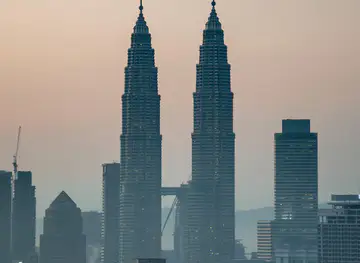
Explore more of Malaysia
Discover Malaysia: A stunning blend of modernity and nature, where diverse cultures meet, and adventure awaits. From vibrant cities to serene beaches, Malaysia has it all.
Explore Malaysia