

Free Selangor Travel Guide & Mobile App
Explore Selangor with free travel guides. Discover regional history, expert tips, proposed trips, and audio guides on web or mobile app.


Explore Selangor for royal heritage, rainforest, firefly rivers, limestone temples, diverse food and Malaysia's fast-changing urban landscape.
Read more about Selangor
When is the best time to visit Selangor?
Best: January–February, July · 31–32°C| Month | High (°C) | Rainfall (mm) |
|---|---|---|
| January (best) | 31 | 200 |
| February (best) | 31 | 170 |
| March | 32 | 220 |
| April | 32 | 230 |
| May | 32 | 250 |
| June | 32 | 200 |
| July (best) | 32 | 190 |
| August | 32 | 210 |
| September | 32 | 230 |
| October | 32 | 260 |
| November | 32 | 270 |
| December | 31 | 250 |
Getting to and around Selangor
How to get there
Transportation
Top city travel guides in Selangor
The cities of Selangor, and the easiest places to base yourself.

Swipe for more cities
Destinations in Selangor
Resorts, valleys and scenic spots worth a trip of their own.

Swipe for more destinations
Best attractions in Selangor
Selangor's attractions range from major religious and civic sites to mangrove wetlands, forest parks and working river ports. Batu Caves, in Gombak, combines dramatic limestone cliffs with an important Hindu temple complex, while Shah Alam offers the Sultan Salahuddin Abdul Aziz Shah Mosque, museums and landscaped public spaces. In the west, visitors can explore Klang's royal and commercial heritage, Port Klang's maritime setting and the mangroves around Kuala Selangor. Boat excursions near Kampung Kuantan provide opportunities to see fireflies after sunset, and coastal operators may visit the tidal sandbar known as Sky Mirror near Sasaran when conditions allow. Templer Park and other recreational forest areas offer swimming holes, picnicking and short nature outings, but conditions can change quickly after rain. Sepang adds the Sepang International Circuit, airport-area retail and rural coastal landscapes, while the urban districts provide galleries, shopping complexes, family attractions and a broad programme of cultural events. The variety lies in the contrast between dense Klang Valley development and quieter riverine, agricultural and forested districts rather than in one concentrated sightseeing quarter.
-
 Casino
Resorts World Genting
Discover the exhilarating blend of entertainment, luxury, and natural beauty at Genting Highlands, Malaysia's premier resort destination.
-
Shrine
Batu Caves
Discover the breathtaking Batu Caves, a stunning limestone hill with sacred temples and rich natural beauty just outside Kuala Lumpur.
-
Theme park
Sunway Lagoon
Experience the ultimate thrill at Sunway Lagoon, Malaysia's premier theme park with water rides, wildlife encounters, and endless fun for all ages.
-
Mountain cable car
Genting Highlands Premium Outlets Cable Car
Discover breathtaking views and unparalleled shopping at the Genting Highlands Premium Outlets Cable Car, a scenic adventure in Malaysia's highlands.


Best landmarks in Selangor
The Sultan Salahuddin Abdul Aziz Shah Mosque in Shah Alam, recognisable by its immense blue dome and tall minarets, is Selangor's foremost modern civic landmark and an important expression of the state capital's identity. In Gombak, the limestone escarpment and monumental staircase of Batu Caves form one of the state's most familiar visual symbols, while the temple complex remains a significant Hindu pilgrimage destination. Klang's Sultan Abdul Aziz Royal Gallery records the history of the Selangor royal household in the former Klang High Court building, giving the historic town a distinctive institutional landmark. On Kuala Selangor hill, the remains of Altingsburg Fort, commonly known as Bukit Malawati, overlook the river mouth and recall the area's strategic importance during the sultanate and colonial periods. The Klang River port landscape around Port Klang is a more industrial landmark, representing the maritime infrastructure that helped shape modern Selangor. In the south, Sepang International Circuit embodies the state's contemporary role in aviation, logistics and international motorsport.
-
Shrine
Batu Caves
Explore the majestic Batu Caves in Selangor, a stunning blend of natural beauty and rich Hindu culture, perfect for every traveler.
-
Botanical garden
Japanese Garden
Explore the enchanting beauty of the Japanese Garden in Bukit Tinggi, a tranquil escape filled with lush landscapes and cultural experiences.
-
Attraction
Malawati Hill
Explore Malawati Hill, where history meets nature in Kuala Selangor. Witness breathtaking views and engage with local wildlife in this scenic attraction.
-
Park
National Botanic Gardens Shah Alam
Explore the lush beauty of the National Botanic Gardens Shah Alam, a tranquil retreat showcasing Malaysia's rich biodiversity and stunning landscapes.


Explore Selangor on the map
Plan your trip on one map. See where the top cities, national parks and sights are, and book hotels and experiences in a few clicks.
Best hotels in Selangor
Best restaurants in Selangor
Selangor's dining scene reflects the state's Malay, Chinese, Indian and migrant communities, with particularly strong contrasts between urban food districts and the western coast. Klang is widely associated with bak kut teh, a peppery or herbal pork-and-broth dish served in specialist eateries, while seafood is prominent around coastal and estuarine communities. Petaling Jaya, Subang Jaya, Shah Alam and Klang offer extensive hawker centres, kopitiams, Indian-Muslim restaurants, Malay eateries and contemporary establishments, so visitors can sample nasi lemak, noodles, grilled seafood, roti and regional snacks in many settings. Wet markets and morning food stalls provide a more local experience than shopping malls, especially in older town centres. In rural districts, look for simple restaurants serving fish, rice dishes and produce from nearby farms. Halal practices are important across much of the dining landscape; visitors should check menus and restaurant policies where relevant, particularly when comparing Malay, Chinese and Indian culinary traditions.
-
Middle Eastern
Al-Sultan Restaurant
Experience authentic Middle Eastern cuisine at Al-Sultan Restaurant in Shah Alam – where every dish tells a story.
-
Seafood
Unique Seafood PJ23
Discover unique flavors at Unique Seafood PJ23 – where fresh catches meet traditional Chinese cuisine in Petaling Jaya.
-
Restaurant
Secret Of Louisiana At The Lake Restaurant
Savor authentic Cajun and Creole cuisine at Secret Of Louisiana At The Lake Restaurant—where every meal is a celebration of flavor.
-
Western
33 Blue Room
Discover the vibrant flavors of Western cuisine at 33 Blue Room in Petaling Jaya - a culinary gem that captivates every palate.


Best bars in Selangor
Selangor's evening life is concentrated in the urban districts rather than spread evenly across the state. Petaling Jaya, Subang Jaya, Shah Alam and parts of Klang offer cafés, restaurants, breweries, live-music rooms and bars, with the most varied late-night choices in the more metropolitan areas adjoining Kuala Lumpur. Shah Alam has a more restrained nightlife profile, reflecting its administrative and family-oriented character, while some of Petaling's commercial districts remain active after dinner. In Kuala Selangor and the rural coastal areas, evenings centre on seafood restaurants, kopitiams and local cafés rather than nightclubs; firefly excursions provide a nature-based night activity. Alcohol availability and licensing vary by establishment and locality, and visitors should respect Malaysian laws and local customs. Exact opening arrangements change frequently, so checking current venue information is advisable before making a late-night journey.
-
Grill
Havana Bar & Grill
Dive into the vibrant nightlife of Kuala Lumpur at Havana Bar & Grill, where delectable grilled dishes meet creative cocktails in an inviting atmosphere.
-
Bar
Suzie Wong - Dinner and Show
Discover the magic of nightlife at Suzie Wong, where exquisite dining meets spectacular live entertainment in Kuala Lumpur's vibrant heart.
-
Cocktail bar
Canopy Lounge Rooftop Bar KL
Experience the vibrant nightlife of Kuala Lumpur at Canopy Lounge Rooftop Bar, where stunning views and exquisite cocktails await.
-
Bar
SkyBar
Experience luxury and stunning views at SkyBar, the premier rooftop destination in Kuala Lumpur's vibrant nightlife scene.


Best nightclubs in Selangor
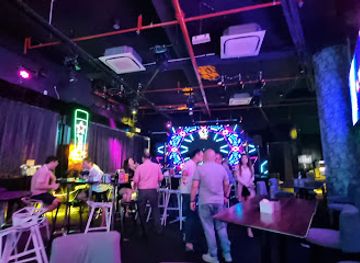
Selangor's evening life is concentrated in the urban districts rather than spread evenly across the state. Petaling Jaya, Subang Jaya, Shah Alam and parts of Klang offer cafés, restaurants, breweries, live-music rooms and bars, with the most varied late-night choices in the more metropolitan areas adjoining Kuala Lumpur. Shah Alam has a more restrained nightlife profile, reflecting its administrative and family-oriented character, while some of Petaling's commercial districts remain active after dinner. In Kuala Selangor and the rural coastal areas, evenings centre on seafood restaurants, kopitiams and local cafés rather than nightclubs; firefly excursions provide a nature-based night activity. Alcohol availability and licensing vary by establishment and locality, and visitors should respect Malaysian laws and local customs. Exact opening arrangements change frequently, so checking current venue information is advisable before making a late-night journey.
-
Night club
Privileged Space Vip Party House
Dive into the vibrant nightlife at Privileged Space Vip Party House, your ultimate destination for unforgettable parties and delectable bar & grill delights.
-
Night club
Zouk Genting
Unleash your party spirit at Zouk Genting, the ultimate night club experience in the heart of Genting Highlands.
-
Night club
BAE Club @ The Roof
Discover the vibrant nightlife at BAE Club @ The Roof, where stunning views and lively music create the ultimate party experience in Petaling Jaya.
-
Karaoke bar
Club 3
Experience the joy of singing and vibrant nightlife at Club 3, Petaling Jaya's top karaoke destination, perfect for all ages and music lovers.


Best shops in Selangor
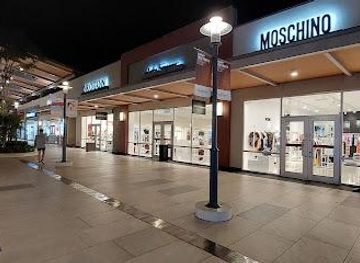
Shopping in Selangor ranges from major metropolitan malls to traditional markets and specialist food districts. Petaling Jaya, Subang Jaya and Shah Alam have large shopping complexes with Malaysian and international brands, cinemas, restaurants and air-conditioned respite from the heat, while older town centres offer more independent shops and practical local retail. Klang is useful for food products, traditional businesses and streetscapes linked to the historic port economy. Wet markets across the state are the best places to see seasonal fruit, vegetables, seafood, spices and prepared foods, although shopping is generally busiest in the morning. Around Kuala Selangor and the coastal districts, visitors can look for locally produced snacks, seafood products and small-scale craft goods rather than a formal souvenir industry. Airport-area retail in Sepang includes a broad range of Malaysian gifts and packaged foods, but prices and selection vary by terminal and outlet. Bargaining is not expected in most modern shops; it may be appropriate in some informal markets, provided it is conducted politely.
-
Shopping mall
1 Utama Shopping Centre
Experience the ultimate shopping adventure at 1 Utama Shopping Centre, Malaysia's premier shopping destination featuring unparalleled retail, dining, and entertainment options.
-
Outlet mall
Genting Highlands Premium Outlets
Explore the Genting Highlands Premium Outlets for an unparalleled shopping experience with breathtaking views and unbeatable discounts.
-
Shopping mall
AEON Mall Shah Alam
Discover the ultimate shopping experience at AEON Mall Shah Alam, where retail therapy meets culinary delights and family fun.
-
Shopping mall
The Curve
Explore The Curve in Petaling Jaya for an unforgettable shopping experience filled with dining, entertainment, and unique retail finds.



Get your free copy of our complete guide to Selangor, delivered straight to you.
Everything on this page, from attractions and restaurants to essentials and local phrases, in one PDF you can read offline, print or share.
Already have an account? Sign in
Your Selangor guide is ready.
We'll send it to · Not you? Sign out

Getting your guide ready…
We are putting together a fresh copy of the Selangor guide. This can take up to a minute.
This can take a few moments. If your browser asks, choose Allow so the download can start. You'll find the guide in your Downloads folder.
Nothing happened? Download it again
Sorry, the guide is taking longer than usual. Please try again in a minute, or get it by email instead.
Selangor essentials
Currency and Payment
Safety
Emergency Situations
Do's and Don'ts
Local Tips
From Eve
Local phrases worth knowing
You don't need to get them perfect. A few words go a long way, and locals appreciate the effort.
Basics
| English | Local | Say it |
|---|---|---|
| Hello | Hai | [hai] |
| Goodbye | Selamat tinggal | [səˈlamat ˈtiŋɡal] |
| Yes | Ya | [ja] |
| No | Tidak | [tiˈdak] |
| Please/You're welcome | Sila/Sama-sama | [siˈla/səˈmaːsəːma] |
| Thank you | Terima kasih | [təˈrima ˈkasih] |
| Excuse me/Sorry | Maaf | [maˈaf] |
| How are you? | Apa khabar? | [ˈapa ˈkabar] |
| Fine. And you? | Baik. Dan awak? | [baɪk. dan aˈwak] |
| Do you speak English? | Adakah anda bercakap dalam Bahasa Inggeris? | [ˈadaˌka anda bərˈtʃakap ˈdalam ˈbahasa ˈiŋɡərɪs] |
| I don't understand | Saya tidak faham | [ˈsaja tiˈdak ˈfaham] |
Eating & Drinking
| English | Local | Say it |
|---|---|---|
| I'd like to see the menu, please | Saya nak tengok menu, sila | [ˈsaja nak ˈteŋok meˈnu, ˈsiːla] |
| I don't eat meat | Saya tidak makan daging | [ˈsaja tiˈdak ˈmakan ˈdaɡɪŋ] |
| Cheers! | Bersulang! | [bərˈsulaŋ] |
| I would like to pay, please | Saya nak bayar, sila | [ˈsaja nak ˈbajar, ˈsiːla] |
Emergencies
| English | Local | Say it |
|---|---|---|
| Help! | Tolong! | [ˈtolong] |
| Go away! | Pergi jauh! | [ˈpərɡi dʒaʊ] |
| Call the Police! | Panggil polis! | [ˈpaŋɡil poˈlis] |
| Call a doctor! | Panggil doktor! | [ˈpaŋɡil ˈdoktor] |
| I'm lost | Saya sesat | [ˈsaja səˈsat] |
| I'm ill | Saya sakit | [ˈsaja ˈsakit] |
Shopping
| English | Local | Say it |
|---|---|---|
| I'd like to buy... | Saya nak beli... | [ˈsaja nak bəˈli] |
| I'm just looking | Saya cuma tengok | [ˈsaja ˈtʃuma ˈteŋok] |
| How much is it? | Berapa harganya? | [bəˈrapa ˈharɡaːnya] |
| That's too expensive | Itu terlalu mahal | [ˈitu tərˈlalu ˈmahal] |
| Can you lower the price? | Boleh turunkan harga? | [ˈbole turuŋkan ˈharɡa] |
Time & Numbers
| English | Local | Say it |
|---|---|---|
| What time is it? | Pukul berapa? | [ˈpuːkul ˈbəˈrapa] |
| It's one o'clock | Pukul satu | [ˈpuːkul ˈsatu] |
| Half past (10) | Setengah (10) | [səˈtɛŋa (10)] |
| Morning | Pagi | [ˈpaɡi] |
| Afternoon | Petang | [pəˈtaŋ] |
| Evening | Malam | [ˈmalam] |
| Yesterday | Semalam | [səˈmalam] |
| Today | Hari ini | [ˈhari ˈini] |
| Tomorrow | Esok | [ˈesok] |
| 1 | Satu | [ˈsatu] |
| 2 | Dua | [ˈdua] |
| 3 | Tiga | [ˈtiɡa] |
| 4 | Empat | [ɛmˈpat] |
| 5 | Lima | [ˈlima] |
| 6 | Enam | [əˈnam] |
| 7 | Tujuh | [ˈtuːdʒu] |
| 8 | Lapan | [ˈlapan] |
| 9 | Sembilan | [səmˈbilan] |
| 10 | Sepuluh | [səˈpuluh] |
Transport & Directions
| English | Local | Say it |
|---|---|---|
| Where's a/the...? | Di mana ...? | [di ˈmana ...?] |
| What's the address? | Apa alamatnya? | [ˈapa aˈlamatnya] |
| Can you show me (on the map)? | Boleh tunjukkan pada saya (di peta)? | [ˈbole tunˈdʒukan ˈpada ˈsaja (di ˈpəta)?] |
| When's the next (bus)? | Bila bas seterusnya? | [ˈbila bas səˈtərəsˌnya] |
| A ticket (to ....) | Satu tiket (ke ....) | [ˈsatu ˈtiket (kə ....)] |
History of Selangor
Early riverine and coastal settlements
Selangor's earliest communities were shaped by the Klang, Selangor and Bernam river systems, which connected inland resources with the Straits of Malacca. Archaeological evidence from the wider west coast of the Malay Peninsula indicates long-established maritime exchange, while later Malay settlements grew around river mouths, fishing grounds and routes linking the interior to coastal trade. The state's lowland geography encouraged movement rather than a single dominant urban centre, and the river ports that emerged later continued this older pattern of connecting hinterland production with regional commerce.
The Selangor Sultanate and Bugis influence
The modern Selangor Sultanate took shape in the eighteenth century under Bugis leadership, following the movement of Bugis elites into the Malay world after political changes in Sulawesi. Selangor's rulers consolidated authority around the Klang and Selangor river areas and developed relationships with neighbouring Malay states and trading powers. The sultanate remains central to the state's constitutional and cultural identity, with royal institutions in Klang and Shah Alam reflecting the continuing importance of the Selangor royal house.
Tin mining and the Klang War, nineteenth century
Tin transformed Selangor during the nineteenth century. Chinese mining communities expanded in the Klang Valley and around other mineral-rich districts, while Malay chiefs and the Selangor court competed for control of revenue and trade routes. Disputes over succession and mining rights contributed to the Klang War, fought from 1867 to 1874. British intervention followed, and the conflict marked a decisive shift in the political balance of Selangor. Mining wealth helped create the foundations of the urban economy that later developed around Kuala Lumpur, although Kuala Lumpur is now a separate federal territory.
British administration, railways and Port Swettenham
After British intervention, Selangor was incorporated into the Federated Malay States in 1896. Colonial administration, roads and railways linked mining settlements, plantations and ports more closely, while Klang retained its importance as a commercial centre. Port Swettenham, opened in 1901 near the mouth of the Klang River, became the state's principal maritime gateway and was later renamed Port Klang. The expansion of export agriculture, particularly rubber, added another layer to an economy already shaped by tin and river trade.
War, occupation and the path to independence
Selangor, like the rest of Malaya, experienced Japanese occupation from 1941 to 1945. The period disrupted trade, administration and everyday life, and was followed by political negotiations and anti-colonial mobilisation. Selangor became part of the Federation of Malaya at independence in 1957 and subsequently formed part of Malaysia from 1963. The state's ports, plantations, mines and growing towns gave it an influential position in the national economy during this transition.
Industrialisation and metropolitan expansion
From the second half of the twentieth century, Selangor changed from a largely resource and plantation economy into Malaysia's principal manufacturing, logistics and services corridor. New townships spread through Petaling, Klang and the southern districts, while highways, airports and industrial estates connected the state to domestic and international markets. Shah Alam became the state capital in 1974, and the creation of Kuala Lumpur as a separate federal territory intensified Selangor's role as the surrounding metropolitan state's residential, commercial and industrial counterpart.
Shah Alam and contemporary Selangor
The development of Shah Alam as a planned administrative capital gave Selangor a distinct civic centre after the separation of Kuala Lumpur. Its mosque, public buildings, museums and landscaped avenues express a modern state identity alongside older royal centres such as Klang. Today Selangor combines major universities, technology and manufacturing with agricultural villages, fishing settlements and protected natural areas. This contrast is one of its defining contemporary features, rather than merely a remnant of the past.
Selangor in Photos
Browse through our photo collection highlighting the charm and character of the destination.
Neighbouring regions of Selangor
The closest regions to Selangor, if you have time for more than one.
-

-

-

-

-


Swipe for more regions
Explore more
Explore more of Malaysia
Discover Malaysia: A stunning blend of modernity and nature, where diverse cultures meet, and adventure awaits. From vibrant cities to serene beaches, Malaysia has it all.
Explore Malaysia