

Peninsular Malaysia, Malaysia Travel Guide
Discover Peninsular Malaysia: A captivating blend of modern cities, ancient traditions, lush rainforests, and pristine beaches, perfect for every type of traveler.
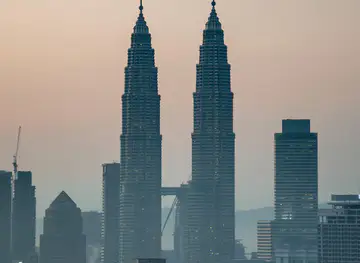
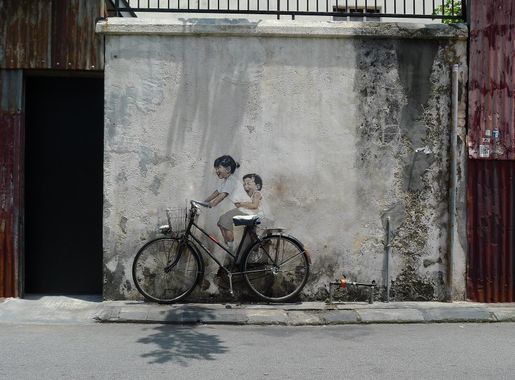
Peninsular Malaysia, also known as West Malaysia, is a treasure trove of vibrant culture, tantalizing cuisine, and breathtaking landscapes. It is a land where ancient traditions blend seamlessly with modernity, offering visitors a unique and unforgettable experience. From the bustling streets of Kuala Lumpur to the serene beaches of the east coast, every corner of Peninsular Malaysia invites exploration and discovery. Kuala Lumpur, the capital city, is a dynamic metropolis where iconic skyscrapers like the Petronas Twin Towers stand tall amidst traditional markets and colonial-era architecture. Wander through the bustling streets of Bukit Bintang for shopping and nightlife, or visit the historic Batu Caves, a limestone hill with stunning Hindu temples. The city is also a foodie’s paradise, with countless street food stalls and upscale restaurants offering a taste of Malaysia’s diverse culinary heritage. For nature enthusiasts, Peninsular Malaysia offers lush rainforests and pristine beaches. The Cameron Highlands provide a cool respite from the tropical heat, with tea plantations, strawberry farms, and scenic hiking trails. The east coast is home to some of the country’s most beautiful islands, such as Perhentian and Redang, where crystal-clear waters and vibrant coral reefs await snorkelers and divers. The Taman Negara National Park, one of the world's oldest rainforests, offers adventurous treks and the chance to spot exotic wildlife. Peninsular Malaysia is also rich in cultural heritage. The historic city of Malacca, a UNESCO World Heritage site, is a living museum of colonial history, with its well-preserved buildings and a blend of Portuguese, Dutch, and British influences. Meanwhile, the city of Penang is renowned for its eclectic street art, colonial architecture, and mouth-watering street food. The island’s capital, George Town, is a vibrant hub where tradition meets contemporary creativity. Whether you are seeking adventure, relaxation, or cultural immersion, Peninsular Malaysia has something to offer every traveler. Its friendly locals, diverse attractions, and rich history make it a must-visit destination in Southeast Asia.

Know before you go
Hi, I'm Eve. Here are a few practical things to know before exploring Peninsular Malaysia.
- Plan to visit during the dry season from May to September to avoid heavy rains and enjoy outdoor activities.
- Use local apps like Grab for convenient and affordable transportation within cities.
- Respect local customs and dress modestly, especially when visiting religious sites.
- Carry some cash, as small eateries and markets may not accept credit cards.
- Try the street food but ensure it is from a busy stall to ensure freshness and hygiene.
- Take advantage of the efficient and affordable train system to travel between major cities.
Top City Travel Guides in Peninsular Malaysia
The cities of Peninsular Malaysia, and the easiest places to base yourself.


Destinations in Peninsular Malaysia
Resorts, valleys and scenic spots worth a trip of their own.


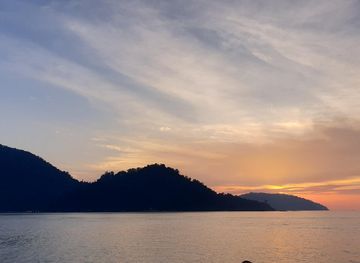


Explore Peninsular Malaysia: Things to Do, Places to Eat, Hotels & More
Handpicked recommendations for top attractions, local dining, accommodations, and more

Top Attractions & Sightseeing in Peninsular Malaysia
Top-rated picks
Best Attractions
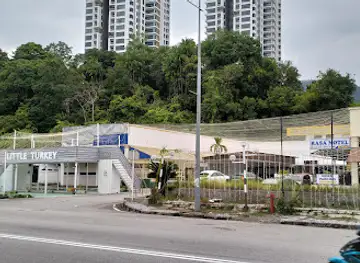
Penang Island
Experience the enchanting blend of culture, history, and natural beauty on Penang Island, Malaysia's gem of the Andaman Sea.

Tanjung Piai Southern Tip of Mainland Eurasia
Experience the breathtaking beauty of Tanjung Piai, the southernmost point of Eurasia, where mangrove forests meet diverse wildlife.

Bukit Keluang Recreation Park
Discover the breathtaking landscapes and thrilling hiking adventures at Bukit Keluang Recreation Park in Terengganu, Malaysia.

Taman Negara National Park
Experience the breathtaking biodiversity and adventure of Taman Negara National Park, Malaysia's oldest tropical rainforest and a haven for nature lovers.

Best landmarks in Peninsular Malaysia
Top-rated picks
Best Landmarks
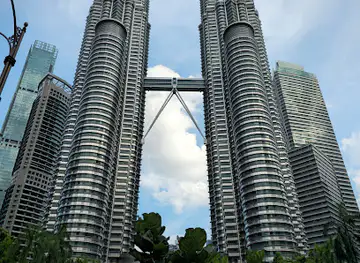
Petronas Twin Towers
Discover the architectural marvel of Petronas Twin Towers in Kuala Lumpur, a blend of modern design and cultural heritage with breathtaking views.

Resorts World Genting
Experience the ultimate getaway at Resorts World Genting, where luxury meets adventure in the heart of Malaysia's highlands.
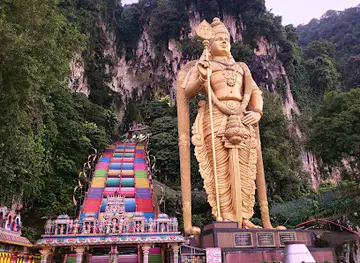
Batu Caves
Discover the spiritual and natural beauty of Batu Caves, a stunning shrine in Malaysia, with its iconic golden statue and breathtaking limestone cliffs.

Merdeka Square
Explore the historical essence of Kuala Lumpur at Merdeka Square, where rich heritage meets stunning colonial architecture in a lush park setting.

Best restaurants in Peninsular Malaysia
Top-rated picks
Best Restaurants

Hentian Gua Musang (Baru)
Discover Hentian Gua Musang: Your essential rest stop in Kelantan offering delicious breakfast and vibrant local culture.

Jibby East Grill
Experience the finest Western cuisine at Jibby East Grill in Taman Melati, Kuala Lumpur - where every dish tells a story.

Green View Garden Cameron Highlands
Experience breathtaking landscapes and delightful cuisine at Green View Garden in Cameron Highlands – a perfect blend of nature and flavor.

ZENZERO Restaurant & Wine Bar
Experience authentic Italian cuisine at ZENZERO Restaurant & Wine Bar in Kuala Lumpur - where culinary excellence meets elegant dining.

Best bars in Peninsular Malaysia
Top-rated picks
Best Bars

TREC Kuala Lumpur
Explore TREC Kuala Lumpur, the vibrant entertainment hub featuring bars, clubs, and fine dining in the heart of the city.

Havana Bar & Grill
Discover the vibrant atmosphere and exquisite flavors at Havana Bar & Grill, Kuala Lumpur's premier spot for grill, cocktails, and nightlife.

Suzie Wong - Dinner and Show
Discover the vibrant nightlife of Kuala Lumpur at Suzie Wong - Dinner and Show, where exquisite cuisine meets captivating live performances.

Heli Lounge Bar - Menara KH
Discover breathtaking views and vibrant nightlife at Heli Lounge Bar, Kuala Lumpur's premier rooftop bar with a unique helicopter pad experience.

Best nightclubs in Peninsular Malaysia
Top-rated picks
Best Nightclubs

TREC Kuala Lumpur
Discover the ultimate nightlife experience at TREC Kuala Lumpur, featuring vibrant bars, live music, and exquisite dining in the heart of the city.

kyō kuala lumpur
Discover the electrifying nightlife of Kyō Kuala Lumpur, where sophistication meets pulsating beats in the heart of the city.

Gemu Club KL
Discover the pulse of Kuala Lumpur's nightlife at Gemu Club KL, where electrifying music and vibrant energy come together for an unforgettable experience.

Pitt Club KL
Dive into the electrifying nightlife of Kuala Lumpur at Pitt Club KL, where unforgettable moments and vibrant beats await.

Best shops in Peninsular Malaysia
Top-rated picks
Best Shops

Suria KLCC
Experience the ultimate shopping and dining adventure at Suria KLCC, Kuala Lumpur's premier shopping destination beneath the Petronas Twin Towers.

Central Market
Discover the rich culture and vibrant shopping experiences at Central Market, a must-visit landmark in Kuala Lumpur.

Genting Highlands Premium Outlets
Experience unparalleled shopping at Genting Highlands Premium Outlets, where stunning views meet incredible discounts on top brands.

Mitsui Outlet Park KLIA
Discover unbeatable deals and a diverse shopping experience at Mitsui Outlet Park KLIA, the ultimate outlet mall near Kuala Lumpur International Airport.

Explore Peninsular Malaysia on the Map
A handpicked selection of must-see spots in Peninsular Malaysia, mapped for you.
Peninsular Malaysia Essentials
-
Peninsular Malaysia is well-connected by air, land, and sea. The main entry point by air is Kuala Lumpur International Airport (KLIA), which serves numerous international flights. Other significant airports include Penang International Airport and Senai International Airport in Johor Bahru. By land, travelers can enter from Thailand through border crossings at Bukit Kayu Hitam and Padang Besar. There are also ferry services connecting Malaysia to Indonesia and Thailand.
-
Peninsular Malaysia offers multiple transportation options. The extensive road network makes car rental a viable option for exploring the region. Public transportation includes trains operated by KTM (Keretapi Tanah Melayu), buses, and taxis. In cities like Kuala Lumpur, public transport options include the Light Rail Transit (LRT), Mass Rapid Transit (MRT), and buses operated by RapidKL. e-Hailing services like Grab are widely available.
-
The official currency is the Malaysian Ringgit (MYR). Credit and debit cards are widely accepted in urban areas, hotels, and larger restaurants. However, it is advisable to carry some cash, especially when traveling to rural areas. ATMs are readily available in cities and towns. Currency exchange services are also accessible at airports, banks, and money changers.
-
Peninsular Malaysia is generally safe for tourists, but it's essential to take standard precautions. Petty crimes like pickpocketing and bag snatching can occur, especially in crowded areas such as Jalan Alor in Kuala Lumpur and certain parts of Johor Bahru. Avoid walking alone at night in unfamiliar areas and always be aware of your surroundings. Keep your valuables secure and avoid displaying large amounts of cash.
-
In case of an emergency, dial 999 for police, fire, and medical assistance. Major hospitals and clinics are available in cities and larger towns, offering quality medical services. Pharmacies are also widely accessible for minor health issues. It's recommended to have travel insurance that covers medical emergencies. For consular assistance, contact your embassy or consulate in Malaysia.
-
Fashion: Do dress modestly, especially when visiting religious sites. Avoid wearing revealing clothes in public places. Religion: Do respect local customs and traditions. Remove your shoes before entering someone's home or a place of worship. Public Transport: Do be respectful and offer your seat to elderly passengers. Avoid eating and drinking on public transport. Greetings: Do greet locals with a polite 'Salam' (hello) or 'Selamat pagi' (good morning). A handshake is common, but for Muslim women, it's best to wait for them to extend their hand first. Eating & Drinking: Do try local dishes and accept food offerings graciously. Avoid pointing with your feet or touching anyone's head, as these are considered disrespectful.
-
To experience Peninsular Malaysia like a local, visit the night markets (pasar malam) where you can sample a variety of street food and buy local goods. Engage with locals and don’t hesitate to ask for their recommendations on places to visit and eat. For a unique experience, take a walk through the historical streets of George Town in Penang or visit the traditional villages (kampungs) to get a glimpse of rural life. Don't miss out on the local coffee shops (kopitiams) for an authentic Malaysian breakfast.
When is the best time to visit Peninsular Malaysia?
Useful Local Phrases for Peninsular Malaysia
You don't need to speak the language perfectly. Even learning a few simple words can make conversations warmer—and locals usually appreciate the effort.
— Eve

Here are the phrases I use most often in Peninsular Malaysia. Try a few—you'll be surprised how far they go! 😊
❤️
-
- HelloHalo
[ha-lo] - GoodbyeSelamat tinggal
[se-la-mat ting-gal] - YesYa
[ya] - NoTidak
[ti-dak] - Please/You're welcomeSila/Sama-sama
[si-la/sa-ma sa-ma] - Thank youTerima kasih
[te-ri-ma ka-si] - Excuse me/SorryMaaf
[ma-af] - How are you?Apa khabar?
[a-pa kha-bar] - Fine. And you?Baik. Dan kamu?
[ba-ik. dan ka-mu] - Do you speak English?Adakah anda bercakap dalam bahasa Inggeris?
[a-da-kah an-da ber-cha-kap da-lam ba-ha-sa in-ger-is] - I don't understandSaya tidak faham
[sa-ya ti-dak fa-ham]
- HelloHalo
-
- I'd like to see the menu, pleaseSaya ingin melihat menu, sila
[sa-ya in-gin me-li-hat me-nu, si-la] - I don't eat meatSaya tidak makan daging
[sa-ya ti-dak ma-kan da-ging] - Cheers!Bersulang!
[ber-su-lang] - I would like to pay, pleaseSaya ingin membayar, sila
[sa-ya in-gin mem-ba-yar, si-la]
- I'd like to see the menu, pleaseSaya ingin melihat menu, sila
-
- Help!Tolong!
[to-long] - Go away!Pergi jauh!
[per-gi ja-uh] - Call the Police!Panggil polis!
[pang-gil po-lis] - Call a doctor!Panggil doktor!
[pang-gil dok-tor] - I'm lostSaya sesat
[sa-ya se-sat] - I'm illSaya sakit
[sa-ya sa-kit]
- Help!Tolong!
-
- I'd like to buy...Saya ingin membeli...
[sa-ya in-gin mem-be-li] - I'm just lookingSaya hanya melihat
[sa-ya han-ya me-li-hat] - How much is it?Berapa harganya?
[be-ra-pa har-ga-nya] - That's too expensiveItu terlalu mahal
[i-tu ter-la-lu ma-hal] - Can you lower the price?Bolehkah anda menurunkan harga?
[bo-leh-kah an-da me-nu-run-kan har-ga]
- I'd like to buy...Saya ingin membeli...
-
- What time is it?Pukul berapa?
[pu-kul be-ra-pa] - It's one o'clockPukul satu
[pu-kul sa-tu] - Half past (10)Setengah (10)
[se-te-ngah (10)] - MorningPagi
[pa-gi] - AfternoonPetang
[pe-tang] - EveningMalam
[ma-lam] - YesterdaySemalam
[se-ma-lam] - TodayHari ini
[ha-ri i-ni] - TomorrowEsok
[e-sok] - 1Satu
[sa-tu] - 2Dua
[dua] - 3Tiga
[ti-ga] - 4Empat
[em-pat] - 5Lima
[li-ma] - 6Enam
[e-nam] - 7Tujuh
[tu-juh] - 8Lapan
[la-pan] - 9Sembilan
[sem-bi-lan] - 10Sepuluh
[se-pu-luh]
- What time is it?Pukul berapa?
-
- Where's a/the...?Di mana ...?
[di ma-na ...?] - What's the address?Apa alamatnya?
[a-pa a-la-mat-nya] - Can you show me (on the map)?Bolehkah anda tunjukkan (di peta)?
[bo-leh-kah an-da tun-juk-kan (di pe-ta)?] - When's the next (bus)?Bila bas seterusnya?
[bi-la bas se-te-rus-nya] - A ticket (to ....)Tiket (ke ....)
[ti-ket (ke ....)]
- Where's a/the...?Di mana ...?
History of Peninsular Malaysia
-
Peninsular Malaysia has a rich history dating back to ancient times when it was home to various kingdoms such as the Langkasuka, Kedah, and Srivijaya. The Langkasuka Kingdom, believed to have been established in the 2nd century, was one of the earliest known Malay kingdoms, flourishing in the northern region. The Kedah Sultanate, established around the 5th century, played a significant role in the regional trade networks, while the Srivijaya Empire, centered in Sumatra, had a profound influence on the peninsula, controlling trade routes and spreading Buddhism.
-
The Malacca Sultanate, founded in the early 15th century by Parameswara, a Sumatran prince, marks a pivotal era in Peninsular Malaysia's history. Malacca quickly became a significant maritime trading hub, attracting merchants from China, India, Arabia, and Europe. The Sultanate is credited with the spread of Islam in the region and the establishment of Malay culture and language. Its strategic location along the Straits of Malacca made it a crucial link in the spice trade, leading to its eventual conquest by the Portuguese in 1511.
-
The colonial period in Peninsular Malaysia began with the Portuguese conquest of Malacca in 1511. This was followed by the Dutch takeover in 1641, and eventually, the British established control in the late 18th and early 19th centuries. The British influence grew with the signing of treaties with local Malay rulers, leading to the establishment of the Straits Settlements, Federated Malay States, and Unfederated Malay States. The British introduced new administrative systems, rubber and tin industries, and infrastructure development, profoundly shaping the economic and social landscape of the peninsula.
-
During World War II, Peninsular Malaysia experienced a significant upheaval with the Japanese occupation from 1941 to 1945. The Japanese invasion was swift, leading to the fall of British Malaya. The occupation was marked by harsh rule, economic disruption, and widespread atrocities. The Japanese sought to win local support by promoting anti-colonial sentiments, but their brutal tactics ultimately led to resistance movements. The period also saw the rise of the Malayan Communist Party, which played a role in the subsequent struggle for independence.
-
The pathway to Malaysia's independence was shaped by various political movements and negotiations. In the post-war period, the Malayan Union proposal by the British was met with strong opposition from the Malays, leading to the formation of the United Malays National Organisation (UMNO). The Federation of Malaya was established in 1948, bringing together the Malay states under a federal system. The journey culminated on August 31, 1957, when the Federation of Malaya gained independence with Tunku Abdul Rahman as its first Prime Minister. This event marked the birth of a sovereign nation, laying the foundation for modern Malaysia.
-
Peninsular Malaysia is a melting pot of cultures, reflecting its historical interactions with various civilizations. The Malay, Chinese, Indian, and indigenous communities have coexisted for centuries, each contributing to the peninsula's rich cultural tapestry. This diversity is evident in the region's festivals, cuisine, languages, and architectural styles. The Malay culture, with its traditional dances, music, and crafts, forms the core of the national identity. Meanwhile, the Chinese and Indian communities have enriched the cultural landscape with their unique traditions, festivals like Chinese New Year and Deepavali, and culinary delights.
-
Peninsular Malaysia has undergone a remarkable economic transformation over the decades. From its early days as a major tin and rubber producer during the colonial era, the peninsula has diversified its economy, becoming a significant player in the global market. The economic policies of the 1970s and 1980s focused on industrialization, leading to the growth of manufacturing sectors such as electronics, automotive, and textiles. The development of infrastructure, including the North-South Expressway and the establishment of economic corridors, has further propelled the region's economic progress, making it a dynamic and prosperous part of Malaysia.
Neighbouring Regions of Peninsular Malaysia
The closest regions to Peninsular Malaysia, if you have time for more than one.


Your all‑in‑one travel companion app
Explore expert travel guides, compare and book tours, experiences, hotels, and more—all from the palm of your hand. Download now for seamless trip planning wherever your wanderlust takes you.


Explore More of Malaysia
Looking beyond Peninsular Malaysia? Discover Malaysia for broader travel guides, local hot-spots, and regional highlights.
Explore MalaysiaPeninsular Malaysia in Photos
Browse through our photo collection highlighting the charm and character of the destination.


The Enchanting Wonders of Peninsular Malaysia
Peninsular Malaysia, also known as West Malaysia, is a treasure trove of vibrant culture, tantalizing cuisine, and breathtaking landscapes. It is a land where ancient traditions blend seamlessly with modernity, offering visitors a unique and unforgettable experience. From the bustling streets of Kuala Lumpur to the serene beaches of the east coast, every corner of Peninsular Malaysia invites exploration and discovery. Kuala Lumpur, the capital city, is a dynamic metropolis where iconic skyscrapers like the Petronas Twin Towers stand tall amidst traditional markets and colonial-era architecture. Wander through the bustling streets of Bukit Bintang for shopping and nightlife, or visit the historic Batu Caves, a limestone hill with stunning Hindu temples. The city is also a foodie’s paradise, with countless street food stalls and upscale restaurants offering a taste of Malaysia’s diverse culinary heritage. For nature enthusiasts, Peninsular Malaysia offers lush rainforests and pristine beaches. The Cameron Highlands provide a cool respite from the tropical heat, with tea plantations, strawberry farms, and scenic hiking trails. The east coast is home to some of the country’s most beautiful islands, such as Perhentian and Redang, where crystal-clear waters and vibrant coral reefs await snorkelers and divers. The Taman Negara National Park, one of the world's oldest rainforests, offers adventurous treks and the chance to spot exotic wildlife. Peninsular Malaysia is also rich in cultural heritage. The historic city of Malacca, a UNESCO World Heritage site, is a living museum of colonial history, with its well-preserved buildings and a blend of Portuguese, Dutch, and British influences. Meanwhile, the city of Penang is renowned for its eclectic street art, colonial architecture, and mouth-watering street food. The island’s capital, George Town, is a vibrant hub where tradition meets contemporary creativity. Whether you are seeking adventure, relaxation, or cultural immersion, Peninsular Malaysia has something to offer every traveler. Its friendly locals, diverse attractions, and rich history make it a must-visit destination in Southeast Asia.