

Little India (George Town) Travel Guide - Free
Explore Little India in George Town with Evendo's free guide. Find the best shops, historic streets, restaurants, and gems on web or mobile.


Little India George Town brings together Hindu temples, Indian Muslim heritage, spice shops, banana-leaf cuisine and lively streets in historic Penang.
A Compact Historic Quarter
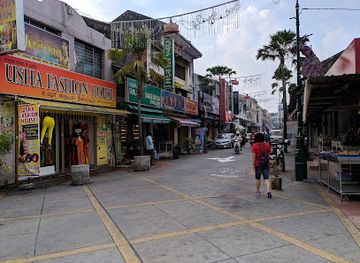
Little India occupies a compact cluster of streets in the heart of George Town, centred on Lebuh Queen, Lebuh Pasar, Lebuh Chulia and the lanes leading towards Lebuh King. Its shopfronts, temples, textile stores, jewellers and food businesses give this part of Penang's UNESCO-listed historic city a character distinct from the surrounding shophouse districts. The quarter is easy to explore on foot, with the scent of spices and incense often drifting between colourful façades and covered five-foot ways.Read more about Little India
Indian and Indian Muslim Heritage
Food, Shops and Street Life
Best attractions in Little India
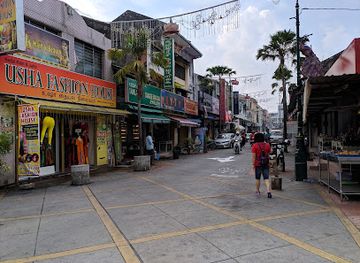
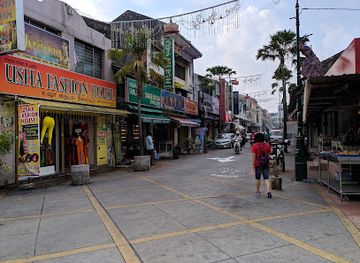
Little India's attractions are concentrated within a walkable historic grid rather than gathered in a single museum complex. Sri Mahamariamman Temple on Lebuh Queen is the quarter's most distinctive Hindu sight, with its richly ornamented entrance and continuing role as a place of worship. The streets around Lebuh Pasar and Lebuh Chulia provide the main sensory experience, combining spice and textile shops, restaurants, religious music and conserved shophouses with the close urban rhythm of George Town's old centre. The nearby Kapitan Keling Mosque, just beyond the quarter's commercial core, adds an important Indian Muslim dimension to the area and is best approached respectfully as an active religious site. Visitors can also examine the junctions with Lebuh King and Penang Street, where different architectural traditions and long-established businesses reveal the multicultural history of the wider World Heritage Site.
-
Tourist attraction
Penang Little India
Experience the colorful charm and rich culture of Penang Little India, where vibrant markets and delicious Indian cuisine await.
5 min walk · 0.4 km from neighbourhood centre
-
Tourist attraction
Padang Kota Lama (Esplanade)
Explore the historical and cultural heart of Penang at Padang Kota Lama, a scenic esplanade perfect for relaxation and local flavors.
12 min walk · 1.0 km from neighbourhood centre
-
Tourist attraction
Georgetown UNESCO Historic Site
Discover the vibrant streets of Georgetown UNESCO Historic Site, where history, culture, and culinary delights await every traveler.
4 min walk · 0.3 km from neighbourhood centre
-
Tourist attraction
Street Art - Brother & Sister on a Swing
Explore the enchanting mural of Brother & Sister on a Swing, a captivating highlight of George Town's vibrant street art scene.
4 min walk · 0.3 km from neighbourhood centre
Best landmarks in Little India
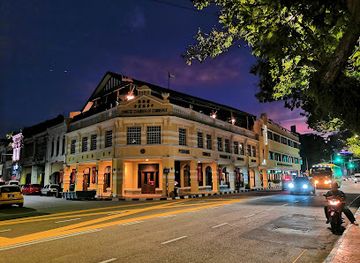
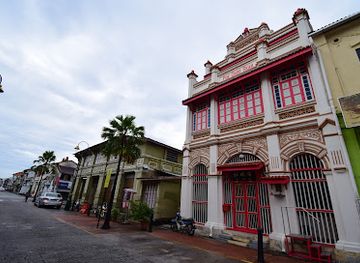
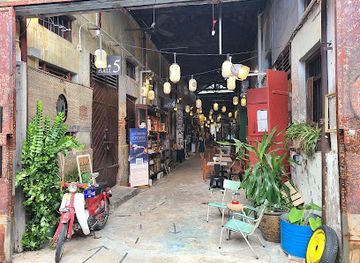
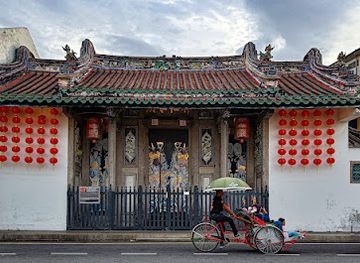
Sri Mahamariamman Temple on Lebuh Queen is Little India's defining landmark, both for its prominent Hindu iconography and for its continuing importance to George Town's Tamil community. The temple's ornate entrance contrasts with the restrained façades of the surrounding shophouses, making the junction a useful point for understanding how religious and commercial life overlap in the quarter. Nearby, the Kapitan Keling Mosque is a major historic marker of Indian Muslim presence in George Town, although its grounds and principal setting extend beyond the narrowest definition of Little India. The five-foot ways, timber shutters, narrow plots and continuous street fronts around Lebuh Queen, Lebuh Pasar and Lebuh Chulia are landmarks in a broader architectural sense: together they preserve the trading pattern of the old town. Their significance lies in their living use as much as in their appearance.
-
Tourist attraction
Penang Little India
Experience the rich culture, delicious food, and vibrant atmosphere of Penang Little India, a must-visit destination in George Town, Malaysia.
5 min walk · 0.4 km from neighbourhood centre
-
Tourist attraction
Georgetown UNESCO Historic Site
Explore Georgetown UNESCO Historic Site: A Cultural Gem with Colonial Charm and Culinary Delights Awaiting Every Traveler.
4 min walk · 0.3 km from neighbourhood centre
-
Tourist attraction
Penang Street Art
Explore the captivating world of Penang Street Art, where vibrant murals and creative expressions breathe life into George Town's cultural landscape.
1 min walk · 0.1 km from neighbourhood centre
-
Historical landmark
Clan Jetties of Penang
Explore the Clan Jetties of Penang, a UNESCO Heritage site, where history, culture, and stunning views converge in a unique waterfront experience.
3 min walk · 0.2 km from neighbourhood centre
Explore Little India on the map
A handpicked selection of must-see spots in Little India, mapped for you.
Best hotels in Little India
Best restaurants in Little India
Little India's food scene is one of George Town's clearest expressions of South Asian heritage, with restaurants and cafés concentrated around Lebuh Queen, Lebuh Pasar and adjoining streets. Menus commonly feature dosa, idli, roti, biryani, curries and banana-leaf meals, alongside Indian sweets, savoury snacks, tea and cooling drinks. Vegetarian options are particularly visible, while Indian Muslim eateries contribute rice dishes, breads and richly spiced gravies. The appeal lies less in a formal restaurant district than in the succession of modest, street-facing businesses where food is prepared for local customers as well as visitors. Diners should distinguish Indian vegetarian and Muslim establishments according to their own dietary needs, and may find that service styles range from quick counter ordering to seated meals. The surrounding grocery and spice shops also help explain the ingredients and culinary traditions behind the cooked food.
-
Indian Muslim restaurant
Hameediyah Restaurant
Discover authentic Indian Muslim cuisine at Hameediyah Restaurant in George Town – a culinary treasure in Penang.
10 min walk · 0.8 km from neighbourhood centre
-
Indian
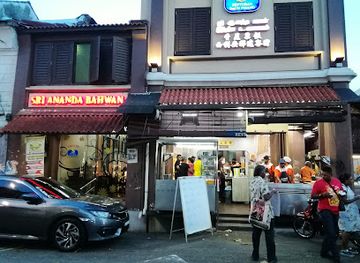
Sri Ananda Bahwan
Experience the authentic flavors of India at Sri Ananda Bahwan in George Town - where every dish tells a story.
6 min walk · 0.5 km from neighbourhood centre
-
Indian
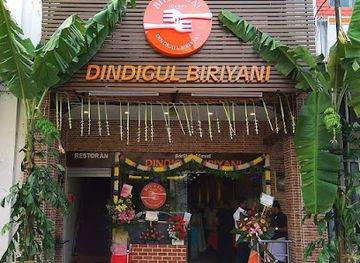
Bite N Eat Dindigul Biriyani
Experience the authentic taste of India at Bite N Eat Dindigul Biriyani in George Town – a culinary delight not to be missed!
6 min walk · 0.5 km from neighbourhood centre
-
Indian
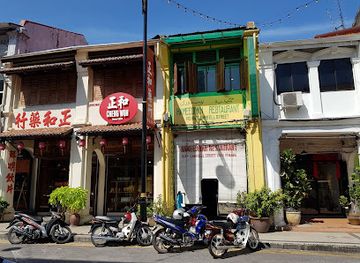
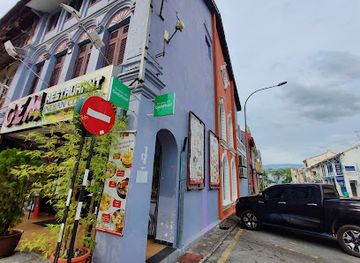
Gem Restaurant (ஜெம் உணவகம்
Experience authentic Indian flavors at Gem Restaurant in George Town - where every dish is crafted with passion and tradition.
8 min walk · 0.7 km from neighbourhood centre
Best bars in Little India
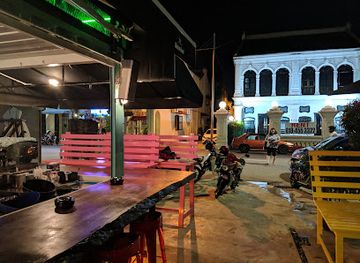
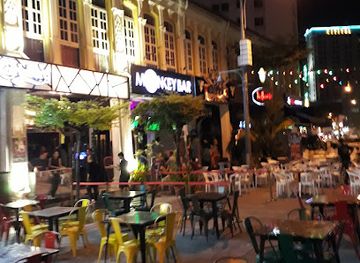
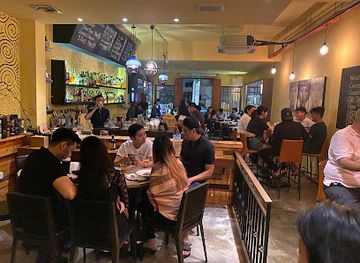
Little India is not one of George Town's main late-night clubbing districts, and its evening character is shaped more by restaurants, sweet shops, tea stops and religious activity than by loud entertainment. After dark, the shophouse streets can become quieter as smaller retailers close, although central roads around Lebuh Chulia retain more evening movement. The quarter is therefore better suited to a meal, a gentle architectural walk or a visit timed around cultural activity than to a dedicated bar crawl. Visitors seeking a broader selection of pubs, cocktail bars and live-music venues will find more options in nearby parts of the historic centre, but should not describe those adjacent lanes as Little India itself. Respect for worshippers and residents is important around temples, mosques and upper-floor homes, particularly when returning through the neighbourhood late at night.
-
Tourist attraction
Penang Little India
Discover the rich culture and vibrant flavors of Penang Little India, a must-see destination in George Town, Malaysia.
5 min walk · 0.4 km from neighbourhood centre
-
Pub
The Pokok - All Day Bar
Experience the vibrant nightlife of George Town at The Pokok - All Day Bar, where delicious food and creative cocktails meet a lively atmosphere.
7 min walk · 0.6 km from neighbourhood centre
-
Bar
Olive Kitchen + Bar Penang
Discover the vibrant flavors of Penang at Olive Kitchen + Bar, where culinary artistry meets a lively atmosphere in the heart of George Town.
12 min walk · 1.0 km from neighbourhood centre
-
Bistro
MM2
Discover MM2 Bistro: A culinary gem in George Town, Penang, where tradition meets modernity in a delightful dining experience.
9 min walk · 0.7 km from neighbourhood centre
Best nightclubs in Little India
Little India is not one of George Town's main late-night clubbing districts, and its evening character is shaped more by restaurants, sweet shops, tea stops and religious activity than by loud entertainment. After dark, the shophouse streets can become quieter as smaller retailers close, although central roads around Lebuh Chulia retain more evening movement. The quarter is therefore better suited to a meal, a gentle architectural walk or a visit timed around cultural activity than to a dedicated bar crawl. Visitors seeking a broader selection of pubs, cocktail bars and live-music venues will find more options in nearby parts of the historic centre, but should not describe those adjacent lanes as Little India itself. Respect for worshippers and residents is important around temples, mosques and upper-floor homes, particularly when returning through the neighbourhood late at night.
-
Disco club
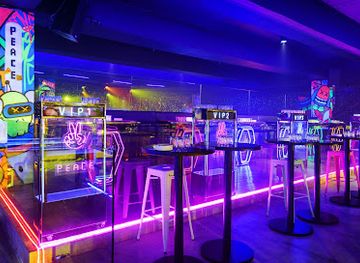
Peace Club Penang
Discover the vibrant nightlife of George Town at Peace Club Penang, a premier disco club and casino experience that promises unforgettable memories.
9 min walk · 0.7 km from neighbourhood centre
-
Night club
Mankatha Club Penang
Dive into the electrifying nightlife of Mankatha Club Penang, where vibrant music, exquisite drinks, and a lively atmosphere await every party lover.
17 min walk · 1.4 km from neighbourhood centre
-
Disco club
PENDORA CLUB | 潘多拉俱乐部
Discover the pulsating nightlife of Pendora Club in George Town, where music, dance, and unforgettable memories await every night.
12 min walk · 1.0 km from neighbourhood centre
-
Night club
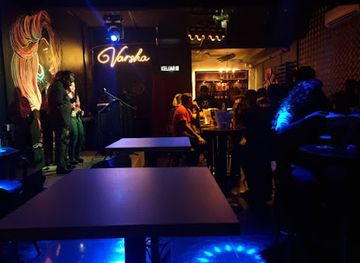
Varsha Tamil Musical Bar வர்ஷா தமிழ் பொழுதுபோக்கு இடம்
Discover the lively Tamil musical scene at Varsha Tamil Musical Bar in George Town, where vibrant performances meet an electrifying atmosphere.
14 min walk · 1.1 km from neighbourhood centre


Best shops in Little India
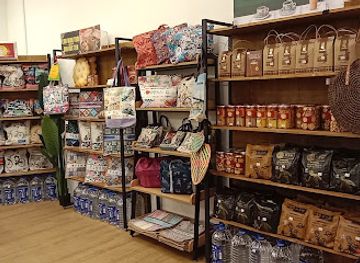
Shopping in Little India centres on specialist, community-oriented retail rather than large modern stores. Around Lebuh Queen, Lebuh Pasar and the adjoining lanes, visitors encounter shops selling Indian clothing, textiles, bangles, jewellery, devotional items, incense, spices, sweets, savoury snacks and packaged groceries. Bright fabrics and displays of religious goods give the streets much of their visual character, while food retailers offer a more practical glimpse of the ingredients used in local kitchens. The area is particularly suited to browsing for gifts or small edible purchases, although stock, trading hours and payment methods vary between independent businesses. Its commercial identity differs from the boutique-led retail found elsewhere in the historic centre because many shops remain closely tied to the needs of local Indian and Indian Muslim communities. Visitors should ask before photographing displays and handle fabrics or ornaments only with permission.
-
Outlet mall
Mano Plus Select Store
Explore the Mano Plus Select Store in George Town for unique crafts and souvenirs that capture the essence of Penang's rich culture.
6 min walk · 0.5 km from neighbourhood centre
-
Clothing store
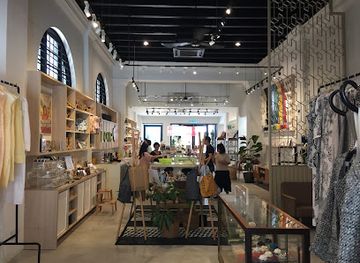
Vastra Crafts Fashion (வஸ்த்ரா கைவினை ஃபேஷன்)
Discover the charm of traditional Indian fashion at Vastra Crafts Fashion, George Town's premier boutique for ethnic wear.
4 min walk · 0.4 km from neighbourhood centre
-
 Clothing store
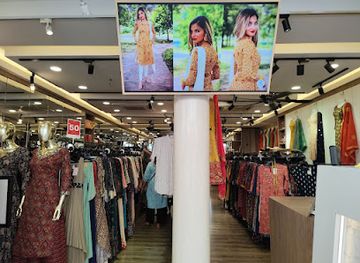
VKN SIVASAMY & SONS
Explore the vibrant textile heritage at VKN Sivasamy & Sons in George Town, your go-to destination for authentic Malaysian fabrics.
5 min walk · 0.4 km from neighbourhood centre
-
Souvenir store
Oleh-Oleh - Penang Snacks and Souvenir Shop
Discover authentic Penang snacks and souvenirs at Oleh-Oleh, the perfect spot for food lovers and souvenir hunters alike.
7 min drive · 2.5 km from neighbourhood centre

From Eve
Local phrases worth knowing
You don't need to get them perfect. A few words go a long way, and locals appreciate the effort.
Basics
| English | Local | Say it |
|---|---|---|
| Hello | வணக்கம் | [Vanakkam] |
| Goodbye | பிரியாதென்று | [Piriyaadendru] |
| Yes | ஆம் | [Aam] |
| No | இல்லை | [Illai] |
| Please/You're welcome | தயவு செய்து | [Thayavu seidhu] |
| Thank you | நன்றி | [Nandri] |
| Excuse me/Sorry | மன்னிக்கவும் | [Mannikkavum] |
| How are you? | நீங்கள் எப்படி இருக்கின்றீர்கள்? | [Neengal eppadi irukkirinrgal?] |
| Fine. And you? | நன்றாக இருக்கிறேன். நீங்கள் எப்படி? | [Nandraga irukkiren. Neengal eppadi?] |
| Do you speak English? | நீங்கள் ஆங்கிலம் பேசுகின்றீர்களா? | [Neengal aangilam pesugindrairkalaa?] |
| I don't understand | நான் புரிகின்றேன் | [Naan purigindren] |
Eating & Drinking
| English | Local | Say it |
|---|---|---|
| I'd like to see the menu, please | மெனுவை காண விரும்புகிறேன், தயவுசெய்து | [Menuvai kaana virumbukiren, thayavuseidhu] |
| I don't eat meat | நான் பசுவில் உண்ண மாட்டேன் | [Naan pasuvil unna maattean] |
| Cheers! | ஆகும்! | [Aagum] |
| I would like to pay, please | கட்டணம் செலுத்த விரும்புகிறேன், தயவுசெய்து | [Kattanam selutha virumbukiren, thayavuseidhu] |
Emergencies
| English | Local | Say it |
|---|---|---|
| Help! | உதவி! | [Udhavi!] |
| Go away! | பார்! | [Paar!] |
| Call the Police! | காவல் அலுவலகத்தை அழைக்கவும்! | [Kaaval aluvalagathai azhaikkavum] |
| Call a doctor! | ஒரு மருத்துவரை அழைக்கவும்! | [Oru maruthuvarai azhaikkavum] |
| I'm lost | நான் காணப்படவில்லை | [Naan kaanappadavillai] |
| I'm ill | நான் உறவுக்காகி | [Naan uravukkaagi] |
Shopping
| English | Local | Say it |
|---|---|---|
| I'd like to buy... | வாங்க விரும்புகிறேன்... | [Vaanga virumbukiren...] |
| I'm just looking | நான் பார்க்கிறேன் | [Naan paarkkiren] |
| How much is it? | இது எவ்வளவு? | [Idhu evvalavu?] |
| That's too expensive | அது பல மதியம் | [Athu pala madhiyam] |
| Can you lower the price? | விலையை குறைக்க முடியுமா? | [Vilaiyai kurraikka mudiyumaa?] |
Time & Numbers
| English | Local | Say it |
|---|---|---|
| What time is it? | எந்த நேரம்? | [Endha neram?] |
| It's one o'clock | ஒரு மணி | [Oru mani] |
| Half past (10) | பத்து முழு | [Pathu muzhu] |
| Morning | காலை | [Kaalia] |
| Afternoon | மதியம் | [Madhiyam] |
| Evening | மாலை | [Maalai] |
| Yesterday | நேற்று | [Netru] |
| Today | இன்று | [Indru] |
| Tomorrow | நாளை | [Naalai] |
| 1 | ஒன்று | [Onru] |
| 2 | இரண்டு | [Irandu] |
| 3 | மூன்று | [Moonru] |
| 4 | நான்கு | [Naanku] |
| 5 | ஐந்து | [Aindhu] |
| 6 | ஆறு | [Aaru] |
| 7 | ஏழு | [Ezhu] |
| 8 | எட்டு | [Ettu] |
| 9 | ஒன்பது | [Onpathu] |
| 10 | பத்து | [Pathu] |
Transport & Directions
| English | Local | Say it |
|---|---|---|
| Where's a/the...? | எங்கே உள்ளது...? | [Engae ulladhu...?] |
| What's the address? | முகவரி என்ன? | [Mugavari enna?] |
| Can you show me (on the map)? | என்னை கார்ட்டையில் காட்ட முடியுமா? | [Ennai kaarttaiyil kaatta mudiyumaa?] |
| When's the next (bus)? | அடுத்த (பஸ்) எப்போது? | [Adutha (bus) eppothu?] |
| A ticket (to ....) | ஒரு டிக்கெட் (க்கு ....) | [Oru ticket (kku ....)] |
History of Little India
A Port City's Indian Quarter
Little India's development is tied to George Town's growth as a port after the British established the settlement on Penang Island in 1786. South Asian merchants, sailors, labourers and professionals became part of the port's commercial life, with Tamil and Indian Muslim communities establishing businesses, places of worship and social networks in the town centre. The quarter's location near the waterfront and the early commercial streets helped connect imported textiles, spices, foodstuffs and religious goods with a growing urban population. Its identity therefore emerged from trade and community institutions rather than from a single planned neighbourhood.
Temples, Mosques and Community Life
Religious buildings gave the area enduring social focus as George Town expanded during the nineteenth century. Sri Mahamariamman Temple, associated with the local Hindu community, became an important place of worship on Queen Street, while the Kapitan Keling Mosque served Indian Muslim residents and traders in the surrounding central district. These institutions formed part of a dense multicultural urban landscape in which Chinese, Malay, South Asian and European communities lived and traded close together. The adjoining streets retained their commercial importance through groceries, textiles, eateries and specialist shops connected to community life.
Shophouses and the Historic Core
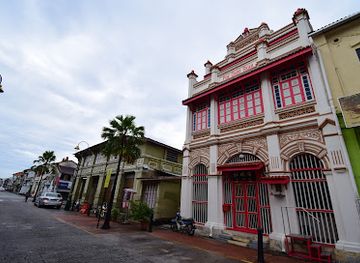
During the nineteenth and early twentieth centuries, Little India developed within George Town's characteristic urban fabric of narrow streets, terraced shophouses and covered five-foot ways. These buildings combined commercial premises at street level with storage or domestic space above, allowing family businesses and community services to operate close to one another. The streets around Lebuh Queen, Lebuh Pasar and Lebuh Chulia formed part of the wider town centre's trading network, while the close presence of religious institutions reinforced the area's South Asian identity. Many of the quarter's present-day shops and restaurants continue this longstanding pattern of street-facing commerce.
Heritage Recognition and Continuity
Little India remains within the George Town World Heritage Site inscribed by UNESCO in 2008, a designation that recognises the historic city's multicultural urban fabric and living traditions. Heritage attention has encouraged conservation of streetscapes and significant buildings, although the quarter is not a museum district: religious activity, retail, food businesses and ordinary local routines continue alongside visitor interest. Contemporary Little India consequently reflects both continuity and change, with established family enterprises sharing the streets with newer cafés, renovated premises and businesses serving a wider audience.
Little India in Photos
Browse through our photo collection highlighting the charm and character of the destination.
Neighbourhoods near Little India
The closest neighbourhoods to Little India, if you have time for more than one stop.
-

-

-

-

-


Swipe for more neighbourhoods
Explore more

Explore more of George Town
George Town, Malaysia, blends UNESCO-listed streets, Peranakan heritage, hawker flavours, historic temples and street art on Penang Island today.
Explore George Town