

Free Johor Travel Guide & Mobile App
Explore Johor with free travel guides. Discover regional history, expert tips, proposed trips, and audio guides on web or mobile app.


Explore Johor for royal heritage, southern Malaysian food, rainforest parks, mangroves, east-coast beaches and island journeys near Singapore.
Read more about Johor
When is the best time to visit Johor?
Best: January–March · 30–31°C| Month | High (°C) | Rainfall (mm) |
|---|---|---|
| January (best) | 30 | 200 |
| February (best) | 30 | 170 |
| March (best) | 31 | 210 |
| April | 31 | 220 |
| May | 31 | 230 |
| June | 31 | 230 |
| July | 31 | 220 |
| August | 31 | 230 |
| September | 31 | 250 |
| October | 30 | 270 |
| November | 30 | 300 |
| December | 30 | 320 |
Getting to and around Johor
How to get there
Transportation
Top city travel guides in Johor
The cities of Johor, and the easiest places to base yourself.

Swipe for more cities
Destinations in Johor
Resorts, valleys and scenic spots worth a trip of their own.

Swipe for more destinations
Best attractions in Johor
Johor's attractions range from urban heritage and family-oriented developments to rainforest, wetlands and island landscapes. In Johor Bahru, visitors can explore the historic centre, royal institutions, mosques, temples and museums before moving towards the wider Iskandar Malaysia corridor. The west and central districts offer market-town architecture, food culture and access to Gunung Ledang, whose forested slopes are associated with one of the best-known legends of the Malay world. Nature is especially important farther afield: Endau-Rompin National Park protects extensive rainforest and river country, while Tanjung Piai's boardwalks reveal mangroves, mudflats and coastal ecology. Kukup combines fishing-village life with mangrove scenery, and the east coast around Desaru and Mersing provides beaches, marine recreation and routes to offshore islands. These experiences are widely dispersed, so the state's attraction landscape is better approached as a series of regional excursions than as a compact sightseeing circuit.
-
Theme park
LEGOLAND Malaysia
Experience the joy of creativity and adventure at LEGOLAND Malaysia, a family-friendly theme park featuring thrilling rides and interactive LEGO attractions.
-
Zoo
Johor Zoo
Discover the captivating wildlife at Johor Zoo, a delightful family-friendly attraction in Johor Bahru featuring diverse species and engaging educational programs.
-
Tourist attraction
Laman Mahkota Istana Bukit Serene
Explore Laman Mahkota Istana Bukit Serene, a serene garden showcasing Johor's royal heritage and stunning architecture amidst lush landscapes.
-
Park
Bukit Layang-Layang
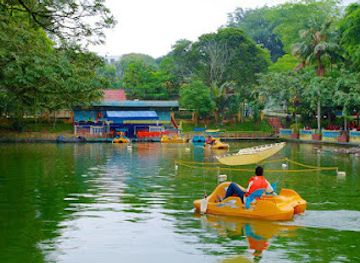
Discover the breathtaking kite displays and lush landscapes at Bukit Layang-Layang, Pasir Gudang’s ultimate park for relaxation and cultural immersion.



Best landmarks in Johor
The Sultan Abu Bakar State Mosque in Johor Bahru is one of the state's most recognisable buildings, occupying an elevated position overlooking the Johor Strait and displaying a nineteenth-century architectural language shaped by Malay, colonial and western influences. Nearby, Istana Besar and the Royal Abu Bakar Museum represent Johor's modern sultanate and the historical importance of the royal capital. The Arulmigu Sri Rajakaliamman Glass Temple provides a very different landmark, reflecting the state's diverse religious communities. Outside the capital, Gunung Ledang is a prominent natural and legendary symbol of western Johor, while Tanjung Piai marks the southernmost point of mainland Eurasia and gives geographical meaning to the state's position at the tip of the peninsula. The historic townscapes of Muar and Batu Pahat, with their shop houses, civic buildings and religious structures, add a more lived-in architectural dimension to Johor's landmark heritage.
-
Tourist attraction
Laman Mahkota Istana Bukit Serene
Experience the regal beauty of Laman Mahkota Istana Bukit Serene, a must-visit landmark in Johor Bahru showcasing stunning architecture and lush gardens.
-
National park
Taman Negara Johor Tanjung Piai
Explore the diverse ecosystems and breathtaking beauty of Taman Negara Johor Tanjung Piai, the southernmost national park in Asia, perfect for nature lovers.
-
Castle
Bukit Serene Palace
Explore the grandeur of Bukit Serene Palace, a historical gem in Johor Bahru that showcases royal heritage and stunning architecture amidst lush gardens.
-
Tourist attraction
Little Paris
Experience the enchanting charm of Little Paris, a picturesque attraction in Johor Bahru, where French elegance meets Malaysian hospitality.


Explore Johor on the map
Plan your trip on one map. See where the top cities, national parks and sights are, and book hotels and experiences in a few clicks.
Best hotels in Johor
Best restaurants in Johor
Johor's food identity reflects Malay, Chinese and Indian traditions, with particularly distinctive specialities found in its towns and hawker centres. Laksa Johor is a rich dish built around spaghetti-like noodles and a fish-based gravy, while Johor-style kacang pool is commonly served as a substantial breakfast or light meal with beans, minced meat, bread and egg. Muar is strongly associated with otak-otak, a seasoned fish mixture traditionally cooked in leaf wrapping, and the town is also known for related street-food traditions. Johor Bahru offers a broad range of Malay restaurants, kopitiams, Indian-Muslim eateries, seafood venues and contemporary dining, while coastal communities provide fish and shellfish dishes. Markets and food courts are useful places to sample regional flavours at modest cost; in smaller towns, daytime cafés and family-run restaurants often provide a more representative experience than formal dining rooms.
-
Indian
7 Spice
Discover authentic Indian cuisine at 7 Spice in Danga Bay, Johor Bahru – where every dish is a celebration of flavor.
-
Italian
The Marco Polo Kitchen
Discover the best of Italian and Asian cuisine at The Marco Polo Kitchen in Johor Bahru - where every dish tells a story.
-
Western
Principle Cafe by T.A.M Jalan Trus
Discover exceptional Western cuisine at Principle Cafe by T.A.M Jalan Trus in Johor Bahru—where taste meets ambiance.
-
Seafood
Ong Shun
Experience authentic Malaysian seafood at Ong Shun Seafood Restaurant in Johor Bahru - where tradition meets taste.


Best bars in Johor
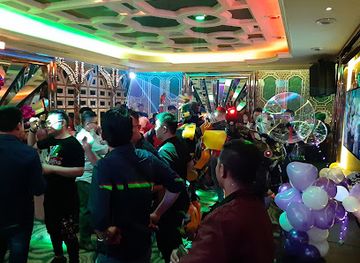
Johor's evening scene is concentrated in Johor Bahru, where the city centre and newer commercial areas offer hotels, cafés, restaurants, karaoke venues, cocktail bars and a limited selection of clubs. Nightlife is generally more varied in the Singapore-facing urban corridor than in inland towns, and venues can change more quickly than the city's historic landmarks. Muar, Batu Pahat and Kluang tend towards evening meals, kopitiams, cafés and relaxed socialising rather than a large club scene. Desaru and other resort areas may have hotel bars and seasonal entertainment, while Mersing is primarily a base for island travel and early boat departures. Visitors should observe local licensing and age rules, and alcohol is not central to every aspect of Johor's night-time culture.
-
Irish pub
MacGregor's
Experience the lively charm of MacGregor's, an Irish pub in Johor Bahru offering great food, drinks, and live music entertainment.
-
Bar
Tipsy Monkey
Discover the lively atmosphere of Tipsy Monkey in Skudai, where eclectic cocktails meet delicious bistro fare in a vibrant nightlife setting.
-
Bar
The Bierhaus Sentosa
Discover The Bierhaus Sentosa, where German flavors meet a lively atmosphere in Johor Bahru's vibrant Taman Sentosa.
-
Irish pub
Mulligan's Pub & Bistro
Experience the charm of Mulligan's Pub & Bistro, a vibrant Irish bar in Johor with delicious food and a welcoming atmosphere.


Best nightclubs in Johor
Johor's evening scene is concentrated in Johor Bahru, where the city centre and newer commercial areas offer hotels, cafés, restaurants, karaoke venues, cocktail bars and a limited selection of clubs. Nightlife is generally more varied in the Singapore-facing urban corridor than in inland towns, and venues can change more quickly than the city's historic landmarks. Muar, Batu Pahat and Kluang tend towards evening meals, kopitiams, cafés and relaxed socialising rather than a large club scene. Desaru and other resort areas may have hotel bars and seasonal entertainment, while Mersing is primarily a base for island travel and early boat departures. Visitors should observe local licensing and age rules, and alcohol is not central to every aspect of Johor's night-time culture.
-
Disco club
Deluxe Nite Club
Deluxe Nite Club: Immerse yourself in the heart of Johor Bahru's vibrant nightlife with electrifying music and unforgettable dance experiences.
-
Night club
Zonix Club
Discover the electrifying nightlife of Zonix Club in Johor Bahru, a vibrant destination for dancing and entertainment.
-
Bar
Club NaNa JB
Unleash the night at Club NaNa JB, Johor Bahru's ultimate nightlife destination with electrifying music and superb cocktails.
-
Night club
Club Despacito JB
Explore the pulsating energy of Club Despacito JB, a must-visit nightlife venue in Skudai, Johor for an unforgettable experience.


Best shops in Johor
Johor Bahru provides the state's broadest retail choice, from large modern shopping complexes and international brands to independent shops, markets and food-oriented retail in older neighbourhoods. The city is also a practical place to buy Malaysian snacks, packaged specialities and gifts before travelling into rural districts. Muar and Batu Pahat offer traditional town-centre shopping, cafés, small boutiques, household goods and food products, while Kluang is associated with agricultural surroundings and locally produced items. Markets across the state are useful for tropical fruit, prepared foods, spices and everyday goods rather than polished souvenirs. Visitors interested in regional products should look for packaged otak-otak-related specialities, biscuits, sauces, coffee and local snacks, while coastal and island communities may sell simple craft items. Contemporary malls are most extensive near Johor Bahru; elsewhere, high streets and markets provide a more immediate sense of local commerce.
-
Shopping mall
Johor Bahru City Square
Discover an incredible shopping experience at Johor Bahru City Square, where retail therapy meets culinary delights in the heart of Johor Bahru.
-
Shopping mall
KSL City Mall
Explore KSL City Mall in Johor Bahru, a shopping haven with diverse retail, dining, and entertainment options for an unforgettable day out.
-
Shopping mall
Paradigm Mall Johor Bahru
Explore the ultimate shopping and dining experience at Paradigm Mall Johor Bahru, where every visit is a vibrant adventure.
-
Shopping mall
The Mall, Mid Valley Southkey
Discover a shopping paradise at The Mall, Mid Valley Southkey, where fashion, food, and fun come together in Johor Bahru.


Get your free copy of our complete guide to Johor, delivered straight to you.
Everything on this page, from attractions and restaurants to essentials and local phrases, in one PDF you can read offline, print or share.
Already have an account? Sign in
Your Johor guide is ready.
We'll send it to · Not you? Sign out

Getting your guide ready…
We are putting together a fresh copy of the Johor guide. This can take up to a minute.
This can take a few moments. If your browser asks, choose Allow so the download can start. You'll find the guide in your Downloads folder.
Nothing happened? Download it again
Sorry, the guide is taking longer than usual. Please try again in a minute, or get it by email instead.
Johor essentials
Currency and Payment
Safety
Emergency Situations
Do's and Don'ts
Local Tips
From Eve
Local phrases worth knowing
You don't need to get them perfect. A few words go a long way, and locals appreciate the effort.
Basics
| English | Local | Say it |
|---|---|---|
| Hello | Halo | [ha-lo] |
| Goodbye | Selamat tinggal | [se-la-mat ting-gal] |
| Yes | Ya | [ya] |
| No | Tidak | [ti-dak] |
| Please/You're welcome | Sila/Sama-sama | [si-la/sa-ma sa-ma] |
| Thank you | Terima kasih | [te-ri-ma ka-sih] |
| Excuse me/Sorry | Maaf | [ma-af] |
| How are you? | Apa khabar? | [a-pa ka-bar] |
| Fine. And you? | Baik. Dan kamu? | [ba-ik. dan ka-mu] |
| Do you speak English? | Adakah kamu bercakap dalam Bahasa Inggeris? | [a-da-kah ka-mu ber-ca-kap da-lam ba-ha-sa in-ge-ris] |
| I don't understand | Saya tidak faham | [sa-ya ti-dak fa-ham] |
Eating & Drinking
| English | Local | Say it |
|---|---|---|
| I'd like to see the menu, please | Saya ingin melihat menu, sila | [sa-ya in-gin me-li-hat me-nu, si-la] |
| I don't eat meat | Saya tidak makan daging | [sa-ya ti-dak ma-kan da-ging] |
| Cheers! | Selamat datang! | [se-la-mat da-tang] |
| I would like to pay, please | Saya ingin bayar, sila | [sa-ya in-gin ba-yar, si-la] |
Emergencies
| English | Local | Say it |
|---|---|---|
| Help! | Tolong! | [to-long] |
| Go away! | Pergi jauh! | [per-gi ja-uh] |
| Call the Police! | Panggil polis! | [pang-gil po-lis] |
| Call a doctor! | Panggil doktor! | [pang-gil dok-tor] |
| I'm lost | Saya sesat | [sa-ya se-sat] |
| I'm ill | Saya sakit | [sa-ya sa-kit] |
Shopping
| English | Local | Say it |
|---|---|---|
| I'd like to buy... | Saya ingin membeli... | [sa-ya in-gin mem-be-li...] |
| I'm just looking | Saya hanya melihat | [sa-ya ha-nya me-li-hat] |
| How much is it? | Berapa harganya? | [be-ra-pa har-ga-nya] |
| That's too expensive | Itu terlalu mahal | [i-tu ter-la-lu ma-hal] |
| Can you lower the price? | Bolehkah anda turunkan harga? | [bo-leh-kah an-da tu-run-kan har-ga] |
Time & Numbers
| English | Local | Say it |
|---|---|---|
| What time is it? | Jam berapa? | [jam be-ra-pa] |
| It's one o'clock | Jam satu | [jam sa-tu] |
| Half past (10) | Setengah (10) | [se-ten-gah (10)] |
| Morning | Pagi | [pa-gi] |
| Afternoon | Petang | [pe-tang] |
| Evening | Malam | [ma-lam] |
| Yesterday | Semalam | [se-ma-lam] |
| Today | Hari ini | [ha-ri i-ni] |
| Tomorrow | Esok | [e-sok] |
| 1 | Satu | [sa-tu] |
| 2 | Dua | [du-a] |
| 3 | Tiga | [ti-ga] |
| 4 | Empat | [em-pat] |
| 5 | Lima | [li-ma] |
| 6 | Enam | [e-nam] |
| 7 | Tujuh | [tu-juh] |
| 8 | Lapan | [la-pan] |
| 9 | Sembilan | [sem-bi-lan] |
| 10 | Sepuluh | [se-pu-luh] |
Transport & Directions
| English | Local | Say it |
|---|---|---|
| Where's a/the...? | Di mana ...? | [di ma-na ...?] |
| What's the address? | Apa alamat? | [a-pa a-la-mat] |
| Can you show me (on the map)? | Bolehkah anda tunjukkan (peta)? | [bo-leh-kah an-da tun-juk-kan (pe-ta)?] |
| When's the next (bus)? | Bila bas seterusnya? | [bi-la bas se-te-rus-nya?] |
| A ticket (to ....) | Tiket (ke ....) | [ti-ket (ke ....)] |
History of Johor
Early settlements and maritime networks
Johor's rivers, estuaries and sheltered coasts supported settlement long before the modern state took shape. Archaeological evidence from sites including the Kota Tinggi area points to early connections between the southeastern Malay Peninsula and wider maritime trade routes. The region's position near the South China Sea and the approaches to the Straits of Singapore made it part of a commercial world linking the Malay Archipelago, southern China and the Indian Ocean. River systems also helped connect inland communities with coastal ports, while forest resources and later agricultural land influenced patterns of occupation.
The Johor Sultanate after Melaka
After the Portuguese conquest of Melaka in 1511, the heirs and political networks associated with the Melakan sultanate helped establish the Sultanate of Johor. Its power base shifted over time, and the sultanate operated within a competitive maritime landscape involving Portuguese Melaka, Aceh and other regional powers. Johor's rulers controlled or influenced important river mouths and trading points, while the sultanate's connections extended across the Riau-Lingga world. This period established the dynastic and cultural foundations of modern Johor.
Johor-Riau trade and shifting political centres
From the sixteenth to eighteenth centuries, Johor's political and commercial life was bound closely to the islands and waterways of the southern Malay world. Centres of authority moved as rulers responded to warfare, alliances and changing trade conditions, and Bugis influence became increasingly important in regional politics. The sultanate's history cannot be separated from the Riau islands, the Straits of Melaka and the routes used by merchants and seafarers. Johor's present royal traditions and Malay cultural identity retain important links to this maritime past.
Nineteenth-century political change
Johor underwent major political and economic changes in the nineteenth century. Sultan Abu Bakar, who ruled from the mid-nineteenth century, strengthened the administration and is associated with the modernisation of the Johor state. British influence expanded through advisers and commercial relationships, although Johor retained a distinct sultanate rather than being incorporated into the Federated Malay States. The development of Johor Bahru as a royal and administrative centre, together with new roads and communications, helped shape the state's modern geography.
Plantations, migration and the colonial economy
British-era economic development transformed large parts of Johor. Rubber plantations expanded, followed by other commercial crops, while roads, railways and port facilities connected estates and towns to regional markets. Chinese and Indian migration contributed to plantation work, commerce and urban growth, adding to the state's already diverse communities. Towns such as Muar, Batu Pahat and Kluang developed within this changing economy, and many surviving shop houses, civic buildings and agricultural landscapes reflect the interaction of local enterprise with colonial infrastructure.
The Japanese occupation and post-war transition
Johor was occupied by Japan during the Second World War, after the rapid Japanese advance down the Malay Peninsula culminated in the fall of Singapore in 1942. The period brought military rule, hardship and disruption to civilian life and trade. After the war, political change accelerated across Malaya. Johor subsequently became part of the Federation of Malaya at independence in 1957 and later the Federation of Malaysia in 1963, embedding its sultanate within the constitutional structure of the country.
Industrialisation and the Singapore-facing corridor
Since the late twentieth century, Johor has experienced rapid urban, industrial and infrastructure development, especially around Johor Bahru and the Iskandar Malaysia economic region. Manufacturing, logistics, property development, education, tourism and cross-border commerce have expanded alongside established agriculture and maritime activities. The result is a state of strong contrasts: a dense metropolitan corridor near Singapore, established market towns inland, and extensive forests, wetlands and island waters farther from the urban south.
Johor in Photos
Browse through our photo collection highlighting the charm and character of the destination.
Neighbouring regions of Johor
The closest regions to Johor, if you have time for more than one.
-

-

-

-

-


Swipe for more regions
Explore more
Explore more of Malaysia
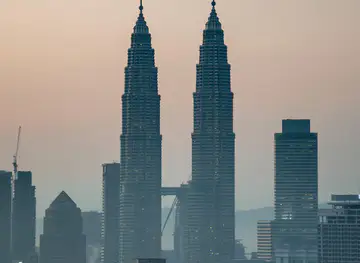
Discover Malaysia: A stunning blend of modernity and nature, where diverse cultures meet, and adventure awaits. From vibrant cities to serene beaches, Malaysia has it all.
Explore Malaysia