

Southern Region, Malaysia Travel Guide
Discover Southern Malaysia: A captivating mix of historical charm, modern attractions, and breathtaking natural beauty in Johor, Melaka, and Negeri Sembilan.
The Southern Region of Malaysia is a captivating blend of historical richness, modern attractions, and stunning natural beauty. This region, which includes Johor, Melaka, and Negeri Sembilan, offers visitors a diverse range of experiences, from bustling urban centers to serene coastal retreats. Johor Bahru, the capital of Johor, is a vibrant city that blends traditional Malay culture with contemporary attractions. Visitors can explore the historic Johor Bahru Old Chinese Temple, stroll through the lush grounds of the Sultan Abu Bakar State Mosque, or enjoy a day of fun at Legoland Malaysia Resort. For nature enthusiasts, the Endau-Rompin National Park offers an unforgettable adventure with its lush rainforests, cascading waterfalls, and diverse wildlife. The UNESCO World Heritage City of Melaka is a treasure trove of history and culture. Wander through the charming streets of the historic city center, where you can find Dutch colonial buildings, ancient temples, and the iconic A Famosa fort. The Melaka River Cruise provides a unique perspective on the city’s rich heritage, while Jonker Street Night Market is a haven for food lovers and souvenir hunters alike. Negeri Sembilan is known for its unique Minangkabau culture, evident in its traditional architecture and vibrant festivals. The state’s capital, Seremban, offers a mix of modern amenities and cultural sites, including the Seremban Cultural Complex and the Centipede Temple. For a relaxing escape, the coastal town of Port Dickson boasts beautiful beaches and water activities, making it a favorite spot for weekend getaways.

Know before you go
Hi, I'm Eve. Here are a few practical things to know before exploring Southern Region.
- Visit Johor Bahru on weekdays to avoid large crowds, especially at popular attractions like Legoland Malaysia Resort.
- Take a guided tour in Melaka to fully appreciate the historical significance of its landmarks and to uncover hidden gems.
- In Negeri Sembilan, attend a local Minangkabau festival if possible to experience the vibrant culture firsthand.
- For beach lovers, Port Dickson in Negeri Sembilan is best visited during the dry season from May to September.
- Try local delicacies such as Nyonya cuisine in Melaka and Laksa Johor in Johor for a true taste of the region.
Top City Travel Guides in Southern Region
The cities of Southern Region, and the easiest places to base yourself.


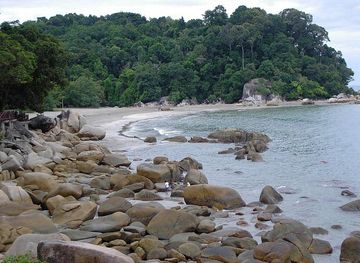
Destinations in Southern Region
Resorts, valleys and scenic spots worth a trip of their own.

Explore Southern Region: Things to Do, Places to Eat, Hotels & More
Handpicked recommendations for top attractions, local dining, accommodations, and more

Top Attractions & Sightseeing in Southern Region
Top-rated picks
Best Attractions
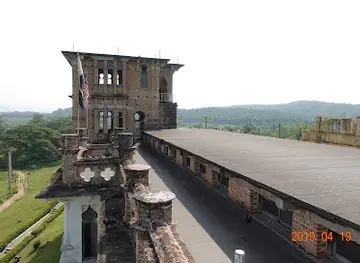
Kellie's Castle
Discover the enchanting Kellie's Castle in Perak, where history meets stunning architecture amidst lush landscapes, perfect for an unforgettable visit.
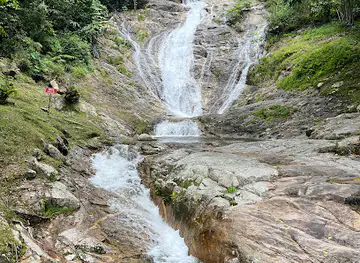
Lata Iskandar Waterfall Tapah
Experience the breathtaking beauty of Lata Iskandar Waterfall in Tapah, Perak - a serene escape into nature's splendor and tranquility.

Thai Buddhist Chetawan Pagoda
Discover the tranquility of the Thai Buddhist Chetawan Pagoda, a serene sanctuary of spiritual reflection and rich cultural heritage in Petaling Jaya.

Gua Tempurung
Discover the breathtaking beauty of Gua Tempurung, a stunning limestone cave and adventure park in Gopeng, Perak, perfect for all nature lovers.

Best landmarks in Southern Region
Top-rated picks
Best Landmarks

Petronas Twin Towers
Explore the iconic Petronas Twin Towers, a breathtaking blend of modern architecture and cultural significance in the heart of Kuala Lumpur.

Resorts World Genting
Discover the thrill and charm of Resorts World Genting, a premier resort hotel that offers endless entertainment, stunning views, and a perfect escape into nature.

Batu Caves
Explore the breathtaking Batu Caves in Selangor, Malaysia, a remarkable blend of spiritual significance, natural beauty, and cultural heritage.

Merdeka Square
Explore Merdeka Square, a historical landmark in Kuala Lumpur, where Malaysia's vibrant culture and rich history come alive amidst stunning colonial architecture.

Best restaurants in Southern Region
Top-rated picks
Best Restaurants

Bijan Bar & Restaurant
Experience the flavors of Malaysia at Bijan Bar & Restaurant, where tradition meets contemporary dining in Kuala Lumpur's Bukit Ceylon.

Al-Sultan Restaurant
Discover authentic Middle Eastern cuisine at Al-Sultan Restaurant in Shah Alam - where flavor meets tradition.

Vin's Restaurant
Experience authentic Italian cuisine at Vin's Restaurant in Kuala Lumpur - a culinary journey through Italy awaits you.

Fuego at Troika Sky Dining
Experience the vibrant flavors of South America with breathtaking views at Fuego, Kuala Lumpur's premier dining destination.

Best bars in Southern Region
Top-rated picks
Best Bars
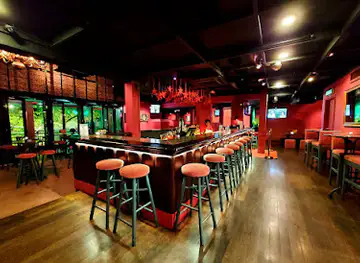
Havana Bar & Grill
Savor the vibrant fusion of grilled delights and cocktails at Havana Bar & Grill, the heart of Bukit Bintang's nightlife scene.
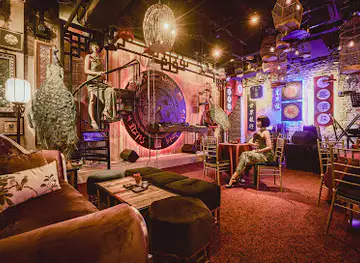
Suzie Wong - Dinner and Show
Suzie Wong offers an unforgettable dining experience in Kuala Lumpur with exquisite cuisine and captivating live performances.
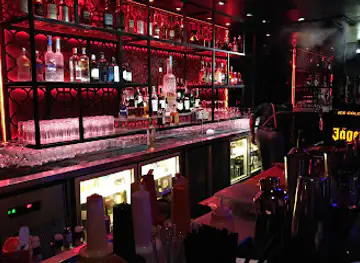
Canopy Lounge Rooftop Bar KL
Experience the height of Kuala Lumpur's nightlife at Canopy Lounge Rooftop Bar, where stunning views and exquisite cocktails await.

SkyBar
Experience breathtaking views and vibrant nightlife at SkyBar, Kuala Lumpur's premier rooftop bar with exquisite cocktails and an unbeatable atmosphere.

Best nightclubs in Southern Region
Top-rated picks
Best Nightclubs

TREC Kuala Lumpur
Discover the electrifying nightlife at TREC Kuala Lumpur, featuring bars, clubs, and dining options that will leave you wanting more.

kyō kuala lumpur
Dive into the electrifying nightlife of Kyō Kuala Lumpur, where top DJs and a vibrant atmosphere create unforgettable experiences.

Gemu Club KL
Discover Kuala Lumpur's electrifying nightlife at Gemu Club KL, a premier nightclub offering unforgettable dance experiences and vibrant entertainment.

Pitt Club KL
Discover the ultimate nightlife experience at Pitt Club KL, a premier dance club in Kuala Lumpur featuring stunning light shows and vibrant music.

Best shops in Southern Region
Top-rated picks
Best Shops

Suria KLCC
Experience luxury shopping and dining at Suria KLCC, the premier shopping destination beneath the iconic Petronas Twin Towers in Kuala Lumpur.

Pavilion Kuala Lumpur
Explore Pavilion Kuala Lumpur, a luxurious shopping haven with diverse retail, dining, and entertainment experiences in the heart of the city.
Central Market
Discover the vibrant culture of Malaysia at Central Market, a historical shopping destination brimming with art, crafts, and local cuisine in Kuala Lumpur.

Mid Valley Megamall
Discover the ultimate shopping experience at Mid Valley Megamall, a vibrant hub for retail, dining, and entertainment in Kuala Lumpur.

Explore Southern Region on the Map
A handpicked selection of must-see spots in Southern Region, mapped for you.
Southern Region Essentials
-
The Southern Region of Malaysia is well-connected by air, land, and sea. The main entry point is Senai International Airport (JHB) in Johor Bahru, which has flights from major cities in Malaysia and neighboring countries. Additionally, the region is accessible via the North-South Expressway (NSE) for those traveling by car. Regular bus services operate from Kuala Lumpur and other major cities directly to Johor Bahru and other parts of the Southern Region. For those coming from Singapore, the Causeway and Second Link bridges provide convenient road access. There are also ferry services available from Indonesia to Johor Bahru and other coastal towns.
-
Within the Southern Region, public transportation options include buses, taxis, and ride-hailing services like Grab. Johor Bahru has a comprehensive bus network, and local buses connect smaller towns and cities. Car rentals are widely available and may be the most convenient option for exploring remote areas and attractions. For short distances, cycling and walking are feasible in urban areas. The KTM train service also connects Johor Bahru to other parts of Malaysia. When using public transport, it is advisable to have small change available for fare payments.
-
The official currency in Malaysia is the Malaysian Ringgit (MYR). Credit and debit cards are widely accepted in hotels, restaurants, and larger shops, but it is advisable to carry cash, especially when visiting rural areas and smaller establishments. ATMs are readily available in cities and towns. Currency exchange services are also available at airports, major hotels, and shopping centers. Always check the exchange rate and fees before exchanging money.
-
The Southern Region is generally safe for tourists, but it is essential to take standard precautions. Johor Bahru has some areas with higher crime rates, particularly concerning petty theft and pickpocketing. Notable areas to be cautious in include the Johor Bahru City Square and the Larkin Bus Terminal. Avoid walking alone at night in poorly lit areas and always keep an eye on your belongings in crowded places. Use hotel safes to store valuable items.
-
In case of emergency, dial 999 for police, ambulance, or fire services. Johor Bahru and other major towns have well-equipped hospitals and clinics. It is advisable to have travel insurance that covers medical emergencies. For minor health issues, pharmacies are widely available where you can purchase over-the-counter medications. Keep emergency contact numbers handy and inform your embassy or consulate if you encounter serious issues.
-
Fashion: Do dress modestly, especially when visiting religious sites. Avoid wearing revealing clothing. Religion: Do respect local customs and traditions. Always remove your shoes before entering mosques and temples. Public Transport: Do be respectful and give up your seat to elderly passengers. Don’t eat or drink on public transport. Greetings: Do greet people with a smile and a slight bow. A handshake is also common, but always use your right hand. Eating & Drinking: Do try local delicacies and accept food offerings graciously. Don’t refuse hospitality, as it is considered impolite.
-
To experience the Southern Region like a local, visit the night markets (pasar malam) where you can try a variety of local street foods and buy unique souvenirs. Engage with locals, as they are often friendly and eager to share their culture and stories. Don’t miss visiting the historic city of Melaka, a UNESCO World Heritage Site, for its rich history and vibrant culture. For nature enthusiasts, the Endau-Rompin National Park offers incredible biodiversity and trekking opportunities. Participate in local festivals and events to get a taste of the local traditions and lifestyles.
When is the best time to visit Southern Region?
Useful Local Phrases for Southern Region
You don't need to speak the language perfectly. Even learning a few simple words can make conversations warmer—and locals usually appreciate the effort.
— Eve

Here are the phrases I use most often in Southern Region. Try a few—you'll be surprised how far they go! 😊
❤️
-
- HelloHowdy
[haʊdi] - GoodbyeSee ya
[si jə] - YesYup
[jʌp] - NoNope
[noʊp] - Please/You're welcomePlease/You bet
[pliz/jə bɛt] - Thank youThanks
[θæŋks] - Excuse me/SorryExcuse me/Sorry 'bout that
[ɪkˈskjuz mi/ˈsɔri baʊt ðæt] - How are you?How ya doin'?
[haʊ jə ˈduɪn] - Fine. And you?Good. You?
[ɡʊd. jə?] - Do you speak English?You speakin' English?
[jə ˈspikɪn ˈɪŋɡlɪʃ] - I don't understandI don't get it
[aɪ doʊnt ɡɛt ɪt]
- HelloHowdy
-
- I'd like to see the menu, pleaseCan I see the menu, please?
[kæn aɪ si ðə ˈmɛnju, pliz?] - I don't eat meatI ain't eatin' no meat
[aɪ eɪnt ˈitɪn noʊ mit] - Cheers!Cheers!
[ʧɪrz] - I would like to pay, pleaseCan I get the check, please?
[kæn aɪ ɡɛt ðə ʧɛk, pliz?]
- I'd like to see the menu, pleaseCan I see the menu, please?
-
- Help!Help!
[hɛlp] - Go away!Get outta here!
[ɡɛt ˈaʊtə hɪr] - Call the Police!Call the cops!
[kɔl ðə kɑps] - Call a doctor!Get a doctor!
[ɡɛt ə ˈdɑktər] - I'm lostI’m lost
[aɪm lɔst] - I'm illI ain't feelin' good
[aɪ eɪnt ˈfilɪn ɡʊd]
- Help!Help!
-
- I'd like to buy...I wanna buy...
[aɪ ˈwɑnə baɪ...] - I'm just lookingJust browsin'
[dʒʌst ˈbraʊzɪn] - How much is it?How much it cost?
[haʊ mʌʧ ɪt kɔst?] - That's too expensiveThat's too high
[ðæts tu haɪ] - Can you lower the price?Can ya bring down the price?
[kæn jə brɪŋ daʊn ðə praɪs?]
- I'd like to buy...I wanna buy...
-
- What time is it?What time it be?
[wʌt taɪm ɪt bi?] - It's one o'clockIt's one
[ɪts wʌn] - Half past (10)Half past ten
[hæf pæst tɛn] - MorningMornin'
[ˈmɔrnɪn] - AfternoonAfternoon
[ˌæftərˈnun] - EveningEvenin'
[ˈivnɪn] - YesterdayYest'day
[ˈjɛstdeɪ] - TodayToday
[təˈdeɪ] - TomorrowTomorra'
[təˈmɔroʊ] - 1One
[wʌn] - 2Two
[tu] - 3Three
[θri] - 4Four
[fɔr] - 5Five
[faɪv] - 6Six
[sɪks] - 7Seven
[ˈsɛvən] - 8Eight
[eɪt] - 9Nine
[naɪn] - 10Ten
[tɛn]
- What time is it?What time it be?
-
- Where's a/the...?Where the...?
[wɛr ðə...?] - What's the address?What's the addy?
[wʌt ðə ˈædi?] - Can you show me (on the map)?Can ya show me on the map?
[kæn jə ʃoʊ mi ɑn ðə mæp?] - When's the next (bus)?When the next bus comin'?
[wɛn ðə nɛkst bʌs ˈkʌmɪn?] - A ticket (to ....)One ticket to ...
[wʌn ˈtɪkɪt tə ...]
- Where's a/the...?Where the...?
History of Southern Region
-
The Sultanate of Johor was founded by Sultan Alauddin Riayat Shah II in 1528, after the fall of the Malacca Sultanate to the Portuguese. Johor became a significant trading hub due to its strategic location along the Straits of Malacca. The Sultanate played a crucial role in regional politics, often clashing with rival states such as Aceh and the Portuguese in Malacca.
-
In the 19th century, the British began to exert influence over the Southern Region of Malaysia. The Anglo-Dutch Treaty of 1824 defined British and Dutch spheres of influence in the Malay Archipelago, indirectly affecting Johor. By the mid-19th century, Johor had established close relations with the British, leading to the signing of the Treaty of Friendship and Alliance in 1885, which recognized Johor's sovereignty while allowing British advisors to assist in administration.
-
During World War II, the Southern Region, including Johor, was occupied by Japanese forces from 1942 to 1945. The occupation brought significant hardship to the local population, including forced labor and strict surveillance. The Japanese used Johor Bahru as a base from which to launch their invasion of Singapore in 1942, marking a critical point in the war in Southeast Asia.
-
After World War II, the Southern Region saw significant rebuilding efforts. The path to independence was marked by political movements and the rise of nationalism. Johor, along with other states in Malaya, gained independence from British colonial rule on August 31, 1957. The formation of Malaysia in 1963 further integrated the Southern Region into the newly established nation.
-
In the decades following independence, the Southern Region, particularly Johor Bahru, experienced rapid economic growth and modernization. The establishment of industrial zones, such as the Iskandar Malaysia development corridor, attracted significant foreign investment. Johor Bahru transformed into a bustling urban center, becoming a vital economic hub in Malaysia and a gateway to neighboring Singapore.
-
The Southern Region of Malaysia is known for its rich cultural heritage and diversity. The region is home to various ethnic communities, including Malays, Chinese, Indians, and indigenous peoples. This cultural mosaic is reflected in the region's festivals, cuisine, and traditional arts. Historical sites such as the Sultan Abu Bakar State Mosque and the Johor Bahru Old Chinese Temple stand as testaments to the area's multicultural history.
-
The Southern Region has a rich tradition of crafts and industries. Batik, songket weaving, and pottery are among the traditional crafts that have been passed down through generations. The region is also known for its agricultural products, including rubber and palm oil, which have been crucial to the local economy since the colonial era.
Neighbouring Regions of Southern Region
The closest regions to Southern Region, if you have time for more than one.


Your all‑in‑one travel companion app
Explore expert travel guides, compare and book tours, experiences, hotels, and more—all from the palm of your hand. Download now for seamless trip planning wherever your wanderlust takes you.


Explore More of Malaysia
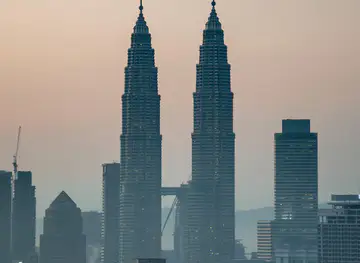
Looking beyond Southern Region? Discover Malaysia for broader travel guides, local hot-spots, and regional highlights.
Explore MalaysiaSouthern Region in Photos
Browse through our photo collection highlighting the charm and character of the destination.

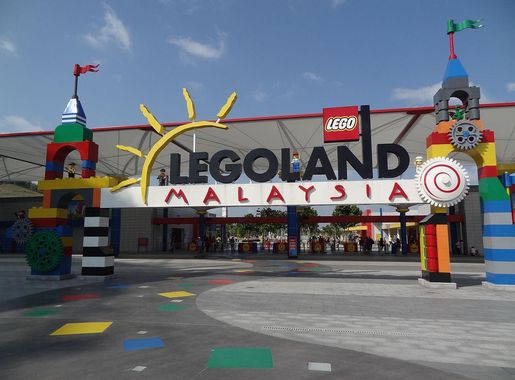


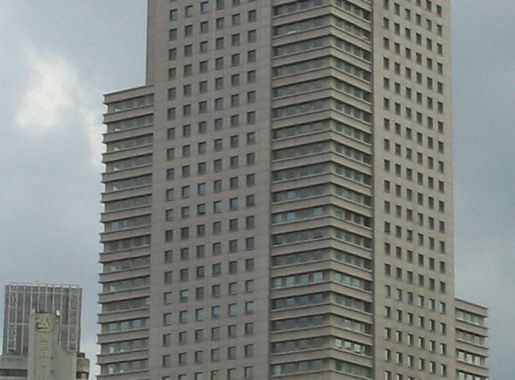


Exploring the Wonders of Southern Malaysia
The Southern Region of Malaysia is a captivating blend of historical richness, modern attractions, and stunning natural beauty. This region, which includes Johor, Melaka, and Negeri Sembilan, offers visitors a diverse range of experiences, from bustling urban centers to serene coastal retreats. Johor Bahru, the capital of Johor, is a vibrant city that blends traditional Malay culture with contemporary attractions. Visitors can explore the historic Johor Bahru Old Chinese Temple, stroll through the lush grounds of the Sultan Abu Bakar State Mosque, or enjoy a day of fun at Legoland Malaysia Resort. For nature enthusiasts, the Endau-Rompin National Park offers an unforgettable adventure with its lush rainforests, cascading waterfalls, and diverse wildlife. The UNESCO World Heritage City of Melaka is a treasure trove of history and culture. Wander through the charming streets of the historic city center, where you can find Dutch colonial buildings, ancient temples, and the iconic A Famosa fort. The Melaka River Cruise provides a unique perspective on the city’s rich heritage, while Jonker Street Night Market is a haven for food lovers and souvenir hunters alike. Negeri Sembilan is known for its unique Minangkabau culture, evident in its traditional architecture and vibrant festivals. The state’s capital, Seremban, offers a mix of modern amenities and cultural sites, including the Seremban Cultural Complex and the Centipede Temple. For a relaxing escape, the coastal town of Port Dickson boasts beautiful beaches and water activities, making it a favorite spot for weekend getaways.