

Free Kedah Travel Guide & Mobile App
Explore Kedah with free travel guides. Discover regional history, expert tips, proposed trips, and audio guides on web or mobile app.


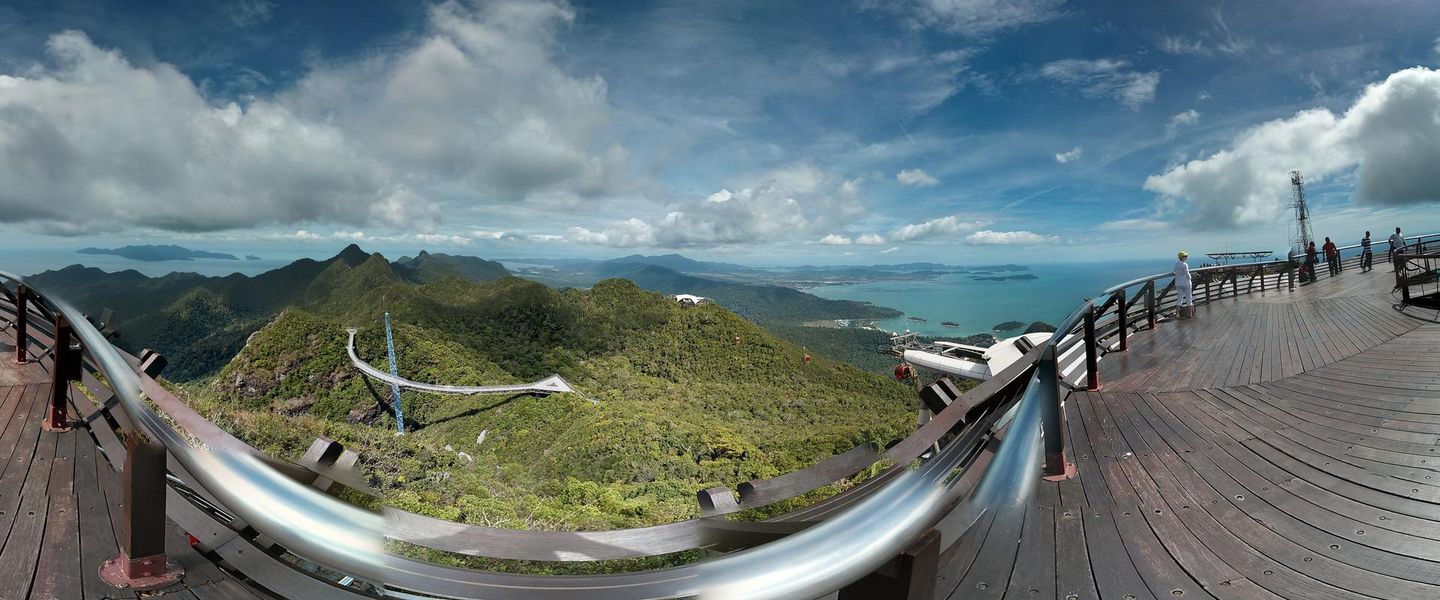


Explore Kedah’s paddy plains, ancient Bujang Valley, royal heritage, rainforest, Mount Jerai and Langkawi’s island landscapes in northern Malaysia.
Read more about Kedah
When is the best time to visit Kedah?
Best: January–March · 33–34°C| Month | High (°C) | Rainfall (mm) |
|---|---|---|
| January (best) | 33 | 100 |
| February (best) | 33 | 90 |
| March (best) | 34 | 110 |
| April | 34 | 130 |
| May | 35 | 150 |
| June | 35 | 170 |
| July | 35 | 160 |
| August | 35 | 180 |
| September | 34 | 190 |
| October | 34 | 200 |
| November | 34 | 180 |
| December | 33 | 150 |
Getting to and around Kedah
How to get there
Transportation
Top city travel guides in Kedah
The cities of Kedah, and the easiest places to base yourself.
-

-

-



Swipe for more cities
Best attractions in Kedah
Kedah's attractions range from archaeological remains and royal heritage to rainforest, rice fields and island scenery. In the Bujang Valley around Merbok and Sungai Batu, museums and excavated sites introduce visitors to early trading settlements and Hindu-Buddhist religious activity. Alor Setar provides museums, royal associations, mosques and civic landmarks, while Kuala Kedah combines a working waterfront with the remains of an old fort. Mount Jerai offers forested upland scenery above the coastal plain, and Baling is known for limestone landscapes, rural recreation and hot-spring areas. In the north-east, the Ulu Muda landscape is associated with rivers, forest and wildlife, although access to remote areas should be arranged responsibly. Langkawi adds beaches, mangrove excursions, island cruises, waterfalls and karst scenery within its UNESCO Global Geopark setting. The result is a varied attraction landscape in which cultural sites and agricultural countryside are as important as conventional resort activities.
-
Mountain cable car
Langkawi Skybridge Cable Car
Discover the breathtaking views of Langkawi from the iconic Skybridge Cable Car, where adventure meets natural beauty in Malaysia.
-
Tourist attraction
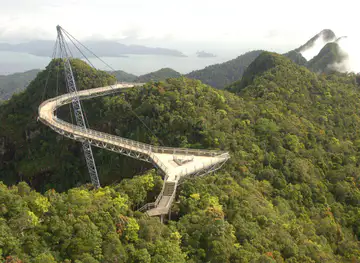
Langkawi Sky Bridge
Experience unparalleled views of Langkawi from the iconic Sky Bridge, an architectural marvel connecting nature and adventure.
-
Scenic spot
Dataran Lang
Explore Dataran Lang, Langkawi's breathtaking eagle statue and scenic waterfront, a perfect blend of culture and natural beauty.
-
Tourist attraction
Alor Setar Tower
Experience the breathtaking views and rich culture at Alor Setar Tower, a must-visit landmark in Kedah, Malaysia.


Best landmarks in Kedah
The Zahir Mosque in Alor Setar is one of Kedah's most recognisable buildings, with a formal domed design and a prominent place in the state's public and religious life. Nearby civic and royal landmarks, including the Alor Setar Tower and the wider Anak Bukit area, express the capital's modern and dynastic identities. Kuala Kedah Fort, known locally as Kota Kuala Kedah, marks the strategic importance of the old river port and the defensive history of the Kedah sultanate. In the Merbok area, the Bujang Valley archaeological landscape is significant not for one monumental ruin but for the scattered evidence of early maritime settlement and religious culture. Mount Jerai forms a powerful natural landmark above the paddy plain, serving as a geographical reference for much of western Kedah. On Langkawi, the limestone formations, forested ridges and coastal viewpoints of the geopark landscape provide a contrasting set of natural landmarks, shaped by deep geological time rather than royal or colonial architecture.
-
Mountain cable car
Langkawi Skybridge Cable Car
Experience breathtaking views of Langkawi from the Skybridge Cable Car, where adventure meets stunning natural beauty in Malaysia's tropical paradise.
-
Tourist attraction
Langkawi Sky Bridge
Experience breathtaking views and adventure at the Langkawi Sky Bridge, an engineering marvel nestled in the heart of Malaysia's natural beauty.
-
Scenic spot
Dataran Lang
Discover Dataran Lang, Langkawi's iconic Eagle Square, combining stunning views, cultural significance, and vibrant local experiences for a perfect getaway.
-
Tourist attraction
Alor Setar Tower
Experience the breathtaking views from Alor Setar Tower, Kedah's tallest landmark, and immerse yourself in the beauty and culture of Malaysia.


Explore Kedah on the map
Plan your trip on one map. See where the top cities, national parks and sights are, and book hotels and experiences in a few clicks.
Best hotels in Kedah
Best restaurants in Kedah
Kedah's food reflects the cooking of northern Malaysia, with rice, fish, herbs, coconut, tamarind and robust spice combinations appearing across home-style restaurants, kopitiams, market stalls and roadside eateries. Alor Setar and Sungai Petani offer broad choices, from Malay dishes and noodle specialities to Chinese, Indian and contemporary Malaysian food. In rural districts, look for preparations based on freshwater fish, paddy-country produce and local herbs, while coastal and island communities naturally feature seafood. Breakfast stalls and markets are useful places to encounter rice dishes, savoury fritters, noodles and traditional kuih, the colourful cakes and sweets found throughout Malaysia. Langkawi has a wide dining range, from inexpensive local food to resort restaurants and international menus, although prices and choice vary between the main settlements and quieter beaches. Kedah's agricultural identity is also visible in seasonal produce and the prominence of rice-based meals rather than in one single signature dish.
-
Restaurant
Hotmas Restaurant
Discover the culinary delights at Hotmas Restaurant in Sungai Petani—where Malaysian flavors meet Western cuisine in a vibrant setting.
-
Restaurant
Alor Setar Breakfast Station
Experience authentic Malaysian breakfasts at Alor Setar Breakfast Station, where every dish tells a story of flavor.
-
Halal
Nasi Kandar Haji Ramli Ayam Kampung (simpang empat)
Savor authentic Malaysian flavors at Nasi Kandar Haji Ramli - A Halal haven for food lovers in Simpang Empat.
-
Restaurant
S'moll Private Dining
Experience exquisite flavors at S'moll Private Dining in Alor Setar - where local ingredients meet culinary artistry.


Best bars in Kedah
Nightlife in Kedah is generally low-key and varies sharply by location. Alor Setar and Sungai Petani have the broadest urban choice of cafés, restaurants, hotel lounges and selected live-entertainment venues, while smaller mainland towns usually centre their evenings on food courts, coffee shops and family-oriented restaurants. Langkawi has the state's most developed visitor nightlife, especially around Pantai Cenang, where beachfront restaurants, hotel bars, casual music venues and late-opening eateries serve the resort market. Quieter parts of the island are better suited to sunset dining and relaxed evenings than clubbing. Alcohol is available in licensed venues, but Kedah's Muslim-majority cultural context means visitors should drink discreetly and respect local regulations and customs. Nightlife can be seasonal and individual venues change, so current arrangements are best checked locally rather than assumed.
-
Bar
Kalut Cafe And Bar
Experience the vibrant atmosphere of Kalut Cafe And Bar in Langkawi, where refreshing drinks and a nautical theme create the perfect island escape.
-
Pub
Sunba Retro Bar
Discover the vibrant nightlife at Sunba Retro Bar in Pulau Langkawi, where retro charm meets modern vibes for an unforgettable experience.
-
Bar
Ah Chong beach bar cafe
Discover the serenity of Ah Chong Beach Bar Cafe, where stunning ocean views meet delightful drinks in Langkawi's coastal paradise.
-
Grill
Sky Garden Restro Bar & Coffee
Experience stunning views and exquisite flavors at Sky Garden Restro Bar & Coffee, the perfect rooftop dining destination in Alor Setar.


Best nightclubs in Kedah
Nightlife in Kedah is generally low-key and varies sharply by location. Alor Setar and Sungai Petani have the broadest urban choice of cafés, restaurants, hotel lounges and selected live-entertainment venues, while smaller mainland towns usually centre their evenings on food courts, coffee shops and family-oriented restaurants. Langkawi has the state's most developed visitor nightlife, especially around Pantai Cenang, where beachfront restaurants, hotel bars, casual music venues and late-opening eateries serve the resort market. Quieter parts of the island are better suited to sunset dining and relaxed evenings than clubbing. Alcohol is available in licensed venues, but Kedah's Muslim-majority cultural context means visitors should drink discreetly and respect local regulations and customs. Nightlife can be seasonal and individual venues change, so current arrangements are best checked locally rather than assumed.
-
Pub
Sunba Retro Bar
Discover the lively atmosphere of Sunba Retro Bar in Pulau Langkawi, where retro vibes meet refreshing drinks and unforgettable nights.
-
Restaurant
The Beach Club
Experience the perfect blend of beachfront dining and vibrant cocktails at The Beach Club in Langkawi, where every meal is a tropical getaway.
-
Bar
Six Sky Lounge & Bar
Experience breathtaking views and vibrant nightlife at Six Sky Lounge & Bar, a premier rooftop destination in Sungai Petani.
-
Karaoke bar
Cruise Music动力音乐站
Experience the joy of singing at Cruise Music, the ultimate karaoke bar in Alor Setar, where your musical dreams come alive.


Best shops in Kedah
Alor Setar's traditional markets and established town-centre shops are useful for local snacks, textiles, household goods and everyday Malaysian products, while Pekan Rabu is associated with traditional commerce and regional produce. Sungai Petani and Kulim provide larger modern retail environments alongside independent shops and food outlets. Across mainland Kedah, look for packaged rice products, dried foods, traditional kuih and northern Malaysian ingredients, though quality and availability vary by season. Langkawi is known for duty-free shopping, with chocolates, alcohol, tobacco and selected consumer goods sold through licensed retailers; visitors should check current allowances and regulations before travelling onward. Smaller island shops and craft outlets offer souvenirs, batik, woven goods and food products, while galleries and local enterprises may carry handmade items. Markets are generally more useful for regional flavour and affordable provisions than for luxury retail, and bargaining is most appropriate where it is clearly customary rather than in fixed-price stores.
-
Shopping mall
Aman Central
Discover a shopping paradise at Aman Central, where retail therapy meets culinary delights in the heart of Alor Setar.
-
Shopping mall
Amanjaya Mall, Sungai Petani
Discover the vibrant shopping, dining, and entertainment experience at Amanjaya Mall in Sungai Petani, a true gem for tourists.
-
Shopping mall
Pekan Rabu Alor Setar
Explore Pekan Rabu Alor Setar, a vibrant shopping mall offering local crafts, delicious food, and a taste of Malaysian culture in the heart of Kedah.
-
Duty free store
The Zon Duty Free Zone
Experience the ultimate shopping adventure at The Zon Duty Free Zone in Langkawi, where luxury meets affordability in a tropical paradise.


Get your free copy of our complete guide to Kedah, delivered straight to you.
Everything on this page, from attractions and restaurants to essentials and local phrases, in one PDF you can read offline, print or share.
Already have an account? Sign in
Your Kedah guide is ready.
We'll send it to · Not you? Sign out

Getting your guide ready…
We are putting together a fresh copy of the Kedah guide. This can take up to a minute.
This can take a few moments. If your browser asks, choose Allow so the download can start. You'll find the guide in your Downloads folder.
Nothing happened? Download it again
Sorry, the guide is taking longer than usual. Please try again in a minute, or get it by email instead.
Kedah essentials
Currency and Payment
Safety
Emergency Situations
Do's and Don'ts
Local Tips
From Eve
Local phrases worth knowing
You don't need to get them perfect. A few words go a long way, and locals appreciate the effort.
Basics
| English | Local | Say it |
|---|---|---|
| Hello | Halo | [ha-lo] |
| Goodbye | Selamat tinggal | [se-la-mat ting-gal] |
| Yes | Ya | [ya] |
| No | Tidak | [ti-dak] |
| Please/You're welcome | Sila/Sama-sama | [si-la/sa-ma sa-ma] |
| Thank you | Terima kasih | [te-ri-ma ka-sih] |
| Excuse me/Sorry | Maaf | [ma-af] |
| How are you? | Apa khabar? | [a-pa kha-bar] |
| Fine. And you? | Baik. Dan kamu? | [ba-ik. dan ka-mu] |
| Do you speak English? | Adakah anda bercakap dalam bahasa Inggeris? | [a-da-kah an-da ber-cha-kap da-lam ba-ha-sa in-ger-is] |
| I don't understand | Saya tidak faham | [sa-ya ti-dak fa-ham] |
Eating & Drinking
| English | Local | Say it |
|---|---|---|
| I'd like to see the menu, please | Saya ingin melihat menu, sila | [sa-ya in-gin me-li-hat me-nu, si-la] |
| I don't eat meat | Saya tidak makan daging | [sa-ya ti-dak ma-kan da-gin] |
| Cheers! | Bersulang! | [ber-su-lang] |
| I would like to pay, please | Saya ingin membayar, sila | [sa-ya in-gin mem-ba-yar, si-la] |
Emergencies
| English | Local | Say it |
|---|---|---|
| Help! | Tolong! | [to-long] |
| Go away! | Pergi jauh! | [per-gi ja-uh] |
| Call the Police! | Panggil polis! | [pang-gil po-lis] |
| Call a doctor! | Panggil doktor! | [pang-gil dok-tor] |
| I'm lost | Saya sesat | [sa-ya se-sat] |
| I'm ill | Saya sakit | [sa-ya sa-kit] |
Shopping
| English | Local | Say it |
|---|---|---|
| I'd like to buy... | Saya ingin membeli... | [sa-ya in-gin mem-be-li] |
| I'm just looking | Saya hanya melihat | [sa-ya ha-nya me-li-hat] |
| How much is it? | Berapa harganya? | [be-ra-pa har-ga-nya] |
| That's too expensive | Itu terlalu mahal | [i-tu ter-la-lu ma-hal] |
| Can you lower the price? | Boleh turunkan harga? | [bo-leh tu-run-kan har-ga] |
Time & Numbers
| English | Local | Say it |
|---|---|---|
| What time is it? | Jam berapa? | [jam be-ra-pa] |
| It's one o'clock | Jam satu | [jam sa-tu] |
| Half past (10) | Setengah (10) | [se-ten-gah] |
| Morning | Pagi | [pa-gi] |
| Afternoon | Petang | [pe-tang] |
| Evening | Malam | [ma-lam] |
| Yesterday | Semalam | [se-ma-lam] |
| Today | Hari ini | [ha-ri i-ni] |
| Tomorrow | Esok | [e-sok] |
| 1 | Satu | [sa-tu] |
| 2 | Dua | [du-a] |
| 3 | Tiga | [ti-ga] |
| 4 | Empat | [em-pat] |
| 5 | Lima | [li-ma] |
| 6 | Enam | [e-nam] |
| 7 | Tujuh | [tu-juh] |
| 8 | Lapan | [la-pan] |
| 9 | Sembilan | [sem-bi-lan] |
| 10 | Sepuluh | [se-pu-luh] |
Transport & Directions
| English | Local | Say it |
|---|---|---|
| Where's a/the...? | Di mana ...? | [di ma-na] |
| What's the address? | Apa alamatnya? | [a-pa a-la-mat-nya] |
| Can you show me (on the map)? | Boleh tunjukkan kepada saya (di peta)? | [bo-leh tun-juk-kan ke-pa-da sa-ya (di pe-ta)] |
| When's the next (bus)? | Bila bas seterusnya? | [bi-la bas se-te-rus-nya] |
| A ticket (to ....) | Satu tiket (ke ....) | [sa-tu ti-ket (ke)] |
History of Kedah
Early Kedah and the Bujang Valley
The Bujang Valley, centred around the Merbok River and the foothills of Gunung Jerai, contains archaeological evidence of early trading and religious settlements. Sites including Sungai Batu indicate organised activity connected to maritime commerce, while later structures and artefacts show Hindu-Buddhist influences moving through networks linking the Malay Peninsula with India and other parts of Asia. The valley's importance lay partly in its position between interior resources and sea routes. Although the surviving remains are often fragmentary, they establish Kedah as one of the earliest documented centres of long-distance exchange in the region.
The Kedah Sultanate and Malay Political Identity
Kedah developed a long-standing sultanate whose traditions remain central to the state's identity. The court was based in different locations over time, including areas around present-day Alor Setar and Anak Bukit, as rulers managed changing political and commercial circumstances. Islam became an important foundation of public and court life, while Malay language, customary law and royal institutions shaped the region's culture. Kedah's position at the northern end of the peninsula also meant that its rulers negotiated relationships with neighbouring powers rather than developing in isolation.
Relations with Siam and the Northern Peninsula
For centuries Kedah maintained complex tributary and diplomatic relations with Siam, alongside its connections to other Malay states and maritime traders. These relationships could involve trade, political recognition, military pressure and changes in local authority. Siamese influence is part of the historical background to Kedah's northern identity, but it should not obscure the continuity of the Kedah sultanate and local Malay institutions. Fortified sites, royal histories and the location of old administrative centres reflect the strategic importance of the region between the peninsula's interior and the routes towards southern Thailand.
British Expansion and the Anglo-Siamese Settlement
In the nineteenth and early twentieth centuries, British influence in the Malay Peninsula increased while Siam sought to manage its own regional position. The Anglo-Siamese Treaty of 1909 transferred Kedah, along with several other northern Malay territories, into the British sphere. This altered the state's external political framework and connected it more closely to British-administered Malaya. Railways, roads, export agriculture and administrative reforms subsequently changed patterns of movement and commerce, while older royal and village institutions continued to operate within the new political order.
Paddy Cultivation and the Rice Bowl
Kedah's fertile alluvial plain became one of Malaya's principal rice-producing areas. Irrigation, agricultural research and improved farming methods strengthened the role of paddy cultivation during the twentieth century, supporting villages and shaping the visual character of the state. The Kedah plain is often described as Malaysia's rice bowl, although agriculture exists alongside fishing, plantations, manufacturing and services. Seasonal planting and harvesting still influence rural life, while mechanisation and urban expansion have gradually changed the relationship between farms, waterways and settlements.
War, Independence and State Formation
The Japanese occupation during the Second World War disrupted administration, trade and everyday life across Kedah, as it did elsewhere in Malaya. After the war, political mobilisation and negotiations over self-government contributed to the formation of the Federation of Malaya in 1957, with Kedah becoming part of the independent federation and later Malaysia in 1963. The post-independence period brought expanded education, roads, public services and agricultural development, while Alor Setar continued to function as the state's political and cultural centre.
Industrial and Tourism Transformation
Late twentieth-century Kedah became more economically diverse. Kulim developed as an important industrial and high-technology zone, while Sungai Petani grew as a substantial commercial and manufacturing centre. At the same time, Langkawi was promoted as an international tourism destination, with its beaches, geopark landscapes, accommodation and transport links attracting visitors from Malaysia and abroad. These developments created a state with several economic identities: agricultural on the central plain, industrial in parts of the south, forested in the interior and tourism-oriented across the Langkawi archipelago.
Kedah in Photos
Browse through our photo collection highlighting the charm and character of the destination.
Neighbouring regions of Kedah
The closest regions to Kedah, if you have time for more than one.
-

-
-

-

-


Swipe for more regions
Explore more
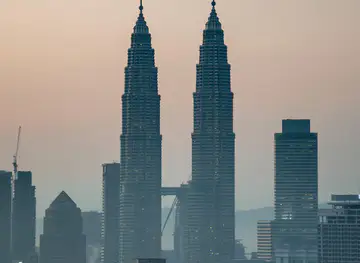
Explore more of Malaysia
Discover Malaysia: A stunning blend of modernity and nature, where diverse cultures meet, and adventure awaits. From vibrant cities to serene beaches, Malaysia has it all.
Explore Malaysia