

Free Kelantan Travel Guide & Mobile App
Explore Kelantan with free travel guides. Discover regional history, expert tips, proposed trips, and audio guides on web or mobile app.


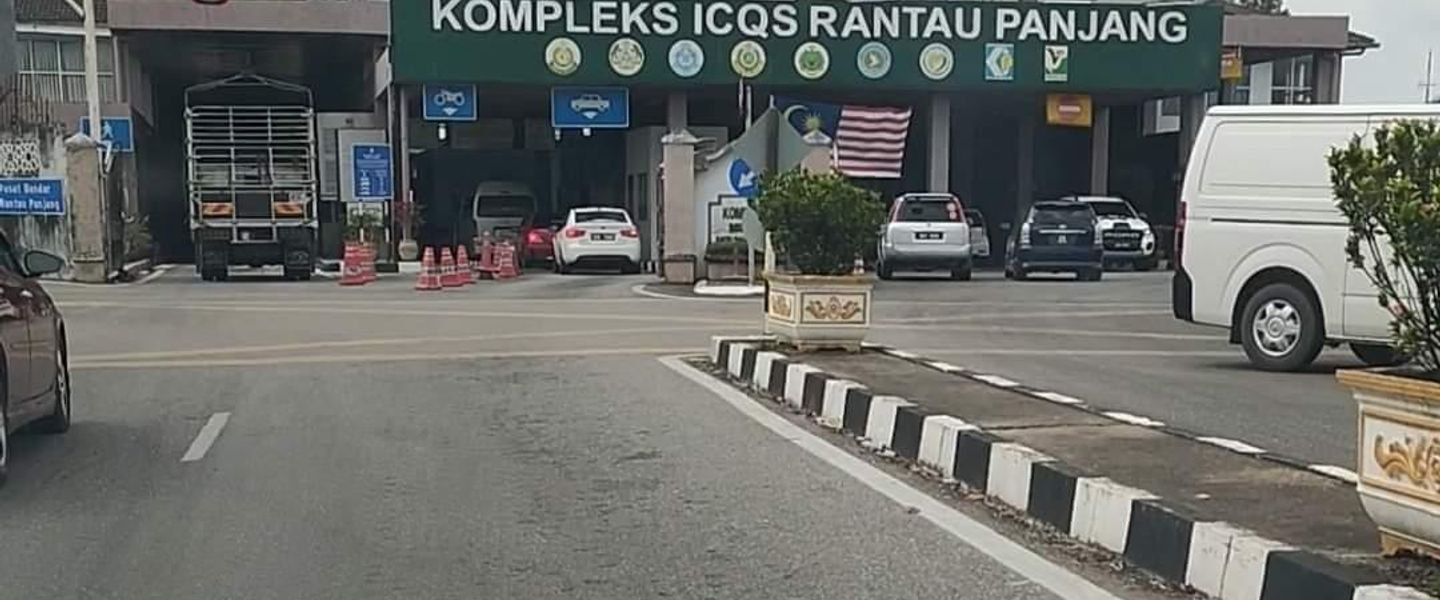


Explore Kelantan’s Malay arts, markets, Buddhist temples, coastal villages, distinctive cuisine and forested river landscapes in north-eastern Malaysia.
Read more about Kelantan
When is the best time to visit Kelantan?
Best: December–February · 31–32°C| Month | High (°C) | Rainfall (mm) |
|---|---|---|
| January (best) | 31 | 100 |
| February (best) | 32 | 90 |
| March | 32 | 120 |
| April | 33 | 140 |
| May | 33 | 160 |
| June | 33 | 180 |
| July | 32 | 200 |
| August | 32 | 180 |
| September | 32 | 160 |
| October | 32 | 140 |
| November | 32 | 120 |
| December (best) | 31 | 100 |
Getting to and around Kelantan
How to get there
Transportation
Top city travel guides in Kelantan
The cities of Kelantan, and the easiest places to base yourself.
-

-

-

-


Swipe for more cities
Destinations in Kelantan
Resorts, valleys and scenic spots worth a trip of their own.
-

-

-


Swipe for more destinations
Best attractions in Kelantan
Kelantan’s attractions centre on culture, food, religious architecture and landscapes rather than a single resort district. Kota Bharu brings together the Kelantan State Museum, royal and civic buildings, craft institutions, markets and traditional neighbourhoods, making it the most accessible place to understand the state’s history and artistic traditions. The Handicraft Village and Craft Museum introduces batik, embroidery, songket, woodcarving and other skills associated with Kelantanese makers. Around Tumpat, Buddhist temples with strong Thai-Malay connections provide a marked contrast with the mosques and Islamic institutions of the capital. The coast around Bachok and nearby districts offers a quieter combination of beaches, fishing communities and rural scenery, although conditions and facilities vary. Inland Kelantan is the setting for caves, waterfalls, river journeys and forest recreation, particularly around Kuala Krai, Dabong and Gunung Stong State Park. These areas are best approached with planning, local advice and suitable footwear. Markets and food streets are attractions in their own right, while wayang kulit, wau-making and silversmithing offer insight into living cultural traditions rather than museum displays alone.
-
Market
Siti Khadijah Market
Explore the vibrant Siti Khadijah Market in Kota Bharu, a cultural hotspot filled with local delicacies, crafts, and a lively atmosphere perfect for tourists.
-
Tourist attraction
Cameron Highlands Flora Park
Explore the vibrant beauty of Cameron Highlands Flora Park in Malaysia, where nature, tranquility, and stunning floral displays await every visitor.
-
Tourist attraction
Green View Garden Cameron Highlands
Explore the enchanting Green View Garden in Cameron Highlands, a hidden gem filled with beautiful flora, delicious food, and serene landscapes for nature lovers.
-
National park
Taman Negara
Discover Taman Negara, Malaysia's stunning national park, where lush rainforests, diverse wildlife, and thrilling adventures await every traveler.


Best landmarks in Kelantan
Kota Bharu’s Istana Jahar is among Kelantan’s most recognisable historic buildings, an ornate former royal palace associated with the state’s courtly heritage and now part of the city’s museum landscape. The nearby Istana Batu, also known as the Royal Stone Palace, adds another architectural expression of Kelantan’s royal history. The central market area, including the distinctive Siti Khadijah Market, is a functional civic landmark as much as a shopping venue, with its busy trading floors and strong connection to local food culture. In Tumpat, Wat Photivihan is known for its large reclining Buddha, while Wat Machimmaram and other temples show the long-standing presence of Siamese Buddhist communities in northern Kelantan. The Sultan Ismail Petra Mosque in Kota Bharu represents the state’s modern Islamic urban identity. Further inland, Gunung Stong and its waterfalls form a natural landmark within a forested mountain setting, contrasting sharply with the lowland capital. Together these places express Kelantan’s layered royal, Islamic, Thai-Buddhist, commercial and environmental identities.
-
Market
Siti Khadijah Market
Explore the vibrant Siti Khadijah Market in Kota Bharu, a cultural hub offering local delicacies, crafts, and a genuine taste of Kelantanese life.
-
Mosque
Muhammadi Masjid
Discover the architectural beauty and spiritual richness of Muhammadi Masjid, an iconic landmark in Kota Bharu, Kelantan, Malaysia.
-
Duty free store
Pengkalan Kubor Duty Free Zone
Explore the vibrant Pengkalan Kubor Duty Free Zone in Tumpat, Kelantan - your ultimate destination for unique shopping and local cultural experiences.
-
National park
Taman Negara
Discover the breathtaking beauty of Taman Negara, Malaysia's oldest national park, where ancient rainforests and diverse wildlife await your exploration.


Explore Kelantan on the map
Plan your trip on one map. See where the top cities, national parks and sights are, and book hotels and experiences in a few clicks.
Best hotels in Kelantan
Best restaurants in Kelantan
Kelantanese cuisine is defined by fragrant herbs, coconut, grilled foods, fermented flavours and distinctive rice dishes. Nasi kerabu, served with blue-tinted rice, raw herbs, salted egg and accompaniments such as fish or chicken, is the most recognisable local meal, while nasi dagang and laksam provide other substantial regional choices. Ayam percik, grilled chicken coated with a spiced coconut sauce, is widely associated with the east coast, and budu, a fermented fish sauce, is often offered as a sharp condiment. Sweet and savoury kuih such as akok add a strong traditional baking and snack culture. In Kota Bharu, the Siti Khadijah Market and surrounding food stalls are useful places to encounter breakfast dishes, desserts and packed meals, while smaller towns and villages rely on cafés, roadside stalls and family-run eateries. Seafood is available in coastal areas, but dining is not exclusively maritime; rice, herbs, poultry and coconut remain central to everyday meals. Visitors should expect halal food to dominate and should ask about ingredients when unfamiliar sauces or preparations are involved.
-
Restaurant
Kopitiam Kita
Discover the authentic taste of Malaysia at Kopitiam Kita in Kota Bharu - where every breakfast is a delightful journey.
-
Korean
Seoul Garden Kota Bharu
Experience authentic Korean cuisine at Seoul Garden Kota Bharu—where every dish tells a story of flavor and tradition.
-
Restaurant
Medan Selera R&R Gua Musang
Discover the flavors of Malaysia at Medan Selera R&R Gua Musang – a must-stop culinary haven for every traveler.
-
Restaurant
Restoran Nasi Ulam Cikgu
Experience the rich flavors of traditional Malay cuisine at Restoran Nasi Ulam Cikgu in Kota Bharu—where every meal tells a story.


Best bars in Kelantan
Kelantan has a quieter evening culture than Malaysia’s major metropolitan and resort destinations, reflecting its predominantly Muslim population and more conservative public environment. Kota Bharu’s nightlife is centred on restaurants, cafés, dessert shops, night markets and informal evening food stalls rather than a large nightclub circuit. Traditional eateries and kopitiam-style cafés provide places to meet over drinks and snacks, while hotels may offer a more international setting, subject to their current facilities and licensing. In smaller towns, evenings generally remain low-key, with local restaurants, family gatherings and market activity more prominent than late-night entertainment. Cultural performances, craft demonstrations and seasonal events can offer a more locally grounded evening experience when scheduled. Alcohol is not central to the public scene and may be unavailable in many establishments, so visitors should check arrangements rather than assume that a bar service exists. Night-time travel outside Kota Bharu requires more planning because rural transport becomes limited.
-
Market
Siti Khadijah Market
Explore the vibrant Siti Khadijah Market in Kota Bharu, a must-visit destination for authentic local culture, exquisite handicrafts, and delicious street food.
-
Restaurant
Kopitiam Kita
Discover the authentic flavors of Malaysia at Kopitiam Kita, a must-visit breakfast spot in Kota Bharu for food lovers.
-
Hotel
Perdana Kota Bharu
Experience luxury and comfort at Perdana Kota Bharu, your gateway to the cultural wonders of Kelantan.
-
Restaurant
Restoran Nasi Ulam Cikgu
Discover authentic Malaysian cuisine at Restoran Nasi Ulam Cikgu, where traditional flavors meet a welcoming atmosphere in Kota Bharu.


Best nightclubs in Kelantan
Kelantan has a quieter evening culture than Malaysia’s major metropolitan and resort destinations, reflecting its predominantly Muslim population and more conservative public environment. Kota Bharu’s nightlife is centred on restaurants, cafés, dessert shops, night markets and informal evening food stalls rather than a large nightclub circuit. Traditional eateries and kopitiam-style cafés provide places to meet over drinks and snacks, while hotels may offer a more international setting, subject to their current facilities and licensing. In smaller towns, evenings generally remain low-key, with local restaurants, family gatherings and market activity more prominent than late-night entertainment. Cultural performances, craft demonstrations and seasonal events can offer a more locally grounded evening experience when scheduled. Alcohol is not central to the public scene and may be unavailable in many establishments, so visitors should check arrangements rather than assume that a bar service exists. Night-time travel outside Kota Bharu requires more planning because rural transport becomes limited.
-
Hotel
Perdana Kota Bharu
Discover luxury and local charm at Perdana Kota Bharu, where comfort meets culture in the heart of Malaysia's vibrant Kelantan state.
-
Bar
Golden City Restaurant
Experience a taste of Western cuisine in Kota Bharu at Golden City Restaurant, where flavor meets a welcoming atmosphere.
-
Bar
Jungle Bar
Discover the vibrant nightlife at Jungle Bar in Tanah Rata, where lush surroundings meet a lively atmosphere for an unforgettable evening.
-
Bar
Restoran Kim Leng
Discover the vibrant nightlife of Kota Bharu at Restoran Kim Leng, where local culture meets modern bar experience.


Best shops in Kelantan
Shopping in Kelantan is strongest in markets, craft centres and independent businesses rather than large luxury malls. Kota Bharu’s Siti Khadijah Market is the principal place for fresh produce, cooked food, spices, snacks and household goods, while nearby streets contain shops selling textiles, batik and traditional garments. The Handicraft Village and Craft Museum is a useful starting point for understanding local workmanship, especially batik printing, songket weaving, woodcarving and embroidery. Wau, the elaborately decorated Malay kite associated with Kelantan, makes a lightweight decorative purchase when available from reputable makers. Silverwork, prayer items, woven fabrics, ceramics and packaged regional foods are also sold in the capital and larger towns. Tumpat and other northern districts offer smaller local shops and produce trading, while rural markets can be more seasonal and less predictable. Check the quality, materials and care instructions for textiles, and compare prices without assuming that every brightly coloured craft item was made locally.
-
Market
Siti Khadijah Market
Experience the vibrant culture and flavors of Malaysia at Siti Khadijah Market in Kota Bharu, a premier destination for tourists and food lovers alike.
-
Shopping mall
ÆON Mall Kota Bharu
Discover the ultimate shopping experience at ÆON Mall Kota Bharu, where local culture meets modern retail in a vibrant atmosphere.
-
Shopping mall
KB Mall
Explore the bustling KB Mall in Kota Bharu - a shopping haven with diverse stores, delectable dining options, and family-friendly entertainment.
-
Hypermarket
Lotus's Kota Bharu
Explore Lotus's Kota Bharu, a vibrant hypermarket offering fresh produce, local delicacies, and an authentic shopping experience in the heart of Kelantan.


Get your free copy of our complete guide to Kelantan, delivered straight to you.
Everything on this page, from attractions and restaurants to essentials and local phrases, in one PDF you can read offline, print or share.
Already have an account? Sign in
Your Kelantan guide is ready.
We'll send it to · Not you? Sign out

Getting your guide ready…
We are putting together a fresh copy of the Kelantan guide. This can take up to a minute.
This can take a few moments. If your browser asks, choose Allow so the download can start. You'll find the guide in your Downloads folder.
Nothing happened? Download it again
Sorry, the guide is taking longer than usual. Please try again in a minute, or get it by email instead.
Kelantan essentials
Currency and Payment
Safety
Emergency Situations
Do's and Don'ts
Local Tips
From Eve
Local phrases worth knowing
You don't need to get them perfect. A few words go a long way, and locals appreciate the effort.
Basics
| English | Local | Say it |
|---|---|---|
| Hello | Hai | [hai] |
| Goodbye | Selamat tinggal | [səˈlɑːmət ˈtɪŋɡəl] |
| Yes | Ya | [ja] |
| No | Tak | [tɑk] |
| Please/You're welcome | Sila | [ˈsiːlə] |
| Thank you | Terima kasih | [təˈrimə ˈkæsi] |
| Excuse me/Sorry | Maaf | [mɑːf] |
| How are you? | Apa khabar? | [ˈɑːpə ˈkəˈbɑr] |
| Fine. And you? | Baik. Dan awak? | [ˈbaɪk. dæn əˈwɑk] |
| Do you speak English? | Awak boleh cakap Inggeris? | [əˈwɑk ˈboʊlɛ ˈtʃɑːk ˈɪŋɡərɪs] |
| I don't understand | Saya tak faham | [ˈsaɪə tɑk ˈfæhəm] |
Eating & Drinking
| English | Local | Say it |
|---|---|---|
| I'd like to see the menu, please | Saya nak tengok menu, sila | [ˈsaɪə nɑk ˈtɛŋɒk ˈmɛnu, ˈsiːlə] |
| I don't eat meat | Saya tak makan daging | [ˈsaɪə tɑk ˈmɑːkən ˈdɑːɡɪŋ] |
| Cheers! | Selamat! | [səˈlɑːmət] |
| I would like to pay, please | Saya nak bayar, sila | [ˈsaɪə nɑk ˈbaɪər, ˈsiːlə] |
Emergencies
| English | Local | Say it |
|---|---|---|
| Help! | Tolong! | [ˈtoʊlɒŋ] |
| Go away! | Pergi jauh! | [pərˈɡi ˈdʒɑʊ] |
| Call the Police! | Panggil polis! | [ˈpæŋɡɪl pəˈliːs] |
| Call a doctor! | Panggil doktor! | [ˈpæŋɡɪl ˈdɑːktər] |
| I'm lost | Saya sesat | [ˈsaɪə səˈsɑːt] |
| I'm ill | Saya sakit | [ˈsaɪə ˈsækɪt] |
Shopping
| English | Local | Say it |
|---|---|---|
| I'd like to buy... | Saya nak beli... | [ˈsaɪə nɑk bəˈli...] |
| I'm just looking | Saya cuma tengok | [ˈsaɪə ˈtʃuːmə ˈtɛŋɒk] |
| How much is it? | Berapa harganya? | [bəˈrɑːpə ˈhɑːrɡənɪə] |
| That's too expensive | Itu terlalu mahal | [ˈɪtu tərˈlɑːʊ ˈmɑːhɑl] |
| Can you lower the price? | Boleh turunkan harga? | [ˈboʊlɛ ˈtuːrʊŋkɑn ˈhɑːrɡə] |
Time & Numbers
| English | Local | Say it |
|---|---|---|
| What time is it? | Jam berapa? | [jɑm bəˈrɑːpə] |
| It's one o'clock | Jam satu | [jɑm ˈsɑːtu] |
| Half past (10) | Setengah (10) | [səˈtɛŋə (10)] |
| Morning | Pagi | [ˈpɑːɡi] |
| Afternoon | Petang | [pəˈtɑːŋ] |
| Evening | Malam | [ˈmɑːləm] |
| Yesterday | Semalam | [səˈmɑːləm] |
| Today | Hari ini | [ˈhɑːri ˈiːni] |
| Tomorrow | Esok | [ˈɛsɒk] |
| 1 | Satu | [ˈsɑːtu] |
| 2 | Dua | [ˈduə] |
| 3 | Tiga | [ˈtiːɡə] |
| 4 | Empat | [ˈɛmpɑt] |
| 5 | Lima | [ˈliːmɑ] |
| 6 | Enam | [əˈnɑːm] |
| 7 | Tujuh | [ˈtuːdʒʊh] |
| 8 | Lapan | [ˈlɑːpən] |
| 9 | Sembilan | [səˈbɪlən] |
| 10 | Sepuluh | [səˈpʊlʊh] |
Transport & Directions
| English | Local | Say it |
|---|---|---|
| Where's a/the...? | Di mana...? | [di ˈmɑːnə...?] |
| What's the address? | Apa alamatnya? | [ˈɑːpə əˈlɑːmɑt] |
| Can you show me (on the map)? | Boleh tunjukkan (pada peta)? | [ˈboʊlɛ ˈtuːnʤʊkən (ˈpɑdə ˈpɛtə)?] |
| When's the next (bus)? | Bila bas seterusnya? | [ˈbila bɑs səˈtɛrʊsnjə?] |
| A ticket (to ....) | Tiket (ke ....) | [ˈtɪkɪt (kə ....)] |
History of Kelantan
Early Trade and the Kelantan River Basin
Kelantan’s river system connected the interior with the South China Sea and helped sustain settlements, agriculture and trade from an early period. Archaeological evidence and historical references point to long contacts with the Malay Peninsula, southern Thailand and wider maritime trading networks. Gold, forest products, ceramics and agricultural goods moved through routes linking the coast to inland valleys. Rather than developing in isolation, Kelantan was shaped by its position between the peninsula’s east-coast routes and the Thai-Malay world to the north.
Hindu-Buddhist and Early Malay Influences
Before the consolidation of Islam, the peninsula was influenced by Indianised courts and Buddhist traditions connected to regional trading states. In Kelantan, the precise political boundaries of early polities remain difficult to reconstruct, but material remains and later traditions indicate sustained cultural exchange. Religious and artistic influences travelled through trade, diplomacy and migration. Elements of this older history survive indirectly in archaeological finds, local legends and the layered vocabulary of Kelantanese art, even though the state’s later public identity became predominantly Malay and Muslim.
The Islamisation of Kelantan and the Kelantan Sultanate
Islam became increasingly important in Kelantan from the late medieval period onwards, encouraged by merchants, scholars and links with other Malay courts. A sultanate developed whose authority was centred on the riverine lowlands and the settlement that became Kota Bharu. Islamic learning, court ceremony, literature and craft traditions helped shape Kelantanese society. The royal legacy remains visible in Kota Bharu’s palace-related buildings, museums, ceremonial arts and the continuing importance of the state’s sultanate within Malaysia’s constitutional monarchy.
Thai-Siamese Relations and Northern Connections
Kelantan maintained close and sometimes complex relations with Siam, as did several Malay states on the peninsula. Political influence, tribute arrangements, trade and movement across the northern frontier linked Kelantan with Pattani and other parts of southern Thailand. These connections are especially apparent around Tumpat, where Siamese Buddhist communities and temples form an important part of the cultural landscape. Kelantanese Malay culture therefore developed through interaction with neighbouring Thai-Malay societies as well as through links with the rest of the Malay world.
The Anglo-Siamese Settlement of 1909
The 1909 Anglo-Siamese Treaty transferred Siam’s formal influence over Kelantan, Terengganu, Kedah and Perlis to Britain, bringing the states into the British sphere while recognising their Malay rulers. The change altered administrative and political relationships without erasing local institutions. British involvement encouraged new systems of governance, transport and commerce, but Kelantan retained a strong royal and religious identity. The treaty also helped establish the international boundary that broadly separates present-day Kelantan from southern Thailand.
War, Occupation and the Road to Malaysia
Japanese forces entered Malaya through the north-east during the Second World War, and Kelantan was among the first areas affected by the invasion in December 1941. Occupation disrupted administration, trade and daily life before the return of British control. In the post-war period, Kelantan participated in the political developments that led to Malayan independence in 1957 and the formation of Malaysia in 1963. Since then, the state has combined modern public institutions with strong continuity in religious practice, royal traditions, agriculture and cultural production.
Kelantan in Photos
Browse through our photo collection highlighting the charm and character of the destination.
Neighbouring regions of Kelantan
The closest regions to Kelantan, if you have time for more than one.
-

-

-

-

-


Swipe for more regions
Explore more
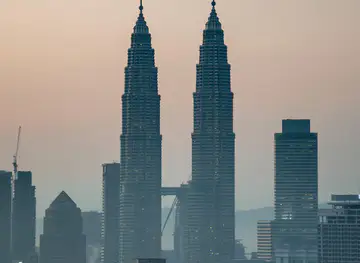
Explore more of Malaysia
Discover Malaysia: A stunning blend of modernity and nature, where diverse cultures meet, and adventure awaits. From vibrant cities to serene beaches, Malaysia has it all.
Explore Malaysia