

Free Langkawi Archipelago Travel Guide & Mobile App
Explore Langkawi Archipelago with free travel guides. Discover regional history, expert tips, proposed trips, and audio guides on web or mobile app.




Explore Langkawi’s beaches, mangrove forests, limestone landscapes, island cruises and Malay heritage across Malaysia’s Andaman archipelago.
Read more about Langkawi Archipelago
When is the best time to visit Langkawi Archipelago?
Best: January–March · 31–32°C| Month | High (°C) | Rainfall (mm) |
|---|---|---|
| January (best) | 31 | 100 |
| February (best) | 31 | 80 |
| March (best) | 32 | 90 |
| April | 32 | 120 |
| May | 33 | 200 |
| June | 32 | 250 |
| July | 31 | 300 |
| August | 31 | 350 |
| September | 31 | 300 |
| October | 31 | 250 |
| November | 31 | 200 |
| December | 31 | 150 |
Getting to and around Langkawi Archipelago
How to get there
Transportation
Top city travel guides in Langkawi Archipelago
The cities of Langkawi Archipelago, and the easiest places to base yourself.

Swipe for more cities
Best attractions in Langkawi Archipelago
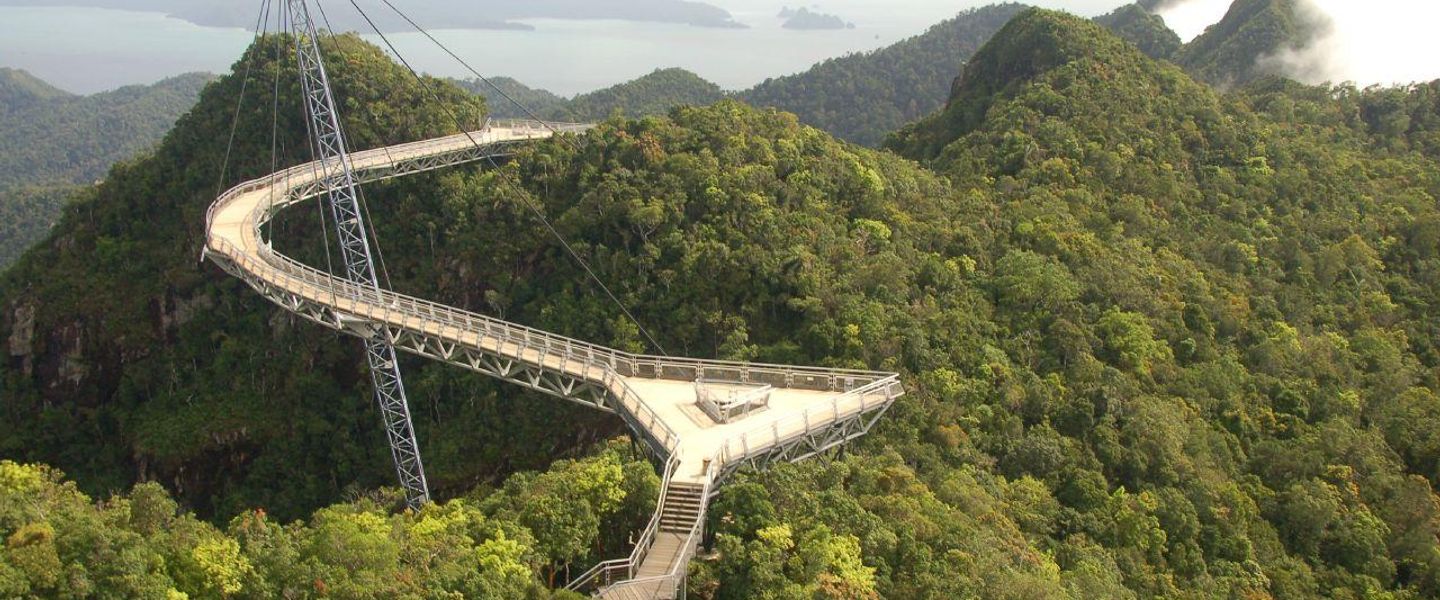
Langkawi’s attractions combine beaches, forested mountains, mangrove waterways and cultural sites rather than concentrating solely on resort life. Pantai Cenang and Pantai Tengah are the main west-coast beach areas, with swimming, water sports and sunset views, while Tanjung Rhu offers a quieter northern setting and broad views towards offshore islands. The Langkawi SkyCab and nearby Sky Bridge provide access to the slopes of Gunung Machinchang, where geological formations and elevated viewpoints are central to the experience. In the north-east, Kilim Geoforest Park is explored by boat through tidal mangroves, limestone channels and sea caves. Island excursions may visit Dayang Bunting, known for its forest-framed freshwater lake, and smaller beaches subject to weather and local itineraries. On land, attractions include the Mahsuri cultural complex, Galeria Perdana, the Langkawi Craft Complex and family-oriented marine displays around Pantai Cenang. Waterfalls, paddy fields and village roads add quieter alternatives to the principal visitor centres. The archipelago’s UNESCO Global Geopark status gives these experiences a coherent geological and conservation context, linking scenery with the long relationship between island communities and the sea.
-
Tourist attraction
Underwater World Langkawi
Explore the mesmerizing aquatic life at Underwater World Langkawi, a premier aquarium destination showcasing diverse marine species and engaging exhibits.
-
Wildlife park
Langkawi Wildlife Park
Explore the lush landscapes and diverse wildlife at Langkawi Wildlife Park, a family-friendly destination for animal lovers.
-
Tourist attraction
The Zon Duty Free Zone
Discover unbeatable deals at The Zon Duty Free Zone in Langkawi, where luxury meets affordability in a vibrant shopping atmosphere.
-
Tourist attraction
Temurun Waterfall
Experience the breathtaking beauty of Temurun Waterfall, a natural paradise in Langkawi, perfect for adventure and relaxation.


Best landmarks in Langkawi Archipelago
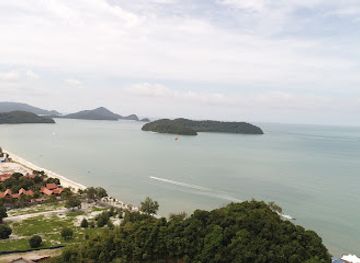
The Langkawi Sky Bridge is one of the archipelago’s most recognisable modern structures, curving above the forested slopes of Gunung Machinchang and making the mountain landscape accessible from the SkyCab area. In the north-east, the sheer limestone walls and waterways of Kilim Geoforest Park form a landmark landscape shaped by karst geology, tides and mangrove ecology rather than by a single monument. Kuah’s Eagle Square, or Dataran Lang, is a prominent civic symbol beside the ferry harbour, while the statue of an eagle reflects Langkawi’s name and identity. The freshwater lake at Dayang Bunting is a notable natural site enclosed by steep, wooded hills and reached by boat and a short approach on the island. On the main island, the Mahsuri cultural complex represents the enduring place of local legend in Langkawi’s public memory. Beaches such as Tanjung Rhu and the offshore silhouettes viewed from the western coast are also important geographical markers, demonstrating how the archipelago’s most significant landmarks often combine natural form, cultural meaning and maritime setting.
-
Mountain cable car
Langkawi Skybridge Cable Car
Discover breathtaking views and thrilling heights at the Langkawi Skybridge Cable Car, a must-see attraction for every traveler in Malaysia's tropical paradise.
-
Tourist attraction
Langkawi Sky Bridge
Experience unparalleled views and thrilling heights at the Langkawi Sky Bridge, a stunning architectural wonder perched above Malaysia's lush landscapes.
-
Scenic spot
Dataran Lang
Explore Dataran Lang, an iconic scenic spot in Langkawi featuring a majestic eagle statue and breathtaking views of the Andaman Sea.
-
Aquarium
Underwater World Langkawi
Explore Underwater World Langkawi, an enchanting aquarium showcasing the beauty of marine life and promoting ocean conservation.


Explore Langkawi Archipelago on the map
Plan your trip on one map. See where the top cities, national parks and sights are, and book hotels and experiences in a few clicks.
Best hotels in Langkawi Archipelago
Best restaurants in Langkawi Archipelago
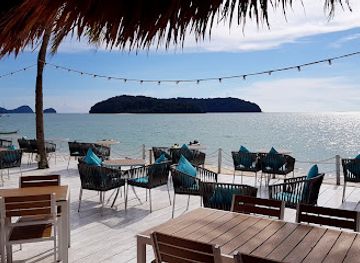
Langkawi’s dining scene ranges from Malay food stalls and family-run cafés to resort restaurants, international menus and seafood establishments. Local meals commonly feature rice, grilled fish, prawns, squid, spicy sambals, curries and dishes influenced by the broader food culture of Kedah and northern Malaysia. Pantai Cenang and Pantai Tengah offer the widest variety, from casual beachfront dining to contemporary restaurants, while Kuah is useful for everyday Malay, Chinese and Indian-Malaysian options. In villages and less developed coastal areas, menus can be simpler and opening arrangements less predictable. Night markets held in different parts of the main island on different evenings are a practical way to sample snacks, noodles, kuih, fruit and prepared meals alongside local residents. Seafood is widely associated with an island destination, but quality and price vary, so confirm the preparation and total cost before ordering. Resort dining is convenient for remote beaches, while small cafés and roadside stalls provide a closer connection to ordinary island food habits.
-
Western
Yellow Beach Cafe
Experience beachfront dining at Yellow Beach Cafe in Langkawi—where delicious Western cuisine meets stunning sunset views.
-
Yemenite
Hadramawt Restaurant
Experience authentic Yemenite flavors at Hadramawt Restaurant in Langkawi - where every dish tells a story.
-
Seafood
Fish Farm Restaurant & Resort
Experience fresh seafood delights at Fish Farm Restaurant & Resort in Langkawi - where nature meets exquisite dining.
-
Western
Hidden Langkawi
Experience exquisite Western cuisine and vibrant nightlife at Hidden Langkawi – your ultimate dining destination in Malaysia's tropical paradise.


Best bars in Langkawi Archipelago
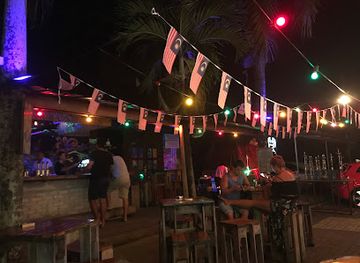
Langkawi’s evening life is concentrated around Pantai Cenang and Pantai Tengah, where beach bars, hotel lounges, casual restaurants and a limited selection of music-oriented venues create the archipelago’s liveliest night-time setting. Even here, the atmosphere is generally more relaxed than in Malaysia’s major urban nightlife districts, with sunset drinks, live performances and late dinners more common than a dense club circuit. Kuah has bars and hotel venues aimed at residents, ferry passengers and visitors staying in town, while northern and rural areas become quiet after dinner. Some resorts offer evening entertainment, and seasonal changes can affect which venues operate and how late they remain open. Alcohol is available in licensed establishments, but Langkawi’s duty-free status does not remove the need to drink responsibly or respect Malaysia’s laws and local sensitivities. Visitors seeking a quieter evening can choose a seafood restaurant, night market or hotel terrace rather than treating nightlife as the main focus of an island stay.
-
Bar
Hidden Langkawi
Experience the vibrant nightlife and culinary delights at Hidden Langkawi, a premier bar and western restaurant in beautiful Langkawi.
-
Bar
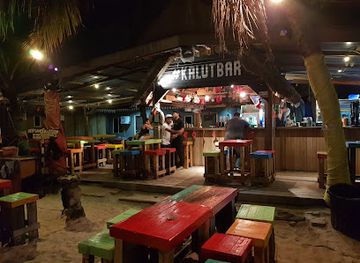
Kalut Cafe And Bar
Discover the vibrant ambiance and pirate-themed charm of Kalut Cafe And Bar, a must-visit destination in Langkawi for drinks and good times.
-
Pub
Sunba Retro Bar
Discover the lively vibes of Sunba Retro Bar, a popular nightlife spot in Pulau Langkawi offering music, drinks, and a friendly atmosphere.
-
Karaoke bar
Galaxy Family Karaoke
Experience the joy of singing with friends and family at Galaxy Family Karaoke, Langkawi's top karaoke bar with a lively atmosphere and delicious snacks.

Best nightclubs in Langkawi Archipelago
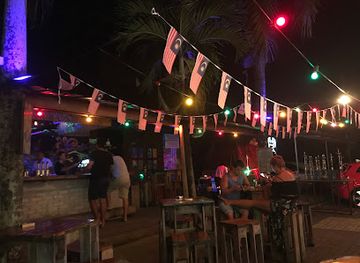
Langkawi’s evening life is concentrated around Pantai Cenang and Pantai Tengah, where beach bars, hotel lounges, casual restaurants and a limited selection of music-oriented venues create the archipelago’s liveliest night-time setting. Even here, the atmosphere is generally more relaxed than in Malaysia’s major urban nightlife districts, with sunset drinks, live performances and late dinners more common than a dense club circuit. Kuah has bars and hotel venues aimed at residents, ferry passengers and visitors staying in town, while northern and rural areas become quiet after dinner. Some resorts offer evening entertainment, and seasonal changes can affect which venues operate and how late they remain open. Alcohol is available in licensed establishments, but Langkawi’s duty-free status does not remove the need to drink responsibly or respect Malaysia’s laws and local sensitivities. Visitors seeking a quieter evening can choose a seafood restaurant, night market or hotel terrace rather than treating nightlife as the main focus of an island stay.
-
Pub
Sunba Retro Bar
Dive into the vibrant nightlife at Sunba Retro Bar, where retro charm meets exhilarating music and refreshing drinks in Pulau Langkawi.
-
Karaoke bar
Galaxy Family Karaoke
Experience the joy of karaoke at Galaxy Family Karaoke in Langkawi, where every night is a celebration of music and fun for all ages.
-
Restaurant
Rockafellers Langkawi
Discover Rockafellers Langkawi: a lively restaurant and sports bar where delicious food meets thrilling sports entertainment in a tropical paradise.
-
Bar
One Love Langkawi Bar
Discover the vibrant nightlife of Langkawi at One Love Langkawi Bar, offering exquisite cocktails and breathtaking beachfront views.


Best shops in Langkawi Archipelago
Langkawi’s duty-free status shapes its retail character, particularly in Kuah, where visitors find shops selling confectionery, packaged foods, perfumes, cosmetics, tobacco and selected household goods. Prices and product ranges change, so compare reputable retailers and understand customs allowances before buying goods for onward travel. Kuah is also the practical centre for supermarkets, everyday supplies and ferry-terminal shopping, while Pantai Cenang combines souvenir shops, beachwear, convenience stores and small independent retailers. The Langkawi Craft Complex is a useful place to explore Malaysian handicrafts and traditional art rather than relying solely on mass-produced souvenirs. Night markets held in different locations during the week offer local snacks, fruit, clothing and inexpensive household items, with schedules subject to change. Look for batik, woven goods, carved items and regional food products, but treat claims about handmade origin carefully and avoid purchasing shells, coral or wildlife products. Shopping is generally informal and varied, reflecting a holiday island with both local craft traditions and duty-free commerce.
-
Duty free store
Perniagaan Haji Ismail Group Pekan Kuah
Experience unparalleled shopping at Perniagaan Haji Ismail Group, your premier duty-free destination in Langkawi for luxury and local treasures.
-
Shopping mall
Cenang Mall, Langkawi
Discover the vibrant shopping experience at Cenang Mall, Langkawi's go-to destination for fashion, food, and fun.
-
Duty free store
The Zon Duty Free Zone
Discover incredible savings on luxury goods at The Zon Duty Free Zone in Langkawi, a top tourist attraction for savvy shoppers.
-
Shopping mall
Perniagaan Haji Ismail Group (Main Outlet)
Experience the best of Langkawi shopping at Perniagaan Haji Ismail Group, where culture meets convenience in a vibrant atmosphere.


Get your free copy of our complete guide to Langkawi Archipelago, delivered straight to you.
Everything on this page, from attractions and restaurants to essentials and local phrases, in one PDF you can read offline, print or share.
Already have an account? Sign in
Your Langkawi Archipelago guide is ready.
We'll send it to · Not you? Sign out

Getting your guide ready…
We are putting together a fresh copy of the Langkawi Archipelago guide. This can take up to a minute.
This can take a few moments. If your browser asks, choose Allow so the download can start. You'll find the guide in your Downloads folder.
Nothing happened? Download it again
Sorry, the guide is taking longer than usual. Please try again in a minute, or get it by email instead.
Langkawi Archipelago essentials
Currency and Payment
Safety
Emergency Situations
Do's and Don'ts
Local Tips
From Eve
Local phrases worth knowing
You don't need to get them perfect. A few words go a long way, and locals appreciate the effort.
Basics
| English | Local | Say it |
|---|---|---|
| Hello | Halo | [ha-lo] |
| Goodbye | Selamat tinggal | [suh-lah-mat teen-gahl] |
| Yes | Ya | [yah] |
| No | Tidak | [tee-dahk] |
| Please/You're welcome | Sila | [see-lah] |
| Thank you | Terima kasih | [teh-ree-mah kah-see] |
| Excuse me/Sorry | Maaf | [mah-ahf] |
| How are you? | Apa khabar? | [ah-pah kah-bar] |
| Fine. And you? | Baik. Dan anda? | [bye-ik. dahn ahn-dah] |
| Do you speak English? | Adakah anda boleh berbahasa Inggeris? | [ah-dah-kah ahn-dah bo-leh ber-bah-sah ing-ger-is] |
| I don't understand | Saya tidak faham | [sah-yah tee-dahk fah-ham] |
Eating & Drinking
| English | Local | Say it |
|---|---|---|
| I'd like to see the menu, please | Saya ingin lihat menu, sila | [sah-yah een-gin lee-haht meh-nu, see-lah] |
| I don't eat meat | Saya tidak makan daging | [sah-yah tee-dahk mah-kahn dah-ging] |
| Cheers! | Cin-cin! | [chin-chin] |
| I would like to pay, please | Saya ingin bayar, sila | [sah-yah een-gin bye-yar, see-lah] |
Emergencies
| English | Local | Say it |
|---|---|---|
| Help! | Tolong! | [to-long] |
| Go away! | Pergi jauh! | [per-gee jah-oo] |
| Call the Police! | Panggil polis! | [pahn-gil poh-lis] |
| Call a doctor! | Panggil doktor! | [pahn-gil dok-tor] |
| I'm lost | Saya sesat | [sah-yah seh-sat] |
| I'm ill | Saya sakit | [sah-yah sah-kit] |
Shopping
| English | Local | Say it |
|---|---|---|
| I'd like to buy... | Saya ingin beli... | [sah-yah een-gin beh-lee] |
| I'm just looking | Saya hanya melihat | [sah-yah han-yah meh-lihat] |
| How much is it? | Berapa harganya? | [beh-rah-pah har-gah-nyah] |
| That's too expensive | Itu terlalu mahal | [ee-too ter-lah-loo mah-hal] |
| Can you lower the price? | Bolehkah anda turunkan harga? | [bo-leh-kah ahn-dah too-run-kan har-gah] |
Time & Numbers
| English | Local | Say it |
|---|---|---|
| What time is it? | Jam berapa sekarang? | [jahm beh-rah-pah seh-kah-rang] |
| It's one o'clock | Ia jam satu | [ee-ah jahm sah-too] |
| Half past (10) | Setengah (10) | [seh-teng-ah] |
| Morning | Pagi | [pah-gee] |
| Afternoon | Petang | [peh-tang] |
| Evening | Malam | [mah-lahm] |
| Yesterday | Semalam | [seh-mah-lahm] |
| Today | Hari ini | [hah-ree ee-nee] |
| Tomorrow | Esok | [eh-sok] |
| 1 | Satu | [sah-too] |
| 2 | Dua | [doo-ah] |
| 3 | Tiga | [tee-gah] |
| 4 | Empat | [em-pah-t] |
| 5 | Lima | [lee-mah] |
| 6 | Enam | [eh-nahm] |
| 7 | Tujuh | [too-joo] |
| 8 | Lapan | [lah-pahn] |
| 9 | Sembilan | [sem-bee-lahn] |
| 10 | Sepuluh | [seh-poo-loo] |
Transport & Directions
| English | Local | Say it |
|---|---|---|
| Where's a/the...? | Di mana ...? | [dee mah-nah] |
| What's the address? | Apa alamatnya? | [ah-pah ah-lah-maht-nyah] |
| Can you show me (on the map)? | Bolehkah anda tunjukkan (peta)? | [bo-leh-kah ahn-dah toon-joo-kan] |
| When's the next (bus)? | Bila bas seterusnya? | [bee-lah bahs seh-teh-roos-nyah] |
| A ticket (to ....) | Sebuah tiket (ke ...) | [seh-boo-ah tik-et] |
History of Langkawi Archipelago
Early Maritime Settlement and Trade
Langkawi’s position between the Malay Peninsula, Sumatra and the Andaman coast placed its islands within long-standing maritime networks. Early communities made use of sheltered bays, coastal resources and fertile areas on the main island, while traders moved through the wider region linking the Malay world with India, China and mainland Southeast Asia. Archaeological evidence and historical references indicate that the archipelago was not isolated, although surviving evidence is more fragmentary than at some mainland sites. Its geography encouraged small-scale settlement, seafaring and exchange rather than the creation of a large urban centre.
Kedah, Regional Kingdoms and Islam
Langkawi developed within the historical sphere of Kedah, one of the oldest political regions on the Malay Peninsula. Over many centuries, the islands were connected to the changing political and commercial world of the northern Malay states, where Hindu-Buddhist influences were followed and interwoven with the spread of Islam. The archipelago’s present cultural identity is predominantly Malay and Muslim, reflected in village life, mosques, family customs and food traditions. Stories preserved in local oral culture, including the tale of Mahsuri, also express ideas about honour, injustice and communal memory.
Siamese Influence and the Mahsuri Tradition
Northern Kedah and its islands experienced shifting influence from Siam and the Malay sultanate of Kedah, with political authority and tribute arrangements changing over time. Langkawi’s best-known historical narrative concerns Mahsuri, a woman traditionally said to have been unjustly accused and executed, after which she pronounced a seven-generation curse on the island. The story is preserved as cultural legend rather than straightforward documented history, and the Mahsuri cultural complex presents it as part of Langkawi’s heritage. It remains an important way to understand local storytelling and the island’s remembered past.
Colonial-Era Borders and Kedah’s Transfer
The modern political setting of Langkawi was shaped by the Anglo-Siamese Treaty of 1909, which transferred Kedah and its dependencies, including Langkawi, from Siamese influence to British protection through the settlement with Siam. This development fixed a border arrangement that helped define the island’s later relationship with British Malaya and, eventually, Malaysia. The archipelago remained considerably less urbanised than major mainland ports, with livelihoods centred on farming, fishing and coastal trade. Its strategic position, however, continued to give it importance in the northern approaches to the peninsula.
War, Occupation and Post-war Change
During the Second World War, Kedah and Langkawi were drawn into the Japanese occupation of Malaya. The period brought disruption to administration, trade and everyday life across the region, as it did elsewhere on the peninsula. After the war, Langkawi continued largely as a rural island community, with agriculture, fishing and small-scale commerce shaping economic life. Roads, public services and connections with mainland Kedah gradually improved, laying the practical foundations for later tourism rather than replacing the island’s older settlements at once.
Free-Port Policy and Tourism Development
A major transformation began in 1987 when Langkawi was granted duty-free status, encouraging retail development, improved visitor infrastructure and greater investment in accommodation and transport. The policy helped turn the archipelago into one of Malaysia’s best-known island destinations, with Kuah becoming a commercial centre and beach districts developing along the west coast. Tourism also brought new employment and international connections, while creating pressures involving traffic, waste, coastal development and habitat protection. Langkawi’s contemporary character reflects this continuing balance between resort growth and an inhabited island landscape.
UNESCO Global Geopark Recognition
Langkawi was designated a UNESCO Global Geopark in 2007, recognising the archipelago’s geological heritage, especially its ancient rock formations, karst landscapes and relationship between geology, ecosystems and human communities. Areas such as Kilim, Machinchang and Dayang Bunting demonstrate different aspects of this natural history through cliffs, mangroves, caves and island formations. The designation supports conservation and interpretation rather than turning the entire archipelago into a closed reserve. It also gives visitors a useful framework for understanding why Langkawi’s scenery is more than a collection of attractive beaches.
Langkawi Archipelago in Photos
Browse through our photo collection highlighting the charm and character of the destination.
Neighbouring regions of Langkawi Archipelago
The closest regions to Langkawi Archipelago, if you have time for more than one.
-

-

-

-

-


Swipe for more regions
Explore more
Explore more of Malaysia
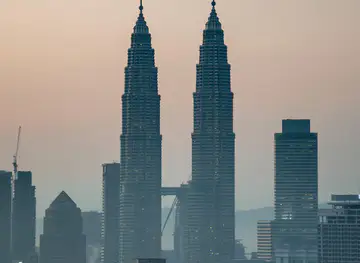
Discover Malaysia: A stunning blend of modernity and nature, where diverse cultures meet, and adventure awaits. From vibrant cities to serene beaches, Malaysia has it all.
Explore Malaysia