

Free Perlis Travel Guide & Mobile App
Explore Perlis with free travel guides. Discover regional history, expert tips, proposed trips, and audio guides on web or mobile app.


Discover Perlis through limestone caves, paddy fields, royal heritage, border markets, northern Malay food and the quiet waters of Timah Tasoh.
Read more about Perlis
When is the best time to visit Perlis?
Best: January–March · 32–33°C| Month | High (°C) | Rainfall (mm) |
|---|---|---|
| January (best) | 32 | 101 |
| February (best) | 32 | 91 |
| March (best) | 33 | 111 |
| April | 33 | 131 |
| May | 34 | 141 |
| June | 33 | 151 |
| July | 33 | 161 |
| August | 33 | 171 |
| September | 33 | 181 |
| October | 33 | 191 |
| November | 32 | 201 |
| December | 32 | 211 |
Getting to and around Perlis
How to get there
Transportation
Best attractions in Perlis
Perlis offers a compact but varied group of attractions centred on limestone landscapes, rural scenery and royal heritage. Perlis State Park in the north is the principal destination for visitors interested in karst forest, caves and guided outdoor activity, with Wang Kelian and the Wang Burma Cave area forming part of the wider experience. Gua Kelam near Kaki Bukit adds a more accessible encounter with the state’s former mining landscape. Around the centre of the state, Timah Tasoh Reservoir provides broad views towards the hills, while Tasik Melati is a smaller wetland setting suited to a gentle walk and landscape photography. Kota Kayang Museum presents local history and the story of Perlis’s royal house, and Arau offers royal and religious heritage in a quieter town setting. Kuala Perlis combines a waterfront atmosphere with seafood and access to ferries for Langkawi, outside the state. Padang Besar provides a contrasting attraction: an active border town known for shopping and cross-border movement. Together, these places make Perlis more about connected short excursions than a single concentrated tourist district.
-
Tourist attraction
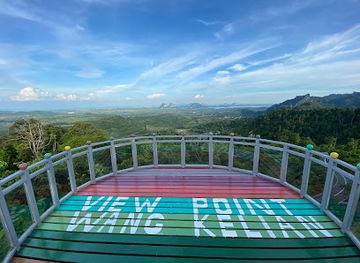
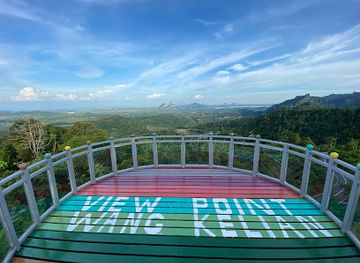
Wang Kelian View Point
Discover Wang Kelian View Point: A stunning natural attraction offering breathtaking views and serene landscapes in Perlis, Malaysia.
-
Mosque
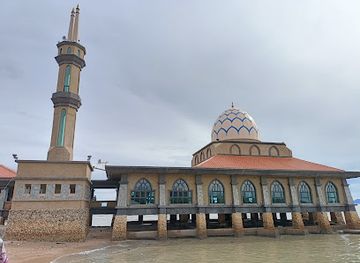
Al Hussain Mosque, Kuala Perlis
Explore Al Hussain Mosque in Kuala Perlis - a stunning blend of modern and traditional architecture set against a serene backdrop.
-
Tourist attraction
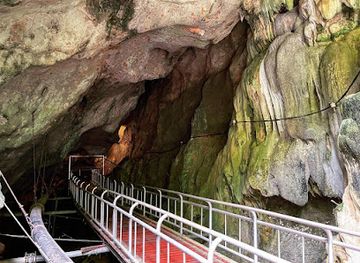
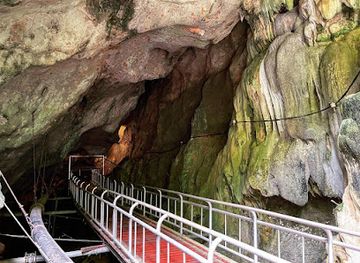
Kelam Cave
Explore the stunning Kelam Cave in Perlis, a natural wonder with breathtaking limestone formations and lush park surroundings, perfect for nature lovers and adventurers.
-
Mosque
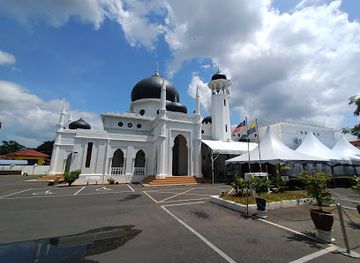
Masjid Alwi
Discover the architectural beauty and serene atmosphere of Masjid Alwi, a must-visit mosque in Kangar, Perlis, showcasing Malaysia's rich cultural heritage.
Best landmarks in Perlis
The limestone country of northern Perlis provides the state’s most distinctive natural landmarks. Gua Kelam, near Kaki Bukit, is a recognisable cave passage shaped by both karst geology and the area’s former tin-mining activity. The hills and forest of Perlis State Park form a larger border landscape, with the Wang Kelian area offering a strong sense of the state’s rugged northern edge. Timah Tasoh Reservoir is another defining sight, its open water and surrounding low hills contrasting with the flat paddy fields elsewhere in Perlis. In the cultural landscape, Arau’s royal precinct and major mosques reflect the continuing presence of the Jamalullail monarchy and Islamic architecture. Kota Kayang Museum is an important reference point for understanding the state’s historical identity, while the Al Hussain Mosque at Kuala Perlis is a prominent waterfront landmark. The railway and border setting of Padang Besar is significant in a different way: it represents the transport and trading geography that has connected Perlis with Thailand and the wider Malay Peninsula.
-
Tourist attraction
Wang Kelian View Point
Explore the breathtaking panoramas and serene landscapes at Wang Kelian View Point, a must-visit destination in Perlis, Malaysia.
-
Tourist attraction
Kelam Cave
Discover the breathtaking beauty of Kelam Cave in Kaki Bukit, Perlis – a perfect blend of adventure, nature, and history.
-
Park
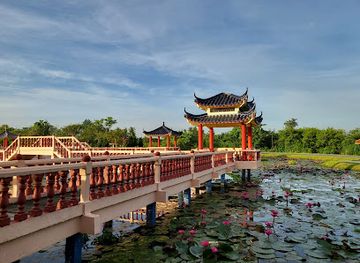
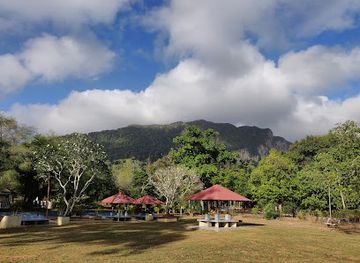
Tasik Melati Recreational Park
Explore the breathtaking landscapes and serene atmosphere of Tasik Melati Recreational Park, a must-visit destination in Perlis, Malaysia.
-
Local history museum
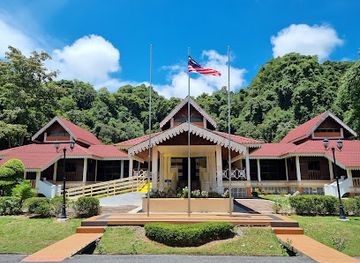
Kota Kayang Museum
Explore the unique heritage of Malaysia's smallest state at Kota Kayang Museum, a captivating local history museum in Kuala Perlis.
Explore Perlis on the map
Plan your trip on one map. See where the top cities, national parks and sights are, and book hotels and experiences in a few clicks.
Best hotels in Perlis
Best restaurants in Perlis
Perlis’s food scene is grounded in northern Malay cooking, rice cultivation and proximity to southern Thailand. Local meals commonly combine rice with fish, vegetables, spicy sambal and fresh herbs, while Thai-influenced flavours are particularly noticeable in the northern border area. Kuala Perlis is associated with seafood and casual waterfront dining, with fish and other local catches prepared in straightforward Malay-style dishes. Kangar and Arau offer the broadest choice of everyday restaurants, cafés and stalls, while roadside businesses and market vendors provide access to seasonal produce and regional snacks. Harumanis mangoes are an important agricultural speciality of Perlis and are highly seasonal, so availability varies. Visitors may also encounter dishes shared across the wider northern Malaysian culinary region rather than foods exclusive to the state; the local distinction lies in the combination of paddy-country produce, border influences and small-town dining settings. Modest cafés, mamak eateries and traditional food stalls are often more representative of daily eating habits than formal restaurants.
-
Malaysian
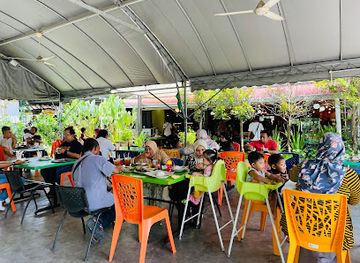
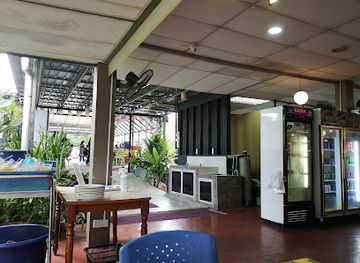
Restoran Anjung Keli
Experience authentic Malaysian cuisine at Restoran Anjung Keli in Kangar – a culinary gem offering traditional dishes with fresh local ingredients.
-
Seafood
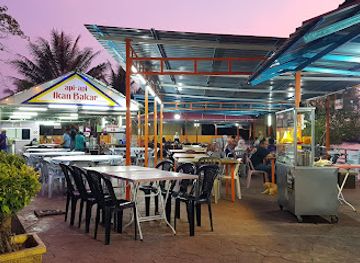
Restoran Api Api Ikan Bakar (RA0032309-P)
Experience authentic Malaysian seafood at Restoran Api Api Ikan Bakar in Kuala Perlis - a culinary delight for every seafood lover.
-
Restaurant
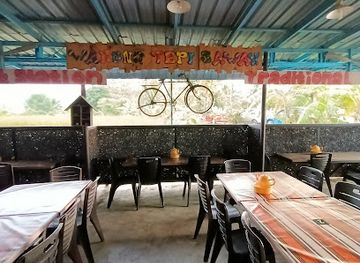
Warung Tepi Sawah 2769
Experience authentic Malaysian cuisine amidst breathtaking views at Warung Tepi Sawah in Kangar.
-
Seafood
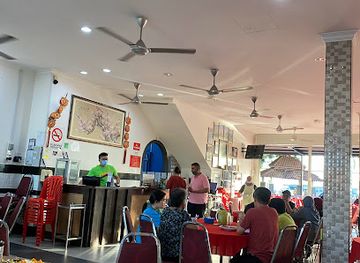
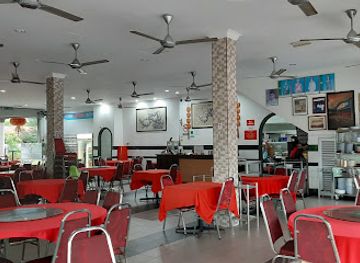
Hai Thien Seafood Restaurant
Discover fresh seafood delights at Hai Thien Seafood Restaurant in Kuala Perlis – an essential stop for every foodie traveler.
Best bars in Perlis
Perlis has a modest evening scene rather than a major nightclub culture. In Kangar and Arau, evenings generally revolve around restaurants, cafés, mamak eateries and informal places serving tea, coffee and simple food. Kuala Perlis adds waterfront dining and a more maritime atmosphere, particularly around ferry movements and seafood restaurants, although the town should not be treated as a late-night entertainment district. Padang Besar is busier for daytime border shopping than for clubbing, with evening activity tending to centre on food and local commerce. Alcohol-focused venues are limited compared with Malaysia’s larger cities, and nightlife varies according to the town and the day of the week. Visitors seeking live entertainment should check current local listings rather than assume a permanent programme. The state’s evening appeal is principally its food, open-air social spaces and slower rural atmosphere.
-
Malaysian
Restoran Anjung Keli
Experience authentic Malaysian cuisine at Restoran Anjung Keli, a must-visit spot in Kangar for food lovers seeking local flavors.
-
Seafood
Hai Thien Seafood Restaurant
Enjoy fresh and delicious seafood at Hai Thien Seafood Restaurant in Kuala Perlis, where every dish is a celebration of local flavors.
-
Restaurant
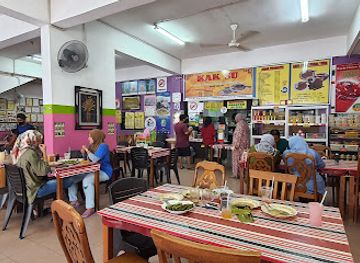
Restaurant Kak Su Laksa
Discover the authentic taste of Malaysia at Restaurant Kak Su Laksa in Kuala Perlis, known for its delicious laksa and warm hospitality.
-
Restaurant
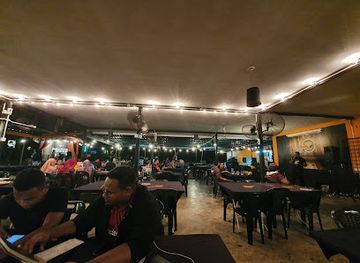
Ana Burger D’ Cafe
Discover the flavors of Kangar at Ana Burger D’ Cafe, where delicious burgers and a cozy atmosphere await you.
Best nightclubs in Perlis
Perlis has a modest evening scene rather than a major nightclub culture. In Kangar and Arau, evenings generally revolve around restaurants, cafés, mamak eateries and informal places serving tea, coffee and simple food. Kuala Perlis adds waterfront dining and a more maritime atmosphere, particularly around ferry movements and seafood restaurants, although the town should not be treated as a late-night entertainment district. Padang Besar is busier for daytime border shopping than for clubbing, with evening activity tending to centre on food and local commerce. Alcohol-focused venues are limited compared with Malaysia’s larger cities, and nightlife varies according to the town and the day of the week. Visitors seeking live entertainment should check current local listings rather than assume a permanent programme. The state’s evening appeal is principally its food, open-air social spaces and slower rural atmosphere.
-
Tourist attraction
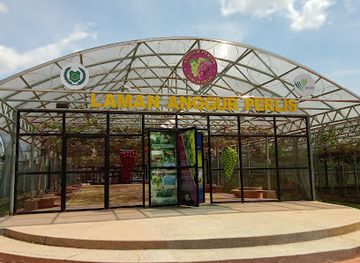
Perlis Vineyard
Discover the charm of Perlis Vineyard - a serene escape with scenic views and delightful wine tastings in the heart of Malaysia.
-
Karaoke bar
I Box Karaoke
Experience the joy of singing at I Box Karaoke, Kangar’s premier karaoke bar, perfect for friends and family gatherings.
-
Golf course
Putra Golf Club
Discover the lush fairways and serene beauty of Putra Golf Club in Perlis, a perfect retreat for golf lovers and nature enthusiasts alike.
-
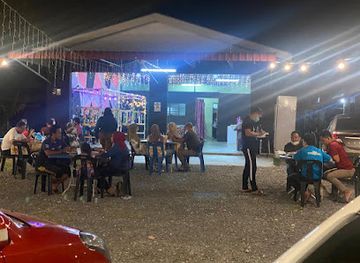
Night market
Pasar Malam Arau (Tapak Baharu)
Experience the vibrant flavors and unique crafts at Pasar Malam Arau, a lively night market in the heart of Perlis, Malaysia.

Best shops in Perlis
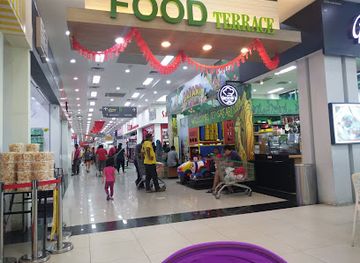
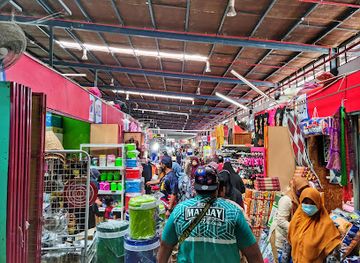
Shopping in Perlis is shaped by market towns, agricultural produce and the international border rather than by large luxury malls. Padang Besar is the state’s best-known retail destination, with shops and market areas selling clothing, snacks, household goods and other products associated with cross-border commerce; stock, prices and trading arrangements can change, so compare items and retain receipts where appropriate. Kangar and Arau provide everyday high-street shopping, supermarkets, cafés and small independent businesses. Local markets are useful for seasonal fruit, vegetables, prepared food and regional snacks, while Harumanis mangoes are a sought-after purchase when in season. Kuala Perlis is more suitable for food and seafood-related buying than for an extensive retail circuit. Visitors can also browse modest craft, textile and souvenir selections, but should distinguish genuinely local products from mass-produced goods. Cash remains useful at market stalls even when larger shops accept cards.
-
Shopping mall
Arked Niaga Padang Besar
Explore the vibrant Arked Niaga Padang Besar, a shopping mall filled with local treasures, delicious food, and a unique cultural experience.
-
Hypermarket
Giant Kangar
Discover local flavors and essentials at Giant Kangar, Perlis' premier hypermarket for a delightful shopping experience.
-
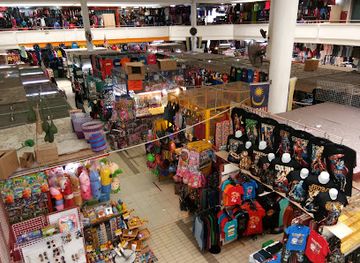
Bazar
Bazar Padang Besar
Discover the essence of local culture at Bazar Padang Besar, a vibrant marketplace offering unique goods and delicious local cuisine.
-
Shopping mall
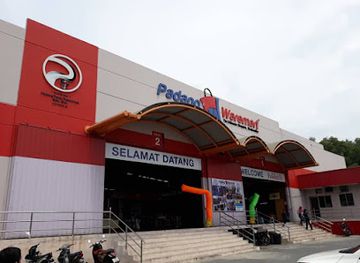
Padang Waremart
Discover Padang Waremart in Padang Besar, where shopping meets local culture, and indulge in a vibrant atmosphere filled with unique finds and delectable delights.
Get your free copy of our complete guide to Perlis, delivered straight to you.
Everything on this page, from attractions and restaurants to essentials and local phrases, in one PDF you can read offline, print or share.
Already have an account? Sign in
Your Perlis guide is ready.
We'll send it to · Not you? Sign out

Getting your guide ready…
We are putting together a fresh copy of the Perlis guide. This can take up to a minute.
This can take a few moments. If your browser asks, choose Allow so the download can start. You'll find the guide in your Downloads folder.
Nothing happened? Download it again
Sorry, the guide is taking longer than usual. Please try again in a minute, or get it by email instead.
Perlis essentials
Currency and Payment
Safety
Emergency Situations
Do's and Don'ts
Local Tips
From Eve
Local phrases worth knowing
You don't need to get them perfect. A few words go a long way, and locals appreciate the effort.
Basics
| English | Local | Say it |
|---|---|---|
| Hello | Hai | [hai] |
| Goodbye | Selamat tinggal | [suh-lah-maht teen-gahl] |
| Yes | Ya | [yah] |
| No | Tidak | [tee-dahk] |
| Please/You're welcome | Sila | [see-lah] |
| Thank you | Terima kasih | [tuh-ree-mah kah-see] |
| Excuse me/Sorry | Maaf | [mah-ahf] |
| How are you? | Apa khabar? | [ah-pah kah-bar] |
| Fine. And you? | Baik. Dan anda? | [bye-ik. dahn ahn-dah] |
| Do you speak English? | Anda boleh cakap English? | [ahn-dah boh-leh jah-kahp English] |
| I don't understand | Saya tidak faham | [sah-yah tee-dahk fah-hahm] |
Eating & Drinking
| English | Local | Say it |
|---|---|---|
| I'd like to see the menu, please | Saya ingin melihat menu, sila | [sah-yah een-gin meh-lih-hah men-oo, see-lah] |
| I don't eat meat | Saya tidak makan daging | [sah-yah tee-dahk mah-kahn dah-gihng] |
| Cheers! | Selamat! | [suh-lah-maht] |
| I would like to pay, please | Saya ingin membayar, sila | [sah-yah een-gin mem-bah-yahr, see-lah] |
Emergencies
| English | Local | Say it |
|---|---|---|
| Help! | Tolong! | [toh-long] |
| Go away! | Pergi jauh! | [per-gee jah-oo] |
| Call the Police! | Panggil polis! | [pahn-geel poh-lis] |
| Call a doctor! | Panggil doktor! | [pahn-geel dok-tor] |
| I'm lost | Saya sesat | [sah-yah seh-saht] |
| I'm ill | Saya sakit | [sah-yah sah-kit] |
Shopping
| English | Local | Say it |
|---|---|---|
| I'd like to buy... | Saya ingin beli... | [sah-yah een-gin beh-lee] |
| I'm just looking | Saya cuma tengok | [sah-yah choo-mah teng-ohk] |
| How much is it? | Berapa harganya? | [beh-rah-pah har-gah-nya] |
| That's too expensive | Itu terlalu mahal | [ee-too ter-lah-loo mah-hahl] |
| Can you lower the price? | Bolehkah anda turunkan harga? | [boh-leh-kah ahn-dah too-roo-nkan har-gah] |
Time & Numbers
| English | Local | Say it |
|---|---|---|
| What time is it? | Jam berapa sekarang? | [jahm beh-rah-pah seh-kah-rang] |
| It's one o'clock | Jam satu | [jahm sah-too] |
| Half past (10) | Setengah (10) | [seh-teng-ah (10)] |
| Morning | Pagi | [pah-gee] |
| Afternoon | Petang | [peh-tahng] |
| Evening | Malam | [mah-lahm] |
| Yesterday | Semalam | [seh-mah-lahm] |
| Today | Hari ini | [hah-ree ee-nee] |
| Tomorrow | Esok | [eh-sok] |
| 1 | Satu | [sah-too] |
| 2 | Dua | [doo-ah] |
| 3 | Tiga | [tee-gah] |
| 4 | Empat | [em-paht] |
| 5 | Lima | [lee-mah] |
| 6 | Enam | [eh-nahm] |
| 7 | Tujuh | [too-joo] |
| 8 | Lapan | [lah-pahn] |
| 9 | Sembilan | [sem-bee-lahn] |
| 10 | Sepuluh | [seh-poo-looh] |
Transport & Directions
| English | Local | Say it |
|---|---|---|
| Where's a/the...? | Di mana ...? | [dee mah-nah] |
| What's the address? | Apa alamatnya? | [ah-pah ah-lah-maht-nya] |
| Can you show me (on the map)? | Bolehkah anda tunjukkan (pada peta)? | [boh-leh-kah ahn-dah toon-jook-kahn (pah-dah peh-tah)] |
| When's the next (bus)? | Bila bas seterusnya? | [bee-lah bahs seh-tuh-roos-nya] |
| A ticket (to ....) | Tiket (ke ...) | [tee-ket (keh ...)] |
History of Perlis
Early Settlement and the Kedah Sphere
Perlis lies within the wider historical landscape of the northern Malay Peninsula, where settlement developed around river valleys, rice cultivation and routes linking the interior with the coast. Its position beside Kedah and the Thai border brought the area into successive networks of political authority and trade. Archaeological and historical evidence from the broader region points to long-standing connections between local communities, the Kedah sultanate and maritime routes across the Andaman Sea, although the surviving historic record is uneven. The state’s later identity cannot be separated from these older agricultural, commercial and cultural links.
A Separate Perlis Monarchy, 1843
Perlis emerged as a distinct polity in the nineteenth century after political changes within the Kedah sultanate and the influence of Siam, then the dominant power in the northern Malay states. In 1843, Syed Hussin Jamalullail became the first Raja of Perlis, establishing the Jamalullail line that continues to rule the state. The new royal house governed a small but strategically placed territory between Kedah and Siamese domains. Arau subsequently developed as the royal centre, while settlements such as Kangar and Kuala Perlis served administrative, agricultural and trading functions.
Siamese and Anglo-Siamese Administration
For much of the nineteenth and early twentieth centuries, Perlis remained under Siamese suzerainty, with local rulers retaining authority while acknowledging the wider power of Bangkok. The 1909 Anglo-Siamese Treaty transferred Perlis, together with several other northern Malay states, to British influence. This change placed the state within the political framework of the Federated Malay States’ northern neighbour, while the Raja and the traditional institutions of Perlis continued. The border created by these diplomatic arrangements remains visible in the importance of Padang Besar and the movement between Perlis and southern Thailand.
Japanese Occupation and Post-war Change
Perlis, like the rest of the Malay Peninsula, was occupied by Japan during the Second World War from 1941 to 1945. The period disrupted administration, trade and food supply, and left communities facing hardship under wartime rule. After the Japanese surrender, British authority returned as the peninsula moved towards self-government and independence. Perlis became part of the Federation of Malaya in 1957 and then Malaysia in 1963. The state’s modern development has since combined royal continuity with elected government, improved roads and rail connections, and closer integration with national markets.
Rice Cultivation and Rural Economy
Agriculture has remained central to Perlis’s identity, particularly rice cultivation on the flatter land around Kangar and the state’s river and irrigation systems. The paddy landscape is both an economic resource and one of the region’s defining visual features. Irrigation, agricultural research and improved transport altered production during the twentieth century, while rubber, fruit and other crops added variety to the rural economy. The state’s small scale has allowed farming landscapes, villages and market towns to remain closely interwoven, even as services, education and border commerce have expanded.
Gua Kelam and the Mining Landscape
Gua Kelam, near Kaki Bukit, is associated with the extraction of tin from the limestone landscape of northern Perlis. The cave passage and surrounding terrain illustrate how mineral resources shaped local settlement and employment before mining declined in importance. Visitors today encounter a managed cave and interpretive landscape rather than an active mining district, but the site retains evidence of the relationship between karst geology and industry. Together with the caves and hills of Perlis State Park, it helps explain why the northern part of the state has both environmental and economic significance.
The Border Railway and Padang Besar
Railway development strengthened Perlis’s position between the Malay Peninsula and southern Thailand. Padang Besar became an important border and railway town, linking local commerce with longer-distance passenger and freight movement. Its markets and shops reflect the practical exchange that accompanies a land frontier, while the railway remains a significant part of the state’s connection with the wider Malaysian network. Border controls and services change over time, but the town’s importance derives from geography that has shaped Perlis for more than a century.
Perlis in Photos
Browse through our photo collection highlighting the charm and character of the destination.
Neighbouring regions of Perlis
The closest regions to Perlis, if you have time for more than one.
-

-

-

-

-


Swipe for more regions
Explore more
Explore more of Malaysia
Discover Malaysia: A stunning blend of modernity and nature, where diverse cultures meet, and adventure awaits. From vibrant cities to serene beaches, Malaysia has it all.
Explore Malaysia