

Free Northern Region Travel Guide & Mobile App
Explore Northern Region with free travel guides. Discover regional history, expert tips, proposed trips, and audio guides on web or mobile app.


Explore Northern Region Malaysia for George Town heritage, Langkawi islands, Perak limestone landscapes, rice fields and celebrated northern cuisine.
Read more about Northern Region
When is the best time to visit Northern Region?
Best: January–March · 30°C| Month | High (°C) | Rainfall (mm) |
|---|---|---|
| January (best) | 30 | 150 |
| February (best) | 30 | 140 |
| March (best) | 30 | 160 |
| April | 31 | 170 |
| May | 31 | 180 |
| June | 31 | 190 |
| July | 31 | 200 |
| August | 31 | 210 |
| September | 31 | 220 |
| October | 30 | 230 |
| November | 30 | 240 |
| December | 30 | 250 |
Getting to and around Northern Region
How to get there
Transportation
Top city travel guides in Northern Region
The cities of Northern Region, and the easiest places to base yourself.
-

-

-
-

-

-


Swipe for more cities
Destinations in Northern Region
Resorts, valleys and scenic spots worth a trip of their own.
-

-


Swipe for more destinations
Best attractions in Northern Region
The Northern Region offers a varied collection of historic, natural and cultural attractions spread across four states. In Kedah, the Bujang Valley archaeological area introduces the region’s early maritime links, while Alor Setar’s museums, royal landmarks and surrounding rice fields provide a different perspective on Malay court and agricultural history. Langkawi is known for beaches, mangroves, limestone formations and geopark landscapes, with boat-based and forest activities best arranged according to weather and local conditions. Penang combines George Town’s historic architecture with Penang Hill, the island’s beaches, botanical landscapes and the mainland wetlands and rural areas of Seberang Perai. Perlis is suited to smaller-scale countryside excursions, caves and limestone scenery. In Perak, Ipoh’s cave temples and food culture sit alongside the old tin-mining landscapes of Kinta Valley, while Taiping offers heritage, gardens and access to the western foothills. Further north and east, guided visits to forest areas such as Royal Belum provide opportunities to learn about tropical ecosystems rather than simply viewing them as scenery. The attraction landscape is strongest when urban heritage, local food and outdoor environments are combined rather than treated as isolated stops.
-
Tourist attraction
Menara Condong Teluk Intan
Explore the Leaning Tower of Teluk Intan, an iconic historical landmark blending rich culture and stunning architecture in Malaysia.
-
Taiping Lake Gardens
Explore Taiping Lake Gardens, a serene park with lush landscapes and tranquil lakes, perfect for relaxation and outdoor activities in Perak, Malaysia.
-
Park
Spritzer EcoPark
Explore the tranquil beauty of Spritzer EcoPark in Taiping, a perfect blend of nature, education, and recreation for all ages.
-
Local history museum
Perak Museum
Explore the captivating history and culture of Malaysia at Perak Museum in Taiping, a must-visit destination for history lovers and curious travelers.


Best landmarks in Northern Region
Northern Region landmarks reveal the area’s royal, colonial, religious, commercial and geological histories. George Town’s historic core is marked by rows of conserved shophouses, the City Hall and Town Hall, Fort Cornwallis, the Kapitan Keling Mosque, Khoo Kongsi and the jetties along the waterfront; together they express the port’s multi-community development. Alor Setar’s Zahir Mosque, the Alor Setar Tower and the surrounding royal precinct provide prominent symbols of Kedah’s political and religious identity. Langkawi’s Sky Bridge is a modern viewpoint associated with the island’s mountainous interior, while the archipelago’s karst islands and mangrove channels form its most important natural landmarks. In Perak, Ipoh’s railway station and historic commercial buildings reflect the tin era, and the limestone hills around the city are punctuated by cave temples such as Kek Lok Tong and Perak Cave Temple. Taiping Lake Gardens and the remains of the old mining country are reminders of colonial planning and industrial change. In Perlis, the limestone landscapes around the northern border give the small state a distinctive geographic profile.
-
Historical landmark
Petronas Twin Towers
Explore the Petronas Twin Towers, a landmark of modern architecture in Kuala Lumpur, offering stunning views and rich cultural insights.
-
Resort hotel
Resorts World Genting
Discover the excitement and luxury of Resorts World Genting, a top-rated resort hotel, casino, and entertainment venue nestled in the stunning Pahang mountains.
-
 Shrine
Batu Caves
Discover the breathtaking Batu Caves, a UNESCO World Heritage Site featuring stunning limestone formations and sacred Hindu temples just outside Kuala Lumpur.
-
Historical landmark
Merdeka Square
Discover the historical heart of Kuala Lumpur at Merdeka Square, where culture, history, and vibrant city life converge in perfect harmony.


Explore Northern Region on the map
Plan your trip on one map. See where the top cities, national parks and sights are, and book hotels and experiences in a few clicks.
Best hotels in Northern Region
Best restaurants in Northern Region
Northern Malaysian cuisine reflects Malay, Chinese, Indian, Peranakan and Thai-border influences, with substantial differences between towns and communities. Penang is particularly associated with hawker dishes such as char kway teow, assam laksa, hokkien mee and nasi kandar, although many of these foods have wider regional histories and should not be treated as belonging to one community alone. Ipoh is known for dishes including kai shi hor fun, with bean sprouts and chicken commonly associated with the city’s food culture, while white coffee is widely enjoyed in cafés and kopitiams. Kedah and Perlis offer rice-based meals, curries, seafood and Thai-influenced flavours, and Langkawi has a strong choice of Malay cooking and fresh coastal produce alongside resort dining. Markets, kopitiams, roadside stalls, family restaurants and modern cafés all form part of the scene. Visitors with dietary restrictions should ask about fish sauce, shrimp paste, lard, shellfish and spice pastes, as ingredients are not always obvious from a dish’s name.
-
Asian Fusion
JIBRIL Publika
Discover the best Asian fusion cuisine at JIBRIL Publika in Kuala Lumpur - where tradition meets innovation.
-
Asian
Bijan Bar & Restaurant
Experience the best of Asian cuisine at Bijan Bar & Restaurant in Kuala Lumpur—where tradition meets elegance.
-
Italian
Vin's Restaurant
Discover authentic Italian flavors at Vin's Restaurant in Kuala Lumpur - where every dish tells a story of tradition and passion.
-
Fusion restaurant
RATA Restaurant @ SS15 Subang Jaya
Discover a culinary haven at RATA Restaurant in Subang Jaya, where traditional Malaysian cuisine meets innovative fusion flavors.


Best bars in Northern Region
Evening life varies considerably across the Northern Region. George Town has the broadest choice of bars, craft-beverage venues, live music, hotel lounges and late-night restaurants, particularly around the historic centre and nearby commercial streets, though individual businesses and opening arrangements change. Ipoh offers a quieter evening scene centred on cafés, restaurants, traditional kopitiams, cocktail bars and selected live-music venues rather than a large club circuit. Langkawi has resort bars, beachside restaurants and casual venues in the main visitor areas, while nightlife in Alor Setar, Perlis and smaller Perak towns is more focused on cafés, food stalls, family restaurants and local evening markets. Traditional coffee shops and Chinese, Malay or Indian eateries can be as representative of northern night-time culture as licensed bars. Visitors should respect local religious and community settings, check licensing and transport options, and avoid assuming that rural attractions provide late-night services.
-
Restaurant
Suzie Wong - Dinner and Show
Suzie Wong - Dinner and Show: Where Gastronomy Meets Spectacle in the Heart of Kuala Lumpur.
-
Bar
SkyBar
Experience breathtaking views and exquisite cocktails at SkyBar, Kuala Lumpur's premier rooftop bar, ideal for an unforgettable night out.
-
Restaurant
The Barn @ 1 Mont Kiara
Discover a culinary oasis at The Barn @ 1 Mont Kiara, where exquisite flavors meet an extensive wine selection in Kuala Lumpur's vibrant dining scene.
-
Cocktail bar
PS150
Experience Kuala Lumpur's vibrant nightlife at PS150, where expertly crafted cocktails meet an inviting atmosphere.


Best nightclubs in Northern Region
Evening life varies considerably across the Northern Region. George Town has the broadest choice of bars, craft-beverage venues, live music, hotel lounges and late-night restaurants, particularly around the historic centre and nearby commercial streets, though individual businesses and opening arrangements change. Ipoh offers a quieter evening scene centred on cafés, restaurants, traditional kopitiams, cocktail bars and selected live-music venues rather than a large club circuit. Langkawi has resort bars, beachside restaurants and casual venues in the main visitor areas, while nightlife in Alor Setar, Perlis and smaller Perak towns is more focused on cafés, food stalls, family restaurants and local evening markets. Traditional coffee shops and Chinese, Malay or Indian eateries can be as representative of northern night-time culture as licensed bars. Visitors should respect local religious and community settings, check licensing and transport options, and avoid assuming that rural attractions provide late-night services.
-
Night club
TREC Kuala Lumpur
Explore the electric nightlife of TREC Kuala Lumpur, featuring bars, clubs, and dining for an unforgettable experience in the heart of the city.
-
Night club
kyō kuala lumpur
Dive into the electrifying nightlife at kyō Kuala Lumpur, where world-class DJs, exquisite cocktails, and a vibrant crowd come together for an unforgettable experience.
-
Dance club
Spark Club KL
Ignite your nightlife at Spark Club KL, Kuala Lumpur's premier dance club featuring electrifying music and an unforgettable atmosphere.
-
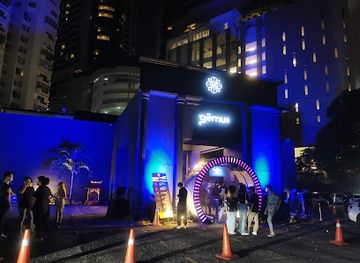
Night club
Gemu Club KL
Dive into the nightlife of Kuala Lumpur at Gemu Club KL, where great music and an electric atmosphere await every party enthusiast.

Best shops in Northern Region
Shopping in the Northern Region ranges from urban heritage streets and modern malls to wet markets, food stalls and small craft outlets. George Town is the most varied destination for restored shophouse businesses, local food products, books, galleries, textiles, ceramics and contemporary design, while the Chowrasta area is associated with market shopping and edible souvenirs. Butterworth, Alor Setar and Ipoh provide practical city shopping, with Ipoh particularly suited to packaged biscuits, traditional snacks, coffee and products linked to its café culture. Langkawi is widely known for duty-free shopping, but visitors should compare quality and allowances and should not assume that every bargain is locally produced. Rural Kedah and Perlis are better for seasonal fruit, rice-related products, market foods and small local purchases than for extensive retail browsing. Across the region, independent shops and markets are more useful for discovering regional flavours and crafts than generic souvenir chains; ask about materials and provenance when buying textiles, carvings or food products.
-
Shopping mall
Suria KLCC
Experience the ultimate shopping and entertainment destination at Suria KLCC, located beneath the iconic Petronas Twin Towers in Kuala Lumpur.
-
Shopping mall
Central Market
Experience Kuala Lumpur's cultural richness at Central Market, a historical hub for shopping, art, and authentic Malaysian cuisine.
-
Outlet mall
Genting Highlands Premium Outlets
Discover incredible savings and stunning views at Genting Highlands Premium Outlets, your ultimate shopping escape in Malaysia's highlands.
-
Shopping mall
MyTOWN Shopping Centre
Discover MyTOWN Shopping Centre, Kuala Lumpur's ultimate shopping destination with a plethora of retail and dining experiences waiting for you.


Get your free copy of our complete guide to Northern Region, delivered straight to you.
Everything on this page, from attractions and restaurants to essentials and local phrases, in one PDF you can read offline, print or share.
Already have an account? Sign in
Your Northern Region guide is ready.
We'll send it to · Not you? Sign out

Getting your guide ready…
We are putting together a fresh copy of the Northern Region guide. This can take up to a minute.
This can take a few moments. If your browser asks, choose Allow so the download can start. You'll find the guide in your Downloads folder.
Nothing happened? Download it again
Sorry, the guide is taking longer than usual. Please try again in a minute, or get it by email instead.
Northern Region essentials
Currency and Payment
Safety
Emergency Situations
Do's and Don'ts
Local Tips
From Eve
Local phrases worth knowing
You don't need to get them perfect. A few words go a long way, and locals appreciate the effort.
Basics
| English | Local | Say it |
|---|---|---|
| Hello | Halo | [ha-lo] |
| Goodbye | Selamat tinggal | [suh-lah-mat ting-gahl] |
| Yes | Ya | [yah] |
| No | Tidak | [tee-dahk] |
| Please/You're welcome | Silakan/Sama-sama | [see-lah-kan/sah-mah-sah-mah] |
| Thank you | Terima kasih | [teh-ree-mah kah-see] |
| Excuse me/Sorry | Maaf | [mah-ahf] |
| How are you? | Apa khabar? | [ah-pah kah-bar] |
| Fine. And you? | Baik. Dan kamu? | [bye-k. dahn kah-moo] |
| Do you speak English? | Adakah kamu bercakap Bahasa Inggeris? | [ah-dah-kah kah-moo ber-chah-kap bah-hah-sah ing-guh-ris] |
| I don't understand | Saya tidak faham | [sah-yah tee-dahk fah-hahm] |
Eating & Drinking
| English | Local | Say it |
|---|---|---|
| I'd like to see the menu, please | Saya ingin lihat menu, sila | [sah-yah in-gin lee-hat meh-nu, see-lah] |
| I don't eat meat | Saya tidak makan daging | [sah-yah tee-dahk mah-kahn dah-ging] |
| Cheers! | Bergembira! | [ber-gem-bee-rah] |
| I would like to pay, please | Saya ingin bayar, sila | [sah-yah in-gin ba-yar, see-lah] |
Emergencies
| English | Local | Say it |
|---|---|---|
| Help! | Tolong! | [toh-long] |
| Go away! | Pergi jauh! | [per-gee jah-oo] |
| Call the Police! | Panggil Polis! | [pahn-gil poh-lis] |
| Call a doctor! | Panggil doktor! | [pahn-gil dok-tor] |
| I'm lost | Saya sesat | [sah-yah seh-sat] |
| I'm ill | Saya sakit | [sah-yah sah-kit] |
Shopping
| English | Local | Say it |
|---|---|---|
| I'd like to buy... | Saya ingin beli... | [sah-yah in-gin buh-lee] |
| I'm just looking | Saya hanya melihat | [sah-yah han-yah meh-li-hat] |
| How much is it? | Berapa harganya? | [ber-ah-pah har-gah-nya] |
| That's too expensive | Itu terlalu mahal | [ee-too ter-lah-loo mah-hahl] |
| Can you lower the price? | Bolehkah kamu turunkan harga? | [boh-leh-kah kah-moo too-run-kahn har-gah] |
Time & Numbers
| English | Local | Say it |
|---|---|---|
| What time is it? | Pukul berapa? | [poo-kul ber-ah-pah] |
| It's one o'clock | Ia pukul satu | [ee-ah poo-kul sah-too] |
| Half past (10) | Setengah (10) | [seh-teng-ah (sepuluh)] |
| Morning | Pagi | [pah-gee] |
| Afternoon | Petang | [peh-tang] |
| Evening | Malam | [mah-lahm] |
| Yesterday | Semalam | [seh-mah-lahm] |
| Today | Hari ini | [hah-ree ee-nee] |
| Tomorrow | Esok | [eh-sohk] |
| 1 | Satu | [sah-too] |
| 2 | Dua | [doo-ah] |
| 3 | Tiga | [tee-gah] |
| 4 | Empat | [em-pah] |
| 5 | Lima | [lee-mah] |
| 6 | Enam | [eh-nahm] |
| 7 | Tujuh | [too-joo] |
| 8 | Lapan | [lah-pahn] |
| 9 | Sembilan | [sem-bee-lahn] |
| 10 | Sepuluh | [seh-poo-looh] |
Transport & Directions
| English | Local | Say it |
|---|---|---|
| Where's a/the...? | Di mana...? | [dee mah-nah] |
| What's the address? | Apa alamatnya? | [ah-pah ah-lah-mah-nya] |
| Can you show me (on the map)? | Bolehkah kamu tunjukkan (pada peta)? | [boh-leh-kah kah-moo toon-jook-kahn (pah-dah peh-tah)] |
| When's the next (bus)? | Bila bas seterusnya? | [bee-lah bahs seh-teh-roos-nya] |
| A ticket (to ....) | Satu tiket (ke ....) | [sah-too tee-ket (kuh ....)] |
History of Northern Region
Early Settlements and the Bujang Valley
The Bujang Valley in Kedah contains one of Southeast Asia’s most important archaeological landscapes associated with early Hindu-Buddhist polities and maritime trade. Archaeological remains include brick structures, ritual sites and evidence of contact with merchants moving through the Bay of Bengal and the Straits of Malacca. The area developed partly because the Merbok estuary offered access to inland resources and regional sea routes. Although many structures survive only as foundations or reconstructed remains, the site demonstrates that northern Malaya was connected to long-distance commerce centuries before the arrival of European colonial powers.
Kedah, Perlis and the Rise of Islam
Kedah is among the oldest continuously established sultanates in the Malay world, and its historical influence extended across the northern peninsula. Islam gradually became central to court life and public culture, while political relationships with neighbouring Siam shaped the region for centuries. Perlis later emerged as a separate sultanate in the nineteenth century. Mosques, royal institutions, oral traditions and surviving court customs continue to reflect this long Malay-Muslim history, although the northern states have always also contained Chinese, Indian, Thai and other communities linked to trade and migration.
The Straits of Malacca and Penang’s Colonial Port
Penang Island was ceded to the British East India Company in 1786 and developed as a trading port at the entrance to the northern Straits of Malacca. George Town attracted merchants and settlers from across Asia and beyond, creating an urban society in which Malay, Chinese, Indian, Arab and European institutions stood close together. The port’s commercial importance helped produce its distinctive shophouses, places of worship, clan associations and civic buildings. British administration, regional trade and migration left a physical and cultural legacy that remains especially visible in George Town’s historic core.
Siamese Influence and the Northern Frontier
For much of the pre-colonial and early colonial period, northern Kedah, Perlis and neighbouring areas were closely connected to Siamese political and commercial networks. The Anglo-Siamese Treaty of 1909 transferred Kedah, Perlis, Kelantan and Terengganu to British influence, formalising a new frontier between British Malaya and Siam. The boundary divided communities and trading routes that had previously operated across a more fluid border. Northern towns, temples, mosques and food traditions still reveal the region’s position between Malay and Thai cultural worlds.
Tin Mining and the Growth of Perak
Perak’s Kinta Valley became one of the world’s major tin-producing areas during the nineteenth and early twentieth centuries. Mining drew Chinese communities, capital and labour into settlements that grew into towns such as Ipoh and Batu Gajah, while British political intervention reshaped the sultanate after the Pangkor Engagement of 1874. Railways and roads were expanded to move ore towards ports, and commercial buildings, kongsi institutions and colonial offices followed. The industry later declined, but its legacy remains visible in Ipoh’s architecture, local communities, disused mining landscapes and limestone hills.
War, Occupation and Independence
The Japanese invasion of Malaya reached the northern states soon after the Second World War began in the region, and Japanese occupation between 1941 and 1945 disrupted administration, trade and daily life. Penang, Perak and Kedah were affected by military movements, shortages and repression, while the borderlands also became important to wartime smuggling and resistance networks. After the war, political mobilisation intensified across Malaya. The Federation of Malaya achieved independence in 1957, and Malaysia was formed in 1963, placing the northern states within the modern federation.
From Agriculture and Industry to Contemporary Tourism
Post-independence development transformed the northern region through irrigation, rice production, manufacturing, improved roads and expanding urban centres. Penang became a major industrial and technology hub, while tourism grew around George Town’s heritage, Langkawi’s geopark and islands, Perak’s food and limestone landscapes, and the rural scenery of Kedah and Perlis. These developments have not erased older livelihoods: fishing, farming, small-scale trade and religious institutions remain important. The region’s contemporary identity therefore combines industrial and urban growth with strong agricultural, maritime and historic traditions.
Northern Region in Photos
Browse through our photo collection highlighting the charm and character of the destination.
Neighbouring regions of Northern Region
The closest regions to Northern Region, if you have time for more than one.
-

-

-

-

-


Swipe for more regions
Explore more
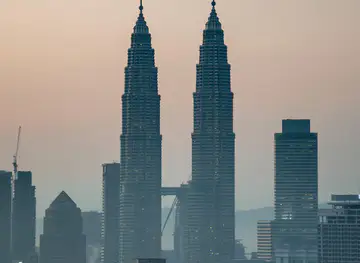
Explore more of Malaysia
Discover Malaysia: A stunning blend of modernity and nature, where diverse cultures meet, and adventure awaits. From vibrant cities to serene beaches, Malaysia has it all.
Explore Malaysia