

Downtown Kota Kinabalu (Kota Kinabalu) Travel Guide - Free
Explore Downtown Kota Kinabalu in Kota Kinabalu with Evendo's free guide. Find the best shops, historic streets, restaurants, and gems on web or mobile.


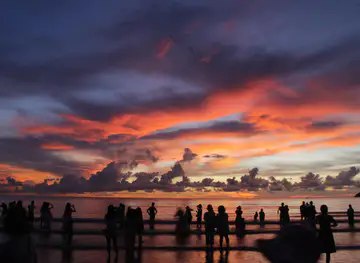
Downtown Kota Kinabalu pairs Sabah history with Gaya Street markets, waterfront sunsets, island access, local food and lively evening streets.
Waterfront City and Colonial Origins
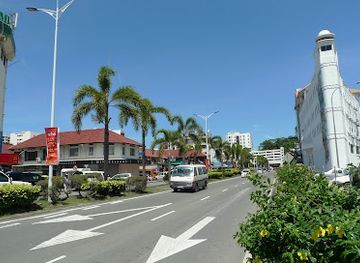
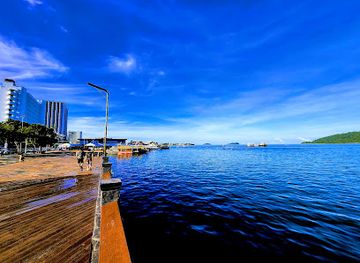
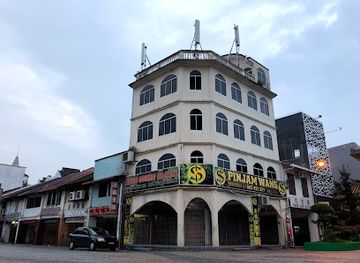
Downtown Kota Kinabalu occupies the compact coastal centre of Sabah’s capital, where the South China Sea meets a grid of commercial streets, civic buildings, markets and promenades. The area grew from the former port settlement of Jesselton, established by the British North Borneo Company, and its layered identity is still visible in the contrast between modest post-war buildings, newer shopping complexes and surviving landmarks such as the Atkinson Clock Tower on the hillside above the centre. The shoreline is the district’s defining edge: Kota Kinabalu City Mosque lies elsewhere in the city, but the downtown waterfront itself provides broad sea views, ferry connections and a popular setting for sunset.Read more about Downtown Kota Kinabalu
Markets, Streets and Everyday Life
A Compact Base for Exploring Sabah
Best attractions in Downtown Kota Kinabalu
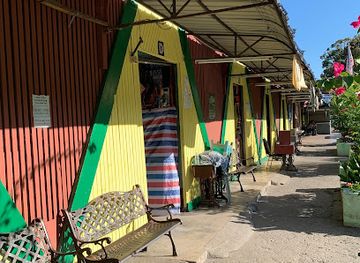
Downtown Kota Kinabalu’s attractions are concentrated within an easily explored central area. Gaya Street is the principal people-watching route and becomes a lively open-air market on Sunday mornings, with stalls selling food, plants, crafts and everyday goods. Along the coast, the Kota Kinabalu City Waterfront offers views across the sea and a broad setting for an evening walk, while the Central Market, Handicraft Market and Filipino Market reveal different aspects of the city’s trading culture. Jesselton Point, at the northern end of the central waterfront, is both a harbour landmark and the main departure point for boat journeys to nearby islands. Inland, the Atkinson Clock Tower provides a tangible link with the pre-war town, and Signal Hill above the centre offers a higher viewpoint over the commercial district and coast. These places are most rewarding as a connected walk rather than isolated stops.
-
Tourist attraction
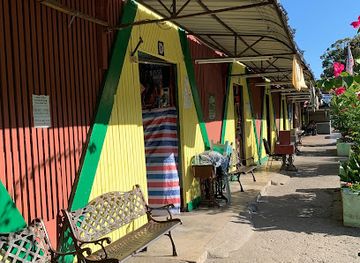
Handicraft Market
Explore the Handicraft Market in Kota Kinabalu for an authentic taste of Sabah's vibrant culture, arts, and culinary delights.
9 min walk · 0.7 km from neighbourhood centre
-
Tourist attraction
Merdeka Square
Experience the vibrant culture and history at Merdeka Square, a stunning green oasis in the heart of Kota Kinabalu, Sabah.
11 min walk · 0.8 km from neighbourhood centre
-
Tourist attraction
Kota Kinabalu Wetland Ramsar Site
Explore the vibrant biodiversity and serene landscapes of Kota Kinabalu Wetland Ramsar Site, a must-visit for nature lovers and bird watchers in Sabah.
7 min drive · 2.4 km from neighbourhood centre
-
Historical landmark
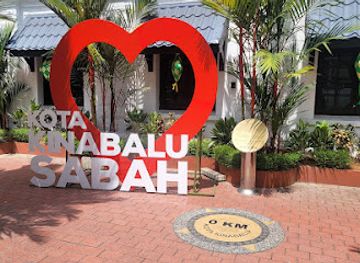
0 km Kota Kinabalu
Discover the vibrant historical heart of Kota Kinabalu, where culture, heritage, and local flavors converge in a captivating urban landscape.
17 min walk · 1.3 km from neighbourhood centre
Best landmarks in Downtown Kota Kinabalu
The Atkinson Clock Tower is downtown Kota Kinabalu’s most important surviving historic structure, standing on the slope above the centre and completed in 1905 in memory of Francis George Atkinson, the first district officer of Jesselton. Its timber construction and hillside position recall the town before wartime destruction and post-war rebuilding altered much of the central streetscape. Gaya Street represents a different kind of landmark: its value lies in the continuity of the commercial street and its weekly public market rather than in one monumental building. The Central Market and adjacent Handicraft Market mark the waterfront’s longstanding role in trade, while Jesselton Point preserves the city’s connection with maritime movement. The Kota Kinabalu City Waterfront, including the sea wall and promenade, is a contemporary civic landmark that frames the centre’s relationship with the coast.
-
Night market
Handicraft Market
Discover the Handicraft Market in Kota Kinabalu for an authentic taste of local culture, art, and delicious cuisine in a vibrant night market setting.
9 min walk · 0.7 km from neighbourhood centre
-
Historical landmark
Atkinson Clock Tower
Discover the Atkinson Clock Tower, a historical gem in Kota Kinabalu, where heritage meets stunning views in the heart of Sabah.
12 min walk · 1.0 km from neighbourhood centre
-
Tourist attraction
I Love KK
Embrace the vibrant spirit of Kota Kinabalu at I Love KK, where stunning views and local culture come together for an unforgettable experience.
14 min walk · 1.1 km from neighbourhood centre
-
State park
Merdeka Square
Discover the beauty and cultural richness of Merdeka Square, Kota Kinabalu's iconic state park and vibrant tourist attraction.
11 min walk · 0.8 km from neighbourhood centre
Explore Downtown Kota Kinabalu on the map
A handpicked selection of must-see spots in Downtown Kota Kinabalu, mapped for you.
Best hotels in Downtown Kota Kinabalu
Best restaurants in Downtown Kota Kinabalu
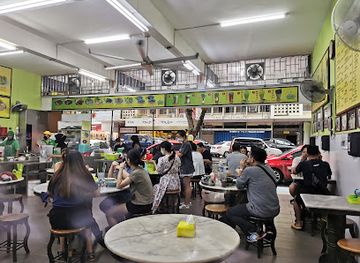
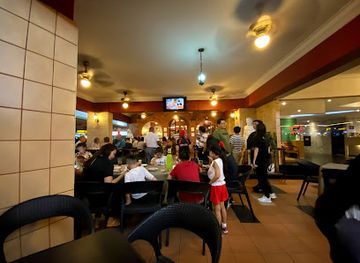
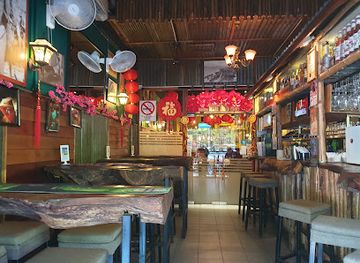
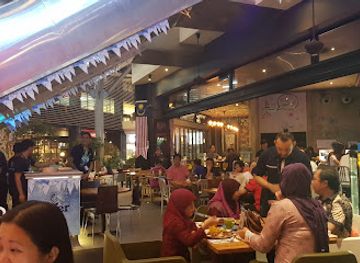
Dining in downtown Kota Kinabalu reflects Sabah’s position on a trading coast, with Chinese, Malay, Malaysian, seafood and wider Bornean influences appearing across the central streets. Gaya Street and its surrounding lanes contain cafés, kopitiam-style coffee shops and casual eateries, while the markets provide opportunities to sample prepared snacks, fruit and simple local meals. The Central Market and nearby waterfront area are associated with seafood and practical, informal dining, although individual stalls and businesses change over time. Hotel restaurants and modern premises add more polished options without replacing the older market culture. Visitors will encounter dishes shaped by Sabah ingredients and maritime connections, as well as familiar Malaysian specialities. Food choices are generally denser around the commercial core than in the quieter streets behind it, and menus may reflect halal, Chinese or seafood traditions rather than a single downtown cuisine.
-
Chinese
Yee Fung Laksa
Discover authentic Malaysian breakfast at Yee Fung Laksa in Kota Kinabalu - home to flavorful laksa and welcoming atmosphere.
12 min walk · 1.0 km from neighbourhood centre
-
Northern Italian
Little Italy
Experience authentic Northern Italian cuisine at Little Italy in Kota Kinabalu – where every dish tells a story.
16 min walk · 1.3 km from neighbourhood centre
-
Grill
Shoney's Dining & Bar
Experience the vibrant flavors of Kota Kinabalu at Shoney's Dining & Bar – where delicious grilled cuisine meets inviting atmosphere.
5 min drive · 1.5 km from neighbourhood centre
-
Restaurant
SOULed OUT Kota Kinabalu
Discover vibrant dining at SOULed OUT Kota Kinabalu - A blend of local flavors and international cuisine in a lively atmosphere.
10 min walk · 0.8 km from neighbourhood centre
Best bars in Downtown Kota Kinabalu
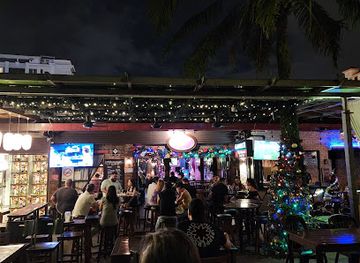
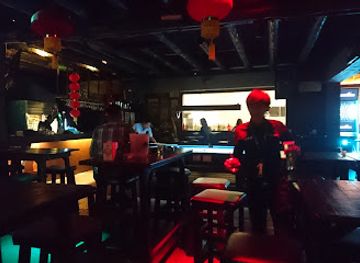
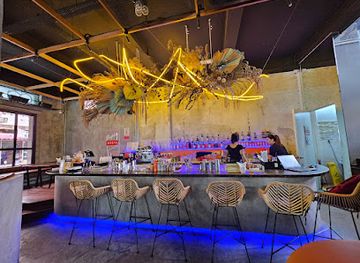
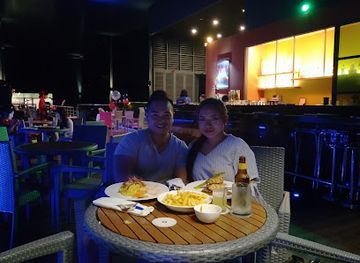
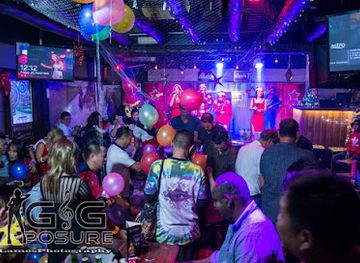
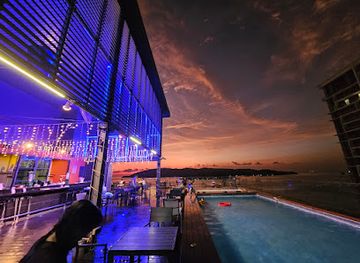
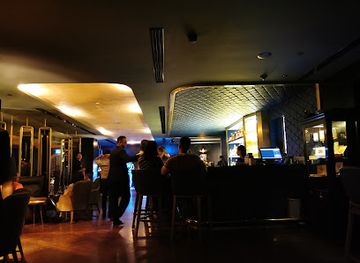
After dark, downtown Kota Kinabalu is more social than club-focused, with evening activity concentrated around the waterfront, hotel bars, restaurants and the streets near Gaya Street. Waterfront venues offer open-air seating and sea-facing views, while central hotels provide air-conditioned bars and lounges suited to a quieter drink. The area also has pubs and casual live-music settings, but its nightlife changes with business turnover and is less concentrated than the larger entertainment districts of some regional capitals. The market streets become food-oriented rather than club-oriented in the evening, and the central commercial area gradually becomes calmer away from the promenade. Visitors should distinguish the lively waterfront atmosphere from the residential and office streets behind it, where late-night noise is less appropriate.
-
Irish pub
The Shamrock Irish Bar
Experience the vibrant culture of Ireland at The Shamrock Irish Bar in Kota Kinabalu, where great food, drinks, and live music come together.
7 min walk · 0.5 km from neighbourhood centre
-
Bar
Cowboy Bar KK
Discover the lively atmosphere and signature cocktails at Cowboy Bar KK, your go-to spot for entertainment in Kota Kinabalu's nightlife.
2 min walk · 0.2 km from neighbourhood centre
-
Bar
Bar Flips
Experience the vibrant nightlife of Kota Kinabalu at Bar Flips, where cocktails meet culinary delights in a lively atmosphere.
15 min walk · 1.2 km from neighbourhood centre
-
Bar
Sky Blu Bar
Experience breathtaking sunsets and crafted cocktails at Sky Blu Bar, a rooftop oasis in Kota Kinabalu's Grandis Hotels and Resorts.
5 min drive · 1.6 km from neighbourhood centre
Best nightclubs in Downtown Kota Kinabalu
After dark, downtown Kota Kinabalu is more social than club-focused, with evening activity concentrated around the waterfront, hotel bars, restaurants and the streets near Gaya Street. Waterfront venues offer open-air seating and sea-facing views, while central hotels provide air-conditioned bars and lounges suited to a quieter drink. The area also has pubs and casual live-music settings, but its nightlife changes with business turnover and is less concentrated than the larger entertainment districts of some regional capitals. The market streets become food-oriented rather than club-oriented in the evening, and the central commercial area gradually becomes calmer away from the promenade. Visitors should distinguish the lively waterfront atmosphere from the residential and office streets behind it, where late-night noise is less appropriate.
-
Bar
Cowboy Bar KK
Discover the lively Cowboy Bar KK in Kota Kinabalu, a vibrant bar with cocktails, karaoke, and live music for an unforgettable night out.
2 min walk · 0.2 km from neighbourhood centre
-
Bar
Sky Blu Bar
Experience the breathtaking skyline views and signature cocktails at Sky Blu Bar, the ultimate rooftop retreat in Kota Kinabalu.
5 min drive · 1.6 km from neighbourhood centre
-
Bar
The Club
Experience the vibrant nightlife at The Club in Kota Kinabalu, where delicious drinks and an energetic atmosphere await you.
2 min walk · 0.1 km from neighbourhood centre
-
Night club
999 Bar Kota Kinabalu
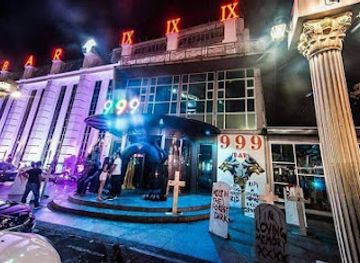
Experience the electrifying nightlife at 999 Bar Kota Kinabalu, a premier night club offering vibrant music, delicious cocktails, and unforgettable evenings.
6 min walk · 0.5 km from neighbourhood centre
Best shops in Downtown Kota Kinabalu
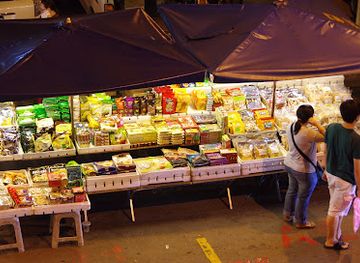
Shopping downtown Kota Kinabalu is strongest in markets and small-scale commercial streets rather than luxury retail. Gaya Street is the central browsing route, with cafés, service businesses and shops occupying much of the older grid, while its Sunday market brings together produce, plants, crafts, clothing and household goods. The Central Market is associated with fresh food and everyday trading, and the adjacent Handicraft Market is known for locally produced souvenirs, textiles, baskets and decorative items. The Filipino Market, traditionally associated with dried seafood, pearls and other goods, adds another layer to the waterfront trading scene, although product ranges and stall arrangements can change. Visitors should look beyond generic souvenirs for Sabah-related snacks, woven products and locally made crafts, and should ask about materials and provenance where an item is presented as traditional.
-
Tourist attraction
Handicraft Market
Explore Kota Kinabalu's Handicraft Market for authentic local crafts, delicious street food, and a vibrant cultural experience.
9 min walk · 0.7 km from neighbourhood centre
-
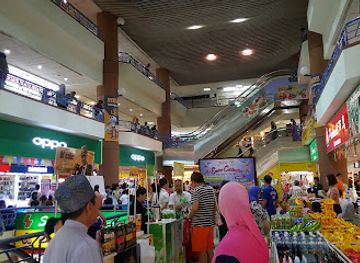
Shopping mall
ASHTAC TACTICAL STORE
Discover the ultimate shopping destination for outdoor enthusiasts at ASHTAC TACTICAL STORE in Kota Kinabalu, Sabah, offering a wide range of tactical gear and apparel.
11 min walk · 0.9 km from neighbourhood centre
-
Clothing store
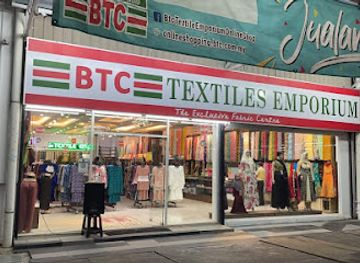
BTC Textile Emporium Kota Kinabalu
Explore the rich textile heritage at BTC Textile Emporium in Kota Kinabalu, where quality fabrics meet unique fashion.
9 min walk · 0.7 km from neighbourhood centre
-
Gift shop
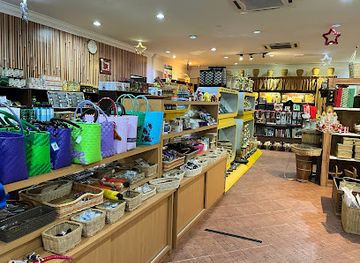
Kadaiku - Sabah Souvenirs & Handicrafts
Discover the essence of Sabah at Kadaiku, your go-to destination for authentic souvenirs and handicrafts celebrating Borneo's rich culture.
9 min walk · 0.7 km from neighbourhood centre
Downtown Kota Kinabalu essentials
Getting There
Getting Around
Safety
Emergency Situations
Do's and Don'ts
Local Tips

From Eve
Local phrases worth knowing
You don't need to get them perfect. A few words go a long way, and locals appreciate the effort.
Basics
| English | Local | Say it |
|---|---|---|
| Hello | Halo | [ha-lo] |
| Goodbye | Selamat tinggal | [se-la-mat ting-gal] |
| Yes | Ya | [ya] |
| No | Tidak | [ti-dak] |
| Please/You're welcome | Sila | [si-la] |
| Thank you | Terima kasih | [te-ri-ma ka-sih] |
| Excuse me/Sorry | Maaf | [ma-af] |
| How are you? | Apa khabar? | [a-pa kha-bar] |
| Fine. And you? | Baik. Dan awak? | [ba-ik. dan a-wak] |
| Do you speak English? | Boleh cakap Bahasa Inggeris? | [bo-leh cha-kap ba-ha-sa ing-ge-ris] |
| I don't understand | Saya tidak faham | [sa-ya ti-dak fa-ham] |
Eating & Drinking
| English | Local | Say it |
|---|---|---|
| I'd like to see the menu, please | Saya mahu lihat menu, sila | [sa-ya ma-hu li-hat me-nu, si-la] |
| I don't eat meat | Saya tidak makan daging | [sa-ya ti-dak ma-kan da-ging] |
| Cheers! | Kampai! | [kam-pai] |
| I would like to pay, please | Saya mahu bayar, sila | [sa-ya ma-hu ba-yar, si-la] |
Emergencies
| English | Local | Say it |
|---|---|---|
| Help! | Tolong! | [to-long] |
| Go away! | Pergi jauh-jauh! | [per-gi jauh-jauh] |
| Call the Police! | Panggil polis! | [pang-gil po-lis] |
| Call a doctor! | Panggil doktor! | [pang-gil dok-tor] |
| I'm lost | Saya sesat | [sa-ya se-sat] |
| I'm ill | Saya sakit | [sa-ya sa-kit] |
Shopping
| English | Local | Say it |
|---|---|---|
| I'd like to buy... | Saya mahu beli... | [sa-ya ma-hu be-li...] |
| I'm just looking | Saya hanya tengok-tengok | [sa-ya ha-nya ten-gok-ten-gok] |
| How much is it? | Berapa harganya? | [be-ra-pa har-ga-nya] |
| That's too expensive | Itu terlalu mahal | [i-tu ter-la-lu ma-hal] |
| Can you lower the price? | Boleh kurangkan harga? | [bo-leh kur-ang-kan har-ga] |
Time & Numbers
| English | Local | Say it |
|---|---|---|
| What time is it? | Berapa jam sekarang? | [be-ra-pa jam se-ka-rang] |
| It's one o'clock | Pukul satu | [pu-kul sa-tu] |
| Half past (10) | Pukul setengah sepuluh | [pu-kul se-tengah se-pu-luh] |
| Morning | Pagi | [pa-gi] |
| Afternoon | Petang | [pe-tang] |
| Evening | Malam | [ma-lam] |
| Yesterday | Semalam | [se-ma-lam] |
| Today | Hari ini | [ha-ri i-ni] |
| Tomorrow | Esok | [e-sok] |
| 1 | Satu | [sa-tu] |
| 2 | Dua | [du-a] |
| 3 | Tiga | [ti-ga] |
| 4 | Empat | [em-pat] |
| 5 | Lima | [li-ma] |
| 6 | Enam | [e-nam] |
| 7 | Tujuh | [tu-juh] |
| 8 | Lapan | [la-pan] |
| 9 | Sembilan | [sem-bi-lan] |
| 10 | Sepuluh | [se-pu-luh] |
Transport & Directions
| English | Local | Say it |
|---|---|---|
| Where's a/the...? | Di mana... | [di ma-na] |
| What's the address? | Berapakah alamatnya? | [be-ra-pa-kah a-la-mat-nya] |
| Can you show me (on the map)? | Boleh tunjukkan saya (di peta)? | [bo-leh tun-juk-kan sa-ya (di pe-ta)] |
| When's the next (bus)? | Bila bas seterusnya? | [bi-la bas se-te-rus-nya] |
| A ticket (to ....) | Sehelai tiket (ke ....) | [se-he-lai ti-ket (ke)] |
History of Downtown Kota Kinabalu
From Gaya Island to the Mainland
The modern history of downtown Kota Kinabalu began with the British North Borneo Company’s coastal settlement system in the late nineteenth century. An earlier company station on Gaya Island was attacked and burned in 1897, encouraging the development of a mainland site at Api-Api, close to the sheltered coast and transport routes. The settlement became known as Jesselton around 1899 or 1900, after Sir Charles Jessel, a chairman of the company. Its practical purpose was commercial: a port, railway terminus and administrative centre serving North Borneo’s trade in a landscape shaped by sea transport and connections with the interior.
A Port and Railway Settlement
Jesselton expanded as the company developed wharves, offices, warehouses and commercial streets around the harbour. The North Borneo Railway, opened in stages from the late nineteenth century and extended towards the interior, strengthened the settlement’s role as an export and supply point, although the railway’s main historic route lay beyond the present downtown core. Chinese merchants and other trading communities helped establish the shops, services and food businesses that gave the centre a distinctly commercial character. Gaya Street, originally part of the town’s early street plan, remains one of the clearest reminders of this period of urban growth.
War, Destruction and Reconstruction
Japanese occupation during the Second World War profoundly affected Jesselton, as it did towns across North Borneo. Allied bombing in 1945 left much of the town destroyed, and post-war reconstruction reshaped the central streetscape. The rebuilding process produced a functional commercial centre rather than a large surviving colonial district, which explains why downtown Kota Kinabalu combines a small number of older structures with predominantly later buildings. The Atkinson Clock Tower, erected in memory of Francis George Atkinson and completed in 1905, survived as an important physical link with the pre-war settlement.
From Jesselton to Kota Kinabalu
The town was renamed Kota Kinabalu in 1968, several years after North Borneo became part of Malaysia in 1963 as Sabah. The new name connected the growing capital with Mount Kinabalu and the wider state, while the waterfront remained central to administration, commerce and passenger movement. Subsequent decades brought hotels, shopping developments, expanded roads and a stronger tourism economy. Markets and older trading streets continued alongside modern retail, and the downtown shoreline increasingly became a public leisure space as well as a working maritime edge.
Downtown Kota Kinabalu in Photos
Browse through our photo collection highlighting the charm and character of the destination.
Neighbourhoods near Downtown Kota Kinabalu
The closest neighbourhoods to Downtown Kota Kinabalu, if you have time for more than one stop.
-

-

-

-


Swipe for more neighbourhoods
Explore more

Explore more of Kota Kinabalu
Kota Kinabalu combines Sabah’s island-fringed coastline, markets, seafood, cultural heritage and Mount Kinabalu access for memorable city sightseeing.
Explore Kota Kinabalu