

Free Sabah Travel Guide & Mobile App
Explore Sabah with free travel guides. Discover regional history, expert tips, proposed trips, and audio guides on web or mobile app.


Discover Sabah, Malaysia: A paradise of natural beauty, diverse wildlife, and rich cultural heritage on the northern tip of Borneo. Perfect for adventure and relaxation.
Read more about Sabah
When is the best time to visit Sabah?
Best: January–March · 30°C| Month | High (°C) | Rainfall (mm) |
|---|---|---|
| January (best) | 30 | 100 |
| February (best) | 30 | 80 |
| March (best) | 30 | 90 |
| April | 31 | 110 |
| May | 31 | 150 |
| June | 31 | 160 |
| July | 31 | 140 |
| August | 31 | 150 |
| September | 31 | 180 |
| October | 31 | 200 |
| November | 30 | 180 |
| December | 30 | 160 |
Getting to and around Sabah
How to get there
Transportation
Top city travel guides in Sabah
The cities of Sabah, and the easiest places to base yourself.
-

-


Swipe for more cities
Destinations in Sabah
Resorts, valleys and scenic spots worth a trip of their own.
-

-

-


Swipe for more destinations
Best attractions in Sabah
Sabah, the mystical land of Borneo, offers an unparalleled blend of natural wonders and cultural richness that will captivate any traveler. Begin your journey with a trek up the majestic Mount Kinabalu, one of Southeast Asia's highest peaks, where breathtaking sunrise views await. Delve into the lush rainforests of the Danum Valley Conservation Area, home to exotic wildlife such as orangutans, pygmy elephants, and clouded leopards. Explore the vibrant marine life at Sipadan Island, a world-renowned diving paradise with crystal-clear waters teeming with colorful coral reefs and diverse sea creatures. Discover the unique flora and fauna of the Kinabatangan River, as you cruise through its tranquil waters at dawn or dusk. Immerse yourself in the rich cultural tapestry of Sabah by visiting the Mari Mari Cultural Village, where traditional longhouses, dances, and crafts offer a glimpse into the indigenous tribes' lives. For a taste of local life, wander through the bustling markets of Kota Kinabalu and sample delectable street food, or relax on the pristine beaches of Tunku Abdul Rahman Marine Park. Sabah's awe-inspiring landscapes and cultural treasures promise an unforgettable adventure for every traveler.
-
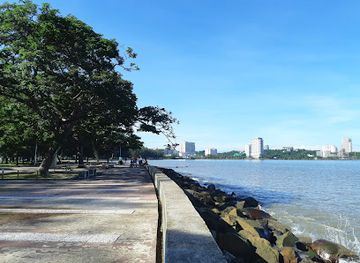
Tanjung Aru Beach
Discover the beauty of Tanjung Aru Beach, a tropical paradise in Kota Kinabalu, offering stunning sunsets, water sports, and delicious local cuisine.
-
Tourist attraction
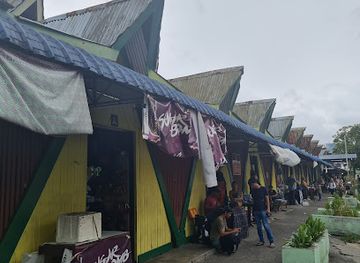
Handicraft Market
Discover the charm of Kota Kinabalu at the Handicraft Market, where vibrant crafts and local flavors create an unforgettable experience.
-
Tourist attraction
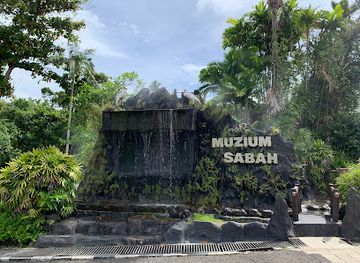
Sabah State Museum
Explore Sabah's cultural heritage at the Sabah State Museum, where history, art, and nature come together in an unforgettable experience.
-
Park
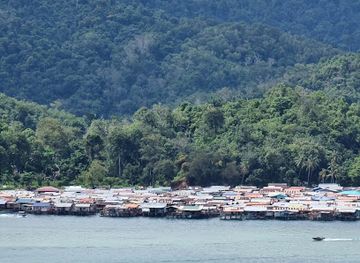
Teluk Likas Beach
Discover the enchanting beauty of Teluk Likas Beach in Kota Kinabalu, where vibrant sunsets and local culture await your exploration.
Best landmarks in Sabah
Sabah, Malaysia, offers an enchanting array of landmarks that cater to the curious and adventurous alike. Hike up the majestic Mount Kinabalu, Southeast Asia's highest peak, where the sunrise promises a breathtaking spectacle. Delve into the rich biodiversity of the Kinabalu National Park, a UNESCO World Heritage site teeming with unique flora and fauna. Explore the Sepilok Orangutan Rehabilitation Centre to witness these magnificent creatures in their natural habitat. For history enthusiasts, the North Borneo Railway offers a nostalgic journey on a vintage steam train through lush landscapes. The crystal-clear waters of Sipadan Island are a diver's paradise, renowned for its vibrant marine life and stunning coral reefs. Don't miss the cultural immersion at the Mari Mari Cultural Village, where traditional Sabah lifestyles come alive. Finally, the bustling Gaya Street Sunday Market in Kota Kinabalu provides a sensory overload of local crafts, foods, and vibrant street scenes.
-
Attraction
Tanjung Aru Beach
Discover the breathtaking beauty of Tanjung Aru Beach, a tropical paradise in Kota Kinabalu, perfect for relaxation, adventure, and unforgettable sunsets.
-
Mosque
Masjid Bandaraya Kota Kinabalu
Discover the architectural beauty and cultural significance of Masjid Bandaraya Kota Kinabalu, a must-visit landmark in Sabah.
-
Local history museum
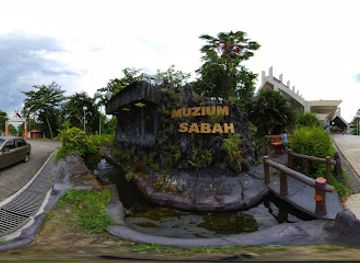
Sabah State Museum
Explore the cultural heritage of Sabah at the Sabah State Museum, a captivating destination in Kota Kinabalu showcasing history, art, and tradition.
-
Tourist attraction
Mari Mari Cultural Village
Discover the rich cultural heritage of Sabah at Mari Mari Cultural Village, where tradition meets experience in a beautiful natural setting.
Explore Sabah on the map
Plan your trip on one map. See where the top cities, national parks and sights are, and book hotels and experiences in a few clicks.
Best hotels in Sabah
Best restaurants in Sabah
Sabah's dining scene is a tantalizing blend of traditional flavors and modern culinary delights, offering visitors an unforgettable gastronomic journey. From bustling street markets where the aroma of grilled seafood and smoky satay fills the air, to elegant restaurants serving innovative takes on local dishes like hinava (a tangy raw fish salad) and tuaran mee (a uniquely Sabahan noodle dish), every meal is an adventure. The region's rich cultural tapestry is reflected in its cuisine, with influences from Malay, Chinese, and indigenous Kadazan-Dusun traditions. Don't miss the fresh seafood in coastal cities like Kota Kinabalu, where the daily catch is transformed into mouth-watering feasts, or the chance to savor exotic fruits like rambutan and durian. Whether you're a fan of spicy sambal or sweet desserts like kuih, Sabah's diverse and vibrant food scene promises to satisfy every palate.
-
Seafood
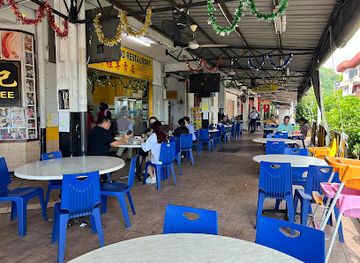
Fatt Kee Seafood Restaurant
Experience the ultimate seafood feast at Fatt Kee Seafood Restaurant in Kota Kinabalu – where freshness meets flavor in every dish.
-
Chinese
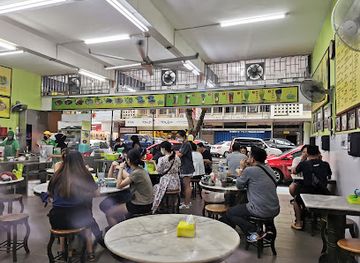
Yee Fung Laksa
Experience authentic Malaysian flavors at Yee Fung Laksa – where every bowl tells a story of tradition and taste.
-
Seafood
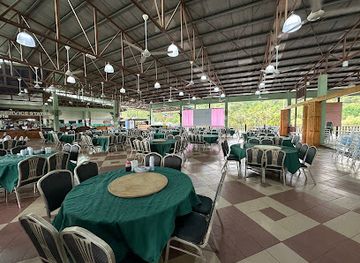
Gayang Seafood Restaurant, Sulaman Tuaran, Sabah
Discover authentic Malaysian flavors at Gayang Seafood Restaurant in Sabah – where fresh seafood meets stunning views.
-
Northern Italian
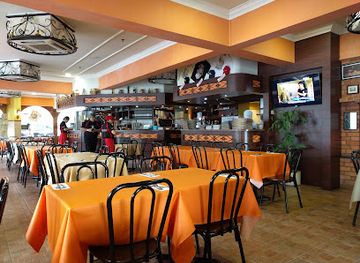
Little Italy
Experience authentic Northern Italian cuisine at Little Italy in Kota Kinabalu - where every meal is a journey through Italy's rich culinary heritage.
Best bars in Sabah
Sabah's nightlife is a captivating blend of vibrant energy and cultural richness, offering a variety of experiences for every type of traveler. In Kota Kinabalu, the capital, you can start your evening with a sunset cocktail at one of the trendy waterfront bars like Shangri-La's Sunset Bar, where the breathtaking view of the South China Sea sets the perfect backdrop. As the night progresses, head to the bustling Gaya Street, where you'll find a mix of lively pubs, like the popular BEERNEST Mixo, and sophisticated lounges that offer live music and a chance to mingle with locals. For a more adventurous night, venture to the Tanjung Aru Beach, where beach bars like Sunset Bar & Grill offer bonfires, DJ sets, and an electrifying atmosphere under the stars. Meanwhile, those seeking a unique cultural experience shouldn't miss a traditional Borneo dance performance at one of the local cultural centers, where you can immerse yourself in the indigenous rhythms and folklore of Sabah. Whether you're looking to dance the night away, enjoy a quiet drink, or experience local traditions, Sabah's nightlife promises an unforgettable evening.
-
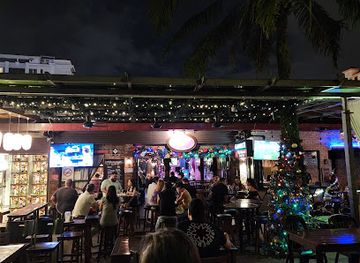
Irish pub
The Shamrock Irish Bar
Discover the lively atmosphere and authentic Irish experience at The Shamrock Irish Bar in Kota Kinabalu, a perfect blend of culture and fun.
-
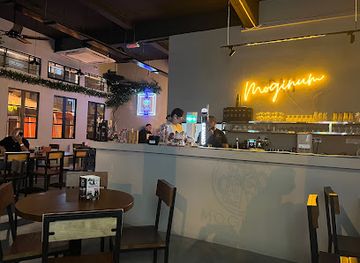
Bar
MOGINUM Restobar
Savor the flavors of Asia at MOGINUM Restobar, where culinary creativity meets a vibrant atmosphere in the heart of Kota Kinabalu.
-
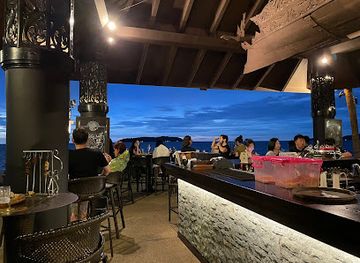
Bar
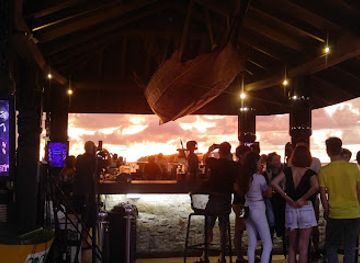
Sunset Bar
Experience breathtaking sunsets and exquisite cocktails at Sunset Bar, the perfect retreat in Kota Kinabalu for relaxation and stunning views.
-
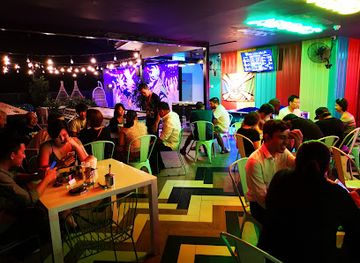
Bar
Tamu Rooftop
Discover the breathtaking views and vibrant atmosphere of Tamu Rooftop Bar in Kota Kinabalu, your perfect evening escape.
Best nightclubs in Sabah
Sabah's nightlife is a captivating blend of vibrant energy and cultural richness, offering a variety of experiences for every type of traveler. In Kota Kinabalu, the capital, you can start your evening with a sunset cocktail at one of the trendy waterfront bars like Shangri-La's Sunset Bar, where the breathtaking view of the South China Sea sets the perfect backdrop. As the night progresses, head to the bustling Gaya Street, where you'll find a mix of lively pubs, like the popular BEERNEST Mixo, and sophisticated lounges that offer live music and a chance to mingle with locals. For a more adventurous night, venture to the Tanjung Aru Beach, where beach bars like Sunset Bar & Grill offer bonfires, DJ sets, and an electrifying atmosphere under the stars. Meanwhile, those seeking a unique cultural experience shouldn't miss a traditional Borneo dance performance at one of the local cultural centers, where you can immerse yourself in the indigenous rhythms and folklore of Sabah. Whether you're looking to dance the night away, enjoy a quiet drink, or experience local traditions, Sabah's nightlife promises an unforgettable evening.
-
 Resort hotel
Mabul Water Bungalows
Experience the perfect blend of luxury and nature at Mabul Water Bungalows in Sabah, Malaysia, where unforgettable memories await.
-
Resort hotel
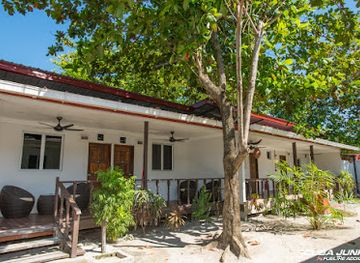
Scuba Junkie Mabul Beach Resort
Experience world-class diving and serene beachside relaxation at Scuba Junkie Mabul Beach Resort, your gateway to the marine wonders of Sabah.
-
Bar
Sunset Bar
Experience stunning sunsets and exquisite cocktails at Sunset Bar in Kota Kinabalu's luxurious Shangri-La resort.
-
Restaurant
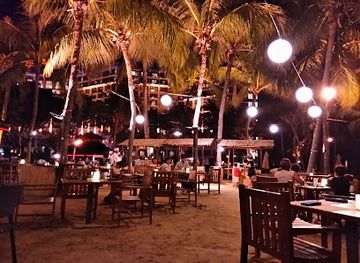
Breeze Beach Club
Discover the exquisite Breeze Beach Club, where stunning ocean views meet exceptional cuisine in the heart of Kota Kinabalu.
Best shops in Sabah
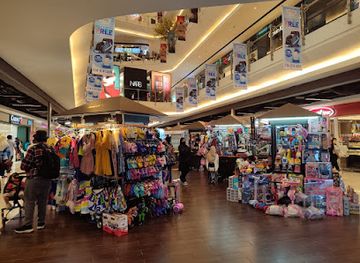
Sabah's shopping scene is a vibrant tapestry that weaves together the modern and the traditional, offering visitors a unique retail experience. Wander through bustling markets like the Gaya Street Sunday Market in Kota Kinabalu, where you can find everything from handcrafted souvenirs and local delicacies to exotic fruits and traditional textiles. For a more contemporary shopping spree, explore the air-conditioned comfort of Suria Sabah Shopping Mall, featuring international brands, local boutiques, and a variety of dining options. Don't miss the Filipino Market, a treasure trove of artisanal crafts, pearl jewelry, and Bornean handicrafts, providing a perfect blend of culture and commerce that captivates and enchants every visitor.
-
Shopping mall
Imago Shopping Mall
Discover a shopping haven at Imago Shopping Mall in Kota Kinabalu, featuring diverse brands, delicious dining, and vibrant entertainment options.
-
Shopping mall
Centre Point Sabah
Discover the vibrant shopping experience at Centre Point Sabah, where fashion, food, and fun unite in the heart of Kota Kinabalu.
-
Shopping mall
Suria Sabah
Explore the vibrant Suria Sabah shopping mall in Kota Kinabalu, where diverse shops, dining, and entertainment await every visitor.
-
Night market
Handicraft Market
Discover the heart of Sabah's culture at the Handicraft Market, a colorful hub of local crafts and delicious street food.
Get your free copy of our complete guide to Sabah, delivered straight to you.
Everything on this page, from attractions and restaurants to essentials and local phrases, in one PDF you can read offline, print or share.
Already have an account? Sign in
Your Sabah guide is ready.
We'll send it to · Not you? Sign out

Getting your guide ready…
We are putting together a fresh copy of the Sabah guide. This can take up to a minute.
This can take a few moments. If your browser asks, choose Allow so the download can start. You'll find the guide in your Downloads folder.
Nothing happened? Download it again
Sorry, the guide is taking longer than usual. Please try again in a minute, or get it by email instead.
Sabah essentials
Currency and Payment
Safety
Emergency Situations
Do's and Don'ts
Local Tips
From Eve
Local phrases worth knowing
You don't need to get them perfect. A few words go a long way, and locals appreciate the effort.
Basics
| English | Local | Say it |
|---|---|---|
| Hello | Hai | [hai] |
| Goodbye | Selamat tinggal | [se-la-mat ting-gal] |
| Yes | Ya | [ya] |
| No | Tidak | [ti-dak] |
| Please/You're welcome | Sila/Sama-sama | [si-la/sa-ma sa-ma] |
| Thank you | Terima kasih | [te-ri-ma ka-sih] |
| Excuse me/Sorry | Maaf | [ma-af] |
| How are you? | Apa khabar? | [a-pa kha-bar] |
| Fine. And you? | Baik. Dan kamu? | [ba-ik. dan ka-mu] |
| Do you speak English? | Adakah kamu bercakap English? | [a-da-ka ka-mu ber-ca-kap in-glish] |
| I don't understand | Saya tidak faham | [sa-ya ti-dak fa-ham] |
Eating & Drinking
| English | Local | Say it |
|---|---|---|
| I'd like to see the menu, please | Bolehkah saya lihat menu, sila? | [bo-leh-ka sa-ya li-hat me-nu, si-la] |
| I don't eat meat | Saya tidak makan daging | [sa-ya ti-dak ma-kan da-ging] |
| Cheers! | Selamat makan! | [se-la-mat ma-kan] |
| I would like to pay, please | Saya ingin bayar, sila | [sa-ya in-gin ba-yar, si-la] |
Emergencies
| English | Local | Say it |
|---|---|---|
| Help! | Tolong! | [to-long] |
| Go away! | Pergi jauh! | [per-gi ja-uh] |
| Call the Police! | Panggil polis! | [pan-ngil po-lis] |
| Call a doctor! | Panggil doktor! | [pan-ngil dok-tor] |
| I'm lost | Saya sesat | [sa-ya se-sat] |
| I'm ill | Saya sakit | [sa-ya sa-kit] |
Shopping
| English | Local | Say it |
|---|---|---|
| I'd like to buy... | Saya ingin beli... | [sa-ya in-gin be-li] |
| I'm just looking | Saya hanya melihat | [sa-ya ha-nya me-li-hat] |
| How much is it? | Berapa harganya? | [be-ra-pa har-ga-nya] |
| That's too expensive | Itu terlalu mahal | [i-tu ter-la-lu ma-hal] |
| Can you lower the price? | Bolehkah kamu turunkan harga? | [bo-leh-ka ka-mu tu-run-kan har-ga] |
Time & Numbers
| English | Local | Say it |
|---|---|---|
| What time is it? | Pukul berapa? | [pu-kul be-ra-pa] |
| It's one o'clock | Pukul satu | [pu-kul sa-tu] |
| Half past (10) | Setengah (10) | [se-ten-gah] |
| Morning | Pagi | [pa-gi] |
| Afternoon | Petang | [pe-tang] |
| Evening | Malam | [ma-lam] |
| Yesterday | Semalam | [se-ma-lam] |
| Today | Hari ini | [ha-ri i-ni] |
| Tomorrow | Esok | [e-sok] |
| 1 | Satu | [sa-tu] |
| 2 | Dua | [du-a] |
| 3 | Tiga | [ti-ga] |
| 4 | Empat | [em-pat] |
| 5 | Lima | [li-ma] |
| 6 | Enam | [e-nam] |
| 7 | Tujuh | [tu-juh] |
| 8 | Lapan | [la-pan] |
| 9 | Sembilan | [sem-bi-lan] |
| 10 | Sepuluh | [se-pu-luh] |
Transport & Directions
| English | Local | Say it |
|---|---|---|
| Where's a/the...? | Di mana ...? | [di ma-na] |
| What's the address? | Apa alamatnya? | [a-pa a-la-mat-nya] |
| Can you show me (on the map)? | Bolehkah kamu tunjukkan (di peta)? | [bo-leh-ka ka-mu tun-juk-kan di pe-ta] |
| When's the next (bus)? | Bila bas seterusnya? | [bi-la bas se-te-rus-nya] |
| A ticket (to ....) | Satu tiket (ke ....) | [sa-tu ti-ket ke] |
History of Sabah
Prehistoric Borneo
The history of Sabah stretches back to prehistoric times, with evidence of human habitation dating as far back as 20,000 to 30,000 years ago. Archaeological sites like the Madai-Baturong caves in the Lahad Datu area have revealed stone tools and other artifacts that provide a glimpse into the lives of Sabah's earliest inhabitants.
The Bruneian and Sulu Sultanates
By the 15th century, Sabah came under the influence of the Bruneian Empire. The coastal regions were especially significant for trade and were later contested by the Sulu Sultanate from the southern Philippines. These sultanates left a lasting impact on Sabah's culture, including the introduction of Islam and maritime trade practices.
Colonial Era: British North Borneo
In the late 19th century, the British North Borneo Chartered Company was established, leading to the formal colonization of Sabah. The company focused on economic development, particularly in timber and plantation agriculture. Infrastructure such as the North Borneo Railway and various colonial buildings in towns like Sandakan were built during this period.
World War II and Japanese Occupation
During World War II, Sabah was occupied by Japanese forces from 1942 to 1945. The occupation was a brutal period marked by forced labor and severe hardship for the local population. The infamous Sandakan Death Marches resulted in the deaths of thousands of Allied prisoners of war and local civilians. The liberation of Sabah by Australian forces in 1945 marked the end of Japanese control.
Formation of Malaysia
On September 16, 1963, Sabah, along with Sarawak, Singapore, and Malaya, formed the Federation of Malaysia. This was a monumental event that shaped the modern political landscape of the region. The decision was influenced by geopolitical factors, including the threat of Indonesian Confrontation and the influence of the Philippines over Sabah's eastern regions.
Cultural Diversity of Sabah
Sabah is home to over 30 ethnic groups, each with its own language, culture, and traditions. The largest groups include the Kadazan-Dusun, Bajau, and Murut. Festivals such as Kaamatan, celebrated by the Kadazan-Dusun, and Regatta Lepa, celebrated by the Bajau, showcase the rich cultural tapestry of the region. The influence of Chinese, Indian, and European settlers has also added to the cultural mosaic.
Conservation and Nature
Sabah is renowned for its extraordinary biodiversity and conservation efforts. Iconic sites like Kinabalu Park, a UNESCO World Heritage Site, and the Sepilok Orangutan Rehabilitation Centre highlight the region's commitment to preserving its natural heritage. The conservation of the Borneo pygmy elephant, proboscis monkey, and various endemic plant species are crucial to Sabah's environmental legacy.
Sabah in Photos
Browse through our photo collection highlighting the charm and character of the destination.
Neighbouring regions of Sabah
The closest regions to Sabah, if you have time for more than one.
-

-

-

-

-


Swipe for more regions
Explore more
Explore more of Malaysia
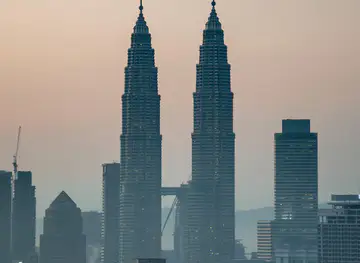
Discover Malaysia: A stunning blend of modernity and nature, where diverse cultures meet, and adventure awaits. From vibrant cities to serene beaches, Malaysia has it all.
Explore Malaysia