

Free Borneo Travel Guide & Mobile App
Explore Borneo with free travel guides. Discover regional history, expert tips, proposed trips, and audio guides on web or mobile app.


Explore Malaysian Borneo for ancient rainforests, mountain parks, island reefs, river wildlife and the distinctive cultures of Sabah and Sarawak.
Read more about Borneo
When is the best time to visit Borneo?
Best: February, April–May · 30–31°C| Month | High (°C) | Rainfall (mm) |
|---|---|---|
| January | 30 | 210 |
| February (best) | 30 | 175 |
| March | 30 | 190 |
| April (best) | 31 | 180 |
| May (best) | 31 | 185 |
| June | 31 | 195 |
| July | 31 | 200 |
| August | 31 | 205 |
| September | 30 | 215 |
| October | 30 | 220 |
| November | 30 | 225 |
| December | 30 | 230 |
Getting to and around Borneo
How to get there
Transportation
Top city travel guides in Borneo
The cities of Borneo, and the easiest places to base yourself.
-

-

-


Swipe for more cities
Destinations in Borneo
Resorts, valleys and scenic spots worth a trip of their own.
-

-

-


Swipe for more destinations
Best attractions in Borneo
Malaysian Borneo's attractions are built around ecosystems and cultural landscapes rather than a single chain of headline sights. In Sabah, Kinabalu Park offers mountain scenery, botanical diversity and access to Mount Kinabalu routes, while the Kinabatangan River and nearby conservation areas are known for boat-based wildlife viewing. Sepilok, near Sandakan, is associated with orangutan and sun bear conservation, and the islands around Semporna provide access to some of the country's best-known diving and snorkelling environments. Sarawak offers a different range, from Kuching's museums and riverfront heritage to the limestone chambers and forest trails of Gunung Mulu National Park. Niah National Park combines rainforest with major archaeological caves, while Bako National Park is valued for coastal scenery, mangroves, sandstone formations and wildlife near Kuching. Longer journeys open onto highland communities, river settlements and longhouses, but these visits should be arranged respectfully and with realistic expectations about access. Across the region, the strongest experiences involve guided walks, river travel, conservation visits, caving, diving and cultural interpretation rather than hurried sightseeing.
-
Tourist attraction
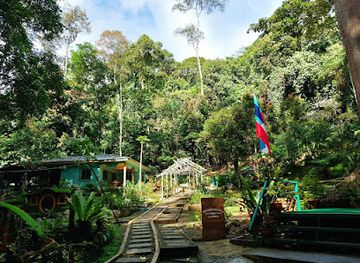
Poring Hot Spring
Experience the healing waters and breathtaking nature of Poring Hot Spring, a top destination for relaxation and adventure in Sabah, Malaysia.
-
Tourist attraction
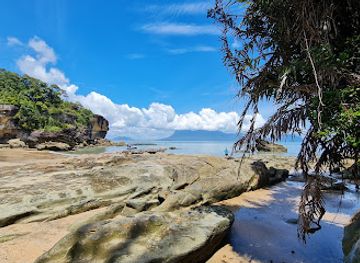
Bako National Park
Explore Bako National Park, a stunning sanctuary in Sarawak, Malaysia, where diverse ecosystems and unique wildlife await adventurous travelers.
-
Tourist attraction
Coco Cabana
Experience the beauty and vibrancy of Miri at Coco Cabana, a tropical park offering recreation, dining, and cultural events for all.
-
Tourist attraction
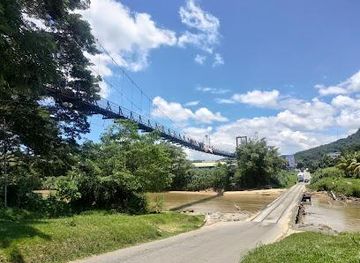
Tamparuli Suspension Bridge
Experience breathtaking views and rich culture at the iconic Tamparuli Suspension Bridge in Sabah, a must-visit destination for every traveler.

Best landmarks in Borneo
Mount Kinabalu is Malaysian Borneo's most recognisable natural landmark, a granite massif whose changing form dominates northern Sabah and carries significance beyond its role as a climbing destination. In Sarawak, the limestone pinnacles, cliffs and cave systems of Gunung Mulu create a landmark landscape of national and international importance, while the vast chambers of Deer Cave and Clearwater Cave reveal the scale of the area's karst geology. The Niah Caves are equally significant for their archaeological record and long human association. Kuching's historic core contains the Old Courthouse, the Astana across the Sarawak River and Fort Margherita, structures linked to the city's Brooke-era history. In Kota Kinabalu, the Atkinson Clock Tower is a surviving colonial-era marker above the city, while the Sabah State Mosque provides a prominent modern architectural presence. Sandakan's memorial sites and historic buildings evoke the port's wartime and commercial past. Along the coast and rivers, longhouses, mangrove channels and forested mountain horizons are not single monuments but important cultural and geographical landmarks shaped by living communities.
-
Tourist attraction
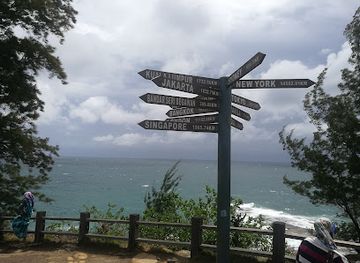
The Tip of Borneo
Experience the breathtaking views and serene atmosphere at The Tip of Borneo, where two seas meet in perfect harmony.
-
National park
Niah National Park
Discover the ancient secrets and stunning landscapes of Niah National Park, a UNESCO World Heritage site in Sarawak, Malaysia.
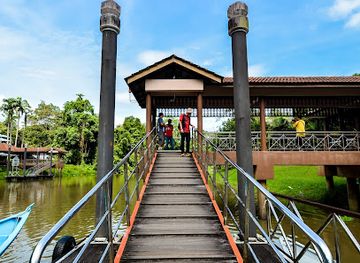
Explore Borneo on the map
Plan your trip on one map. See where the top cities, national parks and sights are, and book hotels and experiences in a few clicks.
Best hotels in Borneo
Best restaurants in Borneo
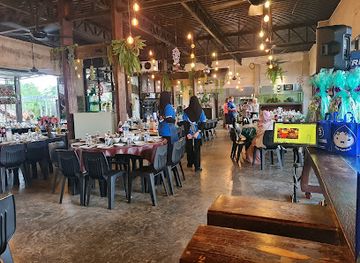
Food in Malaysian Borneo reflects local produce, river and coastal trade, Chinese culinary traditions, Malay influences and the cuisines of Sabah and Sarawak's Indigenous communities. Kuching is particularly associated with Sarawak laksa, kolo mee and a broad coffee-shop culture, while Sabah offers seafood, noodles, grilled dishes and specialities such as hinava, a preparation of raw fish cured with citrus and seasonings. Visitors may also encounter rice-based dishes, jungle greens, smoked or fermented ingredients and locally made snacks that vary between communities. Markets and hawker areas are often the best places to sample several regional styles affordably, while urban restaurants provide broader Malaysian and international choices. Rural lodges and community visits may serve locally grown rice, vegetables and traditional recipes, though menus depend on season and location. Coffee shops, bakeries and food courts are useful between excursions, and Muslim, Chinese, vegetarian and other dietary preferences are generally accommodated most easily in the main towns when explained clearly.
-
Restaurant
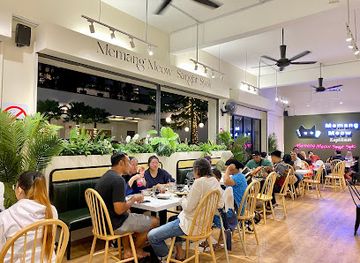
Memang Meow - Genting Permai
Discover the flavors of Malaysia at Memang Meow in Genting Permai - where delicious food meets warm hospitality.
-
Asian
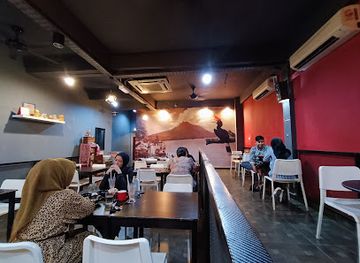
Restoran Dapur Sarawak
Savor authentic Malaysian and Chinese dishes at Restoran Dapur Sarawak in Kuala Lumpur - a culinary journey through rich flavors and traditions.
-
Restaurant
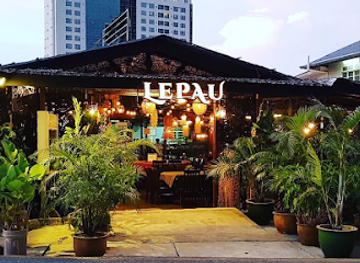
Lepau Restaurant
Experience authentic Borneo cuisine at Lepau Restaurant in Kuching – where every dish tells a story.
-
Seafood
Our Land Eco Farm Seafood Restaurant
Discover the freshest seafood delicacies in a tranquil setting at Our Land Eco Farm Seafood Restaurant in Tuaran.
Best bars in Borneo
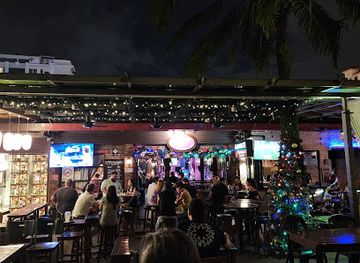
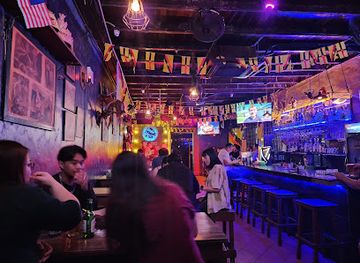
Nightlife in Malaysian Borneo is concentrated in Kota Kinabalu, Kuching and the larger towns rather than spread evenly across the region. Urban evening options include restaurants, hotel bars, cocktail venues, karaoke, live music and small clubs, with Kuching's historic centre and waterfront area offering a relaxed setting for drinks and late meals. Kota Kinabalu has a wider selection of seafront bars, rooftop venues and entertainment around the city centre, while Miri has an established evening scene linked to its size and oil-industry history. In smaller towns and rural districts, evenings usually centre on coffee shops, family restaurants, traditional pubs, resort bars or community events. Island and national-park destinations may have little nightlife beyond lodge dining and conversation, and remote areas can become quiet after dark. Alcohol availability and opening arrangements vary, so visitors should respect local religious and community norms rather than treating nightlife as a defining feature of every destination.
-
Irish pub
The Shamrock Irish Bar
Experience authentic Irish hospitality at The Shamrock Irish Bar in Kota Kinabalu, where great food, drinks, and live music await.
-
National park
Niah National Park
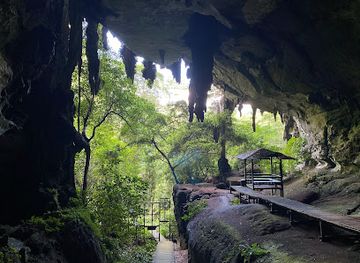
Discover the enchanting beauty of Niah National Park, where limestone caves meet lush rainforests and rich cultural heritage awaits.
-
National park
Taman Negara Bukit Lambir
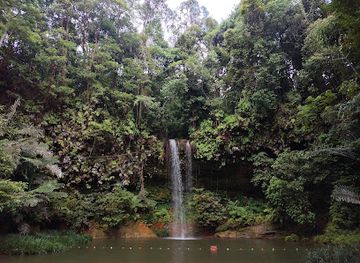
Discover the enchanting beauty of Taman Negara Bukit Lambir, a national park in Sarawak, Malaysia, ideal for nature lovers and adventure seekers.
-
Bar
Borneo Redneck's Bar
Discover the lively nightlife of Kuching at Borneo Redneck's Bar, where local charm meets modern entertainment in a vibrant setting.
Best nightclubs in Borneo
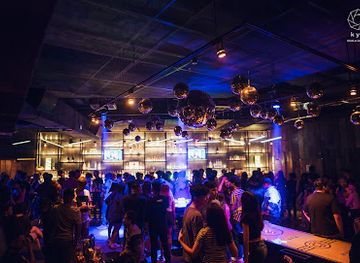
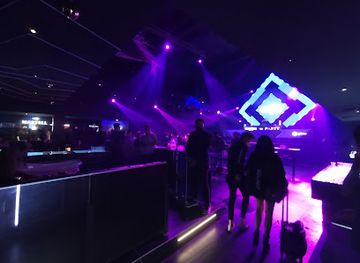
Nightlife in Malaysian Borneo is concentrated in Kota Kinabalu, Kuching and the larger towns rather than spread evenly across the region. Urban evening options include restaurants, hotel bars, cocktail venues, karaoke, live music and small clubs, with Kuching's historic centre and waterfront area offering a relaxed setting for drinks and late meals. Kota Kinabalu has a wider selection of seafront bars, rooftop venues and entertainment around the city centre, while Miri has an established evening scene linked to its size and oil-industry history. In smaller towns and rural districts, evenings usually centre on coffee shops, family restaurants, traditional pubs, resort bars or community events. Island and national-park destinations may have little nightlife beyond lodge dining and conversation, and remote areas can become quiet after dark. Alcohol availability and opening arrangements vary, so visitors should respect local religious and community norms rather than treating nightlife as a defining feature of every destination.
-
Night club
kyō kuala lumpur
Discover the electrifying nightlife of Kyo Kuala Lumpur, a premier night club offering unforgettable experiences and vibrant entertainment in the heart of the city.
-
Night club
Gemu Club KL
Experience the vibrant nightlife of Kuala Lumpur at Gemu Club KL, where music and energy create unforgettable moments.
-
Night club
Millennium Club
Discover Kuala Lumpur's nightlife at Millennium Club, where vibrant beats and an electrifying atmosphere promise an unforgettable experience.
-
Night club
Madras Club
Dive into the vibrant nightlife of Kuala Lumpur at Madras Club, where music, dancing, and a lively atmosphere await every weekend.


Best shops in Borneo
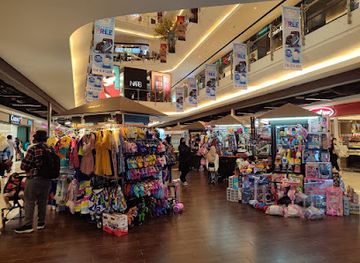
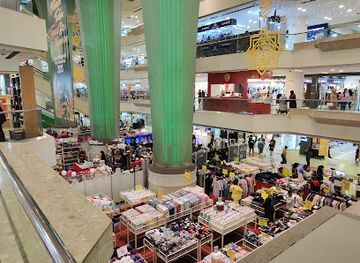
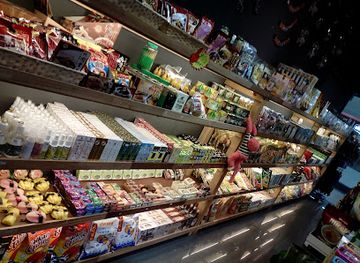
Shopping in Malaysian Borneo ranges from modern urban malls to markets and small specialist shops selling regional food, crafts and practical outdoor goods. Kuching is a useful base for Sarawakian handicrafts, beadwork, woven items, woodwork and packaged foods, with the Main Bazaar area and surrounding streets known for shops aimed at visitors, although quality and provenance should be checked carefully. Kota Kinabalu offers malls, city markets, handicraft outlets and food shops where visitors can buy Sabah snacks, coffee, textiles and locally made souvenirs. Rural markets provide a more direct connection with seasonal produce, rice products, fruit and everyday goods, while towns such as Sandakan and Miri have their own local retail character. When buying Indigenous craftwork, ask about the maker, materials and community benefit rather than assuming every item is traditionally produced. Avoid purchasing wildlife parts, protected plants, coral or antiquities. Useful regional gifts include responsibly sourced woven work, bead designs, local coffee, pepper, preserved foods and practical handicrafts.
-
Shopping mall
Imago Shopping Mall
Discover the vibrant Imago Shopping Mall in Kota Kinabalu, where shopping, dining, and entertainment come together in a unique experience.
-
Shopping mall
Centre Point Sabah
Discover shopping bliss at Centre Point Sabah, where retail therapy meets diverse dining and local culture in the heart of Kota Kinabalu.
-
Shopping mall
Suria Sabah
Explore Suria Sabah, a vibrant shopping destination in Kota Kinabalu, offering diverse shops, delightful dining, and family-friendly entertainment.
-
Health and beauty shop
Watsons One Borneo
Explore Watsons One Borneo for a unique shopping experience in Kota Kinabalu's vibrant hypermall, featuring health and beauty products for every need.

Get your free copy of our complete guide to Borneo, delivered straight to you.
Everything on this page, from attractions and restaurants to essentials and local phrases, in one PDF you can read offline, print or share.
Already have an account? Sign in
Your Borneo guide is ready.
We'll send it to · Not you? Sign out

Getting your guide ready…
We are putting together a fresh copy of the Borneo guide. This can take up to a minute.
This can take a few moments. If your browser asks, choose Allow so the download can start. You'll find the guide in your Downloads folder.
Nothing happened? Download it again
Sorry, the guide is taking longer than usual. Please try again in a minute, or get it by email instead.
Borneo essentials
Currency and Payment
Safety
Emergency Situations
Do's and Don'ts
Local Tips
From Eve
Local phrases worth knowing
You don't need to get them perfect. A few words go a long way, and locals appreciate the effort.
Basics
| English | Local | Say it |
|---|---|---|
| Hello | Halo | [ha-lo] |
| Goodbye | Selamat tinggal | [se-la-mat ting-gal] |
| Yes | Ya | [ya] |
| No | Tidak | [ti-dak] |
| Please/You're welcome | Silakan / Sama-sama | [si-la-kan / sa-ma sa-ma] |
| Thank you | Terima kasih | [te-ri-ma ka-si] |
| Excuse me/Sorry | Maaf | [ma-af] |
| How are you? | Apa khabar? | [a-pa kha-bar] |
| Fine. And you? | Baik. Dan anda? | [ba-ik. dan an-da] |
| Do you speak English? | Adakah anda bercakap bahasa Inggeris? | [a-da-kah an-da ber-cha-kap ba-ha-sa in-ge-ris] |
| I don't understand | Saya tidak faham | [sa-ya ti-dak fa-ham] |
Eating & Drinking
| English | Local | Say it |
|---|---|---|
| I'd like to see the menu, please | Saya ingin melihat menu, sila | [sa-ya in-gin me-li-hat me-nu, si-la] |
| I don't eat meat | Saya tidak makan daging | [sa-ya ti-dak ma-kan da-ging] |
| Cheers! | Selamat! | [se-la-mat] |
| I would like to pay, please | Saya ingin membayar, sila | [sa-ya in-gin mem-ba-yar, si-la] |
Emergencies
| English | Local | Say it |
|---|---|---|
| Help! | Tolong! | [to-long] |
| Go away! | Pergi jauh! | [per-gi ja-uh] |
| Call the Police! | Panggil polis! | [pang-gil po-lis] |
| Call a doctor! | Panggil doktor! | [pang-gil dok-tor] |
| I'm lost | Saya sesat | [sa-ya se-sat] |
| I'm ill | Saya sakit | [sa-ya sa-kit] |
Shopping
| English | Local | Say it |
|---|---|---|
| I'd like to buy... | Saya ingin membeli... | [sa-ya in-gin mem-be-li] |
| I'm just looking | Saya hanya melihat | [sa-ya han-ya me-li-hat] |
| How much is it? | Berapa harganya? | [be-ra-pa har-ga-nya] |
| That's too expensive | Itu terlalu mahal | [i-tu ter-la-lu ma-hal] |
| Can you lower the price? | Bolehkah anda menurunkan harga? | [bo-leh-kah an-da me-nu-run-kan har-ga] |
Time & Numbers
| English | Local | Say it |
|---|---|---|
| What time is it? | Jam berapa? | [jam be-ra-pa] |
| It's one o'clock | Jam satu | [jam sa-tu] |
| Half past (10) | Separuh (10) | [se-pa-ruh] |
| Morning | Pagi | [pa-gi] |
| Afternoon | Petang | [pe-tang] |
| Evening | Malam | [ma-lam] |
| Yesterday | Semalam | [se-ma-lam] |
| Today | Hari ini | [ha-ri i-ni] |
| Tomorrow | Esok | [e-sok] |
| 1 | Satu | [sa-tu] |
| 2 | Dua | [du-a] |
| 3 | Tiga | [ti-ga] |
| 4 | Empat | [em-pat] |
| 5 | Lima | [li-ma] |
| 6 | Enam | [e-nam] |
| 7 | Tujuh | [tu-juh] |
| 8 | Lapan | [la-pan] |
| 9 | Sembilan | [sem-bi-lan] |
| 10 | Sepuluh | [se-pu-luh] |
Transport & Directions
| English | Local | Say it |
|---|---|---|
| Where's a/the...? | Di mana ...? | [di ma-na] |
| What's the address? | Apa alamatnya? | [a-pa a-la-mat-nya] |
| Can you show me (on the map)? | Bolehkah anda tunjukkan (pada peta)? | [bo-leh-kah an-da tun-juk-kan (pa-da pe-ta)] |
| When's the next (bus)? | Bila bas seterusnya? | [bi-la bas se-te-rus-nya] |
| A ticket (to ....) | Tiket (ke ....) | [ti-ket (ke)] |
History of Borneo
Early Coastal Trade and Archaeological Borneo
The peoples of northern Borneo have long been connected to wider Asian maritime networks. Archaeological evidence, including the important Niah Caves in Sarawak, records very early human occupation and the use of rainforest and limestone environments over many thousands of years. Coastal communities traded forest products, resins and other goods with neighbours across the South China Sea, while river systems linked inland settlements to ports. Before modern state borders, political influence varied between local communities, river networks and maritime powers rather than following the boundaries known today.
Brunei Influence and the Rise of Coastal S سلطanates
From the medieval period, Brunei became a major regional power whose influence extended over parts of the northern Borneo coast, particularly in areas corresponding to modern Sarawak and Sabah. Islam spread through trading relationships and coastal political centres, while inland communities maintained diverse religious and customary traditions. The Brunei Sultanate's influence was not uniform across the island, but it helped shape the languages, titles, trading patterns and coastal identities that remain visible in Malaysian Borneo.
European Chartered Rule and Colonial Administration
In the nineteenth century, British commercial and political involvement increased. Sarawak was governed by the Brooke dynasty from 1841 until the post-war transfer to the British Crown, while the British North Borneo Company administered much of present-day Sabah from 1881. These administrations developed ports, roads, plantations and extractive industries, but they also altered landholding, labour and political structures. Colonial buildings, forts and administrative centres in places such as Kuching, Sandakan and Jesselton, now Kota Kinabalu, reflect this period.
War and Japanese Occupation, 1941–1945
Japanese forces occupied northern Borneo during the Second World War, bringing military rule, forced labour, shortages and severe disruption. Sandakan became associated with the infamous death marches of 1945, in which Australian and British prisoners were moved inland under devastating conditions. The war affected towns, plantations, ports and rural communities across Sabah and Sarawak. Memorials and historical sites connected with the occupation provide a sombre reminder that the region's modern history was shaped by conflict as well as trade and administration.
Crown Colony Rule and the Formation of Malaysia
After the war, North Borneo and Sarawak became British Crown Colonies before joining the Federation of Malaysia in 1963, together with Malaya and Singapore. The formation involved political negotiations and safeguards relating to immigration, land, religion and state authority, helping explain why Sabah and Sarawak retain several distinctive constitutional and administrative features within Malaysia. Their separate colonial histories and geographic isolation have continued to influence identity, politics and relations with the federal government.
Timber, Oil and Economic Transformation
The second half of the twentieth century brought major economic change through logging, plantations, oil and gas, agriculture, ports and urban growth. Miri became closely associated with Sarawak's petroleum industry, while timber and plantation development reshaped large areas in both states. These industries created employment and infrastructure but also generated lasting debates about forests, customary land rights, biodiversity and sustainable development. Today, conservation, ecotourism and higher-value urban services sit alongside established resource sectors.
Conservation and Contemporary Cultural Renewal
Malaysian Borneo has become internationally important for rainforest, cave, marine and wildlife conservation. Kinabalu Park, Gunung Mulu National Park and a range of state parks, wildlife sanctuaries and marine protected areas support research and carefully managed tourism. At the same time, Indigenous communities and cultural organisations have renewed interest in language, music, weaving, longhouse traditions and harvest celebrations. Contemporary Borneo is therefore defined by both environmental pressures and active efforts to protect living cultural and ecological heritage.
Borneo in Photos
Browse through our photo collection highlighting the charm and character of the destination.
Neighbouring regions of Borneo
The closest regions to Borneo, if you have time for more than one.
-

-

-

-

-


Swipe for more regions
Explore more
Explore more of Malaysia
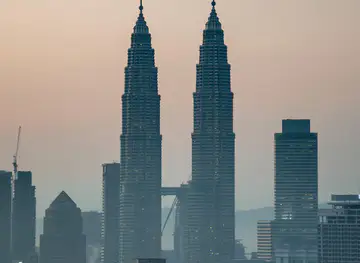
Discover Malaysia: A stunning blend of modernity and nature, where diverse cultures meet, and adventure awaits. From vibrant cities to serene beaches, Malaysia has it all.
Explore Malaysia