

Pulau Sipadan Travel Guide - Free Web & App
Your ultimate guide to Pulau Sipadan. Discover top landmarks, proposed trips, and local tips. Free on the web or via the Evendo companion app.


Pulau Sipadan, Malaysia, offers world-class diving through coral walls, turtle encounters and protected marine habitats reached from Sabah’s Semporna coast.
An Island Rising from the Celebes Sea
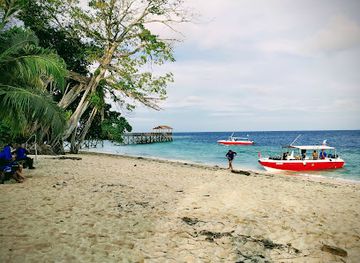
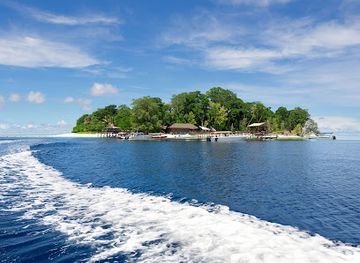
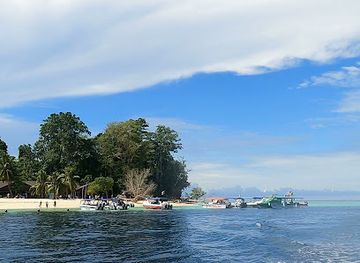
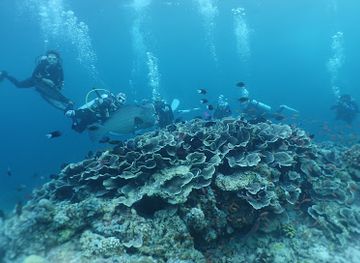
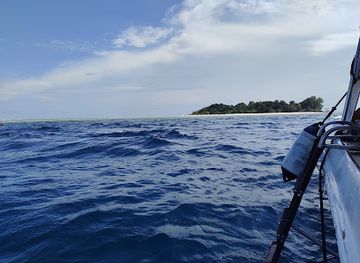
Pulau Sipadan stands off the south-eastern coast of Sabah, Malaysian Borneo, as a small, forested island surrounded by exceptionally deep water and coral-rich reef. It is an oceanic island formed on the summit of an extinct volcanic cone, with underwater walls dropping steeply into the Celebes Sea. That abrupt geography brings pelagic marine life close to the reef, creating the dramatic underwater scenery for which Sipadan is known.Read more about Pulau Sipadan
Marine Life and Protected Waters
Visiting Sipadan
When is the best time to visit Pulau Sipadan?
Best: October–December · 32°C| Month | High (°C) | Rainfall (mm) |
|---|---|---|
| January | 31 | 200 |
| February | 31 | 190 |
| March | 31 | 180 |
| April | 31 | 170 |
| May | 31 | 160 |
| June | 31 | 150 |
| July | 31 | 140 |
| August | 31 | 130 |
| September | 31 | 120 |
| October (best) | 32 | 110 |
| November (best) | 32 | 100 |
| December (best) | 32 | 90 |
Getting to and around Pulau Sipadan
How to get there
Transportation
Best attractions in Pulau Sipadan
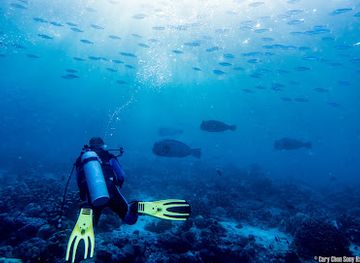
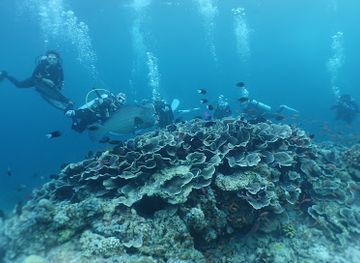
Sipadan’s defining attractions are underwater. Barracuda Point is known for the possibility of seeing large schools of barracuda and other pelagic fish, while the reef slope and wall sites reveal dense coral life close to deep blue water. Turtle Cave is a submerged cavern associated with turtle remains and requires appropriate experience and operator guidance; it is not a casual snorkelling stop. Snorkelling areas around the island can offer encounters with turtles, reef fish and clear coral habitats, but conditions and access vary. Above the water, Sipadan is a small, forested island rather than a developed resort, with a limited landing area and no conventional visitor circuit. The wider experience may include boat journeys past Mabul and Kapalai, where shallow reefs, sand flats and different island settlements provide a contrast to Sipadan’s open-ocean walls. All activities are shaped by Sabah Parks regulations, permit allocations and the condition of the sea.
-
Diving center
Sipadan Diving Reserve
Experience the underwater paradise of Sipadan Diving Reserve, a protected area teeming with marine life, stunning coral reefs, and unforgettable dive adventures.
-
Tourist attraction
Barracuda Point
Discover the underwater paradise at Barracuda Point in Sipadan - a diver's dream filled with vibrant marine life and stunning coral reefs.
-
Tourist attraction
Sipadan Island
Explore Sipadan Island, a breathtaking diving destination in Malaysia famed for its rich marine biodiversity and stunning natural beauty.
-
 Park
ParkSipadan Island Park
Explore Sipadan Island Park, a breathtaking marine paradise in Sabah, Malaysia, known for its stunning coral reefs and extraordinary marine biodiversity.
Best landmarks in Pulau Sipadan
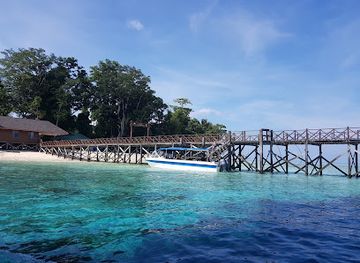
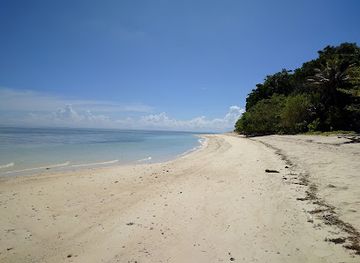
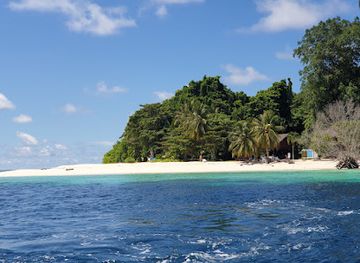
The most important landmark at Sipadan is geological and marine: an extinct volcanic summit crowned by a small tropical island and surrounded by steep reef walls descending into the Celebes Sea. Barracuda Point has become one of the destination’s best-known underwater reference points because of its pelagic fish encounters, while the Drop Off illustrates the abrupt change from shallow reef to deep water close to shore. Turtle Cave is a notable submerged feature, but its conditions and access make it a site for appropriately qualified visitors under professional guidance. The island’s forested interior, narrow shoreline and marine-park landing area are modest compared with the scale of its underwater environment. Mabul and Kapalai, nearby but distinct places, provide contrasting landmarks of inhabited island life, shallow reefs and water-based accommodation rather than forming part of Sipadan itself.
-
Diving center
Sipadan Diving Reserve
Discover the breathtaking underwater world of Sipadan Diving Reserve, a premier destination for divers seeking vibrant coral reefs and extraordinary marine life.
-
Tourist attraction
Barracuda Point
Explore the breathtaking marine life at Barracuda Point, a top diving destination in Sipadan, Malaysia, known for its vibrant underwater ecosystems.
-
Tourist attraction
Sipadan Island
Discover the underwater wonders of Sipadan Island, a premier diving destination with vibrant marine life and pristine beaches in Sabah, Malaysia.
-
Park
Sipadan Island Park
Discover the enchanting underwater world and stunning landscapes of Sipadan Island Park, a top destination for divers and nature lovers in Sabah, Malaysia.
Explore Pulau Sipadan on the map
Plan your trip on one map. See where the top attractions, landmarks, restaurants and hotels are, and book hotels and experiences in a few clicks.
Best hotels in Pulau Sipadan
Best bars in Pulau Sipadan
Pulau Sipadan has no nightlife infrastructure, and evenings are shaped by the rhythm of diving, boat transfers and the quiet surroundings of a protected island. Mabul and accommodation around Kapalai may offer informal social spaces where guests eat, talk and review the day’s dives, but these are resort facilities rather than an independent bar or club scene. Semporna provides the broader range of evening options, including local restaurants, modest cafés and places where residents and visitors gather, though it is a working gateway town rather than a major nightlife centre. Alcohol availability and evening entertainment vary between accommodation providers, so guests should check arrangements before travelling offshore. After dark, the marine environment and low-key island atmosphere are more characteristic than organised entertainment.
Best nightclubs in Pulau Sipadan
Pulau Sipadan has no nightlife infrastructure, and evenings are shaped by the rhythm of diving, boat transfers and the quiet surroundings of a protected island. Mabul and accommodation around Kapalai may offer informal social spaces where guests eat, talk and review the day’s dives, but these are resort facilities rather than an independent bar or club scene. Semporna provides the broader range of evening options, including local restaurants, modest cafés and places where residents and visitors gather, though it is a working gateway town rather than a major nightlife centre. Alcohol availability and evening entertainment vary between accommodation providers, so guests should check arrangements before travelling offshore. After dark, the marine environment and low-key island atmosphere are more characteristic than organised entertainment.
-
Island
Sipadan Island
Sipadan Island: A Diver's Paradise with Pristine Beaches and Abundant Marine Life
-
Diving center
Sipadan Diving Reserve
Explore the breathtaking underwater world at Sipadan Diving Reserve, Malaysia's top destination for diving enthusiasts and nature lovers alike.
-
Tourist attraction
Barracuda Point
Explore Barracuda Point: A Premier Diving Spot in Sipadan with Vibrant Marine Life and Stunning Coral Reefs.
-
Beach
Pulau Sipadan
Explore the vibrant marine life and stunning coral reefs of Pulau Sipadan, a top diving destination in Malaysia's Celebes Sea.
Best shops in Pulau Sipadan
Shopping on Sipadan is effectively limited to the needs of a day visitor, and the island should not be approached as a retail destination. Divers usually purchase or arrange equipment, refreshments and practical supplies through their resort or operator before departure. Semporna is the main place for last-minute essentials, local food products and basic travel items, while accommodation bases on Mabul and around Kapalai have only limited guest-oriented retail. Visitors may encounter locally made handicrafts or small-scale products in the wider Semporna area, but the range and availability are not comparable with Malaysian cities. Responsible travellers should avoid buying coral, shells or marine-life souvenirs, and should distinguish genuinely local craft from mass-produced goods when considering purchases from coastal communities.
-
Diving center
Sipadan Diving Reserve
Explore the breathtaking underwater world of Sipadan Diving Reserve, a protected area filled with vibrant marine life and stunning coral reefs.
-
Tourist attraction
Sipadan Island
Discover the enchanting underwater world of Sipadan Island, a UNESCO World Heritage site and a top diving destination in Malaysia's breathtaking Sabah region.
Get your free copy of our complete guide to Pulau Sipadan, delivered straight to you.
Everything on this page, from attractions and restaurants to essentials and local phrases, in one PDF you can read offline, print or share.
Already have an account? Sign in
Your Pulau Sipadan guide is ready.
We'll send it to · Not you? Sign out

Getting your guide ready…
We are putting together a fresh copy of the Pulau Sipadan guide. This can take up to a minute.
This can take a few moments. If your browser asks, choose Allow so the download can start. You'll find the guide in your Downloads folder.
Nothing happened? Download it again
Sorry, the guide is taking longer than usual. Please try again in a minute, or get it by email instead.
Pulau Sipadan essentials
Currency and Payment
Safety
Emergency Situations
Do's and Don'ts
Local Tips
From Eve
Local phrases worth knowing
You don't need to get them perfect. A few words go a long way, and locals appreciate the effort.
Basics
| English | Local | Say it |
|---|---|---|
| Hello | Halo | [HAH-loh] |
| Goodbye | Selamat tinggal | [suh-LAH-maht TEENG-gahl] |
| Yes | Ya | [yah] |
| No | Tidak | [TEE-dahk] |
| Please/You're welcome | Sila | [SEE-lah] |
| Thank you | Terima kasih | [teh-REE-mah KAH-see] |
| Excuse me/Sorry | Maaf | [mah-AHF] |
| How are you? | Apa khabar? | [AH-pah KAH-bahr?] |
| Fine. And you? | Baik. Dan awak? | [bah-eek. dahn AH-wahk?] |
| Do you speak English? | Boleh cakap bahasa Inggeris? | [BOH-leh CHAH-kahp bah-HAH-sah EENG-geh-rees?] |
| I don't understand | Saya tak faham | [SAH-yah tahk fah-HAHM] |
Eating & Drinking
| English | Local | Say it |
|---|---|---|
| I'd like to see the menu, please | Boleh saya lihat menu, sila | [BOH-leh SAH-yah LEE-haht MEH-noo, SEE-lah] |
| I don't eat meat | Saya tidak makan daging | [SAH-yah TEE-dahk MAH-kahn DAH-yihng] |
| Cheers! | Tahniah! | [tahn-YAH] |
| I would like to pay, please | Saya ingin membayar, sila | [SAH-yah een-GEEN mehm-BAH-yahr, SEE-lah] |
Emergencies
| English | Local | Say it |
|---|---|---|
| Help! | Tolong! | [TOH-lohng!] |
| Go away! | Pergi! | [PEHR-gee!] |
| Call the Police! | Panggil polis! | [PAHNG-geel POH-lees!] |
| Call a doctor! | Panggil doktor! | [PAHNG-geel DOHK-tohr!] |
| I'm lost | Saya sesat | [SAH-yah SEH-saht] |
| I'm ill | Saya sakit | [SAH-yah SAH-keet] |
Shopping
| English | Local | Say it |
|---|---|---|
| I'd like to buy... | Saya ingin membeli... | [SAH-yah een-GEEN mehm-BEH-lee] |
| I'm just looking | Saya hanya melihat | [SAH-yah HAHN-yah meh-LEE-haht] |
| How much is it? | Berapa harganya? | [BEH-rah-pah HAR-gahn-yah?] |
| That's too expensive | Itu terlalu mahal | [EE-too tuhr-LAH-loo MAH-hahl] |
| Can you lower the price? | Boleh kurangkan harga? | [BOH-leh koor-AHNG-kahn HAR-gah?] |
Time & Numbers
| English | Local | Say it |
|---|---|---|
| What time is it? | Pukul berapa sekarang? | [POO-kool BEH-rah-pah suh-KAH-rahn?] |
| It's one o'clock | Pukul satu | [POO-kool SAH-too] |
| Half past (10) | Setengah (sepuluh) | [SUH-tuhng-gah (suh-POO-loo)] |
| Morning | Pagi | [PAH-gee] |
| Afternoon | Petang | [PUH-tahng] |
| Evening | Malam | [MAH-lahm] |
| Yesterday | Semalam | [suh-MAH-lahm] |
| Today | Hari ini | [HAH-ree EE-nee] |
| Tomorrow | Esok | [EH-sohk] |
| 1 | Satu | [SAH-too] |
| 2 | Dua | [DOO-ah] |
| 3 | Tiga | [TEE-gah] |
| 4 | Empat | [EM-paht] |
| 5 | Lima | [LEE-mah] |
| 6 | Enam | [EH-nahm] |
| 7 | Tujuh | [TOO-joo] |
| 8 | Lapan | [LAH-pahn] |
| 9 | Sembilan | [SEM-bee-lahn] |
| 10 | Sepuluh | [suh-POO-loo] |
Transport & Directions
| English | Local | Say it |
|---|---|---|
| Where's a/the...? | Di mana... | [dee MAH-nah...] |
| What's the address? | Apa alamatnya? | [AH-pah ah-LAH-maht-nyah?] |
| Can you show me (on the map)? | Boleh tunjukkan saya (pada peta)? | [BOH-leh TOON-jook-kahn SAH-yah (PAH-dah PEH-tah)?] |
| When's the next (bus)? | Bila bas seterusnya? | [BEE-lah bahs suh-TEH-roos-nyah?] |
| A ticket (to ....) | Satu tiket (ke ....) | [SAH-too TEE-keht (keh ....)] |
History of Pulau Sipadan
An Oceanic Island and Volcanic Foundation
Sipadan’s physical history begins with an extinct volcanic structure rising from the floor of the Celebes Sea. Over geological time, coral growth developed around the summit and built the reef platform and steep underwater walls visible today. The island’s isolation from the mainland and its position above deep water help explain the concentration of marine habitats around a very small landmass. This geological setting is central to Sipadan’s identity: the most significant landscape is not its low, wooded surface but the abrupt transition from shallow reef to open ocean.
Maritime Setting and Local Communities
Sipadan lies within a maritime region long connected by movement between Sabah, the Sulu Archipelago and the wider Celebes Sea. Fishing, seafaring and coastal trade shaped the human geography of the surrounding area, while island communities such as those on Mabul developed distinct relationships with the sea. Sipadan itself remained lightly settled compared with larger islands and mainland ports. Its significance today is therefore tied less to historic architecture than to the continuing importance of marine resources, small-island livelihoods and the cultural landscape of south-eastern Sabah.
The Rise of Diving Tourism
Modern international interest in Sipadan grew rapidly during the late twentieth century, as divers began to recognise the island’s walls, currents and concentrations of marine life. The island reached a wider audience after appearing in Jacques Cousteau’s 1989 film Borneo: The Ghost of the Sea Turtle, which helped establish its reputation beyond Sabah. Dive tourism subsequently expanded around Sipadan and neighbouring islands, bringing new employment and infrastructure while also increasing pressure on reefs, turtles, shorelines and limited freshwater resources.
Protection and Controlled Access
Malaysia and Sabah introduced stronger protection as the ecological costs of unregulated tourism became increasingly apparent. Resort operations on Sipadan were removed in 2004, shifting overnight stays to nearby islands and the mainland, while the island became managed primarily as a day-visit and diving site. Sabah Parks administers the protected area, and access is governed by a daily permit system distributed through authorised operators. The present visitor model reflects a broader transition from intensive island tourism towards controlled marine recreation and conservation-led management.
Pulau Sipadan in Photos
Browse through our photo collection highlighting the charm and character of the destination.
Neighbouring destination travel guides
The closest destinations to Pulau Sipadan, if you have time for more than one.
-

-

-

-

-


Swipe for more destinations
Explore more
Explore more of Sabah
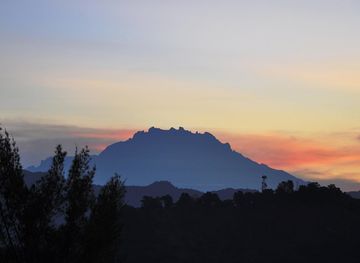
Discover Sabah, Malaysia: A paradise of natural beauty, diverse wildlife, and rich cultural heritage on the northern tip of Borneo. Perfect for adventure and relaxation.
Explore Sabah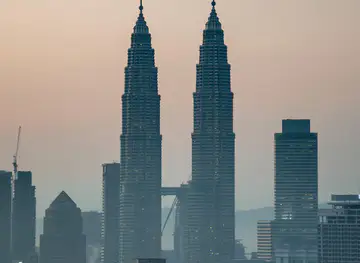
Explore more of Malaysia
Discover Malaysia: A stunning blend of modernity and nature, where diverse cultures meet, and adventure awaits. From vibrant cities to serene beaches, Malaysia has it all.
Explore Malaysia