

East Malaysia, Malaysia Travel Guide
Explore the untouched beauty and rich cultural heritage of East Malaysia, where adventure meets tradition on the enchanting island of Borneo.
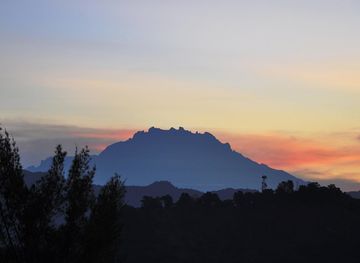
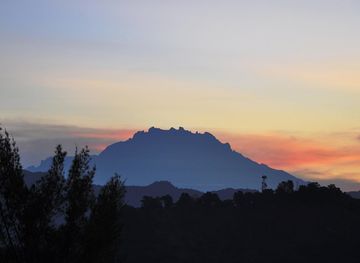
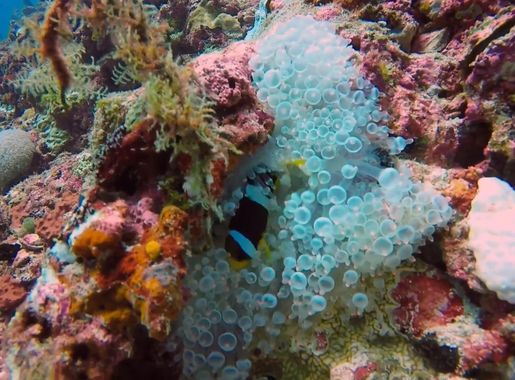
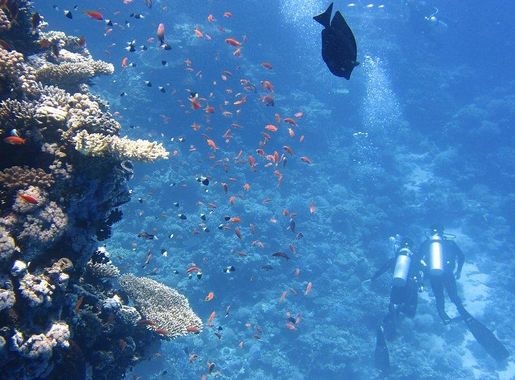
East Malaysia, comprising the states of Sabah and Sarawak on the island of Borneo, is a treasure trove for nature lovers, adventurers, and cultural explorers. The region is renowned for its lush rainforests, diverse wildlife, and vibrant indigenous cultures. In Sabah, Mt. Kinabalu, the highest peak in Southeast Asia, offers thrilling hikes and breathtaking views. The state's coastline is dotted with stunning beaches and marine parks, such as Sipadan Island, famous for world-class diving and snorkeling. Visit the Sepilok Orangutan Rehabilitation Centre to see these gentle creatures up close. Sarawak, on the other hand, captivates with its vast cave systems, including the Mulu Caves. The state's capital, Kuching, is a charming city with a blend of colonial architecture, bustling markets, and a picturesque waterfront. Don't miss the chance to experience the rich traditions of the indigenous Dayak communities, particularly during the annual Gawai Dayak festival. East Malaysia is also a paradise for food enthusiasts. The local cuisine is a delightful mix of Malay, Chinese, and indigenous flavors. Try the famous Sarawak laksa or the unique hinava, a traditional Kadazan-Dusun dish made from raw fish marinated in lime juice.

Know before you go
Hi, I'm Eve. Here are a few practical things to know before exploring East Malaysia.
- Plan your visit during the dry season, from March to October, for the best weather conditions.
- Respect local customs and traditions, especially when visiting indigenous communities.
- Pack light clothing, sturdy hiking boots, and insect repellent for outdoor activities.
- Book diving and hiking tours in advance, as they can fill up quickly during peak seasons.
- Make sure to try local delicacies at street markets for an authentic culinary experience.
Top City Travel Guides in East Malaysia
The cities of East Malaysia, and the easiest places to base yourself.


Destinations in East Malaysia
Resorts, valleys and scenic spots worth a trip of their own.


Explore East Malaysia: Things to Do, Places to Eat, Hotels & More
Handpicked recommendations for top attractions, local dining, accommodations, and more

Top Attractions & Sightseeing in East Malaysia
Top-rated picks
Best Attractions

BOH Tea Centre (Sungei Palas Garden)
Discover the beauty of the Cameron Highlands at BOH Tea Centre, where lush landscapes meet the art of tea-making.

Pantai Lagenda
Discover the tranquil beauty of Pantai Lagenda, a coastal gem in Pekan, Pahang, offering stunning beaches, local culture, and endless activities for tourists.

Taman Tasik Embayu Proton City
Experience the serene beauty of Taman Tasik Embayu in Proton City, a perfect retreat for nature lovers and families alike.

Cherating Turtle Sanctuary
Explore Cherating Turtle Sanctuary in Pahang, a vital conservation site dedicated to protecting sea turtles and promoting marine life awareness.

Best landmarks in East Malaysia
Top-rated picks
Best Landmarks

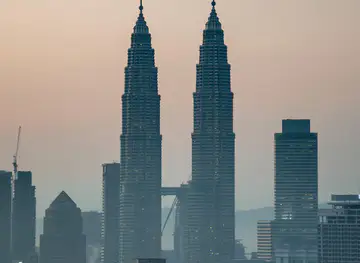
Petronas Twin Towers
Experience the breathtaking beauty and architectural brilliance of the Petronas Twin Towers in Kuala Lumpur, a must-visit landmark for every traveler.

Resorts World Genting
Discover the ultimate getaway at Resorts World Genting, where breathtaking views meet thrilling entertainment and luxurious relaxation for all travelers.

Pavilion Kuala Lumpur
Explore Pavilion Kuala Lumpur, a vibrant shopping and dining destination that showcases luxury brands, local flavors, and entertainment in the heart of the city.
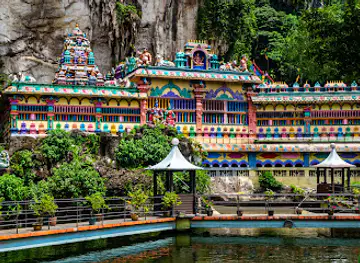
Batu Caves
Explore the stunning Batu Caves in Malaysia, a captivating blend of spirituality, culture, and natural beauty just outside Kuala Lumpur.

Best restaurants in East Malaysia
Top-rated picks
Best Restaurants

Arabica Restaurant
Savor the essence of Middle Eastern cuisine at Arabica Restaurant in Petaling Jaya - where every meal is an exquisite experience.

Jibby East Grill
Experience exquisite Western cuisine at Jibby East Grill in Kuala Lumpur - where flavors meet style in a vibrant dining atmosphere.

Bijan Bar & Restaurant
Experience authentic Malaysian flavors at Bijan Bar & Restaurant in Kuala Lumpur's vibrant Bukit Ceylon district.

Al-Sultan Restaurant
Discover authentic Middle Eastern flavors at Al-Sultan Restaurant in Shah Alam—where every dish is a celebration of taste.

Best bars in East Malaysia
Top-rated picks
Best Bars

Havana Bar & Grill
Discover Havana Bar & Grill in Bukit Bintang: where exquisite grilled cuisine meets an electrifying nightlife.

Suzie Wong - Dinner and Show
Experience the perfect blend of exquisite dining and captivating live entertainment at Suzie Wong in Kuala Lumpur, a must-visit for tourists.

Canopy Lounge Rooftop Bar KL
Experience breathtaking views and exquisite cocktails at Canopy Lounge Rooftop Bar in Kuala Lumpur, the perfect spot to unwind and enjoy the night.

The Locker & Loft
Discover The Locker & Loft, a chic cocktail bar and restaurant in Petaling Jaya, where culinary excellence meets a vibrant nightlife experience.

Best nightclubs in East Malaysia
Top-rated picks
Best Nightclubs

kyō kuala lumpur
Discover the electrifying nightlife at kyō Kuala Lumpur, where exquisite cocktails and pulsating beats create an unforgettable experience.

Kingsway Club Sdn Bhd
Discover the vibrant nightlife at Kingsway Club Sdn Bhd, Kuala Lumpur's premier bar for drinks, music, and unforgettable experiences.

Gemu Club KL
Discover the exhilarating nightlife at Gemu Club KL, a premier dance club in Kuala Lumpur, where electrifying beats and vibrant crowds await you.

Pitt Club KL
Unleash your nightlife spirit at Pitt Club KL, a premier dance club in Kuala Lumpur offering energetic music and an unforgettable atmosphere.

Best shops in East Malaysia
Top-rated picks
Best Shops

Central Market
Discover the blend of culture, art, and cuisine at Central Market, Kuala Lumpur's premier shopping destination and historical landmark.

Berjaya Times Square
Discover Berjaya Times Square, Kuala Lumpur's premier shopping mall offering endless retail, dining, and entertainment experiences.

Genting Highlands Premium Outlets
Explore Genting Highlands Premium Outlets for an unmatched shopping experience amidst stunning mountain views and diverse dining options.

The Mines Shopping Mall
Explore a shopping haven at The Mines Shopping Mall, where retail therapy meets scenic beauty and endless entertainment.

Explore East Malaysia on the Map
A handpicked selection of must-see spots in East Malaysia, mapped for you.
East Malaysia Essentials
-
East Malaysia is accessible by air through the main airports in Kota Kinabalu (Sabah) and Kuching (Sarawak). Direct flights are available from Kuala Lumpur and other major cities in Malaysia, as well as from neighboring countries. For those traveling by sea, there are ferry services connecting Labuan (a federal territory off the coast of Sabah) with Sabah and Brunei. Overland travel from West Malaysia is not feasible due to the South China Sea separating the two regions.
-
In East Malaysia, transportation options include buses, taxis, ride-hailing services like Grab, and rental cars. Long-distance express buses connect major towns and cities, while local buses and minibuses serve smaller towns and rural areas. Taxis are widely available in urban areas, and car rentals can be arranged at airports and major hotels. For exploring remote areas, consider hiring a local guide with a 4WD vehicle.
-
The official currency is the Malaysian Ringgit (MYR). Credit cards are accepted in most hotels, restaurants, and larger shops, but cash is preferred in rural areas and small businesses. ATMs are widely available in cities and towns, so withdrawing cash is usually not a problem. It is advisable to carry enough cash when venturing into remote areas where banking facilities may be limited.
-
East Malaysia is generally a safe destination for tourists. However, it is important to remain vigilant and exercise standard safety precautions. Avoid isolated areas after dark, and be cautious with your belongings in crowded places. Some neighborhoods in larger cities like Kota Kinabalu and Kuching may have higher crime rates targeting tourists, so it is best to stay in well-populated and well-lit areas during the night.
-
In case of emergency, dial 999 for police and medical assistance. Major cities have hospitals and clinics that provide quality healthcare services. It is advisable to have travel insurance that covers medical emergencies. For minor health issues, there are pharmacies in towns and cities where you can purchase over-the-counter medications.
-
Fashion: Do dress modestly, especially when visiting religious sites. Avoid wearing revealing clothing. Religion: Do respect local customs and traditions. Always remove your shoes before entering a mosque or someone's home. Public Transport: Do be respectful and give up your seat to elderly passengers. Don’t eat or drink on public transport. Greetings: Do greet people with a smile and a slight nod. A handshake is common but wait for the other person to extend their hand first. Eating & Drinking: Do try local delicacies and accept food offerings graciously. Don’t refuse hospitality, as it is considered impolite.
-
To experience East Malaysia like a local, visit the local markets (tamu) where you can buy fresh produce and traditional goods. Engage with locals, who are often friendly and willing to share stories about their culture. Don’t miss visiting national parks like Kinabalu Park and Bako National Park for a taste of the region’s natural beauty. For a unique experience, take a river cruise on the Kinabatangan River to spot wildlife such as orangutans and proboscis monkeys.
When is the best time to visit East Malaysia?
Useful Local Phrases for East Malaysia
You don't need to speak the language perfectly. Even learning a few simple words can make conversations warmer—and locals usually appreciate the effort.
— Eve

Here are the phrases I use most often in East Malaysia. Try a few—you'll be surprised how far they go! 😊
❤️
-
- HelloHalo
[ha-lo] - GoodbyeSelamat tinggal
[se-la-mat ting-gal] - YesYa
[ya] - NoTidak
[ti-dak] - Please/You're welcomeSila/Sama-sama
[si-la/sa-ma sa-ma] - Thank youTerima kasih
[te-ri-ma ka-sih] - Excuse me/SorryMaaf
[ma-af] - How are you?Apa khabar?
[a-pa kha-bar] - Fine. And you?Baik. Dan kamu?
[ba-ik. dan ka-mu] - Do you speak English?Adakah kamu bercakap dalam bahasa Inggeris?
[a-da-kah ka-mu ber-cha-kap da-lam ba-ha-sa in-ger-is] - I don't understandSaya tidak faham
[sa-ya ti-dak fa-ham]
- HelloHalo
-
- I'd like to see the menu, pleaseSaya ingin melihat menu, sila
[sa-ya in-gin me-li-hat me-nu, si-la] - I don't eat meatSaya tidak makan daging
[sa-ya ti-dak ma-kan da-ging] - Cheers!Selamat makan!
[se-la-mat ma-kan] - I would like to pay, pleaseSaya ingin bayar, sila
[sa-ya in-gin ba-yar, si-la]
- I'd like to see the menu, pleaseSaya ingin melihat menu, sila
-
- Help!Tolong!
[to-long] - Go away!Pergi jauh!
[per-gi ja-uh] - Call the Police!Panggil polis!
[pang-gil po-lis] - Call a doctor!Panggil doktor!
[pang-gil dok-tor] - I'm lostSaya sesat
[sa-ya se-sat] - I'm illSaya sakit
[sa-ya sa-kit]
- Help!Tolong!
-
- I'd like to buy...Saya ingin beli...
[sa-ya in-gin be-li] - I'm just lookingSaya hanya melihat
[sa-ya han-ya me-li-hat] - How much is it?Berapa harganya?
[be-ra-pa har-ga-nya] - That's too expensiveItu terlalu mahal
[i-tu ter-la-lu ma-hal] - Can you lower the price?Bolehkah kamu turunkan harga?
[bo-leh-kah ka-mu tu-run-kan har-ga]
- I'd like to buy...Saya ingin beli...
-
- What time is it?Jam berapa sekarang?
[jam be-ra-pa se-ka-rang] - It's one o'clockJam satu
[jam sa-tu] - Half past (10)Setengah (10)
[se-ten-gah] - MorningPagi
[pa-gi] - AfternoonPetang
[pe-tang] - EveningMalam
[ma-lam] - YesterdaySemalam
[se-ma-lam] - TodayHari ini
[ha-ri i-ni] - TomorrowEsok
[e-sok] - 1Satu
[sa-tu] - 2Dua
[du-a] - 3Tiga
[ti-ga] - 4Empat
[em-pat] - 5Lima
[li-ma] - 6Enam
[e-nam] - 7Tujuh
[tu-juh] - 8Lapan
[la-pan] - 9Sembilan
[sem-bi-lan] - 10Sepuluh
[se-pu-luh]
- What time is it?Jam berapa sekarang?
-
- Where's a/the...?Di mana ...?
[di ma-na] - What's the address?Apa alamatnya?
[a-pa a-la-mat-nya] - Can you show me (on the map)?Bolehkah kamu tunjukkan (peta)?
[bo-leh-kah ka-mu tun-juk-kan (pe-ta)] - When's the next (bus)?Bila bas seterusnya?
[bi-la bas se-te-rus-nya] - A ticket (to ....)Satu tiket (ke ...)
[sa-tu ti-ket (ke)]
- Where's a/the...?Di mana ...?
History of East Malaysia
-
East Malaysia, comprising the states of Sabah and Sarawak on the island of Borneo, has been inhabited for thousands of years. The earliest known inhabitants were the indigenous groups such as the Dayak, Iban, Bidayuh, and Kadazan-Dusun. These groups have rich cultural traditions, including elaborate rituals, dances, and crafts. The longhouses of the Iban and the rice farming techniques of the Kadazan-Dusun are notable aspects of their heritage.
-
Before the arrival of European powers, East Malaysia was under the influence of the Bruneian and Sulu Sultanates. The Sultan of Brunei's influence extended over much of northern Borneo, including modern-day Sabah and Sarawak. The Sulu Sultanate, based in what is now the southern Philippines, also held sway over parts of eastern Sabah. These sultanates played a crucial role in the region's trade and political landscape.
-
European colonization began with the arrival of the British and the Dutch in the 19th century. In Sarawak, the Brooke family, led by James Brooke, established a dynasty that ruled the state from 1841 until the Japanese occupation during World War II. Known as the 'White Rajahs,' the Brookes implemented policies that shaped the region's development and relationships with the indigenous communities.
-
During World War II, East Malaysia was occupied by Japanese forces from 1941 to 1945. The occupation was marked by hardship and resistance from local guerrilla groups. After the war, Sabah and Sarawak came under British military administration before becoming British Crown Colonies. This period laid the groundwork for eventual self-governance and independence movements.
-
In 1963, Sabah and Sarawak, along with the Federation of Malaya and Singapore, formed the Federation of Malaysia. The inclusion of Sabah and Sarawak was driven by strategic considerations and the desire for economic development. However, the process was not without controversy, as there were differing opinions and resistance among local communities and political leaders. The formation of Malaysia significantly shaped the modern political and social landscape of East Malaysia.
-
Since joining Malaysia, East Malaysia has undergone significant economic development and modernization. The region is rich in natural resources, including timber, oil, and natural gas, which have driven economic growth. Major cities like Kota Kinabalu in Sabah and Kuching in Sarawak have developed into bustling urban centers. Additionally, the region has become a popular destination for eco-tourism, attracting visitors to its pristine rainforests, diverse wildlife, and cultural heritage sites.
-
East Malaysia is renowned for its cultural diversity, with over 50 ethnic groups contributing to a vibrant cultural mosaic. Festivals such as the Gawai Dayak in Sarawak and Kaamatan in Sabah celebrate the rich traditions and harvest festivities of indigenous communities. These festivals are characterized by traditional music, dance, and feasts, offering visitors a unique insight into the cultural heritage of the region.
Neighbouring Regions of East Malaysia
The closest regions to East Malaysia, if you have time for more than one.



Your all‑in‑one travel companion app
Explore expert travel guides, compare and book tours, experiences, hotels, and more—all from the palm of your hand. Download now for seamless trip planning wherever your wanderlust takes you.


Explore More of Malaysia
Looking beyond East Malaysia? Discover Malaysia for broader travel guides, local hot-spots, and regional highlights.
Explore MalaysiaEast Malaysia in Photos
Browse through our photo collection highlighting the charm and character of the destination.




East Malaysia: The Hidden Gem of Borneo
East Malaysia, comprising the states of Sabah and Sarawak on the island of Borneo, is a treasure trove for nature lovers, adventurers, and cultural explorers. The region is renowned for its lush rainforests, diverse wildlife, and vibrant indigenous cultures. In Sabah, Mt. Kinabalu, the highest peak in Southeast Asia, offers thrilling hikes and breathtaking views. The state's coastline is dotted with stunning beaches and marine parks, such as Sipadan Island, famous for world-class diving and snorkeling. Visit the Sepilok Orangutan Rehabilitation Centre to see these gentle creatures up close. Sarawak, on the other hand, captivates with its vast cave systems, including the Mulu Caves. The state's capital, Kuching, is a charming city with a blend of colonial architecture, bustling markets, and a picturesque waterfront. Don't miss the chance to experience the rich traditions of the indigenous Dayak communities, particularly during the annual Gawai Dayak festival. East Malaysia is also a paradise for food enthusiasts. The local cuisine is a delightful mix of Malay, Chinese, and indigenous flavors. Try the famous Sarawak laksa or the unique hinava, a traditional Kadazan-Dusun dish made from raw fish marinated in lime juice.