

Free Sarawak Travel Guide & Mobile App
Explore Sarawak with free travel guides. Discover regional history, expert tips, proposed trips, and audio guides on web or mobile app.


Explore Sarawak for rainforest parks, limestone caves, river journeys, diverse cultures and distinctive Bornean food from Kuching to Miri.
Read more about Sarawak
When is the best time to visit Sarawak?
Best: February, July–August · 31–32°C| Month | High (°C) | Rainfall (mm) |
|---|---|---|
| January | 30 | 300 |
| February (best) | 31 | 250 |
| March | 31 | 270 |
| April | 32 | 300 |
| May | 32 | 300 |
| June | 32 | 300 |
| July (best) | 32 | 250 |
| August (best) | 32 | 250 |
| September | 32 | 280 |
| October | 31 | 310 |
| November | 31 | 320 |
| December | 30 | 330 |
Getting to and around Sarawak
How to get there
Transportation
Top city travel guides in Sarawak
The cities of Sarawak, and the easiest places to base yourself.
-

-


Swipe for more cities
Destinations in Sarawak
Resorts, valleys and scenic spots worth a trip of their own.

Swipe for more destinations
Best attractions in Sarawak
Sarawak's attractions range from accessible urban museums and heritage streets to demanding journeys into forest and cave country. Kuching offers the Sarawak Museum complex, the waterfront and historic civic quarter, while the nearby Santubong Peninsula provides rainforest, mangroves and coastal recreation. Bako National Park is one of the state's most approachable protected areas, with marked trails, sandstone headlands, secluded coves and opportunities to observe proboscis monkeys and other wildlife. Gunung Gading National Park is known for forest walks and the possibility of seeing a flowering Rafflesia. In central Sarawak, Niah National Park combines archaeological significance with cave exploration. The Rejang River and Sibu introduce visitors to river transport, markets and local community life. Northern Sarawak adds the petroleum heritage of Miri, the limestone landscapes of Niah and the extensive cave and karst systems of Gunung Mulu National Park. Longhouse visits, craft demonstrations and guided nature excursions can provide cultural context, but they should be arranged respectfully and not treated as staged performances. Distances, weather and access arrangements are part of the experience, particularly beyond the main cities.
-
Museum
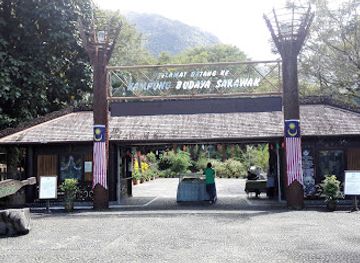
Kampung Budaya Sarawak
Immerse yourself in Sarawak's rich culture at Kampung Budaya Sarawak, a living museum of traditional heritage and vibrant ethnic diversity.
-
Art museum
Cat Museum, Petra Jaya, Sarawak.
Explore Kuching's Cat Museum, a charming art museum dedicated to celebrating the rich history and culture of cats through captivating exhibits.
-
Tourist attraction
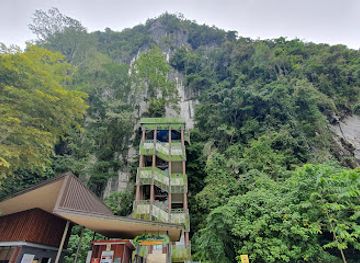
Fairy Caves
Explore the magical Fairy Caves in Bau, Sarawak—where nature, adventure, and stunning limestone formations await.
-
Exhibit
Upside Down House Kuching
Discover the whimsical Upside Down House in Kuching, a unique attraction where everything is inverted, perfect for fun and memorable photos.

Best landmarks in Sarawak
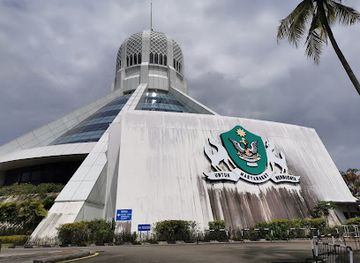
Kuching's historic core is marked by the Old Courthouse, Fort Margherita and the Astana, a riverside residence associated with the Brooke era; views across the Sarawak River help explain the city's political and commercial development. The Darul Hana Bridge provides a modern urban reference point beside the waterfront, while nearby historic streets contain Chinese temples, shophouses and colonial-era buildings that reflect the city's varied communities. In Miri, the Grand Old Lady, a preserved oil-well structure on Canada Hill, represents the petroleum industry that transformed northern Sarawak. The Niah Great Cave is both a striking natural landmark and an archaeological site tied to many millennia of human activity. Gunung Mulu's limestone pinnacles, cave chambers and karst towers are among the state's most recognisable natural formations. Bako's sandstone coast and sea stacks provide a contrasting landmark landscape, shaped by erosion and viewed along forest trails and headlands. These places are important not simply for appearance but because they express Sarawak's intertwined geological, ecological, political and economic history.
-
Museum
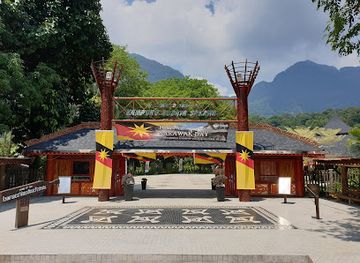
Kampung Budaya Sarawak
Explore the vibrant traditions and cultures of Sarawak at Kampung Budaya Sarawak, a living museum showcasing Malaysia's ethnic diversity.
-
Museum
Borneo Cultures Museum
Explore the vibrant cultures of Borneo at the Borneo Cultures Museum in Kuching, a hub of history, art, and tradition.
-
National park
Kubah National Park
Discover the breathtaking landscapes and rich biodiversity of Kubah National Park, a serene escape just outside Kuching, perfect for nature lovers and adventure seekers.
-
Museum
Sarawak Museum
Discover the rich cultural heritage of Sarawak at the Sarawak Museum, showcasing indigenous art, history, and the natural beauty of Borneo.
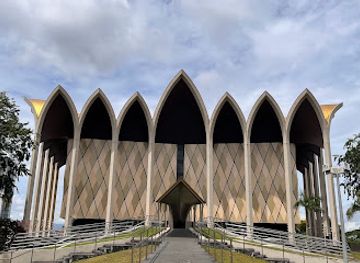
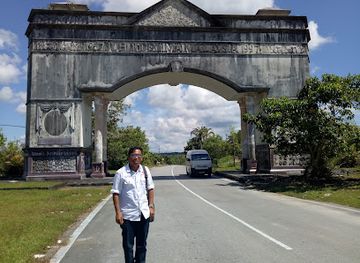
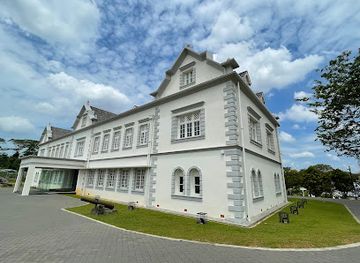
Explore Sarawak on the map
Plan your trip on one map. See where the top cities, national parks and sights are, and book hotels and experiences in a few clicks.
Best hotels in Sarawak
Best restaurants in Sarawak
Sarawak's food culture reflects its riverine geography and diverse communities. In Kuching, Sarawak laksa is a characteristic breakfast or lunch dish, with a complex, spicy broth, while kolo mee is a springy noodle dish commonly served with savoury toppings. Kampua mee is strongly associated with Foochow communities in and around Sibu, and local eateries also serve freshwater fish, chicken rice, vegetable dishes and regional snacks. Kek lapis Sarawak, with its colourful layered appearance, is a popular gift, although recipes and quality vary between producers. Markets and coffee shops are useful places to explore everyday food rather than relying only on formal restaurants. Coastal and river towns offer seafood and fish dishes, while rural homestays may introduce visitors to rice, jungle vegetables and community cooking traditions. Alcohol availability and dining customs vary between communities, so respectful observation is advisable. Kuching and Miri have the broadest choice of contemporary restaurants, cafés and international food, while smaller towns are often strongest for inexpensive local specialities.
-
Food court
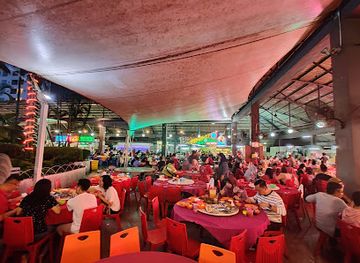
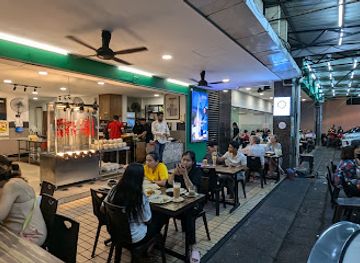
Topspot Food Court
Discover the vibrant flavors of Sarawak at Topspot Food Court, where fresh seafood meets local delicacies in a lively atmosphere.
-
Restaurant
Ceylonese Restaurant Sdn Bhd
Discover authentic Malaysian cuisine at Ceylonese Restaurant Sdn Bhd in Kuching – a paradise for food lovers seeking unique flavors.
-
Restaurant
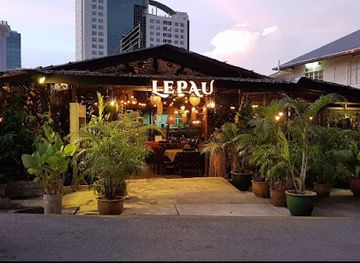
Lepau Restaurant
Discover the authentic taste of Malaysia at Lepau Restaurant in Kuching - where tradition meets innovation in every dish.
-
Seafood
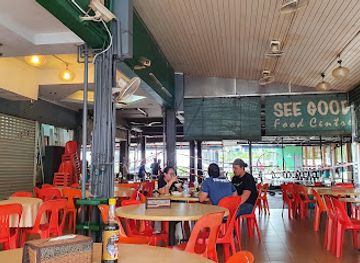
See Good Food Centre Sdn Bhd
Discover the rich flavors of Kuching at See Good Food Centre Sdn Bhd - where fresh seafood meets authentic Malaysian cuisine.
Best bars in Sarawak
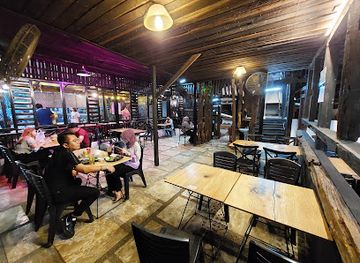
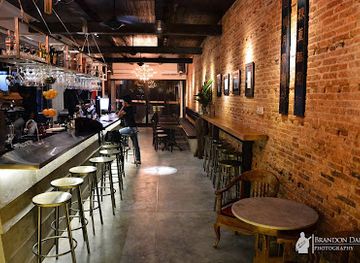
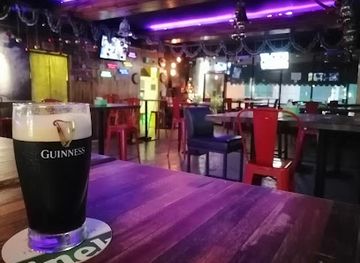
Evening life in Sarawak is concentrated in Kuching, Miri, Sibu and Bintulu rather than spread evenly across the state. Kuching has riverside and central venues offering cocktails, local and imported beer, live music and relaxed dining, while Miri's nightlife reflects its larger petroleum-influenced commercial base and includes bars, restaurants and entertainment venues. Sibu and Bintulu provide a more locally oriented selection of bars, cafés and karaoke establishments. Outside the cities, traditional coffee shops, family restaurants, longhouse gatherings and occasional live performances are more typical than late-night clubbing. Waterfront areas can be pleasant for an evening stroll, but specific businesses and opening arrangements change, so current local information is advisable. Alcohol is not central to every community's social life, and visitors should be especially considerate in predominantly Muslim areas and when staying with rural hosts.
-
National park
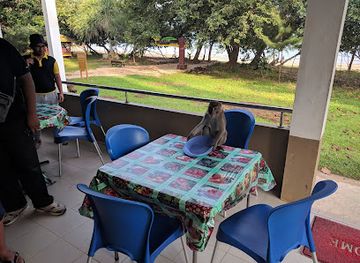
Bako National Park
Discover the breathtaking landscapes and unique wildlife of Bako National Park, a premier destination in Sarawak, Malaysia for nature lovers and adventure seekers.
-
Restaurant
My Village Barok
Savor the essence of Malaysian cuisine at My Village Barok, where authentic flavors and warm hospitality await in Kampung Boyan.
-
Western
Zinc Restaurant & Bar
Experience the best of Western and fusion cuisine at Zinc Restaurant & Bar in Kuching, complemented by innovative cocktails in a chic setting.
-
Tourist attraction
Wind Caves
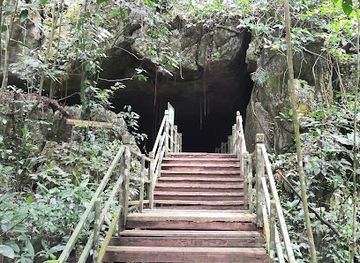
Explore the breathtaking Wind Caves of Bau, Sarawak – a natural wonder perfect for adventure and relaxation.
Best nightclubs in Sarawak
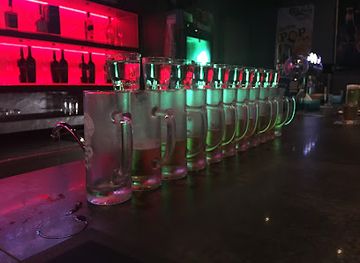
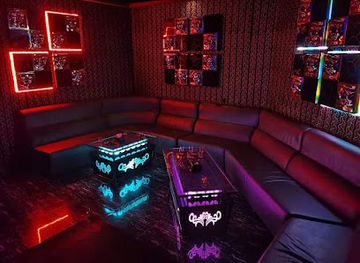
Evening life in Sarawak is concentrated in Kuching, Miri, Sibu and Bintulu rather than spread evenly across the state. Kuching has riverside and central venues offering cocktails, local and imported beer, live music and relaxed dining, while Miri's nightlife reflects its larger petroleum-influenced commercial base and includes bars, restaurants and entertainment venues. Sibu and Bintulu provide a more locally oriented selection of bars, cafés and karaoke establishments. Outside the cities, traditional coffee shops, family restaurants, longhouse gatherings and occasional live performances are more typical than late-night clubbing. Waterfront areas can be pleasant for an evening stroll, but specific businesses and opening arrangements change, so current local information is advisable. Alcohol is not central to every community's social life, and visitors should be especially considerate in predominantly Muslim areas and when staying with rural hosts.
-
Karaoke bar
Majestic Pub & Club
Discover the exciting karaoke experience at Majestic Pub & Club in Kuching, where music and nightlife come alive in a vibrant setting.
-
Bar
Da Vinci Club
Discover the vibrant nightlife at Da Vinci Club in Kuching, where creative cocktails meet a lively atmosphere for an unforgettable experience.
-
Night club
Zancha_Souffle
Experience the vibrant nightlife of Kuching at Zancha Souffle, a premier night club featuring local DJs, live music, and a lively dance atmosphere.
-
Pub
STARGATE星門
Discover the vibrant nightlife of Kuching at STARGATE星門, where music, drinks, and great company come together in a lively pub and night club setting.

Best shops in Sarawak
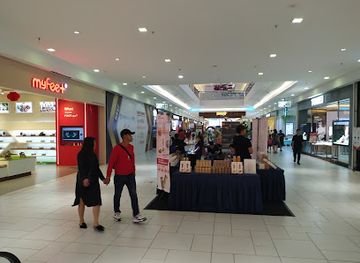
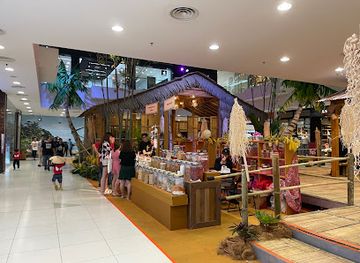
Shopping in Sarawak is strongest in the main towns, where traditional markets, food halls, craft shops, department stores and modern malls serve different purposes. Kuching's central streets and markets are useful for Sarawak snacks, pepper, tea, textiles, beadwork, woodcraft and kek lapis, while galleries and specialist shops may offer contemporary work inspired by Iban, Bidayuh and Orang Ulu designs. Sibu's markets reflect its role as a trading centre in the Rejang basin, with local food products and everyday goods rather than luxury retail. Miri provides the broadest northern choice of malls and practical shopping, alongside crafts and regional produce. Visitors should distinguish genuinely handmade items from mass-produced souvenirs and buy responsibly where materials may involve protected wildlife or plants. When purchasing ceremonial-looking objects or community crafts, ask about their meaning and origin rather than treating them as generic decorations. Rural markets and longhouse visits can offer distinctive products, but availability is seasonal and payment is often cash-only.
-
Shopping mall
Vivacity Megamall
Discover the vibrant shopping, dining, and entertainment experiences at Vivacity Megamall in Kuching, Sarawak.
-
Shopping mall
The Spring Shopping Mall
Explore a dynamic shopping experience at The Spring Shopping Mall in Kuching, where shopping meets local culture and entertainment.
-
Shopping mall
Plaza Merdeka
Discover the vibrant shopping and dining experience at Plaza Merdeka in Kuching, where modernity meets local culture.
-
Shopping mall
City One Megamall Kuching
Explore the best of shopping, dining, and entertainment at City One Megamall Kuching - a vibrant hub for tourists in Sarawak.
Get your free copy of our complete guide to Sarawak, delivered straight to you.
Everything on this page, from attractions and restaurants to essentials and local phrases, in one PDF you can read offline, print or share.
Already have an account? Sign in
Your Sarawak guide is ready.
We'll send it to · Not you? Sign out

Getting your guide ready…
We are putting together a fresh copy of the Sarawak guide. This can take up to a minute.
This can take a few moments. If your browser asks, choose Allow so the download can start. You'll find the guide in your Downloads folder.
Nothing happened? Download it again
Sorry, the guide is taking longer than usual. Please try again in a minute, or get it by email instead.
Sarawak essentials
Currency and Payment
Safety
Emergency Situations
Do's and Don'ts
Local Tips
From Eve
Local phrases worth knowing
You don't need to get them perfect. A few words go a long way, and locals appreciate the effort.
Basics
| English | Local | Say it |
|---|---|---|
| Hello | Selamat datang | [suh-lah-mat dah-tang] |
| Goodbye | Selamat tinggal | [suh-lah-mat ting-gal] |
| Yes | Ya | [yah] |
| No | Tidak | [tee-dak] |
| Please/You're welcome | Sila | [see-lah] |
| Thank you | Terima kasih | [teh-ree-mah kah-see] |
| Excuse me/Sorry | Maaf | [mah-ahf] |
| How are you? | Apa khabar? | [ah-pah kah-bar] |
| Fine. And you? | Baik. Dan kamu? | [bye-k. dan kah-moo] |
| Do you speak English? | Adakah kamu boleh berbahasa Inggeris? | [ah-dah-kah kah-moo boh-leh ber-bah-sah in-ger-is] |
| I don't understand | Saya tidak faham | [sah-yah tee-dak fah-ham] |
Eating & Drinking
| English | Local | Say it |
|---|---|---|
| I'd like to see the menu, please | Saya ingin lihat menu, sila | [sah-yah een-gin lee-hat meh-nu, see-lah] |
| I don't eat meat | Saya tidak makan daging | [sah-yah tee-dak mah-kan dah-ging] |
| Cheers! | Bersulang! | [ber-soo-lahng] |
| I would like to pay, please | Saya ingin bayar, sila | [sah-yah een-gin bye-yar, see-lah] |
Emergencies
| English | Local | Say it |
|---|---|---|
| Help! | Tolong! | [toh-long] |
| Go away! | Pergi jauh! | [per-ghee jah-oh] |
| Call the Police! | Panggil polis! | [pang-gil poh-lis] |
| Call a doctor! | Panggil doktor! | [pang-gil dok-tor] |
| I'm lost | Saya sesat | [sah-yah suh-sat] |
| I'm ill | Saya sakit | [sah-yah sah-kit] |
Shopping
| English | Local | Say it |
|---|---|---|
| I'd like to buy... | Saya ingin beli... | [sah-yah een-gin buh-lee] |
| I'm just looking | Saya hanya melihat | [sah-yah hah-nya meh-lee-hat] |
| How much is it? | Berapa harganya? | [ber-ah-pah har-gah-nya] |
| That's too expensive | Itu terlalu mahal | [ee-too ter-lah-loo mah-hal] |
| Can you lower the price? | Boleh turunkan harga? | [boh-leh too-run-kan har-gah] |
Time & Numbers
| English | Local | Say it |
|---|---|---|
| What time is it? | Pukul berapa? | [poo-kul ber-ah-pah] |
| It's one o'clock | Pukul satu | [poo-kul sah-too] |
| Half past (10) | Setengah (10) | [seh-teng-ah (10)] |
| Morning | Pagi | [pah-gee] |
| Afternoon | Petang | [peh-tang] |
| Evening | Malam | [mah-lahm] |
| Yesterday | Semalam | [seh-mah-lahm] |
| Today | Hari ini | [hah-ree ee-nee] |
| Tomorrow | Esok | [eh-sok] |
| 1 | Satu | [sah-too] |
| 2 | Dua | [doo-ah] |
| 3 | Tiga | [tee-gah] |
| 4 | Empat | [em-pah-t] |
| 5 | Lima | [lee-mah] |
| 6 | Enam | [eh-nahm] |
| 7 | Tujuh | [too-joo] |
| 8 | Lapan | [lah-pahn] |
| 9 | Sembilan | [sem-bee-lahn] |
| 10 | Sepuluh | [seh-poo-loo] |
Transport & Directions
| English | Local | Say it |
|---|---|---|
| Where's a/the...? | Di mana ...? | [dee mah-nah] |
| What's the address? | Apa alamatnya? | [ah-pah ah-lah-mah-nya] |
| Can you show me (on the map)? | Boleh tunjukkan pada saya (di peta)? | [boh-leh toon-jook-kan pah-dah sah-yah (dee peh-tah)] |
| When's the next (bus)? | Bila bas seterusnya? | [bee-lah bahs seh-teh-roos-nya] |
| A ticket (to ....) | Tiket (ke ...) | [tee-ket (keh ...)] |
History of Sarawak
Prehistoric Niah and Early Settlement
The caves of Niah, in northern Sarawak, preserve one of Southeast Asia's most important archaeological records. Excavations in the Niah Great Cave have revealed evidence of human activity dating back tens of thousands of years, together with later burial practices, tools and traces of changing lifeways. The cave was also used historically for collecting birds' nests and guano. Its importance lies not only in its dramatic geology but in the long continuity of human interaction with Borneo's forests. Today, the archaeological landscape forms part of Niah National Park, where visitors can see how subsistence, trade and ritual were linked to the cave environment.
River Communities and Indigenous Societies
Before modern roads and state administration, Sarawak's rivers were its principal routes of movement and exchange. Iban communities expanded through parts of the interior, while Bidayuh, Orang Ulu, Melanau, Malay and other communities developed distinctive settlements, social systems, languages and forms of craft. Longhouses, although adapted over time, reflect the importance of shared residential space among several indigenous groups. Coastal and riverine communities also traded forest products, rice, fish and manufactured goods. These histories remain visible in settlement patterns, oral traditions, architecture and the continuing cultural importance of rivers.
The Brooke Raj and Kuching's Historic Core
Sarawak was ruled by the Brooke family, a dynasty of British adventurers and their successors, from 1841 until the Second World War. James Brooke became the first White Rajah, followed by Charles Brooke and Charles Vyner Brooke. Their administration expanded its control unevenly across the territory through treaties, military campaigns and alliances, while encouraging trade and building government infrastructure. Kuching's Old Courthouse, Fort Margherita and riverside civic buildings date from this era or its aftermath. The Brooke period left a powerful and contested legacy, combining state formation and architectural development with colonial hierarchy and conflict.
Trade, Migration and Urban Growth
From the nineteenth century onwards, Sarawak's towns grew through river commerce, agricultural production and migration. Chinese communities, including Foochow settlers in the Rejang basin, became important in trade, farming and urban life; Malay and Melanau communities were central to coastal and river economies, while indigenous peoples maintained extensive interior networks. Sibu's development reflects the commercial significance of the Rejang River, while Kuching became an administrative and trading centre. Pepper, sago, rubber and forest products shaped different local economies, linking Sarawak to regional markets without erasing the importance of subsistence production.
Japanese Occupation and Post-war Transition
Japanese forces occupied Sarawak from 1941 until 1945, disrupting administration, trade and everyday life during the Second World War. The period brought shortages, coercion and hardship, and the war's effects were felt in towns and rural communities alike. After liberation, Sarawak returned briefly to the Brooke dynasty before Charles Vyner Brooke ceded it to the British Crown in 1946. This decision was controversial locally and contributed to political movements opposing colonial rule. The Rajah Charles Brooke Memorial Museum and other heritage sites provide context, but the period is best understood through multiple community experiences rather than a single narrative.
Formation of Malaysia and Modern Sarawak
Sarawak became part of the Federation of Malaysia on 16 September 1963, alongside Sabah, Malaya and Singapore, which later left the federation. The agreement and the safeguards associated with Sarawak's entry remain important in state politics and public discussion. Since then, the state has experienced rapid urbanisation, road building and expansion of the energy, timber, plantation and service economies. Petroleum transformed Miri and contributed to wider industrial development, while environmental pressures have intensified around forests, rivers and rural land. Contemporary Sarawak combines Malaysian national institutions with strong state-level identity and diverse local cultures.
Conservation and Cultural Recognition
Late twentieth- and early twenty-first-century conservation efforts brought international attention to Sarawak's rainforests, caves and limestone landscapes. Gunung Mulu National Park was inscribed as a UNESCO World Heritage Site in 2000 for its exceptional karst formations, cave systems and biodiversity. Other parks, including Bako, Niah and Gunung Gading, protect different combinations of coastal, lowland and limestone habitats. Conservation has also encouraged new forms of ecotourism, although access, development and the rights of communities living near forest areas remain subjects of continuing debate. Tourism in Sarawak is therefore inseparable from questions of stewardship and cultural respect.
Sarawak in Photos
Browse through our photo collection highlighting the charm and character of the destination.
Neighbouring regions of Sarawak
The closest regions to Sarawak, if you have time for more than one.
-

-

-

-

-


Swipe for more regions
Explore more
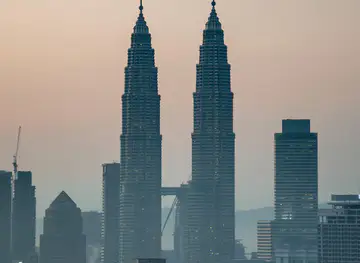
Explore more of Malaysia
Discover Malaysia: A stunning blend of modernity and nature, where diverse cultures meet, and adventure awaits. From vibrant cities to serene beaches, Malaysia has it all.
Explore Malaysia