

Free West Coast Travel Guide & Mobile App
Explore West Coast with free travel guides. Discover regional history, expert tips, proposed trips, and audio guides on web or mobile app.


Explore West Coast Malaysia for George Town heritage, Melaka history, mangroves, island scenery, hawker food and Strait of Malacca culture.
Read more about West Coast
When is the best time to visit West Coast?
Best: February, October–November · 21–25°C| Month | High (°C) | Rainfall (mm) |
|---|---|---|
| January | 20 | 100 |
| February (best) | 21 | 90 |
| March | 22 | 110 |
| April | 23 | 120 |
| May | 24 | 130 |
| June | 25 | 140 |
| July | 26 | 150 |
| August | 27 | 140 |
| September | 26 | 130 |
| October (best) | 25 | 120 |
| November (best) | 23 | 110 |
| December | 21 | 100 |
Getting to and around West Coast
How to get there
Transportation
Top city travel guides in West Coast
The cities of West Coast, and the easiest places to base yourself.
-

-

-

-

-

-


Swipe for more cities
Destinations in West Coast
Resorts, valleys and scenic spots worth a trip of their own.
-

-

-

-


Swipe for more destinations
Best attractions in West Coast
West Coast Malaysia offers an unusually broad range of attractions because its historic ports, modern cities, agricultural plains and coastal wetlands lie within one long travel corridor. George Town’s UNESCO-listed historic area combines shophouses, clan associations, mosques, temples, churches, museums and street art, while Penang Hill and the island’s beaches provide a change of setting. Melaka presents another layered urban landscape, with riverfront walks, museums, religious buildings and remnants of European fortifications. In Perak, Taiping’s gardens, Ipoh’s limestone surroundings and Kuala Sepetang’s mangrove environment reveal different aspects of the state’s natural and industrial heritage. Selangor’s western districts offer firefly and mangrove excursions, estuary scenery and bird-rich wetlands, while Port Dickson provides accessible beaches south of the metropolitan belt. Kedah combines paddy landscapes, archaeological remains and access to Langkawi’s forested islands. Markets, food trails, galleries, historic houses, temples, mosques and family-oriented attractions add cultural depth, although the most rewarding experiences often come from combining well-known urban sites with slower visits to fishing villages, wetland reserves and smaller market towns.
-
Castle
Kellie's Castle
Experience the historical allure of Kellie's Castle, a captivating blend of architecture and mystery in Batu Gajah, Perak.
-
Tourist attraction
Desaru Mini Zoo
Experience the charm of wildlife at Desaru Mini Zoo, a family-friendly attraction in Johor with interactive exhibits and beautiful landscapes.
-
Nature preserve
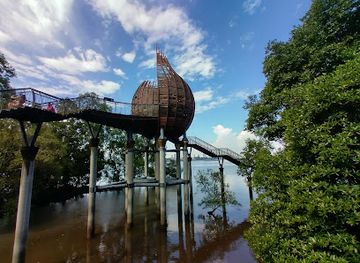
Sungei Buloh Wetland Reserve
Explore the serene beauty of Sungei Buloh Wetland Reserve, Singapore's premier destination for wildlife and nature enthusiasts.
-
Tourist attraction
Tamparuli Suspension Bridge
Experience stunning views and thrilling walks at the Tamparuli Suspension Bridge, a must-visit tourist attraction in Sabah, Malaysia.


Best landmarks in West Coast
The west coast’s best-known landmarks reflect its history as a meeting place between maritime trade, Malay sultanates and European colonial powers. George Town’s historic core is defined by dense rows of shophouses, clan houses, mosques, churches and temples, with Khoo Kongsi representing the influence of Chinese clan networks and Fort Cornwallis marking the city’s early British military presence. In Melaka, A Famosa’s surviving gate, the red civic buildings around Dutch Square, St Paul’s Hill and the riverside historic quarter express the city’s successive colonial periods, while the Kampung Hulu Mosque and Cheng Hoon Teng Temple show the continuity of local religious communities. Ipoh’s railway station and civic buildings represent the prosperity of the tin era, and Kuala Kangsar’s Ubudiah Mosque and royal institutions reflect Perak’s sultanate. The Sultan Abdul Samad Building in Kuala Lumpur is inland and belongs to the capital rather than the coastal corridor, but it is a significant nearby gateway landmark. Natural landmarks include Penang Hill, the limestone formations around Ipoh and the mangrove-lined estuaries of Selangor and Perak.
-
Historical landmark
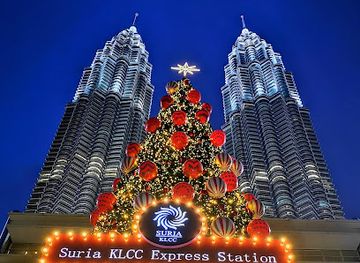
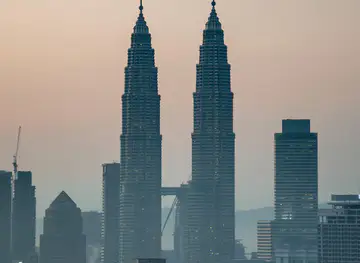
Petronas Twin Towers
Discover the breathtaking Petronas Twin Towers, a fusion of modern architecture and Malaysian culture in the heart of Kuala Lumpur.
-
Park
KLCC Park
Discover KLCC Park, a stunning urban oasis in Kuala Lumpur, where lush gardens meet the iconic skyline of the Petronas Towers for a tranquil escape.
-
Resort hotel
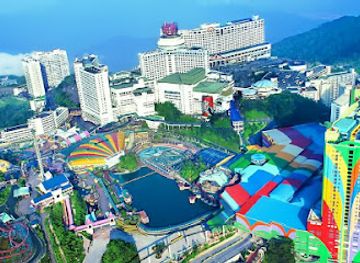
Resorts World Genting
Experience the ultimate retreat at Resorts World Genting, where luxury meets adventure in the heart of Pahang's stunning highlands.
-
 Shrine
Batu Caves
Explore the awe-inspiring Batu Caves, a stunning shrine and natural wonder in Selangor, Malaysia, perfect for spiritual seekers and adventure lovers.

Explore West Coast on the map
Plan your trip on one map. See where the top cities, national parks and sights are, and book hotels and experiences in a few clicks.
Best hotels in West Coast
Best restaurants in West Coast
Food is one of the strongest reasons to travel along Malaysia’s west coast. Penang is celebrated for hawker cooking such as char kway teow, assam laksa, Hokkien mee and nasi kandar, while George Town’s cafés and traditional coffee shops reflect Chinese, Malay, Indian and Peranakan influences. Melaka is closely associated with Nyonya cuisine, including richly spiced dishes and distinctive sweets, alongside Portuguese-Eurasian and Malay traditions. Ipoh is known for its bean-sprout dishes, noodles and white coffee culture, although these are part of a wider Perak food identity rather than a single formal cuisine. Across the region, look for banana-leaf meals, roti, satay, seafood, tropical fruit, rice dishes and Chinese-Malay cooking at markets, kopitiams, food courts, rural stalls and modern restaurants. Coastal towns serve fish and shellfish according to local landings, while agricultural districts contribute rice, fruit and vegetables. Eating times can be informal, and popular stalls may sell out before late evening.
-
Restaurant
Mangala Estate Boutique Resort
Discover tranquility at Mangala Estate Boutique Resort - where luxury meets nature in the heart of Pahang.
-
Restaurant
The Banjaran Hotsprings Retreat
Experience ultimate relaxation at The Banjaran Hotsprings Retreat - where luxury meets nature amidst soothing hot springs.
-
South American
Fuego at Troika Sky Dining
Experience exquisite South American flavors at Fuego, located high above Kuala Lumpur's skyline with breathtaking views.
-
Gastropub
Jeff's Cellar
Discover exquisite dining at Jeff's Cellar in Sunway City - where culinary innovation meets unforgettable ambiance.
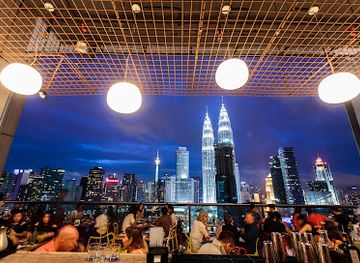
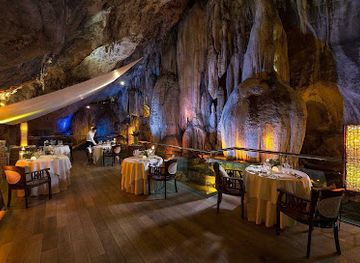
Best bars in West Coast
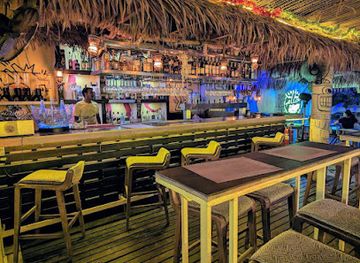
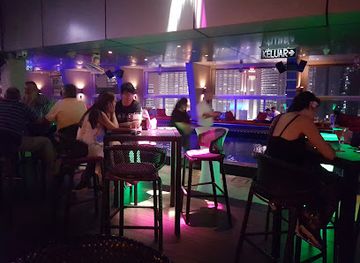
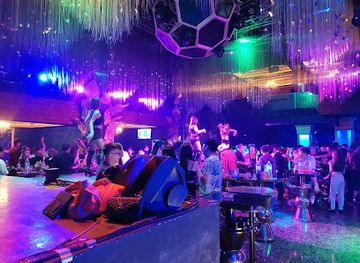
Nightlife varies considerably along the west coast. George Town has the region’s broadest mix of cocktail bars, craft-beer venues, live music, hotel lounges and late-opening restaurants, particularly around the historic centre, although individual venues and opening arrangements change. Kuala Lumpur, which lies inland from the coastal strip but serves as the region’s main metropolitan gateway, has the largest national nightlife scene; it should be treated as a separate city base rather than as a typical coastal town. Melaka’s evening life is more concentrated around its historic core and riverside, with cafés, bars, restaurants and seasonal street activity. Penang’s beach areas offer resort-oriented evenings, while Ipoh, Muar, Port Dickson and smaller towns generally centre on cafés, restaurants, kopitiams, hotel bars and traditional pubs rather than large clubs. Visitors should be aware that opening hours, licensing practices and alcohol availability vary, and that nightlife is not the only way to experience the region after dark: night markets, food streets and illuminated heritage quarters are often equally characteristic.
-
Grill
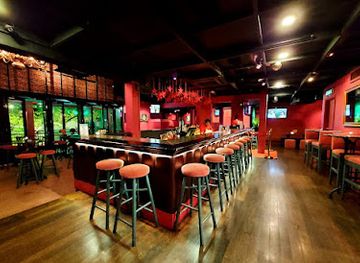
Havana Bar & Grill
Discover the lively atmosphere and delectable cuisine at Havana Bar & Grill, where vibrant nightlife meets exquisite dining in Kuala Lumpur.
-
Bar
Suzie Wong - Dinner and Show
Discover the vibrant fusion of dining and entertainment at Suzie Wong, a premier dinner theater in Kuala Lumpur offering exquisite cuisine and live performances.
-
Bar
Yellow Beach Cafe
Experience the perfect blend of breathtaking sunsets and delightful cuisine at Yellow Beach Cafe, Langkawi's vibrant beachside bar and lounge.
-
Bar
SkyBar
Experience breathtaking views and exquisite cocktails at SkyBar, the ultimate rooftop bar in Kuala Lumpur with stunning skyline vistas.
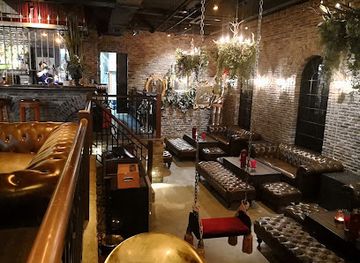
Best nightclubs in West Coast
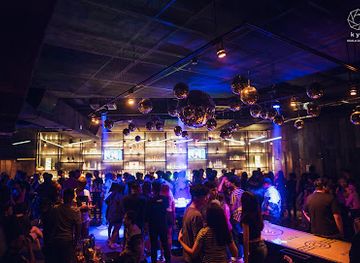
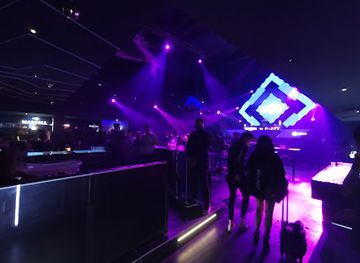
Nightlife varies considerably along the west coast. George Town has the region’s broadest mix of cocktail bars, craft-beer venues, live music, hotel lounges and late-opening restaurants, particularly around the historic centre, although individual venues and opening arrangements change. Kuala Lumpur, which lies inland from the coastal strip but serves as the region’s main metropolitan gateway, has the largest national nightlife scene; it should be treated as a separate city base rather than as a typical coastal town. Melaka’s evening life is more concentrated around its historic core and riverside, with cafés, bars, restaurants and seasonal street activity. Penang’s beach areas offer resort-oriented evenings, while Ipoh, Muar, Port Dickson and smaller towns generally centre on cafés, restaurants, kopitiams, hotel bars and traditional pubs rather than large clubs. Visitors should be aware that opening hours, licensing practices and alcohol availability vary, and that nightlife is not the only way to experience the region after dark: night markets, food streets and illuminated heritage quarters are often equally characteristic.
-
Night club
kyō kuala lumpur
Discover the vibrant nightlife at kyō, Kuala Lumpur's premier night club offering world-class DJs and an electrifying atmosphere.
-
Night club
Gemu Club KL
Discover the nightlife magic of Gemu Club KL, a top dance and disco destination in Kuala Lumpur with electrifying ambiance and top-notch entertainment.
-
Night club
Pitt Club KL
Experience the vibrant nightlife of Kuala Lumpur at Pitt Club KL, where music and dance unite for an unforgettable evening.
-
Night club
T-Club KL
Discover Kuala Lumpur's vibrant nightlife at T-Club KL, where music and dance unite for an unforgettable experience.

Best shops in West Coast
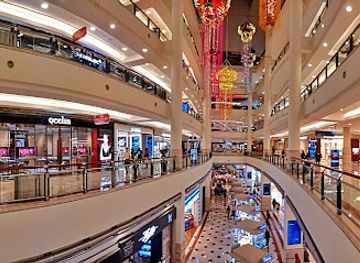
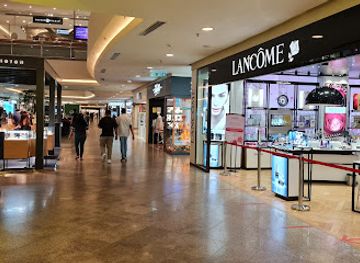
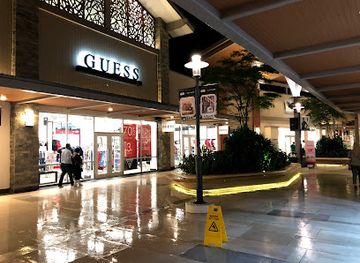
Shopping on the west coast ranges from traditional markets and independent food shops to modern malls and heritage-district boutiques. George Town is the strongest centre for locally distinctive purchases, including Nyonya-style crafts, ceramics, textiles, artwork, books, spices and packaged hawker ingredients, while its historic shophouses contain both long-established trades and contemporary design shops. Melaka is known for craft goods, batik, snacks, pineapple products, Nyonya confectionery and souvenirs, although quality varies and visitors should compare prices. Ipoh, Taiping, Muar and smaller market towns are useful for regional food products, coffee, biscuits, produce and practical local shopping rather than luxury retail. Wet markets and farmers’ markets offer fruit, herbs, seafood and prepared foods, but opening days and locations can change. Kuala Lumpur has the country’s largest concentration of shopping centres and designer retail, yet it is an inland metropolitan destination and should not be mistaken for the typical shopping character of the coastal towns. When buying antiques, wildlife products or older cultural objects, check provenance and export rules carefully.
-
Shopping mall
Suria KLCC
Explore a world of luxury shopping and dining at Suria KLCC, the iconic shopping destination beneath the Petronas Twin Towers in Kuala Lumpur.
-
Shopping mall
Central Market
Discover the vibrant culture and local crafts at Central Market, Kuala Lumpur's historical shopping destination.
-
Shopping mall
Mid Valley Megamall
Discover a shopping paradise at Mid Valley Megamall, featuring over 400 stores, diverse dining options, and top-notch entertainment in Kuala Lumpur.
-
Outlet mall
Genting Highlands Premium Outlets
Experience the ultimate shopping destination at Genting Highlands Premium Outlets with unbeatable discounts and breathtaking mountain views.
Get your free copy of our complete guide to West Coast, delivered straight to you.
Everything on this page, from attractions and restaurants to essentials and local phrases, in one PDF you can read offline, print or share.
Already have an account? Sign in
Your West Coast guide is ready.
We'll send it to · Not you? Sign out

Getting your guide ready…
We are putting together a fresh copy of the West Coast guide. This can take up to a minute.
This can take a few moments. If your browser asks, choose Allow so the download can start. You'll find the guide in your Downloads folder.
Nothing happened? Download it again
Sorry, the guide is taking longer than usual. Please try again in a minute, or get it by email instead.
West Coast essentials
Currency and Payment
Safety
Emergency Situations
Do's and Don'ts
Local Tips
From Eve
Local phrases worth knowing
You don't need to get them perfect. A few words go a long way, and locals appreciate the effort.
Basics
| English | Local | Say it |
|---|---|---|
| Hello | Hey | [Hey] |
| Goodbye | See ya | [See ya] |
| Yes | Yeah | [Yeah] |
| No | Nah | [Nah] |
| Please/You're welcome | No problem | [No problem] |
| Thank you | Thanks | [Thanks] |
| Excuse me/Sorry | Sorry | [Sorry] |
| How are you? | How's it going? | [How's it going?] |
| Fine. And you? | Good. You? | [Good. You?] |
| Do you speak English? | Do you talk English? | [Do you talk English?] |
| I don't understand | I don’t get it | [I don’t get it] |
Eating & Drinking
| English | Local | Say it |
|---|---|---|
| I'd like to see the menu, please | Can I see the menu? | [Can I see the menu?] |
| I don't eat meat | I’m vegetarian | [I’m vegetarian] |
| Cheers! | Cheers! | [Cheers!] |
| I would like to pay, please | Can I get the check? | [Can I get the check?] |
Emergencies
| English | Local | Say it |
|---|---|---|
| Help! | Help! | [Help!] |
| Go away! | Leave me alone! | [Leave me alone!] |
| Call the Police! | Call the cops! | [Call the cops!] |
| Call a doctor! | Get a doctor! | [Get a doctor!] |
| I'm lost | I’m lost | [I’m lost] |
| I'm ill | I’m not feeling well | [I’m not feeling well] |
Shopping
| English | Local | Say it |
|---|---|---|
| I'd like to buy... | I want to buy... | [I want to buy...] |
| I'm just looking | Just browsing | [Just browsing] |
| How much is it? | What’s the price? | [What’s the price?] |
| That's too expensive | That’s too pricey | [That’s too pricey] |
| Can you lower the price? | Can you give a discount? | [Can you give a discount?] |
Time & Numbers
| English | Local | Say it |
|---|---|---|
| What time is it? | What’s the time? | [What’s the time?] |
| It's one o'clock | It’s one | [It’s one] |
| Half past (10) | Half past ten | [Half past ten] |
| Morning | Morning | [Morning] |
| Afternoon | Afternoon | [Afternoon] |
| Evening | Evening | [Evening] |
| Yesterday | Yesterday | [Yesterday] |
| Today | Today | [Today] |
| Tomorrow | Tomorrow | [Tomorrow] |
| 1 | One | [One] |
| 2 | Two | [Two] |
| 3 | Three | [Three] |
| 4 | Four | [Four] |
| 5 | Five | [Five] |
| 6 | Six | [Six] |
| 7 | Seven | [Seven] |
| 8 | Eight | [Eight] |
| 9 | Nine | [Nine] |
| 10 | Ten | [Ten] |
Transport & Directions
| English | Local | Say it |
|---|---|---|
| Where's a/the...? | Where’s the...? | [Where’s the...?] |
| What's the address? | What’s the address? | [What’s the address?] |
| Can you show me (on the map)? | Can you point it out? | [Can you point it out?] |
| When's the next (bus)? | When’s the next bus? | [When’s the next bus?] |
| A ticket (to ....) | A ticket to... | [A ticket to...] |
History of West Coast
Early Settlements and Maritime Trade
The western side of the Malay Peninsula has long been connected to the sea routes linking the Bay of Bengal, the Malay Archipelago and the South China Sea. River mouths, estuaries and sheltered coastal waters supported fishing, farming and small trading settlements. Archaeological evidence from places including the Bujang Valley in Kedah points to early Hindu-Buddhist commercial networks, while later Malay polities developed around river systems and ports. The coast’s enduring importance comes from its position on the Strait of Malacca, one of Asia’s principal maritime passages.
The Sultanate of Malacca, Fifteenth Century
The rise of the Sultanate of Malacca transformed the central west coast into a major centre of regional commerce and Islamic influence. Malacca’s harbour attracted merchants from across Asia, and its court helped spread Malay language, customs and Islam through the wider archipelago. The sultanate’s political and commercial legacy remains visible in Melaka’s historic quarters, religious buildings, food traditions and multicultural communities. Its success also made the port a prize for expanding European maritime powers.
Portuguese, Dutch and British Rule
Portuguese forces captured Malacca in 1511, beginning a succession of European interventions on the west coast. The Dutch took the port in 1641, and British influence later expanded through Penang, Malacca and Singapore-based commercial networks. George Town was founded as a British trading settlement in 1786, while Malacca passed to the British in the nineteenth century. Fortifications, churches, civic buildings, warehouses and shophouses across Penang and Melaka record these changing political and mercantile regimes, alongside the continuing presence of established Malay, Chinese and Indian communities.
Tin, Plantations and the Growth of Towns
From the nineteenth century, tin mining drove rapid economic growth in Perak and Selangor. Chinese mining communities expanded around centres such as Ipoh and Kuala Lumpur, while British investment developed rubber plantations, railways and port infrastructure. The landscape changed from river-based commerce to an interconnected industrial economy, although mining also created distinctive limestone and lake landscapes. Wealth from tin and rubber financed civic buildings, schools, religious institutions and commercial streets whose architectural remains are still prominent in west-coast towns.
War and Occupation, 1941–1945
Japanese forces occupied Malaya during the Second World War after advancing rapidly down the peninsula from the north. West-coast ports, railway lines, airfields and administrative towns became strategically important, while civilians experienced shortages, forced labour, displacement and political repression. The occupation disrupted the colonial economy and intensified political change. Its legacy is part of the region’s modern history, although surviving memorials and museums vary from place to place and should be approached with attention to the experiences of different communities.
Independence and the Federation of Malaysia
The Federation of Malaya became independent in 1957, and Malaysia was formed in 1963. West-coast cities were central to this transition because they contained major administrative, commercial, educational and transport institutions. Kuala Lumpur developed into the national capital and a large metropolitan centre, while Penang and Melaka retained strong port and heritage identities. Post-independence development brought new highways, industrial estates, housing and tourism infrastructure, linking historic towns and rural districts more closely to the national economy.
Heritage Conservation and Contemporary Transformation
In the late twentieth and early twenty-first centuries, historic districts such as George Town and Melaka underwent renewed conservation and tourism development. Their inscription as UNESCO World Heritage sites in 2008 recognised living urban landscapes shaped by centuries of cultural exchange. At the same time, west-coast Malaysia has experienced intensive urbanisation, port expansion, manufacturing growth and environmental pressure on mangroves and wetlands. Contemporary travel therefore reveals both preserved trading-city traditions and a rapidly changing coastal economy.
West Coast in Photos
Browse through our photo collection highlighting the charm and character of the destination.
Neighbouring regions of West Coast
The closest regions to West Coast, if you have time for more than one.
-

-

-

-

-


Swipe for more regions
Explore more
Explore more of Malaysia
Discover Malaysia: A stunning blend of modernity and nature, where diverse cultures meet, and adventure awaits. From vibrant cities to serene beaches, Malaysia has it all.
Explore Malaysia