

Free Gaafu Dhaalu Atoll Travel Guide & Mobile App
Explore Gaafu Dhaalu Atoll with free travel guides. Discover regional history, expert tips, proposed trips, and audio guides on web or mobile app.


Gaafu Dhaalu Atoll combines remote Maldivian islands, coral reefs, traditional crafts, diving and quiet resort stays far south of Malé.
Read more about Gaafu Dhaalu Atoll
When is the best time to visit Gaafu Dhaalu Atoll?
Best: January–March · 30–31°C| Month | High (°C) | Rainfall (mm) |
|---|---|---|
| January (best) | 30 | 100 |
| February (best) | 30 | 75 |
| March (best) | 31 | 95 |
| April | 31 | 110 |
| May | 31 | 200 |
| June | 31 | 250 |
| July | 31 | 200 |
| August | 31 | 190 |
| September | 31 | 200 |
| October | 31 | 220 |
| November | 30 | 190 |
| December | 30 | 130 |
Getting to and around Gaafu Dhaalu Atoll
How to get there
Transportation
Best attractions in Gaafu Dhaalu Atoll
Gaafu Dhaalu’s attractions are primarily marine and island-based. Its resort islands provide access to lagoons, house reefs, outer reef excursions, diving, snorkelling, sunset cruises, sport fishing and dolphin or turtle searches, subject to natural conditions rather than guaranteed sightings. The broad lagoon and channels create varied seascapes, from shallow coral gardens suitable for beginners to deeper sites used by experienced divers. On inhabited islands, the interest lies in everyday Maldivian life: mosques, small harbours, coconut groves, workshops, local food and the rhythms of fishing communities. Gadhdhoo is associated with traditional mat weaving, and a respectful introduction can offer insight into a craft with roots in household production. Thinadhoo, the administrative capital, is useful for understanding local services and island life rather than for conventional monument sightseeing. Visitors can also arrange fishing and boat excursions that reveal the atoll’s scale, although tides, weather and local permissions affect what is possible. The distinction between resort and community is important: resorts offer structured activities and private facilities, while local islands provide a more modest, socially embedded experience.
-
Park
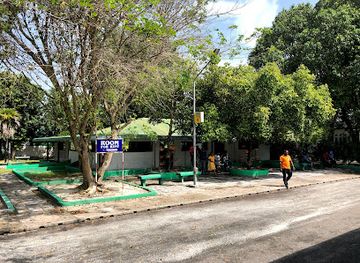
Kaadedhdhoo Airport Children Park
Experience the charm of Kaadedhdhoo Airport Children Park, a serene retreat for families amidst the natural beauty of the Maldives.
-
Tourist attraction
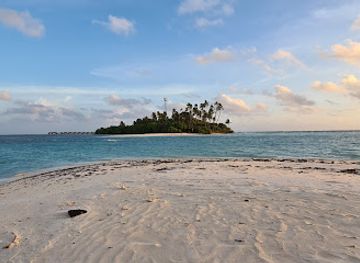
GA. Maamendhoo Thundi
Experience the untouched beauty of GA. Maamendhoo Thundi, a serene Maldivian destination perfect for relaxation and cultural exploration.
-
Tourist attraction
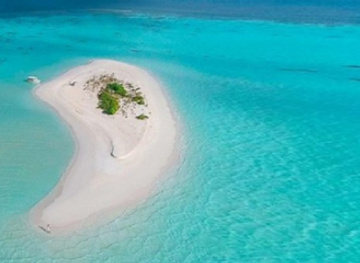
Odegalla
Explore Odegalla in Nilandhoo for an unforgettable snorkeling adventure and immerse yourself in the stunning marine beauty of the Maldives.
-

Outer Banks paradise on earth
Experience the Outer Banks: A stunning tropical paradise in Viligili, Maldives, perfect for relaxation and adventure seekers.
Best landmarks in Gaafu Dhaalu Atoll
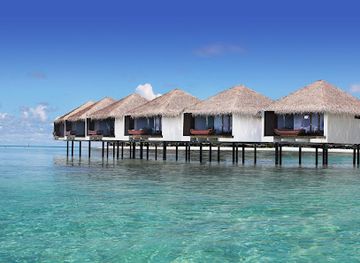
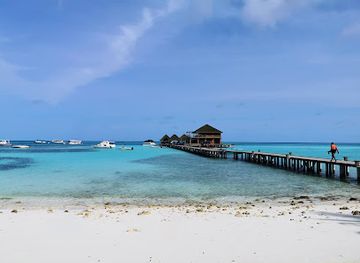
Gaafu Dhaalu’s most significant landmarks are often environmental or communal rather than monumental. The wide Huvadhu lagoon, with its reef edges, channels and scattered islands, is the defining geographical feature, while the outer reef marks the powerful meeting point between lagoon waters and the open Indian Ocean. On inhabited islands, mosques and coral-stone architectural details provide the clearest visible connection with Maldivian religious and building history, although many contemporary structures have been rebuilt or altered. Thinadhoo’s administrative and harbour areas represent the modern civic life of the atoll, while Gadhdhoo’s island settlement and craft traditions point to the cultural importance of household production. Traditional dhonis, jetties and boat channels are also meaningful features of the local landscape, reflecting the sea-based connections that link communities separated by water. Resort architecture forms a newer layer: villas, jetties and overwater structures are designed around lagoons and beaches, but they should be understood as contemporary tourism infrastructure rather than historic monuments. Because Gaafu Dhaalu has relatively few large masonry landmarks, its strongest sense of place comes from the relationship between coral geography, island settlements, religious buildings and maritime movement.
-
Resort hotel
NH Collection Maldives Havodda Resort
Experience unparalleled luxury and natural beauty at NH Collection Maldives Havodda Resort, your private paradise in the heart of the Maldives.
-
Resort hotel
The Residence Maldives at Falhumaafushi
Experience unparalleled luxury and natural beauty at The Residence Maldives, a secluded island paradise in the Gaafu Alifu Atoll.
-
Resort hotel
Ayada Maldives
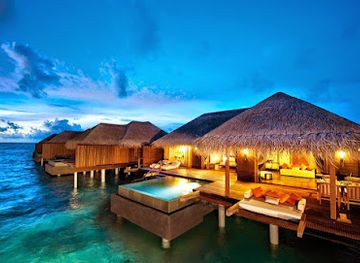
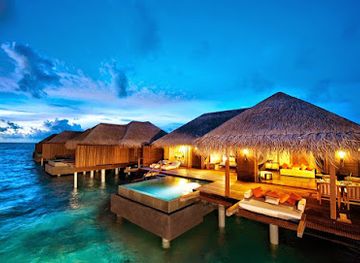
Discover a tropical paradise at Ayada Maldives, where luxury meets nature in the heart of Gaafu Dhaalu Atoll.
-
Hotel
ROBINSON MALDIVES
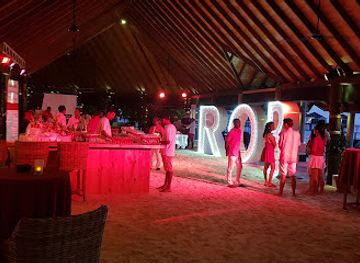
Experience the ultimate Maldivian escape at ROBINSON MALDIVES: luxury accommodations, pristine beaches, and vibrant marine life await.
Explore Gaafu Dhaalu Atoll on the map
Plan your trip on one map. See where the top cities, national parks and sights are, and book hotels and experiences in a few clicks.
Best hotels in Gaafu Dhaalu Atoll
Best restaurants in Gaafu Dhaalu Atoll
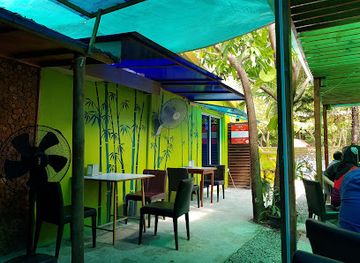
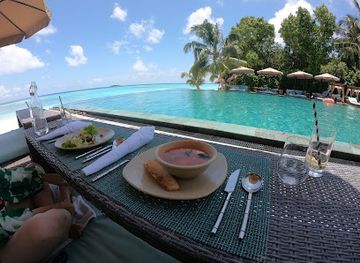
Dining in Gaafu Dhaalu is divided between resort restaurants and the simpler food culture of inhabited islands. Resort kitchens typically serve international menus alongside Maldivian dishes, with seafood, tuna, coconut, rice, lime, chilli and curry leaves appearing in many preparations. Visitors may encounter mas huni with flatbread at breakfast, fish curry, garudhiya, grilled reef fish, fried snacks and sweet or savoury coconut-based dishes, though recipes vary between households and kitchens. On local islands, cafés and small restaurants tend to be informal, with menus shaped by daily supplies rather than extensive choice; advance expectations should therefore remain flexible. Fresh fish is central to the southern atoll diet, while imported foods are also widely used. Resorts may offer more elaborate dining, private meals and specialist cuisines, but prices and reservations are governed by each property. Travellers visiting inhabited islands should dress respectfully when eating out, carry some cash and ask locally about available food rather than assuming that every island has a visitor-oriented restaurant.
-
Restaurant
Raffles Maldives Meradhoo Resort
Experience unparalleled luxury at Raffles Maldives Meradhoo Resort - your gateway to paradise in the heart of the Indian Ocean.
-
Restaurant
Zimmerman Restaurant
Discover authentic Maldivian flavors at Zimmerman Restaurant in Thinadhoo - a must-visit culinary experience for every tourist.
-
Restaurant
Zayobi
Experience authentic Maldivian flavors at Zayobi in Thinadhoo – where every meal tells a story.
-
Restaurant
Zero Degree
Discover culinary delights at Zero Degree in Vaadhoo - where Italian meets Indian and Maldivian flavors come alive.
Best bars in Gaafu Dhaalu Atoll
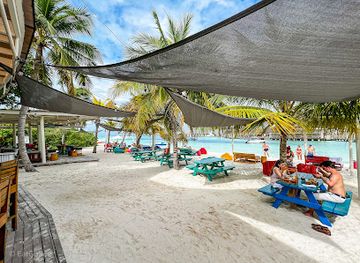
Nightlife in Gaafu Dhaalu is concentrated on private resort islands rather than in local communities. Resorts may provide lounges, beach bars, sunset drinks, live music, themed evenings and occasional entertainment, with alcohol service permitted within the licensed resort environment. There is no broad nightclub circuit comparable with a large city, and entertainment schedules vary by property and season. On inhabited islands, evening life is generally quieter and centres on family visits, cafés, harbour areas, mosques and community activities; alcohol is not part of public local-island culture and is restricted under Maldivian law. The most characteristic evening experiences are a sunset cruise, stargazing, night fishing or an unhurried meal rather than bar-hopping. Visitors should confirm resort arrangements before booking special dining or entertainment, and should not carry alcohol ashore or assume that resort rules apply on inhabited islands.
-
Resort hotel
Ayada Maldives
Discover the serene beauty of Ayada Maldives, a luxurious resort hotel offering breathtaking views, world-class amenities, and unforgettable experiences in paradise.
-
Restaurant
Raffles Maldives Meradhoo Resort
Experience unparalleled luxury and tranquility at Raffles Maldives Meradhoo Resort, where breathtaking views meet exceptional hospitality.
-
Restaurant
Zimmerman Restaurant
Experience the rich flavors of the Maldives at Zimmerman Restaurant in Thinadhoo, a perfect blend of local and international cuisines.
-
Bar
Beach Bar
Experience the calming vibes of the Beach Bar, where sunset cocktails and ocean views create the perfect tropical getaway.
Best nightclubs in Gaafu Dhaalu Atoll
Nightlife in Gaafu Dhaalu is concentrated on private resort islands rather than in local communities. Resorts may provide lounges, beach bars, sunset drinks, live music, themed evenings and occasional entertainment, with alcohol service permitted within the licensed resort environment. There is no broad nightclub circuit comparable with a large city, and entertainment schedules vary by property and season. On inhabited islands, evening life is generally quieter and centres on family visits, cafés, harbour areas, mosques and community activities; alcohol is not part of public local-island culture and is restricted under Maldivian law. The most characteristic evening experiences are a sunset cruise, stargazing, night fishing or an unhurried meal rather than bar-hopping. Visitors should confirm resort arrangements before booking special dining or entertainment, and should not carry alcohol ashore or assume that resort rules apply on inhabited islands.
-
Bar
Beach Bar
Experience tropical bliss at Beach Bar in the Maldives, where stunning ocean views and refreshing cocktails await every visitor.
-
Lounge
Manta Lounge
Experience tranquility and stunning ocean views at Manta Lounge in Huraa, the perfect escape for relaxation and exquisite drinks.
-
Bar
The Lagoon Bar
Experience tropical bliss at The Lagoon Bar in Dhigurah, where refreshing drinks meet stunning ocean views in the heart of the Maldives.
-
Bar
Pool Bar
Experience the ultimate tropical escape at the Pool Bar, where refreshing drinks and stunning views create the perfect getaway.
Best shops in Gaafu Dhaalu Atoll
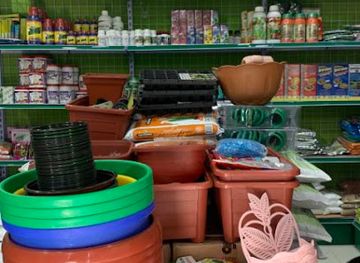
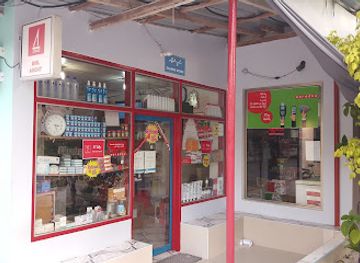
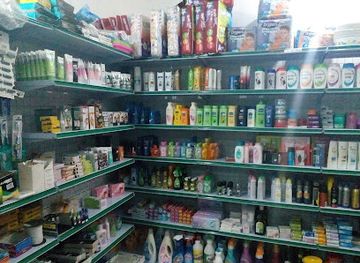
Shopping in Gaafu Dhaalu is limited and local in character, with the widest selection found at resort boutiques rather than in formal retail districts. Resort shops commonly stock swimwear, practical beach items, handicrafts, jewellery and branded souvenirs, while prices reflect the cost of supplying remote islands. On inhabited islands, small general stores sell everyday provisions, snacks, toiletries and practical goods rather than an extensive range of tourist merchandise. Gadhdhoo is associated with Maldivian woven mats, and these can be meaningful purchases when acquired through a respectful, locally connected source; availability, size and design vary. Other useful souvenirs include locally inspired handicrafts, books about the Maldives and packaged food products, although visitors should avoid buying coral, shells, turtle products or anything made from protected marine life. Thinadhoo and other community islands may have modest independent shops, but opening arrangements and payment options are not uniform. Carrying some Maldivian rufiyaa is sensible, while resorts generally accept cards for purchases.
-
Convenience store
Mayyaa Store
Experience local culture and convenience at Mayyaa Store in Faresmaathodaa, where island essentials meet Maldivian charm.
-
General store
Kaainaathu
Explore the vibrant local culture at Kaainaathu, the charming general store in Thinadhoo, offering a taste of the Maldives.
-
Supermarket
Samee Store
Explore Samee Store in Rathafandhoo for a delightful grocery shopping experience featuring local products and friendly service.
-
Grocery store
Two Bros
Explore the authentic taste of the Maldives at Two Bros Grocery Store, your gateway to local flavors and island life.
Get your free copy of our complete guide to Gaafu Dhaalu Atoll, delivered straight to you.
Everything on this page, from attractions and restaurants to essentials and local phrases, in one PDF you can read offline, print or share.
Already have an account? Sign in
Your Gaafu Dhaalu Atoll guide is ready.
We'll send it to · Not you? Sign out

Getting your guide ready…
We are putting together a fresh copy of the Gaafu Dhaalu Atoll guide. This can take up to a minute.
This can take a few moments. If your browser asks, choose Allow so the download can start. You'll find the guide in your Downloads folder.
Nothing happened? Download it again
Sorry, the guide is taking longer than usual. Please try again in a minute, or get it by email instead.
Gaafu Dhaalu Atoll essentials
Currency and Payment
Safety
Emergency Situations
Do's and Don'ts
Local Tips
History of Gaafu Dhaalu Atoll
Early settlement and the Huvadhu island world
The islands of the wider Huvadhu atoll system were settled within the broader maritime culture of the Maldives, whose communities depended on fishing, coconut, seafaring and exchange between islands. Archaeological evidence across the Maldivian archipelago points to settlement before the islands’ conversion to Islam, although many small atoll sites remain incompletely studied. Huvadhu’s enormous lagoon encouraged regular movement by boat and helped create strong island-based communities. The division between Gaafu Alif and Gaafu Dhaalu is a modern administrative arrangement; historically, the southern atoll landscape was understood as part of a larger Huvadhu social and geographical world.
The conversion to Islam and coral-stone architecture
The Maldives adopted Islam in the twelfth century, traditionally dated to 1153, and Islamic institutions subsequently reshaped island life in Gaafu Dhaalu as elsewhere in the country. Mosques became important communal buildings, while burial grounds and religious customs formed part of each island’s social landscape. Coral stone, cut from reef material and carefully worked, was used historically for mosques and other structures because it was locally available and suited to the tropical environment. Contemporary buildings are often concrete, but older coral-stone details and mosque traditions preserve visible links with the pre-modern atoll communities.
Sultanate, seafaring and local island communities
For centuries, Gaafu Dhaalu formed part of the Maldivian sultanate, whose authority depended on maritime connections between the capital and distant atolls. Dhonis carried people, fish, coconuts and other goods across the lagoon and open sea, while local chiefs and island communities retained practical importance in daily administration. The southern atolls’ distance from Malé encouraged distinctive local identities and patterns of cooperation. Fishing remained central, supported by knowledge of seasonal waters, weather and reef passages. Many contemporary communities still inherit this relationship with the sea even as education, public services and tourism have broadened the local economy.
Colonial influence and the modern Maldivian state
The Maldives became a British protected sultanate in 1887, while internal administration continued through the sultanate and island authorities. British influence was strongest in national governance and maritime affairs rather than through large-scale settlement in Gaafu Dhaalu. After independence in 1965, the Maldives developed a more centralised modern state, improving inter-island administration, communications, education and transport. Gaafu Dhaalu was later established as a separate administrative atoll from the northern part of Huvadhu, reflecting the practical need to manage widely scattered islands and public services across one of the country’s largest atoll environments.
Fishing, crafts and changing island livelihoods
Traditional livelihoods in Gaafu Dhaalu have combined pole-and-line fishing, coconut work, small-scale cultivation, boat-related skills and household crafts. Gadhdhoo is particularly recognised for its woven mats, whose production reflects the use of local plant materials and knowledge passed through generations. Such crafts are not merely decorative souvenirs: they belong to the working culture of island households and have changed as imported goods and modern employment have expanded. Fishing remains culturally significant, although tourism, government employment, construction, transport and education now form important parts of the economic picture.
Resort tourism and the southern atoll economy
Tourism reached the southern atolls later than the first resort developments near Malé, partly because of distance, transport requirements and the scale of the ocean crossings. The opening of resorts and the operation of domestic air links through Kaadedhdhoo Airport connected Gaafu Dhaalu more closely with the national tourism economy. Modern resorts occupy selected islands and operate separately from inhabited communities, providing employment and marine excursions while also increasing pressure to manage reefs, freshwater and waste carefully. The region’s contemporary identity therefore combines established island society with a relatively recent, high-value form of marine tourism.
Gaafu Dhaalu Atoll in Photos
Browse through our photo collection highlighting the charm and character of the destination.
Neighbouring regions of Gaafu Dhaalu Atoll
The closest regions to Gaafu Dhaalu Atoll, if you have time for more than one.
-

-

-

-

-


Swipe for more regions
Explore more

Explore more of Maldives
Experience the unparalleled beauty of the Maldives, where pristine beaches, luxurious resorts, and vibrant marine life create the perfect tropical getaway.
Explore Maldives