

Laamu Atoll, Maldives Travel Guide
Discover Laamu Atoll in the Maldives: A tranquil paradise with pristine beaches, vibrant marine life, and rich cultural experiences for the ultimate getaway.
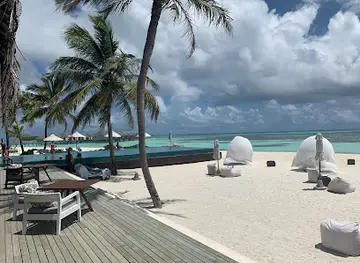
Laamu Atoll, a hidden gem in the Maldives, offers an unforgettable experience for those seeking tranquility and natural beauty. This atoll is renowned for its pristine white sandy beaches, crystal-clear turquoise waters, and lush tropical vegetation. It is an ideal location for relaxation, away from the hustle and bustle of everyday life. The marine life in Laamu Atoll is extraordinary, making it a paradise for snorkeling and diving enthusiasts. The vibrant coral reefs are home to a diverse range of sea creatures, from colorful fish to majestic manta rays and even sea turtles. Exploring these underwater wonders will leave you in awe of nature's splendor. Laamu Atoll is not just about beaches and marine life; it also offers cultural experiences. The local islands are inhabited by friendly communities who welcome visitors with open arms. You can explore the traditional way of life, taste local Maldivian cuisine, and witness age-old crafts being made. Visiting Laamu Atoll provides a perfect blend of relaxation, adventure, and cultural immersion.

Know before you go
Hi, I'm Eve. Here are a few practical things to know before exploring Laamu Atoll.
- Best time to visit is from November to April for ideal weather conditions.
- Pack reef-safe sunscreen to protect the coral reefs while enjoying water activities.
- Respect local customs and dress modestly when visiting inhabited islands.
- Book diving and snorkeling excursions in advance to secure your spot.
- Try local delicacies like mas huni (a traditional Maldivian breakfast) and fresh seafood.
Explore Laamu Atoll: Things to Do, Places to Eat, Hotels & More
Handpicked recommendations for top attractions, local dining, accommodations, and more

Top Attractions & Sightseeing in Laamu Atoll
Top-rated picks
Best Attractions

Six Senses Laamu
Discover the ultimate luxury escape at Six Senses Laamu, where pristine beaches meet eco-friendly luxury in the heart of the Maldives.

Waldorf Astoria Maldives Ithaafushi
Experience unparalleled luxury and tranquility at the Waldorf Astoria Maldives Ithaafushi, where breathtaking beauty meets world-class amenities.

Sea of Stars
Discover the magical Sea of Stars in Vaadhoo, Maldives, where glowing waters create a breathtaking spectacle under the night sky.

Kuda Giri
Discover the tranquil beauty of Kuda Giri, a picturesque picnic ground in the Maldives perfect for relaxation, family fun, and marine adventures.

Best landmarks in Laamu Atoll
Top-rated picks
Best Landmarks

Republic Square
Explore Republic Square, the serene city park in Malé, Maldives, filled with lush greenery and rich cultural significance.
Six Senses Laamu
Experience barefoot luxury in the Maldives at Six Senses Laamu, where sustainability meets pristine natural beauty and unforgettable experiences.
The St. Regis Maldives Vommuli Resort
Experience unparalleled luxury and natural beauty at The St. Regis Maldives Vommuli Resort, a secluded paradise in the Dhaalu Atoll.

Velassaru
Experience a luxurious Maldivian escape at Velassaru, where pristine beaches, crystal-clear waters, and world-class amenities await just minutes from Malé.

Best restaurants in Laamu Atoll
Top-rated picks
Best Restaurants

Flavour Restaurant
Experience exquisite dining at Flavour Restaurant in Male', where local flavors meet breathtaking views in a stylish atmosphere.

Subsix
Experience fine dining like never before at Subsix, the Maldives' exclusive underwater restaurant surrounded by vibrant marine life.
Senses
Experience culinary delights at Senses in Dhidhdhoo - where every meal is a celebration of flavor and culture.

Zest Restaurant
Savor exquisite flavors and breathtaking views at Zest Restaurant in Male', where every meal is a delightful culinary journey.

Best bars in Laamu Atoll
Top-rated picks
Best Bars
Six Senses Laamu
Experience the ultimate in luxury and sustainability at Six Senses Laamu, a breathtaking resort in the heart of the Maldives.

Rahaa Resort Maldives
Discover the ultimate tropical getaway at Rahaa Resort Maldives, where luxury meets nature in the stunning Laamu Atoll.

Blu, Niyama Private Islands Maldives
Discover luxurious dining with breathtaking views at Blu, Niyama Private Islands Maldives, where exquisite flavors meet paradise.

Vilu Restaurant & Bar
Discover the culinary excellence of Vilu Restaurant & Bar in the Maldives, where breathtaking views meet exquisite flavors.

Best nightclubs in Laamu Atoll
Top-rated picks
Best Nightclubs

Club Med Kani - Maldives
Experience luxury and adventure at Club Med Kani in the Maldives, where pristine beaches and world-class service await you.
Six Senses Laamu
Discover the luxury and tranquility of Six Senses Laamu, a paradise resort hotel in the stunning Laamu Atoll, Maldives.

W Maldives
Experience the epitome of luxury and adventure at W Maldives, a stunning hotel in the heart of the Indian Ocean.
Club Med Finolhu villas - Maldives
Discover the stunning beauty and luxury of Club Med Finolhu Villas in the Maldives, where relaxation meets adventure in a tropical paradise.

Best shops in Laamu Atoll
Top-rated picks
Best Shops
Six Senses Laamu
Experience the ultimate luxury at Six Senses Laamu, where stunning natural beauty meets world-class amenities in the heart of the Maldives.

PINPOINT
Explore PINPOINT in Hithadhoo for a unique shopping experience blending local culture with contemporary styles.

Hattrick Traders
Discover the vibrant shopping experience at Hattrick Traders in Fonadhoo, where local crafts meet international brands in a bustling atmosphere.

U & V Mart
Explore U & V Mart in Fonadhoo for an unforgettable shopping experience filled with local treasures and unique finds in the Maldives.

Explore Laamu Atoll on the Map
A handpicked selection of must-see spots in Laamu Atoll, mapped for you.
Laamu Atoll Essentials
-
Laamu Atoll is located in the southern part of the Maldives. The nearest international airport is Malé's Velana International Airport (MLE). From Malé, you can take a domestic flight to Kadhdhoo Airport (KDO) in Laamu Atoll. The flight takes approximately 45 minutes. Alternatively, you can take a speedboat from Malé to Laamu Atoll, which takes around 4-5 hours depending on the weather and sea conditions.
-
Within Laamu Atoll, transportation options include speedboats, dhonis (traditional Maldivian boats), and bicycles. Speedboats and dhonis are commonly used for inter-island travel and can be arranged through local resorts or guesthouses. Bicycles are a popular mode of transport on larger islands like Gan, offering a convenient way to explore. Taxis are available in some areas, but their availability may be limited.
-
The official currency of the Maldives is the Maldivian Rufiyaa (MVR). Credit cards are widely accepted in resorts, hotels, and larger restaurants. However, it is advisable to carry some cash for smaller purchases, local markets, and tipping. ATMs are available on larger islands, but it is best to withdraw sufficient cash before heading to remote areas.
-
Laamu Atoll is generally a safe destination for tourists. However, it is advisable to take standard precautions such as avoiding isolated areas at night and keeping your belongings secure. There are no specific high-crime areas targeting tourists, but always be vigilant and aware of your surroundings. It is also recommended to follow local advice and weather warnings, especially during the monsoon season.
-
In case of an emergency, dial 119 for police assistance, 102 for medical emergencies, and 118 for fire emergencies. The local police station and healthcare facilities are available on the larger islands such as Gan. It is recommended to have travel insurance that covers medical emergencies. For minor health issues, there are pharmacies where you can purchase over-the-counter medications.
-
Fashion: Do dress modestly, especially when visiting local islands and religious sites. Swimwear is acceptable on resort islands but should be covered up when in public areas. Religion: Do respect local customs and traditions. Always ask for permission before entering mosques. Public Transport: Do be respectful and follow local guidelines when using public transport. Don't expect Western standards of punctuality. Greetings: Do greet people with a smile and a 'hello'. A handshake is common, but avoid using the left hand. Eating & Drinking: Do try local dishes and accept food offerings graciously. Don't eat with your left hand, as it is considered impolite.
-
To experience Laamu Atoll like a local, visit the local markets where you can buy fresh seafood and traditional Maldivian products. Engage with the locals, who are often friendly and willing to share stories about their culture and way of life. Don't miss the opportunity to explore the beautiful coral reefs through snorkeling or diving. For a unique experience, consider staying in a guesthouse on a local island to get a closer look at everyday life in the Maldives.
When is the best time to visit Laamu Atoll?
History of Laamu Atoll
-
Laamu Atoll, historically known as Haddhunmathi, has been inhabited for centuries, with archaeological evidence pointing to early settlers dating back to the pre-Islamic period. The ancient mounds known as 'hawittas' found in the atoll are believed to be remnants of Buddhist stupas, indicating a thriving Buddhist community before the Maldives embraced Islam in the 12th century.
-
In the 12th century, the Maldives, including Laamu Atoll, underwent a significant transformation with the adoption of Islam. The arrival of the Moroccan scholar Abu al-Barakat Yusuf al-Barbari played a pivotal role in this conversion. The people of Laamu Atoll, like the rest of the Maldives, embraced Islam, which led to the construction of numerous mosques, some of which still stand today as historical monuments.
-
Laamu Atoll, like the rest of the Maldives, experienced periods of foreign influence and control. The Portuguese briefly occupied the Maldives in the 16th century, leaving a lasting impact on the local culture and architecture. However, it was the British who had a more prolonged presence, with the Maldives becoming a British protectorate in the 19th century. This period saw significant changes in the administrative and social structures of Laamu Atoll.
-
During World War II, the Maldives, including Laamu Atoll, gained strategic significance due to its location in the Indian Ocean. The British established a military base on Gan Island in Addu Atoll, not far from Laamu, to counter Japanese advances. Although Laamu Atoll itself was not directly involved in military operations, the war brought increased attention to the region and its geopolitical importance.
-
The Maldives gained independence from British rule in 1965, marking a new era for Laamu Atoll. The post-independence period saw efforts to modernize the atoll, with improvements in infrastructure, education, and healthcare. In recent years, Laamu Atoll has also developed as a notable tourist destination, with its pristine beaches and vibrant marine life attracting visitors from around the world.
-
Laamu Atoll is rich in cultural heritage, with traditional practices such as 'bodu beru' drumming, 'dhoni' boat building, and intricate lacquer work being integral to the local identity. The atoll's inhabitants take pride in preserving their unique customs and traditions, which are often showcased during festivals and cultural events, providing visitors with an authentic Maldivian experience.
Neighbouring Regions of Laamu Atoll
The closest regions to Laamu Atoll, if you have time for more than one.


Your all‑in‑one travel companion app
Explore expert travel guides, compare and book tours, experiences, hotels, and more—all from the palm of your hand. Download now for seamless trip planning wherever your wanderlust takes you.


Explore More of Maldives

Looking beyond Laamu Atoll? Discover Maldives for broader travel guides, local hot-spots, and regional highlights.
Explore MaldivesLaamu Atoll in Photos
Browse through our photo collection highlighting the charm and character of the destination.


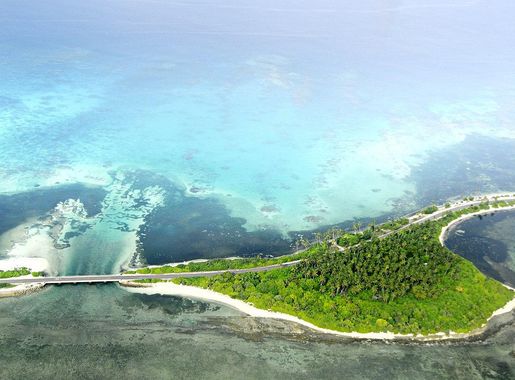


The Serene Beauty of Laamu Atoll
Laamu Atoll, a hidden gem in the Maldives, offers an unforgettable experience for those seeking tranquility and natural beauty. This atoll is renowned for its pristine white sandy beaches, crystal-clear turquoise waters, and lush tropical vegetation. It is an ideal location for relaxation, away from the hustle and bustle of everyday life. The marine life in Laamu Atoll is extraordinary, making it a paradise for snorkeling and diving enthusiasts. The vibrant coral reefs are home to a diverse range of sea creatures, from colorful fish to majestic manta rays and even sea turtles. Exploring these underwater wonders will leave you in awe of nature's splendor. Laamu Atoll is not just about beaches and marine life; it also offers cultural experiences. The local islands are inhabited by friendly communities who welcome visitors with open arms. You can explore the traditional way of life, taste local Maldivian cuisine, and witness age-old crafts being made. Visiting Laamu Atoll provides a perfect blend of relaxation, adventure, and cultural immersion.