

Maafushi Island Travel Guide - Free Web & App
Your ultimate guide to Maafushi Island. Discover top landmarks, proposed trips, and local tips. Free on the web or via the Evendo companion app.


Maafushi Island, Maldives, combines local island life, guesthouse stays, coral reefs, snorkelling, diving, sandbank trips and easy access from Malé.
Island Setting and Character
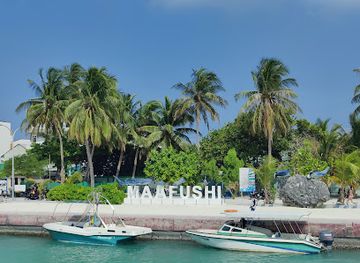
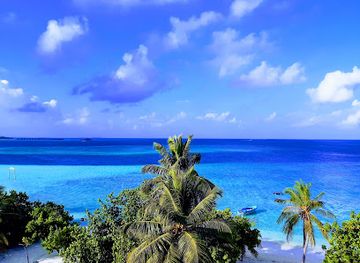
Maafushi is an inhabited local island in the Kaafu Atoll of the Maldives, positioned south of Malé in a lagoon landscape of shallow turquoise water, coral reefs and small reef islands. Unlike the country's private resort islands, Maafushi has a permanent Maldivian community, a working harbour, schools, mosques, cafés, shops and a growing collection of guesthouses. Its compact streets are easy to explore on foot, while the shoreline opens onto beaches, jetties and views across the atoll.Read more about Maafushi Island
Beaches, Reefs and the Lagoon
Local Culture and Visitor Life
When is the best time to visit Maafushi Island?
Best: January–March · 30–32°C| Month | High (°C) | Rainfall (mm) |
|---|---|---|
| January (best) | 30 | 90 |
| February (best) | 31 | 70 |
| March (best) | 32 | 70 |
| April | 32 | 80 |
| May | 33 | 130 |
| June | 33 | 130 |
| July | 32 | 160 |
| August | 32 | 180 |
| September | 32 | 200 |
| October | 32 | 190 |
| November | 31 | 160 |
| December | 30 | 110 |
Getting to and around Maafushi Island
How to get there
Transportation
Best attractions in Maafushi Island
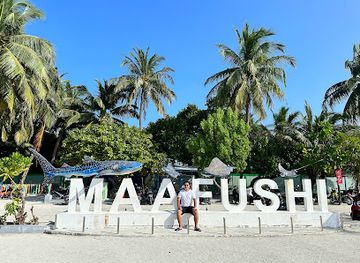
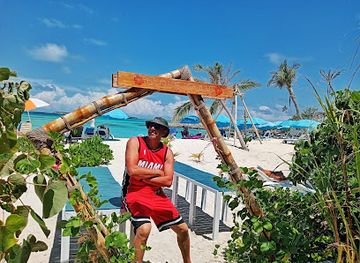
Maafushi's principal attractions are found along its shoreline and in the surrounding Kaafu Atoll lagoon. The designated bikini beach provides the island's main swimming and sunbathing area, while the harbour offers a glimpse of fishing boats, excursion craft and everyday local life. Offshore, coral reefs and sandbanks create opportunities for snorkelling, scuba diving and guided marine excursions, with conditions varying according to season, tide and visibility. Boat trips may also reach nearby uninhabited islands, reef sites and locations used for dolphin observation or night fishing. Within the settlement, the narrow lanes, mosque, cafés and residential neighbourhoods are less formal attractions but help visitors understand Maafushi as a living Maldivian community rather than a private resort. The island's compact scale makes walking straightforward, although the most significant natural experiences lie beyond the shoreline and require an organised boat trip or dive excursion.
-
Tourist attraction
Maafushi Beach
Discover the serene beauty of Maafushi Beach, a tropical paradise in the Maldives, perfect for relaxation and water adventures.
-
Tourist attraction
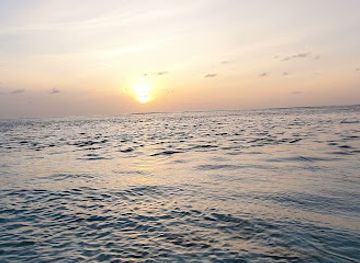
Maafushi Maldives sunset view point
Discover the enchanting Sunset View Point in Maafushi, Maldives, where stunning sunsets and serene landscapes create unforgettable memories.
-
Tourist attraction
Sunrise Beach
Discover the pristine sands and crystal-clear waters of Sunrise Beach in Maafushi, a tropical paradise perfect for relaxation and adventure.
Best landmarks in Maafushi Island
Maafushi's most defining landmarks are environmental and communal rather than monumental. The low coral island itself, its encircling reef and the shallow Kaafu Atoll lagoon establish the setting for everyday life and marine tourism. The harbour is an important working landmark, linking the island with Malé, neighbouring communities and excursion sites, while the local mosque reflects the religious character of the settlement. The designated bikini beach is a recognisable visitor shoreline, distinct from the more modestly used public areas. Beyond the island, reef channels, sandbanks and nearby uninhabited islands form the natural landmarks reached by boat. Unlike resort islands, Maafushi's significance lies in the close relationship between its residential community, harbour and surrounding sea rather than in a concentration of historic architecture or large monuments.
-
 Hotel
HotelKaani Palm Beach
Experience beachfront bliss at Kaani Palm Beach, Maafushi – where comfort meets stunning sea views and island adventures.
-
Restaurant
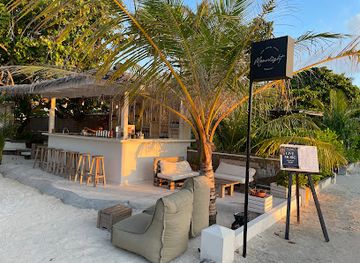
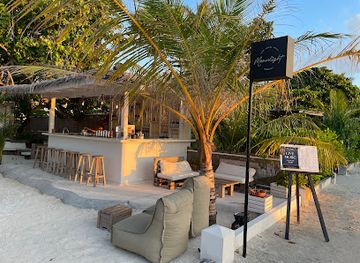
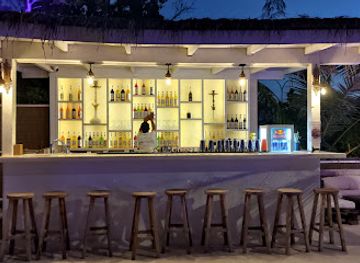
Moonlight - FOOD . DRINKS . SHISHA
Experience Moroccan flavors and island vibes at Moonlight, Maafushi. Enjoy diverse cuisine, refreshing drinks, and relaxing shisha by the beach.
-
Hotel
Crystal Sands
Experience the beauty of Maafushi at Crystal Sands: cozy rooms, stunning sea views, and easy access to island adventures.
-
Island
Maafushi
Discover the Maldives on a budget in Maafushi: local culture, pristine beaches, and thrilling water activities await!
Explore Maafushi Island on the map
Plan your trip on one map. See where the top attractions, landmarks, restaurants and hotels are, and book hotels and experiences in a few clicks.
Best hotels in Maafushi Island
Best restaurants in Maafushi Island
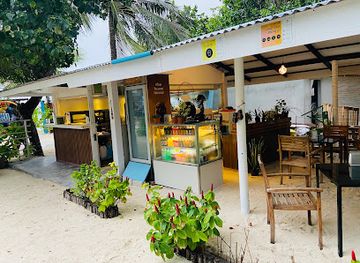
Maafushi's dining scene is centred on small local cafés, guesthouse restaurants and establishments serving visitors after days spent on the water. Maldivian food commonly features tuna and other fish, coconut, rice, chilli and curry spices, with dishes such as mas huni, garudhiya, fish curry and savoury hedhikaa available according to the kitchen and daily supply. International meals are also widely offered for travellers who want familiar food. Fresh seafood and simple rice-based meals reflect the island's maritime setting, while cafés provide tea, coffee, fruit drinks and light snacks. Dining options are concentrated within the inhabited settlement rather than spread across a resort-style beachfront, and menus, opening patterns and payment methods vary. Visitors staying on Maafushi can ask their guesthouse about local specialities, seafood preparation and suitable places for a quieter meal.
-
Restaurant
Mr.Octopus - Your holiday Chef
Discover authentic Maldivian cuisine at Mr.Octopus on Kaani Beach - a culinary gem where fresh seafood meets breathtaking ocean views.
-
Restaurant
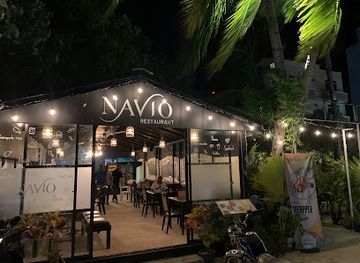
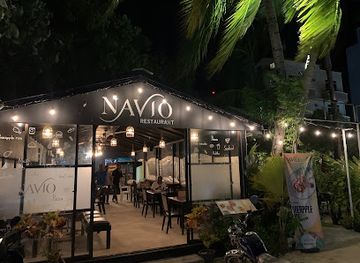
Navio restaurant
Experience unforgettable dining at Navio Restaurant in Maafushi - savor fresh seafood with stunning ocean views.
-
Restaurant
Moonlight - FOOD . DRINKS . SHISHA
Discover Moonlight - A captivating blend of food, drinks, and shisha in the heart of South Male Atoll's vibrant dining scene.
-
Restaurant
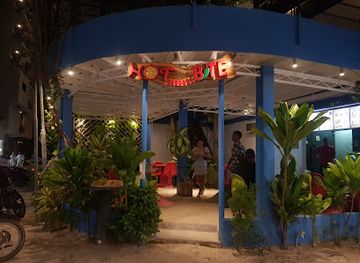
Hot Bite
Experience authentic Maldivian flavors at Hot Bite in Maafushi - where every meal tells a story.
Best bars in Maafushi Island
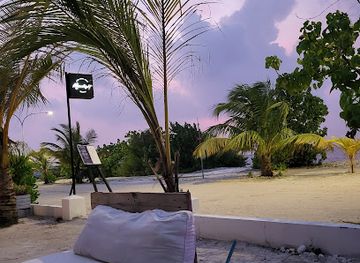
Maafushi does not have a conventional bar or nightclub scene because alcohol is prohibited on inhabited local islands in the Maldives. Evenings are generally low-key, with visitors gathering in cafés, walking near the harbour, sitting at guesthouse restaurants or joining organised night-fishing and sunset excursions where available. The island's atmosphere is shaped more by local community life, warm nights and the movement of boats than by loud entertainment venues. Some tourist boats or nearby private resort islands may provide alcohol-based experiences, but these are separate from Maafushi and subject to their own arrangements. Visitors should not bring alcohol ashore or expect resort-style nightlife in the residential streets, where modest behaviour and consideration for local customs remain important.
-
Restaurant
Mr.Octopus - Your holiday Chef
Discover the culinary wonders at Mr. Octopus, a top restaurant in Maafushi, serving fresh seafood and local delicacies in a stunning beachside setting.
-
Restaurant
Navio restaurant
Experience the best of Maldivian cuisine at Navio Restaurant, where breathtaking ocean views meet exquisite flavors in a tropical paradise.
-
Restaurant
Moonlight - FOOD . DRINKS . SHISHA
Discover Moonlight, the ultimate restaurant and lounge in Maafushi, Maldives, for delicious food, refreshing drinks, and a vibrant hookah experience.
-
Restaurant
Hot Bite
Experience the best of local and international cuisine at Hot Bite in Maafushi, where every meal is a delightful adventure for your taste buds.

Best nightclubs in Maafushi Island
Maafushi does not have a conventional bar or nightclub scene because alcohol is prohibited on inhabited local islands in the Maldives. Evenings are generally low-key, with visitors gathering in cafés, walking near the harbour, sitting at guesthouse restaurants or joining organised night-fishing and sunset excursions where available. The island's atmosphere is shaped more by local community life, warm nights and the movement of boats than by loud entertainment venues. Some tourist boats or nearby private resort islands may provide alcohol-based experiences, but these are separate from Maafushi and subject to their own arrangements. Visitors should not bring alcohol ashore or expect resort-style nightlife in the residential streets, where modest behaviour and consideration for local customs remain important.
-
Restaurant
Moonlight - FOOD . DRINKS . SHISHA
Experience the vibrant energy of Moonlight in Maafushi, Maldives, where exquisite food, drinks, and shisha create unforgettable moments by the ocean.
-
Diving center
Kaani Dive Club
Experience the thrill of diving in the Maldives at Kaani Dive Club, where adventure meets breathtaking underwater beauty.
-
Shopping mall
Maafushi island
Explore Maafushi Island: A vibrant Maldivian destination blending stunning beaches, rich culture, and unique shopping experiences.
-
Diving center
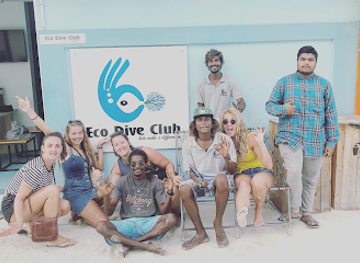
Eco Dive Club - Maafushi
Discover the underwater wonders of the Maldives at Eco Dive Club - Maafushi, where adventure meets expert guidance and vibrant marine life.

Best shops in Maafushi Island
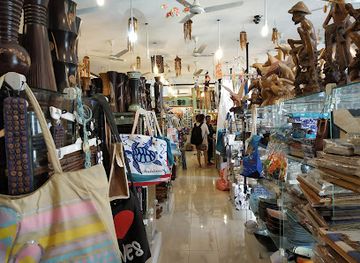
Shopping on Maafushi is modest and practical, with small island shops supplying snacks, drinks, toiletries, beach necessities and everyday goods. Visitors can also find souvenirs and locally themed items through guesthouses, tourist businesses and small retail outlets, although the island is not a major handicraft or fashion centre. Regional products may include Maldivian snacks, packaged food, postcards, clothing suitable for the tropics and simple gifts associated with the sea. More extensive retail choice is available in Malé, the country's main commercial centre, but travelling there solely for shopping requires a separate boat transfer. Visitors should support genuine local businesses, carry purchases responsibly and avoid buying coral, shells or other marine material that may have been removed from the reef or beach.
-
Diving center
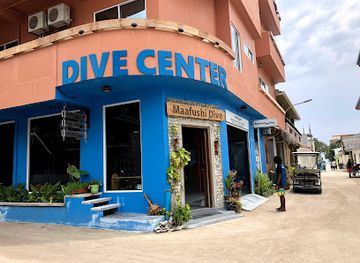
Maafushi Dive & Water Sports.
Discover the underwater wonders of the Maldives at Maafushi Dive & Water Sports, where adventure and beauty await in crystal-clear waters.
-
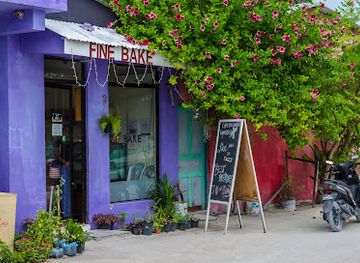
Bakery
Fine Bake By Suzy
Experience the warmth of Maafushi with delightful bakes at Fine Bake By Suzy, your go-to bakery for artisanal treats and local flavors.
-
Shopping mall
Maafushi island
Experience the beauty and culture of Maafushi Island, a vibrant gem in the Maldives perfect for every traveler.
-
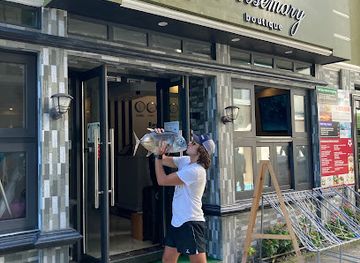
Hotel
Rosemary Boutique Hotel
Discover the serene beauty of Maafushi at Rosemary Boutique Hotel, where comfort meets Maldivian charm for an unforgettable stay.
Get your free copy of our complete guide to Maafushi Island, delivered straight to you.
Everything on this page, from attractions and restaurants to essentials and local phrases, in one PDF you can read offline, print or share.
Already have an account? Sign in
Your Maafushi Island guide is ready.
We'll send it to · Not you? Sign out

Getting your guide ready…
We are putting together a fresh copy of the Maafushi Island guide. This can take up to a minute.
This can take a few moments. If your browser asks, choose Allow so the download can start. You'll find the guide in your Downloads folder.
Nothing happened? Download it again
Sorry, the guide is taking longer than usual. Please try again in a minute, or get it by email instead.
Maafushi Island essentials
Currency and Payment
Safety
Emergency Situations
Do's and Don'ts
Local Tips
History of Maafushi Island
A Coral Island in Kaafu Atoll
Maafushi is a low-lying coral island formed within the reef and lagoon system of Kaafu Atoll. Its physical setting reflects the geological character of the Maldives, an archipelago built on coral formations rising from submarine volcanic foundations. The island's beaches, shallow lagoon and surrounding reefs are not simply scenic features; they have long shaped settlement, fishing, boat travel and access to neighbouring islands. As elsewhere in the Maldives, the narrow land area and exposure to ocean conditions have influenced how homes, roads, harbour facilities and shoreline spaces developed.
Traditional Island Community
Before the expansion of tourism, Maafushi functioned primarily as a local Maldivian island community, with livelihoods and daily life closely connected to fishing, seafaring, family networks and religious practice. The island's mosque, residential lanes, harbour activity and modest settlement pattern remain expressions of that continuing identity. Daily life is governed by the customs of a Muslim society, including expectations around dress, public behaviour and the use of alcohol. These traditions distinguish Maafushi from the country's private resort islands, whose tourism model historically separated visitors from inhabited communities.
From Resort Exclusivity to Guesthouse Tourism
For decades, international tourism in the Maldives was concentrated on specially developed resort islands. A change in national policy in 2009 allowed guesthouses to operate on inhabited islands, opening a new form of tourism in places such as Maafushi. Local households and businesses began adapting rooms, restaurants, boat services and excursions for visitors, while the island developed into one of the best-known bases for affordable travel in the central atolls. Tourism has brought employment and new commercial opportunities, but it has also increased pressure on limited land, freshwater, waste systems and coastal space.
The 2004 Tsunami and Modern Resilience
The Indian Ocean tsunami of 26 December 2004 affected communities across the Maldives, including low-lying islands in Kaafu Atoll. The disaster exposed the vulnerability of inhabited islands to extreme water events and influenced subsequent attention to rebuilding, coastal protection and infrastructure. Maafushi's later growth in guesthouses and marine tourism therefore belongs to a wider period of development and adaptation in the Maldives. Today, the island combines a permanent community with a visitor economy, while its future remains closely linked to responsible management of reefs, shorelines, water supplies and waste.
Maafushi Island in Photos
Browse through our photo collection highlighting the charm and character of the destination.
Cities in Maafushi Island
The towns and cities of Maafushi Island, and the easiest places to base yourself.

Swipe for more cities
Neighbouring destination travel guides
The closest destinations to Maafushi Island, if you have time for more than one.
-

-

-

-

-


Swipe for more destinations
Explore more

Explore more of Maldives
Experience the unparalleled beauty of the Maldives, where pristine beaches, luxurious resorts, and vibrant marine life create the perfect tropical getaway.
Explore Maldives