
Azawad, Mali Travel Guide
Discover Azawad: Explore the vast deserts, rich history, and vibrant culture of Mali's enchanting heartland.
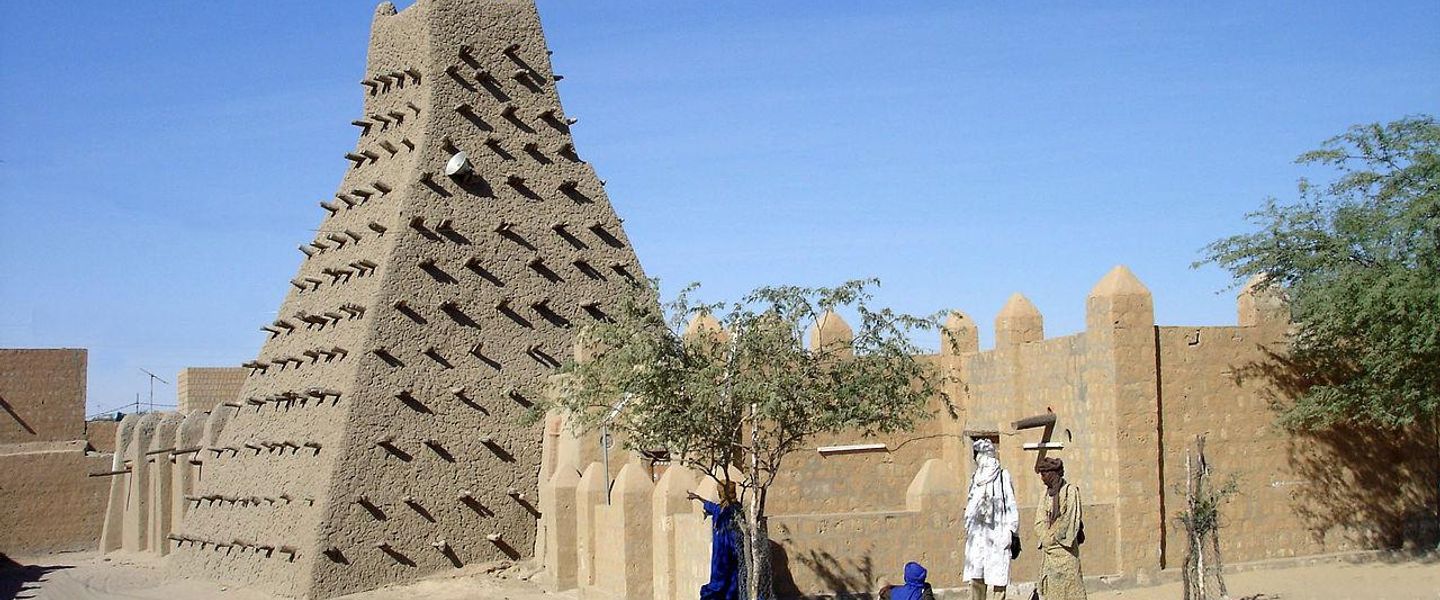
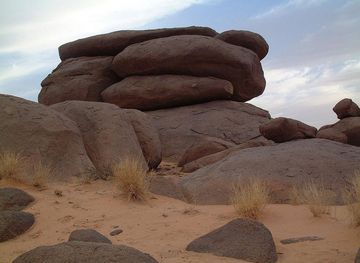
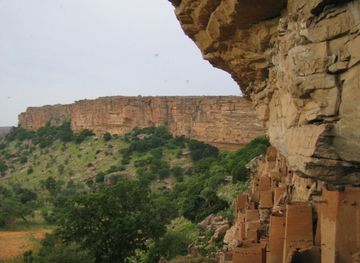
Azawad, located in the heart of Mali, is a land of vast desert landscapes, rich cultural heritage, and vibrant nomadic traditions. This region, which encompasses parts of the Sahara Desert, offers an unparalleled experience for those seeking adventure and a deep connection with nature. The beauty of Azawad lies in its stark, sweeping dunes and the ancient rock formations that rise from the sands. Visitors can explore the historic city of Timbuktu, a UNESCO World Heritage site, known for its ancient manuscripts and storied past as a center of learning and trade. The city of Gao, another highlight, boasts the impressive Tomb of Askia, a testament to the region's historical significance. Azawad is also home to the Tuareg people, whose culture and traditions add a unique and fascinating dimension to any visit. Travelers can experience traditional Tuareg music, cuisine, and crafts, gaining insight into the nomadic lifestyle that has thrived in this harsh environment for centuries. The annual Festival au Désert, held near Timbuktu, is a vibrant celebration of Tuareg culture, featuring music, dance, and traditional ceremonies. For those interested in natural wonders, Azawad offers opportunities to explore the Adrar des Ifoghas, a rugged mountain range with stunning rock art sites and diverse wildlife. The region's remote and untouched landscapes provide a sense of tranquility and solitude that is hard to find elsewhere. Whether you're trekking through the desert, visiting historic sites, or immersing yourself in local culture, Azawad promises an unforgettable journey into the heart of Mali.

Know before you go
Hi, I'm Eve. Here are a few practical things to know before exploring Azawad.
- Visit in the cooler months (November to February) to avoid extreme desert heat.
- Hire a local guide for a more insightful and safe exploration of the region.
- Attend the Festival au Désert to experience authentic Tuareg culture and music.
- Bring plenty of water, sun protection, and a high-quality camera for breathtaking desert photos.
- Respect local customs and traditions, especially when visiting Tuareg communities.
Top City Travel Guides in Azawad
The cities of Azawad, and the easiest places to base yourself.

Destinations in Azawad
Resorts, valleys and scenic spots worth a trip of their own.


Explore Azawad: Things to Do, Places to Eat, Hotels & More
Handpicked recommendations for top attractions, local dining, accommodations, and more

Top Attractions & Sightseeing in Azawad
Top-rated picks
Best Attractions

Mali National Park.
Discover the natural wonders and vibrant wildlife of Mali National Park, a stunning oasis near Bamako perfect for adventure and cultural exploration.
ZOO NATIONAL DU MALI
Discover the rich wildlife of Mali at Zoo National du Mali, a family-friendly attraction in Bamako showcasing diverse animal species in a picturesque setting.

Monument of Independence
Explore the Monument of Independence in Bamako, a symbol of Mali's rich history and cultural pride, where freedom finds its majestic expression.

Yacouba Guindo Mosque
Discover the cultural heart of Bamako at the Yacouba Guindo Mosque, a stunning architectural marvel and a peaceful oasis for reflection.

Best landmarks in Azawad
Top-rated picks
Best Landmarks

Stonehenge Mali / Gao
Discover Mali's ancient past at Stonehenge Mali in Gao, an archaeological site echoing prehistoric ceremonies and astronomical observations.

La Dune Rose
Discover La Dune Rose in Koïma, Mali: a breathtaking scenic spot with unique pink sands, perfect for serene escapes and stunning photography.

Ancien GARBAL de gao
Uncover Gao's ancient roots at Ancien GARBAL, where archaeological remains whisper stories of empires and royal grandeur.

Best restaurants in Azawad
Top-rated picks
Best Restaurants

N'ice Cream.
Discover the sweet delights at N'ice Cream in Bamako – where delicious ice cream meets diverse culinary treats!
Amandine by Sel & Miel
Discover the enchanting flavors of French pastries at Amandine by Sel & Miel in Bamako—a must-visit for dessert lovers.

Relax
Discover the rich flavors of Mali at Relax Restaurant in Bamako—where every meal is an experience steeped in tradition.

Bamako Kitchen
Experience authentic Malian cuisine at Bamako Kitchen – where every dish tells a story.

Best bars in Azawad
Top-rated picks
Best Bars

Bla Bla Bar
Experience the vibrant nightlife of Bamako at Bla Bla Bar, where refreshing drinks and lively ambiance create unforgettable memories.

Appaloosa
Discover a vibrant blend of local and international cuisine at Appaloosa, Bamako's premier restaurant for food lovers.

Le 365
Experience the rich flavors of Mali at Le 365, a premier restaurant in Bamako offering a unique blend of local and international cuisine.

After Bamako Resto & Lounge
Experience the vibrant nightlife of Bamako at After Bamako Resto & Lounge, where delicious cuisine meets a lively atmosphere.

Best nightclubs in Azawad
Top-rated picks
Best Nightclubs

Le Byblos
Discover the lively fusion of dining, dancing, and gaming at Le Byblos, the ultimate nightlife destination in Bamako.

Bla Bla Bar
Experience the vibrant nightlife at Bla Bla Bar in Bamako, where the drinks are cold, the music is lively, and the atmosphere is welcoming.

IBIZA CLUB
Discover the vibrant nightlife of Bamako at Ibiza Club, a premier destination for dance, music, and unforgettable experiences.

Barrahmoundi Bamako
Experience the electrifying nightlife at Barrahmoundi Bamako, where local culture meets vibrant entertainment in the heart of Mali's capital.

Best shops in Azawad
Top-rated picks
Best Shops

CHINA MALL HOLDING
Immerse yourself in the bustling shopping experience at China Mall Holding in Bamako, where local culture meets modern retail.

B&S Central Store
Experience the vibrant local culture at B&S Central Store, a treasure trove of unique goods and authentic Malian products in Gao.

BANBAT PX SHOP
Experience the vibrant culture of Gao at BANBAT PX SHOP, your go-to destination for unique local goods and authentic shopping.

Iba Design
Explore Iba Design in Bamako for unique, high-quality clothing that merges traditional Malian culture with modern fashion trends.

Explore Azawad on the Map
A handpicked selection of must-see spots in Azawad, mapped for you.
Azawad Essentials
-
Azawad, located in the northern part of Mali, can be accessed primarily through the city of Gao, which has an airport (Gao International Airport) that receives domestic flights from Bamako, the capital of Mali. International travelers will typically fly into Bamako's Modibo Keita International Airport and then take a domestic flight to Gao. Alternatively, you can reach Gao by road, but this is less recommended due to security concerns and the long travel time.
-
Within Azawad, transportation options are limited. The most common means of getting around are by 4x4 vehicles due to the harsh desert terrain. Local taxis are available in cities like Gao, but for longer trips, it is advisable to hire a private vehicle with a driver who is familiar with the area. There are also buses that connect major towns, but these can be infrequent and unreliable. For exploring remote areas, it is best to arrange transportation through local tour operators.
-
The official currency in Mali is the West African CFA Franc (XOF). Credit card acceptance is very limited in Azawad, so it is advisable to carry sufficient cash. ATMs are scarce and often unreliable, so ensure you withdraw enough money in Bamako or Gao before traveling to more remote areas. It's also wise to carry smaller denominations, as change can be hard to come by in rural areas.
-
Azawad has experienced political instability and conflict in recent years, and several areas are considered unsafe for tourists. It is crucial to stay updated on travel advisories issued by your government. Avoid traveling to regions known for high crime rates and insurgent activity, such as Kidal and Timbuktu. Always travel with a trusted guide, avoid nighttime travel, and keep a low profile. Register with your embassy upon arrival and inform them of your travel plans.
-
In case of an emergency, the emergency number for police and medical services in Mali is 17. However, response times can be slow in remote areas. It's recommended to have comprehensive travel insurance that includes medical evacuation. For medical emergencies, the main hospital in Gao is Centre de Santé de Référence. Carry a basic first aid kit and any necessary medications, as pharmacies are limited and may not carry all needed supplies.
-
Fashion: Do dress modestly, covering shoulders and knees, especially in rural areas and when visiting religious sites. Avoid wearing flashy jewelry or expensive accessories. Religion: Do respect Islamic customs, as the majority of the population is Muslim. Avoid public displays of affection and refrain from consuming alcohol in public places. Public Transport: Do be patient, as schedules can be unpredictable. Don’t expect Western standards of comfort or punctuality. Greetings: Do greet people with a handshake and a friendly smile. Use the right hand for eating and giving items, as the left hand is considered impolite. Eating & Drinking: Do try local dishes such as 'tô' and 'mafé'. Don’t refuse hospitality; it is considered rude. Always wash your hands before eating, as it is a common practice.
-
To experience Azawad like a local, visit the bustling markets in Gao where you can purchase traditional Tuareg crafts and jewelry. Engage with locals and show interest in their stories and traditions. Consider hiring a local guide to explore the stunning Adrar des Ifoghas mountains, which offer breathtaking landscapes and ancient rock art. Participating in a traditional tea ceremony is also a must-do, providing insight into the local culture and hospitality.
When is the best time to visit Azawad?
Useful Local Phrases for Azawad
You don't need to speak the language perfectly. Even learning a few simple words can make conversations warmer—and locals usually appreciate the effort.
— Eve

Here are the phrases I use most often in Azawad. Try a few—you'll be surprised how far they go! 😊
❤️
-
- HelloSannu
[sahn-noo] - GoodbyeSai
[sah-ee] - YesEh
[eh] - NoA'a
[ah-ah] - Please/You're welcomeDon Allah
[dohn ah-lah] - Thank youNagode
[nah-goh-deh] - Excuse me/SorryYi hakuri
[yee hah-koo-ree] - How are you?Lafiya?
[lah-fee-yah] - Fine. And you?Lafiya lau. Ke fa?
[lah-fee-yah lah-oo. keh fah?] - Do you speak English?Kana jin magana da turanci?
[kah-nah jeen mah-gah-nah dah too-rahn-chee?] - I don't understandBan gane ba
[bahn gah-neh bah]
- HelloSannu
-
- I'd like to see the menu, pleaseZan so ganin menu, don Allah
[zahn soh gah-neen meh-noo, dohn ah-lah] - I don't eat meatBan ci nama
[bahn chee nah-mah] - Cheers!Lafiya
[lah-fee-yah] - I would like to pay, pleaseZan so in biya, don Allah
[zahn soh een bee-yah, dohn ah-lah]
- I'd like to see the menu, pleaseZan so ganin menu, don Allah
-
- Help!Taimako!
[tie-mah-koh] - Go away!Tafi!
[tah-fee] - Call the Police!Kira 'yan sanda!
[kee-rah yah-n sahn-dah] - Call a doctor!Kira likita!
[kee-rah lee-kee-tah] - I'm lostNa bata hanya
[nah bah-tah hahn-yah] - I'm illIna jin ciwo
[ee-nah jeen chee-woh]
- Help!Taimako!
-
- I'd like to buy...Zan so sayan...
[zahn soh sah-yahn...] - I'm just lookingIna duba ne
[ee-nah doo-bah neh] - How much is it?Nawa ne?
[nah-wah neh?] - That's too expensiveWannan ya yi tsada
[wahn-nahn yah yee tsah-dah] - Can you lower the price?Za ka iya rage farashin?
[zah kah ee-yah rah-geh fah-rah-sheen?]
- I'd like to buy...Zan so sayan...
-
- What time is it?Wane lokaci ne?
[wah-neh loh-kah-chee neh?] - It's one o'clockKarfe daya
[kar-feh dah-yah] - Half past (10)Rabi (goma)
[rah-bee (goh-mah)] - MorningSafe
[sah-feh] - AfternoonYamma
[yah-mah] - EveningDare
[dah-reh] - YesterdayJiya
[jee-yah] - TodayYau
[yow] - TomorrowGobe
[goh-beh] - 1Daya
[dah-yah] - 2Biyu
[bee-yoo] - 3Ukku
[oo-koo] - 4Hudu
[hoo-doo] - 5Biyar
[bee-yahr] - 6Shida
[shee-dah] - 7Bakwai
[bah-kwah-ee] - 8Takwas
[tah-kwahs] - 9Tara
[tah-rah] - 10Goma
[goh-mah]
- What time is it?Wane lokaci ne?
-
- Where's a/the...?Ina ...?
[ee-nah ...?] - What's the address?Menene adireshin?
[meh-neh-neh ah-dee-reh-sheen?] - Can you show me (on the map)?Za ka iya nuna mini (a taswira)?
[zah kah ee-yah noo-nah mee-nee (ah tahs-weerah)?] - When's the next (bus)?Yaushe ne na gaba (bas)?
[yow-sheh neh nah gah-bah (bahs)?] - A ticket (to ....)Tikit (zuwa ....)
[tee-ket (zoo-wah ....)]
- Where's a/the...?Ina ...?
History of Azawad
-
The region of Azawad, located in northern Mali, has been inhabited since prehistoric times. Archaeological discoveries in the area have unearthed rock art and artifacts that indicate the presence of early human settlements. These ancient paintings depict scenes of daily life, hunting, and religious rituals, providing valuable insights into the region's early inhabitants and their way of life.
-
During the 13th and 14th centuries, the Azawad region was part of the Mali Empire, one of the wealthiest and most powerful empires in West African history. The Mali Empire, known for its rich culture and trade networks, extended its influence over Azawad, integrating it into a thriving economic and cultural hub. The city of Timbuktu, located on the southern edge of Azawad, became a renowned center of learning and trade during this period.
-
In the late 15th century, the Songhai Empire rose to prominence and extended its reach over the Azawad region. Under the leadership of rulers like Sunni Ali and Askia Muhammad, the Songhai Empire established control over key trade routes and cities, including Gao and Timbuktu. This era saw the flourishing of trade, scholarship, and cultural exchange, further enriching the region's historical tapestry.
-
The late 19th and early 20th centuries marked the colonization of Azawad by the French. Following a series of military campaigns, the French established control over the region, incorporating it into French West Africa. The colonial era introduced new administrative structures, economic policies, and infrastructure projects, which had lasting impacts on the social and cultural fabric of Azawad.
-
After Mali gained independence from France in 1960, the Azawad region experienced periods of political instability and conflict. The Tuareg people, a significant ethnic group in the region, sought greater autonomy and recognition of their cultural identity. Several uprisings and rebellions occurred over the decades, culminating in the declaration of independence by the National Movement for the Liberation of Azawad (MNLA) in 2012. Although the declaration was not internationally recognized, it highlighted the ongoing challenges and aspirations of the people in Azawad.
-
Azawad's rich cultural heritage is reflected in its diverse communities and traditions. The Tuareg, with their distinctive blue indigo garments and nomadic lifestyle, are central to the region's cultural identity. Music, poetry, and storytelling play a vital role in preserving and transmitting cultural knowledge. Traditional crafts such as leatherwork, metalwork, and weaving are also integral to the region's cultural expression, showcasing the artistic skills and creativity of its people.
Neighbouring Regions of Azawad
The closest regions to Azawad, if you have time for more than one.


Your all‑in‑one travel companion app
Explore expert travel guides, compare and book tours, experiences, hotels, and more—all from the palm of your hand. Download now for seamless trip planning wherever your wanderlust takes you.


Explore More of Mali

Looking beyond Azawad? Discover Mali for broader travel guides, local hot-spots, and regional highlights.
Explore MaliAzawad in Photos
Browse through our photo collection highlighting the charm and character of the destination.


Azawad: The Enchanting Desert Heart of Mali
Azawad, located in the heart of Mali, is a land of vast desert landscapes, rich cultural heritage, and vibrant nomadic traditions. This region, which encompasses parts of the Sahara Desert, offers an unparalleled experience for those seeking adventure and a deep connection with nature. The beauty of Azawad lies in its stark, sweeping dunes and the ancient rock formations that rise from the sands. Visitors can explore the historic city of Timbuktu, a UNESCO World Heritage site, known for its ancient manuscripts and storied past as a center of learning and trade. The city of Gao, another highlight, boasts the impressive Tomb of Askia, a testament to the region's historical significance. Azawad is also home to the Tuareg people, whose culture and traditions add a unique and fascinating dimension to any visit. Travelers can experience traditional Tuareg music, cuisine, and crafts, gaining insight into the nomadic lifestyle that has thrived in this harsh environment for centuries. The annual Festival au Désert, held near Timbuktu, is a vibrant celebration of Tuareg culture, featuring music, dance, and traditional ceremonies. For those interested in natural wonders, Azawad offers opportunities to explore the Adrar des Ifoghas, a rugged mountain range with stunning rock art sites and diverse wildlife. The region's remote and untouched landscapes provide a sense of tranquility and solitude that is hard to find elsewhere. Whether you're trekking through the desert, visiting historic sites, or immersing yourself in local culture, Azawad promises an unforgettable journey into the heart of Mali.