

Gao Region, Mali Travel Guide
Explore Gao Region: A blend of historical marvels, cultural richness, and breathtaking natural beauty along the Niger River in Mali.
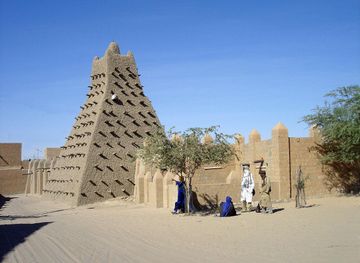
Nestled along the banks of the Niger River, the Gao Region in Mali offers an unparalleled glimpse into Africa's rich history and vibrant culture. Once the flourishing capital of the Songhai Empire, Gao is now a tranquil haven that charms tourists with its fascinating past and serene landscapes. Begin your journey in the city of Gao, where ancient monuments like the Tomb of Askia stand tall, a UNESCO World Heritage site that dates back to the 15th century. The pyramid-like structure is an architectural marvel and a testament to the region's Islamic heritage. The bustling local markets provide an authentic experience where you can find traditional crafts and savor local delicacies. Venture beyond the city to explore the natural beauty of the Sahel. The desert landscapes are dotted with picturesque oases and traditional nomadic camps. The Niger River adds a touch of life to the arid surroundings, making it a perfect spot for boat trips and bird watching. The region's diverse wildlife and unique flora offer endless opportunities for nature enthusiasts. The Gao Region is not just about history and nature; it is also a cultural hub. The annual Cure Salée festival, celebrated by the Tuareg people, is a vibrant display of traditional music, dance, and camel races. This event is a must-see, offering a deep dive into the local customs and traditions, making your visit to Gao truly unforgettable.

Know before you go
Hi, I'm Eve. Here are a few practical things to know before exploring Gao Region.
- Visit during the cooler months from November to February for a more comfortable experience.
- Hire a local guide to fully appreciate the historical significance of the region's landmarks.
- Carry cash, as ATMs are scarce and many places do not accept credit cards.
- Respect local customs and dress modestly, particularly when visiting religious sites.
- Stay hydrated and wear sun protection when exploring the desert landscapes.
Destinations in Gao Region
Resorts, valleys and scenic spots worth a trip of their own.

Explore Gao Region: Things to Do, Places to Eat, Hotels & More
Handpicked recommendations for top attractions, local dining, accommodations, and more

Top Attractions & Sightseeing in Gao Region


Best landmarks in Gao Region
Top-rated picks
Best Landmarks

Stonehenge Mali / Gao
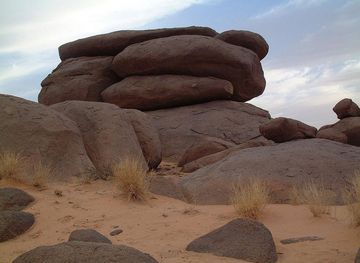
Discover the enigmatic Standing Stones of Tacharan near Gao, Mali, a mysterious monument offering a glimpse into the region's ancient past.

Ancien GARBAL de gao
Unearth the past at Ancien GARBAL de Gao, where echoes of ancient empires and trans-Saharan trade routes resonate through the sands of time.

Best restaurants in Gao Region
Top-rated picks
Best Restaurants

Restaurant Koundji Do A La Belle
Experience authentic Malian cuisine at Restaurant Koundji Do A La Belle, where flavors meet hospitality in Gao.

Bon Sejour
Experience authentic Malian cuisine at Bon Sejour in Gao - where local flavors meet warm hospitality.
Le crépuscule
Discover the flavors of Mali at Le crépuscule in Gao—where local traditions meet culinary excellence for an unforgettable dining experience.

Restaurant Paradis Zeina
Experience the rich flavors of Africa at Restaurant Paradis Zeina in Gao - where tradition meets taste.

Best bars in Gao Region
Top-rated picks
Best Bars

B Lounge Golf
Discover the vibrant atmosphere of B Lounge Golf in Bamako, a stylish lounge perfect for relaxation and socialization while enjoying drinks and local culture.

Bla Bla Bar
Discover the lively atmosphere of Bla Bla Bar in Bamako, where locals and travelers unite for drinks, music, and unforgettable nights.

Le Pub Bar
Experience the vibrant nightlife at Le Pub Bar in Bamako, where local culture meets refreshing drinks in a lively atmosphere.

Bélah Rotisserie
Discover the authentic taste of Mali at Bélah Rotisserie in Gao, where flavorful rotisserie chicken and local dishes await every traveler.

Best nightclubs in Gao Region
Top-rated picks
Best Nightclubs

Euro Camping Restaurant Bar
Experience the vibrant nightlife and local flavors at Euro Camping Restaurant Bar in Gao, a must-visit for every traveler seeking relaxation and fun.
Nightclub Tizimi
Discover the electrifying energy of Nightclub Tizimi, a must-visit disco club in Gao, perfect for an unforgettable night of dancing and local music.

Best shops in Gao Region
Top-rated picks
Best Shops

MAGIC Megastore
Explore the vibrant world of MAGIC Megastore in Bamako, where local craftsmanship meets unique shopping experiences.

B&S Central Store
Discover local treasures at B&S Central Store in Gao - a general store filled with essentials and unique souvenirs reflecting the vibrant culture of Mali.

BANBAT PX SHOP
Discover a vibrant selection of local products at BANBAT PX SHOP in Gao, where culture and community meet in a delightful shopping experience.

Quincaillerie Almouno
Experience the vibrant local culture at Quincaillerie Almouno, a shopping mall in Gao offering unique goods and a lively atmosphere.

Explore Gao Region on the Map
A handpicked selection of must-see spots in Gao Region, mapped for you.
Gao Region Essentials
-
Gao Region is located in eastern Mali. The nearest international airport is Gao International Airport (GAQ). Flights from Bamako, the capital city of Mali, are available and typically take around 2 hours. Overland travel from Bamako to Gao is also possible via buses or private vehicles, but the journey can take up to 15-20 hours depending on road conditions. It is advisable to check the security situation before traveling by road.
-
Within Gao Region, transportation options include taxis, motorbikes, and buses. Taxis are the most convenient for getting around Gao city. For exploring surrounding areas, renting a 4x4 vehicle is recommended due to the rough terrain. Public buses and minibuses (bush taxis) connect Gao city to nearby towns and villages, but schedules can be irregular.
-
The official currency in Mali is the West African CFA franc (XOF). Credit cards are rarely accepted, so it is crucial to carry sufficient cash. ATMs are available in Gao city but may not always be reliable, so it is advisable to withdraw enough cash in Bamako before traveling to Gao.
-
Gao Region has experienced security challenges, including occasional conflicts and terrorist activities. It is essential to stay informed about current security conditions and avoid travel to high-risk areas. Avoid walking alone at night and keep your belongings secure. Always follow local advice and guidelines.
-
In case of emergency, dial 17 for police assistance and 15 for medical emergencies. Gao has a regional hospital for medical services. It is highly recommended to have comprehensive travel insurance that covers medical emergencies and evacuation. For minor health issues, there are pharmacies in Gao city.
-
Fashion: Do dress modestly. Wear lightweight, long-sleeved clothing to respect local customs and protect against the sun. Avoid wearing flashy jewelry. Religion: Do respect Islamic practices. Remove shoes before entering mosques and dress conservatively. Public Transport: Do be patient and courteous. Public transport can be crowded and schedules irregular. Greetings: Do greet people with a handshake and a smile. Use the right hand, as the left hand is considered impolite. Eating & Drinking: Do try local dishes such as rice with fish (tô). Don’t eat or drink with your left hand, as it is considered unclean.
-
To experience Gao Region like a local, visit the local markets to buy fresh produce and traditional crafts. Engage with locals who are often friendly and willing to share stories about their culture and history. Don't miss exploring historical sites like the Tomb of Askia and the Gao Grand Mosque. For a unique experience, take a boat trip on the Niger River.
When is the best time to visit Gao Region?
Useful Local Phrases for Gao Region
You don't need to speak the language perfectly. Even learning a few simple words can make conversations warmer—and locals usually appreciate the effort.
— Eve

Here are the phrases I use most often in Gao Region. Try a few—you'll be surprised how far they go! 😊
❤️
-
- HelloN'na
[N'na] - GoodbyeFàba
[Fah-bah] - YesIye
[Ee-yeh] - NoAyi
[Ah-yee] - Please/You're welcomeSokoni
[Soh-koh-nee] - Thank youM'na
[M'nah] - Excuse me/SorrySama
[Sah-mah] - How are you?N'ko sô?
[N'koh soh?] - Fine. And you?N'ko djoro. Iye n'ko?
[N'koh jor-oh. Ee-yeh n'koh?] - Do you speak English?Iye n'ko wélen English?
[Ee-yeh n'koh weh-len English?] - I don't understandN'ko fô n'ka
[N'koh foh n'kah]
- HelloN'na
-
- I'd like to see the menu, pleaseN'ka fôkô menu, sokoni
[N'kah foh-koh menu, soh-koh-nee] - I don't eat meatN'ko fô n'na doss
[N'koh foh n'nah dos] - Cheers!Sukoro!
[Soo-koh-roh!] - I would like to pay, pleaseN'ka fôkô bô, sokoni
[N'kah foh-koh boh, soh-koh-nee]
- I'd like to see the menu, pleaseN'ka fôkô menu, sokoni
-
- Help!Yalo!
[Yah-loh!] - Go away!N'na kulu!
[N'na koo-loo!] - Call the Police!Fôka Police!
[Foh-kah Police!] - Call a doctor!Fôka dotor!
[Foh-kah doh-tor!] - I'm lostN'ko fôlô
[N'koh foh-loh] - I'm illN'ko fô n'ka
[N'koh foh n'kah]
- Help!Yalo!
-
- I'd like to buy...N'ka fôkô tî...
[N'kah foh-koh tee...] - I'm just lookingN'ko sôkan
[N'koh soh-kahn] - How much is it?Iye n'ko dî?
[Ee-yeh n'koh dee?] - That's too expensiveAyi kô yé kôkô
[Ah-yee koh yay koh-koh] - Can you lower the price?Iye n'ko kô dîgô?
[Ee-yeh n'koh koh dee-goh?]
- I'd like to buy...N'ka fôkô tî...
-
- What time is it?Iye n'ko tî n'na?
[Ee-yeh n'koh tee n'nah?] - It's one o'clockN'na tî kô
[N'nah tee koh] - Half past (10)Dîgô tî (10)
[Dee-goh tee (10)] - MorningN'kô
[N'koh] - AfternoonN'ko sô
[N'koh soh] - EveningN'ko tî
[N'koh tee] - YesterdayTî sô
[Tee soh] - TodayN'na tî
[N'nah tee] - TomorrowDîgô tî
[Dee-goh tee] - 1Kô
[Koh] - 2Bô
[Boh] - 3Tî
[Tee] - 4Dî
[Dee] - 5Sô
[Soh] - 6N'kê
[N'keh] - 7Sê
[Seh] - 8N'kô
[N'koh] - 9Tîgô
[Tee-goh] - 10Kôdî
[Koh-dee]
- What time is it?Iye n'ko tî n'na?
-
- Where's a/the...?Iye n'ko tî...?
[Ee-yeh n'koh tee...?] - What's the address?Iye n'ko tî n'na?
[Ee-yeh n'koh tee n'nah?] - Can you show me (on the map)?Iye n'ko kô fô m'ka?
[Ee-yeh n'koh koh foh m'kah?] - When's the next (bus)?Iye n'ko tî n'kô (bus)?
[Ee-yeh n'koh tee n'koh (bus)?] - A ticket (to ....)N'ka fôkô ticket (tî ...)
[N'kah foh-koh ticket (tee ...)]
- Where's a/the...?Iye n'ko tî...?
History of Gao Region
-
Gao, one of the oldest cities in West Africa, was founded around the 7th century. It began as a small trading post on the eastern bank of the Niger River and quickly grew in prominence due to its strategic location on trans-Saharan trade routes. Gao became a center of commerce, attracting traders from across Africa and beyond.
-
In the 9th century, Gao emerged as the capital of the Gao Empire. The empire controlled vast regions from the Niger River to the Sahara Desert. Under the reign of powerful rulers, such as Dia Kossoi, Gao became a major political and economic power. The city thrived on trade in gold, salt, and other commodities.
-
The Songhai Empire, one of the largest and most powerful empires in African history, took root in Gao in the 15th century. Under the rule of Sonni Ali and later Askia Muhammad, the empire expanded its territory extensively. Gao served as the political and cultural heart of the empire, with a flourishing economy based on trade and agriculture.
-
In 1591, the Moroccan forces led by Judar Pasha invaded Gao, marking the end of the Songhai Empire. The Battle of Tondibi resulted in the capture of Gao and the decline of its influence. Despite this, Gao remained a significant cultural center, continuing to attract scholars, traders, and artisans.
-
During the late 19th and early 20th centuries, Gao fell under French colonial rule. The colonial period brought about significant changes in the region’s administrative and economic structures. Gao played a role in the struggle for independence, which Mali achieved in 1960. The city has since evolved, balancing its rich history with modern development.
-
Gao is renowned for its rich cultural heritage. The Tomb of Askia, a UNESCO World Heritage Site, stands as a testament to the city’s historical significance. Traditional festivals, music, and dance continue to be integral aspects of life in Gao. The city’s markets, brimming with local crafts and goods, reflect the enduring spirit of its diverse communities.
Neighbouring Regions of Gao Region
The closest regions to Gao Region, if you have time for more than one.


Your all‑in‑one travel companion app
Explore expert travel guides, compare and book tours, experiences, hotels, and more—all from the palm of your hand. Download now for seamless trip planning wherever your wanderlust takes you.


Explore More of Mali

Looking beyond Gao Region? Discover Mali for broader travel guides, local hot-spots, and regional highlights.
Explore MaliGao Region in Photos
Browse through our photo collection highlighting the charm and character of the destination.


Discover the Mystique of Gao Region
Nestled along the banks of the Niger River, the Gao Region in Mali offers an unparalleled glimpse into Africa's rich history and vibrant culture. Once the flourishing capital of the Songhai Empire, Gao is now a tranquil haven that charms tourists with its fascinating past and serene landscapes. Begin your journey in the city of Gao, where ancient monuments like the Tomb of Askia stand tall, a UNESCO World Heritage site that dates back to the 15th century. The pyramid-like structure is an architectural marvel and a testament to the region's Islamic heritage. The bustling local markets provide an authentic experience where you can find traditional crafts and savor local delicacies. Venture beyond the city to explore the natural beauty of the Sahel. The desert landscapes are dotted with picturesque oases and traditional nomadic camps. The Niger River adds a touch of life to the arid surroundings, making it a perfect spot for boat trips and bird watching. The region's diverse wildlife and unique flora offer endless opportunities for nature enthusiasts. The Gao Region is not just about history and nature; it is also a cultural hub. The annual Cure Salée festival, celebrated by the Tuareg people, is a vibrant display of traditional music, dance, and camel races. This event is a must-see, offering a deep dive into the local customs and traditions, making your visit to Gao truly unforgettable.