

Free Kidal Region Travel Guide & Mobile App
Explore Kidal Region with free travel guides. Discover regional history, expert tips, proposed trips, and audio guides on web or mobile app.


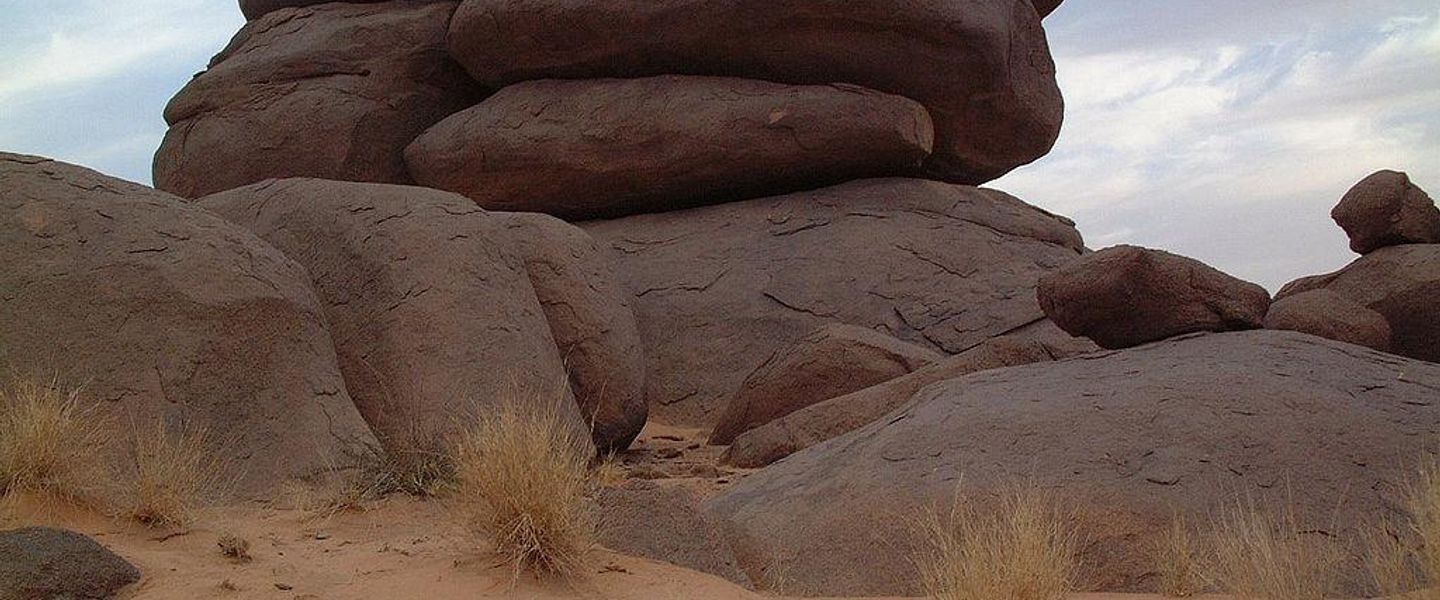


Kidal Region reveals Mali's remote Sahara, Tuareg cultural heritage and ancient caravan landscapes, but severe security risks currently make travel inadvisable.
Read more about Kidal Region
When is the best time to visit Kidal Region?
Best: November–January · 28–31°C| Month | High (°C) | Rainfall (mm) |
|---|---|---|
| January (best) | 28 | 0 |
| February | 32 | 0 |
| March | 37 | 0 |
| April | 41 | 0 |
| May | 43 | 0 |
| June | 46 | 1 |
| July | 43 | 20 |
| August | 41 | 30 |
| September | 38 | 10 |
| October | 35 | 1 |
| November (best) | 31 | 0 |
| December (best) | 28 | 0 |
Getting to and around Kidal Region
How to get there
Transportation
Destinations in Kidal Region
Resorts, valleys and scenic spots worth a trip of their own.

Swipe for more destinations
Best attractions in Kidal Region
-
Tourist attraction
Museum of the Sahel
Discover the rich heritage of the Sahel at the Museum of the Sahel in Gao, a cultural gem showcasing the region's art and history.
-
 Park
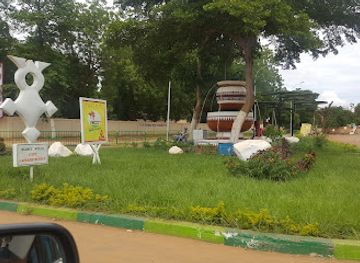
ParkTAGANNA Plage
Experience the tranquil beauty of TAGANNA Plage, a peaceful park in Gao, Mali, ideal for relaxation and nature lovers.
-
Cemetery
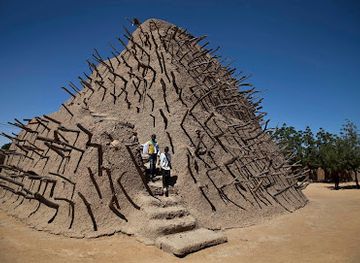
Tomb of Askia, Gao, Mali
Explore the Tomb of Askia, a UNESCO World Heritage Site in Gao, Mali, showcasing the grandeur of the Songhai Empire's architectural legacy.
Best landmarks in Kidal Region
The most significant landmarks of Kidal Region are tied to desert geography and long-distance history. The mountain landscapes of the Adrar des Ifoghas serve as the defining natural landmark, with ridges, stone valleys and isolated plateaux associated with Kel Adagh pastoral territory and the history of northern rebellions. The archaeological area near Essouk, linked to medieval Tadmekka, is the region's most important historic reference point: its remains illuminate the urban, commercial and Islamic networks that crossed the Sahara. Kidal itself is a landmark of modern northern Mali's political history, its name recurring in discussions of Tuareg identity, rebellion, peace agreements and contested state authority. The settlements of Aguelhoc and Tessalit are also historically prominent, although their military sensitivity and present insecurity make them unsuitable for unplanned visits. Wells, caravan corridors and rock-art locations are meaningful elements of the cultural landscape, but their preservation and safety require specialist handling. None of these places should be treated as ordinary sightseeing stops while conflict and access restrictions continue.
-
Military archive
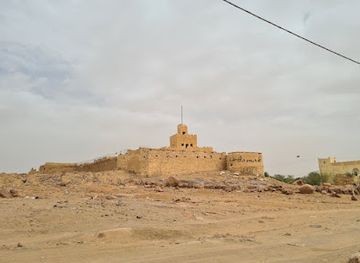
Fort de Kidal
Explore Fort de Kidal, a military archive in Mali, unveiling the region's rich military history and strategic significance.
-
Historical landmark
Ancient City
Explore Mali's historical heartland: Discover the echoes of ancient empires in this intriguing landmark.
Explore Kidal Region on the map
Plan your trip on one map. See where the top cities, national parks and sights are, and book hotels and experiences in a few clicks.
Best hotels in Kidal Region
Best restaurants in Kidal Region
Kidal Region does not have a dependable restaurant scene for international visitors. In Kidal and other settlements, food provision is shaped by local households, small informal eateries and supplies brought along difficult desert routes, while conflict and shortages can interrupt availability. Traditional foodways reflect Tuareg and wider Sahelian practices, including millet and other grains, rice, pulses, tea and meals based on available livestock products; recipes and customs vary between communities and should not be reduced to a single regional menu. Sweet tea is an important social beverage across much of the western Sahara, but hospitality should be accepted respectfully rather than treated as a staged tourist performance. Visitors operating under exceptional official or professional arrangements would need to carry appropriate food, water and cooking supplies, observe local dietary customs and make no assumption that refrigeration, bottled water or reliable cafés exist. Bamako and other southern Malian cities offer a far broader choice of restaurants, but they are outside Kidal Region and do not represent its everyday food environment.
-
Restaurant
Ecolog Restaurant, MINUSMA, Kidal
Discover the culinary delights of Kidal at Ecolog Restaurant, where local flavors meet international cuisine in a welcoming atmosphere.
Best bars in Kidal Region
Kidal Region has no established nightlife infrastructure intended for international tourism. Evening social life is more likely to centre on households, tea gatherings, community relationships and occasional cultural performance than on bars or nightclubs. Mali is predominantly Muslim, and public alcohol consumption should never be assumed to be locally appropriate; in a conflict-affected region, discreet and respectful conduct is especially important. Security restrictions, curfews, power interruptions and the danger of travelling after dark make movement at night hazardous, while music or photography around gatherings would require permission. Any cultural performance, festival or community event would need current local confirmation and careful security assessment, since older descriptions may no longer be relevant. Visitors seeking restaurants, live music or nightlife should look to safer urban destinations elsewhere in Mali rather than expecting commercial evening entertainment in Kidal Region.
-
Bar
Bla Bla Bar
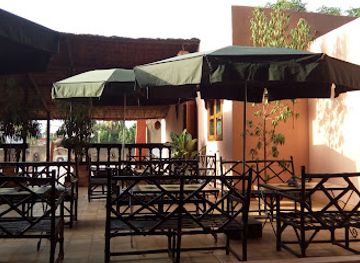
Bla Bla Bar in Bamako: Dive into a lively atmosphere with refreshing drinks, local flavors, and a taste of vibrant Malian nightlife.
-
Restaurant
Izba bar
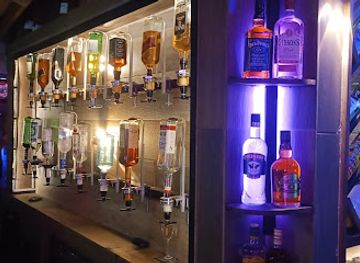
Discover the vibrant ambiance and delicious cuisine of Izba Bar in Bamako, a must-visit for tourists seeking local culture and nightlife.
-
Bar
Kings&quenns
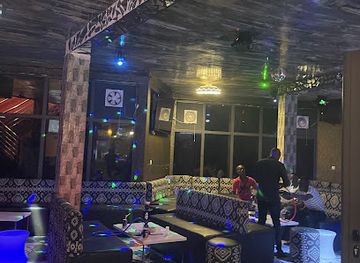
Experience the vibrant nightlife of Bamako at Kings&quenns, where delicious local cuisine meets refreshing drinks in a lively atmosphere.
-
Bar
Le Pub Bar
Le Pub Bar in Bamako: your go-to destination for lively conversations, refreshing drinks, and a taste of local culture.
Best nightclubs in Kidal Region
-
Disco club
Nightclub Tizimi
Discover the energetic nightlife of Gao at Nightclub Tizimi, where music and dance create unforgettable experiences in a vibrant setting.
Best shops in Kidal Region
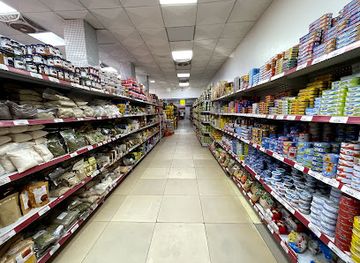
Kidal Region has no reliable tourist shopping infrastructure, and purchasing opportunities can be disrupted by insecurity, supply problems and movement restrictions. Local exchange traditionally includes livestock, foodstuffs, clothing, leatherwork, metalwork and other goods connected with pastoral and Saharan life, while Tuareg artistic traditions may include jewellery, carved objects, textiles and decorative work. Visitors should be cautious about assuming that an item is locally made, ethically sourced or legally permitted for export, particularly where archaeological material or old metal objects are offered. Never buy artefacts, coins, fossils, weapons or objects that may have been removed from archaeological sites. Contemporary craft purchases, if ever made under authorised conditions, should be arranged through trusted community-based or established cultural channels, with fair payment and respect for makers' ownership and designs. Bamako has broader markets and craft outlets, but shopping there is outside the region and should not be confused with Kidal's limited and disrupted local commerce.
-
Grocery store
Shopreate Libre Service
Explore the vibrant flavors of Bamako at Shopreate Libre Service, your go-to grocery store for fresh produce, baked goods, and local specialties in Mali.
-
Shopping mall
CHINA MALL HOLDING
Discover the vibrant shopping experience at China Mall Holding in Bamako, where local culture meets modern retail in a unique setting.
-
Stores and shopping
Marché
Explore the bustling Marché of Kidal for a taste of local culture, unique handicrafts, and authentic flavors that define this vibrant marketplace.
-
Supermarket
Mini shop Mali
Discover authentic Malian cuisine and local products at Mini Shop Mali, a vibrant supermarket in Bamako offering a taste of West Africa.


Get your free copy of our complete guide to Kidal Region, delivered straight to you.
Everything on this page, from attractions and restaurants to essentials and local phrases, in one PDF you can read offline, print or share.
Already have an account? Sign in
Your Kidal Region guide is ready.
We'll send it to · Not you? Sign out

Getting your guide ready…
We are putting together a fresh copy of the Kidal Region guide. This can take up to a minute.
This can take a few moments. If your browser asks, choose Allow so the download can start. You'll find the guide in your Downloads folder.
Nothing happened? Download it again
Sorry, the guide is taking longer than usual. Please try again in a minute, or get it by email instead.
Kidal Region essentials
Currency and Payment
Safety
Emergency Situations
Do's and Don'ts
Local Tips
From Eve
Local phrases worth knowing
You don't need to get them perfect. A few words go a long way, and locals appreciate the effort.
Basics
| English | Local | Say it |
|---|---|---|
| Hello | Saŋa | [sah-ngah] |
| Goodbye | Ahe | [ah-heh] |
| Yes | Eey | [ay] |
| No | Ala | [ah-lah] |
| Please/You're welcome | Fala | [fah-lah] |
| Thank you | Tanak | [tah-nahk] |
| Excuse me/Sorry | Mali | [mah-lee] |
| How are you? | Nanga def? | [nahn-gah dehf] |
| Fine. And you? | Ndi, na nga def? | [n-dee nah ngah dehf] |
| Do you speak English? | I ni maŋa English? | [ee nee mahn-gah English] |
| I don't understand | Naga maŋa | [nah-gah mahn-gah] |
Eating & Drinking
| English | Local | Say it |
|---|---|---|
| I'd like to see the menu, please | Nanga fanga menu, fala | [nah-ngah fan-gah meh-noo, fah-lah] |
| I don't eat meat | Naga maŋa nyam | [nah-gah mahn-gah nyahm] |
| Cheers! | Sada! | [sah-dah] |
| I would like to pay, please | Nanga fanga na, fala | [nah-ngah fan-gah nah, fah-lah] |
Emergencies
| English | Local | Say it |
|---|---|---|
| Help! | Sigi! | [see-gee] |
| Go away! | Ahe wa! | [ah-heh wah] |
| Call the Police! | Sigi jena! | [see-gee jeh-nah] |
| Call a doctor! | Sigi doktari! | [see-gee doh-k-tah-ree] |
| I'm lost | Naga fanga | [nah-gah fan-gah] |
| I'm ill | Naga kanu | [nah-gah kah-noo] |
Shopping
| English | Local | Say it |
|---|---|---|
| I'd like to buy... | Nanga fanga jara... | [nah-ngah fan-gah jah-rah] |
| I'm just looking | Naga kadi wa | [nah-gah kah-dee wah] |
| How much is it? | Naga kadi sa? | [nah-gah kah-dee sah] |
| That's too expensive | Ala sago | [ah-lah sah-goh] |
| Can you lower the price? | I ni maŋa sago? | [ee nee mahn-gah sah-goh] |
Time & Numbers
| English | Local | Say it |
|---|---|---|
| What time is it? | Ala kadi sa? | [ah-lah kah-dee sah] |
| It's one o'clock | Sa kadi to | [sah kah-dee toh] |
| Half past (10) | Finyan kadi (10) | [fin-yahn kah-dee (ten)] |
| Morning | Fiyu | [fee-yoo] |
| Afternoon | Fiyu jena | [fee-yoo jeh-nah] |
| Evening | Fiyu kanu | [fee-yoo kah-noo] |
| Yesterday | Naga na | [nah-gah nah] |
| Today | Naga kadi | [nah-gah kah-dee] |
| Tomorrow | Naga fiyu | [nah-gah fee-yoo] |
| 1 | Kou | [koh] |
| 2 | Sani | [sah-nee] |
| 3 | Tati | [tah-tee] |
| 4 | Nani | [nah-nee] |
| 5 | Jowi | [joh-wee] |
| 6 | Joi | [joh-ee] |
| 7 | Walu | [wah-loo] |
| 8 | Woni | [woh-nee] |
| 9 | Tasi | [tah-see] |
| 10 | Kati | [kah-tee] |
Transport & Directions
| English | Local | Say it |
|---|---|---|
| Where's a/the...? | Ala i na...? | [ah-lah ee nah] |
| What's the address? | Ala kadi jena? | [ah-lah kah-dee jeh-nah] |
| Can you show me (on the map)? | I ni maŋa kadi (n'ye)? | [ee nee mahn-gah kah-dee n'ye] |
| When's the next (bus)? | Ala kadi sa (bus)? | [ah-lah kah-dee sah bus] |
| A ticket (to ....) | Kadi jena (to ...) | [kah-dee jeh-nah to] |
History of Kidal Region
Early Saharan settlement and rock art
The mountains and desert margins of the Kidal area preserve evidence of long human occupation, including rock art and archaeological remains associated with periods when the Sahara was wetter than it is today. Pastoral communities used changing combinations of wells, seasonal grazing and mountain shelter, creating a landscape in which movement was central to survival. Much archaeological work remains difficult because of the region's remoteness, insecurity and the risk of illicit excavation. These early traces nevertheless demonstrate that the region's history began long before the formation of modern states or the arrival of European powers.
Tadmekka and medieval trans-Saharan trade
The settlement identified with Tadmekka, near modern Essouk, became an important centre on medieval trans-Saharan trade routes. Written sources describe a Muslim polity and trading community connected to the exchange of gold, salt and other goods between West Africa and North Africa. Archaeological research has found evidence of urban life, craft production and Islamic practice, including locally produced coinage. Tadmekka's history shows that the central Sahara was not an empty barrier but a zone of commercial, religious and intellectual exchange linking different regions of Africa.
Tuareg confederations and Kel Adagh society
For centuries, Tuareg communities organised life across the Adrar des Ifoghas and surrounding desert through confederations, pastoral mobility, trade and control of wells and routes. The Kel Adagh became particularly associated with the mountain country around Kidal. Social structures, oral poetry, distinctive clothing, music and Tifinagh writing formed part of a cultural world that extended across present-day Mali, Algeria, Niger and Libya. These political and cultural relationships predated modern borders, which later divided communities and reshaped access to land and movement.
French conquest and colonial administration
French expansion into the northern territories of present-day Mali during the late nineteenth and early twentieth centuries brought military campaigns, negotiated submission and armed resistance. Colonial administration attempted to control caravan routes, taxation, wells and pastoral populations, while the territory was incorporated into French West Africa. The colonial boundary system divided wider Tuareg cultural regions between several territories. Roads and administrative posts altered older patterns of authority without eliminating them, leaving a complicated legacy in later relations between northern communities and the government based farther south.
Independence and the first northern rebellion
Mali became independent in 1960, but the new republic faced difficult relationships with its sparsely populated northern territories. The first major Tuareg rebellion began in the early 1960s and was suppressed by the state. Heavy military control and policies that did not adequately reflect pastoral mobility deepened resentment in parts of the north. Droughts in the 1970s and 1980s caused major livelihood crises, displacement and migration, adding economic and environmental pressures to longstanding political grievances.
The 1990s and later agreements
A new rebellion began in 1990 and spread across northern Mali before negotiations produced agreements in the 1990s. Measures included provisions for greater northern participation, development and the integration or demobilisation of some combatants, but implementation was uneven. Further unrest followed in the 2000s and early 2010s. Kidal became a focal point in national debates over decentralisation, military presence, autonomy, pastoral rights and the relationship between Tuareg-led movements and the Malian state.
The 2012 crisis and international intervention
In 2012, a Tuareg-led rebellion, the collapse of Libyan security structures and the presence of jihadist organisations combined to produce a major crisis in northern Mali. Armed groups took control of Kidal and other northern areas before French-led military intervention in 2013, supported by regional and international forces, pushed back jihadist territorial control. The conflict did not end, however, and attacks, political disputes and insecurity continued. International peacekeeping and mediation efforts operated in a region where authority often remained contested.
Renewed conflict and the 2023 change of control
The security and political situation deteriorated again after the departure of international forces and the collapse of a major peacekeeping mission. In late 2023, Malian government forces and allied Russian personnel retook Kidal from the Tuareg-led Permanent Strategic Framework for the Defence of the People of Azawad. The change of control was followed by continuing tensions and reports of fighting in the wider north. The region remains politically contested and highly dangerous, making historical or cultural significance inseparable from present security realities.
Kidal Region in Photos
Browse through our photo collection highlighting the charm and character of the destination.
Neighbouring regions of Kidal Region
The closest regions to Kidal Region, if you have time for more than one.
-

-

-

-

-


Swipe for more regions
Explore more

Explore more of Mali
Discover Mali: A blend of ancient history, vibrant cultures, and breathtaking landscapes awaits you in this West African gem.
Explore Mali