

Free Qawra Travel Guide & Mobile App
Plan your Qawra trip with Evendo. Get free guides to top attractions, restaurants, hotels, and bars. Web access or download the mobile app.


Qawra, Malta blends rocky coastlines, seaside promenades, diving, nightlife and easy access to the island’s historic sights and bays by sea.
Coastal Character
Qawra occupies a rocky peninsula on Malta’s north-eastern coast, forming part of the wider St Paul’s Bay urban area alongside Bugibba. Its identity is shaped by the sea: a broad promenade follows the shoreline past limestone platforms, bathing ladders, small inlets and viewpoints, while the open Mediterranean gives the neighbourhood a spacious horizon. Qawra Point, the peninsula’s northern tip, is a popular place for swimming, snorkelling and watching the changing light over the islands.Read more about Qawra
From Watchtower to Resort
Seafront Life
When is the best time to visit Qawra?
Best: April–June · 21–29°C| Month | High (°C) | Rainfall (mm) |
|---|---|---|
| January | 17 | 93 |
| February | 17 | 66 |
| March | 18 | 35 |
| April (best) | 21 | 14 |
| May (best) | 24 | 6 |
| June (best) | 29 | 0 |
| July | 33 | 0 |
| August | 34 | 5 |
| September | 31 | 49 |
| October | 27 | 105 |
| November | 22 | 142 |
| December | 18 | 129 |
Getting to and around Qawra
How to get there
Transportation
Best attractions in Qawra
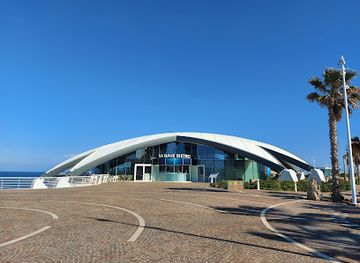
Qawra’s attractions are concentrated along the coast and in the neighbouring parts of St Paul’s Bay. The Malta National Aquarium presents Mediterranean marine life and underwater habitats in a family-friendly setting, with the seafront location adding a natural connection to the sea beyond its galleries. Qawra Point is the peninsula’s most recognisable outdoor area, offering open views, rocky bathing places and opportunities for snorkelling when conditions are suitable. Qawra Tower, a seventeenth-century coastal watchtower, provides historical depth amid the modern resort development. The promenade continues towards Bugibba, where boat trips and swimming areas extend the range of activities. Inland and eastwards, Salina Nature Reserve introduces salt pans, bird habitat and a quieter coastal landscape, while nearby Kennedy Grove provides trees and open space. Together these places show Qawra through marine recreation, military history and the environmental character of Malta’s north-east shore.
-
Theme park
Popeye Village
Experience the magic of childhood at Popeye Village in Mellieħa, Malta, where adventure and nostalgia meet in a stunning coastal setting.
21 min drive · 7.1 km from city centre
-
Aquarium
Malta National Aquarium
Experience the beauty of marine life at the Malta National Aquarium, a top tourist attraction in St. Paul's Bay, Malta.
8 min walk · 0.6 km from city centre
-
Beach
Golden Bay
Experience the stunning Golden Bay in Mellieħa, Malta - a perfect blend of relaxation, adventure, and breathtaking sunsets.
21 min drive · 7.1 km from city centre
-
Catholic church
Mosta Rotunda
Explore Mosta Rotunda, Malta's architectural gem, renowned for its stunning dome and rich history, a must-see for every traveler.
15 min drive · 4.9 km from city centre


Best landmarks in Qawra
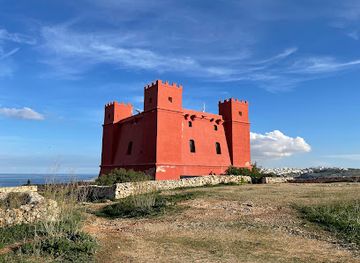
Qawra Tower is the locality’s defining historic landmark, a coastal watchtower built during the rule of the Knights of St John in the seventeenth century as part of Malta’s system of maritime surveillance. Its square, fortified form contrasts with the modern hotels and apartments surrounding it. At the northern end of the peninsula, Qawra Point is a natural landmark as much as a recreational one, marking the meeting of rocky shore, open sea and the approaches to St Paul’s Bay. The Malta National Aquarium has become a contemporary civic and educational landmark, its design and marine displays reflecting Qawra’s relationship with the Mediterranean. Nearby Salina Bay and its salt pans represent a working coastal landscape rather than a single monumental building, preserving evidence of salt production and the area’s older economic life. Together these landmarks chart Qawra’s passage from defended coastline to modern seaside district.
-
Aquarium
Malta National Aquarium
Discover the vibrant marine life and conservation efforts at the Malta National Aquarium in St. Paul's Bay, a captivating destination for all ages.
8 min walk · 0.6 km from city centre
-
Archaeological museum
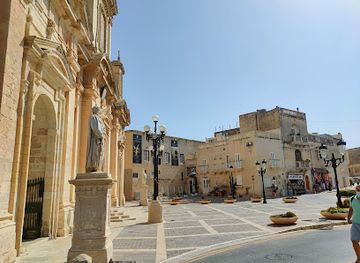
St Paul’s Catacombs
Discover the ancient burial practices and rich history at St. Paul's Catacombs, an archaeological gem in Rabat, Malta.
25 min drive · 8.4 km from city centre
-
Historical landmark
The Red Tower
Discover the historical allure of The Red Tower, a 17th-century landmark offering breathtaking views of Malta's coastline and rich heritage.
22 min drive · 7.3 km from city centre
-
Hotel
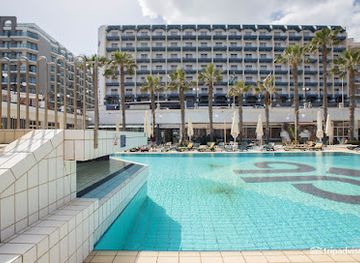
QAWRA Palace Resort & SPA
Experience luxury and relaxation at QAWRA Palace Resort & SPA, your ultimate getaway in Malta's coastal paradise.
4 min walk · 0.4 km from city centre
Explore Qawra on the map
Plan your Qawra trip on one map. See where the top attractions, landmarks, restaurants, bars and hotels are, find what's near where you're staying, and book hotels and experiences in a few clicks.
Best hotels in Qawra
Best restaurants in Qawra
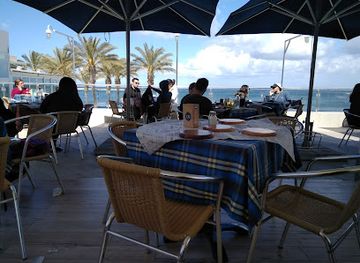
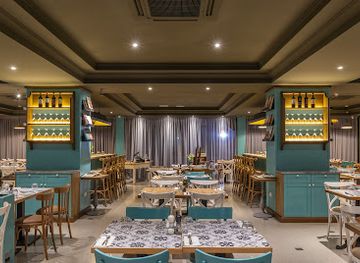
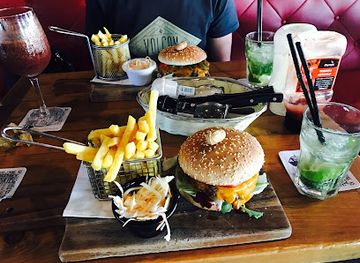
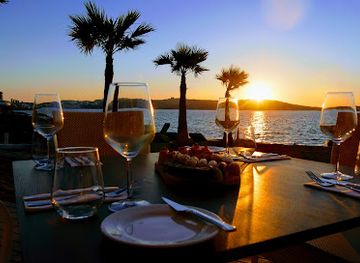
Qawra’s dining scene reflects Malta’s role as a Mediterranean island crossroads, with menus commonly combining Maltese, Italian, British and broader European influences. Traditional dishes to look for include pastizzi, rabbit prepared in a stew or sauce, imqarrun il-forn baked pasta, bigilla bean spread and fish or seafood shaped by the day’s catch. Cafés and casual eateries line the resort streets and seafront, while restaurants around Qawra and Bugibba range from pizza and pasta to grills, international menus and Maltese specialities. Local wines, prickly pear products and ġbejna, Malta’s traditional cheeselet, also appear in food shops and menus. The Bugibba waterfront and streets behind the promenade offer the greatest concentration of places to eat, whereas Salina and the quieter edges of the district provide a more open setting. Menus and opening patterns vary seasonally, particularly outside the main visitor months.
-
Seafood
Ocean Basket
Discover Ocean Basket in St. Paul's Bay for an unforgettable seafood dining experience with stunning Mediterranean views.
5 min walk · 0.4 km from city centre
-
Mediterranean
Luzzu Restaurant - Conference & Lido
Experience authentic Mediterranean cuisine at Luzzu Restaurant in St. Paul's Bay - perfect for families and food lovers alike.
4 min walk · 0.3 km from city centre
-
Gastropub
Cheeky Monkey Gastropub
Experience vibrant dining at Cheeky Monkey Gastropub on Qawra Coast—where local flavors meet a lively atmosphere.
4 min walk · 0.3 km from city centre
-
Restaurant
Nine Lives Malta
Discover exquisite Mediterranean cuisine with breathtaking views at Nine Lives Malta in St. Paul's Bay.
3 min walk · 0.3 km from city centre
Best bars in Qawra
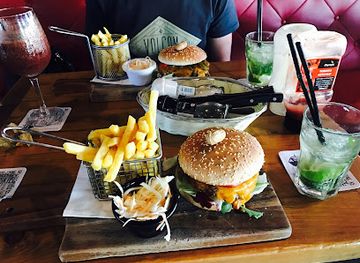
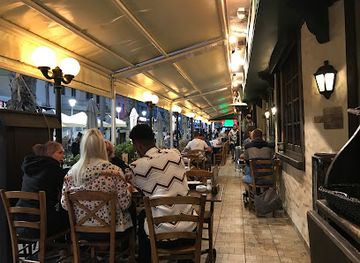
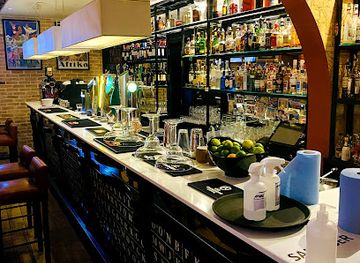
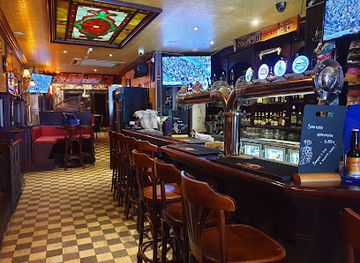
After dark, Qawra and neighbouring Bugibba form one of Malta’s established northern resort entertainment areas, with activity concentrated around the waterfront and streets behind it. Visitors will find relaxed hotel lounges, sports bars, casual pubs, cocktail venues and cafés suited to an unhurried evening, while some establishments offer live music or televised events. Bugibba generally has the denser late-evening scene, whereas Qawra’s seafront is better suited to a promenade walk followed by a drink or meal. The atmosphere is seasonal and changes according to the tourist calendar, with summer bringing more activity than winter. Nightlife is not limited to clubs: boat outings at sunset, open-air seaside seating and evening events at visitor venues can provide gentler alternatives. Malta’s legal drinking age is 17, and responsible behaviour is particularly important around busy roads and exposed coastal areas.
-
Gastropub
Cheeky Monkey Gastropub
Delight in the vibrant atmosphere and delectable dishes at Cheeky Monkey Gastropub, a culinary gem along St Paul's Bay's scenic coastline.
4 min walk · 0.3 km from city centre
-
Gastropub
Fat Harry's Pub
Discover the essence of Maltese gastropub culture at Fat Harry's Pub in St. Paul's Bay, where vibrant atmosphere meets delectable cuisine.
7 min walk · 0.6 km from city centre
-
Bar
Travellers Cafe Bar
Discover the lively ambiance and local flavors at Travellers Cafe Bar in St Paul's Bay, Malta's perfect spot for socializing and unwinding.
8 min walk · 0.6 km from city centre
-
Pub
O'Reilly's Pub
O'Reilly's Pub: A lively gastropub in Bugibba, Malta, offering great food, cocktails, and sports entertainment in a vibrant atmosphere.
7 min walk · 0.6 km from city centre
Best nightclubs in Qawra
After dark, Qawra and neighbouring Bugibba form one of Malta’s established northern resort entertainment areas, with activity concentrated around the waterfront and streets behind it. Visitors will find relaxed hotel lounges, sports bars, casual pubs, cocktail venues and cafés suited to an unhurried evening, while some establishments offer live music or televised events. Bugibba generally has the denser late-evening scene, whereas Qawra’s seafront is better suited to a promenade walk followed by a drink or meal. The atmosphere is seasonal and changes according to the tourist calendar, with summer bringing more activity than winter. Nightlife is not limited to clubs: boat outings at sunset, open-air seaside seating and evening events at visitor venues can provide gentler alternatives. Malta’s legal drinking age is 17, and responsible behaviour is particularly important around busy roads and exposed coastal areas.
-
Lounge
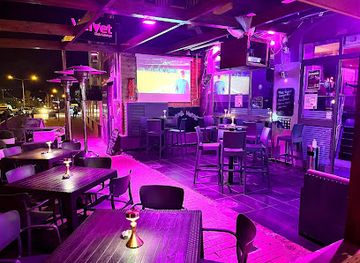
VELVET LOUNGE CLUB (SHISHA AND FOOD )
Discover the vibrant nightlife of Velvet Lounge Club in St. Paul's Bay, Malta, where shisha meets cocktails in a stylish setting.
10 min walk · 0.8 km from city centre
-
Bar
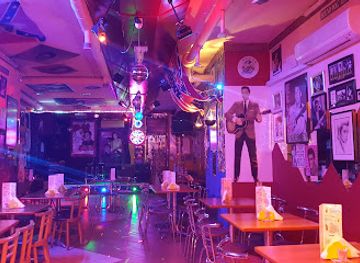
The Elvis Tribute Lounge
Unleash your inner Elvis at The Elvis Tribute Lounge in St Paul's Bay, where unforgettable performances and great drinks await you.
3 min walk · 0.2 km from city centre
-
Night club
Miracles Lounge
Discover the ultimate nightlife experience at Miracles Lounge, where vibrant entertainment meets exquisite drinks in St. Paul's Bay.
8 min walk · 0.6 km from city centre
-
Night club
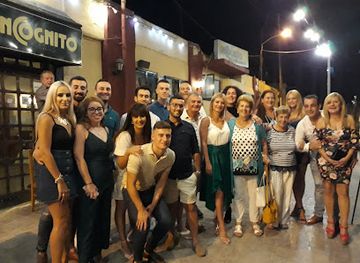
Incognito Terrace Bar and pub
Discover the lively atmosphere of Incognito Terrace Bar and Pub in St Paul's Bay - a perfect blend of drinks, dancing, and karaoke.
1 min walk · 0.1 km from city centre

Best shops in Qawra
Shopping in Qawra is geared towards everyday needs and visitors rather than historic market culture. The streets around the seafront and the adjoining Bugibba centre contain supermarkets, pharmacies, convenience shops, jewellers, souvenir outlets, beachwear retailers and small independent businesses. Visitors can find Maltese food products such as ġbejna, honey, preserves, wine and prickly pear goods, alongside standard holiday souvenirs and locally inspired ceramics or jewellery. The Bugibba area usually offers a broader choice of shops and a more concentrated pedestrian atmosphere, while Qawra’s retail strips are convenient for supplies during a seaside stay. Malta’s traditional crafts, including filigree jewellery, lace and hand-worked glass, are more strongly associated with specialist makers and shops elsewhere on the island than with Qawra itself. For a less commercial outing, the coastline and Salina area provide interest through landscape rather than retail activity.
-
Vaporizer store
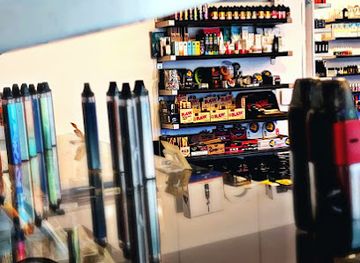
The Vape Store - Malta
Explore the vibrant vaping scene at The Vape Store in Malta, offering top-notch vaporizers and e-liquids for every enthusiast.
2 min walk · 0.2 km from city centre
-
Jewelry store
Ta' Dbiegi Crafts Village
Explore Ta' Dbiegi Crafts Village in Għarb for authentic Maltese craftsmanship, unique souvenirs, and a cultural experience in a picturesque setting.
42 min drive · 22 km from city centre
-
Pen store
Pandoras Stationery
Explore Pandora's Stationery in St. Paul's Bay: a haven for pen lovers and stationery enthusiasts, offering a delightful selection of writing instruments and supplies.
6 min walk · 0.5 km from city centre
-
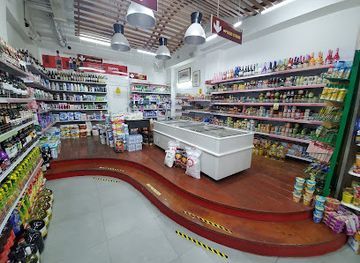
Supermarket
Shop In Supermarket
Explore a diverse supermarket in St Paul's Bay offering local and international products, perfect for tourists looking to experience authentic Maltese flavors.
1 min walk · 0.1 km from city centre
Get your free copy of our complete guide to Qawra, delivered straight to you.
Everything on this page, from attractions and restaurants to essentials and local phrases, in one PDF you can read offline, print or share.
Already have an account? Sign in
Your Qawra guide is ready.
We'll send it to · Not you? Sign out

Getting your guide ready…
We are putting together a fresh copy of the Qawra guide. This can take up to a minute.
This can take a few moments. If your browser asks, choose Allow so the download can start. You'll find the guide in your Downloads folder.
Nothing happened? Download it again
Sorry, the guide is taking longer than usual. Please try again in a minute, or get it by email instead.
Qawra essentials
Currency and Payment
Safety
Emergency Situations
Do's and Don'ts
Local Tips
From Eve
Local phrases worth knowing
You don't need to get them perfect. A few words go a long way, and locals appreciate the effort.
Basics
| English | Local | Say it |
|---|---|---|
| Hello | Bongu | [Bon-goo] |
| Goodbye | Ċaw | [Chow] |
| Yes | Iva | [Ee-va] |
| No | Le | [Lay] |
| Please/You're welcome | Jekk jogħġbok/Grazzi | [Yekk yoj-bok/Gra-zzi] |
| Thank you | Grazzi | [Gra-zzi] |
| Excuse me/Sorry | Skuzani/Sorry | [Skoo-za-nee/Sorry] |
| How are you? | Kif int? | [Kif int?] |
| Fine. And you? | Tajjeb. U int? | [Tai-yeb. Oo int?] |
| Do you speak English? | Titkellem bl-Ingliż? | [Tit-kel-lem bl-Ing-liz] |
| I don't understand | Ma nifhimx | [Ma nee-feemsh] |
Eating & Drinking
| English | Local | Say it |
|---|---|---|
| I'd like to see the menu, please | Nixtieq inara l-menu, jekk jogħġbok | [Nis-tyek in-ara l-men-oo, yekk yoj-bok] |
| I don't eat meat | Ma niekolx laħam | [Ma nee-e-kolsh la-ham] |
| Cheers! | Saħħa! | [Sa-ha] |
| I would like to pay, please | Nixtieq inħallas, jekk jogħġbok | [Nis-tyek in-hal-las, yekk yoj-bok] |
Emergencies
| English | Local | Say it |
|---|---|---|
| Help! | Għajnuna! | [Aiy-noo-na] |
| Go away! | Mur lejn il-quċċata! | [Mur layn il-quch-cha-ta] |
| Call the Police! | Ċempel il-Pulizija! | [Chem-pel il-Pu-lee-zee-ya] |
| Call a doctor! | Ċempel tabib! | [Chem-pel ta-beeb] |
| I'm lost | Ninsab miegħi | [Nin-sab mye-ee] |
| I'm ill | Nixtieq l-ħieles | [Nis-tyek l-heel-esh] |
Shopping
| English | Local | Say it |
|---|---|---|
| I'd like to buy... | Nixtieq inixtri... | [Nis-tyek in-is-tree] |
| I'm just looking | Qed nara biss | [Ked na-ra biss] |
| How much is it? | Kemm huwa? | [Kem hoo-wa] |
| That's too expensive | Dan huwa wisq sħiħ | [Dan hoo-wa wees-shi] |
| Can you lower the price? | Tista' tniżżel il-prezz? | [Tis-ta tni-zzel il-prez] |
Time & Numbers
| English | Local | Say it |
|---|---|---|
| What time is it? | X'ħin huwa? | [Shin hoo-wa] |
| It's one o'clock | Huwa l-ewwel siegħa | [Hoo-wa l-ew-wel see-ya] |
| Half past (10) | Noqro tas-sittax | [Nok-ro tas-sit-tash] |
| Morning | Filgħodu | [Fil-godoo] |
| Afternoon | Waranofsinhar | [Wa-ra-no-sin-har] |
| Evening | Filgħaxija | [Fil-ga-hee-ya] |
| Yesterday | Ilbieraħ | [Il-bier-ah] |
| Today | Illum | [Il-lum] |
| Tomorrow | Għada | [A-da] |
| 1 | Wieħed | [Wee-hed] |
| 2 | Tnejn | [Tneyn] |
| 3 | Tlieta | [Tlee-ta] |
| 4 | Erba' | [Er-ba] |
| 5 | Ħamsa | [Hamsa] |
| 6 | Sitta | [Sit-ta] |
| 7 | Sebgħa | [Seb-ya] |
| 8 | Tmienja | [Tmee-en-ya] |
| 9 | Disgħa | [Dis-ya] |
| 10 | Għaxra | [A-ha-ra] |
Transport & Directions
| English | Local | Say it |
|---|---|---|
| Where's a/the...? | Fejn hemm... | [Feyn hemm] |
| What's the address? | X'inhu l-indirizz? | [Shin-hoo l-in-di-rizz] |
| Can you show me (on the map)? | Tista' turi nibqa'? | [Tis-ta tu-ree nib-qa] |
| When's the next (bus)? | Meta jasal il-ġej? | [Me-ta ya-sal il-jay] |
| A ticket (to ....) | Biljett (għal ....) | [Bil-yet (al ....)] |
History of Qawra
A Coast of Strategic Importance
Before Qawra became a built-up resort, its position at the end of a rocky peninsula gave it practical defensive value. The shoreline faces St Paul’s Bay and the approaches to Malta’s northern coast, while Salina Bay offered a sheltered coastal area behind it. The landscape was largely open, exposed and agriculturally used rather than urban. Its importance came from geography: vessels and movement along the coast could be observed from elevated ground, and the bay formed part of a wider maritime setting connecting Malta’s northern settlements with the central harbour region.
The Qawra Tower Era
Qawra Tower was constructed in the seventeenth century during the rule of the Order of St John, generally dated to 1637 or 1638 under Grand Master Giovanni Paolo Lascaris. It belonged to the chain of coastal watchtowers established to detect incursions and communicate warnings across Malta and Gozo. The tower was part of the wider system that included nearby defensive structures around St Paul’s Bay and Salina Bay. Its survival gives modern Qawra a tangible link with the period when the Maltese coast was organised around surveillance, maritime defence and the protection of rural communities.
Salt Pans and Rural Coastline
The wider Salina area developed an economic identity connected with salt production, using shallow coastal pans to evaporate seawater. Although the scale and condition of the pans changed over time, the landscape preserved evidence of how Malta’s coastline supported small industries as well as fishing and agriculture. Qawra itself remained sparsely settled compared with the island’s historic towns. The relationship between the rocky peninsula, Salina Bay and the open countryside endured into the modern period, even as roads, utilities and new construction gradually altered the northern shoreline.
Twentieth-Century Expansion
Qawra’s principal transformation occurred in the twentieth century, particularly as Malta’s economy turned increasingly towards tourism and service industries. Holiday accommodation, apartment buildings, restaurants and entertainment businesses spread across the peninsula and joined it physically with Bugibba and St Paul’s Bay. This expansion created the urban character visible today: a largely modern resort district without a traditional medieval core, but with a strong concentration of seafront activity. The arrival of visitors also changed the coastline’s use, encouraging swimming areas, promenades, diving services and boat excursions alongside the older defensive and salt-making landscapes.
A Modern Coastal Locality
Contemporary Qawra forms part of the St Paul’s Bay local council area and functions as one of Malta’s established northern visitor districts. The Malta National Aquarium, opened in the twenty-first century, reflects the area’s shift from seasonal resort development towards a broader leisure and family-oriented offer. The promenade, Qawra Point, Salina Nature Reserve and the surviving tower now present different layers of the locality’s identity: marine recreation, environmental interest, modern tourism and military heritage. Qawra’s history is therefore read less through a continuous old town than through the relationship between its coastal setting and successive uses of the shore.
Qawra in Photos
Browse through our photo collection highlighting the charm and character of the destination.
Cities near Qawra
The closest cities to Qawra, if you have time for more than one stop.
-

-

-

-

-


Swipe for more cities
Explore more
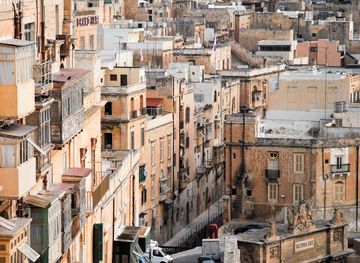
Explore more of Malta
Discover Malta's crystal-clear waters, rich history, and vibrant culture. From ancient temples to modern nightlife, this Mediterranean gem offers something for everyone.
Explore Malta