

Free Buskett Gardens Travel Guide & Mobile App
Explore Buskett Gardens with free travel guides. Discover regional history, expert tips, proposed trips, and audio guides on web or mobile app.


Buskett Gardens offers Malta’s rare woodland scenery, historic Verdala Palace, shaded walks and easy access to the island’s western countryside.
Read more about Buskett Gardens
When is the best time to visit Buskett Gardens?
Best: June–July, September · 27–31°C| Month | High (°C) | Rainfall (mm) |
|---|---|---|
| January | 15 | 80 |
| February | 16 | 70 |
| March | 17 | 60 |
| April | 18 | 40 |
| May | 21 | 20 |
| June (best) | 27 | 5 |
| July (best) | 31 | 2 |
| August | 32 | 10 |
| September (best) | 28 | 30 |
| October | 24 | 70 |
| November | 20 | 80 |
| December | 17 | 90 |
Getting to and around Buskett Gardens
How to get there
Transportation
Best attractions in Buskett Gardens
The principal attraction is the woodland itself: shaded paths, mature trees, planted areas and open clearings create a landscape unlike Malta’s more exposed limestone coast and garigue. Visitors can combine a gentle walk with views of Verdala Palace, the historic residence associated with the estate, while nearby rural lanes reveal fields, dry-stone walls and cultivated plots. Buskett is suitable for informal picnics and quiet nature observation, though it is not a formal botanical garden with a large programme of labelled collections. The surrounding western countryside adds archaeological and geological interest, including the nearby Clapham Junction cart ruts, which lie outside Buskett Gardens and should be treated as a separate stop. Siġġiewi provides village architecture and local services, while the Dingli Cliffs, also outside the gardens, offer a dramatic open landscape and sea views. Together these nearby sites make Buskett a useful base for understanding the contrast between Malta’s planted woodland, agricultural interior and wind-exposed plateau.
-
Woods
Buskett Woodlands
Experience the natural beauty and tranquil ambiance of Buskett Woodlands, Malta's lush forest retreat, perfect for all nature lovers.
-
Park
Buskett Woods
Experience the tranquility and natural beauty of Buskett Woods, Malta's largest woodland park, perfect for nature lovers and outdoor enthusiasts.
-
Fortress
Fort Delimara
Explore Fort Delimara in Marsaxlokk: A historical fortress with stunning views of the Mediterranean and insights into Malta's rich military history.
-
Garden
il-Foss
Explore the serene beauty of il-Foss in Mdina, Malta, a tranquil garden perfect for relaxation and stunning views.



Best landmarks in Buskett Gardens
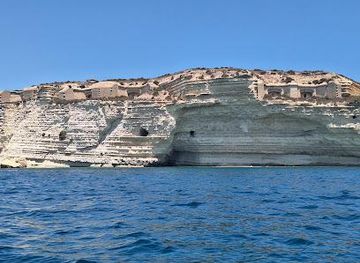
Verdala Palace is Buskett’s most recognisable architectural landmark. Built in the late sixteenth century for the Knights of St John, it combines a country residence with defensive-looking towers and remains closely identified with the woodland estate. Access to the palace itself is more restricted than access to the surrounding landscape, so its exterior and setting are the principal points of interest for many visitors. The woodland is also a landmark in its own right: in an island where exposed limestone, terraced fields and dry garigue dominate much of the scenery, the concentration of mature trees gives Buskett a distinctive visual identity. Formal planting, shaded avenues and the relationship between the palace and the valley reveal how the Knights shaped the estate for recreation and status. Dry-stone walls and rural agricultural boundaries complete the historic setting, although they are working features rather than individual monuments. The nearby Dingli Cliffs and Clapham Junction cart ruts are important regional landmarks but lie outside Buskett Gardens and should be visited as separate sites.
-
Park
Upper Barrakka
Breathtaking Grand Harbour views from Valletta's highest point, a historic garden oasis offering serenity and panoramic vistas.
-
Park
Lower Barrakka
Enjoy panoramic views of the Grand Harbour from this peaceful garden in Valletta, featuring historical monuments and lush greenery.
-
Park
Il-Ġnien ta' Sant'Anton
Discover a tranquil oasis in Malta's San Anton Gardens: history, nature, and serenity await in this 17th-century botanical delight.
-
Historical landmark
The Red Tower
Explore the Red Tower in Mellieħa: a historic watchtower with stunning panoramic views of the Maltese islands and rich cultural heritage.


Explore Buskett Gardens on the map
Plan your trip on one map. See where the top cities, national parks and sights are, and book hotels and experiences in a few clicks.
Best hotels in Buskett Gardens
Best restaurants in Buskett Gardens
Buskett itself has limited on-site dining, so most visitors eat in nearby Siġġiewi, Rabat or other settlements reached by car or taxi. The surrounding area offers the everyday Maltese repertoire of rustic bread, pastizzi, filled pastries, soups, pasta dishes and rabbit preparations, alongside modern cafés and family-run restaurants. Seasonal produce from Malta’s farming districts may include tomatoes, broad beans, citrus fruit, grapes and olives, while local cheeses and honey make practical food souvenirs. A picnic can suit a garden visit, but food should be carried responsibly and rubbish removed if disposal facilities are limited. For a more substantial meal, look for a restaurant or village bar outside the gardens rather than expecting a large dining quarter at the woodland itself. Wine from Malta and Gozo is commonly available, as are soft drinks and coffee, while menus and opening arrangements vary by season.
-
Italian
Coogi's Restaurant & Tea Garden
Discover delicious Italian and Maltese cuisine at Coogi's Restaurant & Tea Garden in Mdina—where flavor meets history amidst breathtaking views.
-
Maltese
Il-Barri Restaurant
Discover authentic Maltese flavors at Il-Barri Restaurant in Mġarr - where tradition meets taste in a welcoming atmosphere.
-
Maltese
Diar il-Bniet
Experience authentic Maltese cuisine at Diar il-Bniet, where tradition meets flavor in every dish.
-
Restaurant
Il-Bitha
Experience the essence of Maltese cuisine at Il-Bitha, where every dish is crafted with passion and flavor.


Best bars in Buskett Gardens
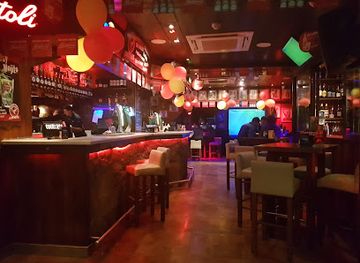
Buskett Gardens is not a nightlife destination, and evening activity is generally quiet once visitors have left the woodland. The nearby villages offer traditional bars, cafés and restaurants where residents meet for conversation, coffee or a relaxed drink, while larger nightlife choices are concentrated elsewhere in Malta rather than around Buskett. Siġġiewi and Rabat can provide a more local, low-key evening atmosphere, but they are separate settlements and should not be confused with the gardens themselves. Live entertainment and village festas may bring temporary activity at particular times of year, with arrangements changing annually. Visitors seeking clubs, late bars or a dense entertainment scene will need to travel towards Malta’s main urban and coastal nightlife areas. Buskett is better suited to a daytime walk followed by a meal than to an evening entertainment itinerary.
-
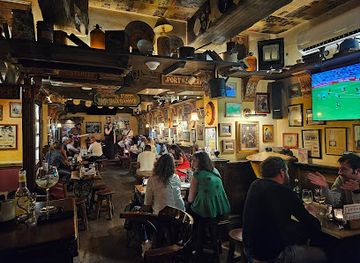
Live music bar
Black Gold Saloon
Discover the heartbeat of Sliema's nightlife at Black Gold Saloon, where live music meets delectable dining in a vibrant atmosphere.
-
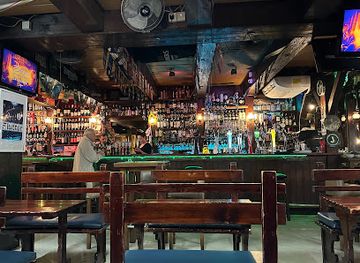
Gastropub
Fat Harry's Pub
Discover the vibrant flavors and lively atmosphere at Fat Harry's Pub in St. Paul's Bay, Malta's favorite gastropub experience.
-
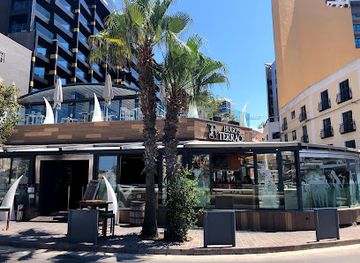
Restaurant
Hugo's Terrace & Rooftop
Experience the breathtaking views and exquisite Mediterranean cuisine at Hugo's Terrace & Rooftop, a must-visit culinary destination in St. Julian's, Malta.
-
Bar
Bar Native
Experience the vibrant nightlife of St Julian's at Bar Native, a popular bar offering an energetic atmosphere and a diverse drink selection.
Best nightclubs in Buskett Gardens
Buskett Gardens is not a nightlife destination, and evening activity is generally quiet once visitors have left the woodland. The nearby villages offer traditional bars, cafés and restaurants where residents meet for conversation, coffee or a relaxed drink, while larger nightlife choices are concentrated elsewhere in Malta rather than around Buskett. Siġġiewi and Rabat can provide a more local, low-key evening atmosphere, but they are separate settlements and should not be confused with the gardens themselves. Live entertainment and village festas may bring temporary activity at particular times of year, with arrangements changing annually. Visitors seeking clubs, late bars or a dense entertainment scene will need to travel towards Malta’s main urban and coastal nightlife areas. Buskett is better suited to a daytime walk followed by a meal than to an evening entertainment itinerary.
-
Night club
Gianpula Main Room
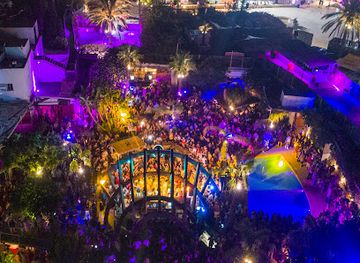
Discover the exhilarating atmosphere of Gianpula Main Room, Malta's top nightclub for unforgettable nights filled with music and dancing.
-
Night club
Footloose
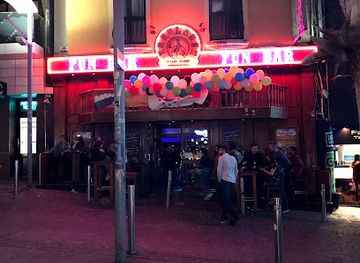
Experience the vibrant nightlife of St Julian's at Footloose Night Club, where music, dancing, and unforgettable memories await.
-
Night club
UNO Malta
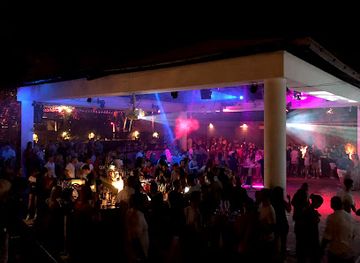
Discover the pulsating nightlife of Malta at UNO Malta, a premier night club and festival venue in Ta'Qali's vibrant Crafts Village.
-
Night club
Gianpula Village
Discover the vibrant nightlife of Gianpula Village, Malta’s premier destination for unforgettable nights filled with music, dancing, and excitement.

Best shops in Buskett Gardens
Shopping within Buskett Gardens is minimal, since the destination is a woodland and heritage landscape rather than a retail centre. Visitors normally buy food, drinks and practical supplies in nearby villages or larger Maltese towns before arriving. In the surrounding countryside, village shops and markets provide opportunities to find Maltese bread, honey, olive products, wine, preserves, sweets and other island produce. Siġġiewi and nearby Rabat offer a more useful selection of cafés, small shops and everyday services, while specialist craft, jewellery and fashion shopping is concentrated in Malta’s larger urban centres. Look for locally made ceramics, lace, filigree jewellery and hand-crafted food products when choosing souvenirs, but check that an item is genuinely made in Malta rather than merely carrying a Maltese theme. The small-scale rural setting means that shopping is best treated as part of a wider western Malta excursion, not as a principal reason to visit Buskett.
-
Shopping mall
The Point Shopping Mall
Experience shopping like never before at The Point Shopping Mall in Sliema, Malta, where style meets stunning views and delightful dining.
-
Shopping mall
PAMA Shopping Mall
Discover the ultimate shopping experience at PAMA Shopping Mall in Mosta, Malta, featuring a diverse selection of stores and delightful dining options.
-
Shopping mall
Bay Street Shopping Complex
Explore unmatched shopping, dining, and entertainment at Bay Street Shopping Complex in St Julian's, Malta's premier shopping destination.
-
Gift shop
Souvenirs That Don't Suck - Sliema
Discover unique Maltese gifts at Souvenirs That Don't Suck in Sliema – a treasure trove of memorable souvenirs and creative keepsakes.



Get your free copy of our complete guide to Buskett Gardens, delivered straight to you.
Everything on this page, from attractions and restaurants to essentials and local phrases, in one PDF you can read offline, print or share.
Already have an account? Sign in
Your Buskett Gardens guide is ready.
We'll send it to · Not you? Sign out

Getting your guide ready…
We are putting together a fresh copy of the Buskett Gardens guide. This can take up to a minute.
This can take a few moments. If your browser asks, choose Allow so the download can start. You'll find the guide in your Downloads folder.
Nothing happened? Download it again
Sorry, the guide is taking longer than usual. Please try again in a minute, or get it by email instead.
Buskett Gardens essentials
Currency and Payment
Safety
Emergency Situations
Do's and Don'ts
Local Tips
From Eve
Local phrases worth knowing
You don't need to get them perfect. A few words go a long way, and locals appreciate the effort.
Basics
| English | Local | Say it |
|---|---|---|
| Hello | Hello | [Heh-loh] |
| Goodbye | Goodbye | [Good-bye] |
| Yes | Yes | [Yes] |
| No | No | [No] |
| Please/You're welcome | Please/You're welcome | [Pleez/You're wel-kum] |
| Thank you | Thank you | [Thank yoo] |
| Excuse me/Sorry | Excuse me/Sorry | [Ex-kyoos mee/So-ree] |
| How are you? | How are you? | [How ar yoo?] |
| Fine. And you? | Fine. And you? | [Fine. And yoo?] |
| Do you speak English? | Do you speak English? | [Doo yoo speek Ing-glish?] |
| I don't understand | I don't understand | [I dont un-der-stand] |
Eating & Drinking
| English | Local | Say it |
|---|---|---|
| I'd like to see the menu, please | I'd like to see the menu, please | [I'd lyk to see the men-yoo, pleez] |
| I don't eat meat | I don't eat meat | [I dont eet meet] |
| Cheers! | Cheers! | [Cheerz!] |
| I would like to pay, please | I would like to pay, please | [I wud lyk to pay, pleez] |
Emergencies
| English | Local | Say it |
|---|---|---|
| Help! | Help! | [Help!] |
| Go away! | Go away! | [Go aw-ay!] |
| Call the Police! | Call the Police! | [Call the Po-leese!] |
| Call a doctor! | Call a doctor! | [Call a doc-tor!] |
| I'm lost | I'm lost | [I'm lost] |
| I'm ill | I'm ill | [I'm ill] |
Shopping
| English | Local | Say it |
|---|---|---|
| I'd like to buy... | I'd like to buy... | [I'd lyk to buy...] |
| I'm just looking | I'm just looking | [I'm just luk-ing] |
| How much is it? | How much is it? | [How much is it?] |
| That's too expensive | That's too expensive | [That's too ex-pen-siv] |
| Can you lower the price? | Can you lower the price? | [Can yoo low-er the pryce?] |
Time & Numbers
| English | Local | Say it |
|---|---|---|
| What time is it? | What time is it? | [What tym is it?] |
| It's one o'clock | It's one o'clock | [It's wun o'clock] |
| Half past (10) | Half past (10) | [Half past (ten)] |
| Morning | Morning | [Mor-ning] |
| Afternoon | Afternoon | [Af-ter-noon] |
| Evening | Evening | [Eve-ning] |
| Yesterday | Yesterday | [Yes-ter-day] |
| Today | Today | [To-day] |
| Tomorrow | Tomorrow | [To-mor-row] |
| 1 | 1 | [One] |
| 2 | 2 | [Two] |
| 3 | 3 | [Three] |
| 4 | 4 | [Four] |
| 5 | 5 | [Five] |
| 6 | 6 | [Six] |
| 7 | 7 | [Seven] |
| 8 | 8 | [Eight] |
| 9 | 9 | [Nine] |
| 10 | 10 | [Ten] |
Transport & Directions
| English | Local | Say it |
|---|---|---|
| Where's a/the...? | Where's a/the...? | [Where's a/the...?] |
| What's the address? | What's the address? | [What's the ad-dress?] |
| Can you show me (on the map)? | Can you show me (on the map)? | [Can yoo show mee (on the map)?] |
| When's the next (bus)? | When's the next (bus)? | [When's the next (bus)?] |
| A ticket (to ....) | A ticket (to ....) | [A tick-et (to ....)] |
History of Buskett Gardens
Malta’s prehistoric rural landscape
The countryside around Buskett forms part of Malta’s wider prehistoric landscape, where early communities cultivated limestone soils and used natural routes across the island. Nearby archaeological features, including the cart ruts at Clapham Junction, show that the western uplands were traversed and worked long before the gardens acquired their present form. Clapham Junction is outside Buskett itself, but its presence helps explain the long-established human use of this part of Malta. The surviving woodland therefore occupies a landscape shaped by agriculture, movement and water management over many centuries.
Medieval estates and cultivated valleys
Before the arrival of the Knights of St John, Malta’s valleys and agricultural estates were managed through a mixture of cultivation, grazing and local water use. Written evidence for the medieval period is less abundant than for later centuries, but the pattern of fields, walls and rural tracks around present-day Siġġiewi reflects long continuity in the use of western Malta. The valley environment was valuable because trees, springs and sheltered ground were relatively scarce on an island dominated by dry limestone terrain.
The Knights of St John and the creation of Buskett
The Order of St John developed Buskett as a substantial wooded estate and hunting ground after establishing its rule in Malta in the sixteenth century. Planting trees in a largely treeless environment served both practical and recreational purposes, providing shade, timber and a controlled setting for the Order’s elite pursuits. The gardens were also linked to the management of surrounding agricultural land. Their survival is historically significant because mature woodland is an unusual feature in Malta and preserves a visible trace of the Knights’ landscape ambitions.
Verdala Palace in the late sixteenth century
Verdala Palace was built in the late sixteenth century during the magistracy of Grand Master Hugues Loubenx de Verdalle. Designed in the fortified yet ceremonial style associated with the Order of St John, it became the architectural focus of the Buskett estate. The palace’s towers, moat-like defensive features and formal composition reflect a period when country residences combined recreation, status and security. Although its present role and access arrangements differ from those of a standard public museum, the building remains the defining historic structure of the gardens.
British rule and changing rural use
When Malta became a British colony in the nineteenth century, Buskett remained part of the island’s valued rural and governmental landscape. Its function gradually moved away from an exclusively aristocratic hunting estate towards a maintained woodland and leisure setting. Across the island, British administration introduced new institutional uses and transport connections, while local agriculture continued around the gardens. The mixture of formal trees, cultivated plots and public paths visible today reflects this longer transition from an Order-owned estate to a shared heritage landscape.
Buskett as a modern public landscape
In contemporary Malta, Buskett is valued as a place for walking, seasonal recreation and contact with one of the island’s largest concentrations of mature trees. It has become particularly associated with family outings and the traditional spring feast of Imnarja, celebrated nationally but strongly linked with rural settings and agricultural culture. Modern use brings pressures from traffic, picnicking and dry summers, making responsible access important. Conservation concerns centre on protecting woodland, soils, water resources and the historic relationship between the gardens and the surrounding countryside.
Buskett Gardens in Photos
Browse through our photo collection highlighting the charm and character of the destination.
Neighbouring regions of Buskett Gardens
The closest regions to Buskett Gardens, if you have time for more than one.
-

-
-
-
-


Swipe for more regions
Explore more
Explore more of Malta
Discover Malta's crystal-clear waters, rich history, and vibrant culture. From ancient temples to modern nightlife, this Mediterranean gem offers something for everyone.
Explore Malta