

Free Western District Travel Guide & Mobile App
Explore Western District with free travel guides. Discover regional history, expert tips, proposed trips, and audio guides on web or mobile app.


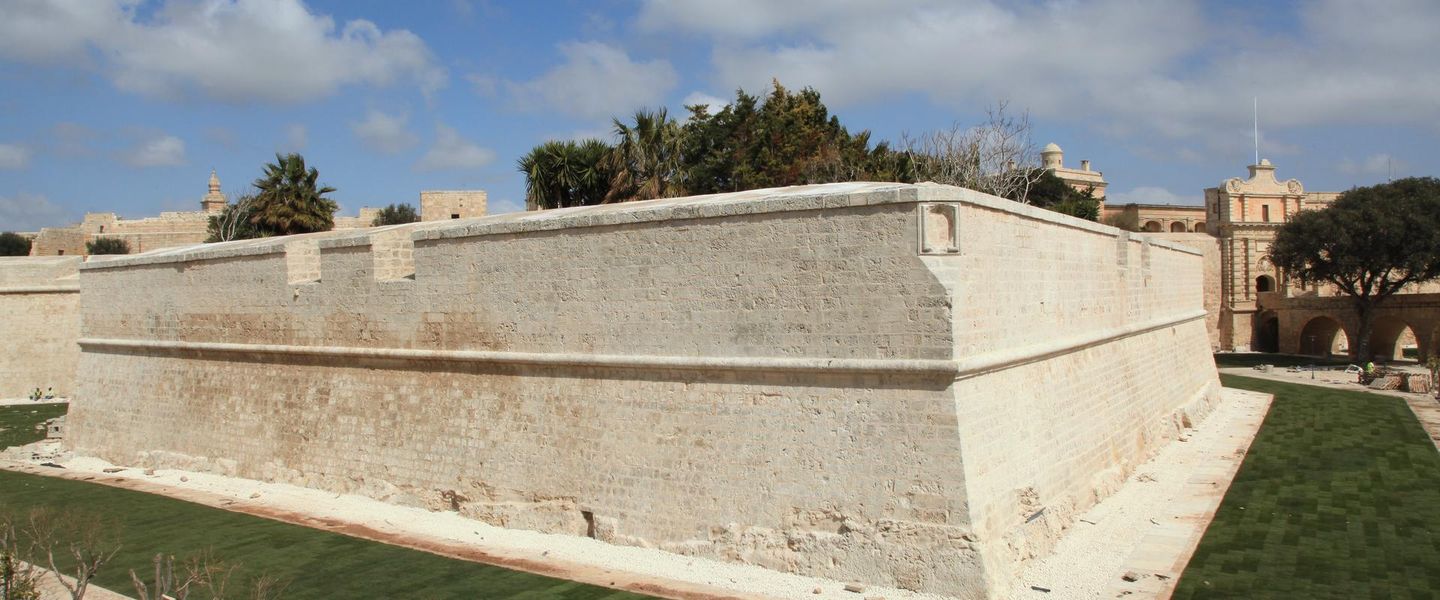


Explore Malta’s Western District for Mdina’s medieval streets, Rabat’s catacombs, Dingli Cliffs, village life and countryside walks.
Read more about Western District
When is the best time to visit Western District?
Best: June–August · 20–23°C| Month | High (°C) | Rainfall (mm) |
|---|---|---|
| January | 3 | 55 |
| February | 4 | 50 |
| March | 7 | 45 |
| April | 11 | 40 |
| May | 16 | 35 |
| June (best) | 20 | 30 |
| July (best) | 23 | 25 |
| August (best) | 22 | 30 |
| September | 18 | 35 |
| October | 14 | 40 |
| November | 8 | 45 |
| December | 5 | 50 |
Getting to and around Western District
How to get there
Transportation
Top city travel guides in Western District
The cities of Western District, and the easiest places to base yourself.
-

-

-

-

-

-


Swipe for more cities
Destinations in Western District
Resorts, valleys and scenic spots worth a trip of their own.
-

-
-


Swipe for more destinations
Best attractions in Western District
The Western District’s attractions range from the medieval streets and museums of Mdina to the underground burial complexes of Rabat, where Roman, late antique and early Christian heritage survives beneath the modern town. Visitors can explore churches, palaces and defensive architecture, then move into a more open landscape of fields, valleys and country lanes. Dingli Cliffs provide the district’s most dramatic natural setting, with broad views over Malta’s western coast, while Buskett Gardens offers woodland walks uncommon on the relatively dry island. Verdala Palace, viewed from its wooded surroundings, adds an architectural and historical focus to the Buskett area. The villages of Siġġiewi, Żebbuġ, Attard, Balzan and Mtarfa contribute parish churches, historic residences, public squares and local cultural life rather than a single concentrated sightseeing zone. Walking, photography, heritage visits and seasonal village events are the principal pleasures, with the district best suited to visitors who want to combine Malta’s major historical layers with quieter rural scenery.
-
Historical landmark
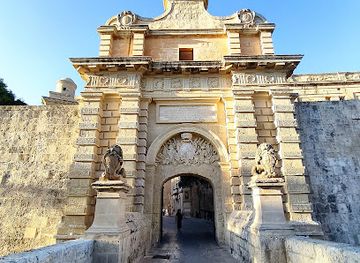
Mdina Gate
Explore the enchanting Mdina Gate, an iconic historical landmark that opens the door to Malta's rich past and stunning architecture, perfect for every traveler.
-
Archaeological museum
St Paul’s Catacombs
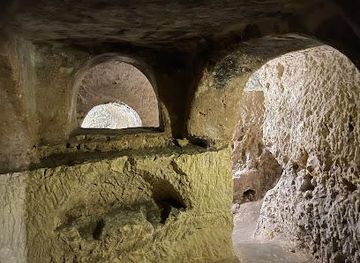
Discover the ancient burial grounds of St Paul’s Catacombs in Rabat, where Malta's rich history comes to life in an underground labyrinth.
-
Catholic cathedral
St. Paul's Cathedral
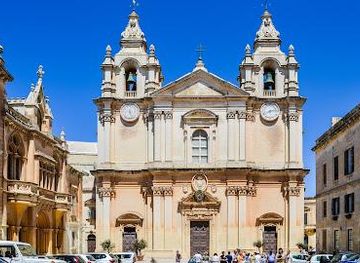
Explore the grandeur of St. Paul's Cathedral in Mdina, a masterpiece of Baroque architecture and a cornerstone of Malta's rich cultural and religious heritage.
-
Tourist attraction
Dragonara Casino
Immerse yourself in the excitement of Dragonara Casino, Malta’s premier destination for gaming, dining, and vibrant nightlife along the stunning coast.

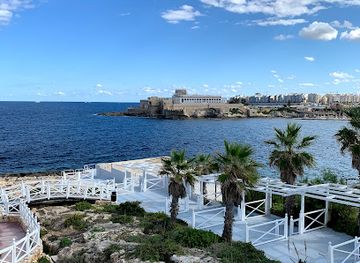
Best landmarks in Western District
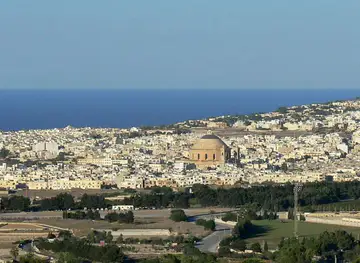
Mdina’s fortified skyline is the Western District’s most recognisable landmark, with bastions, gateways, limestone palaces and the Cathedral of Saint Paul forming a compact architectural ensemble on the island’s central plateau. Its elevated walls also provide views across much of inland Malta. In nearby Rabat, the catacombs are significant underground landmarks rather than conventional monuments, revealing how burial spaces shaped the ancient urban landscape. St Paul’s Church and the associated grotto belong to the town’s long Christian tradition and remain important places of worship and pilgrimage. At the western edge of the district, Dingli Cliffs mark Malta’s highest coastal ground, where a stark limestone escarpment meets open Mediterranean horizons. Buskett Gardens is a landmark of a different kind: a mature wooded landscape created and managed over centuries, with Verdala Palace rising above it as a prominent late-medieval and early modern estate building. Parish churches and broad village squares in Siġġiewi and Żebbuġ complete the district’s visual identity, linking everyday community life with Malta’s characteristic limestone architecture.
-
Historical landmark
Mdina Gate
Explore the enchanting Mdina Gate, a historical landmark that embodies Malta's rich heritage and stunning architectural beauty.
-
Park
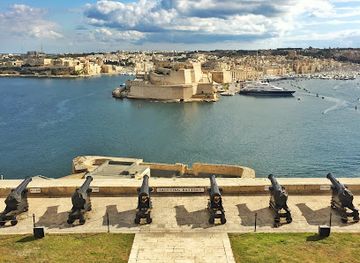
Upper Barrakka
Discover the beauty of Upper Barrakka Gardens, Valletta's serene park offering breathtaking views of the Grand Harbour and rich historical treasures.
-
Theme park
Popeye Village
Explore Popeye Village in Malta, a vibrant theme park that brings the beloved cartoon world to life with fun attractions, scenic views, and family-friendly activities.
-
Boat tour agency
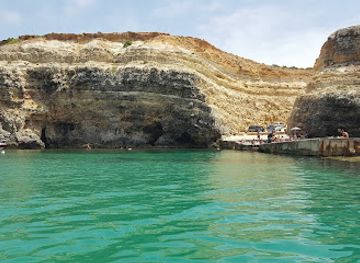
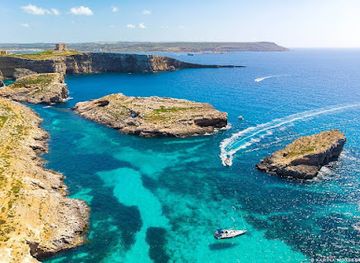
Visit Blue Lagoon Malta
Experience the breathtaking beauty of Blue Lagoon Malta, where crystal-clear waters meet stunning landscapes for an unforgettable adventure.
Explore Western District on the map
Plan your trip on one map. See where the top cities, national parks and sights are, and book hotels and experiences in a few clicks.
Best hotels in Western District
Best restaurants in Western District
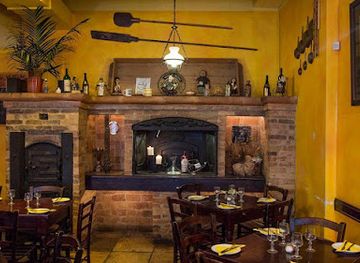
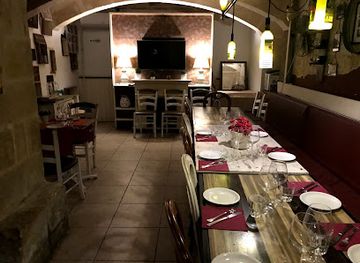
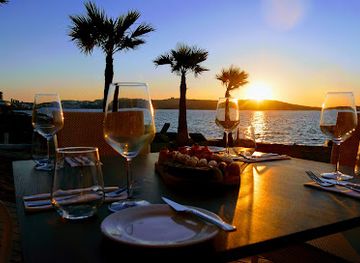
Dining in the Western District combines Maltese home-style cooking with cafés, village bars, family restaurants and more polished establishments around Mdina and Rabat. Traditional choices include rabbit prepared as a stew or in a savoury sauce, baked pasta, pastizzi filled with ricotta or peas, crusty Maltese bread, bigilla broad-bean dip and gbejna, the island’s small cheeselet. Menus also use tomatoes, capers, olives and seasonal vegetables, while local bakeries and pastry shops are useful for an informal lunch. Rabat and Mdina provide the broadest choice for visitors, whereas Siġġiewi, Żebbuġ, Attard and the other villages offer a more local evening rhythm centred on parish areas and neighbourhood cafés. Malta’s wines are widely available, as are coffee, soft drinks and regional beers. Seafood is more strongly associated with coastal communities elsewhere on the island, but fish appears on many Maltese menus. Booking is sensible for popular historic-centre restaurants, particularly during high season and on weekends.
-
Maltese
Ta' Kris
Experience authentic Maltese cuisine at Ta' Kris in Sliema - where every dish is crafted with passion and tradition.
-
Italian
Zero Sei Trattoria Romana
Experience authentic Italian flavors at Zero Sei Trattoria Romana in Valletta – where every dish tells a story.
-
Italian
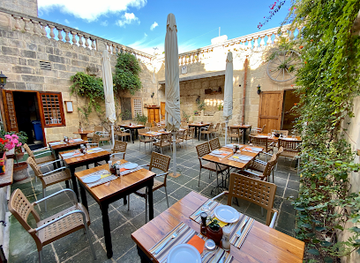
Coogi's Restaurant & Tea Garden
Experience authentic Italian and Maltese cuisine at Coogi's Restaurant & Tea Garden in Mdina - where every meal is paired with stunning views.
-
Restaurant
Nine Lives Malta
Experience culinary excellence at Nine Lives Malta - where local flavors meet stunning seaside views in St. Paul's Bay.
Best bars in Western District
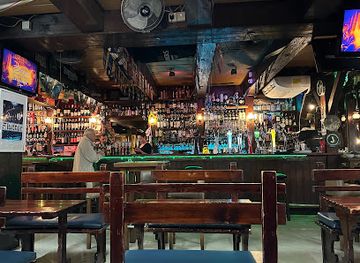
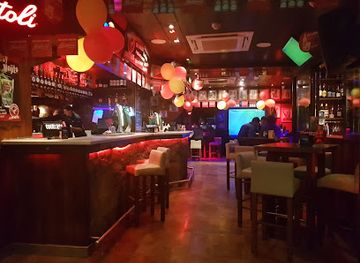
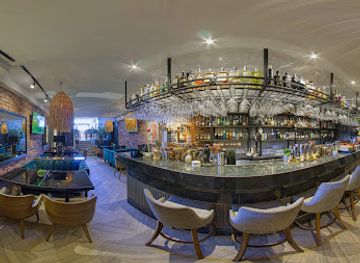
Nightlife in the Western District is generally quieter than in Malta’s principal entertainment areas outside the district. Mdina and Rabat have wine bars, cafés, restaurants and historic settings suited to an early evening drink or dinner, while village centres such as Siġġiewi, Żebbuġ, Attard and Balzan are more associated with traditional bars, parish-club social life and relaxed local gatherings. Dingli’s evening options are limited and dispersed, so visitors staying there should plan transport rather than expect a concentrated nightlife quarter. Large nightclubs are not a defining feature of the district; those seeking late dancing usually travel to other parts of Malta. During summer festas, village streets may become livelier with music, decorations, food stalls and processions, but these are community and religious celebrations rather than regular club nights. Evening walks around Mdina’s illuminated walls and quiet lanes are among the area’s most distinctive after-dark experiences, subject to access arrangements and respectful behaviour.
-
Live music bar
Black Gold Saloon
Immerse yourself in the lively ambiance of Black Gold Saloon, where live music, delicious food, and great company create unforgettable nights in Sliema.
-
Bar
Bar Native
Experience the vibrant nightlife of St Julian's at Bar Native, a lively bar known for its creative cocktails and energetic atmosphere.
-
Cocktail bar
The Black Sheep drink and dine
Discover the vibrant atmosphere and exquisite Mediterranean cuisine at The Black Sheep, Sliema's premier cocktail bar and restaurant.
-
Bar
Bellinii
Experience the vibrant nightlife of St Julian's at Bellinii, the ultimate cocktail bar for unforgettable evenings filled with creative drinks and a lively atmosphere.

Best nightclubs in Western District
Nightlife in the Western District is generally quieter than in Malta’s principal entertainment areas outside the district. Mdina and Rabat have wine bars, cafés, restaurants and historic settings suited to an early evening drink or dinner, while village centres such as Siġġiewi, Żebbuġ, Attard and Balzan are more associated with traditional bars, parish-club social life and relaxed local gatherings. Dingli’s evening options are limited and dispersed, so visitors staying there should plan transport rather than expect a concentrated nightlife quarter. Large nightclubs are not a defining feature of the district; those seeking late dancing usually travel to other parts of Malta. During summer festas, village streets may become livelier with music, decorations, food stalls and processions, but these are community and religious celebrations rather than regular club nights. Evening walks around Mdina’s illuminated walls and quiet lanes are among the area’s most distinctive after-dark experiences, subject to access arrangements and respectful behaviour.
-
Lounge
VELVET LOUNGE CLUB (SHISHA AND FOOD )
Discover the Velvet Lounge Club, a chic haven in San Pawl il-Baħar offering shisha, cocktails, and culinary delights for a memorable night out.
-
Night club
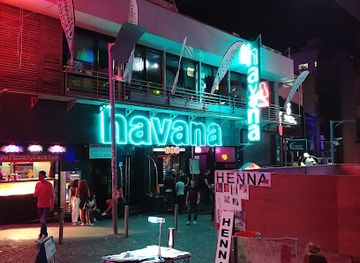
Havana Club Malta
Discover the electric nightlife at Havana Club Malta, where vibrant music, exquisite cocktails, and an unforgettable atmosphere await you.
-
Night club
Gianpula Main Room
Experience the pulsating nightlife of Malta at Gianpula Main Room, where unforgettable parties and vibrant music await.
-
Night club
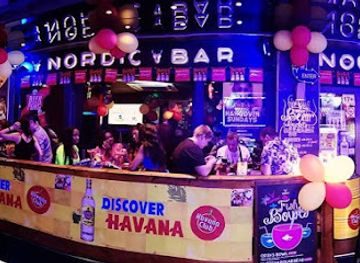
The Nordic Bar
Experience the dynamic nightlife at The Nordic Bar in St Julian's, where great music and friendly vibes create unforgettable nights.


Best shops in Western District
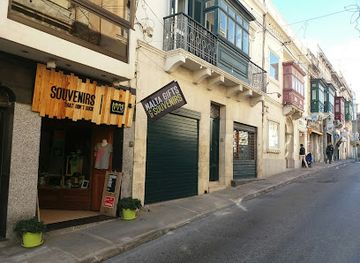
Shopping in the Western District is concentrated in the historic centres and village high streets rather than in large retail complexes. Mdina offers galleries, craft outlets, bookshops and boutiques in adapted palaces and narrow lanes, with products often aimed at visitors interested in Maltese ceramics, glass, jewellery, prints and heritage-inspired objects. Rabat is more practical and local in character, with bakeries, cafés, food shops and small businesses serving residents as well as day visitors. The villages of Siġġiewi, Żebbuġ, Attard and Balzan have ordinary neighbourhood shopping alongside parish-related stalls and seasonal activity, while occasional farmers’ and artisan markets provide opportunities to buy honey, preserves, olive products, wine, sweets and other Maltese foods. Visitors should distinguish locally made crafts from imported souvenirs and look for transparent information about materials and origin. For a broader fashion and department-store selection, travel beyond the district to Malta’s principal urban shopping centres; the Western District is better suited to small-scale purchases, food products, antiques, art and traditional crafts.
-
Shopping mall
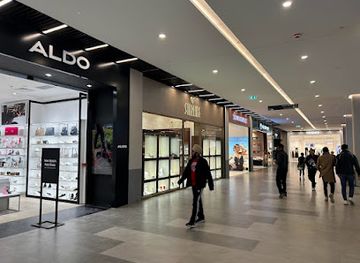
Arkadia Commercial Centre
Experience shopping, dining, and entertainment at Arkadia Commercial Centre in Victoria, a must-visit destination for every traveler in Malta.
-
Gift shop
Souvenirs That Don't Suck - Sliema
Explore Sliema's unique gift shop for handcrafted souvenirs that capture Malta's spirit and artistry.
-
Shopping mall
Shoreline Mall
Experience the best of shopping, dining, and entertainment at Shoreline Mall in beautiful Kalkara, Malta.
-
Gift shop
il-lokal
Explore il-lokal in Valletta for unique, handcrafted gifts that support local artisans and celebrate Maltese culture.


Get your free copy of our complete guide to Western District, delivered straight to you.
Everything on this page, from attractions and restaurants to essentials and local phrases, in one PDF you can read offline, print or share.
Already have an account? Sign in
Your Western District guide is ready.
We'll send it to · Not you? Sign out

Getting your guide ready…
We are putting together a fresh copy of the Western District guide. This can take up to a minute.
This can take a few moments. If your browser asks, choose Allow so the download can start. You'll find the guide in your Downloads folder.
Nothing happened? Download it again
Sorry, the guide is taking longer than usual. Please try again in a minute, or get it by email instead.
Western District essentials
Currency and Payment
Safety
Emergency Situations
Do's and Don'ts
Local Tips
From Eve
Local phrases worth knowing
You don't need to get them perfect. A few words go a long way, and locals appreciate the effort.
Basics
| English | Local | Say it |
|---|---|---|
| Hello | Hi | [Hai] |
| Goodbye | Bye | [Bai] |
| Yes | Yeah | [Yea] |
| No | Nope | [Nope] |
| Please/You're welcome | Please | [Pleez] |
| Thank you | Thanks | [Thangs] |
| Excuse me/Sorry | Excuse me | [Ex-kyoos mee] |
| How are you? | How ya doin'? | [How ya doin'?] |
| Fine. And you? | Good. You? | [Good. You?] |
| Do you speak English? | Do you speak English? | [Do you speak English?] |
| I don't understand | I don't get it | [I don't get it] |
Eating & Drinking
| English | Local | Say it |
|---|---|---|
| I'd like to see the menu, please | Can I see the menu? | [Can I see the menu?] |
| I don't eat meat | I'm vegetarian | [I'm vege-tair-ee-an] |
| Cheers! | Cheers! | [Cheers!] |
| I would like to pay, please | Can I get the check, please? | [Can I get the check, pleez?] |
Emergencies
| English | Local | Say it |
|---|---|---|
| Help! | Help! | [Help!] |
| Go away! | Leave me alone! | [Leave me alone!] |
| Call the Police! | Call the cops! | [Call the cops!] |
| Call a doctor! | Get a doctor! | [Get a doctor!] |
| I'm lost | I'm lost | [I'm lost] |
| I'm ill | I'm not feeling well | [I'm not feeling well] |
Shopping
| English | Local | Say it |
|---|---|---|
| I'd like to buy... | I want to buy... | [I want to buy...] |
| I'm just looking | Just browsing | [Just browsing] |
| How much is it? | What’s the price? | [What's the price?] |
| That's too expensive | That's pricey | [That's pricey] |
| Can you lower the price? | Can you give me a better deal? | [Can you give me a better deal?] |
Time & Numbers
| English | Local | Say it |
|---|---|---|
| What time is it? | What time is it? | [What time is it?] |
| It's one o'clock | It's one | [It's one] |
| Half past (10) | Half past ten | [Half past ten] |
| Morning | Morning | [Morning] |
| Afternoon | Afternoon | [Afternoon] |
| Evening | Evening | [Evening] |
| Yesterday | Yesterday | [Yesterday] |
| Today | Today | [Today] |
| Tomorrow | Tomorrow | [Tomorrow] |
| 1 | One | [One] |
| 2 | Two | [Two] |
| 3 | Three | [Three] |
| 4 | Four | [Four] |
| 5 | Five | [Five] |
| 6 | Six | [Six] |
| 7 | Seven | [Seven] |
| 8 | Eight | [Eight] |
| 9 | Nine | [Nine] |
| 10 | Ten | [Ten] |
Transport & Directions
| English | Local | Say it |
|---|---|---|
| Where's a/the...? | Where's the...? | [Where's the...?] |
| What's the address? | What's the address? | [What's the address?] |
| Can you show me (on the map)? | Can you show me on the map? | [Can you show me on the map?] |
| When's the next (bus)? | When's the next bus? | [When's the next bus?] |
| A ticket (to ....) | A ticket to ... | [A ticket to ...] |
History of Western District
Prehistoric Settlements and Megalithic Malta
The wider landscape of the Western District formed part of the agricultural and ritual world of prehistoric Malta. Although the most famous megalithic temples lie elsewhere on the island, the district’s valleys, plateaux and fertile soils supported communities during the Neolithic and later temple-building periods. The limestone terrain, arable fields and natural caves continued to influence settlement long after the prehistoric temples declined. Archaeological remains in and around Rabat also demonstrate that the central-western part of Malta was repeatedly occupied, cultivated and adapted by successive communities.
Roman Melite and the Origins of Rabat
Under Roman rule, which began in the third century BC, the settlement of Melite occupied the high ground now associated with Mdina, while its surrounding areas supported farms, roads and burial grounds. Rabat preserves important evidence from this period, including the St Paul’s and St Agatha’s catacomb complexes, where underground chambers illustrate Roman and late antique funerary practices. These sites are not simply decorative remnants: they reveal how the island’s population organised burial, community and belief beyond the fortified urban centre.
Christianity and the Late Antique Landscape
Late Roman and early Christian Malta left a particularly visible legacy around Rabat. Underground burial complexes were reused and adapted over time, and local tradition connects the area with Saint Paul’s arrival on Malta, traditionally dated to AD 60. The exact historical development of early Christianity was gradual, but by late antiquity the central-western settlements formed part of a changing Mediterranean religious landscape. Chapels, catacombs and later churches continued to build on this association, making Rabat a significant place for understanding Malta’s Christian heritage.
Mdina in the Medieval Period
Mdina developed as Malta’s principal inland stronghold during the medieval centuries. Its elevated position gave it defensive value, while the surrounding countryside supplied food and connected it with other settlements. Arab rule influenced the island’s language, agriculture and settlement patterns, and the city’s name derives from the Arabic term for a town. After the Norman conquest, Mdina remained an important seat of authority under successive rulers, with aristocratic families, ecclesiastical institutions and defensive works shaping the historic core visible today.
The Knights of St John and the 1693 Earthquake
The arrival of the Order of St John in 1530 altered Malta’s political and architectural landscape. Although the Order later concentrated its principal urban development around the Grand Harbour, Mdina and the surrounding villages retained their importance as an old inland centre and agricultural hinterland. A major earthquake in 1693 damaged buildings across southeastern Sicily and Malta, prompting extensive rebuilding in Mdina and Rabat. Baroque façades, churches and palaces subsequently transformed parts of the medieval city without removing its older street plan.
British Rule and Military Infrastructure
Malta became a British possession in 1800, beginning a period of military, administrative and social change. The Western District’s high ground near Mtarfa and Rabat acquired strategic importance, and barracks, hospitals, roads and other military infrastructure appeared in the landscape. Mtarfa in particular retains traces of this association. British rule also strengthened Malta’s connections with imperial shipping and altered patterns of employment, while the villages of the west continued to depend substantially on agriculture, quarrying and local trade.
Post-war Growth and the Changing Countryside
After the Second World War and Malta’s independence in 1964, housing, roads and public services expanded rapidly. Attard, Balzan and parts of Rabat and Żebbuġ became increasingly integrated into the island’s suburban economy, while Siġġiewi, Dingli and Mtarfa grew beyond their older village cores. Agricultural land and open valleys nevertheless remained important features of the western landscape. Today the district reflects the tension between development and conservation, with heritage protection, countryside access and the survival of traditional village centres central to its identity.
Western District in Photos
Browse through our photo collection highlighting the charm and character of the destination.
Neighbouring regions of Western District
The closest regions to Western District, if you have time for more than one.
-

-

-

-
-


Swipe for more regions
Explore more
Explore more of Malta
Discover Malta's crystal-clear waters, rich history, and vibrant culture. From ancient temples to modern nightlife, this Mediterranean gem offers something for everyone.
Explore Malta