

Free Western Region Travel Guide & Mobile App
Explore Western Region with free travel guides. Discover regional history, expert tips, proposed trips, and audio guides on web or mobile app.


Explore Malta’s Western Region for Mdina’s medieval streets, Rabat’s ancient sites, Dingli Cliffs, rural villages and limestone countryside.
Read more about Western Region
When is the best time to visit Western Region?
Best: June–August · 22–26°C| Month | High (°C) | Rainfall (mm) |
|---|---|---|
| January | 1 | 25 |
| February | 3 | 20 |
| March | 8 | 31 |
| April | 14 | 36 |
| May | 18 | 41 |
| June (best) | 22 | 46 |
| July (best) | 26 | 51 |
| August (best) | 25 | 46 |
| September | 20 | 41 |
| October | 14 | 36 |
| November | 8 | 31 |
| December | 1 | 25 |
Getting to and around Western Region
How to get there
Transportation
Top city travel guides in Western Region
The cities of Western Region, and the easiest places to base yourself.
-

-

-

-

-

-


Swipe for more cities
Destinations in Western Region
Resorts, valleys and scenic spots worth a trip of their own.
-

-


Swipe for more destinations
Best attractions in Western Region
The Western Region’s attractions combine concentrated historic heritage with open countryside. Mdina provides the strongest architectural ensemble, with fortified lanes, palaces, churches and views across the island, while Rabat adds the Domus Romana, catacombs and museums that explain Malta’s Roman and early Christian past. Mġarr is the setting for the prehistoric sites of Ta’ Ħaġrat and Skorba, important remains of Malta’s Neolithic temple culture. Beyond the towns, visitors can explore Buskett Gardens, the Dingli plateau and the coastal landscapes around Għar Lapsi. Walking, landscape photography and birdwatching are more natural here than organised adventure attractions, although swimming and diving are possible at suitable coastal spots when conditions allow. Village parish churches, rural restaurants and seasonal festas add cultural interest, while the countryside’s rubble walls, terraces and limestone formations reveal the continuing relationship between agriculture and the island’s geology. Because sites are spread across several localities, the region rewards an itinerary that alternates archaeological and historic visits with time outdoors.
-
Scenic spot
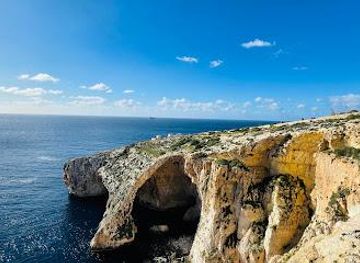
Blue Grotto
Experience the breathtaking beauty of the Blue Grotto in Malta, a scenic spot and historical landmark perfect for unforgettable adventures.
-
Archaeological site
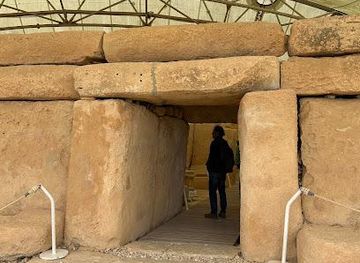
Hagar Qim Temple
Discover the ancient wonders of Hagar Qim Temple, where history, architecture, and stunning coastal views unite in a UNESCO World Heritage Site.
-
Archaeological site
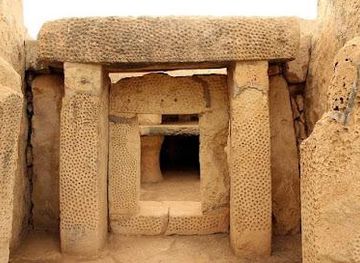
Mnajdra Temple
Explore the ancient marvels of Mnajdra Temple, a UNESCO World Heritage site in Malta, rich in history and breathtaking architecture.
-
Wedding venue
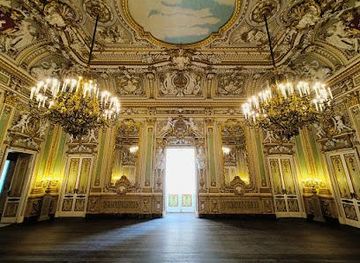
Palazzo Parisio
Discover the opulence of Palazzo Parisio, a historical palace in Naxxar featuring stunning gardens and exquisite dining, perfect for cultural immersion.
Best landmarks in Western Region
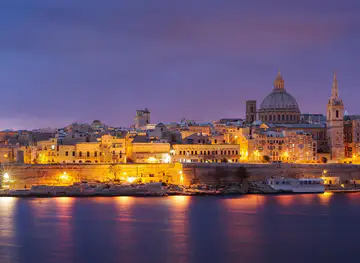
Mdina’s fortified skyline is the region’s defining landmark, with bastions, gateways, palaces and St Paul’s Cathedral forming a compact historic silhouette above the surrounding plain. Below the hill, Rabat’s Domus Romana is a significant reminder of Roman domestic culture, while the catacombs represent the underground funerary landscape that developed around the ancient settlement. In Mġarr, the megalithic remains of Ta’ Ħaġrat and Skorba are among Malta’s most important prehistoric landmarks, preserving evidence of temple-building communities thousands of years ago. Dingli Cliffs provide the region’s clearest natural landmark: a high limestone escarpment overlooking the open Mediterranean and the small island of Filfla. Buskett Gardens stands out as a rare, substantial wooded landscape on an otherwise dry island, its paths and mature vegetation contrasting with the exposed plateau. Parish churches in Rabat, Mġarr, Siġġiewi and Żebbuġ complete the regional picture, serving as prominent architectural and communal markers within their villages.
-
Historical landmark
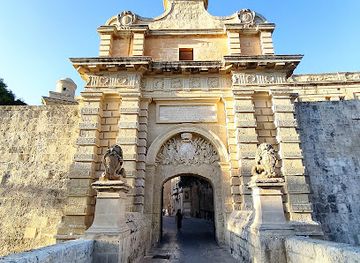
Mdina Gate
Explore the majestic Mdina Gate, a historical landmark that embodies Malta's rich history and architectural beauty in the heart of the Silent City.
-
Park
Upper Barrakka
Explore the serene beauty and historical significance of Upper Barrakka Gardens, offering breathtaking views of Valletta's Grand Harbour.
-
Theme park
Popeye Village
Dive into the whimsical world of Popeye Village in Malta, where families enjoy fun attractions and stunning Mediterranean views in a charming theme park setting.
-
Fountain
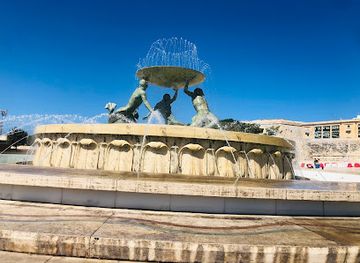
Triton Fountain
Discover the Triton Fountain, an iconic Modernist landmark in Floriana, Malta, blending art, history, and vibrant surroundings for an unforgettable experience.

Explore Western Region on the map
Plan your trip on one map. See where the top cities, national parks and sights are, and book hotels and experiences in a few clicks.
Best hotels in Western Region
Best restaurants in Western Region
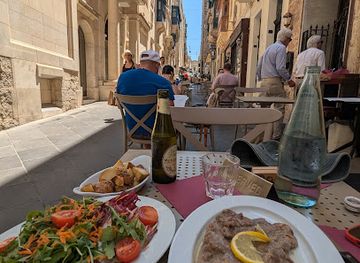
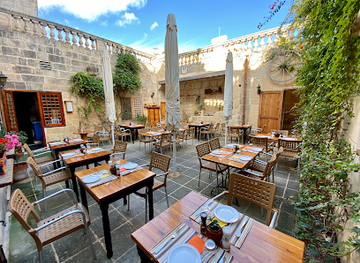
Dining in the Western Region is closely linked to Malta’s village and agricultural traditions. Rabat and Mdina offer restaurants and cafés in historic surroundings, ranging from informal places serving pastizzi and other savoury pastries to more elaborate menus based on Maltese and Mediterranean cooking. Rabbit remains a traditional choice, while baked pasta, seasonal vegetables, Maltese bread, ġbejna cheese and fish appear widely across the island rather than belonging exclusively to this region. Mġarr is particularly associated with rural eating and menus shaped by local produce, including potatoes, onions, tomatoes and other crops grown in the surrounding countryside. Siġġiewi, Dingli and Żebbuġ also have village eateries and bars where meals can be less formal than in the historic centre of Mdina. Look for imqaret, a date-filled sweet, and ask about daily specials; menus often change with the season. Reservations are sensible for popular restaurants in Mdina and for larger groups, while small cafés may offer the most direct introduction to everyday Maltese snacks.
-
Maltese
Ta' Kris
Experience authentic Maltese flavors at Ta' Kris in Sliema – where every dish tells a story.
-
Italian
Zero Sei Trattoria Romana
Discover authentic Italian cuisine at Zero Sei Trattoria Romana in Valletta - where every dish tells a story of tradition and flavor.
-
Italian
Coogi's Restaurant & Tea Garden
Experience the perfect blend of Italian and Maltese cuisine at Coogi's Restaurant & Tea Garden in Mdina with stunning views.
-
Restaurant
Nine Lives Malta
Discover exceptional Mediterranean cuisine at Nine Lives Malta in St. Paul's Bay—where breathtaking views meet unforgettable flavors.

Best bars in Western Region
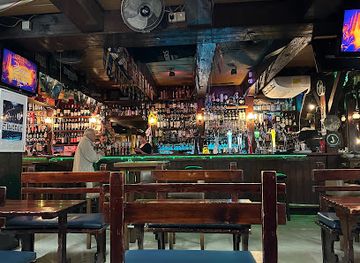
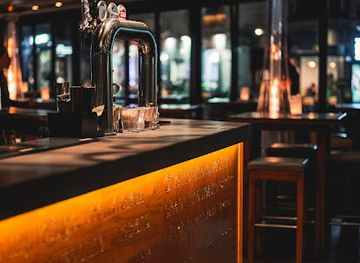
Nightlife in the Western Region is modest and local in character rather than centred on large clubs. Mdina develops a quieter evening atmosphere as visitors leave, with historic streets, wine bars, cafés and restaurants providing the principal after-dark setting. Rabat has a more everyday selection of pubs, snack bars and casual restaurants, while village bars in Mġarr, Dingli, Siġġiewi and Żebbuġ often function as social meeting places rather than late-night destinations. Seasonal festas can bring temporary music, decorated streets and extended evening activity, but arrangements vary between villages and years. Live music and community events may appear in local venues, although they should be checked locally rather than assumed to operate on a fixed schedule. Visitors seeking extensive clubbing generally travel to Malta’s larger entertainment centres outside the region; within the Western Region, the evening appeal lies in supper, conversation, historic surroundings and village life.
-
Live music bar
Black Gold Saloon
Discover the lively Black Gold Saloon in Sliema - a perfect blend of delicious food, live music, and a vibrant atmosphere for tourists.
-
Restaurant
The Brew Grill & Brewery
Discover the best of local flavors at The Brew Grill & Brewery, where exceptional grilled dishes meet artisanal craft beers in Sliema.
-
Restaurant
Hugo's Terrace & Rooftop
Experience exquisite Mediterranean cuisine with breathtaking views at Hugo's Terrace & Rooftop in St Julian's, Malta.
-
Bar
Bar Native
Experience the vibrant nightlife at Bar Native in St. Julian's, where unique cocktails and a lively atmosphere await every visitor.

Best nightclubs in Western Region
Nightlife in the Western Region is modest and local in character rather than centred on large clubs. Mdina develops a quieter evening atmosphere as visitors leave, with historic streets, wine bars, cafés and restaurants providing the principal after-dark setting. Rabat has a more everyday selection of pubs, snack bars and casual restaurants, while village bars in Mġarr, Dingli, Siġġiewi and Żebbuġ often function as social meeting places rather than late-night destinations. Seasonal festas can bring temporary music, decorated streets and extended evening activity, but arrangements vary between villages and years. Live music and community events may appear in local venues, although they should be checked locally rather than assumed to operate on a fixed schedule. Visitors seeking extensive clubbing generally travel to Malta’s larger entertainment centres outside the region; within the Western Region, the evening appeal lies in supper, conversation, historic surroundings and village life.
-
Night club
Havana Club Malta
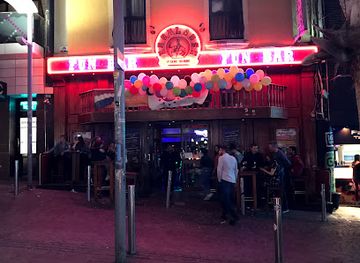
Discover the electric nightlife at Havana Club Malta, where vibrant energy, great music, and a stylish crowd come together for an unforgettable experience.
-
Night club
Gianpula Main Room
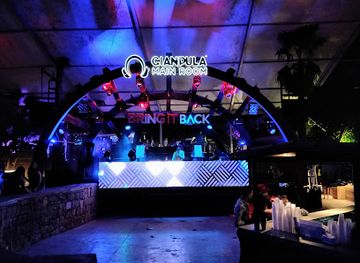
Experience the pulsating nightlife of Malta at Gianpula Main Room, where world-class DJs and electrifying vibes await you.
-
Night club
The Nordic Bar
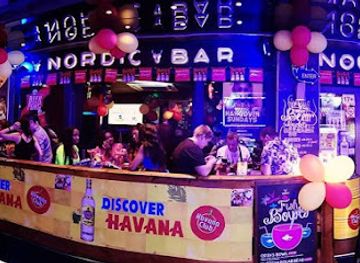
Experience the electrifying nightlife at The Nordic Bar, a premier night club in St Julian's, Malta, where great music and vibrant energy come alive.
-
Night club
Footloose
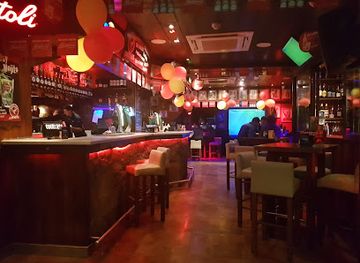
Discover the vibrant nightlife at Footloose in St. Julian's, the perfect night club for tourists seeking an unforgettable party experience.

Best shops in Western Region
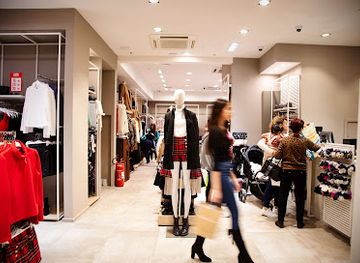
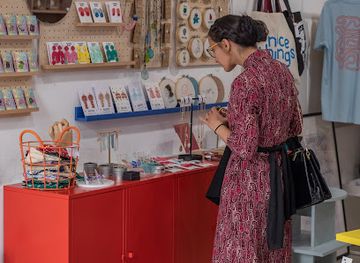
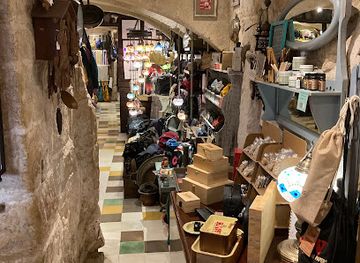
Shopping in the Western Region is focused on historic streets, village services, food products and small independent businesses rather than large retail complexes. Mdina has shops and galleries selling Maltese crafts, ceramics, jewellery, glass, prints and other souvenirs in buildings that form part of the old city, while Rabat combines visitor-oriented stores with everyday cafés, bakeries and local services. Mġarr and the surrounding agricultural area are useful places to look for seasonal produce and foods associated with rural Malta, although availability depends on the time of year. Village shops in Dingli, Siġġiewi and Żebbuġ offer a more practical, local shopping experience than a dedicated tourist quarter. When buying crafts, check whether an item is locally made rather than merely carrying a Maltese design. Pastizzi, ġbejna, honey, preserves, olive products and Maltese wine can make useful edible purchases, provided they are packaged appropriately for travel. For extensive fashion and department-store shopping, visitors usually need to travel beyond the region.
-
Shopping mall
Arkadia Commercial Centre
Discover the vibrant shopping experience at Arkadia Commercial Centre in Victoria, Gozo, where local culture meets modern retail.
-
Gift shop
il-lokal
Explore il-lokal, Valletta's premier gift shop, featuring unique handcrafted items and local artistry that capture the spirit of Malta.
-
Goldsmith
The Silversmith's Shop
Explore the charm of The Silversmith's Shop in Valletta, where exquisite handcrafted jewelry and rich Maltese tradition come together.
-
Clothing store
Ċekċik
Discover unique fashion at Ċekċik, Valletta's charming clothing boutique with local flair and personalized service.
Get your free copy of our complete guide to Western Region, delivered straight to you.
Everything on this page, from attractions and restaurants to essentials and local phrases, in one PDF you can read offline, print or share.
Already have an account? Sign in
Your Western Region guide is ready.
We'll send it to · Not you? Sign out

Getting your guide ready…
We are putting together a fresh copy of the Western Region guide. This can take up to a minute.
This can take a few moments. If your browser asks, choose Allow so the download can start. You'll find the guide in your Downloads folder.
Nothing happened? Download it again
Sorry, the guide is taking longer than usual. Please try again in a minute, or get it by email instead.
Western Region essentials
Currency and Payment
Safety
Emergency Situations
Do's and Don'ts
Local Tips
From Eve
Local phrases worth knowing
You don't need to get them perfect. A few words go a long way, and locals appreciate the effort.
Basics
| English | Local | Say it |
|---|---|---|
| Hello | Hey | [Hey] |
| Goodbye | See ya | [See yah] |
| Yes | Yup | [Yup] |
| No | Nah | [Nah] |
| Please/You're welcome | No problem | [No prob-lem] |
| Thank you | Thanks | [Thanks] |
| Excuse me/Sorry | Sorry | [Sorry] |
| How are you? | How’s it going? | [How's it go-ing?] |
| Fine. And you? | Good. You? | [Good. You?] |
| Do you speak English? | Do you know English? | [Do you know Eng-lish?] |
| I don't understand | I don’t get it | [I don’t get it] |
Eating & Drinking
| English | Local | Say it |
|---|---|---|
| I'd like to see the menu, please | Can I see the menu? | [Can I see the men-u?] |
| I don't eat meat | I’m vegetarian | [I’m veg-e-tar-i-an] |
| Cheers! | Cheers! | [Cheers!] |
| I would like to pay, please | Can I get the check? | [Can I get the check?] |
Emergencies
| English | Local | Say it |
|---|---|---|
| Help! | Help! | [Help!] |
| Go away! | Leave me alone! | [Leave me a-lone!] |
| Call the Police! | Call the cops! | [Call the cops!] |
| Call a doctor! | Get a doctor! | [Get a doc-tor!] |
| I'm lost | I can’t find my way | [I can’t find my way] |
| I'm ill | I’m not feeling well | [I’m not feel-ing well] |
Shopping
| English | Local | Say it |
|---|---|---|
| I'd like to buy... | I want to buy... | [I want to buy...] |
| I'm just looking | Just browsing | [Just brows-ing] |
| How much is it? | What’s the price? | [What’s the price?] |
| That's too expensive | That's too pricey | [That's too price-y] |
| Can you lower the price? | Can you make it cheaper? | [Can you make it cheap-er?] |
Time & Numbers
| English | Local | Say it |
|---|---|---|
| What time is it? | What’s the time? | [What’s the time?] |
| It's one o'clock | It’s one | [It’s one] |
| Half past (10) | Half past ten | [Half past ten] |
| Morning | Morning | [Morn-ing] |
| Afternoon | Afternoon | [Af-ter-noon] |
| Evening | Evening | [Eve-ning] |
| Yesterday | Yesterday | [Yes-ter-day] |
| Today | Today | [To-day] |
| Tomorrow | Tomorrow | [To-mor-row] |
| 1 | One | [One] |
| 2 | Two | [Two] |
| 3 | Three | [Three] |
| 4 | Four | [Four] |
| 5 | Five | [Five] |
| 6 | Six | [Six] |
| 7 | Seven | [Seven] |
| 8 | Eight | [Eight] |
| 9 | Nine | [Nine] |
| 10 | Ten | [Ten] |
Transport & Directions
| English | Local | Say it |
|---|---|---|
| Where's a/the...? | Where’s the...? | [Where’s the...?] |
| What's the address? | What’s the address? | [What’s the ad-dress?] |
| Can you show me (on the map)? | Can you point it out? | [Can you point it out?] |
| When's the next (bus)? | When’s the next bus? | [When’s the next bus?] |
| A ticket (to ....) | A ticket to ... | [A tick-et to ...] |
History of Western Region
Neolithic Communities at Mġarr
The area around Mġarr preserves important evidence of Malta’s prehistoric farming communities. The Ta’ Ħaġrat and Skorba archaeological sites contain megalithic temple remains and material associated with several phases of Neolithic settlement, beginning more than 5,000 years ago. Their builders lived in agricultural communities that developed distinctive stone architecture, pottery and ritual practices. The sites are part of Malta’s internationally recognised megalithic heritage and show that the western interior was not peripheral in prehistory, but part of a densely settled island landscape. Surviving fields, terraces and limestone outcrops offer a broader context for understanding these remains.
Roman Melite and the Domus Romana
During the Roman period, the settlement that became Mdina occupied a defensible high point, while Rabat developed beyond the ancient city walls. The Domus Romana, a substantially preserved Roman townhouse discovered near Rabat, contains refined mosaic pavements and other evidence of elite domestic life. Nearby burial complexes reveal how the surrounding settlement changed during late antiquity, when underground tombs and catacombs were used by communities with different religious traditions. Roman administration, agriculture and trade left a lasting imprint on the central part of Malta, and the relationship between elevated Mdina and lower Rabat remained important throughout later centuries.
Medieval Mdina and Arab Influence
After the end of Roman rule, Malta passed through Byzantine and Arab periods before becoming linked to the Norman-ruled Sicilian world. The settlement on the hill was known as Medina, a name reflecting Arabic influence, and its urban structure developed into the fortified city now called Mdina. Arabic agricultural knowledge, vocabulary and place names remained part of Malta’s cultural inheritance, while the distinction between the elevated city and the suburbs of Rabat became increasingly established. Medieval Mdina served as the island’s principal seat of power before the arrival of the Knights of St John in the sixteenth century.
The Order of St John and Baroque Mdina
The Knights of St John made Valletta their principal capital after 1566, but Mdina retained religious, administrative and aristocratic importance. A severe earthquake in 1693 damaged many buildings across Malta, including structures in Mdina, and reconstruction introduced the Baroque façades, palaces and ecclesiastical architecture visible today. St Paul’s Cathedral and the surrounding streets express this transformation particularly clearly. Rabat also gained important religious and charitable institutions during the early modern period. The region’s historic character therefore reflects both medieval survival and a carefully layered Baroque rebuilding.
Rural Estates, Agriculture and Limestone
For centuries, the western interior depended heavily on farming, animal husbandry and the working of Malta’s characteristic globigerina and coralline limestone. Villages such as Mġarr, Siġġiewi and Żebbuġ grew within an agricultural landscape of fields, terraces, wells and rubble walls. Buskett, although partly shaped by human cultivation and estate management, became an important wooded landscape associated with the hunting and retreat traditions of the island’s rulers. Limestone quarrying later altered parts of the countryside, providing a major building material for churches, houses and fortifications while also leaving a visible industrial mark.
The British Period and the Modern Region
British rule brought new administrative systems, military needs and transport connections to Malta, although the Western Region remained largely rural compared with the harbour area. Mtarfa developed a particularly strong association with military and medical facilities, while Rabat and Mdina continued as historic and religious centres. During the twentieth century, improved roads, post-war housing and changing agricultural practices connected the villages more closely to Malta’s expanding economy. Today the region balances heritage conservation, farming, quarrying, residential growth and tourism, with its historic settlements and open landscapes remaining central to its identity.
Western Region in Photos
Browse through our photo collection highlighting the charm and character of the destination.
Neighbouring regions of Western Region
The closest regions to Western Region, if you have time for more than one.
-

-

-

-

-


Swipe for more regions
Explore more
Explore more of Malta
Discover Malta's crystal-clear waters, rich history, and vibrant culture. From ancient temples to modern nightlife, this Mediterranean gem offers something for everyone.
Explore Malta