

Free Tarxien Travel Guide & Mobile App
Plan your Tarxien trip with Evendo. Get free guides to top attractions, restaurants, hotels, and bars. Web access or download the mobile app.


Tarxien, Malta, reveals Neolithic temples, limestone streets and parish heritage near the Ħal Saflieni Hypogeum and Valletta's historic harbour.
Prehistoric Heritage
Tarxien is a compact town in Malta's south-eastern harbour region, best known for the Tarxien Temples, one of the island's most important prehistoric monuments. Beneath the modern streets lies evidence of a complex Neolithic society that worked enormous limestone blocks, decorated ceremonial spaces and practised rituals here more than 5,000 years ago. The temple complex forms part of Malta's UNESCO-listed Megalithic Temples, yet Tarxien feels more like a lived-in residential town than an open-air archaeological park.Read more about Tarxien
Town Streets and Sacred Places
A Southern Maltese Base
When is the best time to visit Tarxien?
Best: April–June · 23–31°C| Month | High (°C) | Rainfall (mm) |
|---|---|---|
| January | 18 | 90 |
| February | 18 | 70 |
| March | 19 | 60 |
| April (best) | 23 | 40 |
| May (best) | 27 | 20 |
| June (best) | 31 | 10 |
| July | 34 | 5 |
| August | 35 | 10 |
| September | 33 | 20 |
| October | 29 | 50 |
| November | 24 | 70 |
| December | 21 | 90 |
Getting to and around Tarxien
How to get there
Transportation
Best attractions in Tarxien
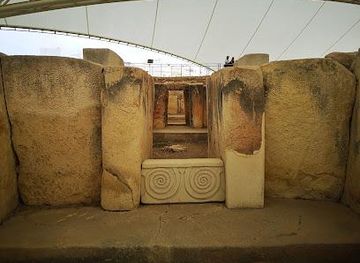
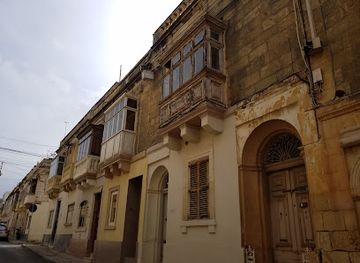
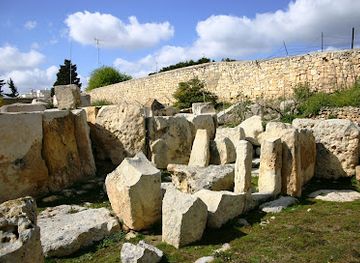
The Tarxien Temples are Tarxien's defining attraction, a prehistoric sanctuary complex whose apses, altars and carved limestone panels reveal the sophistication of Malta's Temple Period communities. A carefully managed route allows visitors to understand the relationship between the monumental structures and the surrounding modern town. The Church of the Annunciation offers a contrasting experience, placing Maltese parish architecture and religious tradition at the centre of local life. Beyond these principal sites, Tarxien rewards slow walks through streets lined with honey-coloured limestone houses, enclosed balconies and small neighbourhood businesses. The nearby Ħal Saflieni Hypogeum in Paola is an important complementary visit, but it is outside Tarxien and has restricted admission. Paola, Fgura and Santa Lucia extend the area for visitors interested in ordinary south-eastern Maltese town life, while Valletta and the Three Cities provide wider harbour attractions within a short regional journey.
-
Archaeological site
Tarxien Temples
Explore the ancient Tarxien Temples, a UNESCO World Heritage site showcasing Malta's prehistoric artistry and spiritual heritage.
4 min walk · 0.4 km from city centre
-
Garden
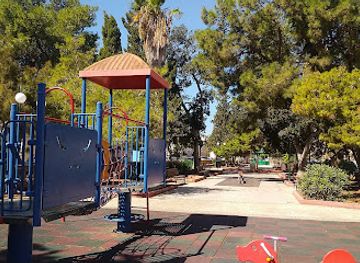
Joanne Gardens
Experience the tranquil beauty of Joanne Gardens in Tarxien, Malta, a serene escape perfect for relaxation and nature walks.
5 min walk · 0.4 km from city centre
-
Museum
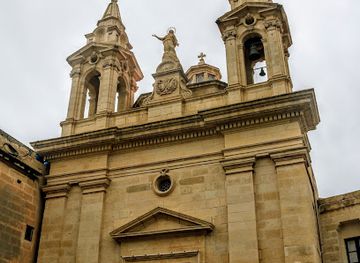
St. Mary's Chapel (Tar-Rokna)
Experience the serene beauty of St. Mary's Chapel in Tarxien, a historical monument celebrating Malta's rich cultural heritage and artistic legacy.
1 min walk · 0.1 km from city centre
Best landmarks in Tarxien
The Tarxien Temples are the town's principal historic landmark, comprising monumental limestone structures built and modified during Malta's Neolithic Temple Period. Their decorated blocks, altar spaces and curved apses provide rare evidence of prehistoric ceremonial architecture. The Church of the Annunciation is Tarxien's central religious landmark and a focus of parish identity, its traditional Maltese limestone form reflecting the importance of Catholic church building in the island's towns. Around it, domestic streets preserve smaller architectural details including carved façades, timber or enclosed balconies and richly finished doorways. The Ħal Saflieni Hypogeum, although situated in neighbouring Paola, belongs to the same wider prehistoric heritage landscape and is often associated with a visit to Tarxien; it should not be described as a Tarxien landmark. Together, these places show the area across radically different periods, from prehistoric ritual construction to living village architecture.
-
Historical landmark
Ħal Saflieni Hypogeum
Explore the ancient depths of Ħal Saflieni Hypogeum, a UNESCO World Heritage site, and uncover Malta's prehistoric mysteries and rich cultural history.
8 min walk · 0.6 km from city centre
-
Archaeological site
Tarxien Temples
Uncover the ancient mysteries of the Tarxien Temples, a UNESCO World Heritage site showcasing Malta's prehistoric architectural marvels and rich cultural heritage.
4 min walk · 0.4 km from city centre
-
Garden
Joanne Gardens
Experience the tranquility and natural beauty of Joanne Gardens in Tarxien, a perfect oasis for relaxation and exploration.
5 min walk · 0.4 km from city centre
-
 Guest house
The Burrow Guest House
Experience the warmth of Maltese hospitality at The Burrow Guest House in Tarxien, where comfort meets local charm in a serene setting.
2 min walk · 0.1 km from city centre
Explore Tarxien on the map
Plan your Tarxien trip on one map. See where the top attractions, landmarks, restaurants, bars and hotels are, find what's near where you're staying, and book hotels and experiences in a few clicks.
Best hotels in Tarxien
Best restaurants in Tarxien
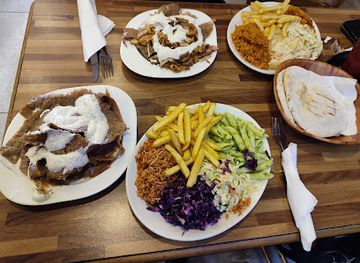
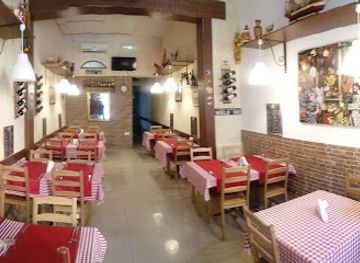
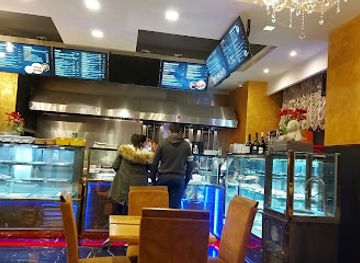
Tarxien's dining scene is local and neighbourhood-oriented rather than built around destination restaurants. Maltese cooking draws on the island's Mediterranean setting and varied history, with dishes such as pastizzi, savoury pastries filled with ricotta or peas, ftira, rabbit preparations, soups, pasta dishes and seafood appearing across everyday cafés and family-run establishments. Small bakeries and snack counters are useful for inexpensive bites, while restaurants in Tarxien and nearby Paola, Fgura and the harbour towns offer broader menus shaped by Italian, southern European and Maltese traditions. Local produce, olives, tomatoes, capers and fresh fish feature in many kitchens, though menus vary by season and establishment. Visitors seeking a wider choice of cafés, wine bars and contemporary dining can continue towards Valletta or the Three Cities, while Tarxien itself is best approached as a place for unhurried, ordinary Maltese meals.
-
Fast Food
Burger King
Experience iconic fast food at Burger King in Paola - where delicious flame-grilled burgers meet convenience.
12 min walk · 1.0 km from city centre
-
Turkish
Eda Kebab house
Experience authentic Turkish cuisine at Eda Kebab House in Fgura – where every meal tells a story of flavor and tradition.
11 min walk · 0.8 km from city centre
-
Restaurant
Panormus La Tavernetta di Mamma Ciccia
Discover the flavors of Italy at Panormus La Tavernetta di Mamma Ciccia in Paola - where every dish tells a story.
9 min walk · 0.7 km from city centre
-
Turkish
AyhanJ
Discover authentic Turkish flavors at AyhanJ in Fgura – a must-visit restaurant serving delicious kebabs and more!
13 min walk · 1.0 km from city centre

Best bars in Tarxien
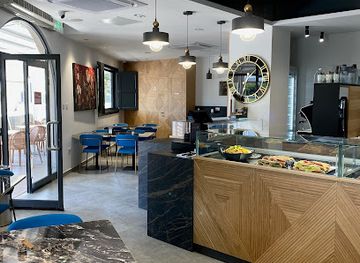
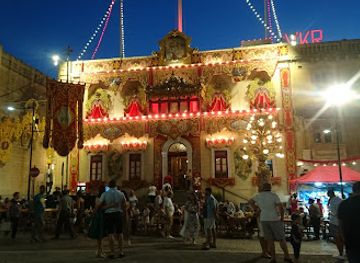
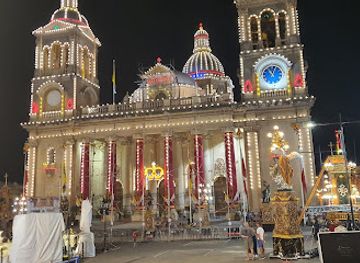
Tarxien is a residential town rather than a major nightlife destination, so evenings generally centre on local cafés, family restaurants and the social life surrounding the parish and neighbouring streets. The nearby towns of Paola and Fgura provide additional informal places for a drink, while the harbour districts and Valletta offer a broader choice of wine bars, cocktail venues, live music and late-night entertainment. Malta's traditional village festa period can bring bands, decorations and community gatherings to local streets, although dates and scale vary between parishes. Visitors looking for clubs usually travel beyond Tarxien to larger entertainment areas elsewhere on the island. After dark, the town is better suited to a relaxed meal or a quiet walk than to a concentrated bar-hopping circuit, and transport planning is useful when returning from Valletta or other nightlife districts.
-
Coffee shop
Vi-Vi Cafeteria and Bistro
Discover the delightful flavors of Malta at Vi-Vi Cafeteria and Bistro in Tarxien, where every meal is a taste of local tradition.
6 min walk · 0.5 km from city centre
-
Restaurant
Patakkus
Discover the essence of Maltese cuisine at Patakkus in Tarxien, where tradition meets taste in a cozy, inviting atmosphere.
5 min walk · 0.4 km from city centre
-
Bar
De Paule Band Club
Discover the lively De Paule Band Club in Paola, Malta, a perfect spot for drinks, music, and local culture amidst historical charm.
10 min walk · 0.8 km from city centre
-
Bar
Luglio cafe bar and lounge
Discover the vibrant atmosphere of Luglio Cafe Bar and Lounge, where Malta's flavors come alive in a welcoming setting.
10 min walk · 0.8 km from city centre

Best nightclubs in Tarxien
Tarxien is a residential town rather than a major nightlife destination, so evenings generally centre on local cafés, family restaurants and the social life surrounding the parish and neighbouring streets. The nearby towns of Paola and Fgura provide additional informal places for a drink, while the harbour districts and Valletta offer a broader choice of wine bars, cocktail venues, live music and late-night entertainment. Malta's traditional village festa period can bring bands, decorations and community gatherings to local streets, although dates and scale vary between parishes. Visitors looking for clubs usually travel beyond Tarxien to larger entertainment areas elsewhere on the island. After dark, the town is better suited to a relaxed meal or a quiet walk than to a concentrated bar-hopping circuit, and transport planning is useful when returning from Valletta or other nightlife districts.
-
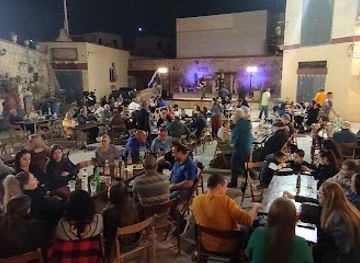
Club
Marija Annunzjata Band Club
Discover the heartbeat of Malta at the Marija Annunzjata Band Club, where music and community converge in a vibrant atmosphere.
2 min walk · 0.2 km from city centre
Best shops in Tarxien
Shopping in Tarxien is primarily practical and local, with small grocery shops, bakeries, cafés and independent businesses serving residents rather than a dedicated visitor retail quarter. The town's most distinctive souvenirs are connected with Malta more broadly: decorative limestone work, filigree jewellery, woven goods, pottery, local honey, preserves and packaged foods. Visitors may find a more varied selection of crafts and gifts in Valletta, the Three Cities and larger commercial areas elsewhere on the island. Paola and neighbouring south-eastern towns add everyday shops and market-style browsing, while Malta's village festas sometimes bring temporary stalls selling food, sweets and devotional items. The local shopping experience is therefore less about a single market or fashionable street and more about seeing how small-scale commerce fits into a traditional Maltese urban neighbourhood.
-
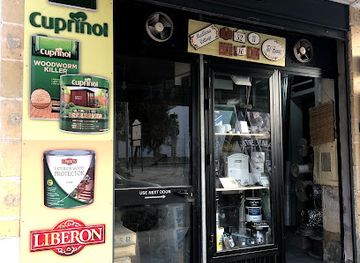
Home goods store
Il-Minċott
Explore Il-Minċott, your ultimate destination for unique home goods and authentic Maltese souvenirs in Tarxien.
9 min walk · 0.7 km from city centre
-
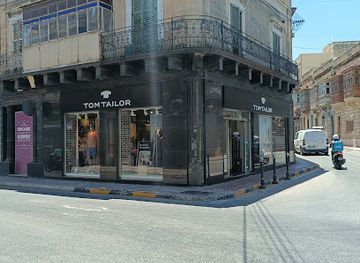
Clothing store
Tom Tailor
Explore the latest fashion trends at Tom Tailor in Tarxien, Malta, where style meets quality for the whole family.
8 min walk · 0.6 km from city centre
-
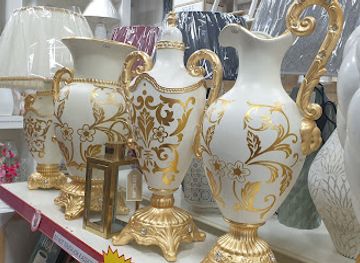
Gift shop
D'charme Home Decor Paola
Explore D'charme Home Decor in Paola for unique gifts and authentic Maltese souvenirs that capture the island's charm.
7 min walk · 0.6 km from city centre
-
Game store
GamesPlus
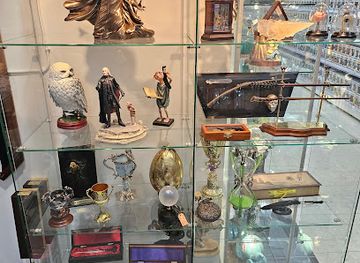
Discover the ultimate gaming experience at GamesPlus, Malta’s premier game store and collectibles haven, located in Tarxien.
5 min walk · 0.4 km from city centre
Get your free copy of our complete guide to Tarxien, delivered straight to you.
Everything on this page, from attractions and restaurants to essentials and local phrases, in one PDF you can read offline, print or share.
Already have an account? Sign in
Your Tarxien guide is ready.
We'll send it to · Not you? Sign out

Getting your guide ready…
We are putting together a fresh copy of the Tarxien guide. This can take up to a minute.
This can take a few moments. If your browser asks, choose Allow so the download can start. You'll find the guide in your Downloads folder.
Nothing happened? Download it again
Sorry, the guide is taking longer than usual. Please try again in a minute, or get it by email instead.
Tarxien essentials
Currency and Payment
Safety
Emergency Situations
Do's and Don'ts
Local Tips
From Eve
Local phrases worth knowing
You don't need to get them perfect. A few words go a long way, and locals appreciate the effort.
Basics
| English | Local | Say it |
|---|---|---|
| Hello | Merħba | [mer-hba] |
| Goodbye | Ċaw | [chaw] |
| Yes | Iva | [ee-va] |
| No | Le | [leh] |
| Please/You're welcome | Jekk jogħġbok | [yekk yoj-bok] |
| Thank you | Grazzi | [grat-see] |
| Excuse me/Sorry | Skuzani | [skoo-za-nee] |
| How are you? | Kif int? | [keef int] |
| Fine. And you? | Tajjeb. U int? | [tai-yeb. oo int] |
| Do you speak English? | Titkellem bl-Ingliz? | [tit-kel-lem bing-lees] |
| I don't understand | Naqra | [nak-ra] |
Eating & Drinking
| English | Local | Say it |
|---|---|---|
| I'd like to see the menu, please | Nixtieq nara l-menu, jekk jogħġbok | [nis-tyeck nara el-meyn-oo, yekk yoj-bok] |
| I don't eat meat | M'iniex inqajjim it-tiġieġ | [min-yeks in-ya-meet it-tee-jeej] |
| Cheers! | Saħħa! | [sa-ha] |
| I would like to pay, please | Nixtieq inħallas, jekk jogħġbok | [nis-tyeck in-hal-las, yekk yoj-bok] |
Emergencies
| English | Local | Say it |
|---|---|---|
| Help! | Għajjat! | [ai-yat] |
| Go away! | Mur! | [mur] |
| Call the Police! | Ibqgħu l-Pulizija! | [ib-goo l-pu-lee-zee-ya] |
| Call a doctor! | Ibqgħu tabib! | [ib-goo ta-beeb] |
| I'm lost | Ninsab ħażin | [nin-sab ha-zin] |
| I'm ill | Nixtieq infejjaħ | [nis-tyeck in-fe-ya] |
Shopping
| English | Local | Say it |
|---|---|---|
| I'd like to buy... | Nixtieq inixtri... | [nis-tyeck in-ix-tree] |
| I'm just looking | Qed nara biss | [ked nara biss] |
| How much is it? | Kemm jiswa? | [kem yis-wa] |
| That's too expensive | Dan huwa wisq għali | [dan hoo-wa wees-kal-ee] |
| Can you lower the price? | Tista' toħroġ il-prezz? | [tis-ta toh-rodge il-prez] |
Time & Numbers
| English | Local | Say it |
|---|---|---|
| What time is it? | Xi ħin huwa? | [she hin hoo-wa] |
| It's one o'clock | Huwa l-ewwel waħda | [hoo-wa lew-wel wa-hda] |
| Half past (10) | Noqsan (għaxar) | [noq-san a-shar] |
| Morning | Filgħodu | [fil-jo-du] |
| Afternoon | Waranofsinhar | [wa-ra-nofs-in-har] |
| Evening | Filgħaxija | [fil-ja-hee-ya] |
| Yesterday | Ilbieraħ | [il-bier-ah] |
| Today | Illum | [il-lum] |
| Tomorrow | Għada | [a-da] |
| 1 | Waħda | [wa-hda] |
| 2 | Tnejn | [tnayn] |
| 3 | Tlieta | [tlee-ta] |
| 4 | Erba' | [er-ba] |
| 5 | Ħamsa | [hamsa] |
| 6 | Sitta | [sit-ta] |
| 7 | Sebba' | [seb-ba] |
| 8 | Tmienja | [tmi-en-ya] |
| 9 | Disgħa | [dis-ya] |
| 10 | Għaxra | [a-shra] |
Transport & Directions
| English | Local | Say it |
|---|---|---|
| Where's a/the...? | Fejn hemm... | [feyn hem] |
| What's the address? | X'inhu l-indirizz? | [shee-nu l-ind-ee-reets] |
| Can you show me (on the map)? | Tista' turiġġini (fuq il-mappa)? | [tis-ta too-ridge-gi-ni fook il-map-pa] |
| When's the next (bus)? | Meta huwa l-veċċa li ġejja? | [me-ta hoo-wa l-vech-cha li jay-ya] |
| A ticket (to ....) | Biljett (għal ....) | [bil-yet gal] |
History of Tarxien
The Neolithic Temple Settlement
Tarxien's earliest known history belongs to Malta's Temple Period, when farming communities constructed monumental limestone sanctuaries between approximately 3600 and 2500 BC. The Tarxien Temples developed through several building phases and include apses, paved floors, altars and decorated blocks, demonstrating sophisticated planning and ritual practice. Carved spirals, animals and other motifs offer evidence of an artistic culture whose beliefs remain only partly understood. The complex was not simply a single building but a sequence of sacred spaces altered over generations, reflecting the ceremonial importance of this area in prehistoric Malta.
Burial and Ritual Landscapes
The temples formed part of a wider prehistoric landscape in Malta that included settlements, megalithic monuments and underground burial places. Evidence from Tarxien has helped archaeologists understand how communities organised ritual activity, used fire and managed the movement of people through enclosed apses and monumental entrances. Finds associated with the site include pottery, animal remains and carved stone elements. The nearby Ħal Saflieni Hypogeum, located in Paola rather than Tarxien, belongs to the same broad prehistoric cultural world and illustrates the close relationship between ceremonial and funerary architecture in the region.
From Antiquity to Rural Malta
After the Temple Period, Malta's inhabitants lived through successive Phoenician, Carthaginian, Roman and later Mediterranean phases, although Tarxien's best-known monument predates them all. The prehistoric temples gradually fell out of use and became part of the island's agricultural landscape. For centuries, the area around modern Tarxien consisted largely of rural land and scattered settlement within the south-eastern district. Later communities reused or built around ancient places without preserving a continuous written account of the temple complex, leaving much of its early history to archaeological investigation.
The Emergence of Modern Tarxien
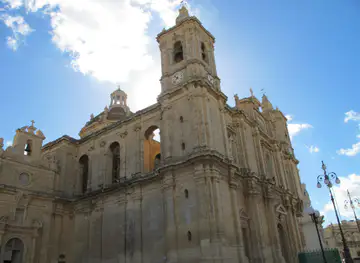
Tarxien developed as a distinct Maltese community during the early modern period, when villages across the island became increasingly organised around parish churches and local agricultural economies. Its identity was shaped by the Roman Catholic parish, neighbourhood relationships and the use of Malta's local limestone in domestic and religious architecture. The Church of the Annunciation became the town's principal ecclesiastical landmark, reflecting the growth of the settlement and the importance of parish life in Maltese society. Modern Tarxien expanded within a wider urban district south of the Grand Harbour.
Archaeological Rediscovery and Conservation
The Tarxien Temples entered modern archaeological attention in the early twentieth century after ancient remains were encountered during local building works. Excavations revealed the scale and complexity of the sanctuary, bringing renewed recognition to Malta's prehistoric heritage. Conservation has since focused on protecting the limestone structures from weathering while allowing visitors to understand their layout and decoration. In 1980, the Tarxien Temples were included in the UNESCO World Heritage listing for Malta's Megalithic Temples, confirming their importance within the wider history of European prehistoric architecture.
Tarxien in Photos
Browse through our photo collection highlighting the charm and character of the destination.
Cities near Tarxien
The closest cities to Tarxien, if you have time for more than one stop.
-

-

-
-

-


Swipe for more cities
Explore more
Explore more of Malta
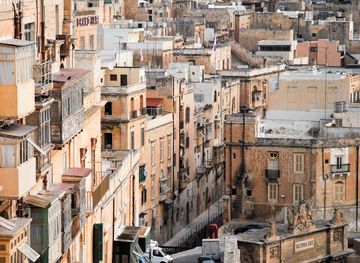
Discover Malta's crystal-clear waters, rich history, and vibrant culture. From ancient temples to modern nightlife, this Mediterranean gem offers something for everyone.
Explore Malta