

Free Birgu Travel Guide & Mobile App
Plan your Birgu trip with Evendo. Get free guides to top attractions, restaurants, hotels, and bars. Web access or download the mobile app.


Birgu, Malta, reveals Knights' history through Fort St Angelo, waterfront lanes, palaces, churches, museums and evocative views across the Grand Harbour.
A Peninsula Shaped by the Grand Harbour
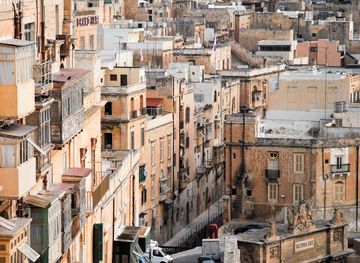
Birgu, also known as Vittoriosa, occupies a compact peninsula on the eastern side of Malta’s Grand Harbour, facing Valletta across the water. Its limestone streets, fortified waterfront and tightly packed historic houses preserve the atmosphere of the harbour settlement that became the headquarters of the Order of St John after its arrival in Malta in 1530. The city is small enough to explore on foot, yet its layers of history are unusually concentrated: medieval traces, Knights’ auberges, Baroque churches, defensive walls and former naval buildings stand within a short walk of one another.Read more about Birgu
Knights, Fortifications and Maritime Heritage
Quiet Lanes and Living Malta
When is the best time to visit Birgu?
Best: May–June, September · 23–29°C| Month | High (°C) | Rainfall (mm) |
|---|---|---|
| January | 15 | 95 |
| February | 15 | 70 |
| March | 16 | 50 |
| April | 18 | 30 |
| May (best) | 23 | 15 |
| June (best) | 28 | 2 |
| July | 31 | 0 |
| August | 32 | 0 |
| September (best) | 29 | 15 |
| October | 25 | 50 |
| November | 21 | 80 |
| December | 17 | 100 |
Getting to and around Birgu
How to get there
Transportation
Best attractions in Birgu
Birgu’s principal attractions unfold across a compact historic peninsula. Fort St Angelo dominates the harbour entrance, combining massive defensive walls with elevated views towards Valletta, Senglea and the open Mediterranean. The Inquisitor’s Palace offers an insight into the Roman Inquisition in Malta and the workings of an early modern institutional residence, while the Malta at War Museum at Couvre Porte explores the island’s wartime experience. St Lawrence Church, Birgu’s parish church, contains important artistic and devotional furnishings and remains closely tied to local community life. Along the waterfront, restored warehouses, yacht berths and views across Dockyard Creek reveal the city’s continuing maritime identity. Quiet lanes around Collachio, the former Knights’ quarter, lead past auberges, balconies and limestone houses, while the covered passages and bastions reward unhurried exploration. The nearby Three Cities waterfront extends the sightseeing experience beyond Birgu’s walls.
-
Fortress
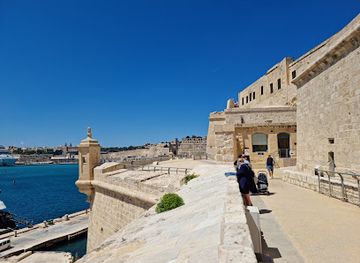
Fort St. Angelo
Discover the historical significance and breathtaking views of Fort St. Angelo, a must-visit fortress in the heart of Birgu, Malta.
1 min walk · 0.1 km from city centre
-
Garden
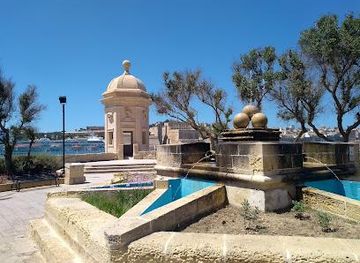
Gardjola Gardens
Experience the serene beauty and historical charm of Gardjola Gardens in Senglea, Malta, offering breathtaking views of the Grand Harbour.
5 min walk · 0.4 km from city centre

Best landmarks in Birgu
Fort St Angelo is Birgu’s defining landmark, occupying the tip of the peninsula and guarding the inner Grand Harbour from a position used and adapted by successive military powers. St Lawrence Church marks the religious heart of the city; its dedication recalls the church that served the Order of St John before the Knights moved their conventual centre to Valletta. The Inquisitor’s Palace is an important surviving institutional building, associated with the Roman Inquisition and later adapted to changing administrative purposes. Couvre Porte, the landward entrance to Birgu, illustrates the layered system of gates, ditches and defensive works that protected the settlement. Around the Collachio, former auberges and residences preserve the urban imprint of the Knights, while the waterfront’s fortified walls and maritime buildings connect Birgu’s Hospitaller past with its later role as a British naval port.
-
Fortress
Fort St. Angelo
Explore Malta's iconic Fort St. Angelo in Birgu, a historic fortress with panoramic views of the Grand Harbour and a rich, layered past.
1 min walk · 0.1 km from city centre
-
Mediterranean
Terrone
Savor Mediterranean cuisine with Southern Italian flair at Terrone, nestled in Birgu's historic Fort St Angelo, offering unforgettable waterfront dining.
2 min walk · 0.1 km from city centre
-
Tourist attraction
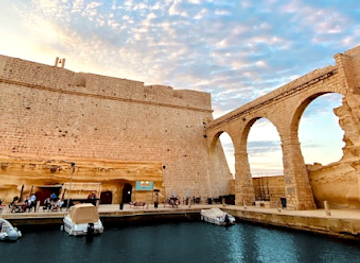
Birgu Waterfront
Explore the historic Birgu Waterfront: where Malta's maritime past meets modern charm. Enjoy stunning views, delicious cuisine, and rich culture.
4 min walk · 0.3 km from city centre
-
Historical landmark
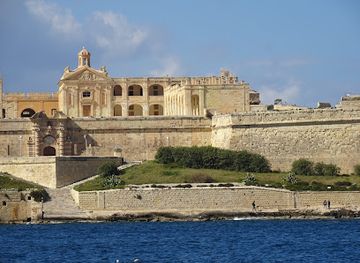
Magisterial Palace
Explore the Magisterial Palace in Birgu, Malta: a historical landmark showcasing the legacy of the Knights of St. John and Maltese heritage.
1 min walk · 0.1 km from city centre
Explore Birgu on the map
Plan your Birgu trip on one map. See where the top attractions, landmarks, restaurants, bars and hotels are, find what's near where you're staying, and book hotels and experiences in a few clicks.
Best hotels in Birgu
Best restaurants in Birgu
Birgu’s dining scene reflects its harbour setting and Malta’s blend of Mediterranean, Sicilian, North African and British influences. Menus commonly feature Maltese favourites such as pastizzi, rabbit cooked in traditional styles, fish, octopus, bigilla made from broad beans, ġbejna cheese and ħobż biż-żejt, the island’s rustic bread with olive oil and seasonal toppings. Small cafés and casual eateries suit a light meal of pastries, sandwiches or local snacks, while restaurants along the waterfront place greater emphasis on seafood, pasta and contemporary Mediterranean cooking. Inland streets and small squares offer a quieter setting than the yacht-lined quays, and nearby Cospicua and Senglea add further neighbourhood options. Maltese wine is increasingly visible alongside imported labels, while locally brewed beer and soft drinks flavoured with the bitter orange-like kinnie are familiar accompaniments. Menus and opening patterns can vary seasonally.
-
Restaurant
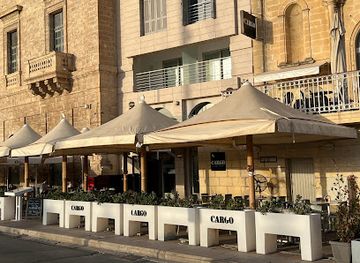
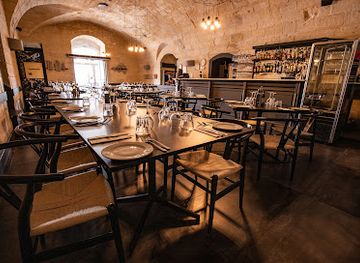
Cargo Bar & Dine
Discover Cargo Bar & Dine: A waterfront culinary haven in Birgu offering delicious Maltese cuisine and stunning views.
5 min walk · 0.4 km from city centre
-
Mediterranean
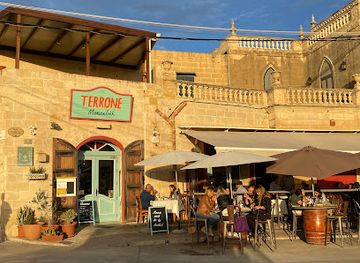
Terrone
Experience authentic Mediterranean flavors at Terrone in Birgu Waterfront with stunning views of Fort St. Angelo.
2 min walk · 0.1 km from city centre
-
Restaurant
Sottovento
Discover Sottovento: A culinary delight in Birgu offering fresh seafood and stunning harbor views for an unforgettable dining experience.
6 min walk · 0.5 km from city centre
-
Restaurant
Don Berto Restaurant
Experience authentic Mediterranean cuisine at Don Berto Restaurant on Birgu Waterfront - where every dish tells a story.
6 min walk · 0.5 km from city centre
Best bars in Birgu
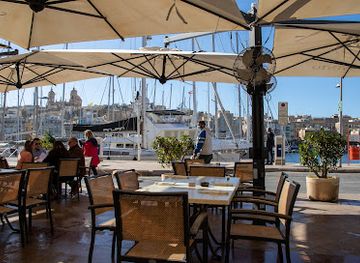
Birgu’s nightlife is relatively restrained, centred on waterfront restaurants, wine bars, cafés and relaxed evening conversation rather than large nightclubs. Around the marina and Dockyard Creek, visitors can find settings for a drink overlooking the illuminated walls and boats, while the old streets become atmospheric after sunset when the limestone buildings are softly lit. During summer festas, parish bands, processions, fireworks and decorated streets create the city’s most distinctive evening entertainment, rooted in local religious and community traditions. Live music and seasonal cultural events may also take place in historic courtyards or public spaces, though programmes vary. Those seeking a broader club scene usually continue to Valletta, Sliema or St Julian’s, where Malta’s late-night venues are more concentrated. Evening walks should respect residential lanes, active churches and the quieter pace of the historic community.
-
Restaurant
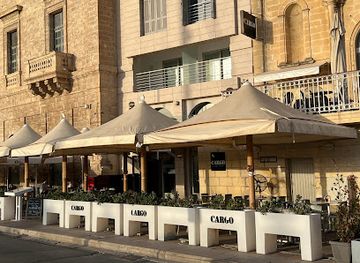
Cargo Bar & Dine
Experience exquisite Mediterranean cuisine and stunning waterfront views at Cargo Bar & Dine in Birgu.
5 min walk · 0.4 km from city centre
-
Mediterranean
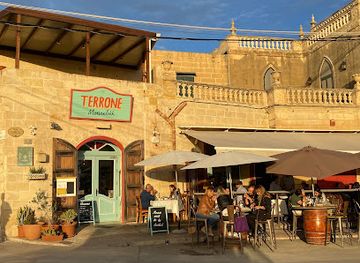
Terrone
Experience the best of Mediterranean cuisine at Terrone, located on the stunning Birgu Waterfront with views of historic Fort St Angelo.
2 min walk · 0.1 km from city centre
-
Restaurant
Sottovento
Experience the best of Mediterranean cuisine at Sottovento, a charming restaurant in Birgu offering stunning waterfront views and exquisite local dishes.
6 min walk · 0.5 km from city centre
-
Restaurant
Don Berto Restaurant
Experience Mediterranean culinary excellence at Don Berto Restaurant along the serene Birgu Waterfront, where every dish tells a story.
6 min walk · 0.5 km from city centre
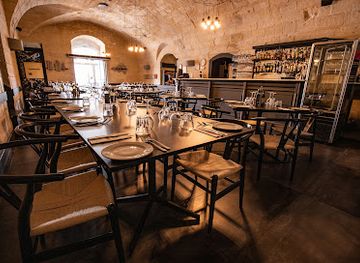
Best shops in Birgu
Shopping in Birgu is modest and atmospheric rather than centred on large retail complexes. Small shops and galleries in the historic streets may offer Maltese crafts, jewellery, ceramics, prints and locally made gifts, while cafés and food retailers provide opportunities to buy products such as honey, olive oil, wine, preserves and traditional sweets. The waterfront has a visitor-oriented character, but the city’s most distinctive purchases are often found in independent businesses rather than branded stores. For a wider choice of everyday shopping and specialist retail, visitors can combine Birgu with Valletta or the larger commercial areas elsewhere on Malta. The Three Cities’ streets are also useful for observing traditional balconies, door furniture and limestone façades, although these are architectural features to appreciate rather than commodities to remove or imitate. Market activity can be seasonal and varies by event.
-
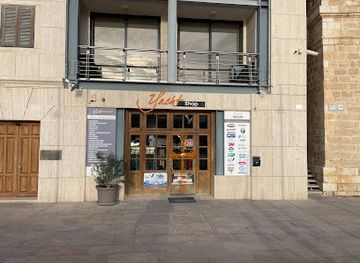
Marine supply store
Yacht Shop Chandlery
Discover the best marine supplies in Birgu at Yacht Shop Chandlery, your gateway to nautical adventures and local maritime culture.
3 min walk · 0.2 km from city centre
-
Gourmet grocery store
Gourmet Boutique by Cargo
Discover the finest gourmet groceries and culinary delights at Gourmet Boutique by Cargo in the historic city of Birgu, Malta.
5 min walk · 0.4 km from city centre
-
Convenience store
St Philip Store
Discover the convenience of St Philip Store in Birgu, where local charm meets essential shopping for your travel needs.
6 min walk · 0.5 km from city centre
Get your free copy of our complete guide to Birgu, delivered straight to you.
Everything on this page, from attractions and restaurants to essentials and local phrases, in one PDF you can read offline, print or share.
Already have an account? Sign in
Your Birgu guide is ready.
We'll send it to · Not you? Sign out

Getting your guide ready…
We are putting together a fresh copy of the Birgu guide. This can take up to a minute.
This can take a few moments. If your browser asks, choose Allow so the download can start. You'll find the guide in your Downloads folder.
Nothing happened? Download it again
Sorry, the guide is taking longer than usual. Please try again in a minute, or get it by email instead.
Birgu essentials
Currency and Payment
Safety
Emergency Situations
Do's and Don'ts
Local Tips
From Eve
Local phrases worth knowing
You don't need to get them perfect. A few words go a long way, and locals appreciate the effort.
Basics
| English | Local | Say it |
|---|---|---|
| Hello | Bongu | [bon-goo] |
| Goodbye | Ċaw | [ch-aw] |
| Yes | Iva | [ee-va] |
| No | Le | [leh] |
| Please/You're welcome | Jekk jogħġbok | [yekk yoh-jbok] |
| Thank you | Grazzi | [grat-see] |
| Excuse me/Sorry | Skuzi | [skoo-zee] |
| How are you? | Kif int? | [keef eent] |
| Fine. And you? | Tajjeb. U int? | [tai-yeb. oo eent] |
| Do you speak English? | Titkellem bl-Ingliż? | [tit-kel-lem bl-ing-lees] |
| I don't understand | Ma nifhimx | [ma neef-heemsh] |
Eating & Drinking
| English | Local | Say it |
|---|---|---|
| I'd like to see the menu, please | Nixtieq inara l-menu, jekk jogħġbok | [nix-tee-ek ee-nara l-may-noo, yekk yoh-jbok] |
| I don't eat meat | Ma niekolx laħam | [ma nee-e-kolsh la-ham] |
| Cheers! | Saħħa | [sa-ha] |
| I would like to pay, please | Nixtieq inħallas, jekk jogħġbok | [nix-tee-ek in-hal-las, yekk yoh-jbok] |
Emergencies
| English | Local | Say it |
|---|---|---|
| Help! | Għajni! | [ay-nee] |
| Go away! | Mur! | [moor] |
| Call the Police! | Ċempel il-Pulizija! | [chem-pel il-poo-lee-zee-ya] |
| Call a doctor! | Ċempel tabib! | [chem-pel ta-beeb] |
| I'm lost | Inkejt | [ink-edge] |
| I'm ill | Jien morda | [yeen mor-da] |
Shopping
| English | Local | Say it |
|---|---|---|
| I'd like to buy... | Nixtieq nixtri... | [nix-tee-ek nish-tree] |
| I'm just looking | Qed nara biss | [k-ed na-ra beess] |
| How much is it? | Kemm huwa? | [k-emm hoo-wa] |
| That's too expensive | Dan huwa wisq sħiħ | [dan hoo-wa wees-shi] |
| Can you lower the price? | Tista' toħroġ il-prezz? | [tees-ta to-roj il-prezz] |
Time & Numbers
| English | Local | Say it |
|---|---|---|
| What time is it? | Xi ħin huwa? | [shee heen hoo-wa] |
| It's one o'clock | Huwa l-ewwel siegħa | [hoo-wa l-ew-wel see-eha] |
| Half past (10) | Noqs l-ebda (10) | [noks l-ed-da (10)] |
| Morning | Filgħodu | [fil-goh-doo] |
| Afternoon | Wara nofsinhar | [wa-ra nof-sin-har] |
| Evening | Filgħaxija | [fil-ga-shee-ya] |
| Yesterday | Ilbieraħ | [il-bier-ah] |
| Today | Illum | [il-lum] |
| Tomorrow | Għada | [ada] |
| 1 | Wahda | [wa-hda] |
| 2 | Tnejn | [tnine] |
| 3 | Tlieta | [tlee-ta] |
| 4 | Erba' | [er-ba] |
| 5 | Ħamsa | [h-am-sa] |
| 6 | Sitta | [sit-ta] |
| 7 | Seb'a | [seb-a] |
| 8 | Tmienja | [t-meen-ya] |
| 9 | Disgħa | [dis-gha] |
| 10 | Għaxra | [ga-sra] |
Transport & Directions
| English | Local | Say it |
|---|---|---|
| Where's a/the...? | Fejn hemm... | [fayn hemm] |
| What's the address? | X'inhu l-indirizz? | [shee-noo l-ind-ir-eez] |
| Can you show me (on the map)? | Tista' turijni (fuq il-mappa)? | [tees-ta too-ree-nee (fooq il-map-pa)] |
| When's the next (bus)? | Meta huwa l-bus li jmiss? | [me-ta hoo-wa l-boos lee y-miss] |
| A ticket (to ....) | Biljett (għal ....) | [bil-yett (al)] |
History of Birgu
Before the Knights’ Arrival
The Birgu peninsula lies within the naturally sheltered Grand Harbour, an area used for maritime activity since antiquity. Phoenician and Punic communities established ports and settlements around Malta, while later Roman and Byzantine control maintained the island’s strategic importance. The precise development of Birgu as a continuously urbanised settlement is less clearly documented than the later history of the fortified city, but its harbour position made it valuable long before the Knights of St John. During the medieval period, the area was associated with a small settlement and harbour facilities linked to Malta’s wider defensive centre at Mdina. The peninsula’s geography, rather than monumental architecture, was the foundation for its later growth: it provided anchorage, access to the sea and a defensible position at the entrance to the inner harbour.
The Order of St John in Birgu
When the Order of St John took possession of Malta in 1530, it chose Birgu as its principal base rather than the inland capital of Mdina. The Knights strengthened the existing settlement, improved the harbour and developed the peninsula as the administrative and naval centre of their government. Fort St Angelo, at the tip of the peninsula, became the key stronghold, while palaces, auberges and religious buildings followed within the city. Birgu’s position reflected the Order’s maritime mission and Malta’s role in controlling routes across the central Mediterranean. The city expanded rapidly as soldiers, sailors, craftsmen and administrators arrived. Its built environment began to acquire the disciplined streets, limestone façades and institutional architecture associated with Hospitaller rule.
The Great Siege of 1565
Birgu was the principal focus of the Ottoman siege of Malta in 1565, when Ottoman forces attacked the Order’s positions across the Grand Harbour. The defenders held Fort St Angelo, Fort St Michael on Senglea and the smaller fortifications of Birgu through months of bombardment and assault. The siege ended in September with the arrival of a relief force from Sicily and the withdrawal of the Ottoman army. The victory transformed the political prestige of the Order and confirmed Malta’s strategic significance in the Mediterranean. Birgu received the title Città Vittoriosa, meaning victorious city, in recognition of its role. The siege also encouraged the construction of Valletta on Mount Sciberras, beginning a new urban chapter across the harbour while Birgu retained its military and historical importance.
From Hospitaller City to British Base
After Valletta became the Order’s administrative capital, Birgu remained an important naval and commercial centre within the harbour system. The Knights continued to maintain its churches, auberges and fortifications, while the Inquisition established its residence in the city in the late sixteenth century. French occupation in 1798 ended Hospitaller rule, and British forces took control of Malta in 1800. Under British administration, the Grand Harbour became a major naval base, bringing dockyard activity, military employment and new infrastructure to the Three Cities. Birgu’s waterfront consequently acquired an industrial and maritime character alongside its earlier palaces and fortifications. The city’s English name, Vittoriosa, remained in use, while its Maltese identity continued through parish life, community traditions and the architectural fabric of the old settlement.
War, Restoration and Memory
The Second World War brought severe bombing to the Grand Harbour and the Three Cities, which were strategically important because of the British naval base. Birgu and its neighbouring communities suffered damage, displacement and loss, although many historic buildings and sections of the fortifications survived. Post-war repair and later conservation gradually restored the city’s architectural heritage, while changes to the harbour reduced the dominance of heavy naval activity. The waterfront and historic core have since been adapted for cultural, residential and visitor uses without erasing their maritime character. Museums, restored palaces, churches and defensive sites now interpret a past shaped by the Order of St John, imperial naval power and wartime experience. Birgu’s living traditions, especially its parish festa, continue to connect contemporary residents with that long history.
Birgu in Photos
Browse through our photo collection highlighting the charm and character of the destination.
Cities near Birgu
The closest cities to Birgu, if you have time for more than one stop.
-

-

-

-

-


Swipe for more cities
Explore more
Explore more of Malta
Discover Malta's crystal-clear waters, rich history, and vibrant culture. From ancient temples to modern nightlife, this Mediterranean gem offers something for everyone.
Explore Malta