

Free Marsa Travel Guide & Mobile App
Plan your Marsa trip with Evendo. Get free guides to top attractions, restaurants, hotels, and bars. Web access or download the mobile app.


Marsa, Malta, reveals Grand Harbour history, parish churches, horse racing, sports grounds and local life beyond Valletta’s celebrated streets.
A Harbour-Shaped Community
Marsa lies at the head of Malta’s Grand Harbour, a short distance south of Valletta and between the urban districts of Floriana, Ħamrun, Paola and Birgu’s wider harbour landscape. Its name derives from the Arabic marsa, meaning harbour or anchorage, an appropriate description for a place shaped by creeks, maritime activity, transport routes and industry. Unlike Malta’s fortified capital, Marsa is primarily a lived-in working locality, where parish life, sporting facilities and utilitarian architecture reveal a less polished but equally important side of the island.Read more about Marsa
Churches, Sport and Everyday Malta
Position in the Harbour Region
When is the best time to visit Marsa?
Best: May–June, October · 23–28°C| Month | High (°C) | Rainfall (mm) |
|---|---|---|
| January | 16 | 80 |
| February | 16 | 70 |
| March | 17 | 60 |
| April | 18 | 50 |
| May (best) | 23 | 40 |
| June (best) | 28 | 30 |
| July | 31 | 20 |
| August | 32 | 10 |
| September | 30 | 20 |
| October (best) | 26 | 30 |
| November | 22 | 40 |
| December | 18 | 50 |
Getting to and around Marsa
How to get there
Transportation
Best attractions in Marsa
Marsa’s attractions are closely tied to its working harbour identity and sporting life. The Parish Church of Our Lady of Pompei provides a focal point for the community, while the Church of the Holy Trinity adds another layer of local religious and architectural interest. Around Marsa Creek, roads and waterfront edges offer glimpses of the inner Grand Harbour landscape, where maritime infrastructure and urban neighbourhoods meet. The Marsa Sports Complex is one of the locality’s principal destinations, with extensive facilities and open grounds, while the Marsa racecourse connects the town with Malta’s long-standing horse-racing tradition. Visitors interested in transport history can explore the central harbour corridor associated with the former Malta Railway, although little remains as a conventional railway attraction. Marsa is best appreciated at a measured pace, as part of a wider itinerary through Floriana, Valletta, Ħamrun and the Three Cities.
-
Archaeological site
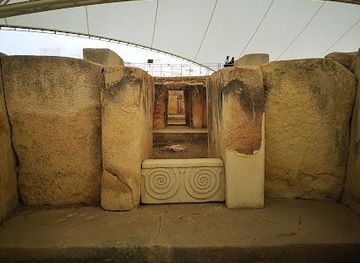
Tarxien Temples
Explore the Tarxien Temples, Malta's prehistoric marvels, showcasing intricate carvings and rich Neolithic heritage.
6 min drive · 1.9 km from city centre
-
Historical landmark
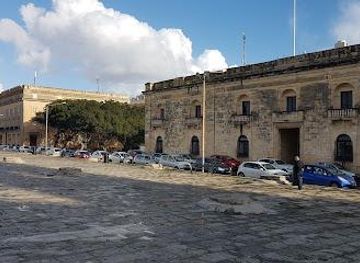
Pjazza San Publiju
Experience the rich history and vibrant atmosphere at Pjazza San Publiju, a landmark in Floriana, Malta, surrounded by stunning architecture and lush gardens.
6 min drive · 1.8 km from city centre
-
Tourist attraction
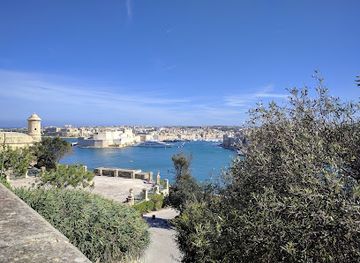
Argotti Botanic Gardens and Resources Centre (University of Malta Section)
Discover the tranquil beauty and botanical wonders of Argotti Botanic Gardens in Floriana, Malta, a perfect retreat for nature lovers and history enthusiasts.
5 min drive · 1.6 km from city centre
-
Church
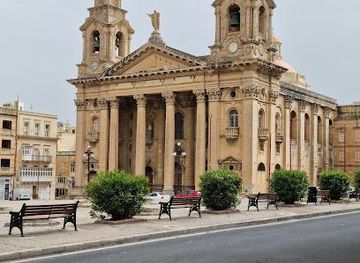
Knisja ta 'San Publiju
Discover the historical and architectural marvel of Knisja ta 'San Publiju in Floriana, a stunning church reflecting Malta's rich heritage.
5 min drive · 1.7 km from city centre
Best landmarks in Marsa
The Parish Church of Our Lady of Pompei is among Marsa’s principal landmarks, its dedication and parish role reflecting the strong Catholic identity shared by many Maltese communities. The Church of the Holy Trinity provides another important religious reference point and helps explain the locality’s development as a settled urban district rather than merely a transport and industrial zone. The Marsa racecourse is significant in a different way: its open grounds represent one of Malta’s established sporting traditions and occupy an important place in the island’s horse-racing culture. Marsa Creek and the surrounding harbour infrastructure are functional landmarks rather than monumental architecture, revealing the geography that shaped the town. Together these places express Marsa’s distinctive character through faith, sport, water and working urban activity.
-
Tourist attraction
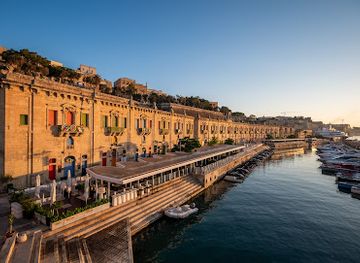
The Valletta Waterfront
Explore Valletta Waterfront: A perfect blend of history and modernity along Malta's stunning Grand Harbour.
5 min drive · 1.7 km from city centre
-
Historical landmark
Ħal Saflieni Hypogeum
Explore the underground wonders of Ħal Saflieni Hypogeum, Malta's prehistoric burial site, rich in history and architectural marvels.
19 min walk · 1.5 km from city centre
-
Archaeological site
Tarxien Temples
Explore the Tarxien Temples, Malta's ancient megalithic marvel showcasing the intricate artistry and spirituality of Neolithic civilization.
6 min drive · 1.9 km from city centre
-
Ferry service
Sicily Catamaran
Explore Sicily from the sea with the Sicily Catamaran service in Marsa, offering breathtaking views and swift connections to stunning coastal destinations.
11 min walk · 0.9 km from city centre
Explore Marsa on the map
Plan your Marsa trip on one map. See where the top attractions, landmarks, restaurants, bars and hotels are, find what's near where you're staying, and book hotels and experiences in a few clicks.
Best hotels in Marsa
Best restaurants in Marsa
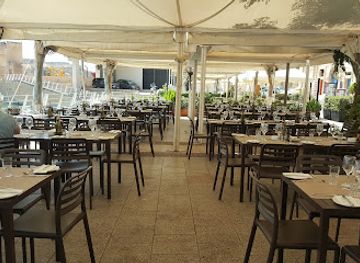
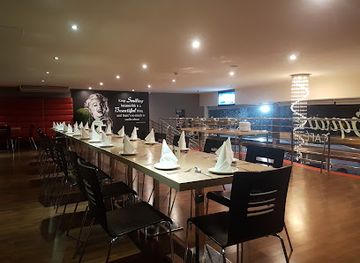
Marsa is not one of Malta’s principal restaurant quarters, but its everyday food culture reflects the island’s central harbour communities. Small cafés, snack bars and neighbourhood eateries offer familiar Maltese fare such as pastizzi, a savoury pastry filled with ricotta or mushy peas, and ftira-based snacks, while local menus across the surrounding districts commonly include rabbit, fresh fish, imqarrun il-forn baked pasta and ġbejna, the traditional Maltese cheeselet. The area’s working population gives lunchtime eating a practical, informal character rather than a destination-dining atmosphere. For a broader choice of kitchens, visitors can continue towards Valletta, Floriana, Ħamrun or the Three Cities, where Maltese, Mediterranean and contemporary restaurants are more concentrated. Food shopping and casual eating are often more revealing here than seeking a formal culinary circuit specific to Marsa.
-
Restaurant
Browns Kitchen Valletta Waterfront
Discover Browns Kitchen at Valletta Waterfront - where Maltese flavors meet stunning views in a delightful dining experience.
5 min drive · 1.6 km from city centre
-
Restaurant
Square Bistro-Pizzeria-Cafe
Discover delightful meals at Square Bistro-Pizzeria-Cafe in Qormi - where family-friendly dining meets delicious pizza and breakfast options.
15 min walk · 1.2 km from city centre
-
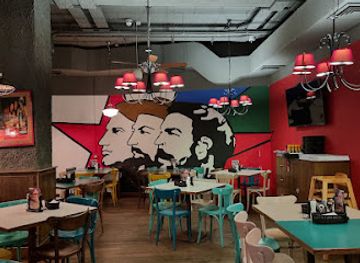
Restaurant
CUBA Restaurant, Centerparc, Qormi
Discover the vibrant flavors of Malta at CUBA Restaurant in Qormi's Centerparc - where culinary excellence meets inviting ambiance.
12 min walk · 1.0 km from city centre
-
Restaurant
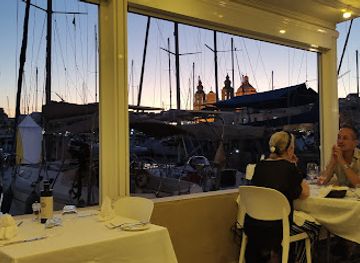
Ristorante La Vela
Discover exquisite Mediterranean cuisine at Ristorante La Vela in Pietà, Malta—where every meal is a celebration of flavor and hospitality.
6 min drive · 1.8 km from city centre
Best bars in Marsa
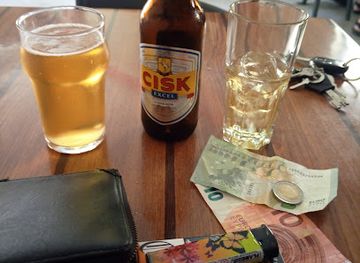
Marsa has a modest evening scene centred on local bars, cafés and neighbourhood social life rather than a concentrated strip of nightclubs. A drink after work or following a sporting event is more characteristic than late-night clubbing, and activity varies according to local fixtures and the day of the week. The Marsa racecourse can bring a distinct social atmosphere when meetings take place, while football and other televised sport shape some local evenings. Visitors seeking theatres, cocktail bars, live music or larger clubs generally find a wider choice in Valletta, Floriana, Sliema and St Julian’s, all reached from the central harbour region by bus or taxi. After dark, pedestrian journeys should be planned around well-used roads, as Marsa’s industrial and transport areas can become quiet.
-
Bar
Florence Bar
Discover the vibrant atmosphere of Florence Bar in Ħal Qormi, where affordable drinks meet a friendly local vibe.
5 min drive · 1.7 km from city centre
-
Bar
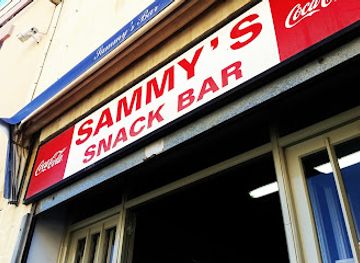
Sammy's Snack Bar
Experience the vibrant local culture at Sammy's Snack Bar in Marsa, where delicious snacks and refreshing drinks await every traveler.
2 min walk · 0.1 km from city centre
-
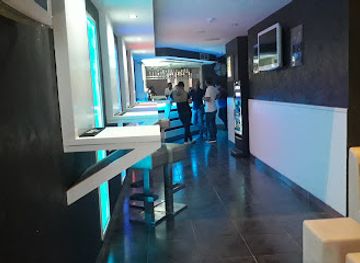
Bar
FEEL LOUNGE
Discover the lively ambiance of Feel Lounge in Hamrun, where local culture meets modern vibes for an unforgettable bar experience.
11 min walk · 0.9 km from city centre
-
Bar
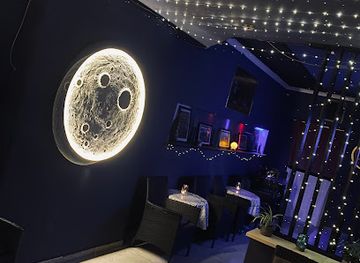
MOON Bar
Discover the vibrant nightlife at MOON Bar in Marsa, Malta, where stunning views and exquisite cocktails create unforgettable experiences.
6 min walk · 0.5 km from city centre
Best nightclubs in Marsa
Marsa has a modest evening scene centred on local bars, cafés and neighbourhood social life rather than a concentrated strip of nightclubs. A drink after work or following a sporting event is more characteristic than late-night clubbing, and activity varies according to local fixtures and the day of the week. The Marsa racecourse can bring a distinct social atmosphere when meetings take place, while football and other televised sport shape some local evenings. Visitors seeking theatres, cocktail bars, live music or larger clubs generally find a wider choice in Valletta, Floriana, Sliema and St Julian’s, all reached from the central harbour region by bus or taxi. After dark, pedestrian journeys should be planned around well-used roads, as Marsa’s industrial and transport areas can become quiet.
-
Bar
PN Club Marsa
Discover the vibrant nightlife at PN Club Marsa, where great drinks and unforgettable moments await in the heart of Marsa.
6 min walk · 0.5 km from city centre
Best shops in Marsa
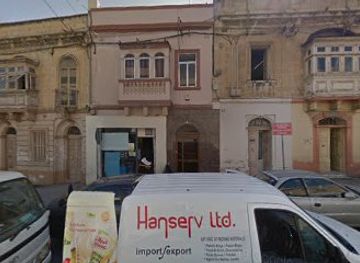
Shopping in Marsa is primarily local and practical, with convenience shops, small food retailers, cafés and service businesses serving residents rather than a dedicated visitor shopping district. The locality’s industrial and transport character means that workshops and commercial premises are more visible than boutiques or large department stores. Visitors looking for Maltese food products, ceramics, jewellery, crafts or more varied independent retail can extend their route to Valletta, Floriana or the neighbouring shopping streets of Ħamrun. Traditional items worth seeking across Malta include ġbejna, honey, preserves, lace and handmade glass, but purchases should be made from established retailers where provenance matters. Marsa is therefore better understood as part of the central harbour’s everyday commercial landscape than as a specialist souvenir destination.
-
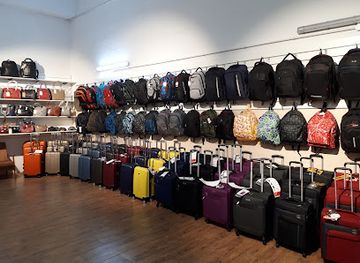
Luggage store
Luggages and BAGS
Explore Luggages and BAGS in Marsa, Malta, for an extensive selection of travel gear and exceptional customer service tailored for every traveler.
11 min walk · 0.9 km from city centre
-
Hardware store
Ray's Hardware Limited
Explore Ray's Hardware Limited in Marsa for all your DIY needs, featuring a diverse selection of tools and local craftsmanship.
7 min walk · 0.6 km from city centre
-
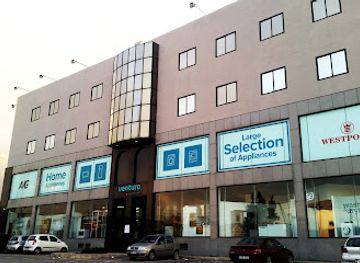
Appliance store
Ventura Ltd.
Explore Ventura Ltd. in Marsa for top-notch appliances and expert advice, making your home upgrades effortless and enjoyable.
4 min walk · 0.3 km from city centre
-
Marine supply store
Camilleri Marine
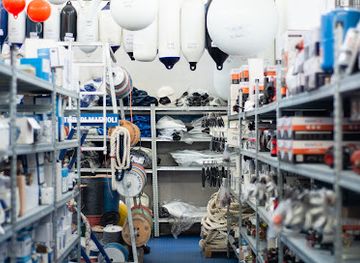
Discover top-notch marine supplies and expert advice at Camilleri Marine, your one-stop shop for all boating needs in Marsa, Malta.
3 min walk · 0.3 km from city centre
Get your free copy of our complete guide to Marsa, delivered straight to you.
Everything on this page, from attractions and restaurants to essentials and local phrases, in one PDF you can read offline, print or share.
Already have an account? Sign in
Your Marsa guide is ready.
We'll send it to · Not you? Sign out

Getting your guide ready…
We are putting together a fresh copy of the Marsa guide. This can take up to a minute.
This can take a few moments. If your browser asks, choose Allow so the download can start. You'll find the guide in your Downloads folder.
Nothing happened? Download it again
Sorry, the guide is taking longer than usual. Please try again in a minute, or get it by email instead.
Marsa essentials
Currency and Payment
Safety
Emergency Situations
Do's and Don'ts
Local Tips
From Eve
Local phrases worth knowing
You don't need to get them perfect. A few words go a long way, and locals appreciate the effort.
Basics
| English | Local | Say it |
|---|---|---|
| Hello | Bongu | [Bon-goo] |
| Goodbye | Ċaw | [Chow] |
| Yes | Iva | [Ee-va] |
| No | Le | [Lay] |
| Please/You're welcome | Jekk jogħġbok | [Yekk yoj-bok] |
| Thank you | Grazzi | [Grat-see] |
| Excuse me/Sorry | Skuzi | [Skoo-zee] |
| How are you? | Kif int? | [Kif int?] |
| Fine. And you? | Tajjeb. U int? | [Tay-yeb. Oo int?] |
| Do you speak English? | Titkellem bl-Ingliż? | [Tit-kel-lem bl-Ing-lees?] |
| I don't understand | Ma nifhimx | [Ma neef-eem-sh] |
Eating & Drinking
| English | Local | Say it |
|---|---|---|
| I'd like to see the menu, please | Nixtieq inara l-menu, jekk jogħġbok | [Nis-tee-ek in-ara l-meh-noo, yekk yoj-bok] |
| I don't eat meat | Ma niekolx laħam | [Ma nee-ek-olsh la-ham] |
| Cheers! | Saħħa | [Sa-ha] |
| I would like to pay, please | Nixtieq inħallas, jekk jogħġbok | [Nis-tee-ek in-hal-las, yekk yoj-bok] |
Emergencies
| English | Local | Say it |
|---|---|---|
| Help! | Għajjat! | [A-yat] |
| Go away! | Mur | [Mur] |
| Call the Police! | Ċempel il-Pulizija! | [Chem-pel il-Pul-lit-see-ya] |
| Call a doctor! | Ċempel tabib! | [Chem-pel ta-beeb] |
| I'm lost | Naqqsit | [Nak-sit] |
| I'm ill | Jien maħdum | [Yeen ma-dum] |
Shopping
| English | Local | Say it |
|---|---|---|
| I'd like to buy... | Nixtieq inkun | [Nis-tee-ek in-koon] |
| I'm just looking | Qed nara biss | [Ked na-ra bees] |
| How much is it? | Kemm huwa? | [Kem hoo-wa?] |
| That's too expensive | Dan huwa wisq ieħor | [Dan hoo-wa wees-k ee-or] |
| Can you lower the price? | Tista' tgħallem il-prezz? | [Tees-ta t-al-lem il-prezz?] |
Time & Numbers
| English | Local | Say it |
|---|---|---|
| What time is it? | X'ħin hu? | [Shin hoo?] |
| It's one o'clock | Huwa l-ewwel siegħa | [Hoo-wa l-ew-wel see-ga] |
| Half past (10) | Nofs ix-xiber (10) | [Nofs ish-she-ber (10)] |
| Morning | Filgħodu | [Fil-od-oo] |
| Afternoon | Waranofsinhar | [War-an-os-nar] |
| Evening | Wara nofsinhar | [War-a nosh-nar] |
| Yesterday | Ilbieraħ | [Il-bee-er-ah] |
| Today | Illum | [Ill-um] |
| Tomorrow | Għada | [Ada] |
| 1 | Wieħed | [Wee-hed] |
| 2 | Tnejn | [Tnejn] |
| 3 | Tlieta | [Tlee-ta] |
| 4 | Erba' | [Er-ba] |
| 5 | Ħamsa | [Hamsa] |
| 6 | Sitta | [Sit-ta] |
| 7 | Sebgħa | [Seb-a] |
| 8 | Tmienja | [Tmi-en-ya] |
| 9 | Disgħa | [Dis-a] |
| 10 | Għaxra | [Akh-ra] |
Transport & Directions
| English | Local | Say it |
|---|---|---|
| Where's a/the...? | Fejn hemm... | [Fayne hem] |
| What's the address? | X'hu l-indirizz? | [Shu l-ind-ir-izz] |
| Can you show me (on the map)? | Tista' turi ni (fuq il-mappa)? | [Tis-ta tu-ree nee (fuq il-map-pa)] |
| When's the next (bus)? | Meta huwa l-irjieħa li ġejja? | [Me-ta hoo-wa lir-yee-ha li jay-ya] |
| A ticket (to ....) | Biljett (għal ....) | [Bil-yet (al)] |
History of Marsa
A Harbour Plain Before Urban Expansion
Marsa occupies low-lying ground at the inner end of Grand Harbour, around a creek and marshy plain that long distinguished it from Malta’s fortified hilltop settlements. The natural anchorage explains the locality’s name, derived from the Arabic marsa, meaning harbour or anchorage. Although the area was not initially a major urban centre, its position gave it practical importance for movement, water access and the supply of communities around the harbour. The sheltered inner waters also formed part of the wider maritime landscape that made Grand Harbour strategically valuable to successive rulers of Malta.
The Knights and Grand Harbour Activity
Under the Order of St John, Grand Harbour became the centre of Malta’s political, naval and commercial life after 1530. Marsa lay beyond the fortified core, but its creek and low-lying approaches belonged to the harbour system that supported shipbuilding, provisioning and transport. The Order’s cities and later British authorities transformed the shoreline around the harbour, while roads and landing places connected the inner districts with Valletta and the Three Cities. Marsa’s later development therefore grew from its relationship with the harbour rather than from the independent foundation of a medieval walled town.
Nineteenth-Century Development
Marsa became more recognisably urban during the nineteenth century, when British rule encouraged new roads, commercial activity and harbour-related infrastructure. The locality gained warehouses, workshops and industrial functions suited to its accessible but relatively open land. Its position near the head of Grand Harbour also made it useful for transport between the capital, the dockyard and settlements inland. The growth of Marsa reflected a broader transformation of Malta: activity expanded beyond the fortified cities, and working-class residential districts began to connect the historic harbour settlements into a continuous urban area.
Railways, Industry and the Modern Harbour
The Malta Railway, operated from 1883 until 1931, connected Valletta with inland destinations and formed part of the island’s early modern transport network. Railway infrastructure served the central harbour corridor and helped reinforce the importance of districts such as Marsa, where roads, workshops and maritime commerce converged. During the British period and into the twentieth century, industrial and logistical uses remained central to the locality’s character. The combination of transport links, port-related employment and expanding housing produced the practical urban landscape that still distinguishes Marsa from Malta’s monumental historic centres.
Sporting Traditions and Contemporary Identity
Marsa developed an enduring association with organised sport, particularly horse racing, whose modern Maltese tradition dates from the nineteenth century. The Marsa racecourse and later sporting facilities added recreation to an area otherwise known for industry and transport. The Marsa Sports Complex broadened this role with grounds for several sports and a golf course. Today the locality remains part of Malta’s dense central harbour conurbation, where parish institutions, sporting venues, businesses and residential streets coexist. Its identity is consequently tied to everyday urban Malta and to the practical infrastructure supporting the island’s capital region.
Marsa in Photos
Browse through our photo collection highlighting the charm and character of the destination.
Cities near Marsa
The closest cities to Marsa, if you have time for more than one stop.
-

-

-

-

-


Swipe for more cities
Explore more
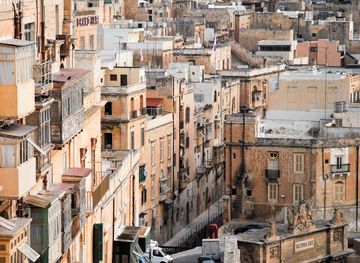
Explore more of Malta
Discover Malta's crystal-clear waters, rich history, and vibrant culture. From ancient temples to modern nightlife, this Mediterranean gem offers something for everyone.
Explore Malta