

Wied il-Ghasri Travel Guide - Free Web & App
Your ultimate guide to Wied il-Ghasri. Discover top landmarks, proposed trips, and local tips. Free on the web or via the Evendo companion app.


Wied il-Ghasri, Malta: explore Gozo’s narrow sea-carved valley, dramatic cliffs, stone steps and quiet coastal scenery near Għasri and Żebbuġ.
A Sea-Carved Valley on Gozo
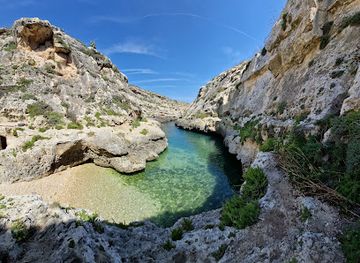
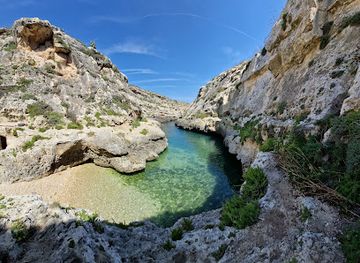
Wied il-Ghasri is a small but distinctive coastal landscape on the north-western side of Gozo, Malta’s second-largest island. The name refers to the valley, or wied, that descends between limestone ridges before reaching the sea in a narrow, sheltered inlet. From the surrounding countryside, the channel appears as a deep incision in the pale rock; at its seaward end, a flight of stone steps leads towards a small strip of shoreline enclosed by steep cliffs. The site lies within the rural landscape associated with Għasri and is also close to the coastal area around Żebbuġ.Read more about Wied il-Ghasri
Landscape, Light and Water
Exploring the Surrounding Countryside
When is the best time to visit Wied il-Ghasri?
Best: May–June, October · 25–29°C| Month | High (°C) | Rainfall (mm) |
|---|---|---|
| January | 15 | 70 |
| February | 15 | 50 |
| March | 17 | 35 |
| April | 20 | 20 |
| May (best) | 25 | 10 |
| June (best) | 29 | 5 |
| July | 33 | 0 |
| August | 33 | 0 |
| September | 32 | 10 |
| October (best) | 27 | 25 |
| November | 22 | 50 |
| December | 18 | 65 |
Getting to and around Wied il-Ghasri
How to get there
Transportation
Best attractions in Wied il-Ghasri
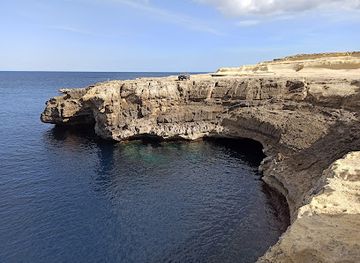
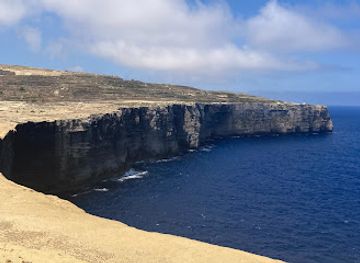
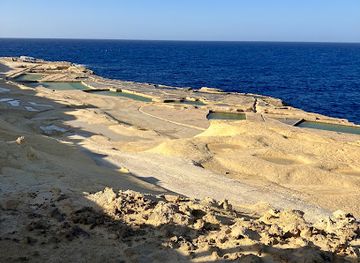
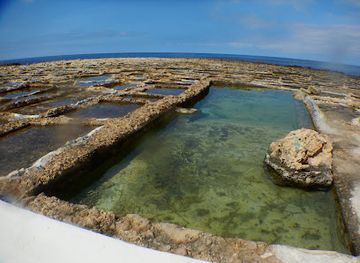
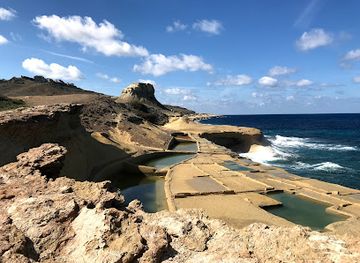
The principal attraction at Wied il-Ghasri is the narrow creek itself, where a valley cuts through Gozo’s limestone plateau and reaches the sea between steep, pale rock walls. Stone steps descend towards the confined shoreline, offering close views of the inlet and the layered relationship between valley, cliff and Mediterranean water. The site is especially rewarding for photography and short coastal walks, although it is not a developed beach or visitor centre. Around the valley, rural tracks and open fields lead into the wider north-western Gozo landscape associated with Għasri and Żebbuġ. Nearby Xwejni provides a contrasting coastal setting, including the familiar salt-pan landscape, but should be treated as a separate nearby feature rather than part of the inlet itself. The area’s appeal comes from combining Wied il-Ghasri with Gozo’s limestone countryside, rather than from a large collection of formal attractions concentrated at one site.
-
Scenic spot
Billingshurst Cavern
Explore the stunning Billingshurst Cavern in Ħaż-Żebbuġ, a scenic gem in Malta known for its breathtaking rock formations and serene natural beauty.
-
Sand waves
Explore the breathtaking Sand Waves in Għasri, Malta – a unique hiking area with stunning coastal views and rich biodiversity.
-
Tourist attraction
Salt pans
Explore the breathtaking salt pans of Ħaż-Żebbuġ, a stunning natural attraction in Malta offering unique landscapes and rich cultural heritage.
-
Tourist attraction
Anchor Reef
Experience the breathtaking beauty of Anchor Reef in Iż-Żebbuġ, Malta—a serene coastal retreat for relaxation and adventure seekers alike.
Best landmarks in Wied il-Ghasri
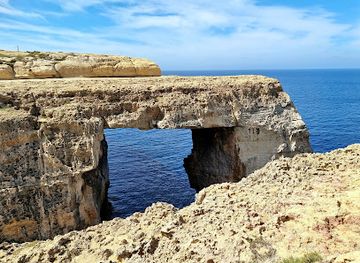
Wied il-Ghasri’s defining landmark is its narrow natural inlet, where the valley’s limestone sides converge before opening into the Mediterranean. The stone stairway leading down through the cleft is a recognisable human addition to an otherwise rugged geological setting, making the relationship between access and landform clear. The surrounding dry-stone walls and cultivated plots are characteristic features of Gozo’s rural landscape, while the nearby Xwejni salt pans represent a separate coastal landmark shaped by the island’s long relationship with seawater and salt production. Għasri village provides the principal cultural reference point for the valley, but the inlet itself is not marked by a castle, church or monumental structure. Its significance lies in the combination of a small sea-carved valley, exposed limestone and working countryside on Gozo’s north-western coast.
-
Beach
Wied il-Għasri
Discover the tranquil beauty of Wied il-Għasri, a hidden gem on Gozo's coast, perfect for swimming, snorkeling, and breathtaking photography.
-
Tourist attraction
Wied il-Mielaħ
Explore the breathtaking natural wonder of Wied il-Mielaħ in Gharb, Malta, a stunning ravine perfect for hiking, photography, and connecting with nature.
-
Tourist attraction
Reqqa Point
Explore Reqqa Point, a stunning coastal gem in Malta, offering breathtaking views, serene hikes, and unforgettable sunsets over the Mediterranean.
-
Tourist attraction
Ta' Ġurdan Lighthouse
Explore the breathtaking views and rich maritime history at Ta' Ċurdan Lighthouse, a must-see landmark in beautiful Għasri, Malta.
Explore Wied il-Ghasri on the map
Plan your trip on one map. See where the top attractions, landmarks, restaurants and hotels are, and book hotels and experiences in a few clicks.
Best hotels in Wied il-Ghasri
Best restaurants in Wied il-Ghasri
There are no restaurants or cafés at Wied il-Ghasri itself, so visitors normally eat in nearby villages or larger Gozo settlements before or after visiting the valley. Għasri and Żebbuġ offer a rural setting for local dining, while Victoria has the island’s broadest choice of restaurants, cafés and food shops. Gozo’s cuisine reflects Maltese island traditions and often includes rustic bread, ġbejniet, olives, tomatoes, pasta dishes, rabbit preparations and seasonal produce; seafood is more readily encountered in coastal settlements and should not be assumed at every rural establishment. Small shops and cafés are useful for water and provisions, particularly for walkers spending time in the exposed countryside. Visitors seeking a self-contained picnic should buy supplies in advance and take all packaging away, as the inlet has no dependable food service or waste facilities.
-
Restaurant
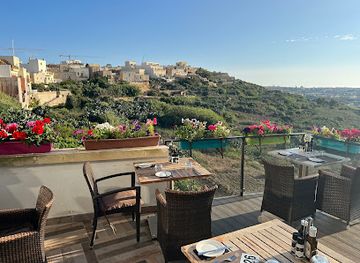
The View Bar & Kitchen
Experience authentic Maltese cuisine with modern flair at The View Bar & Kitchen - a must-visit dining destination in Żebbuġ.
Best bars in Wied il-Ghasri
Wied il-Ghasri has no nightlife infrastructure, and the evening atmosphere is defined by open countryside, darkening limestone and the sound of the sea rather than bars or clubs. Traditional village pubs and casual evening venues can be found in Gozo’s settled areas, including nearby Għasri and Żebbuġ, although choice is limited compared with Malta’s main urban and resort districts. Victoria provides a wider range of cafés, wine bars and places to spend an evening, while other Gozo villages have seasonal community activity and local hospitality rather than a club scene. Anyone visiting the valley after sunset should treat it as an unlit rural location, carry a torch and take care on the uneven descent instead of expecting organised entertainment at the coast.
-
Bar
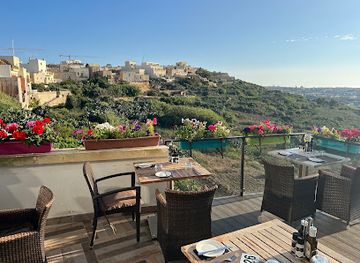
The View Bar & Kitchen
Discover the enchanting flavors of Maltese cuisine at The View Bar & Kitchen, where stunning views and delightful dishes await every visitor.
Best shops in Wied il-Ghasri
There is no shopping at Wied il-Ghasri beyond whatever visitors bring with them, and the surrounding countryside has no retail quarter or permanent market. Basic provisions are more readily obtained in Għasri, Żebbuġ or Victoria, where visitors can find food shops, cafés and everyday supplies. Gozo is associated with products such as ġbejniet, local honey, olive oil, preserves, wine and small-scale agricultural goods, while island craft traditions include lace, pottery, glass and handmade items; availability varies by business and season. Shops and artisan outlets in Victoria offer the broadest selection, whereas village stores are more useful for immediate practical needs. Visitors should buy water and picnic supplies before walking to the inlet and should not expect equipment hire, specialist outdoor retail or souvenir stalls beside the valley.
-
Tourist attraction
Wied il-Għasri
Explore the stunning beauty of Wied il-Għasri, a hidden gem in Gozo offering breathtaking views, crystal-clear waters, and a perfect escape into nature.
Get your free copy of our complete guide to Wied il-Ghasri, delivered straight to you.
Everything on this page, from attractions and restaurants to essentials and local phrases, in one PDF you can read offline, print or share.
Already have an account? Sign in
Your Wied il-Ghasri guide is ready.
We'll send it to · Not you? Sign out

Getting your guide ready…
We are putting together a fresh copy of the Wied il-Ghasri guide. This can take up to a minute.
This can take a few moments. If your browser asks, choose Allow so the download can start. You'll find the guide in your Downloads folder.
Nothing happened? Download it again
Sorry, the guide is taking longer than usual. Please try again in a minute, or get it by email instead.
Wied il-Ghasri essentials
Currency and Payment
Safety
Emergency Situations
Do's and Don'ts
Local Tips
From Eve
Local phrases worth knowing
You don't need to get them perfect. A few words go a long way, and locals appreciate the effort.
Basics
| English | Local | Say it |
|---|---|---|
| Hello | Merħba | [MERH-ba] |
| Goodbye | Saħħa | [SAH-ha] |
| Yes | Iva | [EE-va] |
| No | Lew | [LEW] |
| Please/You're welcome | Jekk jogħġbok | [YEK yo-RO-bok] |
| Thank you | Grazzi | [GRAT-see] |
| Excuse me/Sorry | Skuzani | [SKOO-za-nee] |
| How are you? | Kif int? | [KEEF int] |
| Fine. And you? | Tajjeb. U int? | [TA-yeb. OO int] |
| Do you speak English? | Titkellim bl-Ingliz? | [TIT-kel-leem bl-ING-liz] |
| I don't understand | Ma nifhimx | [Ma NIF-himsh] |
Eating & Drinking
| English | Local | Say it |
|---|---|---|
| I'd like to see the menu, please | Nixtieq nara l-menu, jekk jogħġbok | [NISHT-eeq NA-ra l-MENU, YEK yo-RO-bok] |
| I don't eat meat | Ma nixtieqx inaqqal laħam | [Ma NISHT-ee-sh IN-aq-kal LA-ham] |
| Cheers! | Saħħa | [SAH-ha] |
| I would like to pay, please | Nixtieq inħallas, jekk jogħġbok | [NISHT-eeq in-HAL-las, YEK yo-RO-bok] |
Emergencies
| English | Local | Say it |
|---|---|---|
| Help! | Għajjat! | [A-yaht] |
| Go away! | Mur! | [Moor] |
| Call the Police! | Ilawwa l-Pulizija! | [ILA-wa l-PUL-it-see-ya] |
| Call a doctor! | Ilawwa tabib! | [ILA-wa ta-BEEB] |
| I'm lost | Inhossni ħażin | [IN-hos-ni HAZ-in] |
| I'm ill | Nixtieq tabib | [NISHT-eeq ta-BEEB] |
Shopping
| English | Local | Say it |
|---|---|---|
| I'd like to buy... | Nixtieq inxejn... | [NISHT-eeq IN-shayn] |
| I'm just looking | Qed inħares biss | [KED in-HA-res bis] |
| How much is it? | Kemm huwa dan? | [KEMM hoo-wa dan] |
| That's too expensive | Dan huwa wisq sħiħ | [DAN hoo-wa wees s-heeH] |
| Can you lower the price? | Tista' taħbis il-prezz? | [TIS-ta tah-BEES il-PRETS] |
Time & Numbers
| English | Local | Say it |
|---|---|---|
| What time is it? | X'ħin huwa? | [SHIN hoo-wa] |
| It's one o'clock | Huwa l-għaxar | [HOO-wa l-GHA-shar] |
| Half past (10) | Noqsan (ta' għaxra) | [NOQ-san (ta GHA-shar)] |
| Morning | Filgħodu | [FIL-GHO-doo] |
| Afternoon | Fl-ewwel wara nofsinhar | [FLEW-wel war-a NOF-sin-har] |
| Evening | Filgħaxija | [FIL-GHA-she-ya] |
| Yesterday | Ilbieraħ | [IL-bi-RAH] |
| Today | Illum | [ILL-um] |
| Tomorrow | Għada | [A-DA] |
| 1 | Wieħed | [WEE-hed] |
| 2 | Tnejn | [TNEYN] |
| 3 | Tlieta | [TLEE-ta] |
| 4 | Erba' | [ER-ba] |
| 5 | Ħamsa | [HAM-sa] |
| 6 | Sitta | [SIT-ta] |
| 7 | Sebgħa | [SEB-ya] |
| 8 | Tmienja | [TMIEN-ya] |
| 9 | Disgħa | [DIS-ya] |
| 10 | Għaxar | [GHA-shar] |
Transport & Directions
| English | Local | Say it |
|---|---|---|
| Where's a/the...? | Fejn hemm... | [FAYN hemm] |
| What's the address? | X'inhu l-indirizz? | [SHIN-hu l-in-DI-riTZ] |
| Can you show me (on the map)? | Tista' turi ni (fuq il-mappa)? | [TIS-ta TOO-ree ni (fuq il-MAP-pa)] |
| When's the next (bus)? | Meta hu l-ġurnata li ġejja? | [ME-ta hoo l-JUR-na-ta li GAY-ya] |
| A ticket (to ....) | Biljett (għal ....) | [BIL-yet (al)] |
History of Wied il-Ghasri
Limestone Landscape and Valley Formation
Wied il-Ghasri is part of Gozo’s limestone landscape, shaped by geological processes and the long action of water on layered rock. The valley cuts through the relatively level agricultural plateau before reaching the coast, where erosion has produced the narrow sea inlet. Its character is therefore geological rather than monumental: the steep sides, pale rock and confined channel explain both the valley’s name and its visual identity. As elsewhere on Gozo, exposed limestone has influenced paths, field boundaries, buildings and the distribution of cultivated land.
Rural Land Use Around Għasri
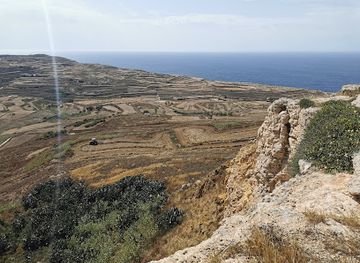
The countryside around Wied il-Ghasri has historically been used as a working rural landscape rather than an urban waterfront. Small fields, dry-stone boundaries and tracks reflect Malta’s long agricultural tradition, in which limited land and seasonal water shaped farming practices. The nearby settlement of Għasri, one of Gozo’s smaller villages, remains the principal local reference point for the valley. The coast around Żebbuġ and Xwejni likewise forms part of a wider landscape where agriculture, salt production and access to the sea have existed alongside one another, although those activities should not be confused with facilities directly at Wied il-Ghasri.
The Coastal Inlet and Local Recreation
For much of its history, Wied il-Ghasri was primarily a natural coastal feature within a rural landscape, reached by local tracks rather than designed as a formal attraction. Its narrow channel provided a sheltered visual contrast to Gozo’s more open northern coast, while the surrounding cliffs and stone steps later made it attractive for informal swimming, photography and walking. These uses remain dependent on weather and sea conditions. The inlet’s small scale means that its visitor identity has developed through landscape appreciation rather than through large-scale resort construction.
Modern Visitor Interest and Stewardship
Wied il-Ghasri now forms part of Gozo’s wider appeal as an island of coastal valleys, limestone scenery and rural heritage. Increased visitor interest has brought greater attention to access, litter, erosion and pressure on fragile natural surfaces. There is no large visitor infrastructure to absorb crowds, so responsible behaviour is especially important: keeping to appropriate paths, avoiding damage to dry-stone features and taking rubbish away help preserve the character of the site. The valley’s continuing significance lies in the relationship between natural formation, agricultural surroundings and low-impact coastal recreation.
Wied il-Ghasri in Photos
Browse through our photo collection highlighting the charm and character of the destination.
Neighbouring destination travel guides
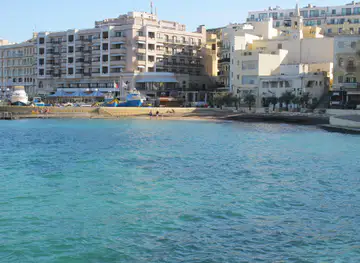
The closest destinations to Wied il-Ghasri, if you have time for more than one.
-
-

-

-

-


Swipe for more destinations
Explore more

Explore more of Żebbuġ (Gozo)
Discover Żebbuġ in Gozo, Malta: A picturesque village with panoramic views, rich cultural heritage, and stunning natural landscapes.
Explore Żebbuġ (Gozo)
Explore more of Malta
Discover Malta's crystal-clear waters, rich history, and vibrant culture. From ancient temples to modern nightlife, this Mediterranean gem offers something for everyone.
Explore Malta