
Marsalforn Bay, Malta Travel Guide
Discover Marsalforn Bay, Gozo's tranquil seaside gem, perfect for swimming, dining, and exploring Malta's rich history and natural beauty.
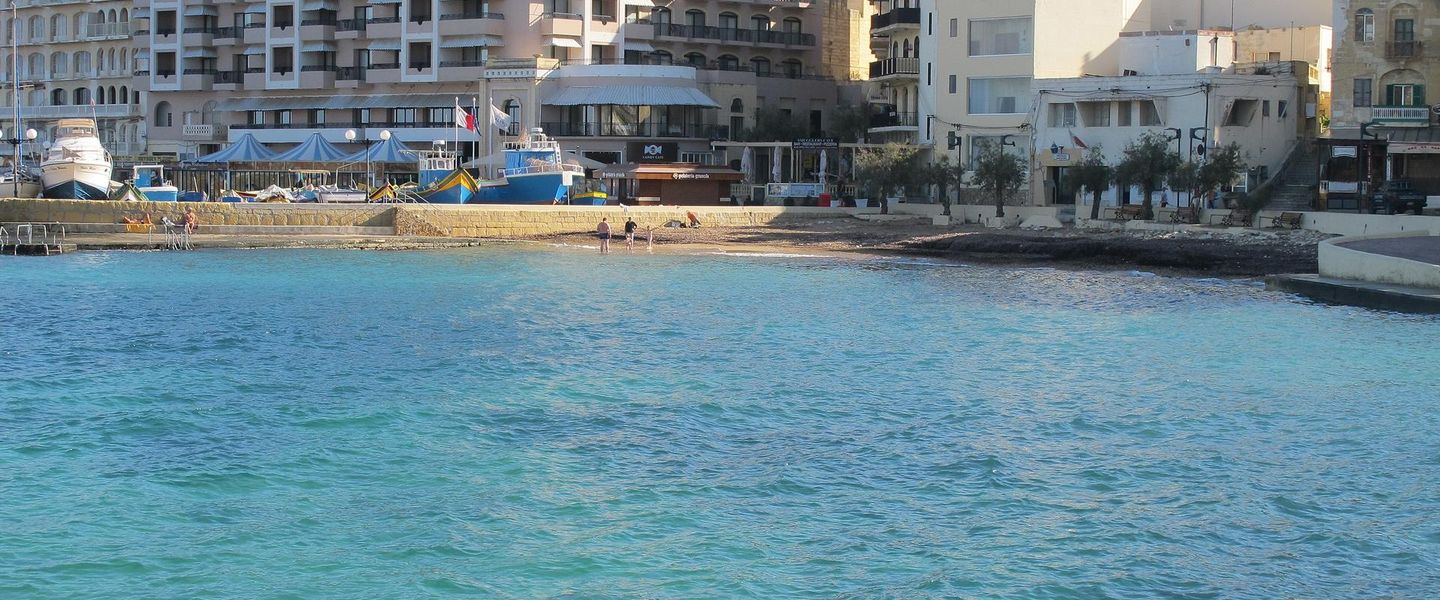
Marsalforn Bay, located on the northern coast of Gozo, Malta's sister island, is a charming seaside village known for its stunning views and serene atmosphere. This picturesque bay is encircled by rocky shores and a pebbly beach, making it a perfect spot for leisurely strolls and sunbathing. The azure waters of the Mediterranean are ideal for swimming, snorkeling, and diving, offering a glimpse into the vibrant marine life beneath the surface. The village of Marsalforn itself is bustling with life, especially during the summer months. It boasts a variety of restaurants, cafes, and bars where visitors can savor fresh seafood and traditional Maltese dishes while enjoying the sea breeze. The promenade is perfect for an evening walk, and the relaxed pace of life here makes it an excellent choice for those looking to unwind. Marsalforn Bay is also a great base for exploring Gozo. From here, you can easily visit nearby attractions such as the historic Ġgantija Temples, the stunning Azure Window, and the tranquil Ramla Bay. Whether you're an adventure seeker or simply in need of a peaceful retreat, Marsalforn Bay offers a little something for everyone.

Know before you go
Hi, I'm Eve. Here are a few practical things to know before exploring Marsalforn Bay.
- Visit during the summer months for the best weather and vibrant atmosphere.
- Try the fresh seafood at local restaurants along the promenade.
- Bring snorkeling gear to explore the rich marine life in the clear waters.
- Take an evening stroll along the promenade for a scenic and peaceful experience.
- Use Marsalforn Bay as a base to explore nearby attractions like the Ġgantija Temples and Ramla Bay.
Explore Marsalforn Bay: Things to Do, Places to Eat, Hotels & More
Handpicked recommendations for top attractions, local dining, accommodations, and more

Best attractions in Marsalforn Bay
Top-rated picks
Best Attractions

Xwejni Bay
Experience the breathtaking charm of Xwejni Bay, a tranquil haven known for its stunning waters and rich cultural heritage.

Marsalforn Valley
Experience the tranquility of Marsalforn Valley, a beautiful garden in Xagħra, Malta, perfect for nature lovers and peaceful retreats.

Marsalforn Double Colour Bench
Visit the Marsalforn Double Colour Bench for stunning coastal views and a unique photo opportunity in the heart of Malta.
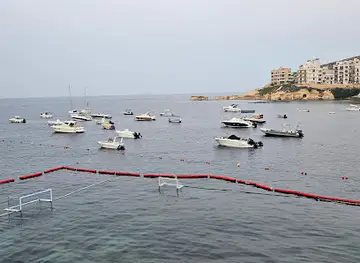
Nautic Team Giant Tun Snail
Explore the wonders of marine life at the Nautic Team Giant Tun Snail, a unique and captivating tourist attraction in Marsalforn, Malta.

Best landmarks in Marsalforn Bay
Top-rated picks
Best Landmarks

Islands Tec Dive
Experience the underwater magic of Gozo with Islands Tec Dive, the ultimate diving center offering immersive adventures in the Mediterranean.

Scuba Kings Gozo PADI Diving Centre
Explore the vibrant underwater world of Gozo with Scuba Kings, your premier diving center for unforgettable aquatic adventures.

BoThai Restaurant – Gozo
Discover the authentic taste of Thailand in Gozo at BoThai Restaurant, where every dish is a celebration of vibrant flavors and culinary artistry.

Golden Oven
Discover Golden Oven, the best fast food restaurant in Marsalforn, Gozo, where delicious flavors and local charm meet for an unforgettable meal.

Best restaurants in Marsalforn Bay
Top-rated picks
Best Restaurants

BoThai Restaurant – Gozo
Discover the authentic taste of Thailand at BoThai Restaurant in Gozo, where vibrant flavors meet warm hospitality.

Golden Oven
Discover Golden Oven in Żebbuġ – your go-to takeout restaurant for delicious fast food with local flair while exploring Gozo's treasures.

Qbajjar Restaurant Gozo
Experience authentic Maltese flavors at Qbajjar Restaurant in Gozo, where stunning views meet exceptional dining.

Il-Kartell Restaurant
Experience exquisite Mediterranean cuisine with stunning sea views at Il-Kartell Restaurant in Marsalforn.

Best bars in Marsalforn Bay
Top-rated picks
Best Bars

Il-Kartell Restaurant
Experience the essence of the Mediterranean at Il-Kartell Restaurant, where exquisite flavors and stunning seaside views await.

200 Bar
Discover the vibrant atmosphere of 200 Bar in Żebbuġ, Gozo, where refreshing drinks meet friendly service amidst stunning surroundings.

Lantern Restaurant Marsalforn Bay Gozo
Experience the best of Mediterranean cuisine with stunning views at Lantern Restaurant in Marsalforn Bay, Gozo.

Mosaic - Fusion Restaurant
Indulge in a unique culinary fusion at Mosaic, where local flavors and global cuisine come together in a vibrant dining experience.

Best nightclubs in Marsalforn Bay
Top-rated picks
Best Nightclubs

200 Bar
Experience the vibrant nightlife at 200 Bar in Gozo, featuring live music, karaoke, and an inviting atmosphere for an unforgettable evening out.

Lantern Restaurant Marsalforn Bay Gozo
Savor Mediterranean flavors at Lantern Restaurant in Marsalforn Bay, Gozo, where exquisite cuisine meets stunning sea views.

Traffic Lights Bar
Discover the lively nightlife at Traffic Lights Bar in Marsalforn, where great drinks and friendly vibes await every visitor.

Piùtrentanove Lounge Bar
Discover the lively charm of Piùtrentanove Lounge Bar in Marsalforn, where delightful cocktails meet vibrant nightlife.

Best shops in Marsalforn Bay
Top-rated picks
Best Shops

Atlantis Diving Centre
Discover the breathtaking underwater world at Atlantis Diving Centre, Gozo’s premier diving destination, perfect for all skill levels.

Coffee Circus Joy
Discover a charming coffee oasis in Gozo at Coffee Circus Joy, where quality brews meet a cozy atmosphere.

Charlies Antiques - Gozo - Malta
Explore the enchanting world of vintage finds at Charlie's Antiques in Gozo, where history and charm converge in a delightful shopping experience.

Galea Supermarket
Explore the flavors of Malta at Galea Supermarket, your one-stop shop for local produce, delicacies, and essentials in Iż-Żebbuġ.

Explore Marsalforn Bay on the Map
A handpicked selection of must-see spots in Marsalforn Bay, mapped for you.
Marsalforn Bay Essentials
-
Marsalforn Bay is located on the northern coast of Gozo, the second-largest island in the Maltese archipelago. The nearest airport is Malta International Airport (MLA) on the main island of Malta. From there, you can take a taxi or bus to Cirkewwa Ferry Terminal, where a ferry service runs to Mgarr Harbour on Gozo. Once on Gozo, Marsalforn Bay is a short bus or taxi ride away.
-
Gozo has a reliable and affordable bus service that connects Marsalforn Bay to other parts of the island. Taxis are also readily available and can be hired for short trips or day-long tours. Renting a car or scooter is another popular option for exploring Gozo at your own pace. Bicycles can be rented for those who wish to explore the area on two wheels.
-
The official currency in Malta is the Euro (EUR). Credit cards are widely accepted in hotels, restaurants, and shops in Marsalforn Bay. However, it is advisable to carry some cash, especially for smaller establishments and local markets. ATMs are available in Marsalforn Bay and throughout Gozo for cash withdrawals.
-
Marsalforn Bay is generally a safe destination for tourists. However, it is always wise to take standard precautions such as not leaving valuables unattended and being cautious when walking alone at night. There are no specific high-crime areas targeting tourists in Marsalforn Bay, but staying vigilant and aware of your surroundings is always a good practice.
-
In case of emergency, dial 112 for immediate assistance. This number connects you to police, fire, and medical services. The nearest medical facilities are in Victoria, the capital of Gozo, which is a short drive from Marsalforn Bay. It is advisable to have travel insurance that covers medical emergencies. Local pharmacies are available for minor health issues and over-the-counter medications.
-
Fashion: Do dress modestly when visiting religious sites. Swimwear is appropriate at the beach but should be covered up when walking around town. Religion: Do respect local customs and traditions, especially in religious settings. Public Transport: Do be respectful to bus drivers and fellow passengers. Don’t eat or drink on public transport. Greetings: Do greet people with a friendly 'hello' or 'bonjour'. A handshake is also common. Eating & Drinking: Do try local dishes such as fresh seafood and traditional Maltese cuisine. Don’t refuse food or drink offerings, as it is considered impolite.
-
To experience Marsalforn Bay like a local, visit the local fish market early in the morning to see the day's catch and interact with the fishermen. Enjoy a leisurely stroll along the seafront promenade in the evenings. Engage with locals in the small cafes and restaurants to learn more about the area's history and culture. Renting a boat for a day to explore the nearby coves and beaches is a unique way to experience the beauty of Gozo's coastline.
When is the best time to visit Marsalforn Bay?
Useful Local Phrases for Marsalforn Bay
You don't need to speak the language perfectly. Even learning a few simple words can make conversations warmer—and locals usually appreciate the effort.
— Eve

Here are the phrases I use most often in Marsalforn Bay. Try a few—you'll be surprised how far they go! 😊
❤️
-
- HelloMerħba
[mer-hba] - GoodbyeĊaw
[chaw] - YesIva
[ee-va] - NoLe
[leh] - Please/You're welcomeJekk jogħġbok/Mejda
[yekk yoj-bok/mey-da] - Thank youGrazzi
[grat-see] - Excuse me/SorrySkuzani/Sorry
[skoo-zan-ee/sorry] - How are you?Kif int?
[keef eent] - Fine. And you?Tajjeb. U int?
[tai-yeb. oo eent] - Do you speak English?Titkellem bl-Ingliż?
[tit-kel-lem bl-ing-lees] - I don't understandNaqra/Naqrax
[nak-ra/nak-rash]
- HelloMerħba
-
- I'd like to see the menu, pleaseNixtieq inra l-menu, jekk jogħġbok
[nis-tyek een-ra l-mey-noo, yekk yoj-bok] - I don't eat meatMa niekolx laħam
[ma nee-e-kolsh la-ham] - Cheers!Saħħa
[sa-ha] - I would like to pay, pleaseNixtieq inħallas, jekk jogħġbok
[nis-tyek in-hal-las, yekk yoj-bok]
- I'd like to see the menu, pleaseNixtieq inra l-menu, jekk jogħġbok
-
- Help!Għajjat!
[ai-yat] - Go away!Mur lejn ix-xellug!
[moor layn ish-shel-loog] - Call the Police!Ibqagħtu l-Pulizija!
[ib-ka-gh-too l-poo-lit-see-ya] - Call a doctor!Ibqagħtu tabib!
[ib-ka-gh-too ta-beeb] - I'm lostInħallas
[in-hal-las] - I'm illJien magħrud
[yin ma-ghrood]
- Help!Għajjat!
-
- I'd like to buy...Nixtieq inixtri...
[nis-tyek in-is-tree] - I'm just lookingQed nara biss
[ked na-ra biss] - How much is it?Kemm jiswa?
[kem yis-wa] - That's too expensiveDan huwa wisq sħiħ
[dan hoo-wa wisq seeh-hee] - Can you lower the price?Tista' tniżżel il-prezz?
[tis-ta tnee-zzel il-prezz]
- I'd like to buy...Nixtieq inixtri...
-
- What time is it?X'ħin hu?
[shin hoo] - It's one o'clockHuwa l-ewwel siegħa
[hoo-wa l-ew-wel see-e-gha] - Half past (10)Nofs wara (għaxar)
[noffs wa-ra (a-shar)] - MorningFilgħodu
[fil-gho-doo] - AfternoonWaranofsinhar
[wa-ra-nofs-in-har] - EveningFl-ewwel lejl
[ful-ew-wel layl] - YesterdayIlbieraħ
[il-byer-ah] - TodayIllum
[il-lum] - TomorrowGħada
[a-gha-da] - 1Wieħed
[wee-hed] - 2Tnejn
[tnejn] - 3Tlieta
[tlee-ta] - 4Erba'
[er-ba] - 5Ħames
[ha-mes] - 6Sitt
[sit] - 7Sebgħa
[seb-gha] - 8Tmienja
[tmi-en-ya] - 9Disgħa
[dis-gha] - 10Għaxra
[a-shar]
- What time is it?X'ħin hu?
-
- Where's a/the...?Fejn hemm...
[feyn hemm] - What's the address?X'inhu l-indirizz?
[shin-hoo l-in-dee-reets] - Can you show me (on the map)?Tista' turi ni (fuq il-mappa)?
[tis-ta tu-ree nee (fuq il-map-pa)] - When's the next (bus)?Meta tkun in-naha ta' wara?
[me-ta t-koon in-na-ha ta wa-ra] - A ticket (to ....)Biljett (għal ....)
[bil-yett (al)]
- Where's a/the...?Fejn hemm...
History of Marsalforn Bay
-
Marsalforn Bay has been inhabited since ancient times. The Phoenicians, who were renowned maritime traders from the Eastern Mediterranean, established a settlement here around the 7th century BCE. They utilized the bay as a crucial stopover point along their extensive trade routes, leaving behind remnants of their presence in the form of pottery and small artifacts.
-
During the Roman period, Marsalforn Bay evolved into a significant port. The Romans capitalized on its strategic location and natural harbor, using it to facilitate trade and transportation within the Mediterranean region. Evidence of Roman activity includes ancient anchors, amphorae, and other maritime artifacts discovered in the bay's waters.
-
In the medieval era, Marsalforn Bay fell under the influence of the Knights of St. John, who ruled Malta from 1530 to 1798. The bay served as a key point for maritime defense and trade. The Knights constructed fortifications and lookout posts to safeguard against pirate attacks and to monitor naval activity in the region.
-
One of the most distinctive features of Marsalforn Bay is its ancient salt pans. These salt pans, some of which date back to Roman times, were used for the extraction of sea salt. The practice of salt production continued through the ages, becoming an integral part of the local economy. The geometric patterns of the salt pans remain a unique and picturesque aspect of the bay.
-
In the 20th century, Marsalforn Bay underwent a transformation from a quiet fishing village into a bustling tourist destination. Its clear waters, charming waterfront, and pleasant climate attracted visitors from around the world. Traditional fishing boats called 'luzzu' can still be seen, symbolizing the bay's enduring connection to its maritime heritage.
Cities in Marsalforn Bay
Browse our curated selection of top destinations, scenic points, and must-visit spots in the area.

Neighbouring destination travel guides
Browse our curated selection of top destinations, scenic points, and must-visit spots in the area.




Your all‑in‑one travel companion app
Explore expert travel guides, compare and book tours, experiences, hotels, and more—all from the palm of your hand. Download now for seamless trip planning wherever your wanderlust takes you.


Explore More of Żebbuġ (Gozo)

Looking beyond Marsalforn Bay? Discover Żebbuġ (Gozo) for broader travel guides, local hot-spots, and regional highlights.
Explore Żebbuġ (Gozo)Explore More of Malta
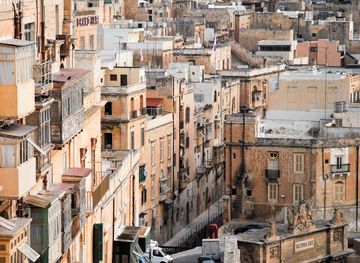
Looking beyond Marsalforn Bay? Discover Malta for broader travel guides, local hot-spots, and regional highlights.
Explore MaltaMarsalforn Bay in Photos
Browse through our photo collection highlighting the charm and character of the destination.


Marsalforn Bay: The Jewel of Gozo's Coastline
Marsalforn Bay, located on the northern coast of Gozo, Malta's sister island, is a charming seaside village known for its stunning views and serene atmosphere. This picturesque bay is encircled by rocky shores and a pebbly beach, making it a perfect spot for leisurely strolls and sunbathing. The azure waters of the Mediterranean are ideal for swimming, snorkeling, and diving, offering a glimpse into the vibrant marine life beneath the surface. The village of Marsalforn itself is bustling with life, especially during the summer months. It boasts a variety of restaurants, cafes, and bars where visitors can savor fresh seafood and traditional Maltese dishes while enjoying the sea breeze. The promenade is perfect for an evening walk, and the relaxed pace of life here makes it an excellent choice for those looking to unwind. Marsalforn Bay is also a great base for exploring Gozo. From here, you can easily visit nearby attractions such as the historic Ġgantija Temples, the stunning Azure Window, and the tranquil Ramla Bay. Whether you're an adventure seeker or simply in need of a peaceful retreat, Marsalforn Bay offers a little something for everyone.