

Dwejra Bay Travel Guide - Free Web & App
Your ultimate guide to Dwejra Bay. Discover top landmarks, proposed trips, and local tips. Free on the web or via the Evendo companion app.


Dwejra Bay, Malta: explore Gozo’s Inland Sea, Blue Hole, Fungus Rock and coastal geology, with boat trips, diving and sunsets near San Lawrenz.
A Limestone Coast Shaped by the Sea
Dwejra Bay lies on Gozo’s rugged western coast, near the village of San Lawrenz, where Malta’s limestone landscape meets deep blue water and exposed geological formations. The small bay is best understood as a group of interconnected coastal features rather than a conventional beach resort. The Inland Sea, a sheltered lagoon linked to the open Mediterranean by a low tunnel through the cliffs, is the setting for traditional boat excursions when sea conditions allow. Seaward, the Blue Hole is a celebrated natural rock pool and diving site, while Fungus Rock rises offshore as a distinctive limestone islet.Read more about Dwejra Bay
Landmarks and Natural Drama
Exploring Dwejra
When is the best time to visit Dwejra Bay?
Best: June–August · 17°C| Month | High (°C) | Rainfall (mm) |
|---|---|---|
| January | 17 | 82 |
| February | 17 | 72 |
| March | 17 | 62 |
| April | 17 | 52 |
| May | 17 | 42 |
| June (best) | 17 | 32 |
| July (best) | 17 | 21 |
| August (best) | 17 | 32 |
| September | 17 | 42 |
| October | 17 | 52 |
| November | 17 | 62 |
| December | 17 | 72 |
Getting to and around Dwejra Bay
How to get there
Transportation
Best attractions in Dwejra Bay
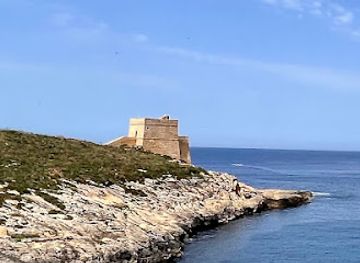
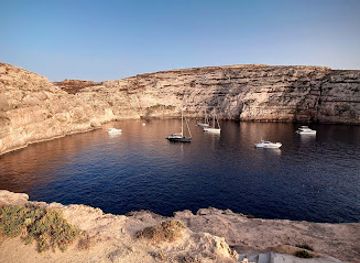
Dwejra Bay’s attractions are concentrated within a compact but geologically varied stretch of Gozo’s western coast. The Inland Sea is a sheltered lagoon reached through a low natural tunnel, with small boat excursions traditionally taking visitors between the lagoon and the open Mediterranean when conditions permit. Beside it, the Blue Hole is a renowned natural rock pool and diving site, while the surrounding limestone platforms offer views towards Fungus Rock, the offshore islet known locally as il-Ġebla tal-Ġeneral. Dwejra Tower overlooks the bay and provides historical context for this formerly remote coast. The Azure Window is no longer standing, having collapsed in 2017, but the remaining cliffs, sea caves and wave-shaped rock formations retain strong visual character. Walking west and south reveals a stark landscape of pale limestone, low vegetation and open sea, with San Lawrenz and Għarb serving as nearby village bases.
-
Catholic church
St George's Basilica
Explore the architectural beauty and rich history of St George's Basilica, a must-visit spiritual and cultural landmark in Victoria, Malta.
-
Historical landmark
Ta' Kenuna Tower
Discover the rich history and breathtaking views of Ta' Kenuna Tower in Nadur, Malta's serene escape into nature and heritage.
-
Performing arts theater
Teatru Astra
Experience the vibrant cultural heartbeat of Gozo at Teatru Astra, a historic theater offering a diverse array of performances and local artistry.
-
Tourist attraction
Wardija Punic Temple
Explore the ancient Wardija Punic Temple in Malta, a captivating archaeological site showcasing the rich heritage of the Punic civilization.


Best landmarks in Dwejra Bay
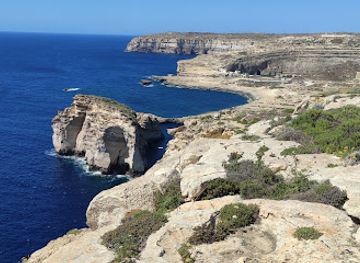
The Inland Sea is Dwejra’s defining natural landmark: a sheltered lagoon separated from the open Mediterranean by a narrow limestone passage. The Blue Hole, formed within the coastal rock and linked to underwater passages, has become one of Gozo’s best-known diving landmarks, although access to the water depends on conditions and ability. Fungus Rock stands at the bay’s entrance and takes its Maltese name, il-Ġebla tal-Ġeneral, from its association with the historic Maltese fungus plant. Dwejra Tower, completed in 1652 by the Order of St John, adds a human defensive presence above the coast. The Azure Window, once the area’s most recognisable natural arch, collapsed in 2017; its absence is now part of Dwejra’s modern geological and cultural story.
-
Historical landmark
Dwejra Tower
Explore Gozo's Dwejra Tower: a historic watchtower with panoramic views, guarding the island's heritage and natural beauty. Free entry!
-
Tourist attraction
Fungus Rock
Discover Fungus Rock: a Gozitan landmark steeped in history, natural beauty, and unique biodiversity. Explore its shores and underwater wonders.
Explore Dwejra Bay on the map
Plan your trip on one map. See where the top attractions, landmarks, restaurants and hotels are, and book hotels and experiences in a few clicks.
Best hotels in Dwejra Bay
Best restaurants in Dwejra Bay
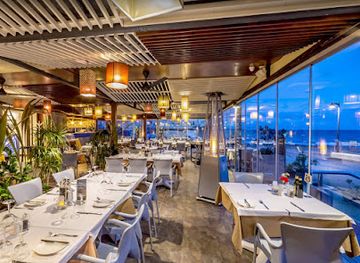
Dwejra Bay has limited dining infrastructure, so visitors generally eat in nearby San Lawrenz and Għarb or return to Victoria for a broader choice of restaurants and cafés. Gozo’s food culture reflects Maltese rural traditions, with dishes and ingredients commonly associated with seasonal vegetables, local cheeselets known as ġbejniet, bread, rabbit, pasta and Mediterranean herbs. Fish and seafood may appear on menus across the island, although availability is naturally linked to supply and season. Village restaurants, cafés and country-style establishments provide a more practical setting for a meal than the exposed waterfront, where visitors should not assume that refreshments are always available. Farm shops and food sellers elsewhere in Gozo can also introduce regional produce, while local bakeries and small shops are useful for picnic supplies before travelling to the bay.
-
Restaurant
Qbajjar Restaurant Gozo
Experience the essence of Malta at Qbajjar Restaurant Gozo—where traditional flavors meet breathtaking views.
-
Maltese
Country Terrace Mgarr Gozo Malta
Experience authentic Maltese cuisine with stunning views at Country Terrace in Għajnsielem, Gozo - a must-visit dining destination.
-
Restaurant
Azure Window
Explore the iconic Azure Window in Malta - a breathtaking limestone arch surrounded by stunning coastal scenery.
-
Maltese
Ta' Karolina Restaurant
Discover Ta' Karolina Restaurant: A top destination for authentic Maltese cuisine with breathtaking views in Munxar.
Best bars in Dwejra Bay
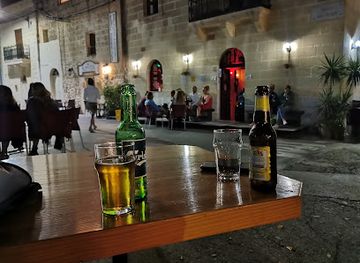
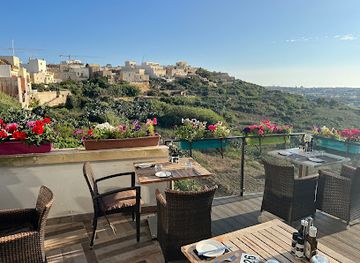
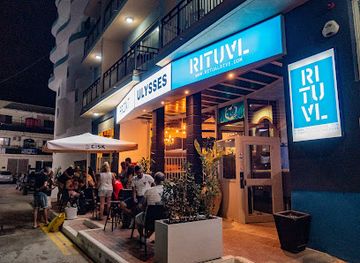
Dwejra Bay is not a nightlife destination and has no recognised concentration of nightclubs or late-night entertainment. Evening activity is generally quiet, with visitors leaving the coast after watching the changing light over the limestone and open sea. The nearest established evening venues are found in San Lawrenz, Għarb and other Gozo villages, where traditional bars, cafés and restaurants provide a slower rural atmosphere rather than a club scene. Victoria offers the island’s wider choice of places to eat and drink, but it remains a separate urban base rather than part of Dwejra itself. Seasonal village feasts and cultural events may add evening colour across Gozo, though dates and programmes vary and should be checked locally.
-
Restaurant
Azure Window
Experience exquisite dining at Azure Window, where breathtaking views meet the flavors of Malta in a perfect culinary fusion.
-
Pub
Zeppi's Pub
Discover Zeppi's Pub in Qala - a local favorite offering a cozy atmosphere, vibrant drinks, and a taste of Maltese hospitality.
-
Bar
The View Bar & Kitchen
Discover the flavors of Malta at The View Bar & Kitchen in Żebbuġ, where local cuisine meets a vibrant bar atmosphere.
-
Bar
Front Bar
Discover the lively Front Bar in Gozo, where local culture meets stunning views and refreshing drinks in a vibrant atmosphere.
Best nightclubs in Dwejra Bay
Dwejra Bay is not a nightlife destination and has no recognised concentration of nightclubs or late-night entertainment. Evening activity is generally quiet, with visitors leaving the coast after watching the changing light over the limestone and open sea. The nearest established evening venues are found in San Lawrenz, Għarb and other Gozo villages, where traditional bars, cafés and restaurants provide a slower rural atmosphere rather than a club scene. Victoria offers the island’s wider choice of places to eat and drink, but it remains a separate urban base rather than part of Dwejra itself. Seasonal village feasts and cultural events may add evening colour across Gozo, though dates and programmes vary and should be checked locally.
-
Lounge
VELVET LOUNGE CLUB (SHISHA AND FOOD )
Discover the vibrant nightlife at Velvet Lounge Club, where delicious food meets exceptional shisha and cocktails in St. Paul's Bay.
-
Night club
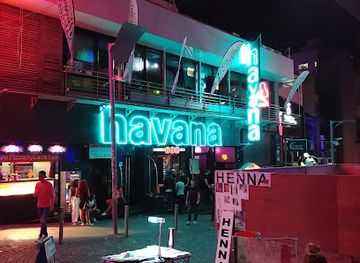
Havana Club Malta
Dive into the vibrant nightlife of Malta at Havana Club, where great music and dancing create unforgettable memories.
-
Bar
Front Bar
Discover the lively Front Bar in Gozo, where great drinks and vibrant atmosphere create unforgettable moments.
-
Disco club
La Grotta
Experience the electrifying nightlife at La Grotta, Munxar's premier disco club with vibrant music and an unforgettable atmosphere.


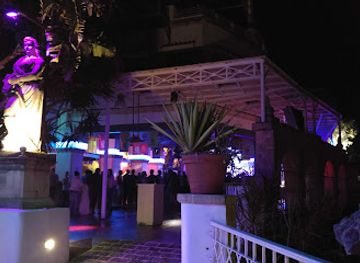
Best shops in Dwejra Bay
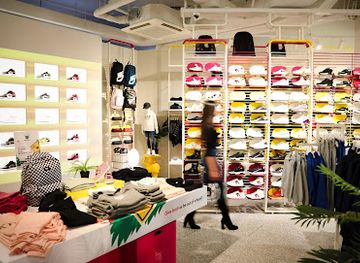
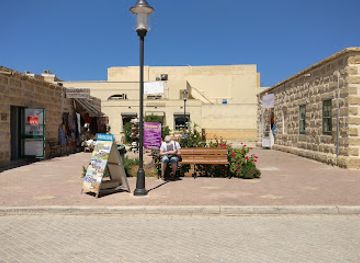
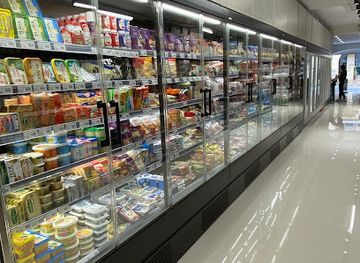
Shopping at Dwejra Bay is limited to practical visitor needs rather than a developed retail scene. The closest everyday choices are in San Lawrenz and Għarb, while Victoria provides the widest range of supermarkets, small shops and specialist retailers on Gozo. Visitors looking for regional products can seek out ġbejniet, Gozitan honey, olive oil, wine, bread and other locally produced foods, subject to availability. Gozo is also associated with handmade lace, pottery, glass, jewellery and small-scale craftwork, although individual workshops and stock vary between villages. Farm shops and village food outlets can be more useful than souvenir stalls for finding products with a genuine connection to the island. Dwejra itself should be approached as a natural landscape, not as a shopping centre, so supplies are best obtained before arrival.
-
Shopping mall
Arkadia Commercial Centre
Discover the bustling Arkadia Commercial Centre in Victoria, Malta – your ultimate shopping and dining destination.
-
Jewelry store
Ta' Dbiegi Crafts Village
Explore the heart of Maltese craftsmanship at Ta' Dbiegi Crafts Village, a vibrant artisan hub filled with unique, handcrafted treasures.
-
Grocery store
Lighthouse Discount Supermarket
Experience the best of local shopping at Lighthouse Discount Supermarket, your go-to grocery store in Gharb, Malta.
-
Patisserie
Angele Patisserie & Confiserie
Discover the exquisite pastries and delightful ice creams at Angele Patisserie & Confiserie in Gharb, Malta – a sweet escape for every dessert lover.
Get your free copy of our complete guide to Dwejra Bay, delivered straight to you.
Everything on this page, from attractions and restaurants to essentials and local phrases, in one PDF you can read offline, print or share.
Already have an account? Sign in
Your Dwejra Bay guide is ready.
We'll send it to · Not you? Sign out

Getting your guide ready…
We are putting together a fresh copy of the Dwejra Bay guide. This can take up to a minute.
This can take a few moments. If your browser asks, choose Allow so the download can start. You'll find the guide in your Downloads folder.
Nothing happened? Download it again
Sorry, the guide is taking longer than usual. Please try again in a minute, or get it by email instead.
Dwejra Bay essentials
Currency and Payment
Safety
Emergency Situations
Do's and Don'ts
Local Tips
From Eve
Local phrases worth knowing
You don't need to get them perfect. A few words go a long way, and locals appreciate the effort.
Basics
| English | Local | Say it |
|---|---|---|
| Hello | Merħba | [mer-hba] |
| Goodbye | Ċaw | [chaw] |
| Yes | Iva | [ee-va] |
| No | Le | [leh] |
| Please/You're welcome | Jekk jogħġbok | [yekk yoh-hbok] |
| Thank you | Grazzi | [grut-see] |
| Excuse me/Sorry | Skuzani | [skoo-za-nee] |
| How are you? | Kif int? | [keef int] |
| Fine. And you? | Tajjeb. U int? | [tai-yeb. oo int] |
| Do you speak English? | Titkellem bl-Ingliz? | [tit-kel-lem blee-in-gliz] |
| I don't understand | Ma nifhimx | [ma nee-feemsh] |
Eating & Drinking
| English | Local | Say it |
|---|---|---|
| I'd like to see the menu, please | Nixtieq nara l-menu, jekk jogħġbok | [nix-tyek na-ra l-me-nu, yekk yoh-hbok] |
| I don't eat meat | Ma nagħmilx laħam | [ma na-lee-msh la-ham] |
| Cheers! | Saħħa! | [sa-ha] |
| I would like to pay, please | Nixtieq inħallas, jekk jogħġbok | [nix-tyek in-hal-las, yekk yoh-hbok] |
Emergencies
| English | Local | Say it |
|---|---|---|
| Help! | Għajjat! | [ay-yat] |
| Go away! | Mur! | [mur] |
| Call the Police! | Ibqa' l-Pulizija! | [ib-ka l-poo-lee-zee-ya] |
| Call a doctor! | Ibqa' tabib! | [ib-ka ta-beeb] |
| I'm lost | Innixxew | [in-nees-shew] |
| I'm ill | Jien qiegħed maħquq | [yeen ay-yed mah-hook] |
Shopping
| English | Local | Say it |
|---|---|---|
| I'd like to buy... | Nixtieq inixtri... | [nix-tyek ee-nish-tree] |
| I'm just looking | Qed nara biss | [ked na-ra bees] |
| How much is it? | Kemm huwa? | [kem hoo-wa] |
| That's too expensive | Dan huwa wisq sħiħ | [dan hoo-wa wees-k sah-hee] |
| Can you lower the price? | Tista' tniżżel il-prezz? | [tis-ta tneezz-zel il-prez] |
Time & Numbers
| English | Local | Say it |
|---|---|---|
| What time is it? | X'ħin huwa? | [shin hoo-wa] |
| It's one o'clock | Huwa l-ewwel siegħa | [hoo-wa l-ew-wel see-eha] |
| Half past (10) | Nofs il-għaxar | [noffs il-ya-har] |
| Morning | Filgħodu | [fil-goh-doo] |
| Afternoon | Waranofs | [wa-ra-noffs] |
| Evening | Filgħaxija | [fil-ya-she-ya] |
| Yesterday | Ilbieraħ | [il-byer-ah] |
| Today | Illum | [il-lum] |
| Tomorrow | Għada | [ada] |
| 1 | Wieħed | [wee-hed] |
| 2 | Tnejn | [tneyn] |
| 3 | Tlieta | [tlieta] |
| 4 | Erba' | [er-ba] |
| 5 | Ħamsa | [hamsa] |
| 6 | Sitta | [sit-ta] |
| 7 | Sebgħa | [seb-gha] |
| 8 | Tmienja | [tmi-en-ya] |
| 9 | Disgħa | [dis-gha] |
| 10 | Għaxra | [ach-ra] |
Transport & Directions
| English | Local | Say it |
|---|---|---|
| Where's a/the...? | Fejn hemm... | [feyn hemm] |
| What's the address? | X'inhu l-indirizz? | [shin-hoo l-in-di-reez] |
| Can you show me (on the map)? | Tista' turi li (fuq il-mappa)? | [tis-ta tu-ree lee fooq il-map-pa] |
| When's the next (bus)? | Meta hu l-ġurnata ta' wara? | [me-ta hoo l-jur-na-ta ta wa-ra] |
| A ticket (to ....) | Biljett (għal ....) | [bil-yet tal] |
History of Dwejra Bay
Limestone Landscapes and Coastal Formation
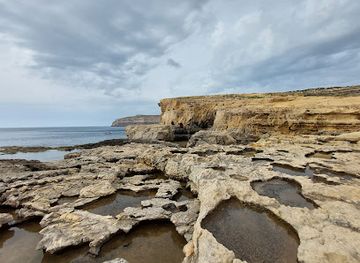
Dwejra’s setting belongs to Gozo’s wider limestone landscape, formed from marine sediments that were uplifted and shaped over geological time. Along the western coast, erosion has produced cliffs, wave-cut platforms, caves, natural arches and enclosed hollows. The Inland Sea is a particularly striking result of this process: a sheltered body of water is connected to the open sea by a narrow natural tunnel through the rock. The Blue Hole and the former Azure Window likewise reflected the continuing relationship between limestone structure, wave action and weathering. The Azure Window collapsed during a storm on 8 March 2017, marking a major, permanent change in Dwejra’s modern landscape.
The Knights and Dwejra Tower
Dwejra Tower was completed in 1652 during the rule of the Order of St John, which governed Malta and Gozo from the sixteenth century until the French occupation in 1798. It formed part of a coastal watch and defence system designed to monitor approaches from the sea and warn communities of danger. The tower’s position above Dwejra gave it a useful view across a remote and exposed stretch of coast. Although Dwejra is now associated primarily with geology and recreation, the tower records an earlier period when Gozo’s coastline was also understood as a strategic frontier.
Fungus Rock and Natural History
Fungus Rock, or il-Ġebla tal-Ġeneral, stands at the entrance to Dwejra Bay. Its historical reputation arose from a plant known as the Maltese fungus, now identified as Cynomorium coccineum, which was once valued for supposed medicinal properties. Under the Knights of St John, access to the rock was controlled because of the plant’s perceived importance. The name therefore reflects a chapter in the history of natural medicine and colonial administration as much as a geological feature. Today the islet remains an important visual marker of the bay, while visitors are expected to respect the surrounding environment and access restrictions.
Tourism, Diving and Landscape Change
Dwejra’s international profile grew through the combination of its unusual coastal geology, boat access to the Inland Sea, walking opportunities and reputation among divers. The Blue Hole became particularly associated with underwater exploration, while the Azure Window made the coast recognisable far beyond Gozo. Film and television productions also used Gozo’s distinctive landscapes, although Dwejra’s identity is rooted in the shore itself rather than in screen tourism. The collapse of the Azure Window in 2017 redirected attention towards the surviving formations and the need for careful management of a heavily visited natural site.
Dwejra Bay in Photos
Browse through our photo collection highlighting the charm and character of the destination.
Cities in Dwejra Bay
The towns and cities of Dwejra Bay, and the easiest places to base yourself.
-

-

-

-

-

-


Swipe for more cities
Neighbouring destination travel guides
The closest destinations to Dwejra Bay, if you have time for more than one.
-

-

-

-

-


Swipe for more destinations
Explore more
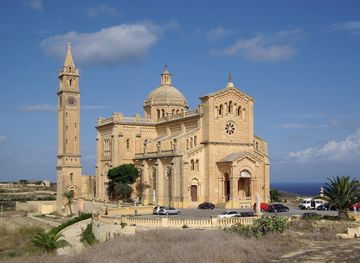
Explore more of Għarb
Discover Għarb, a serene village in Gozo, Malta, known for its historical charm, stunning landscapes, and the magnificent Ta' Pinu Basilica.
Explore Għarb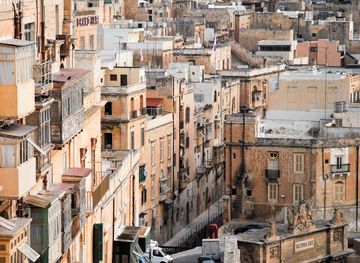
Explore more of Malta
Discover Malta's crystal-clear waters, rich history, and vibrant culture. From ancient temples to modern nightlife, this Mediterranean gem offers something for everyone.
Explore Malta