

Gozo Citadel Travel Guide - Free Web & App
Your ultimate guide to Gozo Citadel. Discover top landmarks, proposed trips, and local tips. Free on the web or via the Evendo companion app.


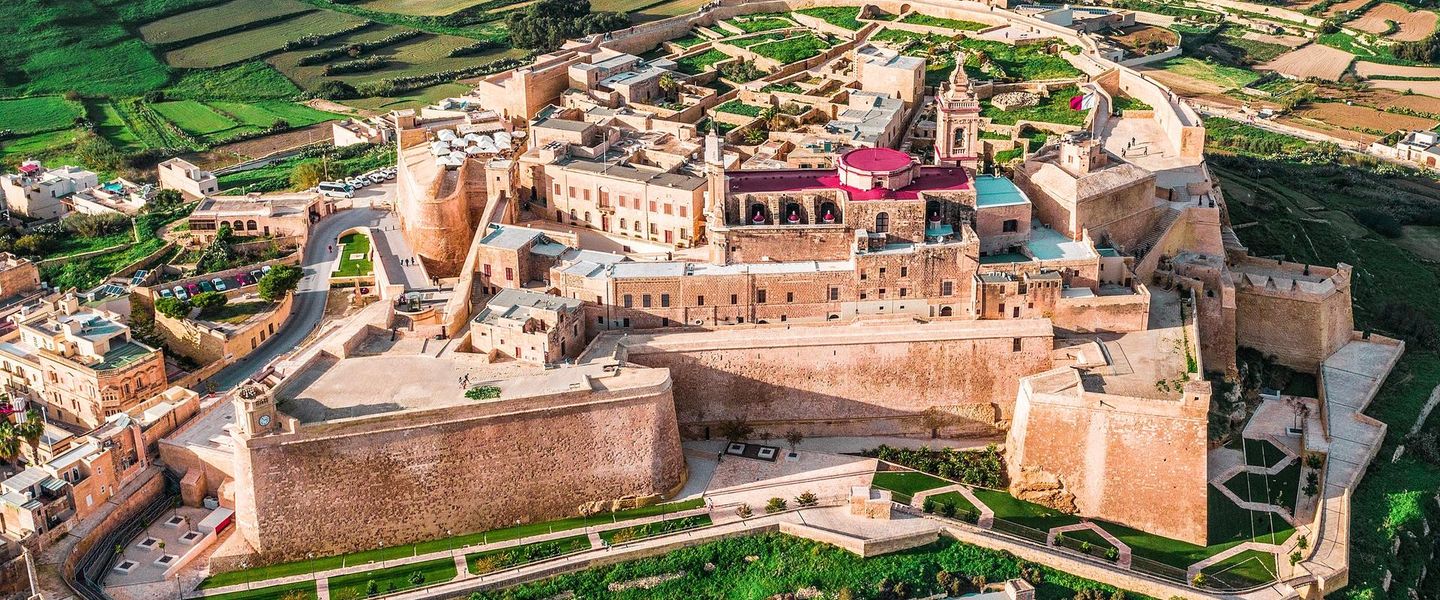


Gozo Citadel in Malta reveals fortified history, cathedral architecture, island views, museums and lanes above Victoria, with heritage tips for visitors.
A Fortress Above Victoria
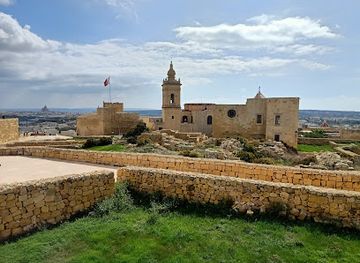
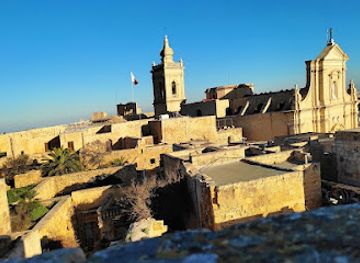
Gozo Citadel, known locally as it-Tiġrija and historically as the Cittadella, occupies a limestone plateau at the centre of Victoria, Gozo’s principal town. Its pale bastions rise above the surrounding island, making the fortress visible from many roads and villages. Within the walls, narrow lanes, stone houses, ecclesiastical buildings and quiet courtyards preserve the character of Gozo’s historic administrative and religious centre, while the ramparts open towards fields, villages and the island’s gently rolling interior.Read more about Gozo Citadel
History in Stone
Exploring the Cittadella
When is the best time to visit Gozo Citadel?
Best: May–June, October · 23–28°C| Month | High (°C) | Rainfall (mm) |
|---|---|---|
| January | 16 | 75 |
| February | 17 | 65 |
| March | 17 | 55 |
| April | 20 | 45 |
| May (best) | 23 | 30 |
| June (best) | 28 | 10 |
| July | 32 | 10 |
| August | 33 | 10 |
| September | 32 | 30 |
| October (best) | 27 | 45 |
| November | 22 | 55 |
| December | 18 | 65 |
Getting to and around Gozo Citadel
How to get there
Transportation
Best attractions in Gozo Citadel
-
Historical landmark
Ta' Kenuna Tower
Explore the stunning Ta' Kenuna Botanical Garden in Nadur, Malta – a serene blend of nature and history awaits.
-
Cafe
KREPREE (Sliema)
Discover the vibrant flavors of Sliema at KREPREE, a café known for its inventive crepes and inviting atmosphere.
-
Fortress
Fort Delimara
Explore Fort Delimara in Marsaxlokk, a historical coastal fortress showcasing Malta's military heritage and stunning Mediterranean views.
-
Scenic spot
Rdum il-Qammieħ Viewpoint
Experience stunning panoramic views of the Mediterranean at Rdum il-Qammieħ Viewpoint in Mellieħa, Malta - a must-visit scenic spot.

Best landmarks in Gozo Citadel
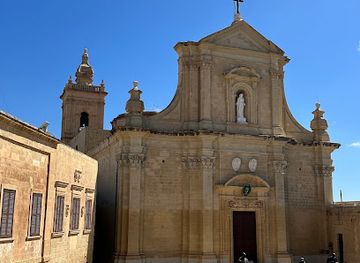
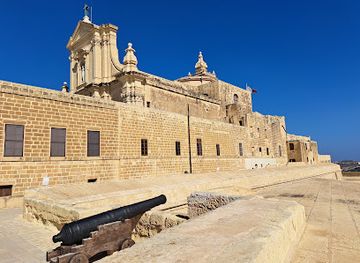
The defining landmark is the Citadel’s circuit of limestone bastions, curtain walls and elevated ramparts, which express Gozo’s long history of defence and provide a strong visual link with the island’s countryside. The Cathedral of the Assumption is the principal architectural landmark within the enclosure, recognised for its Baroque design and trompe-l’oeil ceiling that gives the impression of a dome. The Old Prison, former courts and other civic buildings preserve the institutional character of the fortified centre, while the narrow streets reveal how religious, administrative and residential functions once operated together. Outside the walls, Victoria’s Basilica of St George forms another important local landmark, but it belongs to the surrounding town rather than the Citadel itself. The pale local limestone unifies the complex and changes in colour with the Mediterranean light.
-
Cathedral
Cathedral of the Assumption
Discover Baroque architecture and illusionistic art at Gozo's Cathedral of the Assumption, a historical landmark in Victoria's Citadel.
-
Castle
Citadella de Victoria
Explore Gozo's ancient Citadella: A historic fortress with stunning views and rich cultural heritage.
-
Museum
Old Prison
Explore Gozo's Old Prison: Step back in time and discover the stories etched in stone within the Citadel's historic walls.
-
Museum
Gran Castello Historic House
Explore Gozo's rich history and culture at the Gran Castello Historic House, a captivating museum within Victoria's ancient Citadel.
Explore Gozo Citadel on the map
Plan your trip on one map. See where the top attractions, landmarks, restaurants and hotels are, and book hotels and experiences in a few clicks.
Best hotels in Gozo Citadel
Best restaurants in Gozo Citadel
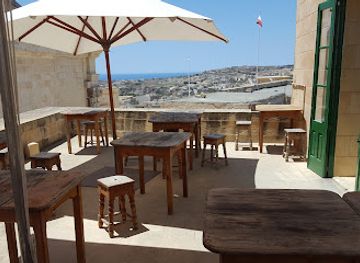
Dining connected with Gozo Citadel is concentrated mainly in Victoria and along the streets leading towards the fortress rather than in a large restaurant quarter within the walls. Local menus commonly draw on Maltese and Gozitan traditions, including rustic vegetable dishes, gbejna sheep’s cheese, pastizzi, ftira, rabbit and seasonal produce, while fish and seafood reflect the island’s maritime setting. Cafés are useful for a light meal, coffee or a snack before and after exploring the ramparts, and village-style restaurants in Victoria provide a broader choice in the evening. Visitors may also encounter Gozo-produced wine, honey and other agricultural products in food shops and restaurants. Opening arrangements vary, particularly outside the busiest season, so dining options should be checked locally rather than assumed at the Citadel itself.
-
Maltese
Ta' Rikardu Restaurant
Experience authentic Maltese flavors at Ta' Rikardu Restaurant in Victoria - where tradition meets taste in every dish.
Best bars in Gozo Citadel
Gozo Citadel is not a nightlife district, and evenings are generally quiet once museums and heritage buildings have closed. The most authentic evening setting is found in Victoria’s cafés, wine bars and traditional-style pubs, where residents and visitors gather for conversation, drinks and simple food rather than late-night clubbing. Religious celebrations and village festas across Gozo can bring seasonal music, processions and outdoor social activity, but these are event-specific and should not be treated as nightly entertainment. Visitors staying near the Citadel can enjoy cooler walks around the illuminated fortifications and central Victoria, while those seeking a more extensive nightlife scene would need to look beyond the immediate historic area and check current local information for events and venue schedules.
-
Maltese
Ta' Rikardu Restaurant
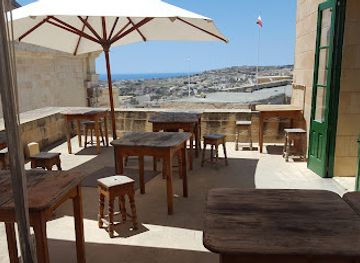
Experience the rich flavors of Malta with traditional dishes at Ta' Rikardu Restaurant in Victoria, Gozo, the heart of Maltese cuisine.
Best shops in Gozo Citadel
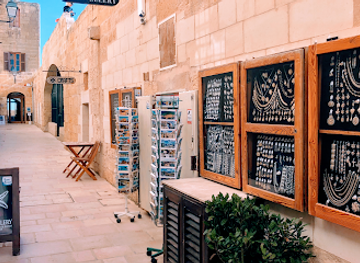
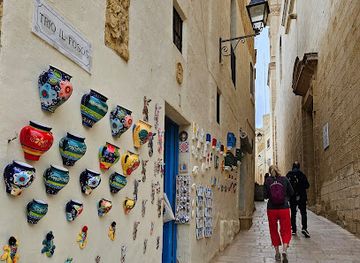
Shopping at Gozo Citadel itself is limited and focused on heritage-related gifts, books and locally produced items available through nearby visitor facilities or small outlets. Most everyday retail is in Victoria below the fortress, where visitors can find food shops, cafés, clothing, practical supplies and independent businesses. Gozo is associated with traditional lace, filigree, pottery, glass, honey, wine and other craft or agricultural products, although stock and provenance vary between shops. Local cheeses and packaged island produce can make useful edible souvenirs, while religious items reflect the Citadel’s cathedral and ecclesiastical heritage. Visitors seeking a wider selection should explore Victoria’s central streets rather than expect a dedicated shopping district within the fortified enclosure, and should distinguish handmade goods from generic souvenirs.
-
Shopping mall
Castle Jewellery
Explore exquisite craftsmanship at Castle Jewellery in Victoria, Malta, a must-visit shopping experience for unique and stunning jewellery.
-
Souvenir store
Obchodík so suvenírmi
Discover a treasure trove of handcrafted souvenirs that embody the spirit of Malta at Obchodík so suvenírmi in Victoria.
Get your free copy of our complete guide to Gozo Citadel, delivered straight to you.
Everything on this page, from attractions and restaurants to essentials and local phrases, in one PDF you can read offline, print or share.
Already have an account? Sign in
Your Gozo Citadel guide is ready.
We'll send it to · Not you? Sign out

Getting your guide ready…
We are putting together a fresh copy of the Gozo Citadel guide. This can take up to a minute.
This can take a few moments. If your browser asks, choose Allow so the download can start. You'll find the guide in your Downloads folder.
Nothing happened? Download it again
Sorry, the guide is taking longer than usual. Please try again in a minute, or get it by email instead.
Gozo Citadel essentials
Currency and Payment
Safety
Emergency Situations
Do's and Don'ts
Local Tips
From Eve
Local phrases worth knowing
You don't need to get them perfect. A few words go a long way, and locals appreciate the effort.
Basics
| English | Local | Say it |
|---|---|---|
| Hello | Bonġu | [bon-joo] |
| Goodbye | Saħħa | [sa-ha] |
| Yes | Iva | [ee-va] |
| No | Le | [leh] |
| Please/You're welcome | Jekk jogħġbok | [yekk yoj-bok] |
| Thank you | Grazzi | [grat-see] |
| Excuse me/Sorry | Skuzani | [skoo-za-nee] |
| How are you? | Kif int? | [keef int] |
| Fine. And you? | Tajjeb. U int? | [tay-yeb. oo int] |
| Do you speak English? | Titkellem bl-Ingliż? | [tit-kel-lem bl ing-leez] |
| I don't understand | Ma nifhimx | [ma neef-heemsh] |
Eating & Drinking
| English | Local | Say it |
|---|---|---|
| I'd like to see the menu, please | Nixtieq nara l-menu, jekk jogħġbok | [nishtee-ek nara l-menyoo, yekk yoj-bok] |
| I don't eat meat | Ma niekolx laħam | [ma nee-ekolsh la-ham] |
| Cheers! | Saħħa! | [sa-ha] |
| I would like to pay, please | Nixtieq inħallas, jekk jogħġbok | [nishtee-ek in-hal-las, yekk yoj-bok] |
Emergencies
| English | Local | Say it |
|---|---|---|
| Help! | Għajjat! | [ai-yat] |
| Go away! | Mur! | [moor] |
| Call the Police! | Ċemplu l-Pulizija! | [chem-plu l-poo-lee-zee-ya] |
| Call a doctor! | Ċemplu tabib! | [chem-plu ta-beeb] |
| I'm lost | Inkejt | [in-ket] |
| I'm ill | Inqast | [in-kast] |
Shopping
| English | Local | Say it |
|---|---|---|
| I'd like to buy... | Nixtieq inixtri... | [nishtee-ek inis-tree] |
| I'm just looking | Qed inħares biss | [ked in-ha-res bis] |
| How much is it? | Kemm huwa? | [kem hoo-wa] |
| That's too expensive | Dan huwa wisq ieftin | [dan hoo-wa wees-ik eeftin] |
| Can you lower the price? | Tista' tniżżel il-prezz? | [tis-ta tnee-zzel il-prezz] |
Time & Numbers
| English | Local | Say it |
|---|---|---|
| What time is it? | Xi ħin hu? | [she heen hoo] |
| It's one o'clock | Huwa l-ewwel siegħa | [hoo-wa l-ew-wel see-eha] |
| Half past (10) | Nofs il-ġurnata | [noffs il-jur-na-ta] |
| Morning | Filgħodu | [fil-jo-doo] |
| Afternoon | Waranofsinhar | [wa-ran-of-sin-har] |
| Evening | Filgħaxija | [fil-ya-shee-ya] |
| Yesterday | Ilbieraħ | [il-bee-er-ah] |
| Today | Illum | [il-lum] |
| Tomorrow | Għada | [a-da] |
| 1 | Wieħed | [wee-hed] |
| 2 | Tnejn | [tnine] |
| 3 | Tlieta | [tlee-ta] |
| 4 | Erba' | [erb-a] |
| 5 | Ħamsa | [ham-sa] |
| 6 | Sitta | [sit-ta] |
| 7 | Sebgħa | [seb-a] |
| 8 | Tmienja | [tmeen-ya] |
| 9 | Disgħa | [dis-a] |
| 10 | Għaxra | [ya-shra] |
Transport & Directions
| English | Local | Say it |
|---|---|---|
| Where's a/the...? | Fejn hemm... | [fayne hemm] |
| What's the address? | X'inhu l-indirizz? | [shin-hoo l-ind-ir-eez] |
| Can you show me (on the map)? | Tista' turihli (fuq il-mappa)? | [tis-ta too-ree-lee fooq il-map-pa] |
| When's the next (bus)? | Meta jmiss? | [me-ta y-miss] |
| A ticket (to ....) | Biljett (għal ....) | [bil-yett al] |
History of Gozo Citadel
A Long-Occupied Limestone Plateau
The plateau now occupied by Gozo Citadel has long been valued for its elevated position and commanding views across the island. Archaeological evidence from the wider area indicates settlement on Gozo from prehistoric times, while the Citadel itself developed as a defensible centre for the island’s population. Its height offered protection and oversight of the surrounding countryside, linking the site to the agricultural communities that have shaped central Gozo for centuries.
The Medieval Gran Castello
During the medieval period the fortified centre was known as the Gran Castello. It served as Gozo’s principal stronghold and administrative focus, with the settlement gathered within or close to its defensive enclosure. The fortress was not solely a military installation: its churches, residences and civic functions made it the island’s main centre of authority. Surviving walls and the irregular street pattern reflect the gradual growth of a fortified medieval community rather than a single planned construction.
The Ottoman Raid and Early Modern Defences
The Ottoman raid of 1551 had a profound effect on Gozo, causing widespread disruption and the enslavement of much of the island’s population. In the aftermath, the Knights of St John strengthened Gozo’s fortifications and encouraged renewed settlement. The Citadel was repaired and adapted as part of a wider defensive policy across Malta and Gozo. Later early modern changes improved the fortress’s military and civic functions, while the surrounding island gradually recovered its agricultural life.
Cathedral, Courts and Civic Life
The Cathedral of the Assumption, built in the early eighteenth century, established the Citadel as an important religious centre as well as a fortress. Its interior is noted for a painted perspective on the ceiling that creates the impression of a dome, although the cathedral has no actual dome over the nave. Other buildings served judicial and administrative purposes, including the Old Prison and courts. Together they demonstrate how defence, religion and government operated within the same compact urban enclosure.
Restoration and Public Heritage
As military technology changed, the Citadel gradually lost its primary defensive role, but its walls, streets and buildings remained central to Gozo’s identity. In the modern period, conservation projects repaired the fortifications and improved public interpretation, including work associated with European Union-funded restoration completed in the late 2010s. Museums and visitor facilities now present the site’s archaeology, folklore, ecology and religious history, while ongoing conservation reflects the demands of caring for an exposed historic complex.
Gozo Citadel in Photos
Browse through our photo collection highlighting the charm and character of the destination.
Neighbouring destination travel guides
The closest destinations to Gozo Citadel, if you have time for more than one.
-

-

-

-

-


Swipe for more destinations
Explore more

Explore more of Żebbuġ (Gozo)
Discover Żebbuġ in Gozo, Malta: A picturesque village with panoramic views, rich cultural heritage, and stunning natural landscapes.
Explore Żebbuġ (Gozo)
Explore more of Malta
Discover Malta's crystal-clear waters, rich history, and vibrant culture. From ancient temples to modern nightlife, this Mediterranean gem offers something for everyone.
Explore Malta