

Free Appalachian Plateau Travel Guide & Mobile App
Explore Appalachian Plateau with free travel guides. Discover regional history, expert tips, proposed trips, and audio guides on web or mobile app.


Explore Maryland’s Appalachian Plateau for Deep Creek Lake, forested state parks, waterfalls, mountain history and four-season outdoor recreation.
Read more about Appalachian Plateau
Getting to and around Appalachian Plateau
How to get there
Transportation
Destinations in Appalachian Plateau
Resorts, valleys and scenic spots worth a trip of their own.
-

-


Swipe for more destinations
Best attractions in Appalachian Plateau
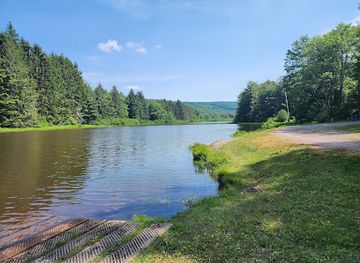
The Appalachian Plateau’s attractions are concentrated in forests, waterways, historic transport routes and four-season recreation. Deep Creek Lake State Park provides public lake access, swimming, boating, fishing and woodland trails, while the surrounding reservoir supports private marinas and outdoor operators. Swallow Falls State Park follows a dramatic section of the Youghiogheny River, with waterfalls, hemlock forest and rocky walking routes. Cathedral State Park offers a more contemplative experience among very old eastern hemlocks, and Herrington Manor and New Germany state parks combine lakes, beaches, trails and winter activities. Garrett State Forest adds extensive backcountry scenery and opportunities for hiking, hunting and fishing where permitted. Around Oakland, railway museums and preserved historic buildings explain how the mountains were connected to wider markets. Grantsville and the Casselman River Bridge State Park interpret the National Road era, while local craft studios and rural farms provide a cultural counterpoint to outdoor pursuits. In winter, the higher terrain around Deep Creek Lake supports skiing and snowboarding, although conditions and facilities vary by season. The attraction landscape is therefore less about a single monumental site than about moving between water, woodland, mountain roads and communities shaped by transport and resource industries.
-
Historical place
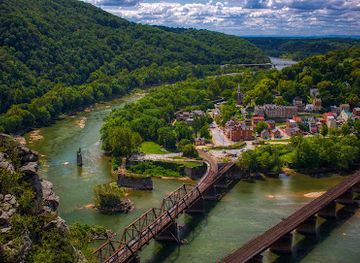
Harpers Ferry National Historical Park
Explore the historical depths and natural wonders of Harpers Ferry National Historical Park, where history meets stunning landscapes.
-
Tourist attraction
Assateague Island National Seashore
Explore the stunning Assateague Island National Seashore, a coastal paradise with wild horses, pristine beaches, and diverse wildlife for an unforgettable adventure.
-
State park
Rocky Gap State Park
Explore Rocky Gap State Park: a stunning destination for outdoor adventures, serene landscapes, and unforgettable experiences in the heart of Maryland.
-
Casino
Rocky Gap Casino, Resort & Golf
Discover the ultimate blend of gaming, luxury, and nature at Rocky Gap Casino, Resort & Golf in Flintstone, Maryland.

Best landmarks in Appalachian Plateau
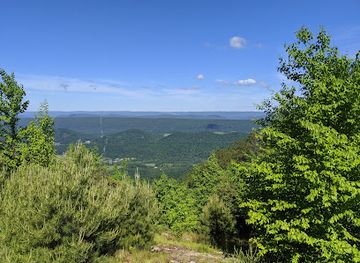
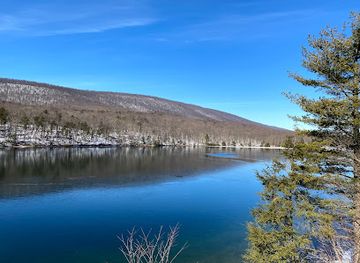
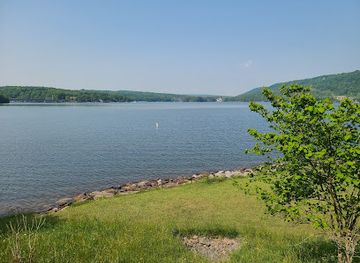
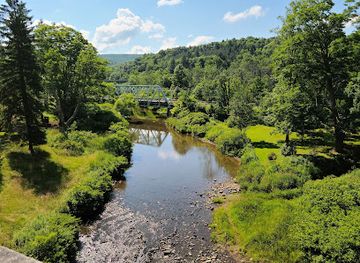
Deep Creek Lake is the Appalachian Plateau’s most recognisable geographical landmark, its broad reservoir occupying a mountain valley surrounded by wooded ridges and holiday communities. Backbone Mountain, including the high ground around Maryland’s western edge, represents the elevated character of the plateau and provides expansive views on clear days. The Youghiogheny River and its tributary valleys create the rocky scenery associated with Swallow Falls, where Muddy Creek Falls and old hemlock forest form a memorable natural setting. Cathedral State Park is significant for its surviving stand of mature eastern hemlocks, a living reminder of the forests that once covered much more of the uplands. The Casselman River Bridge near Grantsville is an important engineering landmark from the National Road era and one of the region’s clearest symbols of early overland travel. Oakland’s historic railway buildings and Victorian commercial streets reflect the later arrival of the Baltimore and Ohio Railroad, which connected the mountain communities to larger markets. Together, these places express the plateau’s defining themes: elevation, forests, rivers, transport and adaptation to a demanding landscape.
-
State park
Deep Creek Lake State Park
Explore the natural beauty and recreational wonders of Deep Creek Lake State Park in Maryland, a perfect destination for outdoor lovers and families.
-
State park
New Germany State Park
Discover the serene landscapes and outdoor adventures at New Germany State Park, a hidden gem in Maryland perfect for nature lovers and families.
-
State park
Casselman River Bridge State Park
Explore the historic Casselman River Bridge State Park in Grantsville, Maryland, where nature and history intertwine for a memorable outdoor experience.
-
Glass manufacturer
Simon Pearce Factory Store/Glassblowing (TOURS 10-2 Daily) in the Deep Creek Lake Area
Explore the artistry of glassblowing at the Simon Pearce Factory Store in Deep Creek Lake, where craftsmanship meets stunning natural beauty.

Explore Appalachian Plateau on the map
Plan your trip on one map. See where the top cities, national parks and sights are, and book hotels and experiences in a few clicks.
Best hotels in Appalachian Plateau
Best restaurants in Appalachian Plateau
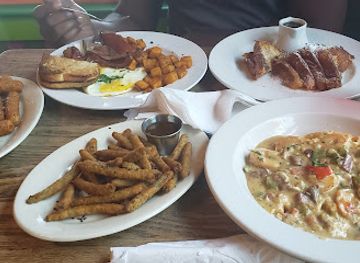
Dining on Maryland’s Appalachian Plateau reflects its rural setting and resort economy. Around Oakland and Deep Creek Lake, visitors find cafés, diners, family restaurants, pizzerias, pubs and more contemporary kitchens, with the greatest choice concentrated near the lake and larger settlements. Traditional American breakfasts, soups, fried or grilled dishes, sandwiches, trout and locally sourced meats are common, while farm stands and seasonal markets provide apples, maple products, preserves, vegetables and baked goods. Country inns and roadside restaurants offer a practical way to eat between parks and scenic drives, and lake-area restaurants may place greater emphasis on casual summer dining. The region does not have one single defining cuisine, but its food culture is shaped by Appalachian cooking, Maryland’s wider farm traditions and the demands of a four-season holiday destination. In autumn, apple products and harvest foods become especially prominent; during winter, hearty meals and warm drinks suit the climate. Visitors should expect rural opening patterns and plan ahead outside the main tourism areas.
-
Diner
The PaperMoon Diner
Discover the charm of The PaperMoon Diner in Baltimore—where eclectic decor meets delicious comfort food in a vibrant atmosphere.
-
American
The Bungalow Lakehouse
Experience delectable American cuisine in a serene lakeside setting at The Bungalow Lakehouse in Sterling, Virginia.
-
American
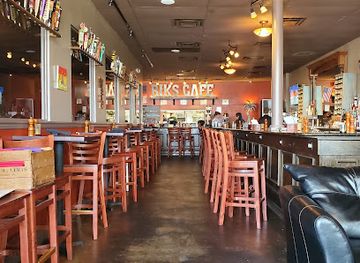
Rik's Cafe
Experience the best of American cuisine at Rik's Cafe in Hagerstown - where every meal is a delightful adventure.
-
American
Clyde's of Chevy Chase
Experience exceptional American cuisine at Clyde's of Chevy Chase, where delicious food meets vibrant atmosphere in Maryland.
Best bars in Appalachian Plateau
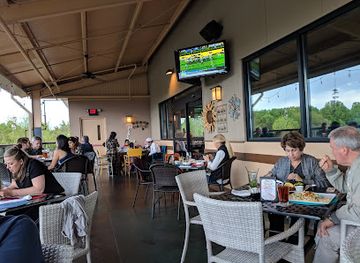
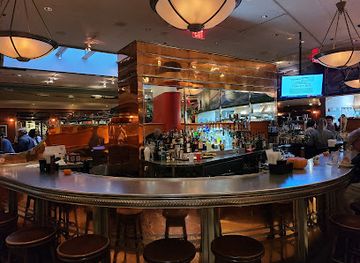
Evening life is centred on traditional pubs, restaurants, breweries and relaxed resort venues rather than a large nightclub circuit. Deep Creek Lake has the broadest selection, with casual bars and dining rooms catering to summer visitors, boaters and winter sports guests; some venues also host live music or seasonal entertainment. Oakland provides a quieter small-town setting, while Grantsville and other plateau communities are oriented towards local restaurants, taverns and community events. Historic inns and country bars offer a more traditional atmosphere, but late-night options become limited away from the lake. Opening arrangements can change with the season, so visitors should check locally rather than assume that a venue operates late every night. In rural areas, an evening meal, a local drink, live music or a fire at an accommodation may be more characteristic than clubbing.
-
Ski resort
Wisp Resort
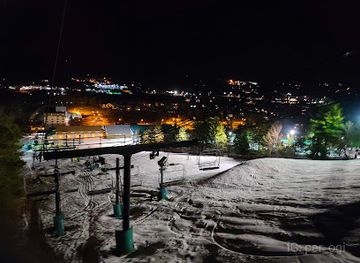
Discover the ultimate outdoor adventure at Wisp Resort in Maryland, featuring skiing, golfing, and stunning mountain views year-round.
-
Brewpub
Mountain State Brewing Co
Discover the vibrant atmosphere and handcrafted brews at Mountain State Brewing Co, a premier brewpub in McHenry, Maryland.
-
American
Ace's Run Restaurant & Pub
Savor the Best of American Cuisine at Ace's Run Restaurant & Pub in Oakland, Maryland – A Must-Visit for Food Lovers!
-
Bar
Dutch's At Silver Tree Restaurant
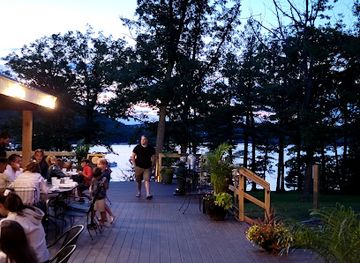
Experience exquisite dining at Dutch's At Silver Tree, where fresh seafood meets stunning views on Deep Creek Lake.

Best nightclubs in Appalachian Plateau
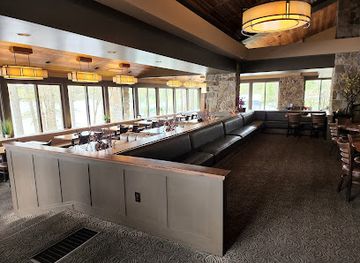
Evening life is centred on traditional pubs, restaurants, breweries and relaxed resort venues rather than a large nightclub circuit. Deep Creek Lake has the broadest selection, with casual bars and dining rooms catering to summer visitors, boaters and winter sports guests; some venues also host live music or seasonal entertainment. Oakland provides a quieter small-town setting, while Grantsville and other plateau communities are oriented towards local restaurants, taverns and community events. Historic inns and country bars offer a more traditional atmosphere, but late-night options become limited away from the lake. Opening arrangements can change with the season, so visitors should check locally rather than assume that a venue operates late every night. In rural areas, an evening meal, a local drink, live music or a fire at an accommodation may be more characteristic than clubbing.
-
Sports bar
The Greene Turtle Sports Bar & Grille
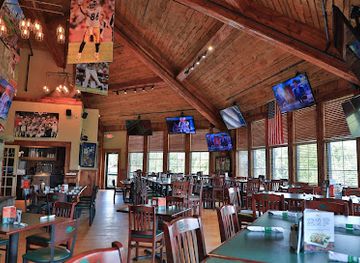
Discover the vibrant atmosphere of The Greene Turtle Sports Bar & Grille, where delicious food meets exciting sports in McHenry.
-
Restaurant
Black Bear Tavern and Restaurant
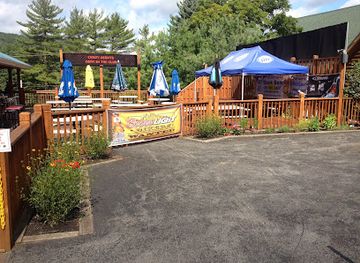
Discover the perfect blend of American cuisine and nightlife at Black Bear Tavern, a must-visit destination in McHenry, Maryland.
-
Night club
Galaxy Night Club
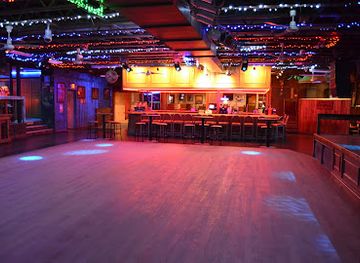
Discover the vibrant nightlife at Galaxy Night Club, where unforgettable experiences, great music, and delicious drinks await you!
-
Night club
The Original Cancun Cantina
Discover the lively nightlife at The Original Cancun Cantina, offering live music, karaoke, and a vibrant atmosphere for an unforgettable evening in Hanover, Maryland.

Best shops in Appalachian Plateau
Shopping is modest in scale and closely tied to small towns, tourism and local production. Oakland has independent shops, galleries, antiques and practical services in and around its historic centre, while the Deep Creek Lake area has a larger selection of resort-oriented retailers, outdoor equipment, gifts and seasonal clothing. Grantsville is associated with National Road heritage and craft shopping, including studios and artisan outlets in the broader town area. Farmers’ markets, farm stands and seasonal events are useful places to look for maple syrup, apple products, jams, honey, baked goods and other foods from the surrounding countryside. Regional crafts may include woodwork, pottery, textiles, artwork and handmade decorations, although availability depends on the season and individual makers. Visitors should not expect a major luxury-shopping district; the appeal lies in locally produced goods, practical outdoor equipment, antiques and souvenirs connected with the plateau’s forests, farms and historic roads.
-
Outlet mall
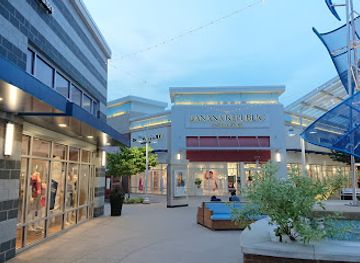
Tanger Outlets National Harbor
Explore the best shopping destination at Tanger Outlets National Harbor, featuring top brands and unbeatable deals in a scenic waterfront setting.
-
Shopping mall
Shops at Waldorf Center
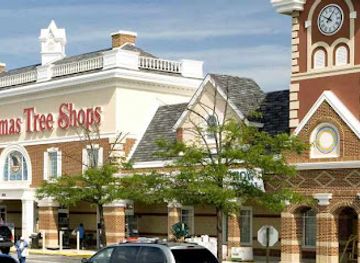
Explore a diverse shopping experience at the Shops at Waldorf Center with a mix of retail, dining, and entertainment in a vibrant setting.
-
Shopping mall
Country Club Mall
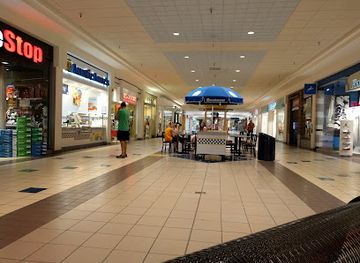
Experience shopping, dining, and entertainment all in one place at Country Club Mall, La Vale, Maryland.
-
State park
Deep Creek Lake State Park
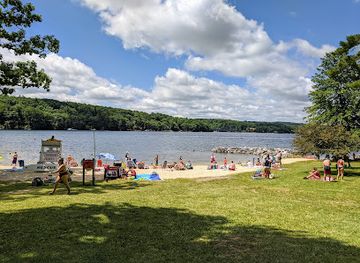
Explore Deep Creek Lake State Park: A natural paradise for outdoor enthusiasts and nature lovers in Maryland.
Get your free copy of our complete guide to Appalachian Plateau, delivered straight to you.
Everything on this page, from attractions and restaurants to essentials and local phrases, in one PDF you can read offline, print or share.
Already have an account? Sign in
Your Appalachian Plateau guide is ready.
We'll send it to · Not you? Sign out

Getting your guide ready…
We are putting together a fresh copy of the Appalachian Plateau guide. This can take up to a minute.
This can take a few moments. If your browser asks, choose Allow so the download can start. You'll find the guide in your Downloads folder.
Nothing happened? Download it again
Sorry, the guide is taking longer than usual. Please try again in a minute, or get it by email instead.
Appalachian Plateau essentials
Currency and Payment
Safety
Emergency Situations
Do's and Don'ts
Local Tips
From Eve
Local phrases worth knowing
You don't need to get them perfect. A few words go a long way, and locals appreciate the effort.
Basics
| English | Local | Say it |
|---|---|---|
| Hello | Howdy | [Hao-dee] |
| Goodbye | See y'all later | [See y'all lay-ter] |
| Yes | Yep | [Yep] |
| No | Nope | [Nope] |
| Please/You're welcome | Please/No problem | [Pleez/No prob-lum] |
| Thank you | Thank ya | [Thank yah] |
| Excuse me/Sorry | Excuse me/Sorry 'bout that | [Ex-cuse me/Sorry 'bout that] |
| How are you? | How ya doin'? | [How ya doin'?] |
| Fine. And you? | I’m good. How 'bout you? | [I'm good. How 'bout you?] |
| Do you speak English? | Ya speakin' English? | [Ya speakin' English?] |
| I don't understand | I ain't gettin' it | [I ain't gettin' it] |
Eating & Drinking
| English | Local | Say it |
|---|---|---|
| I'd like to see the menu, please | Can I see the menu, please? | [Can I see the menu, pleez?] |
| I don't eat meat | I don't eat no meat | [I don't eat no meat] |
| Cheers! | Cheers! | [Cheers!] |
| I would like to pay, please | I’d like to settle up, please | [I'd like to settle up, pleez] |
Emergencies
| English | Local | Say it |
|---|---|---|
| Help! | Help! | [Help!] |
| Go away! | Get away from here! | [Get away from here!] |
| Call the Police! | Call the law! | [Call the law!] |
| Call a doctor! | Call a doc! | [Call a doc!] |
| I'm lost | I’m lost | [I'm lost] |
| I'm ill | I’m feelin' sick | [I'm feelin' sick] |
Shopping
| English | Local | Say it |
|---|---|---|
| I'd like to buy... | I want to buy... | [I want to buy...] |
| I'm just looking | Just lookin' | [Just lookin'] |
| How much is it? | How much fer that? | [How much fer that?] |
| That's too expensive | That’s a bit too high | [That’s a bit too high] |
| Can you lower the price? | Can ya bring the price down? | [Can ya bring the price down?] |
Time & Numbers
| English | Local | Say it |
|---|---|---|
| What time is it? | What time is it? | [What time is it?] |
| It's one o'clock | It’s one o'clock | [It’s one o'clock] |
| Half past (10) | Half past ten | [Half past ten] |
| Morning | Mornin' | [Mornin'] |
| Afternoon | Afternoon | [Afternoon] |
| Evening | Evenin' | [Evenin'] |
| Yesterday | Yesterday | [Yesterday] |
| Today | Today | [Today] |
| Tomorrow | Tomorrow | [Tomorrow] |
| 1 | One | [One] |
| 2 | Two | [Two] |
| 3 | Three | [Three] |
| 4 | Four | [Four] |
| 5 | Five | [Five] |
| 6 | Six | [Six] |
| 7 | Seven | [Seven] |
| 8 | Eight | [Eight] |
| 9 | Nine | [Nine] |
| 10 | Ten | [Ten] |
Transport & Directions
| English | Local | Say it |
|---|---|---|
| Where's a/the...? | Where's a/the...? | [Where's a/the...?] |
| What's the address? | What’s the address? | [What’s the address?] |
| Can you show me (on the map)? | Can ya show me on the map? | [Can ya show me on the map?] |
| When's the next (bus)? | When’s the next bus? | [When’s the next bus?] |
| A ticket (to ....) | A ticket to .... | [A ticket to ....] |
History of Appalachian Plateau
Indigenous Routes and the Allegheny Uplands
Long before European settlement, Indigenous peoples travelled through the Allegheny uplands using river valleys, ridge routes and established paths across what is now Garrett County. The region’s difficult terrain limited large-scale settlement but made passes and valleys important corridors between the Potomac watershed and the Ohio country. Later colonial routes followed some of these older lines of movement. Indigenous history is therefore part of the plateau’s geography even though relatively few large archaeological monuments remain visible to ordinary visitors.
Maryland’s Western Expansion in the Eighteenth Century
Maryland’s western boundary was extended through colonial-era surveying and settlement, bringing the Allegheny uplands into the province’s political and economic orbit. European-American settlers established farms and small communities along the more accessible valleys during the eighteenth and early nineteenth centuries. The plateau’s thin soils, severe winters and rugged relief encouraged dispersed settlement rather than the dense plantation pattern associated with southern Maryland. Many later roads, town sites and land divisions developed from these early movements into the mountains.
The National Road and Mountain Commerce
The National Road, now broadly followed by US 40 through the Grantsville area, transformed overland travel across the mountains in the early nineteenth century. Inns, toll facilities, workshops and trading businesses served stagecoaches and freight traffic, linking Maryland with the developing interior of the United States. The Casselman River Bridge, built in 1814 near Grantsville, is a surviving reminder of this engineering and commercial era. The road helped connect isolated plateau communities to larger markets and encouraged the growth of towns along its route.
Railways, Timber and Coal
Railway construction reached the western Maryland mountains in the nineteenth century, giving Oakland and surrounding communities a stronger connection with Baltimore and national markets. Rail transport supported the movement of timber, agricultural goods and coal. Logging altered large stretches of the plateau’s forests, while coal extraction became important in Garrett County’s western mining districts. The railway also brought visitors seeking mountain air and summer scenery. Historic depots and railway buildings in Oakland preserve evidence of the period when transport reshaped the region’s economy.
Deep Creek Lake and the Age of Recreation
Deep Creek Lake was formed in the 1920s when Deep Creek was dammed for hydroelectric power. The resulting reservoir gradually became a centre for boating, fishing, holiday homes and wider mountain tourism. Its creation marked a shift from an economy based mainly on farming, timber and extractive industries towards one that also valued landscape and leisure. Today the lake is one of Maryland’s best-known inland recreation areas, while nearby state parks and forests reflect a parallel growth in public conservation.
Conservation and Four-Season Tourism
During the twentieth century, public ownership and conservation helped protect important examples of the plateau’s forests, rivers and wetlands. State parks such as Swallow Falls, Cathedral, Herrington Manor and New Germany preserve different aspects of the upland environment. Winter recreation later expanded the visitor economy, particularly around the higher terrain near Deep Creek Lake. Contemporary Garrett County combines outdoor tourism with farming, craft production and small-town life, while historic preservation keeps the National Road and railway legacies visible.
Appalachian Plateau in Photos
Browse through our photo collection highlighting the charm and character of the destination.
Neighbouring regions of Appalachian Plateau
The closest regions to Appalachian Plateau, if you have time for more than one.
-

-

-

-

-


Swipe for more regions
Explore more

Explore more of Maryland
Discover Maryland, where coastal charm meets rich history and outdoor adventure. Experience the best of the East Coast in this small but diverse state.
Explore Maryland