

Free Central Maryland Travel Guide & Mobile App
Explore Central Maryland with free travel guides. Discover regional history, expert tips, proposed trips, and audio guides on web or mobile app.


Central Maryland combines Baltimore museums, Annapolis heritage, Chesapeake Bay scenery, historic towns, local seafood and accessible countryside.
Read more about Central Maryland
When is the best time to visit Central Maryland?
Best: May, September–October · 21–27°C| Month | High (°C) | Rainfall (mm) |
|---|---|---|
| January | 7 | 76 |
| February | 8 | 65 |
| March | 13 | 94 |
| April | 19 | 86 |
| May (best) | 24 | 95 |
| June | 29 | 102 |
| July | 32 | 105 |
| August | 31 | 102 |
| September (best) | 27 | 87 |
| October (best) | 21 | 81 |
| November | 15 | 88 |
| December | 9 | 87 |
Getting to and around Central Maryland
How to get there
Transportation
Top city travel guides in Central Maryland
The cities of Central Maryland, and the easiest places to base yourself.
-

-

-

-

-

-


Swipe for more cities
Destinations in Central Maryland
Resorts, valleys and scenic spots worth a trip of their own.
-
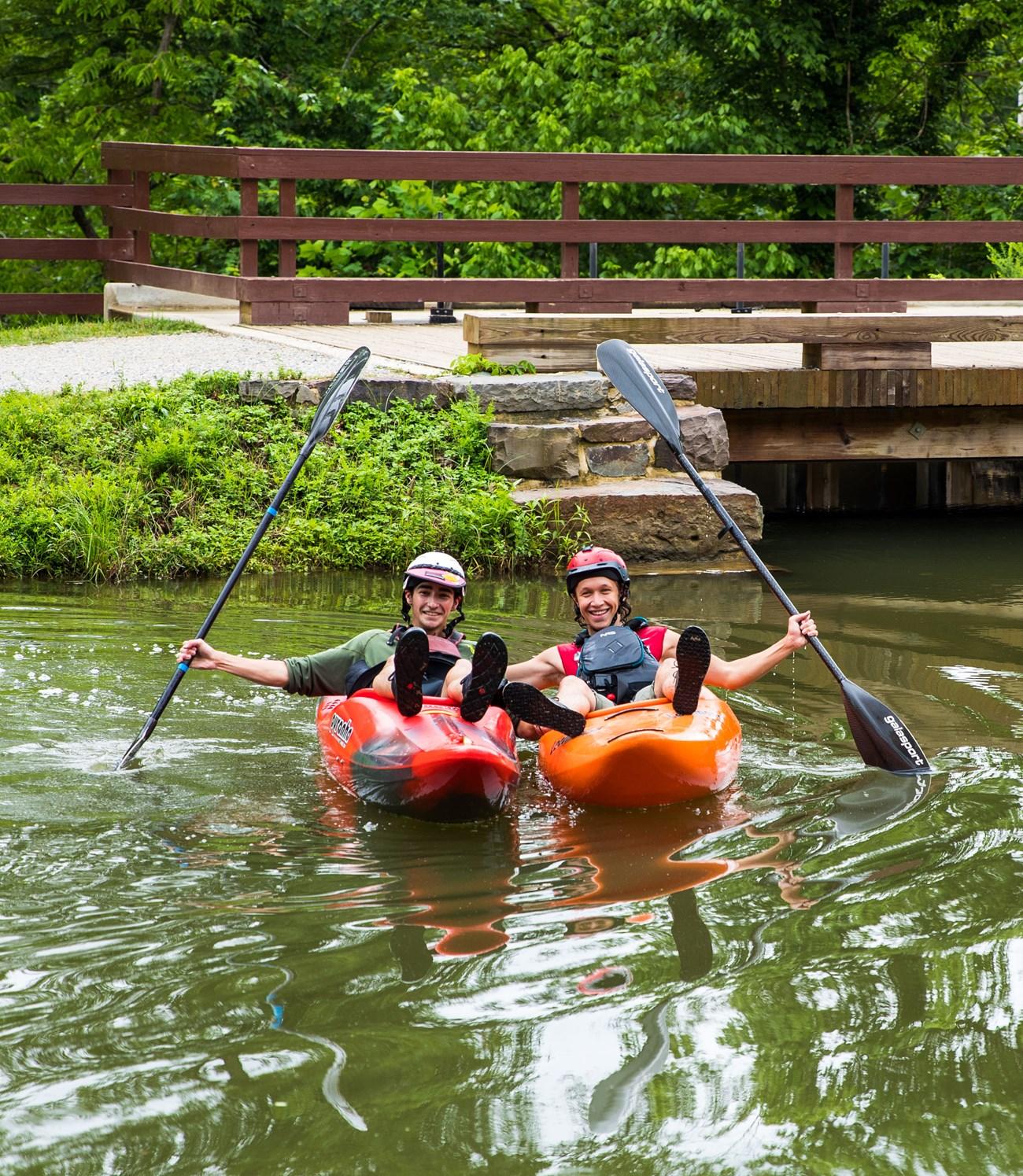 C&O Canal National Historical Park
Discover the blend of history and nature at C&O Canal National Historical Park, where miles of scenic towpath and historical landmarks await your exploration.
-

-

-

-

-


Swipe for more destinations
Best attractions in Central Maryland
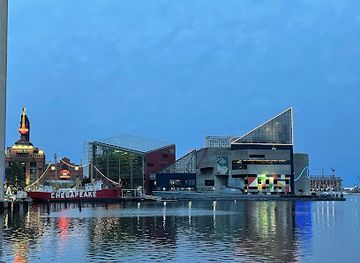
Central Maryland's attractions range from major urban museums to wooded river valleys and Chesapeake waterfronts. Baltimore's Inner Harbor contains the National Aquarium, Maryland Science Center and historic ships, while the Baltimore Museum of Art, Walters Art Museum and American Visionary Art Museum broaden the city's cultural offer. Fort McHenry National Monument and Historic Shrine places the War of 1812 within its harbour setting, and the B&O Railroad Museum explores the region's decisive railway history. Annapolis combines colonial streets, the Maryland State House and the United States Naval Academy with sailing and waterfront walks. Beyond the cities, Patapsco Valley State Park offers trails, river scenery and industrial remnants, while Ellicott City's historic district preserves the character of an early mill settlement. Columbia provides lakes, public art and performance spaces, and Anne Arundel's bay inlets support boating, paddling and fishing. The variety lies in the short distances between built heritage, maritime landscapes and accessible countryside.
-
Aquarium
National Aquarium
Explore the mesmerizing marine world at the National Aquarium in Baltimore, featuring diverse exhibits and engaging educational programs for all ages.
-
Zoo
The Maryland Zoo in Baltimore
Explore The Maryland Zoo in Baltimore, a captivating wildlife experience with over 1,500 animals in stunning Druid Hill Park.
-
Historical landmark
Fort McHenry National Monument and Historic Shrine
Discover the historic Fort McHenry National Monument, where the Star-Spangled Banner was born, and enjoy scenic hiking and picnic areas.
-
Tourist attraction
Patapsco Valley State Park - Hollofield Area
Discover Patapsco Valley State Park - Hollofield Area: A nature lover's paradise with hiking, biking, and stunning landscapes in Maryland.


Best landmarks in Central Maryland
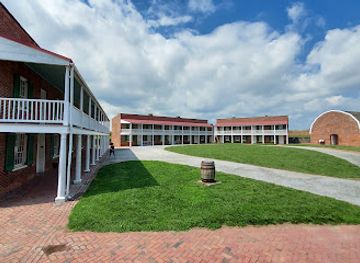
Central Maryland's most recognisable landmarks reflect its position at the meeting point of national history, maritime trade and Chesapeake geography. Fort McHenry's star-shaped defences stand at the entrance to Baltimore's harbour and are inseparable from the story of the national anthem. Baltimore's Washington Monument in Mount Vernon, an early monument to George Washington, anchors one of the city's most important historic districts, while the Baltimore Basilica represents the city's early Catholic architectural heritage. Annapolis is marked by the Maryland State House, the oldest state capitol in continuous legislative use, and by the brick buildings and waterfront lanes of its colonial core. The United States Naval Academy's grounds provide another defining architectural and institutional presence. Ellicott City's historic Main Street follows a steep valley shaped by mills, rail transport and repeated floods. The brick row houses of Baltimore, the harbour bridges and the wooded Patapsco Valley further express the region's visual identity, linking dense urban history with river and bay landscapes.
-
Park
Benjamin Banneker Historical Park and Museum
Discover the legacy of Benjamin Banneker at this serene park and museum, where history and nature beautifully intertwine in Catonsville, Maryland.
-
Park
Gunpowder Falls State Park Hereford Area
Discover the natural beauty and outdoor adventure waiting for you at Gunpowder Falls State Park Hereford Area in Maryland.
-
Park
Gunpowder Falls State Park Sweet Air Area
Discover the breathtaking landscapes and diverse recreational activities at Gunpowder Falls State Park's Sweet Air Area in Maryland.
-
Hiking area
Masemore Water Trail
Unwind and reconnect with nature at Masemore Water Trail, a picturesque hiking destination in Gunpowder Falls, perfect for outdoor enthusiasts.


Explore Central Maryland on the map
Plan your trip on one map. See where the top cities, national parks and sights are, and book hotels and experiences in a few clicks.
Best hotels in Central Maryland
Best restaurants in Central Maryland
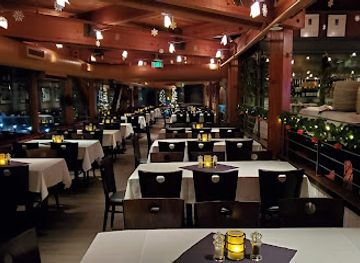
Central Maryland's food culture is anchored by the Chesapeake Bay and by the port-city diversity of Baltimore. Blue crab, crab cakes, oysters, soft-shell crab when in season and dishes seasoned with Old Bay are prominent regional choices, although menus and availability change with the catch. Baltimore has everything from traditional seafood houses and neighbourhood taverns to contemporary restaurants reflecting the city's African American, Caribbean, South Asian, East Asian and Latin American communities. Annapolis combines waterfront dining with historic pubs and modern restaurants, while smaller towns and rural districts offer cafés, bakeries, farm shops and casual inns. Farmers' markets across the region are useful for local fruit, vegetables, prepared foods and Maryland products. Craft breweries and distilleries feature strongly in the modern drinks scene, alongside established American staples. Tipping is customary, and menus generally do not include Maryland sales tax or service gratuity in displayed prices.
-
Seafood
Rusty Scupper Restaurant & Bar
Experience top-notch seafood with breathtaking views at Rusty Scupper Restaurant & Bar in Baltimore's vibrant Inner Harbor.
-
American
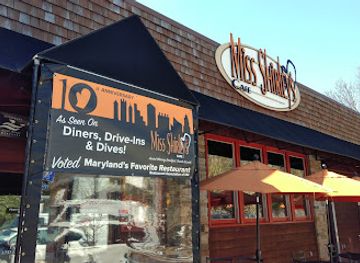
Miss Shirley's Cafe, Roland Park
Discover the charm of Southern-inspired American cuisine at Miss Shirley's Cafe in Roland Park – a top choice for breakfast and brunch enthusiasts.
-
Food court
R. House
Experience the vibrant flavors of Baltimore at R. House - your ultimate destination for diverse dining options and lively events.
-
American
Glenwood's (formerly Stanford Grill)
Discover Glenwood's in Columbia: A sophisticated American restaurant with vibrant flavors and an inviting bar atmosphere.


Best bars in Central Maryland
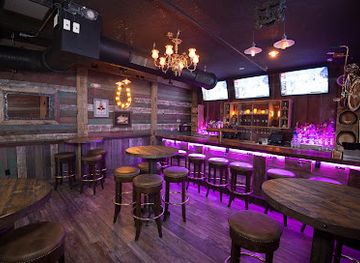
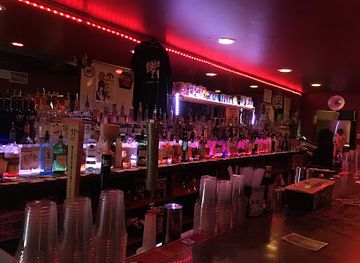
Evening life in Central Maryland is concentrated in Baltimore and Annapolis rather than spread evenly across the region. Baltimore offers traditional neighbourhood bars, breweries, cocktail lounges, live music, comedy, theatre and late-night venues in districts such as Fells Point, Federal Hill, Canton, Mount Vernon and Hampden, each with a different atmosphere. Annapolis centres on pubs, taverns, restaurants and waterfront drinking spots, with a strong maritime character and a livelier weekend scene. Columbia provides restaurants, cinemas, performance venues and selected bars around its town centres, while smaller communities generally favour local pubs, breweries and early-evening dining over nightclubs. Several venues operate seasonally or change their schedules, so visitors should check current arrangements. Alcohol is not the sole focus: concerts, theatre, galleries, sports and waterfront walks also shape the region's evening culture.
-
Bar
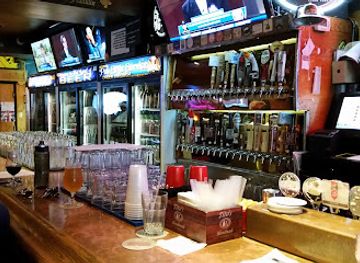
Max's Taphouse
Discover Max's Taphouse in Fells Point, Baltimore: A craft beer paradise with delicious bites and a lively atmosphere for all.
-
American
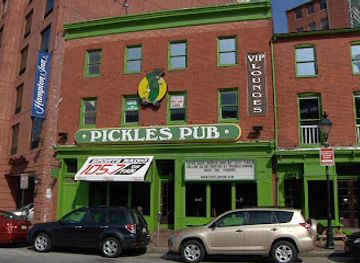
Pickles Pub
Discover the vibrant atmosphere of Pickles Pub, Baltimore's favorite American sports bar offering delicious food, drinks, and unforgettable moments.
-
Live music bar
The Horse You Came In On Saloon
Discover the historic Horse You Came In On Saloon, Baltimore's vibrant live music bar offering great food, drinks, and unforgettable entertainment.
-
Bar
Ottobar
Experience the vibrant nightlife of Baltimore at Ottobar, a lively bar and live music venue offering affordable drinks and diverse performances.
Best nightclubs in Central Maryland
Evening life in Central Maryland is concentrated in Baltimore and Annapolis rather than spread evenly across the region. Baltimore offers traditional neighbourhood bars, breweries, cocktail lounges, live music, comedy, theatre and late-night venues in districts such as Fells Point, Federal Hill, Canton, Mount Vernon and Hampden, each with a different atmosphere. Annapolis centres on pubs, taverns, restaurants and waterfront drinking spots, with a strong maritime character and a livelier weekend scene. Columbia provides restaurants, cinemas, performance venues and selected bars around its town centres, while smaller communities generally favour local pubs, breweries and early-evening dining over nightclubs. Several venues operate seasonally or change their schedules, so visitors should check current arrangements. Alcohol is not the sole focus: concerts, theatre, galleries, sports and waterfront walks also shape the region's evening culture.
-
Night club
Melba's Place
Experience the vibrant nightlife at Melba's Place in Baltimore, a lively nightclub and bar perfect for dancing, drinks, and great music.
-
Lounge
Club International
Discover the vibrant nightlife at Club International, Baltimore's premier lounge and club, where music and fun come together!
-
Adult entertainment club
Fantasies Nightclub
Discover the electrifying nightlife at Fantasies Nightclub, where captivating performances, great drinks, and an unforgettable atmosphere come together.
-
Gay night club
Baltimore Eagle
Discover the heart of Baltimore's LGBTQ+ nightlife at Baltimore Eagle, where vibrant entertainment meets inclusive celebration.


Best shops in Central Maryland
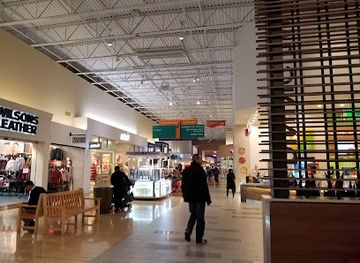
Shopping in Central Maryland ranges from urban neighbourhood streets to historic town centres and food-focused markets. Baltimore's Fells Point, Hampden, Mount Vernon and Federal Hill contain independent clothing shops, booksellers, galleries, design stores, vintage retailers and specialist food businesses, while larger shopping complexes and suburban town centres serve practical and mainstream needs. Annapolis's historic district is oriented towards boutiques, local art, nautical goods, jewellery and Maryland-themed gifts, with many shops occupying older brick buildings. Ellicott City is known for antiques, collectibles, galleries and small independent retailers along and around its historic streets. Farmers' markets throughout Baltimore, Howard and Anne Arundel counties offer seasonal produce, baked goods, preserves and prepared foods; dates and locations vary. Suitable regional purchases include Maryland crab products, locally made beer or spirits where legal, artwork, books on Chesapeake history and crafts, but visitors should check customs and airline rules before carrying food or alcohol internationally.
-
Shopping mall
Arundel Mills
Discover the ultimate shopping experience at Arundel Mills, Maryland's premier shopping destination with dining and entertainment galore.
-
Shopping mall
The Mall in Columbia
Discover a shopper's haven at The Mall in Columbia, where diverse stores and delightful dining meet in a vibrant atmosphere.
-
Outlet mall
Tanger Outlets National Harbor
Discover unbeatable savings at Tanger Outlets National Harbor, where shopping meets scenic beauty along the Potomac River.
-
Gift shop
Westfield Montgomery
Discover a world of shopping, dining, and entertainment at Westfield Montgomery, the ultimate destination for retail therapy in Bethesda, Maryland.

Get your free copy of our complete guide to Central Maryland, delivered straight to you.
Everything on this page, from attractions and restaurants to essentials and local phrases, in one PDF you can read offline, print or share.
Already have an account? Sign in
Your Central Maryland guide is ready.
We'll send it to · Not you? Sign out

Getting your guide ready…
We are putting together a fresh copy of the Central Maryland guide. This can take up to a minute.
This can take a few moments. If your browser asks, choose Allow so the download can start. You'll find the guide in your Downloads folder.
Nothing happened? Download it again
Sorry, the guide is taking longer than usual. Please try again in a minute, or get it by email instead.
Central Maryland essentials
Currency and Payment
Safety
Emergency Situations
Do's and Don'ts
Local Tips
From Eve
Local phrases worth knowing
You don't need to get them perfect. A few words go a long way, and locals appreciate the effort.
Basics
| English | Local | Say it |
|---|---|---|
| Hello | Hey | [hey] |
| Goodbye | See ya | [see yah] |
| Yes | Yup | [yup] |
| No | Nah | [nah] |
| Please/You're welcome | Sure thing | [shur thing] |
| Thank you | Thanks | [thanks] |
| Excuse me/Sorry | Pardon me | [pardon me] |
| How are you? | How ya doin'? | [how yah doin?] |
| Fine. And you? | Good. You? | [good. you?] |
| Do you speak English? | You speakin' English? | [yoo speekin' English?] |
| I don't understand | I ain't gettin' it | [I ain't gettin' it] |
Eating & Drinking
| English | Local | Say it |
|---|---|---|
| I'd like to see the menu, please | Can I see the menu? | [can I see the menu?] |
| I don't eat meat | I'm a vegetarian | [I'm a vegetarian] |
| Cheers! | Cheers! | [cheers] |
| I would like to pay, please | Can I get the check? | [can I get the check?] |
Emergencies
| English | Local | Say it |
|---|---|---|
| Help! | Help! | [help] |
| Go away! | Get lost! | [get lost] |
| Call the Police! | Call the cops! | [call the cops] |
| Call a doctor! | Get a doctor! | [get a doctor] |
| I'm lost | I’m turned around | [I’m turned around] |
| I'm ill | I'm not feelin' well | [I'm not feelin' well] |
Shopping
| English | Local | Say it |
|---|---|---|
| I'd like to buy... | I wanna buy... | [I wanna buy...] |
| I'm just looking | Just browsing | [just browsing] |
| How much is it? | What’s the price? | [what’s the price?] |
| That's too expensive | That costin' too much | [that costin' too much] |
| Can you lower the price? | Can you knock down the price? | [can you knock down the price?] |
Time & Numbers
| English | Local | Say it |
|---|---|---|
| What time is it? | What time ya got? | [what time ya got?] |
| It's one o'clock | It's one o'clock | [it's one o'clock] |
| Half past (10) | Half past ten | [half past ten] |
| Morning | Mornin' | [mornin'] |
| Afternoon | Afternoon | [afternoon] |
| Evening | Evenin' | [evenin'] |
| Yesterday | Yesterday | [yesterday] |
| Today | Today | [today] |
| Tomorrow | Tomorrow | [tomorrow] |
| 1 | One | [one] |
| 2 | Two | [two] |
| 3 | Three | [three] |
| 4 | Four | [four] |
| 5 | Five | [five] |
| 6 | Six | [six] |
| 7 | Seven | [seven] |
| 8 | Eight | [eight] |
| 9 | Nine | [nine] |
| 10 | Ten | [ten] |
Transport & Directions
| English | Local | Say it |
|---|---|---|
| Where's a/the...? | Where's the...? | [where's the...?] |
| What's the address? | What's the address? | [what's the address?] |
| Can you show me (on the map)? | Can you point it out? | [can you point it out?] |
| When's the next (bus)? | When's the next bus? | [when's the next bus?] |
| A ticket (to ....) | A ticket to... | [a ticket to...] |
History of Central Maryland
Indigenous Chesapeake Communities and Early Settlement
Long before European colonisation, the Chesapeake region was inhabited by Indigenous peoples including the Piscataway and Susquehannock, with communities relying on fishing, hunting, farming and extensive waterway networks. The rivers and tidal estuaries of Central Maryland were important routes for movement and exchange. European settlement altered these landscapes through land acquisition, agriculture, disease and conflict, but Indigenous history remains essential to understanding the region's place names, ecology and colonial development. Archaeological evidence and descendant communities continue to challenge accounts that once treated the Chesapeake as an empty frontier.
Maryland's Colonial Port and Capital
The Province of Maryland was founded in the seventeenth century under the Calvert family, and the Chesapeake shaped its economy and politics. Annapolis developed as a port and became the colonial capital in the late seventeenth century, while tobacco cultivation, enslaved labour and Atlantic trade influenced settlements throughout the surrounding tidewater. The city's surviving Georgian architecture reflects this period, although it should be read alongside the experiences of enslaved Africans, indentured workers, Indigenous peoples and smaller farmers whose labour supported the colonial economy.
The American Revolution and Annapolis
Central Maryland played a prominent role during the American Revolution. Annapolis served as a political centre, and the Maryland State House became the setting for the Continental Congress's acceptance of George Washington's resignation as commander in chief in 1783. This event symbolised the principle of civilian authority over the military. Baltimore, meanwhile, grew as a strategically placed port and commercial town. The architectural fabric of Annapolis and Baltimore's older waterfront neighbourhoods preserves evidence of the era, while the region's later political identity was shaped by the new federal republic.
The Port of Baltimore and Industrial Expansion
During the nineteenth century, Baltimore developed into one of the United States' significant ports and manufacturing centres. Shipbuilding, ironworking, canning, grain handling and commerce expanded around the harbour, while railways connected the city with inland markets. The Baltimore and Ohio Railroad, founded in 1827, helped establish Baltimore as a national transport hub; the historic Ellicott City station is associated with this early railway history. Industrial growth also brought immigration, urban expansion and severe inequality, leaving a legacy visible in row-house districts, former warehouses and waterfront infrastructure.
The Civil War and Fort McHenry
Maryland's position between the Union and Confederacy made Central Maryland strategically important during the Civil War, despite the state's retention by the Union. Baltimore experienced political tension, military occupation and unrest, while forts around the harbour protected the city and its approaches. Fort McHenry, whose earlier defence during the War of 1812 inspired Francis Scott Key's poem that became the US national anthem, remained part of the city's military landscape. The Civil War period intensified debates over slavery, citizenship and national loyalty that had consequences far beyond Maryland.
The War of 1812 and the Star-Spangled Banner
In September 1814, British forces attacked the Chesapeake region during the War of 1812. The defence of Baltimore's harbour, including Fort McHenry, Fort Covington and a chain of defensive barriers, prevented the city's capture. Francis Scott Key observed the bombardment from a vessel in the harbour and wrote the poem later known as 'The Star-Spangled Banner'. The episode became a central national memory, but the wider war also affected enslaved people, commerce and communities across the Chesapeake. Fort McHenry and Baltimore's waterfront provide the most direct sites for exploring this history.
Suburbanisation, Planning and the Modern Region
After the Second World War, Central Maryland changed rapidly through suburban growth, highway construction and new employment centres. Columbia, begun in the 1960s under planner James Rouse, was designed around villages, lakes, open space and shared community facilities rather than a conventional grid of separate subdivisions. Baltimore's older industrial economy contracted in the later twentieth century, while education, healthcare, technology, government and services became increasingly important. The region now combines a historic port city with planned communities, commuter suburbs, protected landscapes and continuing redevelopment around the waterfront.
Central Maryland in Photos
Browse through our photo collection highlighting the charm and character of the destination.
Neighbouring regions of Central Maryland
The closest regions to Central Maryland, if you have time for more than one.
-

-

-
-
-


Swipe for more regions
Explore more

Explore more of Maryland
Discover Maryland, where coastal charm meets rich history and outdoor adventure. Experience the best of the East Coast in this small but diverse state.
Explore Maryland