

Free Capital Region Travel Guide & Mobile App
Explore Capital Region with free travel guides. Discover regional history, expert tips, proposed trips, and audio guides on web or mobile app.


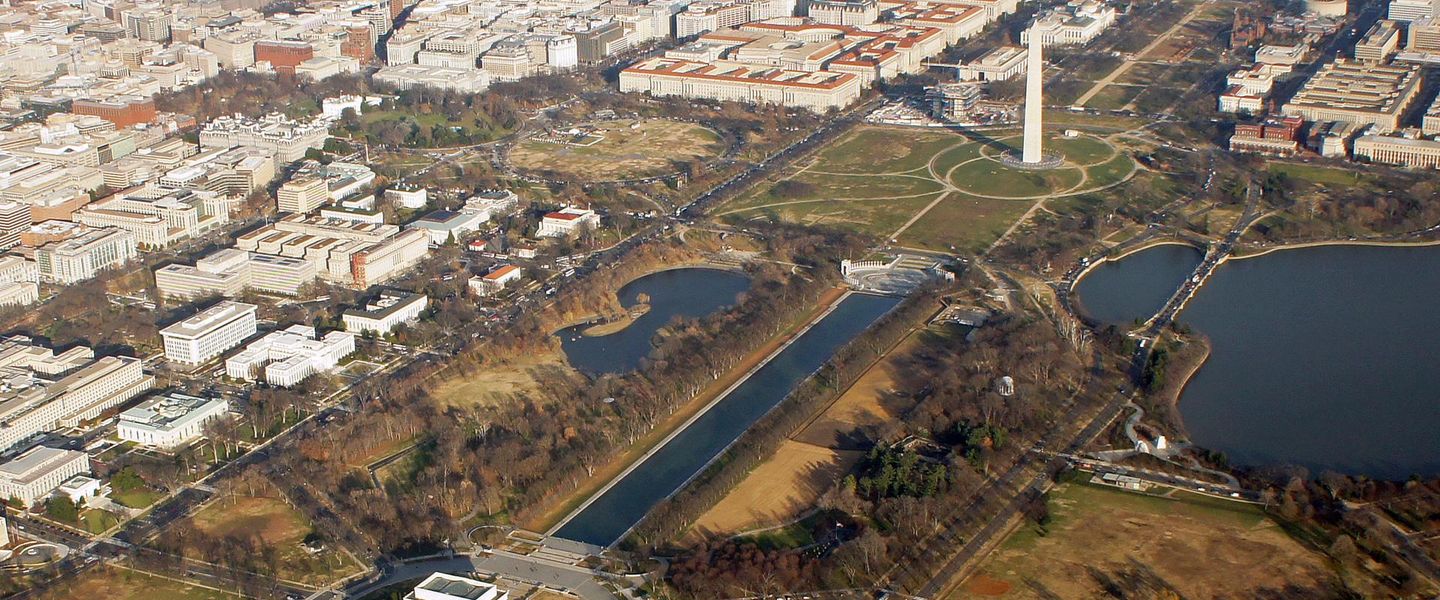


Explore Maryland’s Capital Region for diverse communities, contemporary arts, historic sites, wooded parks and easy access to Washington, DC.
Read more about Capital Region
When is the best time to visit Capital Region?
Best: May, September–October · 22–28°C| Month | High (°C) | Rainfall (mm) |
|---|---|---|
| January | 8 | 76 |
| February | 9 | 70 |
| March | 16 | 86 |
| April | 21 | 84 |
| May (best) | 26 | 99 |
| June | 31 | 104 |
| July | 33 | 117 |
| August | 32 | 109 |
| September (best) | 28 | 97 |
| October (best) | 22 | 86 |
| November | 15 | 84 |
| December | 9 | 82 |
Getting to and around Capital Region
How to get there
Transportation
Top city travel guides in Capital Region
The cities of Capital Region, and the easiest places to base yourself.
-

-

-

-

-

-


Swipe for more cities
Destinations in Capital Region
Resorts, valleys and scenic spots worth a trip of their own.
-
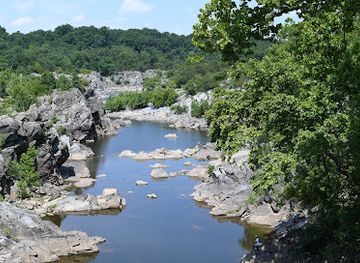
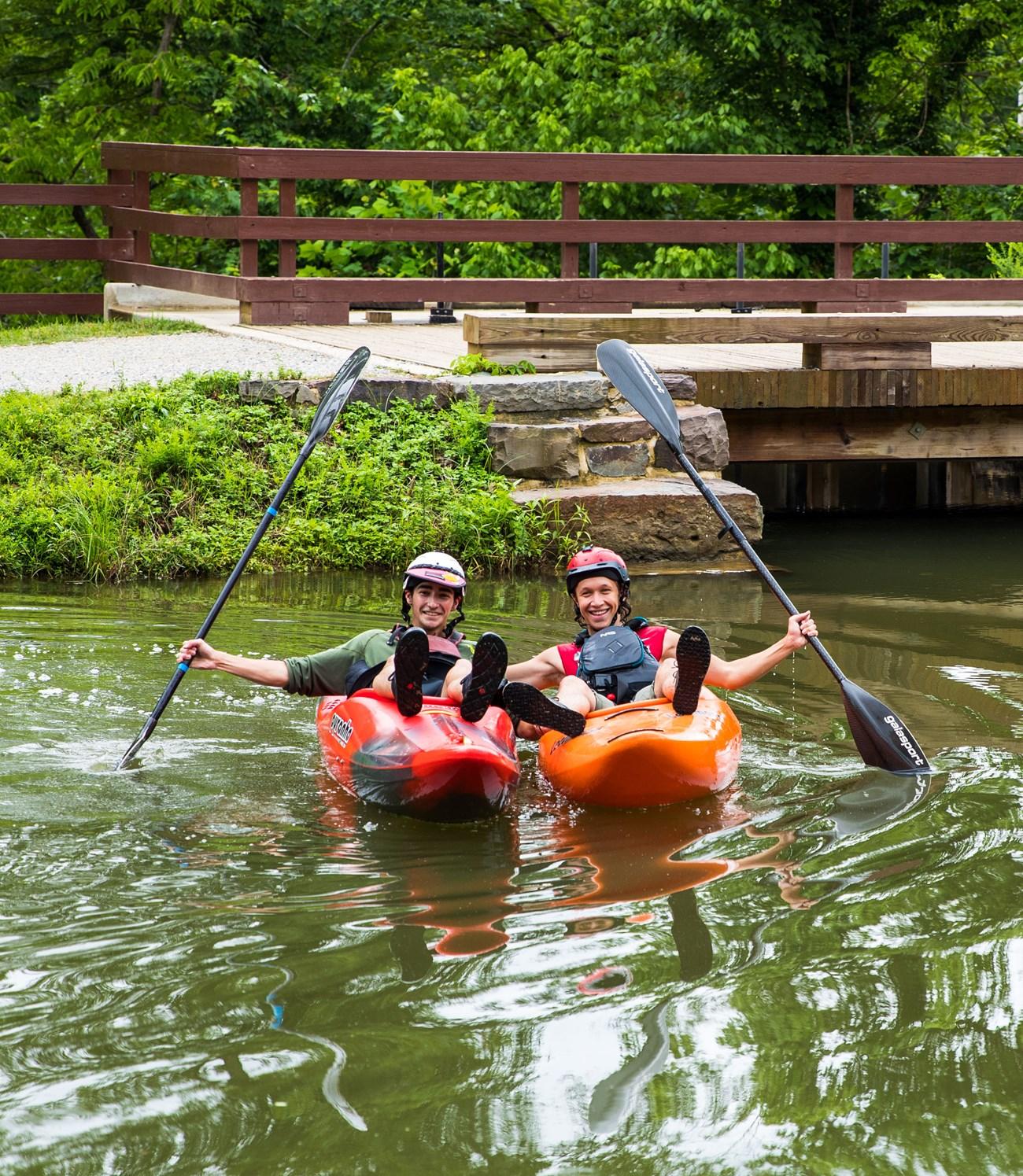 C&O Canal National Historical Park
Discover the blend of history and nature at C&O Canal National Historical Park, where miles of scenic towpath and historical landmarks await your exploration.
C&O Canal National Historical Park
Discover the blend of history and nature at C&O Canal National Historical Park, where miles of scenic towpath and historical landmarks await your exploration.
-

-

-

-

-


Swipe for more destinations
Best attractions in Capital Region
The Capital Region’s attractions range from major cultural institutions and university venues to wooded parks, canal paths and historic communities. Glenstone in Potomac combines contemporary art with carefully designed buildings, gardens and landscape, while Strathmore in North Bethesda presents music and other performances in an arts-centre setting. The AFI Silver Theatre and Cultural Center in Silver Spring is a landmark for film culture. Outdoor visitors can walk or cycle beside the Potomac on the C&O Canal towpath, explore Brookside Gardens and Wheaton Regional Park, or enjoy the varied trails and recreation areas of Seneca Creek State Park. Greenbelt’s historic planned community offers an important lesson in New Deal design, and College Park’s university environment adds museums, performances and research-related interest. In Prince George’s County, Piscataway Park near Accokeek protects Potomac landscapes and agricultural heritage, while the National Colonial Farm interprets historic farming practices. The overall attraction landscape is less about a single headline sight than about moving between culture, environmental conservation, local history and the everyday life of a large metropolitan region.
-
Tourist attraction
National Mall
Discover the National Mall, a breathtaking journey through American history with stunning monuments and world-renowned museums all in one iconic location.
-
Tourist attraction
Lincoln Memorial
-
Tourist attraction
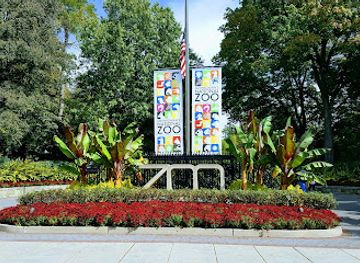
Smithsonian National Zoological Park
Discover the diverse wildlife and conservation efforts at the Smithsonian National Zoological Park in Washington, D.C., where adventure meets education.
-
Museum
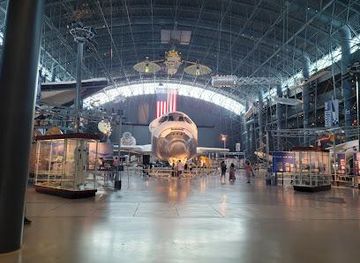
Steven F. Udvar-Hazy Center
Discover the marvels of aviation and space exploration at the Steven F. Udvar-Hazy Center, showcasing iconic aircraft and engaging exhibits for all ages.
Best landmarks in Capital Region
The C&O Canal’s locks, towpath and surviving canal structures form one of the Capital Region’s most distinctive historic landscapes, linking the area to nineteenth-century trade and transport along the Potomac. Greenbelt’s original planned community is a landmark of New Deal architecture and urban design, with its low-rise buildings, green spaces and carefully arranged pedestrian routes. The University of Maryland’s campus in College Park provides a contrasting civic and academic landscape, while the nearby Washington, DC boundary has shaped the region’s development without placing the capital itself inside Maryland’s Capital Region. Glenstone’s modern buildings and landscaped grounds create a contemporary architectural landmark in Potomac, and Brookside Gardens is noted for its horticultural design rather than monumental construction. The Potomac River valley, wooded stream corridors and protected landscapes around Piscataway Park are natural landmarks whose importance lies in ecology, Indigenous history and the long relationship between river, settlement and agriculture.
-
Park
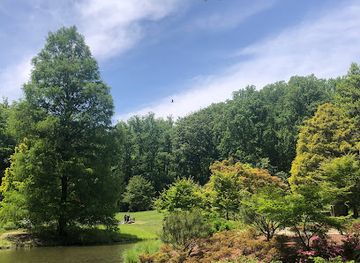
Wheaton Regional Park
Experience the breathtaking landscapes and recreational fun at Wheaton Regional Park, a perfect getaway for families and nature lovers in Silver Spring, Maryland.
-
Park
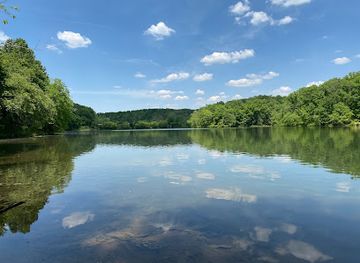
Rock Creek Regional Park
Explore Rock Creek Regional Park: A natural haven in Maryland offering diverse trails, wildlife, and family-friendly picnic areas in a picturesque setting.
-
Visitor center
Great Falls Tavern Visitor Center
Explore the scenic beauty and rich history at the Great Falls Tavern Visitor Center, a perfect spot for nature lovers and history buffs alike.
-
Historical place
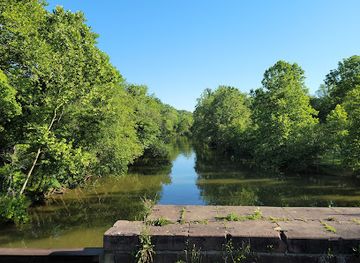
Riley's Lock (Lock 24)
Explore the historic Riley's Lock along the Chesapeake and Ohio Canal, a scenic destination for nature lovers and history enthusiasts in Maryland.
Explore Capital Region on the map
Plan your trip on one map. See where the top cities, national parks and sights are, and book hotels and experiences in a few clicks.
Best hotels in Capital Region
Best restaurants in Capital Region
Dining in Maryland’s Capital Region reflects the Washington area’s international population and the counties’ own suburban and agricultural settings. Bethesda, Silver Spring, Rockville, Gaithersburg, Hyattsville and College Park offer restaurants representing Korean, Ethiopian, Salvadoran, Indian, Vietnamese, Afghan, Caribbean and many other culinary traditions, alongside American diners, cafés and contemporary dining rooms. Maryland’s broader food culture appears in seafood, blue crab preparations and crab cakes, although these are associated with the state as a whole rather than exclusively with the Capital Region. Farmers’ markets and farm shops provide seasonal produce, baked goods and locally made products, particularly in Montgomery County’s more rural districts. Neighbourhood restaurants often provide a more useful introduction to the region than formal destination dining, while international food corridors reveal how migration has shaped local life. Tipping for table service is customary, and taxes are generally added to displayed prices.
-
American
Miss Shirley's Cafe, Inner Harbor
Experience the vibrant flavors of American and Southern cuisine at Miss Shirley's Cafe in Baltimore’s bustling Inner Harbor.
-
Seafood
Rusty Scupper Restaurant & Bar
Experience exquisite seafood dining with stunning harbor views at Rusty Scupper Restaurant & Bar in Baltimore.
-
Brazilian
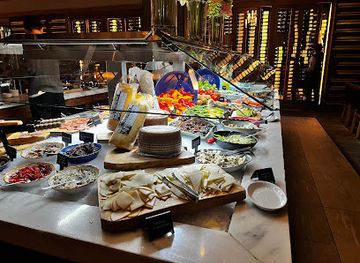
Fogo de Chão Brazilian Steakhouse
Indulge in an authentic Brazilian dining experience at Fogo de Chão Steakhouse featuring endless grilled meats and vibrant flavors.
-
American
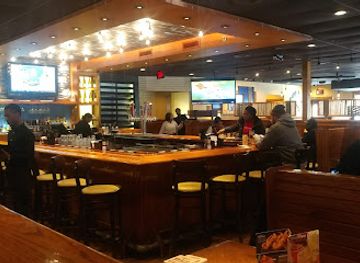
Jasper's Restaurant
Experience the warmth of American dining at Jasper's Restaurant, where delicious food meets family-friendly hospitality in Largo, Maryland.
Best bars in Capital Region
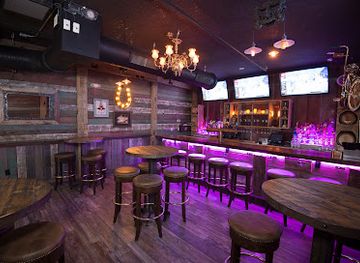
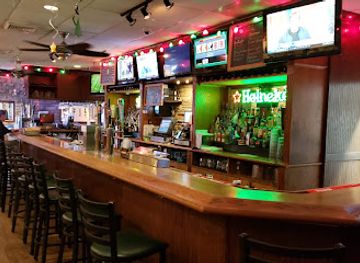
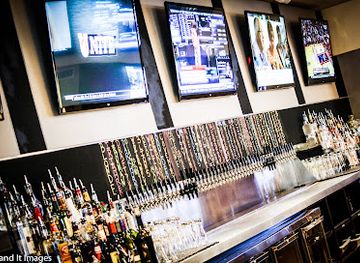
Evening life is concentrated in the larger town centres rather than spread evenly across the region. Bethesda, Silver Spring, Rockville, Hyattsville and College Park have the broadest selection of restaurants, pubs, breweries, cocktail bars, live-music rooms and late-night venues, with College Park’s activity influenced by the University of Maryland. Silver Spring’s arts and cinema scene gives its evenings a more urban character, while Bethesda combines dining with theatres and performance venues. In quieter parts of Montgomery and Prince George’s counties, evenings generally centre on neighbourhood restaurants, traditional bars, breweries or community events rather than large nightclubs. Visitors should check current arrangements for individual venues, since entertainment schedules and opening patterns change. Alcohol is not necessary to experience the region’s evening culture: film, music, theatre and late dining are equally established options.
-
American
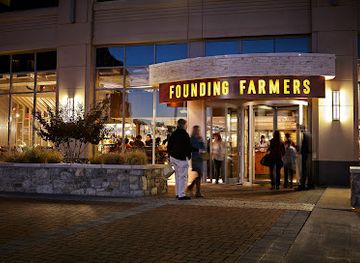
MoCo's Founding Farmers
Experience the essence of American cuisine at MoCo's Founding Farmers, where farm-fresh ingredients meet hearty flavors in a welcoming atmosphere.
-
Grill
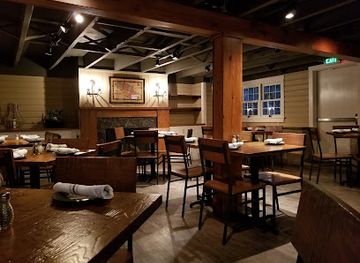
Manor Hill Tavern
Experience the vibrant culinary scene at Manor Hill Tavern in Ellicott City, where eclectic dishes and a lively atmosphere await every visitor.
-
Live music bar
The Horse You Came In On Saloon
Discover the rich history and vibrant atmosphere of The Horse You Came In On Saloon, Baltimore's oldest saloon, featuring live music and craft beverages.
-
Bar
Stained Glass Pub - Glenmont
Experience the warmth of community dining at Stained Glass Pub, where delicious pizza meets a lively sports atmosphere in Glenmont.
Best nightclubs in Capital Region
-
Night club
Power Plant Live!
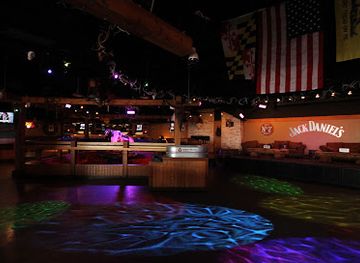
Discover the ultimate nightlife experience at Power Plant Live! in Baltimore - a vibrant mix of bars, restaurants, and live music for unforgettable evenings.
-
Restaurant
The Cheesecake Factory
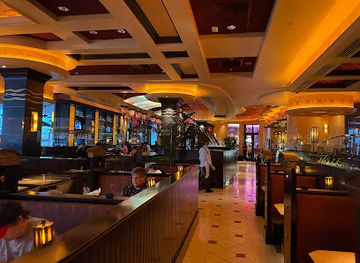
Discover the delightful flavors of The Cheesecake Factory in Columbia, where American cuisine meets indulgent desserts in a family-friendly setting.
-
American
The Ale House Columbia
Experience vibrant American cuisine and live music at The Ale House Columbia, a must-visit destination for food and entertainment lovers.
-
Restaurant
Main Event Columbia
Discover Main Event Columbia, where dining meets thrilling entertainment with bowling, laser tag, and arcade fun for all ages in Maryland.

Best shops in Capital Region
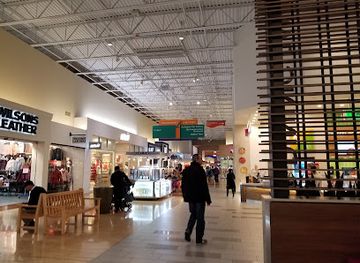
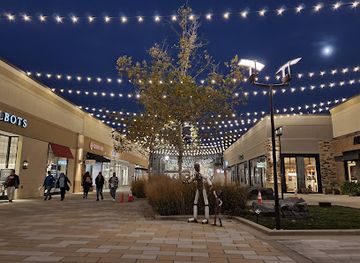
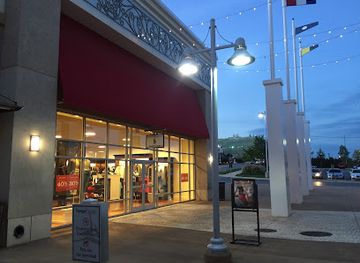
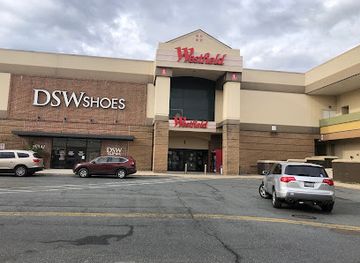
Shopping in the Capital Region is organised around walkable town centres, suburban commercial districts, farmers’ markets and large retail corridors rather than one dominant regional market. Bethesda offers independent boutiques, galleries, bookshops and restaurants amid a dense downtown, while Silver Spring and Takoma Park have a more mixed community-shopping character. Rockville and Gaithersburg provide extensive everyday retail, specialist food shops and Asian grocery options, and Hyattsville has a growing concentration of independent businesses and creative enterprises. Farmers’ markets across Montgomery and Prince George’s counties are useful for seasonal produce, baked goods, prepared foods and locally made products; schedules vary by season. Visitors seeking distinctive purchases should consider regional foods, Maryland-themed goods, books, crafts and work by local artists rather than generic souvenirs. Shopping centres and supermarkets are practical for provisions, but public transport access and parking conditions differ considerably between districts.
-
Shopping mall
Arundel Mills
Explore Arundel Mills, Maryland's premier shopping destination, featuring over 200 stores, diverse dining options, and family-friendly entertainment.
-
Shopping mall
The Mall in Columbia
Discover a shopping haven at The Mall in Columbia, featuring diverse shops, dining, and entertainment options in the heart of Maryland.
-
Outlet mall
Tanger Outlets National Harbor
Discover unbeatable deals and a vibrant shopping atmosphere at Tanger Outlets National Harbor, your go-to destination for outlet shopping.
-
Gift shop
Westfield Wheaton
Explore Westfield Wheaton: a shopping paradise with diverse stores, delicious dining, and entertainment options to delight every visitor.
Get your free copy of our complete guide to Capital Region, delivered straight to you.
Everything on this page, from attractions and restaurants to essentials and local phrases, in one PDF you can read offline, print or share.
Already have an account? Sign in
Your Capital Region guide is ready.
We'll send it to · Not you? Sign out

Getting your guide ready…
We are putting together a fresh copy of the Capital Region guide. This can take up to a minute.
This can take a few moments. If your browser asks, choose Allow so the download can start. You'll find the guide in your Downloads folder.
Nothing happened? Download it again
Sorry, the guide is taking longer than usual. Please try again in a minute, or get it by email instead.
Capital Region essentials
Currency and Payment
Safety
Emergency Situations
Do's and Don'ts
Local Tips
From Eve
Local phrases worth knowing
You don't need to get them perfect. A few words go a long way, and locals appreciate the effort.
Basics
| English | Local | Say it |
|---|---|---|
| Hello | Hey | [Hay] |
| Goodbye | See ya | [See ya] |
| Yes | Yup | [Yup] |
| No | Nah | [Nah] |
| Please/You're welcome | No problem | [No prob-lum] |
| Thank you | Thanks | [Thanks] |
| Excuse me/Sorry | Sorry 'bout that | [Sorry 'bout that] |
| How are you? | How ya doin'? | [How ya doin'?] |
| Fine. And you? | Good. You? | [Good. You?] |
| Do you speak English? | You speakin' English? | [You speakin' English?] |
| I don't understand | I don’t get it | [I don’t get it] |
Eating & Drinking
| English | Local | Say it |
|---|---|---|
| I'd like to see the menu, please | Can I see the menu? | [Can I see the menu?] |
| I don't eat meat | I’m a vegetarian | [I’m a vegetarian] |
| Cheers! | Cheers! | [Cheers!] |
| I would like to pay, please | Can I get the check? | [Can I get the check?] |
Emergencies
| English | Local | Say it |
|---|---|---|
| Help! | Help! | [Help!] |
| Go away! | Leave me alone! | [Leave me alone!] |
| Call the Police! | Call 911! | [Call 911!] |
| Call a doctor! | Get a doctor! | [Get a doctor!] |
| I'm lost | I’m lost | [I’m lost] |
| I'm ill | I’m not feeling well | [I’m not feeling well] |
Shopping
| English | Local | Say it |
|---|---|---|
| I'd like to buy... | I wanna buy... | [I wanna buy...] |
| I'm just looking | Just browsing | [Just browsing] |
| How much is it? | What’s the price? | [What’s the price?] |
| That's too expensive | That’s way too pricey | [That’s way too pricey] |
| Can you lower the price? | Can you give me a deal? | [Can you give me a deal?] |
Time & Numbers
| English | Local | Say it |
|---|---|---|
| What time is it? | What time is it? | [What time is it?] |
| It's one o'clock | It’s one | [It’s one] |
| Half past (10) | Half past ten | [Half past ten] |
| Morning | Morning | [Morning] |
| Afternoon | Afternoon | [Afternoon] |
| Evening | Evening | [Evening] |
| Yesterday | Yesterday | [Yesterday] |
| Today | Today | [Today] |
| Tomorrow | Tomorrow | [Tomorrow] |
| 1 | One | [One] |
| 2 | Two | [Two] |
| 3 | Three | [Three] |
| 4 | Four | [Four] |
| 5 | Five | [Five] |
| 6 | Six | [Six] |
| 7 | Seven | [Seven] |
| 8 | Eight | [Eight] |
| 9 | Nine | [Nine] |
| 10 | Ten | [Ten] |
Transport & Directions
| English | Local | Say it |
|---|---|---|
| Where's a/the...? | Where’s the...? | [Where’s the...?] |
| What's the address? | What’s the address? | [What’s the address?] |
| Can you show me (on the map)? | Can you point it out? | [Can you point it out?] |
| When's the next (bus)? | When’s the next bus? | [When’s the next bus?] |
| A ticket (to ....) | A ticket to... | [A ticket to...] |
History of Capital Region
Piscataway Homeland and Indigenous Landscapes
The Potomac Valley and the lands now comprising Montgomery and Prince George’s counties were long inhabited by Indigenous peoples, including the Piscataway and related communities. Rivers, floodplains and upland forests supported agriculture, hunting, fishing and trade, while established paths later influenced colonial roads. European settlement and disease brought profound disruption, and colonial authorities and landowners progressively displaced Indigenous communities. The Piscataway heritage remains important to the region’s historical understanding, particularly around the Potomac and Piscataway Park near Accokeek, where protected landscapes help illustrate the ecological setting of the pre-colonial and colonial periods.
Colonial Plantations, Tobacco and Enslaved Labour
English colonisation transformed the region from the seventeenth century onwards. Land grants, tobacco cultivation and plantation agriculture connected the Potomac and Patuxent watersheds to Atlantic trade, while enslaved Africans and African Americans supplied much of the labour and developed communities under deeply coercive conditions. Historic houses, farmsteads and surviving landscape patterns reflect this period, although many original buildings and records tell only part of the story. Sites associated with the region’s plantations and later African American communities are essential to understanding how wealth, land ownership and social power developed in colonial Maryland.
The Federal Capital and New Roads
The creation of Washington, DC in the 1790s changed the future of neighbouring Maryland counties. Montgomery and Prince George’s became sources of agricultural produce, labour and transport connections for the new federal capital, while roads, bridges and river crossings strengthened links with Baltimore and Virginia. The region remained predominantly rural for much of the nineteenth century, but its proximity to government and commerce encouraged the growth of villages, market centres and estates. The boundary between city and countryside has continued to shift ever since, making the Capital Region’s modern suburban landscape a long-term consequence of the federal capital’s presence.
Civil War and Emancipation
Although Maryland remained in the Union during the American Civil War, its border-state position produced divided loyalties and intense political pressure. The counties around Washington supplied troops, labour and strategic transport routes, while enslaved people sought freedom and Union forces operated throughout the area. Maryland’s 1864 constitution abolished slavery, transforming the legal and social order but not eliminating discrimination or economic inequality. Later African American institutions, churches, schools and communities became important centres of civic life. This history can be explored through local heritage sites and the broader network of Underground Railroad and emancipation stories across the region.
Railways, Streetcars and Early Suburban Growth
Railways and electric streetcar lines helped change the Capital Region from a rural hinterland into a commuter landscape. Takoma Park, College Park, Silver Spring and other communities grew through improved connections with Washington, while Rockville and other older settlements developed stronger links to regional commerce. Transportation encouraged both planned development and speculative building, bringing new residents while gradually reducing the dominance of farming near the capital. The resulting pattern—older town centres surrounded by later suburbs and transport corridors—remains one of the defining features of Montgomery and Prince George’s counties.
New Deal Planning at Greenbelt
Greenbelt was established in the 1930s as one of the United States’ planned New Deal communities. Its carefully arranged homes, shared green spaces, pedestrian principles and community facilities represented an attempt to create a healthier alternative to congested industrial-city housing. The community’s design and cooperative ideals made it an important experiment in American planning. Although Greenbelt has evolved and expanded, its historic core remains a valuable example of federal-era social and architectural policy, and it provides a marked contrast with the automobile-oriented suburban development that spread across the region after the Second World War.
Post-war Federal Research and Metropolitan Expansion
After 1945, the Capital Region experienced rapid population growth as federal agencies, universities, hospitals and technology institutions expanded around Washington. The University of Maryland in College Park, the National Institutes of Health in Bethesda and major research facilities in the surrounding counties helped establish a knowledge-based economy. New highways and housing developments extended the metropolitan area into previously rural districts, while civil-rights reforms and migration reshaped its communities. Today’s combination of laboratories, public institutions, diverse neighbourhoods and extensive suburban infrastructure is a direct legacy of this post-war transformation.
Capital Region in Photos
Browse through our photo collection highlighting the charm and character of the destination.
Neighbouring regions of Capital Region
The closest regions to Capital Region, if you have time for more than one.
-

-

-

-

-


Swipe for more regions
Explore more

Explore more of Maryland
Discover Maryland, where coastal charm meets rich history and outdoor adventure. Experience the best of the East Coast in this small but diverse state.
Explore Maryland