

Free Catoctin Mountain Area Travel Guide & Mobile App
Explore Catoctin Mountain Area with free travel guides. Discover regional history, expert tips, proposed trips, and audio guides on web or mobile app.


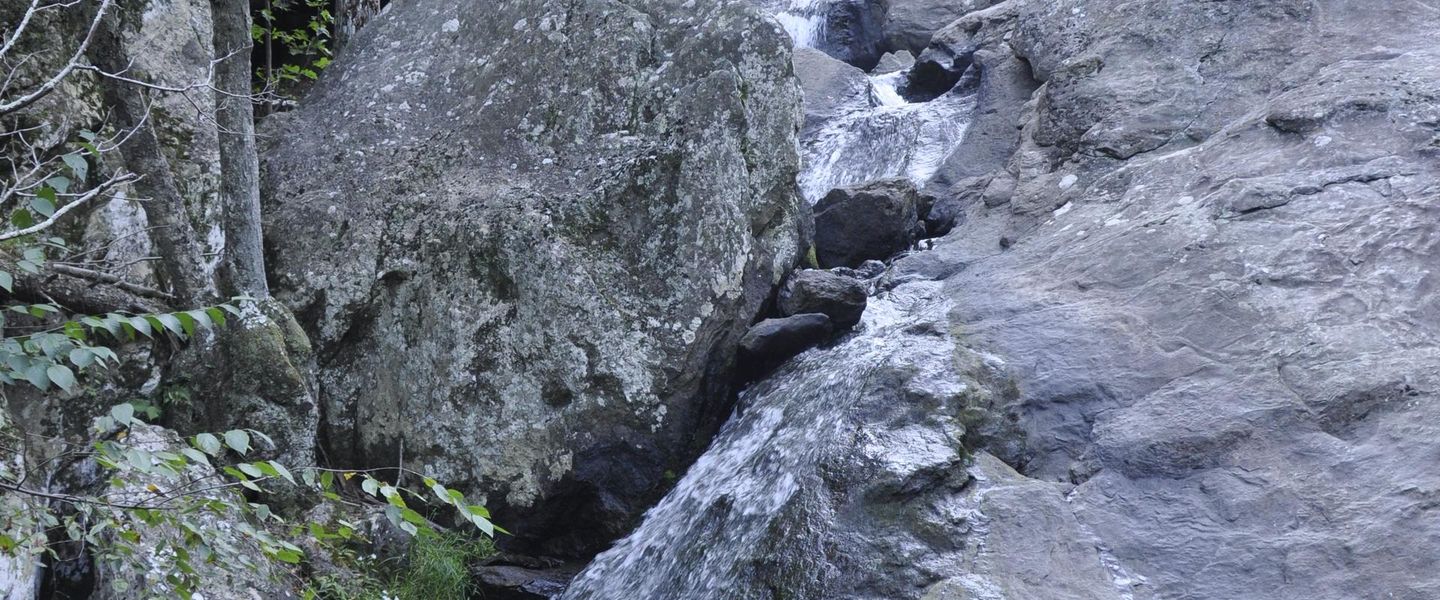


Explore Maryland's Catoctin Mountain Area for wooded hikes, Cunningham Falls, Appalachian scenery, iron heritage and rural Frederick County towns.
Read more about Catoctin Mountain Area
When is the best time to visit Catoctin Mountain Area?
Best: May–June, September · 22–27°C| Month | High (°C) | Rainfall (mm) |
|---|---|---|
| January | 4 | 76 |
| February | 6 | 70 |
| March | 11 | 94 |
| April | 17 | 90 |
| May (best) | 22 | 103 |
| June (best) | 27 | 102 |
| July | 29 | 105 |
| August | 29 | 99 |
| September (best) | 25 | 96 |
| October | 19 | 81 |
| November | 12 | 80 |
| December | 6 | 76 |
Getting to and around Catoctin Mountain Area
How to get there
Transportation
Top city travel guides in Catoctin Mountain Area
The cities of Catoctin Mountain Area, and the easiest places to base yourself.
-

-


Swipe for more cities
Destinations in Catoctin Mountain Area
Resorts, valleys and scenic spots worth a trip of their own.
-
 Chesapeake and Ohio Canal National Historical Park
 in Maryland follows a 184.5-mile towpath through canal history, riverside scenery, locks and Great Falls.
-

-
-


Swipe for more destinations
Best attractions in Catoctin Mountain Area
The Catoctin Mountain Area is built around outdoor landscapes rather than a dense collection of commercial attractions. Catoctin Mountain Park offers wooded hiking, Appalachian Trail walking, picnic areas, historic cabins and viewpoints including Chimney Rock and Wolf Rock. Nearby Cunningham Falls State Park combines woodland trails with Maryland's highest waterfall, Hunting Creek Lake and facilities for seasonal swimming, boating and picnicking. Catoctin Furnace adds an important layer of industrial history, preserving the remains of an eighteenth-century iron-making community amid the modern rural landscape. Thurmont provides local shops, restaurants and a useful base for exploring the parks, while surrounding farms and orchard country are best appreciated by car on quiet daytime drives. The area suits visitors who prefer walking, birdwatching, photography, autumn foliage and modest outdoor recreation to large-scale entertainment. The Appalachian Trail section is suitable for shorter excursions as well as longer hikes, but visitors should plan around changing weather and uneven terrain. Camp David is historically significant but inaccessible as a public attraction, so it should not be treated as part of a sightseeing itinerary.
-
Visitor center
Gettysburg National Military Park Museum & Visitor Center
Immerse yourself in history at the Gettysburg National Military Park Museum & Visitor Center, where the past comes alive through engaging exhibits and tours.
-
Historical place
Harpers Ferry National Historical Park
Experience the history and beauty of Harpers Ferry National Historical Park, where nature and heritage unite at the confluence of two great rivers.
-
Battle site
Little Round Top
Explore Little Round Top, a historic site in Gettysburg where pivotal battles of the Civil War were fought, rich in history and stunning views.
-
Historical landmark
Devil's Den
Discover the haunting beauty and historical significance of Devil's Den in Gettysburg, PA, a must-visit landmark for history enthusiasts and nature lovers.


Best landmarks in Catoctin Mountain Area
Cunningham Falls is the area's most recognisable natural landmark, descending through a forested ravine within the state park and giving the mountain landscape a strong visual focus. In Catoctin Mountain Park, the exposed quartzite formations at Wolf Rock and the elevated outlook from Chimney Rock express the area's geological character while providing views across Frederick County. Catoctin Furnace is the principal historic landmark: its surviving furnace, industrial remains and associated settlement tell the story of Maryland's early iron economy and the workers who sustained it. The Appalachian Trail is another defining feature, not a single monument but a nationally significant linear landmark crossing the ridge and linking the Catoctin landscape with the wider Appalachian chain. Thurmont's historic town centre and surrounding rural roads provide a human-scale counterpoint to the forests, while the presidential retreat at Camp David is a nationally notable but restricted site. It can be understood from the area's history, but visitors cannot tour the facility or approach it as an ordinary landmark.
-
Historical landmark
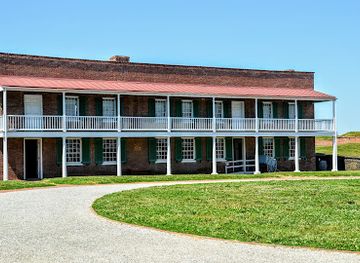
Fort McHenry National Monument and Historic Shrine
Discover the rich history and breathtaking views at Fort McHenry National Monument, where America's spirit and resilience shine.
-
State park
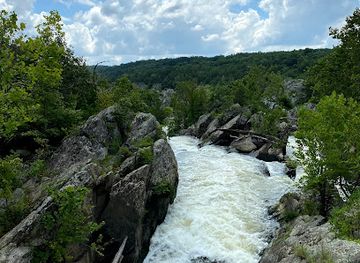
Chesapeake and Ohio Canal National Historical Park
Explore the Chesapeake and Ohio Canal National Historical Park - a blend of natural beauty and rich history awaits you in Maryland.
-
Historical landmark
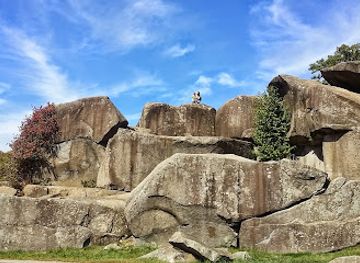
Devil's Den
Explore the historical significance and breathtaking landscapes of Devil's Den, a key site from the Battle of Gettysburg, in Pennsylvania.
-
Monument
State of Pennsylvania Monument
Explore the State of Pennsylvania Monument in Gettysburg – a stunning tribute to the bravery of Civil War soldiers amid captivating landscapes.

Explore Catoctin Mountain Area on the map
Plan your trip on one map. See where the top cities, national parks and sights are, and book hotels and experiences in a few clicks.
Best hotels in Catoctin Mountain Area
Best restaurants in Catoctin Mountain Area
Dining in the Catoctin Mountain Area is concentrated in Thurmont and along the surrounding roads, with additional choice in nearby Frederick outside the immediate mountain district. Expect family-run restaurants, cafés, diners, pizzerias, casual American cooking and traditional Maryland-style hospitality rather than a specialised resort food scene. Rural restaurants and pubs often provide practical meals for walkers, while seasonal farm stands and orchards reflect the productive agricultural land below the ridges. Apples, peaches and other orchard produce are important local flavours, although availability changes with the growing season. Maryland's wider food culture is also present, including crab dishes and seafood, but these are statewide associations rather than exclusive Catoctin specialities. Farmers' markets and roadside stalls can be good places to find fruit, baked goods and locally produced items. Visitors hiking in the parks should carry provisions, since food outlets are not distributed along the trails and facilities may be limited outside the main town.
-
American
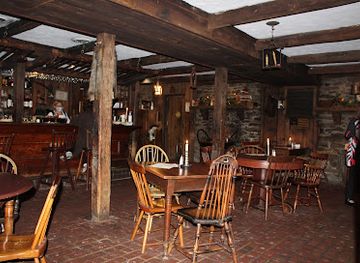
Dobbin House Tavern
Discover authentic American cuisine and rich history at Dobbin House Tavern in Gettysburg - a must-visit for every traveler.
-
American
Dutch's Daughter
Discover the culinary delight of Dutch's Daughter in Frederick - where exceptional American cuisine meets elegant dining experiences.
-
Diner
The PaperMoon Diner
Discover the unique flavors and eclectic atmosphere of The PaperMoon Diner in Baltimore – where comfort food meets artistic charm.
-
State park
Chesapeake and Ohio Canal National Historical Park
Discover nature's beauty intertwined with rich American history at Chesapeake and Ohio Canal National Historical Park.


Best bars in Catoctin Mountain Area
Evening life in the Catoctin Mountain Area is modest and centred on Thurmont's restaurants, pubs and taverns rather than dedicated nightclub districts. Traditional bars provide places for local conversation, drinks and casual food, while some restaurants serve beer, wine and cocktails with dinner. The atmosphere generally becomes quieter once visitors leave the town and enter the mountain or farming communities, where accommodation may be better suited to early starts than late nights. Frederick, outside the immediate Catoctin area, has a broader selection of bars, breweries, live-music venues and evening restaurants and is the nearest substantial urban alternative. Visitors should arrange transport in advance if staying in a rural setting, particularly because walking between dispersed establishments is impractical and roads can be dark and winding. The region's evening appeal is more closely connected with relaxed meals, rural lodging and the quiet of the forest than with large-scale clubbing.
-
State park
Chesapeake and Ohio Canal National Historical Park
Discover the beauty and history of the Chesapeake and Ohio Canal National Historical Park, a scenic escape with endless recreational activities.
-
Restaurant
BJ's Restaurant & Brewhouse
Discover the perfect blend of delicious food, craft beer, and sports excitement at BJ's Restaurant & Brewhouse in Hagerstown, MD.
-
Restaurant
Ott House
Discover the welcoming atmosphere and delicious comfort food at Ott House, a beloved restaurant and pub in Emmitsburg, Maryland.
-
Restaurant
Dave & Buster's Gaithersburg
Experience the ultimate blend of dining and entertainment at Dave & Buster's Gaithersburg, where fun meets great food.


Best nightclubs in Catoctin Mountain Area
Evening life in the Catoctin Mountain Area is modest and centred on Thurmont's restaurants, pubs and taverns rather than dedicated nightclub districts. Traditional bars provide places for local conversation, drinks and casual food, while some restaurants serve beer, wine and cocktails with dinner. The atmosphere generally becomes quieter once visitors leave the town and enter the mountain or farming communities, where accommodation may be better suited to early starts than late nights. Frederick, outside the immediate Catoctin area, has a broader selection of bars, breweries, live-music venues and evening restaurants and is the nearest substantial urban alternative. Visitors should arrange transport in advance if staying in a rural setting, particularly because walking between dispersed establishments is impractical and roads can be dark and winding. The region's evening appeal is more closely connected with relaxed meals, rural lodging and the quiet of the forest than with large-scale clubbing.
-
Live music bar
The Horse You Came In On Saloon
Discover the lively spirit of Baltimore nightlife at The Horse You Came In On Saloon, where live music and great food unite.
-
Night club
Galaxy Night Club
Discover the electrifying nightlife at Galaxy Night Club, where music, drinks, and fun collide for an unforgettable experience.
-
Night club
The Original Cancun Cantina
Discover the lively nightlife of The Original Cancun Cantina, a night club and concert hall offering unforgettable entertainment and delicious drinks in Hanover, Maryland.
-
Adult entertainment club
Fantasies Nightclub
Discover an electrifying night out at Fantasies Nightclub, Baltimore's premier adult entertainment venue featuring captivating performances and a vibrant atmosphere.


Best shops in Catoctin Mountain Area
Shopping in the Catoctin Mountain Area is local and practical, with Thurmont serving as the main small-town centre for groceries, cafés, gifts and independent services. Roadside farm stands and seasonal orchard outlets are more distinctive than conventional retail, offering fruit, preserves, baked goods and other regional produce when available. Visitors may also find locally made crafts, artwork and outdoor-related goods in small shops around the town and wider Frederick County. Catoctin Furnace and the mountain parks are better suited to historical interpretation and recreation than extensive souvenir shopping, so distinctive merchandise may be limited. Frederick, outside the immediate area, provides a wider selection of independent boutiques, galleries, antiques, books and food shops for travellers seeking more choice. Regional purchases should favour useful or edible products, while natural objects, archaeological material and historic fragments must never be removed from public land or heritage sites.
-
Shopping mall
Valley Mall
Discover Valley Mall in Hagerstown, Maryland - a shopping paradise with diverse stores, dining options, and exciting events for an unforgettable retail experience.
-
Outlet mall
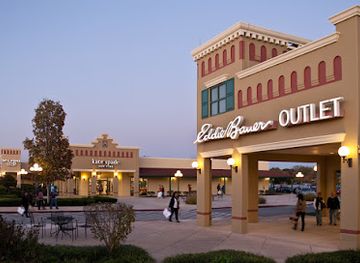
Hagerstown Premium Outlets
Discover unbeatable deals and a variety of shopping options at Hagerstown Premium Outlets, Maryland's premier shopping destination.
-
Outlet mall
The Outlet Shoppes at Gettysburg
Explore the Outlet Shoppes at Gettysburg for unbeatable deals on top brands in a charming shopping environment.
-
State park
Chesapeake and Ohio Canal National Historical Park
Explore the scenic Chesapeake and Ohio Canal National Historical Park, where history meets nature in a captivating outdoor experience.


Get your free copy of our complete guide to Catoctin Mountain Area, delivered straight to you.
Everything on this page, from attractions and restaurants to essentials and local phrases, in one PDF you can read offline, print or share.
Already have an account? Sign in
Your Catoctin Mountain Area guide is ready.
We'll send it to · Not you? Sign out

Getting your guide ready…
We are putting together a fresh copy of the Catoctin Mountain Area guide. This can take up to a minute.
This can take a few moments. If your browser asks, choose Allow so the download can start. You'll find the guide in your Downloads folder.
Nothing happened? Download it again
Sorry, the guide is taking longer than usual. Please try again in a minute, or get it by email instead.
Catoctin Mountain Area essentials
Currency and Payment
Safety
Emergency Situations
Do's and Don'ts
Local Tips
From Eve
Local phrases worth knowing
You don't need to get them perfect. A few words go a long way, and locals appreciate the effort.
Basics
| English | Local | Say it |
|---|---|---|
| Hello | Howdy | [haʊdi] |
| Goodbye | See ya | [si jə] |
| Yes | Yep | [jɛp] |
| No | Nah | [nɑ] |
| Please/You're welcome | No problem | [noʊ ˈprɑbləm] |
| Thank you | Thanks a lot | [θæŋks ə lɒt] |
| Excuse me/Sorry | Pardon me | [ˈpɑrdən mi] |
| How are you? | How ya doin'? | [haʊ jə ˈduːɪn] |
| Fine. And you? | Good. You? | [ɡʊd. ju?] |
| Do you speak English? | You speakin' English? | [ju ˈspiːkɪn ˈɪŋɡlɪʃ] |
| I don't understand | I ain't gettin' it | [aɪ eɪnt ˈɡɛtɪn ɪt] |
Eating & Drinking
| English | Local | Say it |
|---|---|---|
| I'd like to see the menu, please | Can I see the menu? | [kæn aɪ si ðə ˈmɛnju] |
| I don't eat meat | I ain’t eatin’ meat | [aɪ eɪnt ˈiːtɪn miːt] |
| Cheers! | Cheers! | [ʧɪrz] |
| I would like to pay, please | Can I get the check? | [kæn aɪ ɡɛt ðə ʧɛk] |
Emergencies
| English | Local | Say it |
|---|---|---|
| Help! | Help! | [hɛlp] |
| Go away! | Get lost! | [ɡɛt lɔst] |
| Call the Police! | Call the cops! | [kɔl ðə kɑps] |
| Call a doctor! | Get a doctor! | [ɡɛt ə ˈdɑktər] |
| I'm lost | I’m turned around | [aɪm tɜrnd əˈraʊnd] |
| I'm ill | I’m feelin’ sick | [aɪm ˈfiːlɪn sɪk] |
Shopping
| English | Local | Say it |
|---|---|---|
| I'd like to buy... | I want to get... | [aɪ wɑnt tə ɡɛt] |
| I'm just looking | Just browsin' | [dʒʌst ˈbraʊzɪn] |
| How much is it? | What’s it cost? | [wʌts ɪt kɔst] |
| That's too expensive | That’s a bit pricey | [ðæts ə bɪt ˈpraɪsi] |
| Can you lower the price? | Can ya knock off a bit? | [kæn jə nɑk ɔf ə bɪt] |
Time & Numbers
| English | Local | Say it |
|---|---|---|
| What time is it? | What time ya got? | [wʌt taɪm jə ɡɒt] |
| It's one o'clock | It’s one o'clock | [ɪts wʌn əˈklɒk] |
| Half past (10) | Half past ten | [hæf pæst tɛn] |
| Morning | Mornin' | [ˈmɔrnɪn] |
| Afternoon | Afternoon | [ˌæftərˈnun] |
| Evening | Evenin' | [ˈiːvnɪn] |
| Yesterday | Yesterday | [ˈjɛstərdeɪ] |
| Today | Today | [təˈdeɪ] |
| Tomorrow | Tomorrow | [təˈmɑroʊ] |
| 1 | One | [wʌn] |
| 2 | Two | [tu] |
| 3 | Three | [θri] |
| 4 | Four | [fɔr] |
| 5 | Five | [faɪv] |
| 6 | Six | [sɪks] |
| 7 | Seven | [sɛvən] |
| 8 | Eight | [eɪt] |
| 9 | Nine | [naɪn] |
| 10 | Ten | [tɛn] |
Transport & Directions
| English | Local | Say it |
|---|---|---|
| Where's a/the...? | Where’s the...? | [wɛrz ðə] |
| What's the address? | What’s the address? | [wʌts ði əˈdrɛs] |
| Can you show me (on the map)? | Can ya point it out? | [kæn jə pɔɪnt ɪt aʊt] |
| When's the next (bus)? | When’s the next bus? | [wɛnəz ðə nɛkst bʌs] |
| A ticket (to ....) | A ticket to... | [ə ˈtɪkɪt tə] |
History of Catoctin Mountain Area
Indigenous Landscapes and Regional Settlement
Long before European settlement, the Catoctin ridges, streams and valleys formed part of a wider Indigenous landscape used for travel, hunting and exchanging resources. The mountain corridor connected the Potomac region with the Susquehanna basin, while the valleys offered water and fertile ground. European settlement later transformed land ownership and woodland use, but the area's geography continued to determine where roads, farms and industry could develop.
Catoctin Furnace and the Iron Industry, 1770s–1900s
Catoctin Furnace was established in the 1770s and became one of the most important early iron-making sites in Maryland. The enterprise used local timber for charcoal, nearby ore and streams to power industrial processes. Enslaved and later free workers contributed to the furnace community and its production. Although the industry eventually declined, the surviving furnace structures, workers' housing and archaeological remains reveal how the region's forests and mineral resources supported early American manufacturing.
Turnpikes, Farms and the Growth of Thurmont
During the nineteenth century, roads and later rail connections strengthened links between the mountain communities and the markets of Frederick County and Pennsylvania. Thurmont developed as a local commercial centre serving farms, orchards and nearby industrial settlements. Agriculture remained central even as iron production faded, and the town's position below the Catoctin ridges made it a natural service point for travellers entering the mountain area.
Conservation and the Civilian Conservation Corps
The Great Depression brought a major change in the way the mountains were managed. Federal conservation programmes acquired worn or abandoned farmland and restored it as a public recreational landscape. Civilian Conservation Corps workers built roads, trails, cabins, picnic areas and other facilities that still influence the visitor experience in Catoctin Mountain Park. The project represented a shift from intensive private land use towards publicly managed woodland recreation and conservation.
Catoctin Mountain Park, 1930s–1950s
Catoctin Mountain Park began as a federal recreational demonstration area in the 1930s. Its management and boundaries evolved after the Second World War, and the National Park Service assumed responsibility for the park in the 1950s. The present landscape therefore reflects both earlier farming and later conservation planning. Historic structures, forest succession and recreational trails together illustrate the changing relationship between Maryland communities and mountain land.
Cunningham Falls State Park and Public Recreation
Maryland developed Cunningham Falls State Park during the post-war expansion of public recreation. The park brought formal protection and facilities to the waterfall, Hunting Creek and surrounding forests, making swimming, picnicking, boating and hiking accessible to a broad public. Its creation complemented federal conservation work nearby and helped establish the Catoctin Mountain Area as a recognised outdoor destination within reach of the Washington and Baltimore metropolitan regions.
Camp David and Modern Presidential History
A former mountain camp within the Catoctin area became a presidential retreat during the Second World War. Originally known as Shangri-La, it was renamed Camp David in 1953 and has since hosted presidents, visiting leaders and important private discussions. The facility remains restricted, but its location has given the surrounding mountains an unusual place in American political history while public parks continue to provide the area's principal visitor experiences.
Catoctin Mountain Area in Photos
Browse through our photo collection highlighting the charm and character of the destination.
Neighbouring regions of Catoctin Mountain Area
The closest regions to Catoctin Mountain Area, if you have time for more than one.
-
-

-

-

-


Swipe for more regions
Explore more

Explore more of Maryland
Discover Maryland, where coastal charm meets rich history and outdoor adventure. Experience the best of the East Coast in this small but diverse state.
Explore Maryland