

Patuxent River Region, Maryland Travel Guide
Explore the tranquil beauty and rich history of Maryland's Patuxent River Region, a perfect destination for nature lovers and history buffs alike.
Nestled in the heart of Maryland, the Patuxent River Region is a tranquil haven for nature lovers and history enthusiasts alike. This picturesque area boasts lush landscapes, serene waterways, and a rich tapestry of cultural heritage that dates back centuries. The region's namesake, the Patuxent River, meanders through a diverse ecosystem, providing a perfect backdrop for outdoor activities such as kayaking, fishing, and bird watching. The region is home to several charming towns and communities, each offering unique experiences for visitors. Historic sites such as Sotterley Plantation and Jefferson Patterson Park and Museum provide a glimpse into the area's past, while local wineries and farms showcase the region's agricultural bounty. For those seeking relaxation, the scenic beauty of the river and its surrounding landscapes offers a peaceful retreat from the hustle and bustle of everyday life. Whether you're exploring the natural beauty of the Patuxent River Park, taking a leisurely stroll through the serene Jug Bay Wetlands Sanctuary, or sampling local fare at one of the region's many farm-to-table restaurants, the Patuxent River Region promises a memorable and enriching experience for all who visit.

Know before you go
Hi, I'm Eve. Here are a few practical things to know before exploring Patuxent River Region.
- Visit during spring or fall for the best weather and stunning foliage.
- Check local schedules for guided tours and seasonal events at historic sites.
- Bring binoculars for bird watching, especially at Jug Bay Wetlands Sanctuary.
- Rent a kayak or canoe to explore the river up close.
- Try local wines at nearby vineyards and enjoy fresh produce from local farms.
Top City Travel Guides in Patuxent River Region
The cities of Patuxent River Region, and the easiest places to base yourself.


Destinations in Patuxent River Region
Resorts, valleys and scenic spots worth a trip of their own.


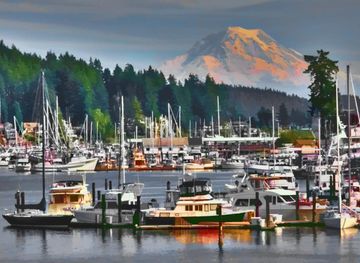

Explore Patuxent River Region: Things to Do, Places to Eat, Hotels & More
Handpicked recommendations for top attractions, local dining, accommodations, and more

Top Attractions & Sightseeing in Patuxent River Region
Top-rated picks
Best Attractions

National Mall
Discover the National Mall: A National Treasure of History, Culture, and Scenic Beauty in Washington, DC.

Smithsonian National Museum of Natural History
Explore the Smithsonian National Museum of Natural History, a treasure trove of natural wonders and scientific marvels in the heart of Washington, D.C.

Smithsonian National Air and Space Museum
Explore the wonders of aviation and space at the Smithsonian National Air and Space Museum, where history and innovation come alive.

National Museum of African American History and Culture
Discover the profound narratives of African American history at the National Museum of African American History and Culture, a landmark of culture and heritage in Washington, D.C.

Best landmarks in Patuxent River Region
Top-rated picks
Best Landmarks

Lincoln Memorial

World War II Memorial
Explore the World War II Memorial in Washington, D.C., a significant tribute to the valor of those who served in the Second World War amidst beautiful surroundings.

Washington Monument
Experience the grandeur of the Washington Monument, a historic symbol of American freedom and perseverance, offering stunning views and rich history.

The Tomb of the Unknown Soldier

Best restaurants in Patuxent River Region
Top-rated picks
Best Restaurants

Ben's Chili Bowl
D.C.'s iconic half-smoke haven since 1958, where chili-soaked history meets casual bites in U Street's resilient heart—a true taste of community legend.

Mike's Restaurant & Crabhouse
Experience the best of Chesapeake Bay cuisine at Mike's Restaurant & Crabhouse – where fresh seafood meets vibrant tiki vibes.

Marie's Diner
Experience classic American comfort food at Marie's Diner in La Plata – where every meal feels like home.

The Dubliner Restaurant
Lively Capitol Hill Irish pub since 1974, dishing hearty shepherd's pies, fresh fish and chips, and live music nightly in a wood-paneled haven near Union Station.

Best bars in Patuxent River Region
Top-rated picks
Best Bars

The Lighthouse Restaurant and Dockbar
Experience waterfront dining at its finest with fresh seafood and American classics at The Lighthouse Restaurant and Dockbar in Solomons, MD.

Quarry House Tavern
Experience the charm of Quarry House Tavern, a top-rated pub in Silver Spring, serving delicious American cuisine and a wide selection of drinks.

Pax River Ale House
Discover the vibrant flavors of Pax River Ale House in Lexington Park, where grilled specialties meet a welcoming atmosphere for an unforgettable dining experience.

Olde Town Pub
Experience the charm of Leonardtown at Olde Town Pub, where craft beers and hearty meals await in a cozy atmosphere.

Best nightclubs in Patuxent River Region
Top-rated picks
Best Nightclubs

Bay Street Restaurant & Lounge
Discover the lively Bay Street Restaurant & Lounge, where delicious food meets vibrant nightlife in a perfect blend for tourists.

The Corner Lounge
Experience the vibrant atmosphere and delicious drinks at The Corner Lounge, a must-visit bar in Upper Marlboro for all travelers.

Galaxy Night Club
Discover the electrifying nightlife at Galaxy Night Club in Hyattsville, MD, where music, dance, and fun collide for an unforgettable experience.

MartinisLounge.net is our real site
Discover the vibrant nightlife at Martinis Lounge, where craft cocktails and a lively atmosphere create unforgettable evenings in White Plains, Maryland.

Best shops in Patuxent River Region
Top-rated picks
Best Shops

White Marsh Mall
Explore the dynamic White Marsh Mall, Baltimore's top shopping and entertainment destination with diverse shops, dining, and family fun.

L'Enfant Plaza
Discover L'Enfant Plaza, a vibrant shopping mall in Washington, DC, offering diverse dining options and convenient access to iconic attractions.

Union Market
Explore Union Market in Washington, D.C. - a vibrant shopping center with gourmet food, local artisans, and a unique cultural experience.

Wegmans
Explore Wegmans in Lanham, MD - a grocery store that offers fresh produce, gourmet foods, and a vibrant shopping experience unlike any other.

Explore Patuxent River Region on the Map
A handpicked selection of must-see spots in Patuxent River Region, mapped for you.
Patuxent River Region Essentials
-
The Patuxent River Region is accessible via several major airports, with the closest being Baltimore/Washington International Thurgood Marshall Airport (BWI), located approximately 50 miles from the heart of the region. Ronald Reagan Washington National Airport (DCA) and Washington Dulles International Airport (IAD) are also viable options, both located within 70 miles. From the airports, you can rent a car, take a shuttle service, or use a ride-sharing app to reach your destination.
-
Within the Patuxent River Region, having a car is the most convenient way to explore, as public transportation options are limited. Car rentals are available at all major airports. For those preferring not to drive, local taxis and ride-sharing services like Uber and Lyft are readily available. There are also some regional bus services that connect key points in the area, but these might not cover all attractions.
-
The official currency is the United States Dollar (USD). Credit and debit cards are widely accepted, including at hotels, restaurants, and shops. ATMs are plentiful in urban areas, but it's advisable to carry some cash when visiting more rural parts of the region. Major credit cards such as Visa, MasterCard, and American Express are commonly accepted.
-
The Patuxent River Region is generally safe for tourists, but like any travel destination, it's important to stay vigilant. Avoid walking alone at night in isolated areas and be cautious with your belongings in crowded places. While there are no specific high-crime areas targeting tourists, it's always best to stay aware of your surroundings and take standard precautions.
-
In case of emergencies, dial 911 to reach emergency services including police, fire, and medical assistance. Local hospitals and urgent care centers are available throughout the region. It is recommended to carry travel insurance that covers medical emergencies. For minor health issues, there are numerous pharmacies where over-the-counter medications can be purchased.
-
Fashion: Do dress comfortably and appropriately for the weather, but avoid overly revealing clothing when visiting historic or religious sites. Religion: Do respect local religious customs and traditions, especially when visiting churches or historical sites. Public Transport: Do be courteous to other passengers, and offer your seat to elderly individuals or those with disabilities. Don't eat or drink on public transport. Greetings: Do greet people with a smile and a handshake. Eating & Drinking: Do try the local seafood and other regional specialties. Don't forget to tip your servers, typically 15-20% of the bill.
-
To experience the Patuxent River Region like a local, visit the local farmers' markets for fresh produce and homemade goods. Engage with the locals who are known for their hospitality and willingness to share stories about the area's rich history. Don't miss out on visiting historic sites such as Sotterley Plantation and the Calvert Marine Museum. For outdoor enthusiasts, kayaking on the river and hiking in the nearby parks are highly recommended.
When is the best time to visit Patuxent River Region?
Useful Local Phrases for Patuxent River Region
You don't need to speak the language perfectly. Even learning a few simple words can make conversations warmer—and locals usually appreciate the effort.
— Eve

Here are the phrases I use most often in Patuxent River Region. Try a few—you'll be surprised how far they go! 😊
❤️
-
- HelloHowdy
[haʊdi] - GoodbyeSee ya
[siː jə] - YesYep
[jɛp] - NoNah
[nɑ] - Please/You're welcomeNo problem
[noʊ ˈprɔbləm] - Thank youThanks
[θæŋks] - Excuse me/SorryPardon me
[ˈpɑrdən mi] - How are you?How ya doin'?
[haʊ jə ˈduɪn] - Fine. And you?I'm good. And you?
[aɪm gʊd. ənd jʊ] - Do you speak English?Do ya speak English?
[du jə spiːk ˈɪŋɡlɪʃ] - I don't understandI ain't followin'
[aɪ eɪnt ˈfɑloʊɪn]
- HelloHowdy
-
- I'd like to see the menu, pleaseCan I see the menu?
[kæn aɪ siː ðə ˈmɛnju] - I don't eat meatI don't do meat
[aɪ doʊnt du miːt] - Cheers!Cheers!
[ʧɪrz] - I would like to pay, pleaseCan I get the check?
[kæn aɪ ɡɛt ðə ʧɛk]
- I'd like to see the menu, pleaseCan I see the menu?
-
- Help!Help!
[hɛlp] - Go away!Beat it!
[biːt ɪt] - Call the Police!Call the cops!
[kɔl ðə kɑps] - Call a doctor!Get a doc!
[ɡɛt ə dɑk] - I'm lostI’m turned around
[aɪm tɜrnd əˈraʊnd] - I'm illI’m not feelin' well
[aɪm nɑt ˈfiːlɪn wɛl]
- Help!Help!
-
- I'd like to buy...I want to buy...
[aɪ wɑnt tə baɪ] - I'm just lookingJust browsin'
[dʒʌst ˈbraʊzɪn] - How much is it?What’s the price?
[wʌts ðə praɪs] - That's too expensiveThat’s pricey
[ðæts ˈpraɪsi] - Can you lower the price?Can ya knock down the price?
[kæn jə nɑk daʊn ðə praɪs]
- I'd like to buy...I want to buy...
-
- What time is it?What time ya got?
[wʌt taɪm jə ɡɑt] - It's one o'clockIt’s one o’clock
[ɪts wʌn əˈklɑk] - Half past (10)Half past ten
[hæf pæst tɛn] - MorningMornin'
[ˈmɔrnɪn] - AfternoonAfternoon
[ˌæf.tərˈnun] - EveningEvenin'
[ˈivnɪn] - YesterdayYest'day
[ˈjɛstdeɪ] - TodayToday
[təˈdeɪ] - TomorrowTomorra
[təˈmɔroʊ] - 1One
[wʌn] - 2Two
[tu] - 3Three
[θri] - 4Four
[fɔr] - 5Five
[faɪv] - 6Six
[sɪks] - 7Seven
[ˈsɛvən] - 8Eight
[eɪt] - 9Nine
[naɪn] - 10Ten
[tɛn]
- What time is it?What time ya got?
-
- Where's a/the...?Where's the...?
[wɛrz ðə] - What's the address?What’s the address?
[wʌts ði əˈdrɛs] - Can you show me (on the map)?Can ya point it out?
[kæn jə pɔɪnt ɪt aʊt] - When's the next (bus)?When’s the next bus?
[wɛnʌs ðə nɛkst bʌs] - A ticket (to ....)One ticket to...
[wʌn ˈtɪkɪt tə]
- Where's a/the...?Where's the...?
History of Patuxent River Region
-
Long before European settlers arrived, the Patuxent River Region was home to Native American tribes such as the Piscataway, Patuxent, and Mattaponi. These tribes thrived along the river, relying on its rich resources for fishing, farming, and trade. Artifacts and archaeological sites in the region provide a glimpse into their sophisticated societies and deep connection with the land.
-
In the early 17th century, European settlers began to colonize the Patuxent River Region. Captain John Smith, an English explorer, was among the first to map the area in 1608. The settlers established tobacco plantations, which became the backbone of the local economy. The river served as a vital transportation route, facilitating trade and communication with other colonies.
-
The Patuxent River Region played a significant role during the War of 1812. British forces used the river as a strategic point to launch attacks. In 1814, the British fleet sailed up the Patuxent River, leading to the burning of Washington, D.C. The Battle of St. Leonard Creek, one of the largest naval battles in Maryland's history, took place on the river, showcasing the region's strategic importance.
-
Following the Civil War, the Patuxent River Region underwent significant economic changes. The decline of tobacco farming led to the diversification of agriculture, with the introduction of crops like corn and wheat. The river continued to be a crucial transportation route, supporting the growth of small towns and communities along its banks. The arrival of the Chesapeake Beach Railway further boosted the local economy, promoting tourism and trade.
-
In the 20th century, the Patuxent River faced environmental challenges due to pollution and overdevelopment. In response, local communities and environmental organizations launched efforts to protect and restore the river's ecosystem. The establishment of the Patuxent River Park and the Jug Bay Wetlands Sanctuary highlighted the region's commitment to preserving its natural heritage. These conservation efforts have helped to maintain the river's biodiversity and ensure its sustainability for future generations.
-
Today, the Patuxent River Region is a vibrant blend of history, culture, and natural beauty. Visitors can explore historic sites, enjoy outdoor recreational activities, and experience the rich cultural heritage of the area. The river remains a vital part of the community, supporting both economic activities and environmental sustainability. Annual events and festivals celebrate the region's unique history and foster a sense of pride among its residents.
Neighbouring Regions of Patuxent River Region
The closest regions to Patuxent River Region, if you have time for more than one.
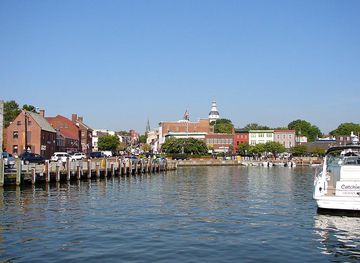

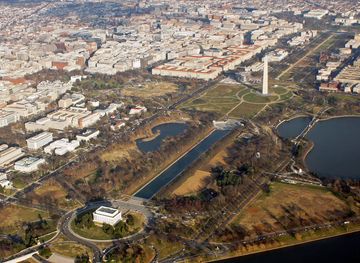


Your all‑in‑one travel companion app
Explore expert travel guides, compare and book tours, experiences, hotels, and more—all from the palm of your hand. Download now for seamless trip planning wherever your wanderlust takes you.


Explore More of Maryland

Looking beyond Patuxent River Region? Discover Maryland for broader travel guides, local hot-spots, and regional highlights.
Explore MarylandPatuxent River Region in Photos
Browse through our photo collection highlighting the charm and character of the destination.


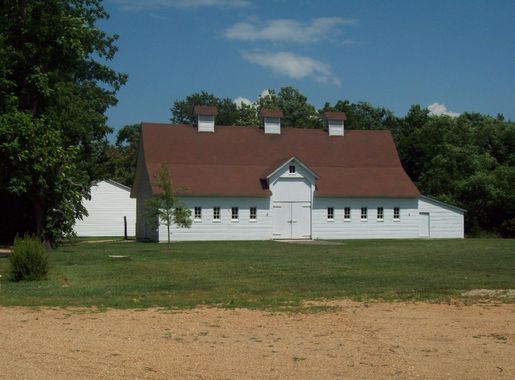

Discover the Serene Patuxent River Region
Nestled in the heart of Maryland, the Patuxent River Region is a tranquil haven for nature lovers and history enthusiasts alike. This picturesque area boasts lush landscapes, serene waterways, and a rich tapestry of cultural heritage that dates back centuries. The region's namesake, the Patuxent River, meanders through a diverse ecosystem, providing a perfect backdrop for outdoor activities such as kayaking, fishing, and bird watching. The region is home to several charming towns and communities, each offering unique experiences for visitors. Historic sites such as Sotterley Plantation and Jefferson Patterson Park and Museum provide a glimpse into the area's past, while local wineries and farms showcase the region's agricultural bounty. For those seeking relaxation, the scenic beauty of the river and its surrounding landscapes offers a peaceful retreat from the hustle and bustle of everyday life. Whether you're exploring the natural beauty of the Patuxent River Park, taking a leisurely stroll through the serene Jug Bay Wetlands Sanctuary, or sampling local fare at one of the region's many farm-to-table restaurants, the Patuxent River Region promises a memorable and enriching experience for all who visit.