

Free Western Maryland Travel Guide & Mobile App
Explore Western Maryland with free travel guides. Discover regional history, expert tips, proposed trips, and audio guides on web or mobile app.


Explore Western Maryland for Appalachian scenery, Deep Creek Lake, canal towpaths, Civil War history, mountain towns and farm-to-table flavours.
Read more about Western Maryland
When is the best time to visit Western Maryland?
Best: June, August–September · 23–28°C| Month | High (°C) | Rainfall (mm) |
|---|---|---|
| January | 4 | 68 |
| February | 5 | 63 |
| March | 10 | 89 |
| April | 17 | 88 |
| May | 22 | 96 |
| June (best) | 26 | 104 |
| July | 29 | 111 |
| August (best) | 28 | 99 |
| September (best) | 23 | 89 |
| October | 18 | 74 |
| November | 11 | 78 |
| December | 5 | 77 |
Getting to and around Western Maryland
How to get there
Transportation
Top city travel guides in Western Maryland
The cities of Western Maryland, and the easiest places to base yourself.

Swipe for more cities
Destinations in Western Maryland
Resorts, valleys and scenic spots worth a trip of their own.
-
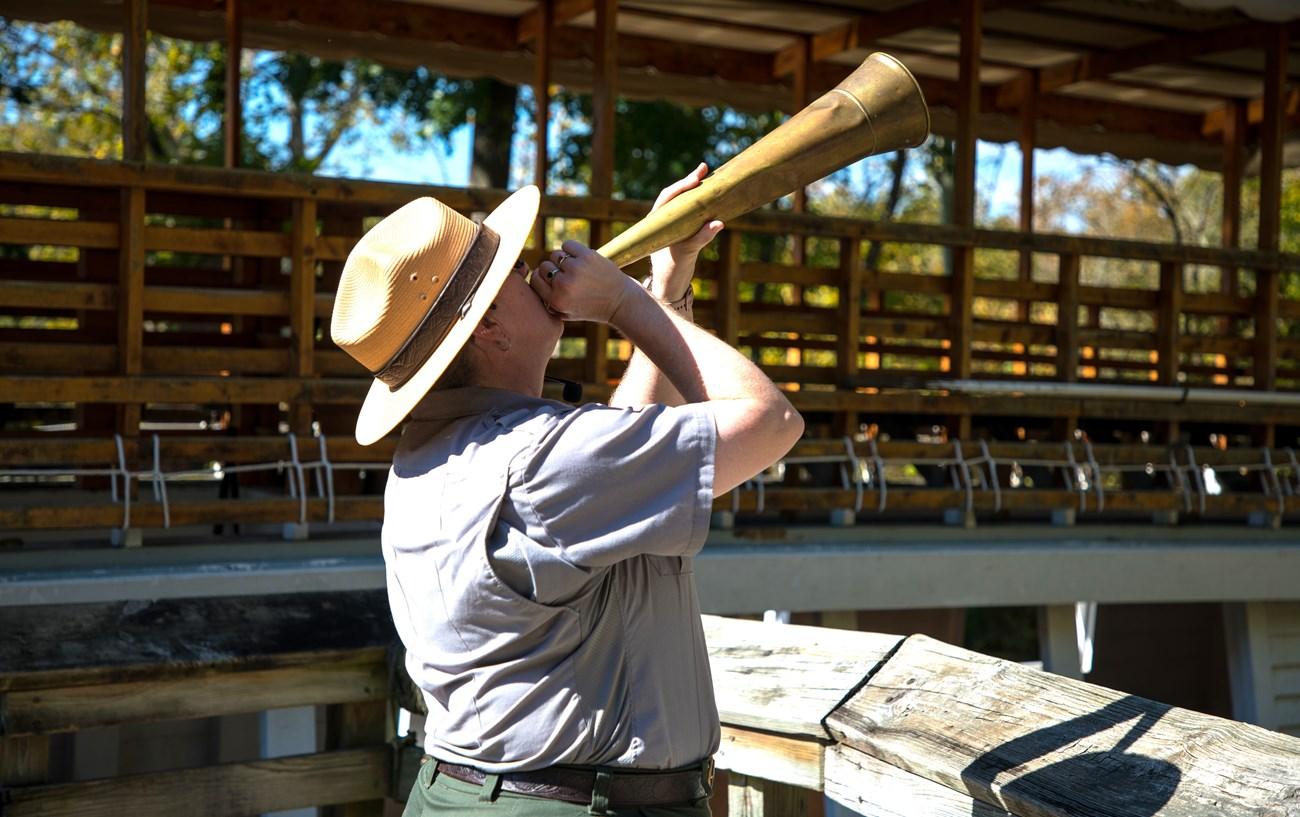 Chesapeake and Ohio Canal National Historical Park
 in Maryland follows a 184.5-mile towpath through canal history, riverside scenery, locks and Great Falls.
-
-

-


Swipe for more destinations
Best attractions in Western Maryland
Western Maryland's attractions range from outdoor recreation to exceptionally concentrated historic landscapes. Deep Creek Lake anchors the Garrett County visitor economy with boating, fishing and lakeside activities, while Swallow Falls State Park, Savage River State Forest and other public lands offer hiking, cycling, wildlife observation and mountain scenery. Rocky Gap State Park near Cumberland combines a reservoir and forested hills with walking routes and water-based recreation. Along the Potomac, the C&O Canal National Historical Park provides a towpath for walking and cycling beside locks, aqueducts and canal structures. History is central in Washington County, where Antietam National Battlefield preserves the fields and roads of the 1862 battle, and Fort Frederick State Park interprets Maryland's colonial frontier. Cumberland contributes canal, railway and industrial heritage, while Frostburg adds mountain-town architecture and cultural institutions. The region is best explored through a combination of scenic drives, carefully chosen walks and visits to museums, battlefields and preserved transport corridors.
-
Tourist attraction
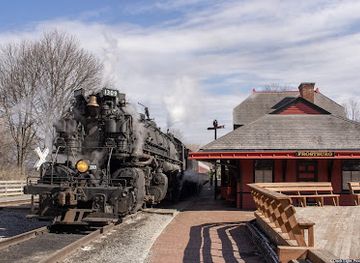
Western Maryland Scenic Railroad
Explore the stunning landscapes of Maryland aboard the Western Maryland Scenic Railroad, a journey through history and nature.
-
Farmers' market
Orr's Farm Market
Experience the freshest local produce and artisanal goods at Orr's Farm Market in Martinsburg, West Virginia - a delight for all food lovers.
-
State park
Green Ridge State Forest
Experience the breathtaking landscapes and outdoor adventures at Green Ridge State Forest in Maryland, a natural gem for all nature lovers.
-
Tourist attraction
Paw Paw Tunnel
Discover the Paw Paw Tunnel, a historic marvel and hiking paradise along the Chesapeake and Ohio Canal, perfect for nature lovers and history enthusiasts alike.


Best landmarks in Western Maryland
Cumberland's historic centre and Canal Place are among Western Maryland's clearest built reminders of the town's role as a canal, road and railway gateway. The C&O Canal's surviving locks, aqueducts, lockhouses and towpath form a linear historic landmark along the Potomac, linking engineering history with the region's landscape. In Washington County, the stone walls of Fort Frederick provide a substantial example of colonial military architecture, while the rural roads and farm fields at Antietam National Battlefield carry national historical significance. Frostburg's steep streets, nineteenth-century buildings and former coal-region setting express the character of an Appalachian industrial town. Garrett County's most recognisable natural landmarks include Deep Creek Lake and the waterfalls of Swallow Falls State Park, where water, forest and rock formations define the scenery. The ridges and gaps of the Allegheny Mountains are themselves central landmarks, explaining both the region's settlement patterns and its enduring identity as Maryland's mountain country.
-
Historical landmark
Fort McHenry National Monument and Historic Shrine
Explore Fort McHenry National Monument and Historic Shrine, a historic landmark in Baltimore that embodies American history and resilience with scenic views and cultural significance.
-
State park
Rocky Gap State Park
Explore Rocky Gap State Park, a stunning Maryland gem offering hiking, fishing, and serene lakes in a breathtaking natural setting.
-
State park
Swallow Falls State Park
Explore the breathtaking waterfalls and serene landscapes of Swallow Falls State Park, a natural retreat in Maryland's scenic wilderness.
-
Tourist attraction
Western Maryland Scenic Railroad
Discover the scenic beauty and rich history of Maryland aboard the Western Maryland Scenic Railroad, a journey like no other.

Explore Western Maryland on the map
Plan your trip on one map. See where the top cities, national parks and sights are, and book hotels and experiences in a few clicks.
Best hotels in Western Maryland
Best restaurants in Western Maryland
Dining in Western Maryland reflects mountain agriculture, Appalachian influences and the region's historic links with nearby Pennsylvania, West Virginia and Virginia. Restaurants in Hagerstown, Cumberland and Frostburg range from cafés and traditional American cooking to contemporary menus, while rural inns and lake-area establishments often emphasise relaxed meals and locally sourced ingredients. Apples, pumpkins, corn, dairy products, maple syrup and seasonal vegetables appear in farm-shop and market offerings, and trout is associated with the region's streams and mountain waters. Maryland's wider seafood culture can also be found, although Western Maryland's inland food identity is more strongly connected with farms, smoked meats, soups, baked goods and hearty country cooking than with the Chesapeake coast. Look for farmers' markets, orchard produce and small-batch drinks when available, and expect menus to vary with the season. Hagerstown and Cumberland generally provide the broadest choice for international cuisines and vegetarian dining.
-
Diner
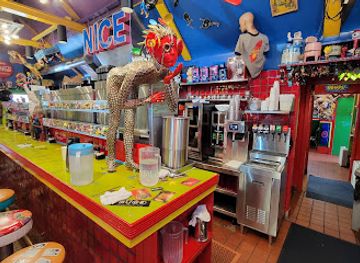
The PaperMoon Diner
Discover Baltimore's unique dining experience at The PaperMoon Diner, where eclectic decor meets delicious comfort food.
-
Restaurant
D'Atri's Restaurant
Experience authentic Italian cuisine in Cumberland at D'Atri's Restaurant – where every meal is a celebration of flavor.
-
American
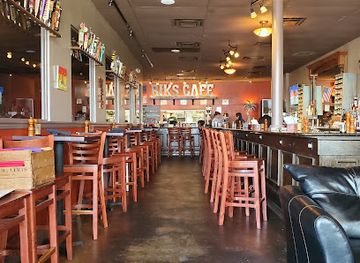
Rik's Cafe
Experience delicious American cuisine at Rik's Cafe in Hagerstown - where every meal feels like home!
-
American
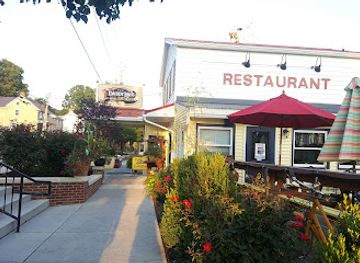
Buddylou's Eats Drinks & Antiques
Experience the perfect blend of American cuisine and vintage charm at Buddylou's Eats Drinks & Antiques in Hancock, MD.

Best bars in Western Maryland
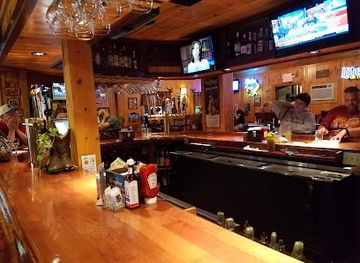
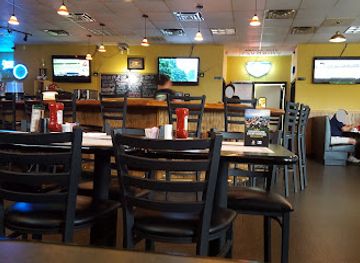
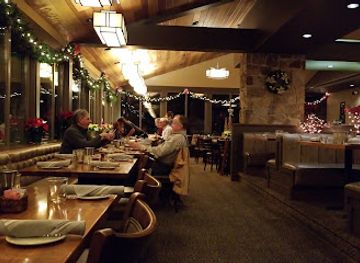
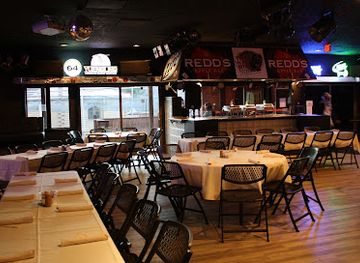
Evening life in Western Maryland is centred more on pubs, restaurants, breweries and live music than on a large nightclub scene. Cumberland has the region's most concentrated urban evening offer, with historic streets, locally oriented bars and venues that may programme music or cultural events. Frostburg's university population supports a younger social atmosphere around its central streets, although the scale remains that of a small mountain town. Around Deep Creek Lake, evening options include casual bars, restaurants and seasonal entertainment, with activity increasing during summer and holiday periods. Hagerstown offers the broadest mixture of restaurants, cinemas, arts programming and bars in Washington County. Rural communities tend to quieten earlier, and visitors should check current arrangements rather than assume late-night transport or daily live entertainment. Local breweries and taprooms may be useful for sampling regional beer, but evening culture does not depend solely on alcohol.
-
Bar
Sand Springs Saloon & Steakhouse
Experience the inviting atmosphere and delicious dishes at Sand Springs Saloon & Steakhouse, Frostburg's premier destination for great food and drinks.
-
Pub
Patricks Pub
Discover the cozy charm of Patricks Pub, a local favorite in Cumberland, MD, offering delicious food and a warm, welcoming atmosphere.
-
American
Ace's Run Restaurant & Pub
Experience the best of American cuisine and a lively pub atmosphere at Ace's Run Restaurant & Pub in beautiful Oakland, Maryland.
-
Restaurant
Black Bear Tavern and Restaurant
Discover the lively blend of American cuisine and vibrant nightlife at Black Bear Tavern in McHenry, Maryland.
Best nightclubs in Western Maryland
Evening life in Western Maryland is centred more on pubs, restaurants, breweries and live music than on a large nightclub scene. Cumberland has the region's most concentrated urban evening offer, with historic streets, locally oriented bars and venues that may programme music or cultural events. Frostburg's university population supports a younger social atmosphere around its central streets, although the scale remains that of a small mountain town. Around Deep Creek Lake, evening options include casual bars, restaurants and seasonal entertainment, with activity increasing during summer and holiday periods. Hagerstown offers the broadest mixture of restaurants, cinemas, arts programming and bars in Washington County. Rural communities tend to quieten earlier, and visitors should check current arrangements rather than assume late-night transport or daily live entertainment. Local breweries and taprooms may be useful for sampling regional beer, but evening culture does not depend solely on alcohol.
-
Dance club
The Lodge Show + Dance Club & Summer Patio
Dance, drink, and celebrate at The Lodge Show + Dance Club in Boonsboro, MD – your premier nightlife destination with a welcoming atmosphere.
-
Night club
Suite 710: Restaurant & Lounge
Discover the ultimate nightlife experience at Suite 710: Restaurant & Lounge, where exquisite dining meets vibrant entertainment in Hagerstown.
-
Historical landmark
Chesapeake and Ohio Canal National Historical Park
Discover the Chesapeake and Ohio Canal National Historical Park, a historical landmark showcasing America's industrial past and stunning natural landscapes.
-
Night club
Club Flash
Discover the vibrant nightlife of Mt. Savage at Club Flash, where music, energy, and fun combine for an unforgettable experience.



Best shops in Western Maryland
Shopping in Western Maryland is concentrated in Hagerstown, Cumberland, Frostburg, Oakland and the communities around Deep Creek Lake, with each offering a different scale and character. Hagerstown has the widest selection of everyday retail, independent businesses and regional services, while Cumberland and Frostburg are better suited to browsing historic downtown streets, galleries, bookshops and locally oriented stores. Oakland provides access to Garrett County crafts, food products and small-town shopping, and lake communities stock outdoor equipment, gifts and seasonal provisions. Farmers' markets and farm shops are useful for apples, maple syrup, preserves, baked goods and other products from the surrounding countryside. Antiques, handmade items, artwork and Appalachian-influenced crafts can make more meaningful souvenirs than generic merchandise, though availability varies by season. Visitors should not expect an extensive luxury-shopping district; the region's retail identity lies in local produce, independent shops, practical outdoor goods and products connected with its mountain and agricultural economy.
-
Gift shop
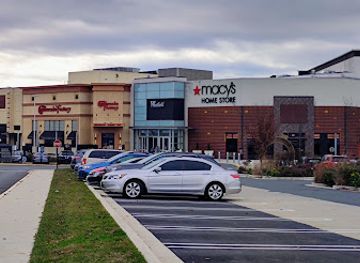
Westfield Montgomery
Discover a shopping paradise at Westfield Montgomery in Bethesda, MD, with diverse stores, delicious dining, and entertainment for all ages.
-
Outlet mall
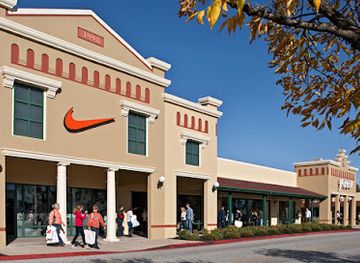
Hagerstown Premium Outlets
Discover unbeatable deals on top brands at Hagerstown Premium Outlets, the perfect shopping getaway in Maryland.
-
Shopping mall
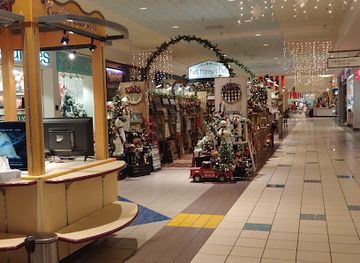
Country Club Mall
Discover an exciting shopping and entertainment experience at Country Club Mall, La Vale's premier destination for families and tourists alike.
-
Farmers' market
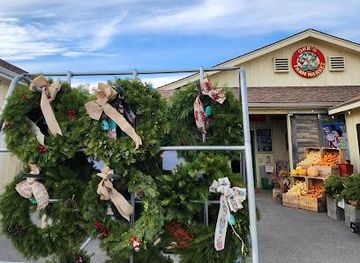
Orr's Farm Market
Explore fresh local produce and homemade delights at Orr's Farm Market in Martinsburg, West Virginia - a true farmers' market experience.
Get your free copy of our complete guide to Western Maryland, delivered straight to you.
Everything on this page, from attractions and restaurants to essentials and local phrases, in one PDF you can read offline, print or share.
Already have an account? Sign in
Your Western Maryland guide is ready.
We'll send it to · Not you? Sign out

Getting your guide ready…
We are putting together a fresh copy of the Western Maryland guide. This can take up to a minute.
This can take a few moments. If your browser asks, choose Allow so the download can start. You'll find the guide in your Downloads folder.
Nothing happened? Download it again
Sorry, the guide is taking longer than usual. Please try again in a minute, or get it by email instead.
Western Maryland essentials
Currency and Payment
Safety
Emergency Situations
Do's and Don'ts
Local Tips
From Eve
Local phrases worth knowing
You don't need to get them perfect. A few words go a long way, and locals appreciate the effort.
Basics
| English | Local | Say it |
|---|---|---|
| Hello | Howdy | [How-dee] |
| Goodbye | See ya later | [See ya lay-ter] |
| Yes | Yep | [Yep] |
| No | Nah | [Nah] |
| Please/You're welcome | No problem | [No prob-lem] |
| Thank you | Thanks a lot | [Thanks a lot] |
| Excuse me/Sorry | Excuse me | [Ex-cuse me] |
| How are you? | How ya doin'? | [How ya doin'?] |
| Fine. And you? | I'm good. And you? | [I'm good. And you?] |
| Do you speak English? | You speakin' English? | [You speakin' English?] |
| I don't understand | I ain't gettin' it | [I ain't gettin' it] |
Eating & Drinking
| English | Local | Say it |
|---|---|---|
| I'd like to see the menu, please | Can I see the menu, please? | [Can I see the menu, please?] |
| I don't eat meat | I ain't eatin' meat | [I ain't eatin' meat] |
| Cheers! | Cheers! | [Cheers!] |
| I would like to pay, please | Can I pay, please? | [Can I pay, please?] |
Emergencies
| English | Local | Say it |
|---|---|---|
| Help! | Help! | [Help!] |
| Go away! | Get outta here! | [Get outta here!] |
| Call the Police! | Call the cops! | [Call the cops!] |
| Call a doctor! | Get a doctor! | [Get a doctor!] |
| I'm lost | I'm lost | [I'm lost] |
| I'm ill | I'm sick | [I'm sick] |
Shopping
| English | Local | Say it |
|---|---|---|
| I'd like to buy... | I wanna buy... | [I wanna buy...] |
| I'm just looking | Just lookin' | [Just lookin'] |
| How much is it? | What's it cost? | [What's it cost?] |
| That's too expensive | That's too pricey | [That's too pricey] |
| Can you lower the price? | Can ya bring down the price? | [Can ya bring down the price?] |
Time & Numbers
| English | Local | Say it |
|---|---|---|
| What time is it? | What time's it? | [What time's it?] |
| It's one o'clock | It's one o'clock | [It's one o'clock] |
| Half past (10) | Half past ten | [Half past ten] |
| Morning | Mornin' | [Mornin'] |
| Afternoon | Afternoon | [Afternoon] |
| Evening | Evenin' | [Evenin'] |
| Yesterday | Yesterday | [Yesterday] |
| Today | Today | [Today] |
| Tomorrow | Tomorrow | [Tomorrow] |
| 1 | One | [One] |
| 2 | Two | [Two] |
| 3 | Three | [Three] |
| 4 | Four | [Four] |
| 5 | Five | [Five] |
| 6 | Six | [Six] |
| 7 | Seven | [Seven] |
| 8 | Eight | [Eight] |
| 9 | Nine | [Nine] |
| 10 | Ten | [Ten] |
Transport & Directions
| English | Local | Say it |
|---|---|---|
| Where's a/the...? | Where's a...? | [Where's a...?] |
| What's the address? | What's the addy? | [What's the addy?] |
| Can you show me (on the map)? | Can ya show me on the map? | [Can ya show me on the map?] |
| When's the next (bus)? | When's the next bus? | [When's the next bus?] |
| A ticket (to ....) | A ticket to... | [A ticket to...] |
History of Western Maryland
Indigenous Landscapes and Early Colonial Expansion
Before European settlement, the Potomac Valley and Appalachian uplands were used by Indigenous peoples for travel, hunting, agriculture and trade. The rivers and mountain gaps later became routes for colonial expansion westward from the settled lands of eastern Maryland and Pennsylvania. European land claims and frontier settlement disrupted established Indigenous lifeways, while the region's forests, fertile valleys and strategic passes drew farms, trading posts and military attention. Much of Western Maryland's later history was shaped by its position between the Atlantic seaboard and the interior.
Fort Frederick and the Colonial Frontier, 1756–1763
Fort Frederick, near present-day Big Pool in Washington County, was built by the Province of Maryland during the French and Indian War. Its massive stone walls made it one of the most substantial colonial frontier fortifications in the region, and it served as a refuge and military base during conflict with French-allied forces and their Indigenous partners. The fort's surviving structure and reconstructed interiors illustrate the insecurity of the mid-eighteenth-century frontier, when the Potomac Valley was both a farming district and a military corridor.
The National Road and Westward Movement
The National Road reached Cumberland in the early nineteenth century, linking the Potomac gateway with the interior and helping turn the town into a major transport centre. Inns, workshops and commercial buildings developed along the route, while travellers, migrants and freight passed through the mountain gap. The road's significance declined after the growth of canals and railways, but its alignment and associated communities remain important to the region's built heritage. Modern roads still follow or intersect this historic east–west corridor through the Appalachian terrain.
Canals, Railways and the Rise of Cumberland
The Chesapeake and Ohio Canal reached Cumberland in 1850 after decades of construction along the Potomac. It carried coal, agricultural goods and other freight towards Georgetown and Washington, while railways soon provided faster competition. Cumberland became a centre where canal, road and railway systems met, and the surrounding mountains supplied timber, coal and stone. The preserved canal towpath and historic structures, together with railway heritage in Cumberland and Frostburg, reveal how nineteenth-century infrastructure transformed a remote frontier into an industrial and commercial region.
The Civil War in the Potomac Valley
Western Maryland's position between the Union states and the Confederacy made it strategically important during the American Civil War. The Battle of Antietam, fought near Sharpsburg in Washington County on 17 September 1862, halted Robert E. Lee's first invasion of the North and produced enormous casualties in a single day. The surrounding roads, farms, churches and waterways were drawn into the campaign. Antietam National Battlefield preserves much of this setting, while nearby historic sites and cemeteries help explain the conflict's effect on local communities.
Coal, Stone and Industrial Communities
Coal mining expanded around Frostburg and other parts of Allegany County during the nineteenth and early twentieth centuries, supplying regional industry and transport. Cumberland also developed industries based on railways, metalworking, glass, textiles and locally available raw materials. Immigrant workers and their families helped shape the social and religious life of the mountain towns, while mining left a lasting architectural and cultural legacy. Although heavy industry declined, historic buildings, rail routes, museums and community traditions continue to reflect Western Maryland's working past.
Parks, Reservoirs and a Recreational Economy
During the twentieth century, public investment in forests, reservoirs, state parks and historic preservation broadened the region's economic base. Deep Creek Lake became a major destination for boating and seasonal recreation, while parks such as Rocky Gap and Swallow Falls protected important landscapes and waterways. The C&O Canal towpath was preserved as a long-distance recreational route, and battlefield conservation safeguarded agricultural scenery around Antietam. Today, tourism supplements farming, education, healthcare and service industries, but the region's outdoor economy remains closely tied to its geography.
Western Maryland in Photos
Browse through our photo collection highlighting the charm and character of the destination.
Neighbouring regions of Western Maryland
The closest regions to Western Maryland, if you have time for more than one.
-

-
-
-

-


Swipe for more regions
Explore more

Explore more of Maryland
Discover Maryland, where coastal charm meets rich history and outdoor adventure. Experience the best of the East Coast in this small but diverse state.
Explore Maryland