

Free Susquehanna River Valley Travel Guide & Mobile App
Explore Susquehanna River Valley with free travel guides. Discover regional history, expert tips, proposed trips, and audio guides on web or mobile app.


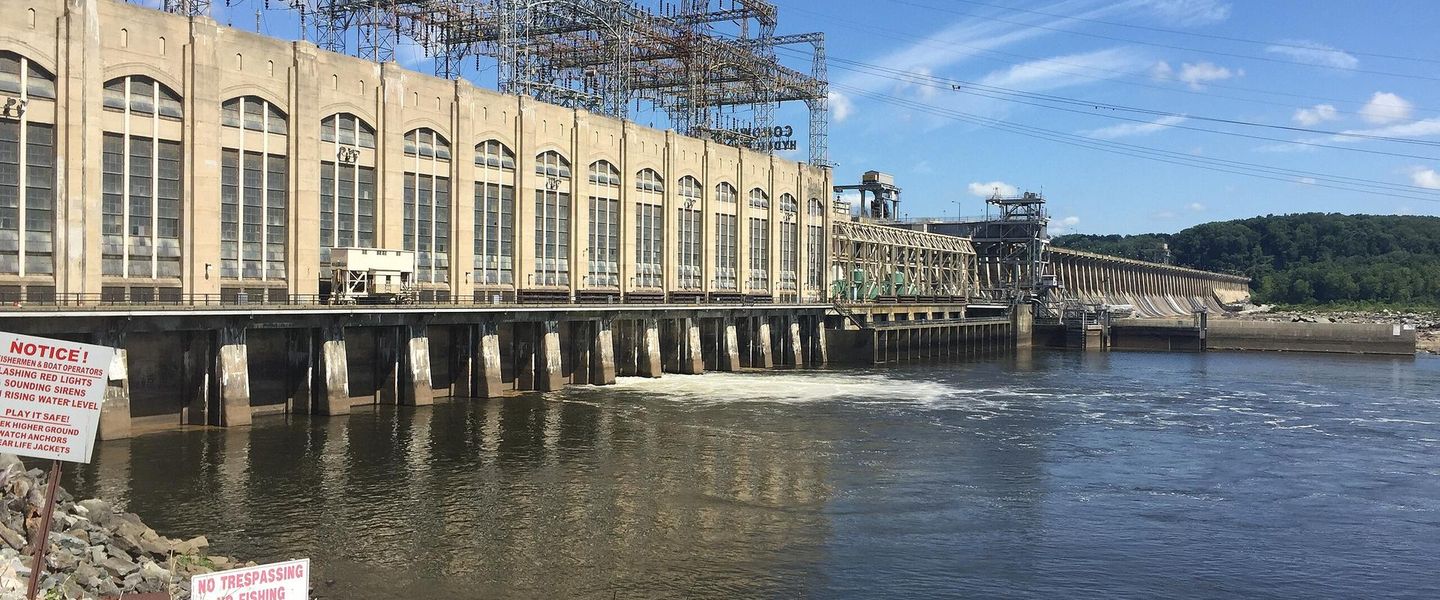


Explore Maryland’s Susquehanna River Valley for river towns, Chesapeake scenery, historic waterways, wildlife, parks and distinctive local food.
Read more about Susquehanna River Valley
Getting to and around Susquehanna River Valley
How to get there
Transportation
Destinations in Susquehanna River Valley
Resorts, valleys and scenic spots worth a trip of their own.
-

-


Swipe for more destinations
Best attractions in Susquehanna River Valley
The Maryland Susquehanna River Valley offers a closely connected mix of river scenery, heritage and outdoor recreation. Havre de Grace is the principal waterfront destination, with a promenade, historic streets, lighthouse setting and access to upper Chesapeake views. Across the lower river, Perryville combines transport history with easy access to the shoreline and nearby parks, while Port Deposit has a compact historic townscape shaped by stone construction and river commerce. Susquehanna State Park provides the region’s strongest combination of trails, fishing, paddling, picnic areas and preserved industrial history at the Rock Run Historic Area. The Lower Susquehanna Heritage Greenway adds a broader interpretive framework, linking natural habitats with canal, mill and transport remains. Conowingo Dam is a major engineered landmark and a recognised birdwatching location, especially for bald eagles at suitable times of year, though viewing conditions and access can change. The valley also suits kayaking, cycling on selected routes, photography, wildlife observation and quiet walks beside wooded stretches of river. Its attractions are less about a large collection of formal theme parks or major galleries than about understanding how water, transport, industry and Chesapeake ecology have shaped a lived-in landscape.
-
Tourist attraction
Turkey Hill Experience
Experience the joy of ice cream and iced tea at Turkey Hill Experience in Columbia, PA - a delightful attraction for all ages.
-
Park
Millard Tydings Memorial Park
Explore the picturesque beauty and recreational wonders of Millard Tydings Memorial Park, a prime destination for outdoor enthusiasts in Havre De Grace, MD.
-
Tourist attraction
Plumpton Park Zoo
Explore Plumpton Park Zoo, a family-friendly attraction in Maryland featuring diverse wildlife and a commitment to animal conservation in a serene park setting.
-
State park
Susquehanna State Park
Explore the scenic trails, historic sites, and natural beauty of Susquehanna State Park in Maryland, a perfect getaway for outdoor enthusiasts and history buffs alike.
Best landmarks in Susquehanna River Valley
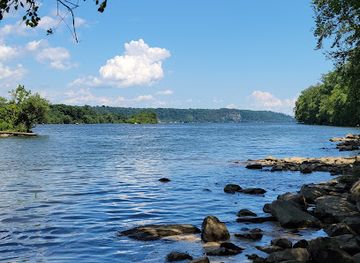
The Concord Point Lighthouse in Havre de Grace is the valley’s best-known historic waterfront landmark, standing at the point where the Susquehanna reaches the upper Chesapeake and recalling the importance of navigation in the town’s development. The surrounding shoreline and historic streets provide a clear sense of the settlement’s relationship with river and bay. In Port Deposit, rows of nineteenth-century stone buildings reflect the local use of Susquehanna granite and the town’s former role in river commerce. Susquehanna State Park preserves the Rock Run Historic Area, where mill-related buildings and water infrastructure represent the industrial landscape that grew beside the river. Conowingo Dam is a much larger modern landmark: its concrete structure, broad reservoir views and association with hydroelectric power have altered the appearance and ecology of the upper valley. The Thomas J. Hatem Memorial Bridge, carrying US Route 40 across the lower Susquehanna, is another prominent transport feature, although the most rewarding views are generally from surrounding shorelines rather than from the bridge itself. Together these places show the valley as a working waterway shaped by navigation, industry, engineering and conservation.
-
State park
Elk Neck State Forest
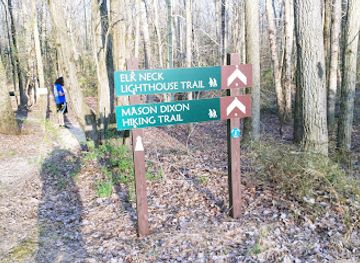
Experience the tranquility of Elk Neck State Forest, a premier destination for hiking, wildlife observation, and outdoor recreation in Maryland.
-
 Peninsula
Elk Neck
Discover the tranquil beauty of Elk Neck, Maryland: a serene peninsula offering outdoor adventures, stunning views, and rich wildlife experiences.
Explore Susquehanna River Valley on the map
Plan your trip on one map. See where the top cities, national parks and sights are, and book hotels and experiences in a few clicks.
Best hotels in Susquehanna River Valley
Best restaurants in Susquehanna River Valley
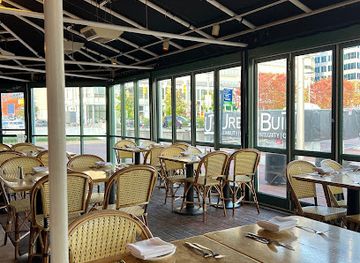
Dining in the valley reflects its position between the Susquehanna and the Chesapeake Bay. Waterfront and town-centre restaurants in Havre de Grace commonly foreground Maryland seafood, with blue crab, crab cakes, oysters, rockfish and fried fish appearing according to season and supply; these are part of the wider Chesapeake culinary tradition rather than dishes exclusive to this valley. Perryville and Port Deposit offer a more mixed choice of casual restaurants, cafés, pubs and family-run dining, while rural roads lead to establishments serving American comfort food and regional specialities. Look for steamed or dressed crab, seafood soups, local oysters and seasonal produce, but ask about provenance when locally sourced ingredients matter. Farmers’ markets and farm stands can provide fruit, vegetables, baked goods and other Maryland products during the warmer months. Craft beer and American wines from elsewhere in the state may appear alongside standard bar selections. Reservations can be useful for popular waterfront meals, particularly at weekends, although the region’s dining culture is generally informal and practical rather than centred on a single fine-dining district.
-
Restaurant
The Cheesecake Factory
Discover culinary delights at The Cheesecake Factory in Baltimore's Inner Harbor - where American cuisine meets irresistible desserts.
-
Seafood
Lee's Landing Dock Bar
Experience fresh seafood delights at Lee's Landing Dock Bar in Port Deposit – where great food meets breathtaking waterfront views.
-
New American
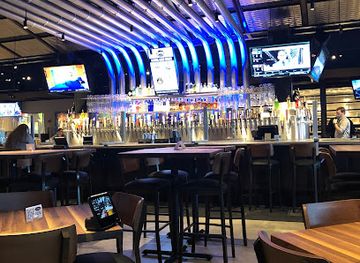
Yard House
Experience the vibrant flavors of New American cuisine at Yard House in Hanover—where great food meets sports excitement!
-
Seafood
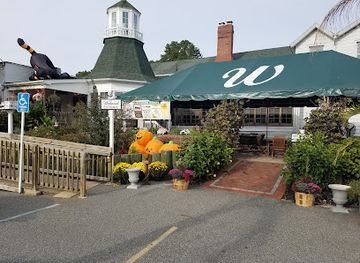
The Wellwood Restaurant
Experience exquisite seafood dining with breathtaking waterfront views at The Wellwood Restaurant in Maryland.
Best bars in Susquehanna River Valley
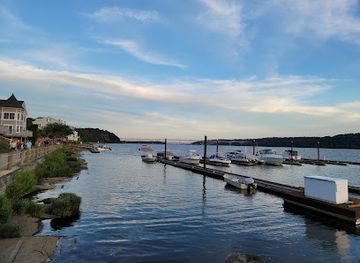
Evening life in the Susquehanna River Valley is modest and town-based rather than dominated by nightclubs. Havre de Grace has the broadest choice of waterfront bars, pubs, restaurants and occasional live-music settings, with evenings often focused on conversation, food and views rather than late-night dancing. Perryville and Port Deposit have smaller selections of neighbourhood bars, taverns and casual restaurants, while rural communities generally depend on historic-style pubs, social clubs and dispersed dining rooms. Seasonal waterfront activity can make the towns feel busier in warmer weather, but visitors should not assume that every establishment stays open late. Beer, cocktails and Maryland seafood dinners are common elements of an evening out, while local breweries and taprooms may feature regional craft production where available. Check current arrangements before travelling because independent venues, entertainment schedules and closing times can change. Responsible drinking is especially important when driving between settlements or returning along rural roads.
-
Seafood
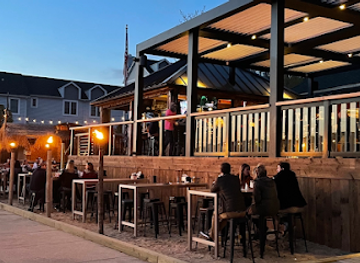
Lee's Landing Dock Bar
Discover Lee's Landing Dock Bar, where Maryland's freshest seafood meets a stunning waterfront view and vibrant bar atmosphere.
-
Restaurant
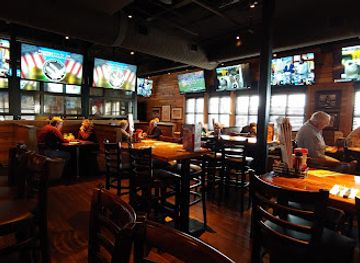
Miller's Ale House
Miller's Ale House in Bel Air offers a vibrant American dining experience with delicious food, a lively bar, and a perfect atmosphere for sports fans.
-
American
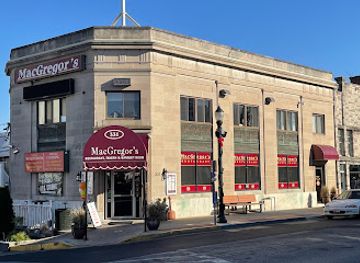
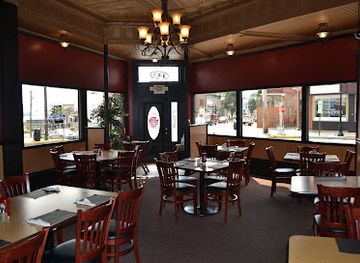
MacGregor's Restaurant
Experience the best of American cuisine at MacGregor's Restaurant in Havre De Grace, where every meal is a celebration of flavor and hospitality.
-
Pub
Coakley's Pub
Discover the charm of Coakley's Pub in Havre De Grace, where American cuisine meets a lively sports bar atmosphere for an unforgettable experience.
Best nightclubs in Susquehanna River Valley
Evening life in the Susquehanna River Valley is modest and town-based rather than dominated by nightclubs. Havre de Grace has the broadest choice of waterfront bars, pubs, restaurants and occasional live-music settings, with evenings often focused on conversation, food and views rather than late-night dancing. Perryville and Port Deposit have smaller selections of neighbourhood bars, taverns and casual restaurants, while rural communities generally depend on historic-style pubs, social clubs and dispersed dining rooms. Seasonal waterfront activity can make the towns feel busier in warmer weather, but visitors should not assume that every establishment stays open late. Beer, cocktails and Maryland seafood dinners are common elements of an evening out, while local breweries and taprooms may feature regional craft production where available. Check current arrangements before travelling because independent venues, entertainment schedules and closing times can change. Responsible drinking is especially important when driving between settlements or returning along rural roads.
-
River
Susquehanna River
Experience the stunning beauty and rich history of the Susquehanna River, a perfect destination for outdoor adventures and relaxation.

Best shops in Susquehanna River Valley
Shopping is concentrated in the historic centres of Havre de Grace, Perryville and Port Deposit rather than in a large regional retail district. Havre de Grace has the strongest selection of independent shops, galleries, antiques, books, gifts and locally themed goods, particularly around its older central streets and waterfront. Visitors interested in the area’s waterfowl heritage may find decoy-related art, carvings and decorative work, although stock varies between galleries and specialist retailers. Port Deposit is better suited to browsing small-scale local businesses and historic streets than to extensive commercial shopping, while Perryville provides practical everyday retail alongside independent services. Farmers’ markets, seasonal farm stands and local food shops are useful places to look for Maryland produce, baked goods, preserves and seafood-related products. Regional souvenirs are more likely to be Chesapeake-themed ceramics, prints, nautical objects, books and craft items than mass-produced luxury goods. Retail hours can be limited outside the larger towns and may vary by season, so plan shopping around daytime visits rather than expecting a late-night high-street scene.
-
Department store
Walmart Supercenter
Discover the ultimate shopping experience at Walmart Supercenter in Selinsgrove, PA, featuring everything from groceries to sporting goods and more.
-
Department store
Boscov's
Explore Boscov's in Selinsgrove, PA – your ultimate destination for fashion, home goods, and unforgettable shopping experiences.
-
State park
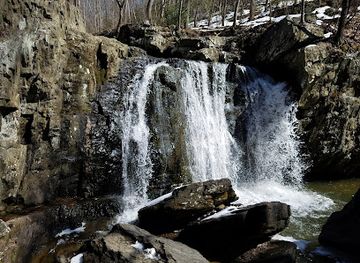
Rocks State Park
Discover the serene landscapes and thrilling adventures at Rocks State Park in Maryland, a perfect escape for nature lovers and outdoor enthusiasts.
-
State park
Elk Neck State Forest
Explore Elk Neck State Forest: A Maryland gem filled with scenic trails, lush wildlife, and stunning views of the Chesapeake Bay.

Get your free copy of our complete guide to Susquehanna River Valley, delivered straight to you.
Everything on this page, from attractions and restaurants to essentials and local phrases, in one PDF you can read offline, print or share.
Already have an account? Sign in
Your Susquehanna River Valley guide is ready.
We'll send it to · Not you? Sign out

Getting your guide ready…
We are putting together a fresh copy of the Susquehanna River Valley guide. This can take up to a minute.
This can take a few moments. If your browser asks, choose Allow so the download can start. You'll find the guide in your Downloads folder.
Nothing happened? Download it again
Sorry, the guide is taking longer than usual. Please try again in a minute, or get it by email instead.
Susquehanna River Valley essentials
Currency and Payment
Safety
Emergency Situations
Do's and Don'ts
Local Tips
From Eve
Local phrases worth knowing
You don't need to get them perfect. A few words go a long way, and locals appreciate the effort.
Basics
| English | Local | Say it |
|---|---|---|
| Hello | Howdy | [Ha-dee] |
| Goodbye | See ya | [See yah] |
| Yes | Yep | [Yep] |
| No | Nah | [Nah] |
| Please/You're welcome | Sure thing | [Shur thing] |
| Thank you | Thanks a lot | [Thanks a lot] |
| Excuse me/Sorry | Sorry 'bout that | [Sorry 'bout that] |
| How are you? | How ya doin'? | [How ya doin'?] |
| Fine. And you? | Good. And you? | [Good. And you?] |
| Do you speak English? | You speakin' English? | [You speakin' English?] |
| I don't understand | I ain't followin' | [I ain't followin'] |
Eating & Drinking
| English | Local | Say it |
|---|---|---|
| I'd like to see the menu, please | Can I see the menu, please? | [Can I see the menu, please?] |
| I don't eat meat | I don't do meat | [I don't do meat] |
| Cheers! | Cheers! | [Cheers!] |
| I would like to pay, please | Can I get the check, please? | [Can I get the check, please?] |
Emergencies
| English | Local | Say it |
|---|---|---|
| Help! | Help! | [Help!] |
| Go away! | Scram! | [Scram!] |
| Call the Police! | Call the cops! | [Call the cops!] |
| Call a doctor! | Get a doctor! | [Get a doctor!] |
| I'm lost | I’m kinda lost | [I’m kinda lost] |
| I'm ill | I ain't feelin' well | [I ain't feelin' well] |
Shopping
| English | Local | Say it |
|---|---|---|
| I'd like to buy... | I'm lookin' to buy... | [I'm lookin' to buy...] |
| I'm just looking | Just browsin' | [Just browsin'] |
| How much is it? | What’s it cost? | [What’s it cost?] |
| That's too expensive | That’s way too pricey | [That’s way too pricey] |
| Can you lower the price? | Can ya cut me a deal? | [Can ya cut me a deal?] |
Time & Numbers
| English | Local | Say it |
|---|---|---|
| What time is it? | What time we got? | [What time we got?] |
| It's one o'clock | It’s one o’clock | [It’s one o’clock] |
| Half past (10) | Half past ten | [Half past ten] |
| Morning | Mornin' | [Mornin'] |
| Afternoon | Afternoon | [Afternoon] |
| Evening | Evenin' | [Evenin'] |
| Yesterday | Yestiddy | [Yestiddy] |
| Today | Today | [Today] |
| Tomorrow | Tomorrow | [Tomorrow] |
| 1 | One | [One] |
| 2 | Two | [Two] |
| 3 | Three | [Three] |
| 4 | Four | [Four] |
| 5 | Five | [Five] |
| 6 | Six | [Six] |
| 7 | Seven | [Seven] |
| 8 | Eight | [Eight] |
| 9 | Nine | [Nine] |
| 10 | Ten | [Ten] |
Transport & Directions
| English | Local | Say it |
|---|---|---|
| Where's a/the...? | Where’s the...? | [Where’s the...?] |
| What's the address? | What’s the address? | [What’s the address?] |
| Can you show me (on the map)? | Can ya point it out? | [Can ya point it out?] |
| When's the next (bus)? | When's the next bus? | [When's the next bus?] |
| A ticket (to ....) | One ticket to... | [One ticket to...] |
History of Susquehanna River Valley
Indigenous Susquehannock River Country
Before European colonisation, the Susquehanna corridor was used and inhabited by Indigenous peoples, including the Susquehannock, whose presence is central to the river’s history. The waterway provided routes for travel, access to fish and other resources, and connections between inland communities and the Chesapeake region. Disease, warfare, displacement and colonial expansion severely disrupted Indigenous life during the seventeenth and eighteenth centuries. Visitors encounter only a partial archaeological and interpretive record today, but the river should be understood as an established cultural landscape rather than an empty wilderness awaiting settlement.
Colonial Settlement and River Trade
European settlement expanded along the lower Susquehanna during the colonial period, encouraged by fertile land, river transport and access to the Chesapeake. Ferry crossings and landing places connected Maryland’s interior with communities on the eastern shore of the river and in neighbouring Pennsylvania. The lower valley’s position near the head of Chesapeake navigation gave it continuing commercial importance. Havre de Grace, Port Deposit and Perryville later developed from this combination of river access, agriculture, trade and transport, leaving a settlement pattern that remains visible in their waterfronts and historic streets.
Havre de Grace and the Chesapeake Connection
Havre de Grace was laid out in the late eighteenth century at the Susquehanna’s entrance to the Chesapeake Bay. Its location made it a port, ferry point and centre for river-related trades, while the surrounding waters supported fishing and waterfowl hunting. The town’s name reflects its connection with the Franco-American world of the Revolutionary era. Buildings around the historic centre and waterfront, together with the Concord Point Lighthouse, recall the period when navigation and maritime work were more central to local life than tourism.
Canals, Ferries and the Age of Internal Improvement
Before railways and modern highways, canals and ferries were crucial to moving agricultural goods, stone and manufactured products around the Susquehanna. The Susquehanna and Tidewater Canal connected the river corridor with the Chesapeake, while the Tidewater Canal and associated river infrastructure formed part of a wider effort to overcome rapids and improve inland commerce. Remnants of locks, towpaths and industrial sites survive in and around Susquehanna State Park and the heritage corridor. Their remains show how engineering reshaped the river for nineteenth-century trade.
Railways, Bridges and Industrial Mobility
Railway development transformed the lower Susquehanna by linking river ports with Baltimore, Philadelphia and points farther inland. Perryville became an important transport location, and successive bridges and rail connections reduced dependence on ferries while carrying passengers, coal, agricultural produce and manufactured goods. Roads later added another layer of movement, reinforcing the valley’s role as a passage between the Chesapeake and the interior. Historic transport sites, bridge approaches and town layouts still reveal how strongly mobility shaped the region’s economic development.
Conowingo Dam and Twentieth-Century Change
The construction of Conowingo Dam in the twentieth century altered the river’s flow, landscape and patterns of electricity generation. It submerged or changed parts of the former river environment while creating a major hydroelectric installation and a recognisable landmark in the upper Maryland valley. The dam also influences fish movement, sediment and bird habitat, making it relevant to both environmental history and modern recreation. Its presence illustrates the continuing tension between engineered infrastructure, energy production, wildlife and public access along the Susquehanna.
Waterfowl Culture and Heritage Conservation
Fishing, hunting and waterfowl traditions remained important in the lower Susquehanna and upper Chesapeake after the decline of canal and port commerce. Havre de Grace became particularly associated with decorative waterfowl decoys, a craft rooted in working knowledge of local marshes, birds and hunting practices. During the later twentieth century, preservation efforts increasingly focused on historic waterfronts, parkland, industrial remains and river access. Today the valley’s identity combines maritime memory, conservation, outdoor recreation and the continuing life of its older communities.
Susquehanna River Valley in Photos
Browse through our photo collection highlighting the charm and character of the destination.
Neighbouring regions of Susquehanna River Valley
The closest regions to Susquehanna River Valley, if you have time for more than one.
-

-

-
-

-


Swipe for more regions
Explore more

Explore more of Maryland
Discover Maryland, where coastal charm meets rich history and outdoor adventure. Experience the best of the East Coast in this small but diverse state.
Explore Maryland