

Free Chesapeake Bay Area Travel Guide & Mobile App
Explore Chesapeake Bay Area with free travel guides. Discover regional history, expert tips, proposed trips, and audio guides on web or mobile app.


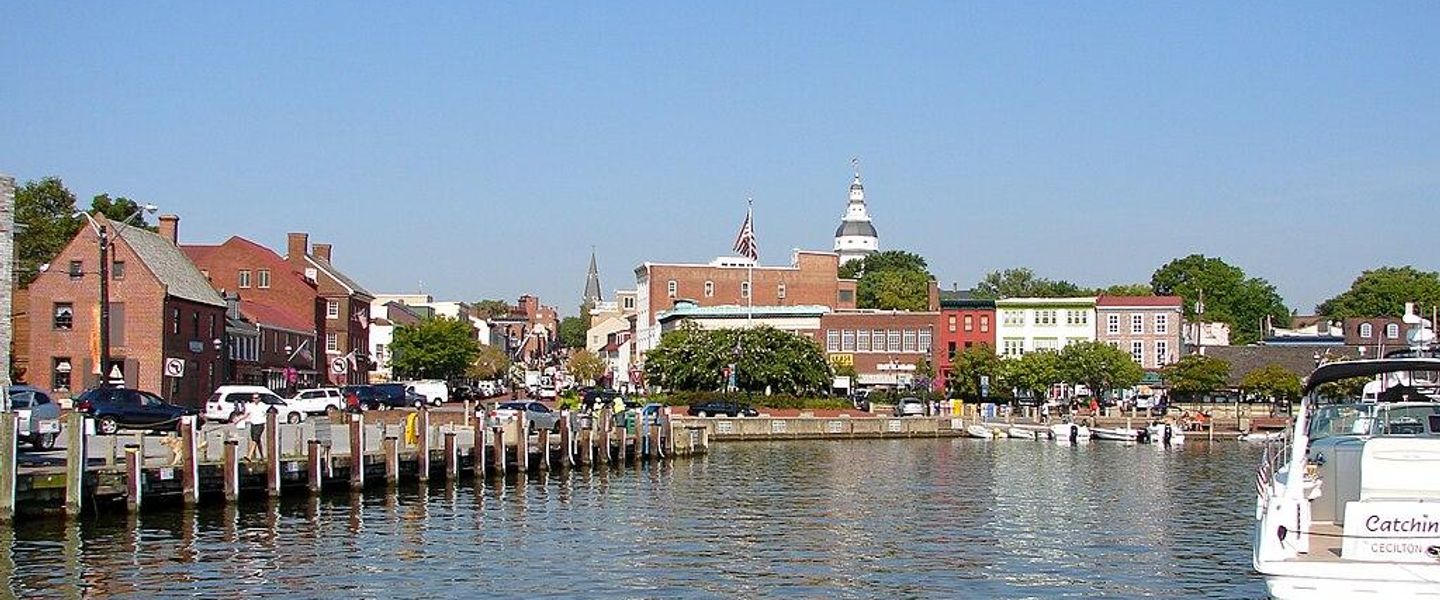


Explore Maryland’s Chesapeake Bay Area for historic ports, sailing towns, tidal marshes, seafood traditions and distinctive waterfront landscapes.
Read more about Chesapeake Bay Area
Getting to and around Chesapeake Bay Area
How to get there
Transportation
Top city travel guides in Chesapeake Bay Area
The cities of Chesapeake Bay Area, and the easiest places to base yourself.
-

-

-

-

-

-


Swipe for more cities
Destinations in Chesapeake Bay Area
Resorts, valleys and scenic spots worth a trip of their own.
-
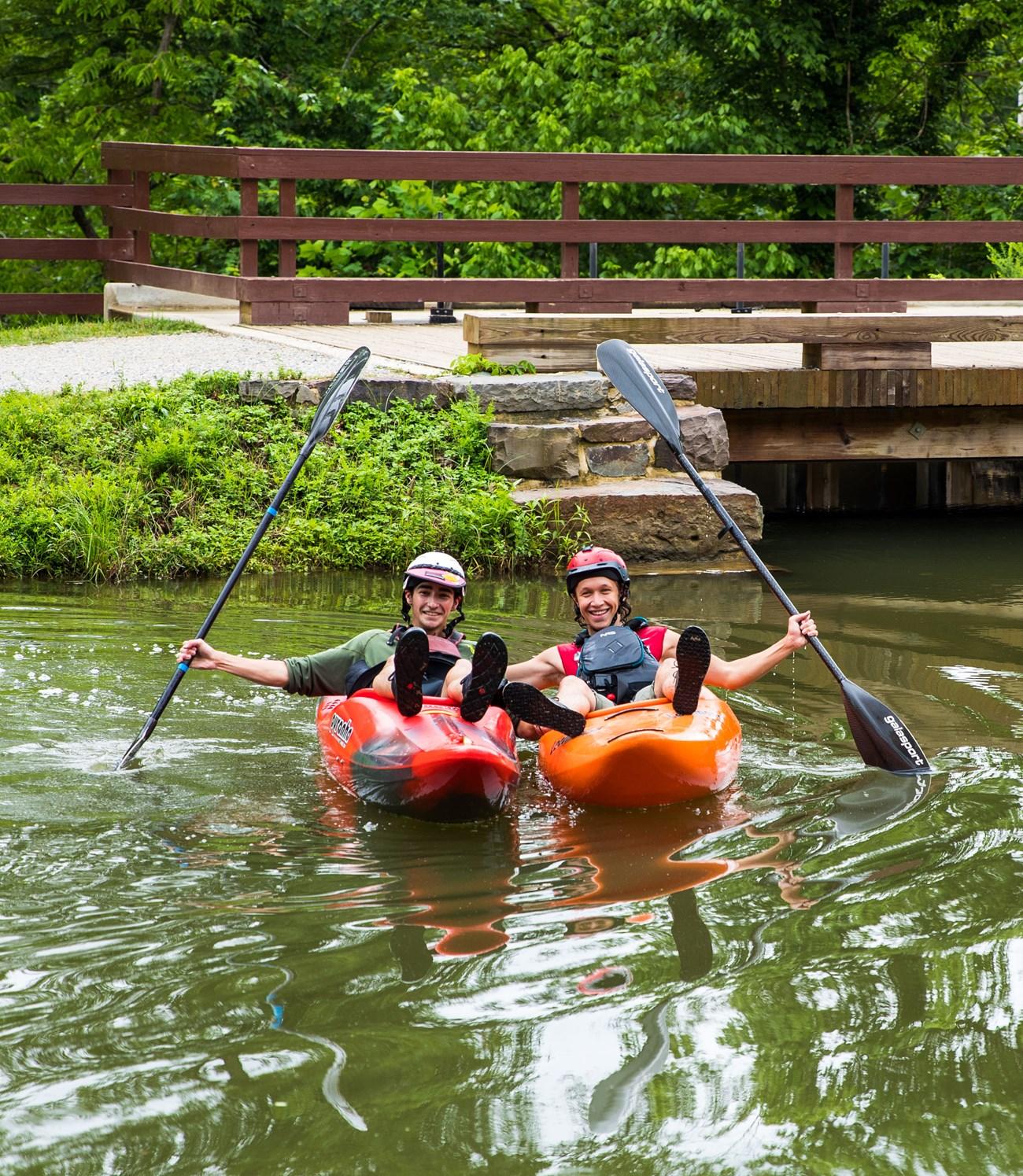 C&O Canal National Historical Park
Discover the blend of history and nature at C&O Canal National Historical Park, where miles of scenic towpath and historical landmarks await your exploration.
-

-

-

-

-


Swipe for more destinations
Best attractions in Chesapeake Bay Area
The Chesapeake Bay Area offers a varied mix of waterfront heritage, wildlife habitat and outdoor recreation rather than one concentrated resort district. Annapolis combines colonial streets, the Maryland State House, harbour walks and the United States Naval Academy, while Baltimore provides major museums, an urban waterfront and maritime history around its Inner Harbor and Fort McHenry. On the Eastern Shore, the Chesapeake Bay Maritime Museum in St Michaels explains boatbuilding, navigation and the lives of watermen, and historic towns such as Chestertown and Cambridge provide architectural and cultural interest. Nature is equally important: Blackwater National Wildlife Refuge protects tidal marshes used by migratory birds, while Calvert Cliffs State Park combines woodland trails, fossil-bearing cliffs and a bay beach. Sandy Point State Park offers a western-shore setting for swimming, boating and views towards the Bay Bridge. Kayaking, sailing, fishing, birdwatching and cycling reveal the region at a slower pace, although tides, weather and seasonal insects should be taken seriously.
-
Aquarium
National Aquarium
Explore the National Aquarium in Baltimore, a captivating journey through marine life with stunning exhibits and educational experiences for all ages.
-
Tourist attraction
Ocean City Boardwalk
Discover the enchanting Ocean City Boardwalk, a lively destination in Maryland filled with entertainment, dining, and beautiful ocean views.
-
Theme park
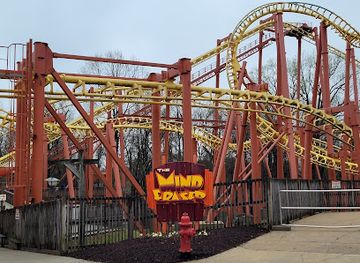
Six Flags America
Experience the thrills of Six Flags America, where adventure meets family fun in the heart of Maryland's premier theme park.
-
Tourist attraction
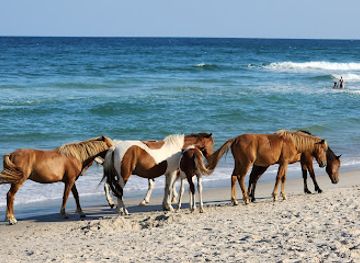
Assateague Island National Seashore
Experience the natural wonders of Assateague Island National Seashore, where wild ponies roam free and pristine beaches await your discovery.
Best landmarks in Chesapeake Bay Area
The Chesapeake Bay Bridge is one of Maryland’s most recognisable structures, spanning the bay between Anne Arundel County and the Eastern Shore and symbolising the physical and economic connection between the two sides. Annapolis’s Maryland State House, with its historic dome, and the surrounding eighteenth-century streets form one of the region’s most important architectural ensembles. The United States Naval Academy adds a distinctive institutional presence beside the harbour. In Baltimore, Fort McHenry occupies a strategic point at the entrance to the city’s harbour and is associated with the events that inspired the United States national anthem. The lighthouses and working vessels preserved at the Chesapeake Bay Maritime Museum evoke an older navigational landscape, while the tall cliffs at Calvert Cliffs State Park are a natural landmark shaped by erosion and renowned for marine fossils. Blackwater’s broad marshes provide a less monumental but equally characteristic Chesapeake landscape, defined by open water, reeds, tidal channels and migrating birds.
-
Park
Quiet Waters Park
Discover the natural beauty and recreational charm of Quiet Waters Park in Annapolis, a perfect blend of serenity and family fun with trails and an ice skating rink.
-
Park
Jonas and Anne Catharine Green Park
Explore the serene beauty of Jonas and Anne Catharine Green Park in Annapolis, Maryland, offering stunning views, walking trails, and family-friendly amenities.
-
Hotel
Historic Inns of Annapolis
Discover the charm and history of Annapolis at the Historic Inns, where modern comfort meets timeless elegance in Maryland's capital.
-
Memorial park
Maryland World War II Memorial
Visit the Maryland World War II Memorial: A serene park honoring the bravery of Maryland veterans with stunning landscapes and reflective sculptures.


Explore Chesapeake Bay Area on the map
Plan your trip on one map. See where the top cities, national parks and sights are, and book hotels and experiences in a few clicks.
Best hotels in Chesapeake Bay Area
Best restaurants in Chesapeake Bay Area
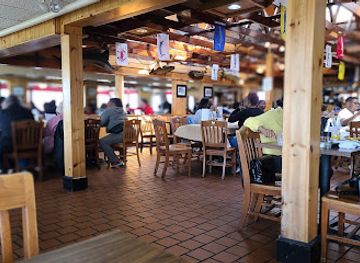
Maryland’s Chesapeake dining identity is closely tied to blue crab, oysters, striped bass and other seafood, with preparations ranging from steamed crab seasoned with regional spice blends to fried fish, crab cakes and oyster dishes. Waterfront restaurants, crab houses, marina cafés and traditional pubs are common in larger shore communities, while Baltimore and Annapolis provide a broader range of contemporary American, international and chef-led cooking. The Eastern Shore also contributes vegetables, fruit, poultry and grains from its agricultural landscape, and farm stands are useful for seasonal produce. Local breweries and distilleries appear alongside established American beer and spirits, while bakeries and cafés serve the practical food culture of market towns. Menus vary with season, catch and regulations, so visitors should not assume that every seafood dish is locally landed. Responsible sourcing is increasingly relevant as the bay’s fisheries and oyster reefs face environmental pressure.
-
Seafood
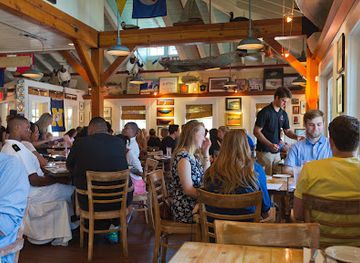
Boatyard Bar & Grill
Experience classic Chesapeake cuisine at Boatyard Bar & Grill in Annapolis - where fresh seafood meets vibrant dining.
-
Seafood
Mike's Restaurant & Crabhouse
Discover fresh seafood delights at Mike's Restaurant & Crabhouse in Riva - where local flavors meet lively tiki vibes.
-
Barbecue
The Hideaway
Experience mouthwatering barbecue and vibrant sports atmosphere at The Hideaway in Odenton, Maryland.
-
Seafood
Schaefer's Canal House
Discover fresh seafood delights at Schaefer's Canal House in Chesapeake City - where every meal is a waterfront experience.

Best bars in Chesapeake Bay Area
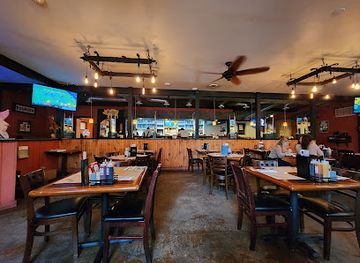
Evening life differs sharply between the region’s cities and its smaller waterfront communities. Baltimore has the broadest choice of bars, live-music venues, theatres and late-night establishments, with activity concentrated in central districts and neighbourhoods rather than across the whole bay shore. Annapolis offers historic pubs, restaurants, music venues and bars around its compact centre and harbour, drawing a strong student, naval and weekend audience. In Eastern Shore towns such as St Michaels, Cambridge and Chestertown, evenings generally centre on restaurants, taverns, breweries, wine bars and occasional live music rather than large nightclubs. Marinas and waterfront venues can be busier in summer, while rural areas become quiet earlier. Check current arrangements locally, particularly outside peak season, and treat drinking as only one part of the region’s evening culture.
-
Seafood
Boatyard Bar & Grill
Experience the best seafood in Annapolis at Boatyard Bar & Grill, where fresh flavors meet a lively atmosphere.
-
Restaurant
Chesapeake Inn Restaurant & Marina
Experience the best of Chesapeake City at Chesapeake Inn Restaurant & Marina, offering fresh seafood and live music with stunning waterfront views.
-
Seafood
The Jetty
Experience the best of seafood dining at The Jetty in Grasonville, Maryland, where fresh flavors meet breathtaking waterfront views.
-
Bar
Harris Crab House
Experience the best of Maryland seafood at Harris Crab House, renowned for its fresh crabs and stunning waterfront views.



Best nightclubs in Chesapeake Bay Area
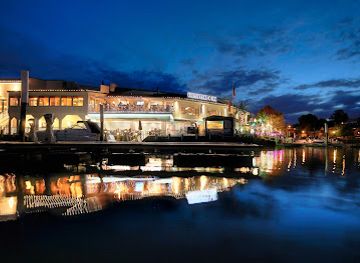
Evening life differs sharply between the region’s cities and its smaller waterfront communities. Baltimore has the broadest choice of bars, live-music venues, theatres and late-night establishments, with activity concentrated in central districts and neighbourhoods rather than across the whole bay shore. Annapolis offers historic pubs, restaurants, music venues and bars around its compact centre and harbour, drawing a strong student, naval and weekend audience. In Eastern Shore towns such as St Michaels, Cambridge and Chestertown, evenings generally centre on restaurants, taverns, breweries, wine bars and occasional live music rather than large nightclubs. Marinas and waterfront venues can be busier in summer, while rural areas become quiet earlier. Check current arrangements locally, particularly outside peak season, and treat drinking as only one part of the region’s evening culture.
-
Maritime museum
Chesapeake Bay Maritime Museum
Immerse yourself in the maritime heritage of the Chesapeake Bay at this captivating museum in St. Michaels, Maryland.
-
Grill
DRY 85
Experience the essence of grill dining at DRY 85, Annapolis' go-to spot for flavorful dishes and vibrant social atmosphere.
-
American
Level a small plates lounge
Discover the vibrant flavors of Annapolis at Level, a unique small plates lounge featuring Chesapeake-inspired cuisine and craft cocktails.
-
Pub
Stan & Joe's Saloon
Experience the heart of Annapolis at Stan & Joe's Saloon, where delicious American cuisine meets live music and vibrant sports entertainment.



Best shops in Chesapeake Bay Area
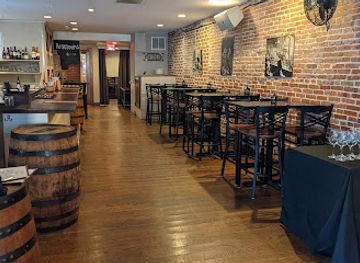
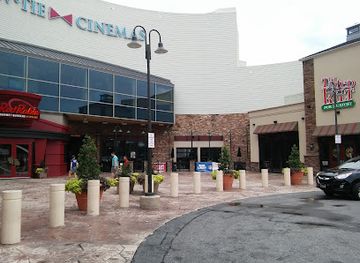
Shopping in the Chesapeake Bay Area is strongest in historic town centres, waterfront districts, independent food shops and practical maritime businesses rather than large luxury retail areas. Annapolis combines national retailers with independent boutiques, galleries, bookstores and nautical shops, while Baltimore offers extensive city retail alongside food halls and neighbourhood markets. Eastern Shore communities such as St Michaels, Chestertown and Cambridge are known for galleries, antiques, craft shops, home furnishings and locally produced food, though the range and opening patterns vary by town and season. Farm stands and farmers’ markets are useful places to find produce, preserves, honey, baked goods and other regional provisions. Seafood markets may sell crab and oysters when legally and seasonally available. Appropriate souvenirs include books about the bay, locally made ceramics, maritime artwork, textiles and responsibly sourced food products; visitors should avoid buying protected wildlife, archaeological objects or unverified historic artefacts.
-
Shopping mall
Annapolis Mall
Explore Annapolis Mall, Maryland's prime shopping destination with a mix of stores, dining, and entertainment for an unforgettable retail experience.
-
Shopping mall
Westfield Annapolis Mall
Explore the ultimate shopping destination in Annapolis, where fashion meets dining and entertainment at Westfield Annapolis Mall.
-
Shopping mall
Greenbrier Mall
Discover the ultimate shopping experience at Greenbrier Mall in Chesapeake, Virginia - where style meets community in a vibrant retail paradise.
-
Shopping mall
Annapolis Town Center
Explore Annapolis Town Center: A premier shopping mall with diverse stores, dining options, and vibrant community events in Maryland.


Get your free copy of our complete guide to Chesapeake Bay Area, delivered straight to you.
Everything on this page, from attractions and restaurants to essentials and local phrases, in one PDF you can read offline, print or share.
Already have an account? Sign in
Your Chesapeake Bay Area guide is ready.
We'll send it to · Not you? Sign out

Getting your guide ready…
We are putting together a fresh copy of the Chesapeake Bay Area guide. This can take up to a minute.
This can take a few moments. If your browser asks, choose Allow so the download can start. You'll find the guide in your Downloads folder.
Nothing happened? Download it again
Sorry, the guide is taking longer than usual. Please try again in a minute, or get it by email instead.
Chesapeake Bay Area essentials
Currency and Payment
Safety
Emergency Situations
Do's and Don'ts
Local Tips
From Eve
Local phrases worth knowing
You don't need to get them perfect. A few words go a long way, and locals appreciate the effort.
Basics
| English | Local | Say it |
|---|---|---|
| Hello | Howdy | [Haudi] |
| Goodbye | See ya | [See ya] |
| Yes | Yup | [Yup] |
| No | Nah | [Nah] |
| Please/You're welcome | No problem | [No prob-lem] |
| Thank you | Thanks a lot | [Thanks a lot] |
| Excuse me/Sorry | Pardon me | [Par-don me] |
| How are you? | How ya doin'? | [How ya doin'?] |
| Fine. And you? | Good. And you? | [Good. And you?] |
| Do you speak English? | You speakin' English? | [You speak-in' English?] |
| I don't understand | I ain't gettin' it | [I ain't gettin' it] |
Eating & Drinking
| English | Local | Say it |
|---|---|---|
| I'd like to see the menu, please | Can I see the menu? | [Can I see the men-u?] |
| I don't eat meat | I'm a vegetarian | [I'm a ve-ge-ta-rian] |
| Cheers! | Cheers! | [Cheers!] |
| I would like to pay, please | Can I get the check? | [Can I get the check?] |
Emergencies
| English | Local | Say it |
|---|---|---|
| Help! | Help! | [Help!] |
| Go away! | Get lost! | [Get lost!] |
| Call the Police! | Call the cops! | [Call the cops!] |
| Call a doctor! | Get a doc! | [Get a doc!] |
| I'm lost | I can't find my way | [I can't find my way] |
| I'm ill | I'm feelin' sick | [I'm feelin' sick] |
Shopping
| English | Local | Say it |
|---|---|---|
| I'd like to buy... | I wanna buy... | [I wanna buy...] |
| I'm just looking | Just browsin' | [Just browsin'] |
| How much is it? | What's the price? | [What's the price?] |
| That's too expensive | That's way too pricey | [That's way too pricey] |
| Can you lower the price? | Can ya cut me a deal? | [Can ya cut me a deal?] |
Time & Numbers
| English | Local | Say it |
|---|---|---|
| What time is it? | What time ya got? | [What time ya got?] |
| It's one o'clock | It's one o'clock | [It's one o'clock] |
| Half past (10) | Half past ten | [Half past ten] |
| Morning | Mornin' | [Mornin'] |
| Afternoon | Afternoon | [Afternoon] |
| Evening | Evenin' | [Evenin'] |
| Yesterday | Yesterday | [Yesterday] |
| Today | Today | [Today] |
| Tomorrow | Tomorrow | [Tomorrow] |
| 1 | One | [One] |
| 2 | Two | [Two] |
| 3 | Three | [Three] |
| 4 | Four | [Four] |
| 5 | Five | [Five] |
| 6 | Six | [Six] |
| 7 | Seven | [Seven] |
| 8 | Eight | [Eight] |
| 9 | Nine | [Nine] |
| 10 | Ten | [Ten] |
Transport & Directions
| English | Local | Say it |
|---|---|---|
| Where's a/the...? | Where's the nearest...? | [Where's the nearest...?] |
| What's the address? | What's the address? | [What's the address?] |
| Can you show me (on the map)? | Can ya point it out? | [Can ya point it out?] |
| When's the next (bus)? | When's the next bus? | [When's the next bus?] |
| A ticket (to ....) | A ticket to ... | [A ticket to ...] |
History of Chesapeake Bay Area
Indigenous Chesapeake Communities
Long before European settlement, the Chesapeake Bay supported Indigenous communities whose economies combined fishing, shellfishing, hunting and agriculture. Algonquian-speaking peoples, including the Nanticoke and Piscataway, lived around the bay and its tributaries, using established routes across the water and managing relationships with coastal environments. Archaeological evidence of camps, shell middens and tools records this deep history. European colonisation disrupted Indigenous societies through disease, land dispossession, warfare and changing trade networks, although Indigenous communities and descendants remain part of Maryland’s living history.
Colonial Maryland and the Bay’s Port Economy
Maryland was established as an English colony in the seventeenth century, and the Chesapeake quickly became the principal system for settlement, communication and trade. Tobacco cultivation encouraged the growth of plantations and port towns, while enslaved African labour became central to the colonial economy. Annapolis developed as a political and commercial centre, and rivers provided access to farms and plantations far inland. The surviving streets and buildings of Annapolis, along with historic Eastern Shore towns, reflect the colony’s maritime connections and its sharply unequal social order.
The Revolutionary Era and Annapolis
The Chesapeake played an important role during the American Revolution as a route for commerce, troop movement and political communication. Annapolis served as the temporary capital of the United States from 1783 to 1784, and the Maryland State House remains associated with that period. George Washington resigned his military commission there in December 1783, an event often interpreted as a significant assertion of civilian authority. Revolutionary-era prosperity also left a substantial architectural legacy in Annapolis and several older Eastern Shore communities.
Baltimore, Maritime Trade and the War of 1812
Baltimore expanded rapidly in the late eighteenth and early nineteenth centuries as a port connected to Atlantic trade, shipbuilding and coastal commerce. During the War of 1812, the city resisted a British attack in 1814. The bombardment of Fort McHenry inspired Francis Scott Key to write the poem that became the words of the United States national anthem. Baltimore’s harbour, fortifications and waterfront industries helped establish the northern Chesapeake as an important centre of American commercial and military history.
Watermen, Agriculture and Chesapeake Industries
For centuries, the bay’s rivers and shallow waters supported communities of watermen who harvested oysters, crabs and fish. The seafood economy developed alongside tobacco, grain and livestock farming on the Eastern Shore and western-shore peninsulas. Steamboats, railways and improved roads linked rural wharves with Baltimore and other markets. Boatbuilding traditions, skipjacks and working harbours remain visible reminders of this economy, although overfishing, pollution, habitat loss and changing regulation have transformed the commercial relationship between communities and the bay.
Conservation and the Modern Chesapeake
During the twentieth century, urban growth, agricultural runoff, industrial pollution and habitat loss placed increasing pressure on the bay. Maryland’s establishment of protected landscapes, wildlife refuges and environmental programmes formed part of a wider regional effort to restore water quality and wetlands. Blackwater National Wildlife Refuge, state parks and living-shoreline projects illustrate the modern emphasis on habitat protection. Today, conservation coexists with shipping, tourism, fishing, farming and residential development, making stewardship an important part of the region’s contemporary identity.
Chesapeake Bay Area in Photos
Browse through our photo collection highlighting the charm and character of the destination.
Neighbouring regions of Chesapeake Bay Area
The closest regions to Chesapeake Bay Area, if you have time for more than one.
-

-

-

-

-


Swipe for more regions
Explore more

Explore more of Maryland
Discover Maryland, where coastal charm meets rich history and outdoor adventure. Experience the best of the East Coast in this small but diverse state.
Explore Maryland