

Free Baltimore Metropolitan Area Travel Guide & Mobile App
Explore Baltimore Metropolitan Area with free travel guides. Discover regional history, expert tips, proposed trips, and audio guides on web or mobile app.


Explore the Baltimore Metropolitan Area for harbour museums, historic neighbourhoods, Chesapeake food, art, parks and Maryland’s varied urban landscapes.
Read more about Baltimore Metropolitan Area
When is the best time to visit Baltimore Metropolitan Area?
Best: May–June, September · 23–28°C| Month | High (°C) | Rainfall (mm) |
|---|---|---|
| January | 5 | 79 |
| February | 7 | 73 |
| March | 12 | 90 |
| April | 18 | 83 |
| May (best) | 23 | 92 |
| June (best) | 28 | 92 |
| July | 31 | 98 |
| August | 30 | 95 |
| September (best) | 26 | 87 |
| October | 19 | 73 |
| November | 13 | 78 |
| December | 7 | 81 |
Getting to and around Baltimore Metropolitan Area
How to get there
Transportation
Top city travel guides in Baltimore Metropolitan Area
The cities of Baltimore Metropolitan Area, and the easiest places to base yourself.
-

-

-

-

-

-


Swipe for more cities
Destinations in Baltimore Metropolitan Area
Resorts, valleys and scenic spots worth a trip of their own.
-
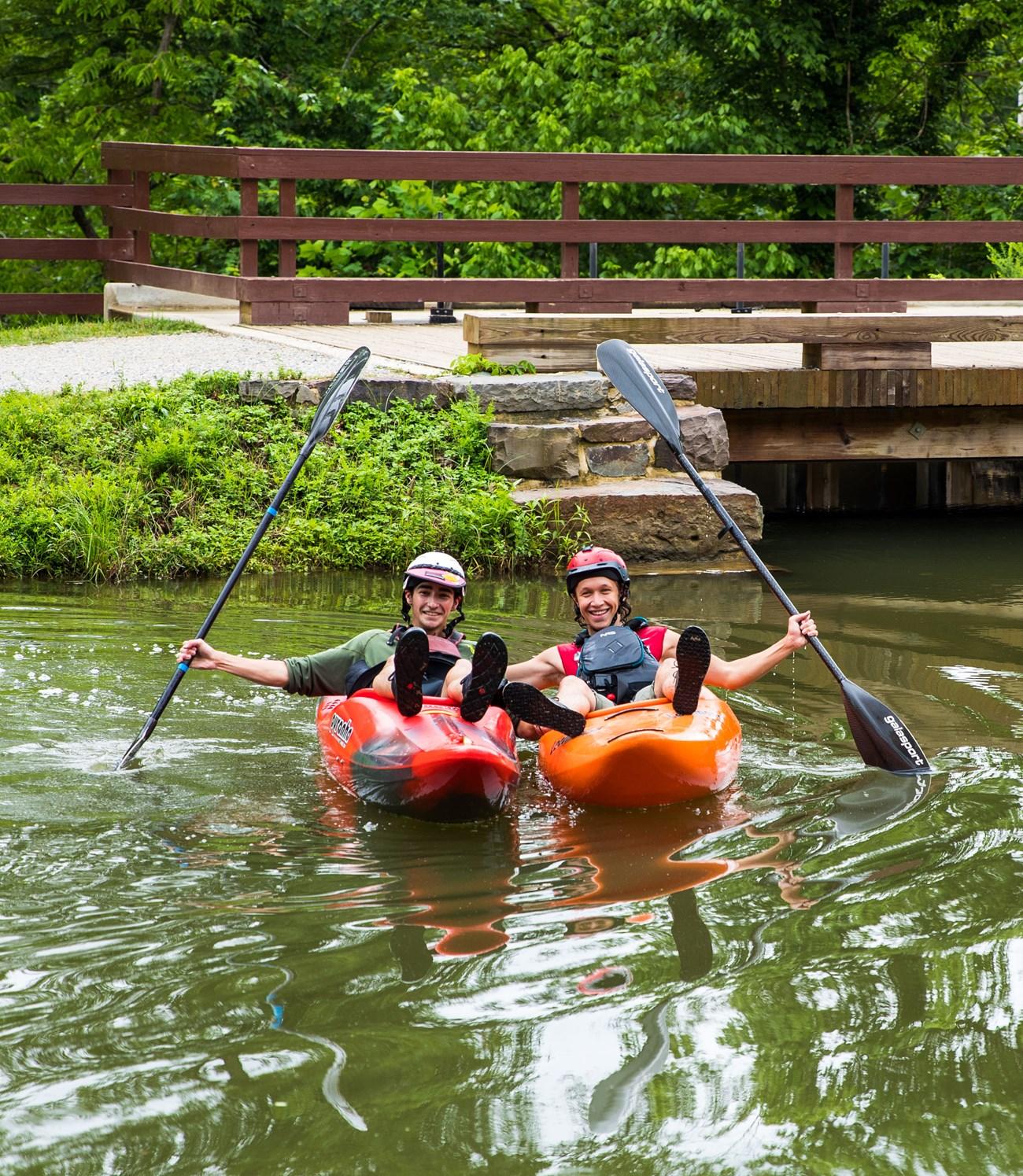 C&O Canal National Historical Park
Discover the blend of history and nature at C&O Canal National Historical Park, where miles of scenic towpath and historical landmarks await your exploration.
-

-

-

-

-


Swipe for more destinations
Best attractions in Baltimore Metropolitan Area
The Baltimore Metropolitan Area offers a layered mixture of urban museums, maritime history, green space and day trips. In Baltimore, the Inner Harbor brings together the National Aquarium, science and maritime attractions, while the nearby Maryland Science Center and Port Discovery Children’s Museum appeal to families. The Baltimore Museum of Art, Walters Art Museum and American Visionary Art Museum provide contrasting perspectives on European, American and self-taught art. Historic districts such as Fell’s Point and Mount Vernon are attractions in their own right, with eighteenth- and nineteenth-century buildings, churches and streetscapes. Fort McHenry presents the harbour’s military history from its waterfront setting. Beyond the city, Patapsco Valley State Park offers wooded trails and river scenery, while Gunpowder Falls State Park extends across varied landscapes north and east of Baltimore. Historic Annapolis is a nearby metropolitan excursion in Anne Arundel County, and the wider region also includes rural parks, country estates, farm markets and Chesapeake tributaries suited to paddling, birdwatching and boating. The attraction landscape is strongest when approached as a series of distinct districts and landscapes rather than one compact sightseeing zone.
-
Aquarium
National Aquarium
Discover the breathtaking marine ecosystems at the National Aquarium in Baltimore, where adventure meets conservation.
-
Stadium
Oriole Park at Camden Yards
Discover the excitement of baseball at Oriole Park at Camden Yards, an iconic stadium in Baltimore blending history, charm, and unforgettable experiences.
-
Stadium
M&T Bank Stadium
Experience the thrill of NFL games at M&T Bank Stadium, the heart of Baltimore's sporting culture and home of the Ravens.
-
Stadium
Camden Yards
Explore Camden Yards, an iconic baseball stadium in Baltimore, known for its vibrant atmosphere, stunning architecture, and delicious local cuisine.


Best landmarks in Baltimore Metropolitan Area
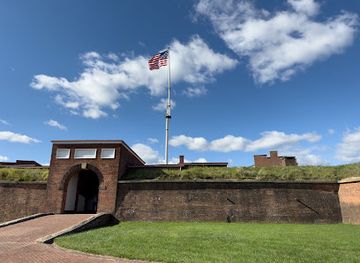
Baltimore’s most recognisable landmark is Fort McHenry, the star-shaped harbour fort associated with the defence of Baltimore during the War of 1812 and the writing of the American national anthem. The Washington Monument in Mount Vernon, completed in the nineteenth century, anchors one of the city’s most important historic squares and predates the better-known monument in Washington, D.C. The Basilica of the National Shrine of the Assumption of the Blessed Virgin Mary, designed by Benjamin Henry Latrobe, is a major work of early American architecture. The historic rowhouses of Fell’s Point and Federal Hill provide a strong visual record of the port city’s commercial expansion, while the Bromo Seltzer Arts Tower is a distinctive survivor of Baltimore’s industrial-era skyline. The Francis Scott Key Bridge once stood at the harbour entrance, but it collapsed in 2024 and should not be presented as an existing visitor landmark. Beyond Baltimore, the Chesapeake-facing waterfronts and historic streets of Annapolis, together with the wooded Patapsco and Gunpowder valleys, extend the metropolitan area’s landmark landscape from built heritage to river country.
-
Aquarium
National Aquarium
Explore the National Aquarium in Baltimore, a mesmerizing journey through aquatic ecosystems and a vital hub for marine conservation.
-
Historical landmark
Fort McHenry National Monument and Historic Shrine
Explore the rich history of Fort McHenry, a national treasure that inspired the national anthem and offers scenic views and engaging exhibits.
-
State park
Gunpowder Falls State Park Hammerman Area
Explore the untouched beauty of Gunpowder Falls State Park Hammerman Area, Maryland's premier state park with scenic trails, a public beach, and captivating nature.
-
Historical landmark
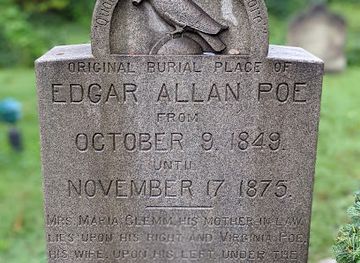
Edgar Allan Poe's Grave
Visit the serene resting place of Edgar Allan Poe, a historic landmark that celebrates the legacy of America's master of macabre literature.


Explore Baltimore Metropolitan Area on the map
Plan your trip on one map. See where the top cities, national parks and sights are, and book hotels and experiences in a few clicks.
Best hotels in Baltimore Metropolitan Area
Best restaurants in Baltimore Metropolitan Area
Food in the Baltimore Metropolitan Area reflects the Chesapeake, the port and the city’s working neighbourhoods. Maryland blue crab and crab cakes are the best-known regional specialities, while oysters, rockfish and other seafood appear on menus according to season and supply. In Baltimore, traditional taverns, seafood houses, neighbourhood restaurants and contemporary dining rooms coexist with bakeries and casual places serving the city’s distinctive pit beef. Fells Point and other historic waterfront districts have especially varied dining, although their restaurant scenes are aimed at both visitors and local residents rather than representing a single traditional cuisine. Around Anne Arundel, Harford and Carroll counties, farm shops, produce markets, cafés and rural inns connect meals with the region’s agricultural hinterland. Local beer is widely available, and Maryland’s broader brewing culture is visible in taprooms and restaurants across the metropolitan area. Visitors should treat crab feasts and seafood meals as regional Chesapeake traditions shared with other parts of Maryland, not as customs exclusive to Baltimore.
-
Brazilian
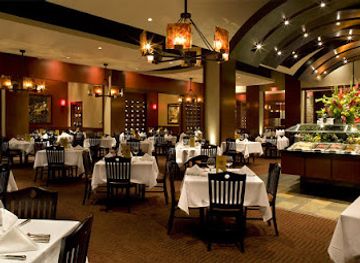
Fogo de Chão Brazilian Steakhouse
Experience the essence of Brazil at Fogo de Chão - where fire-roasted meats meet vibrant flavors in Baltimore's Inner Harbor.
-
Seafood
Nick's Fish House
Experience the best of Maryland seafood at Nick's Fish House on Baltimore Peninsula - where fresh flavors meet stunning waterfront views.
-
American
Cracker Barrel Old Country Store
Discover the charm of Southern dining at Cracker Barrel Old Country Store, where classic American comfort food meets warm hospitality.
-
Seafood
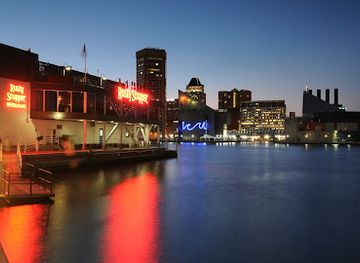
Rusty Scupper Restaurant & Bar
Experience exquisite seafood dining with stunning waterfront views at Rusty Scupper Restaurant & Bar in Baltimore's Inner Harbor.


Best bars in Baltimore Metropolitan Area
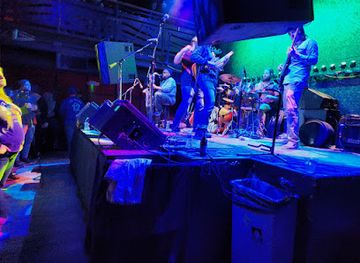
Evening life is concentrated in Baltimore rather than spread evenly across the metropolitan area. Fell’s Point has historic pubs, bars and live-music venues in former waterfront buildings, while Federal Hill, Canton, Mount Vernon and Hampden offer different combinations of neighbourhood bars, restaurants, breweries and late-evening venues. The city also supports theatre, concerts and cultural events that provide alternatives to clubbing. Nightclubs exist, but Baltimore’s strongest identity after dark lies in its varied bar, music and dining scenes rather than in one dominant club district. Outside the city, evening entertainment is generally more dispersed, with restaurants, breweries, local bars and occasional performances serving communities in Anne Arundel, Howard, Harford, Baltimore and Carroll counties. Opening arrangements and event programming change frequently, so check current information before travelling. Drink responsibly, use a planned journey home and remember that a car is often necessary in the suburban and rural parts of the region.
-
Bar
Chesapeake Inn Restaurant & Marina
Experience the best waterfront dining at Chesapeake Inn Restaurant & Marina, featuring fresh seafood, live music, and picturesque views in Chesapeake City, MD.
-
State park
Gunpowder Falls State Park Hammerman Area
Explore Gunpowder Falls State Park Hammerman Area: Nature's Playground with Trails, Beaches, and Wildlife in Maryland.
-
Bar
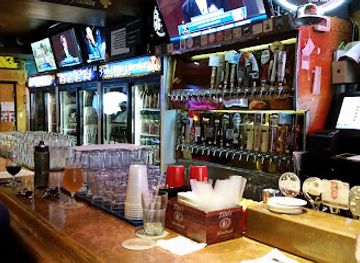
Max's Taphouse
Discover Max's Taphouse in Fells Point, Baltimore - a craft beer haven offering a diverse selection of brews and delectable cuisine in a vibrant atmosphere.
-
American
Sunset Cove
Discover Sunset Cove in Bowleys Quarters, where American cuisine meets stunning waterfront views for a perfect dining experience.



Best nightclubs in Baltimore Metropolitan Area
Evening life is concentrated in Baltimore rather than spread evenly across the metropolitan area. Fell’s Point has historic pubs, bars and live-music venues in former waterfront buildings, while Federal Hill, Canton, Mount Vernon and Hampden offer different combinations of neighbourhood bars, restaurants, breweries and late-evening venues. The city also supports theatre, concerts and cultural events that provide alternatives to clubbing. Nightclubs exist, but Baltimore’s strongest identity after dark lies in its varied bar, music and dining scenes rather than in one dominant club district. Outside the city, evening entertainment is generally more dispersed, with restaurants, breweries, local bars and occasional performances serving communities in Anne Arundel, Howard, Harford, Baltimore and Carroll counties. Opening arrangements and event programming change frequently, so check current information before travelling. Drink responsibly, use a planned journey home and remember that a car is often necessary in the suburban and rural parts of the region.
-
Night club
Melba's Place
Discover the vibrant nightlife at Melba's Place, Baltimore's premier night club and bar, where unforgettable experiences await every night.
-
Night club
The Original Cancun Cantina
Discover the electrifying nightlife at The Original Cancun Cantina, where live music, karaoke, and dancing create an unforgettable experience.
-
Adult entertainment club
Fantasies Nightclub
Dive into the electrifying nightlife at Fantasies Nightclub in Baltimore, an adult entertainment hub featuring captivating performances and vibrant atmosphere.
-
Night club
The 8x10
Experience the heart of Baltimore's nightlife at The 8x10, where live music and an electric atmosphere create unforgettable memories.

Best shops in Baltimore Metropolitan Area
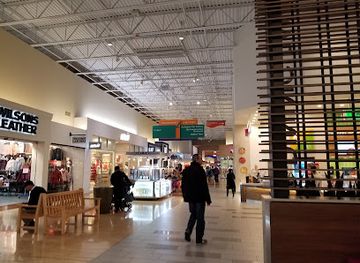
Shopping in the Baltimore Metropolitan Area ranges from city neighbourhoods and historic markets to suburban centres and rural farm shops. Lexington Market is one of Baltimore’s long-established public markets and reflects the city’s tradition of prepared food, fresh produce and everyday trading, while the surrounding downtown area has a mixture of independent shops and larger retailers. Fell’s Point, Hampden, Mount Vernon and Federal Hill are useful for locally oriented browsing, including books, clothing, design goods, antiques, art and small gifts, although individual shops change over time. The Baltimore Farmers’ Market, held seasonally beneath the Jones Falls Expressway, is a major place to find regional produce, prepared food and speciality goods when operating. In the wider region, Annapolis offers a compact historic shopping district, while suburban retail centres provide familiar national brands. Farm shops, makers’ studios, gallery goods, Chesapeake-themed food products and Maryland beer make more meaningful souvenirs than generic harbour merchandise. Market days and seasonal operations should be checked before making a special journey.
-
Shopping mall
Arundel Mills
Discover a world of shopping, dining, and entertainment at Arundel Mills, Maryland's largest outlet shopping center.
-
Gift shop
Total Wine & More
Discover an unparalleled selection of wines, beers, and spirits at Total Wine & More in Laurel, MD, your ultimate beverage destination.
-
Department store
Walmart Supercenter
Explore the Walmart Supercenter in Dundalk for unbeatable prices on groceries, clothing, electronics, and more—all in one convenient location.
-
Shopping mall
The Shops at Canton Crossing
Discover The Shops at Canton Crossing in Baltimore: A vibrant shopping mall with diverse stores, dining options, and entertainment for every visitor.


Get your free copy of our complete guide to Baltimore Metropolitan Area, delivered straight to you.
Everything on this page, from attractions and restaurants to essentials and local phrases, in one PDF you can read offline, print or share.
Already have an account? Sign in
Your Baltimore Metropolitan Area guide is ready.
We'll send it to · Not you? Sign out

Getting your guide ready…
We are putting together a fresh copy of the Baltimore Metropolitan Area guide. This can take up to a minute.
This can take a few moments. If your browser asks, choose Allow so the download can start. You'll find the guide in your Downloads folder.
Nothing happened? Download it again
Sorry, the guide is taking longer than usual. Please try again in a minute, or get it by email instead.
Baltimore Metropolitan Area essentials
Currency and Payment
Safety
Emergency Situations
Do's and Don'ts
Local Tips
From Eve
Local phrases worth knowing
You don't need to get them perfect. A few words go a long way, and locals appreciate the effort.
Basics
| English | Local | Say it |
|---|---|---|
| Hello | Hey | [Heh] |
| Goodbye | See ya | [See yah] |
| Yes | Yeah | [Yeh] |
| No | Nah | [Nah] |
| Please/You're welcome | No problem | [No prob-lem] |
| Thank you | Thanks | [Thangs] |
| Excuse me/Sorry | Excuse me | [Ex-cuse me] |
| How are you? | How ya doin'? | [How yah doin'?] |
| Fine. And you? | Good. You? | [Good. You?] |
| Do you speak English? | You speakin' English? | [Yoo speakin' Ing-lish?] |
| I don't understand | I don’t get it | [I don't get it] |
Eating & Drinking
| English | Local | Say it |
|---|---|---|
| I'd like to see the menu, please | Can I see the menu? | [Can I see the men-u?] |
| I don't eat meat | I ain't eatin' meat | [I ain't eatin' meat] |
| Cheers! | Cheers! | [Cheers!] |
| I would like to pay, please | Can I get the check? | [Can I get the check?] |
Emergencies
| English | Local | Say it |
|---|---|---|
| Help! | Help! | [Help!] |
| Go away! | Get lost! | [Get lost!] |
| Call the Police! | Call the cops! | [Call the cops!] |
| Call a doctor! | Get a doctor! | [Get a doctor!] |
| I'm lost | I’m lost | [I’m lost] |
| I'm ill | I ain't feelin' good | [I ain't feelin' good] |
Shopping
| English | Local | Say it |
|---|---|---|
| I'd like to buy... | I wanna buy... | [I wanna buy...] |
| I'm just looking | Just lookin' | [Just lookin'] |
| How much is it? | What’s the price? | [What’s the price?] |
| That's too expensive | That's too pricey | [That's too pricey] |
| Can you lower the price? | Can you make it cheaper? | [Can you make it cheaper?] |
Time & Numbers
| English | Local | Say it |
|---|---|---|
| What time is it? | What time is it? | [What time is it?] |
| It's one o'clock | It's 1 o'clock | [It's 1 o'clock] |
| Half past (10) | Half past 10 | [Half past 10] |
| Morning | Mornin' | [Mornin'] |
| Afternoon | Afternoon | [Afternoon] |
| Evening | Evenin' | [Evenin'] |
| Yesterday | Yesterday | [Yesterday] |
| Today | Today | [Today] |
| Tomorrow | Tomorrow | [Tomorrow] |
| 1 | 1 | [1] |
| 2 | 2 | [2] |
| 3 | 3 | [3] |
| 4 | 4 | [4] |
| 5 | 5 | [5] |
| 6 | 6 | [6] |
| 7 | 7 | [7] |
| 8 | 8 | [8] |
| 9 | 9 | [9] |
| 10 | 10 | [10] |
Transport & Directions
| English | Local | Say it |
|---|---|---|
| Where's a/the...? | Where's the...? | [Where's the...?] |
| What's the address? | What's the address? | [What's the address?] |
| Can you show me (on the map)? | Can you point it out? | [Can you point it out?] |
| When's the next (bus)? | When’s the next bus? | [When’s the next bus?] |
| A ticket (to ....) | A ticket to... | [A ticket to...] |
History of Baltimore Metropolitan Area
Indigenous Chesapeake Communities Before European Settlement
Long before Baltimore was established, the Chesapeake region was inhabited by Algonquian-speaking peoples and other Indigenous communities who fished, hunted, farmed and travelled through the bay’s rivers and tidal wetlands. The Susquehannock were especially influential in the northern Chesapeake during the early colonial period, while Piscataway communities lived further south and west. Indigenous knowledge of waterways, seasonal resources and trade shaped the landscape encountered by European settlers, although colonial expansion brought disease, displacement and profound disruption.
Colonial Maryland and the Port of Baltimore
Maryland was founded as an English colony in the seventeenth century, and settlement gradually spread around the Chesapeake’s navigable rivers and creeks. Baltimore was laid out as a town in 1729 and developed as a port because of its access to the Patapsco River and the bay. Tobacco, grain, flour and imported goods passed through the harbour, while nearby plantations, farms and small maritime communities formed the economic background to the growing town.
The Revolution and Early American Commerce
During the American Revolution, Maryland’s port and waterways supported Continental resistance, privateering and trade. In the early United States, Baltimore grew rapidly as a commercial centre connected to the Atlantic world and the interior. Shipbuilding, flour milling and mercantile activity expanded, while the city’s position between northern and southern states gave it an important, sometimes tense political and economic role. Many of the region’s nineteenth-century waterfront districts originated in this period of commercial growth.
The War of 1812 and the Star-Spangled Banner
Baltimore was attacked by British forces in September 1814 during the War of 1812. The defence of Fort McHenry at the entrance to Baltimore harbour inspired Francis Scott Key to write the poem that became the United States national anthem. The fort, now part of Fort McHenry National Monument and Historic Shrine, remains one of the area’s most important historical sites. The episode also reflects Baltimore’s strategic importance as a fortified port.
Railways, Immigration and Industrial Expansion
Nineteenth-century railways transformed the Baltimore region by linking its port with the Ohio Valley and the American interior. The Baltimore and Ohio Railroad, founded in 1827, helped make Baltimore a major transport and manufacturing centre. Immigration fuelled population growth, and dock work, canning, shipbuilding, iron production and other industries reshaped neighbourhoods around the harbour. Brick rowhouses, churches, markets and industrial structures from this era still define much of the city’s built character.
The Civil War and Maryland’s Divided Position
Maryland remained in the Union during the American Civil War, but its slaveholding society and location between Washington, D.C., and the Confederate states made it politically divided. Baltimore experienced unrest in 1861, including a deadly clash between civilians and Union troops. The region contributed soldiers and resources to the Union war effort while its competing loyalties remained visible in public debate. Civil War history is represented at sites across the metropolitan area and nearby Maryland.
Twentieth-Century Change and the Modern Metropolitan Region
Baltimore’s traditional industries declined during the twentieth century as shipping, manufacturing and population patterns changed. Highways and suburban development expanded communities in Baltimore, Anne Arundel, Howard, Harford and Carroll counties, while institutions such as Johns Hopkins University, the University of Maryland and major medical centres strengthened the region’s education and research economy. Urban renewal altered parts of the waterfront, and later investment in museums, neighbourhoods and public spaces helped give Baltimore its present combination of historic fabric and contemporary culture.
Baltimore Metropolitan Area in Photos
Browse through our photo collection highlighting the charm and character of the destination.
Neighbouring regions of Baltimore Metropolitan Area
The closest regions to Baltimore Metropolitan Area, if you have time for more than one.
-

-
-

-
-


Swipe for more regions
Explore more

Explore more of Maryland
Discover Maryland, where coastal charm meets rich history and outdoor adventure. Experience the best of the East Coast in this small but diverse state.
Explore Maryland