

Free Eastern Shore Travel Guide & Mobile App
Explore Eastern Shore with free travel guides. Discover regional history, expert tips, proposed trips, and audio guides on web or mobile app.


Explore Maryland’s Eastern Shore for Chesapeake towns, seafood, wildlife refuges, historic houses, quiet waterways and Atlantic beaches.
Read more about Eastern Shore
When is the best time to visit Eastern Shore?
Best: May, September–October · 21–27°C| Month | High (°C) | Rainfall (mm) |
|---|---|---|
| January | 7 | 80 |
| February | 8 | 75 |
| March | 13 | 91 |
| April | 19 | 87 |
| May (best) | 24 | 94 |
| June | 29 | 96 |
| July | 31 | 102 |
| August | 31 | 104 |
| September (best) | 27 | 97 |
| October (best) | 21 | 87 |
| November | 15 | 90 |
| December | 9 | 88 |
Getting to and around Eastern Shore
How to get there
Transportation
Top city travel guides in Eastern Shore
The cities of Eastern Shore, and the easiest places to base yourself.
-

-

-

-

-

-


Swipe for more cities
Destinations in Eastern Shore
Resorts, valleys and scenic spots worth a trip of their own.
-

-
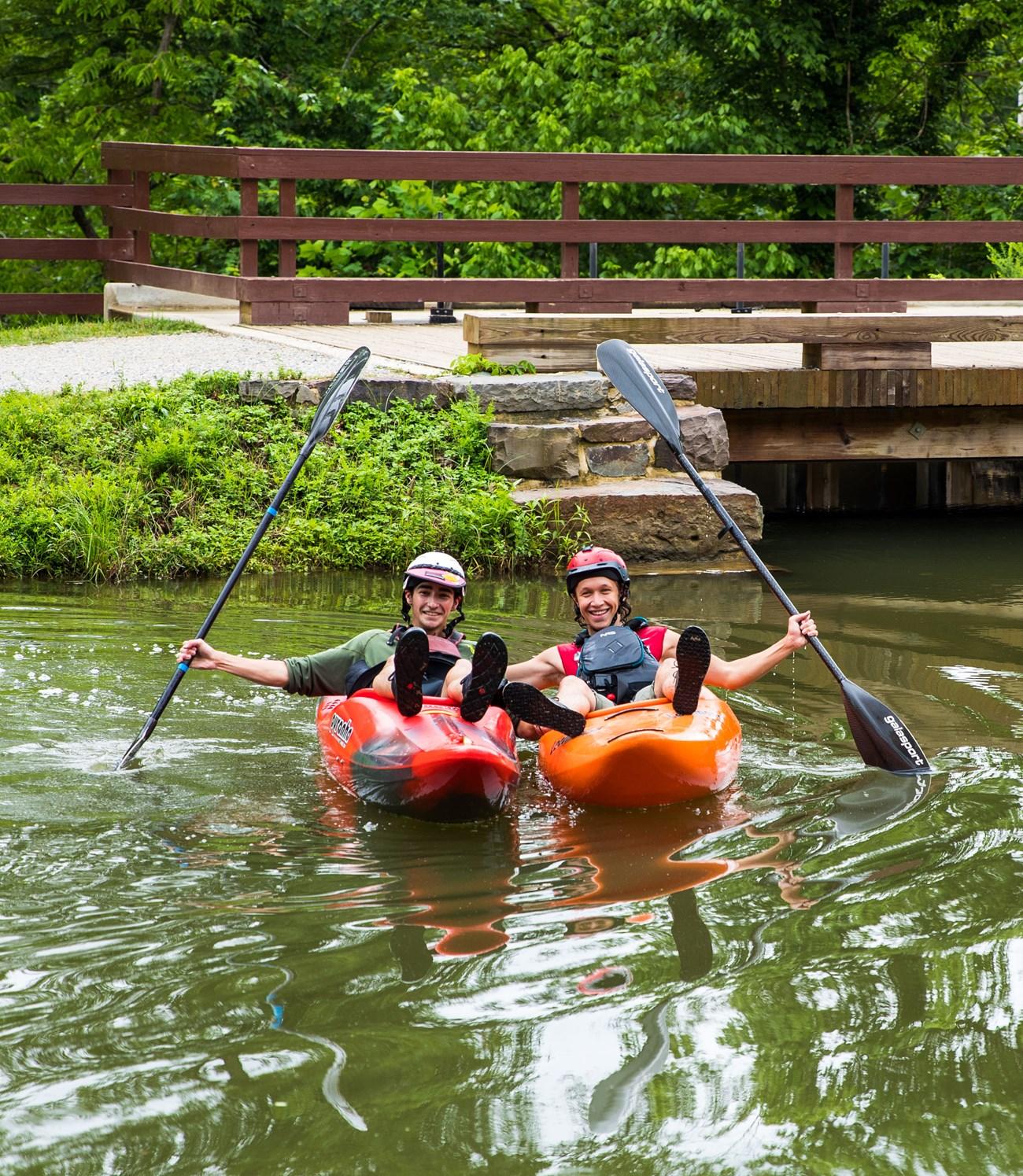 C&O Canal National Historical Park
Discover the blend of history and nature at C&O Canal National Historical Park, where miles of scenic towpath and historical landmarks await your exploration.
-

-

-

-


Swipe for more destinations
Best attractions in Eastern Shore
The Eastern Shore’s attractions are distributed across a landscape of rivers, farms, marshes and barrier beaches. Historic towns such as Chestertown, Easton, Cambridge, St Michaels and Oxford offer walkable streets, museums, galleries, waterfront parks and architectural sites that reveal the peninsula’s colonial, maritime and commercial past. Maritime museums and working harbours are particularly important in places such as St Michaels and Crisfield, where boatbuilding, fishing and Chesapeake trade remain central to local identity. Nature is equally prominent: Blackwater National Wildlife Refuge provides extensive tidal marshes and opportunities for birdwatching, while the Pocomoke River’s forests and the beaches and dunes of Assateague Island show different sides of the Shore’s ecology. Visitors can kayak on sheltered creeks, cycle through quiet agricultural districts, sail the bay or explore beaches in Worcester County. Ocean City supplies the region’s largest concentration of conventional seaside attractions, including a broad beach and busy boardwalk, while inland towns offer a quieter programme of historic houses, cultural venues and seasonal events. The result is an attraction landscape based less on one monumental sight than on the relationship between water, wildlife, settlement and working rural communities.
-
Ocean City Boardwalk
Experience the lively charm of Ocean City Boardwalk, a seaside paradise filled with attractions, dining, and unforgettable memories.
-
Assateague Island National Seashore
Discover the pristine beaches and unique wildlife of Assateague Island National Seashore, a breathtaking natural paradise in Maryland.
-
Chincoteague National Wildlife Refuge
Discover the enchanting beauty of Chincoteague National Wildlife Refuge, where diverse wildlife and pristine landscapes await your exploration.
-
Salisbury Zoological Park
Discover the wonders of wildlife at Salisbury Zoological Park, a family-friendly destination showcasing diverse species in a beautiful setting.



Best landmarks in Eastern Shore
The Eastern Shore’s landmarks express its maritime geography and layered settlement history. The historic streets of Chestertown, Easton and Cambridge contain brick and timber buildings that reflect the peninsula’s colonial port economy and later commercial growth. The Hooper Strait Lighthouse, preserved at the Chesapeake Bay Maritime Museum in St Michaels, is a recognisable reminder of the navigation system that once guided vessels through the bay, while the town’s waterfront reinforces its continuing maritime identity. The Harriet Tubman Underground Railroad National Historical Park near Church Creek interprets landscapes associated with Harriet Tubman’s life and the resistance to slavery, giving the southern Shore a landmark of national historical importance. In the natural realm, Blackwater’s broad tidal marshes form one of the region’s most distinctive landscapes, and Assateague Island’s dunes, ocean shoreline and maritime forest are among its most recognisable geographical features. Ocean City’s boardwalk and beach represent a later phase of Eastern Shore history: the rise of mass seaside tourism. Together these places show how rivers, wetlands, freedom struggles, commerce and recreation have shaped the peninsula.
-
Historical landmark
George Washington's Mount Vernon
Visit George Washington's Mount Vernon for an authentic glimpse into American history, culture, and the life of the nation's first president.
-
Tourist attraction
Ocean City Boardwalk
Discover the Ocean City Boardwalk, a vibrant coastal destination filled with shops, restaurants, and endless entertainment for the whole family.
-
Historical landmark
Thomas Jefferson Memorial
Discover the historical significance and architectural beauty of the Thomas Jefferson Memorial, a must-see monument in Washington, D.C.
-
Tourist attraction
Six Flags America
Experience unparalleled thrill and excitement at Six Flags America, where roller coasters, water slides, and entertainment await all thrill-seekers and families.


Explore Eastern Shore on the map
Plan your trip on one map. See where the top cities, national parks and sights are, and book hotels and experiences in a few clicks.
Best hotels in Eastern Shore
Best restaurants in Eastern Shore
Food on Maryland’s Eastern Shore is closely connected to the Chesapeake Bay, Atlantic inlets and fertile farmland. Blue crab is the emblematic local pleasure, commonly steamed and seasoned in Maryland style, while oysters, rockfish, clams and other seafood appear according to season and availability. Waterfront restaurants and traditional crab houses are found in larger towns, fishing communities and resort areas, but menus also include poultry, vegetables, fruit and other produce from the peninsula’s farms. Crisfield has a particularly strong commercial seafood identity, while towns such as Easton, Cambridge, St Michaels and Ocean City offer a broader mix of cafés, pubs, bakeries and contemporary dining. Farmers’ markets provide opportunities to find seasonal vegetables, fruit, preserves and baked goods, and rural inns often serve regional ingredients in a more formal setting. The wider Maryland tradition of crab feasts, seafood seasoning and casual outdoor dining is especially at home here, though visitors should not assume that every restaurant serves locally caught seafood. Ask about provenance, seasonality and preparation when choosing a dish.
-
Seafood
Nick's Fish House
Experience fresh seafood delights at Nick's Fish House—where Maryland flavors meet waterfront dining.
-
Seafood
Boatyard Bar & Grill
Experience fresh seafood and vibrant local flavors at Boatyard Bar & Grill in Annapolis - your ultimate dining destination by the water.
-
Seafood
Mike's Restaurant & Crabhouse
Discover fresh seafood delights at Mike's Restaurant & Crabhouse in Riva, MD - where great food meets a vibrant tiki bar atmosphere.
-
Seafood
Fish Tales Bar and Grill
Discover fresh seafood delights at Fish Tales Bar and Grill in Ocean City - where flavor meets stunning bay views.


Best bars in Eastern Shore
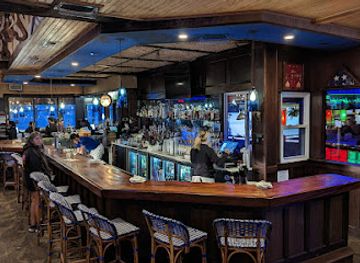
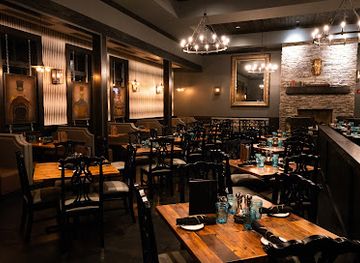
Evening life on the Eastern Shore varies sharply by location. In Chestertown, Easton, Cambridge, St Michaels and Salisbury, it generally centres on pubs, wine bars, restaurants, breweries, small music venues and cultural events rather than a large club scene. Historic inns and waterfront establishments often provide relaxed places for a drink, although the atmosphere can be seasonal and quieter outside weekends. Ocean City has the region’s most extensive nightlife, with bars, live-music venues and dance-oriented establishments concentrated around the resort and boardwalk areas, particularly during the summer holiday period. Crisfield and other working waterfront towns tend towards locally oriented restaurants, taverns and community events. Visitors should plan transport carefully after drinking because rural roads are dark and distances between towns are considerable. Checking current arrangements is sensible, as individual venues and seasonal entertainment programmes change more frequently than the underlying character of the region’s evening culture.
-
American
Fager's Island
Experience the vibrant culinary and nightlife scene at Fager's Island, Ocean City’s premier American restaurant and entertainment venue.
-
American
Brass Balls Saloon
Experience the vibrant atmosphere and delicious American cuisine at Brass Balls Saloon in Ocean City, the perfect spot for families and friends.
-
American
The Blackwall Barn & Lodge
Discover the charm of The Blackwall Barn & Lodge, where American comfort food meets rustic elegance in Gambrills, Maryland.
-
Irish pub
Shenanigan's Irish Pub
Discover Shenanigan's Irish Pub in Ocean City, MD - a lively spot for authentic Irish cuisine, drinks, and live music, perfect for tourists seeking a vibrant dining experience.


Best nightclubs in Eastern Shore
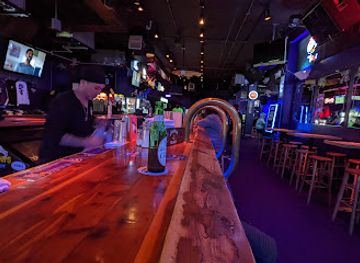
Evening life on the Eastern Shore varies sharply by location. In Chestertown, Easton, Cambridge, St Michaels and Salisbury, it generally centres on pubs, wine bars, restaurants, breweries, small music venues and cultural events rather than a large club scene. Historic inns and waterfront establishments often provide relaxed places for a drink, although the atmosphere can be seasonal and quieter outside weekends. Ocean City has the region’s most extensive nightlife, with bars, live-music venues and dance-oriented establishments concentrated around the resort and boardwalk areas, particularly during the summer holiday period. Crisfield and other working waterfront towns tend towards locally oriented restaurants, taverns and community events. Visitors should plan transport carefully after drinking because rural roads are dark and distances between towns are considerable. Checking current arrangements is sensible, as individual venues and seasonal entertainment programmes change more frequently than the underlying character of the region’s evening culture.
-
Grill
Seacrets
Experience the vibrant fusion of Caribbean cuisine and nightlife at Seacrets, Ocean City's premier grill and beach bar.
-
American
Brass Balls Saloon
Experience the heart of American dining at Brass Balls Saloon in Ocean City, MD, where great food and a lively atmosphere await every visitor.
-
Hotel
Hyatt Regency Chesapeake Bay Golf Resort, Spa And Marina
Unwind in luxury at Hyatt Regency Chesapeake Bay, where stunning views, world-class amenities, and a tranquil atmosphere await every traveler.
-
Night club
Purple Moose Saloon
Discover the lively energy of Purple Moose Saloon in Ocean City, Maryland – your go-to nightlife hotspot for great drinks and live entertainment.


Best shops in Eastern Shore
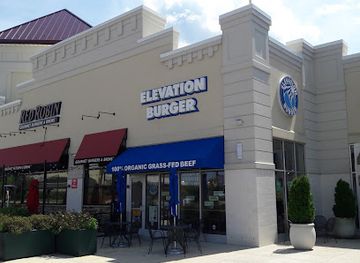
Shopping on the Eastern Shore is centred on historic high streets, independent businesses, farm stands, galleries, antiques and seasonal markets rather than a single regional shopping district. Easton combines clothing, books, art galleries, homewares and food shops with restaurants and cultural venues in an attractive historic centre, while Chestertown and Cambridge offer smaller collections of independent retailers and antiques. St Michaels and other waterfront towns are suited to browsing maritime-themed goods, crafts, artworks and locally produced food, although stock and opening patterns can vary through the year. Farmers’ markets and farm shops are useful for fruit, vegetables, preserves, baked goods and other Chesapeake-region products, especially during the growing season. Seafood markets are a practical choice for visitors with cooking facilities, but check transport and storage requirements before buying perishables. Ocean City has the broadest resort-oriented retail selection, including beachwear, souvenirs and casual shopping along the commercial waterfront. The most meaningful purchases are often edible or handmade: regional seafood, local produce, artwork, pottery, books about the Chesapeake and crafts from Eastern Shore makers.
-
Shopping mall
Waugh Chapel Towne Centre
Discover Waugh Chapel Towne Centre, a vibrant shopping mall in Gambrills, Maryland, offering diverse stores and dining options for all tastes.
-
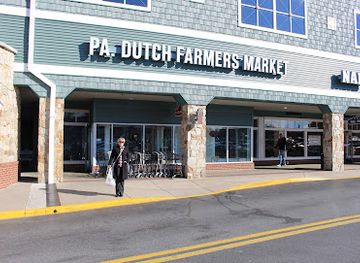
Farmers' market
Pennsylvania Dutch Farmer's Market
Discover fresh produce, artisan goods, and local flavors at the Pennsylvania Dutch Farmer's Market in Annapolis, Maryland.
-
Shopping mall
Savage Mill
Discover the historic charm of Savage Mill, a unique shopping destination that blends history, shopping, and local culture in Maryland.
-
Department store
Walmart Supercenter
Explore Walmart Supercenter in Pocomoke City for an all-in-one shopping experience, from groceries to electronics, all at affordable prices.


Get your free copy of our complete guide to Eastern Shore, delivered straight to you.
Everything on this page, from attractions and restaurants to essentials and local phrases, in one PDF you can read offline, print or share.
Already have an account? Sign in
Your Eastern Shore guide is ready.
We'll send it to · Not you? Sign out

Getting your guide ready…
We are putting together a fresh copy of the Eastern Shore guide. This can take up to a minute.
This can take a few moments. If your browser asks, choose Allow so the download can start. You'll find the guide in your Downloads folder.
Nothing happened? Download it again
Sorry, the guide is taking longer than usual. Please try again in a minute, or get it by email instead.
Eastern Shore essentials
Currency and Payment
Safety
Emergency Situations
Do's and Don'ts
Local Tips
From Eve
Local phrases worth knowing
You don't need to get them perfect. A few words go a long way, and locals appreciate the effort.
Basics
| English | Local | Say it |
|---|---|---|
| Hello | Howdy | [Hao-dee] |
| Goodbye | Take care | [Teik kehr] |
| Yes | Yup | [Yuhp] |
| No | Nah | [Nah] |
| Please/You're welcome | No problem | [Noh proh-bluhm] |
| Thank you | Thanks a bunch | [Thangs a bunsh] |
| Excuse me/Sorry | Sorry 'bout that | [Sor-ee bout that] |
| How are you? | How ya doin'? | [Hao yah doin'?] |
| Fine. And you? | I'm good. How 'bout you? | [Aim gud. Hao bout yah?] |
| Do you speak English? | You speakin' English? | [Yoo speekin' Ing-lish?] |
| I don't understand | I ain't gettin' it | [I ain't gettin' it] |
Eating & Drinking
| English | Local | Say it |
|---|---|---|
| I'd like to see the menu, please | Can I see the menu? | [Kan I see the men-yoo?] |
| I don't eat meat | I ain't eatin' meat | [I ain't eatin' meet] |
| Cheers! | Cheers! | [Cheers!] |
| I would like to pay, please | Can I get the check? | [Kan I get the chek?] |
Emergencies
| English | Local | Say it |
|---|---|---|
| Help! | Help! | [Help!] |
| Go away! | Get lost! | [Git lost!] |
| Call the Police! | Call the cops! | [Call the cops!] |
| Call a doctor! | Get a doctor! | [Git a doctor!] |
| I'm lost | I’m lost | [Aim lost] |
| I'm ill | I ain't feelin' good | [I ain't feelin' gud] |
Shopping
| English | Local | Say it |
|---|---|---|
| I'd like to buy... | I wanna buy... | [I wanna buy...] |
| I'm just looking | Just lookin' | [Just lookin'] |
| How much is it? | What's the price? | [Wuts the prahys?] |
| That's too expensive | That's a bit rich | [Thats a bit rich] |
| Can you lower the price? | Can ya bring down the price? | [Kan yah bring down the prahys?] |
Time & Numbers
| English | Local | Say it |
|---|---|---|
| What time is it? | What time ya got? | [Wut time yah got?] |
| It's one o'clock | It's one | [Its wun] |
| Half past (10) | Half past ten | [Haf past ten] |
| Morning | Mornin' | [Mornin'] |
| Afternoon | Afternoon | [Aft-ernoon] |
| Evening | Evenin' | [Evenin'] |
| Yesterday | Yesterday | [Yesturday] |
| Today | Today | [Todai] |
| Tomorrow | Tomorrow | [Tuhmorrow] |
| 1 | One | [Wun] |
| 2 | Two | [Too] |
| 3 | Three | [Three] |
| 4 | Four | [For] |
| 5 | Five | [Fiv] |
| 6 | Six | [Six] |
| 7 | Seven | [Sev-uhn] |
| 8 | Eight | [Ayt] |
| 9 | Nine | [Nin] |
| 10 | Ten | [Ten] |
Transport & Directions
| English | Local | Say it |
|---|---|---|
| Where's a/the...? | Where's the...? | [Wheres the...?] |
| What's the address? | What's the addy? | [Wut's the addy?] |
| Can you show me (on the map)? | Can ya show me on the map? | [Kan yah show me on the map?] |
| When's the next (bus)? | When's the next bus? | [Wenz the next bus?] |
| A ticket (to ....) | A ticket to... | [A tiket to...] |
History of Eastern Shore
Indigenous Landscapes before European Settlement
Long before the arrival of Europeans, the Eastern Shore was inhabited and travelled by Indigenous peoples including communities associated with the Nanticoke, Choptank and other Algonquian-speaking groups. Rivers, estuaries and forests supported fishing, hunting, gathering and agriculture, while waterways provided important routes through the peninsula. Place names and cultural legacies remain part of the region’s history, although colonial expansion, disease, warfare and land loss severely disrupted Indigenous communities. Archaeological evidence and continuing work by Native communities help illuminate a past that predates the surviving colonial towns and plantation landscapes.
Colonial Settlement and the Eastern Shore’s Waterways
English settlement expanded across the Eastern Shore during the seventeenth and eighteenth centuries, following the creation of Maryland as an English colony. Rivers and creeks were essential for movement and trade because roads were limited and often poor. Towns such as Chestertown, Easton and Cambridge developed as ports serving surrounding farms, while plantation agriculture and enslaved labour shaped the region’s economy and society. Surviving eighteenth-century buildings, churchyards, wharves and street plans reflect this period, but they should be understood alongside the experiences of Indigenous people, enslaved Africans and free Black communities.
Chestertown, Ports and the Colonial Economy
Chestertown grew around a legally established port on the Chester River and became an important centre for exporting grain, tobacco and other produce. Its historic streets preserve a concentration of eighteenth-century buildings, reflecting the town’s role in regional commerce and maritime exchange. Port towns across the Shore connected local farms with the Chesapeake Bay, the wider Atlantic world and markets in Philadelphia and beyond. The colonial economy brought wealth to some landowners while depending heavily on enslaved labour, a legacy represented in local historical interpretation as well as in the architecture of the old commercial towns.
The War of 1812 and Chesapeake Resistance
The Eastern Shore was affected by the War of 1812, when British forces operated in the Chesapeake region and attacked coastal communities and shipping. Local waterways made the peninsula strategically exposed, while residents organised militia resistance and defended towns and farms. The war’s memory is particularly associated with the broader Chesapeake campaign and with the region’s maritime communities, which supplied vessels, provisions and manpower. Sites and museums across Maryland interpret this period as part of the conflict’s local consequences rather than as an isolated battlefield story.
Agriculture, Seafood and the Rise of Transport
During the nineteenth century and into the twentieth, the Eastern Shore became increasingly connected to national markets through steamboats, railways, improved roads and expanded port facilities. Grain, fruit, poultry and vegetables joined seafood as major economic activities, while oyster dredging, fishing and crabbing supported waterfront communities such as Crisfield. Rail connections helped towns grow and transformed the movement of agricultural products. The region’s economy remained predominantly rural, but transport improvements linked its farms and fisheries to Baltimore, Philadelphia, Washington and other cities.
Black Communities, Freedom and Civil Rights
Black Marylanders have shaped the Eastern Shore’s religious, educational, agricultural, maritime and civic life from the colonial era onwards. After emancipation, African American communities established churches, schools, businesses and mutual organisations despite segregation and racial violence. In the twentieth century, local activists participated in the wider struggle for civil rights, including campaigns for educational equality and voting rights. Historic churches, cemeteries, museums and heritage projects across the Shore help document these stories, which are essential to understanding the region beyond its colonial houses and agricultural landscapes.
Modern Conservation and Coastal Tourism
The twentieth century brought major changes as agricultural mechanisation, improved highways and declining traditional fisheries altered the rural economy. At the same time, conservation initiatives protected wetlands, forests and barrier-island habitats, including Blackwater National Wildlife Refuge and Assateague Island. Ocean City expanded into a major seasonal resort, while waterfront towns increasingly combined working maritime traditions with heritage tourism, recreation and the arts. Today the region continues to balance farming, fisheries, development, wildlife protection and the effects of sea-level rise and coastal storms.
Eastern Shore in Photos
Browse through our photo collection highlighting the charm and character of the destination.
Neighbouring regions of Eastern Shore
The closest regions to Eastern Shore, if you have time for more than one.
-
-

-

-

-


Swipe for more regions
Explore more

Explore more of Maryland
Discover Maryland, where coastal charm meets rich history and outdoor adventure. Experience the best of the East Coast in this small but diverse state.
Explore Maryland