

Free Nantucket Travel Guide & Mobile App
Plan your Nantucket trip with Evendo. Get free guides to top attractions, restaurants, hotels, and bars. Web access or download the mobile app.


Nantucket blends whaling history, shingle-style architecture, Atlantic beaches and harbour-side culture with scenic walks, seafood and distinctive island character.
Harbour, History and Island Character
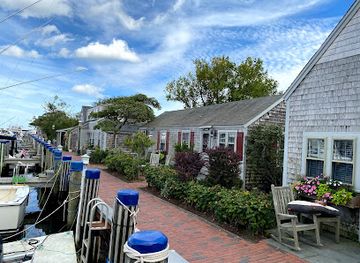
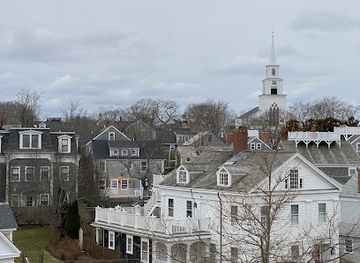
Nantucket lies about 30 miles south of Cape Cod in the Atlantic, a compact Massachusetts island shaped by wind, sand and centuries of maritime life. Its cobbled lanes, weathered grey shingles and white-painted trim give the historic centre a distinctive coherence, while the harbour remains a working focus of ferries, fishing boats, yachts and waterfront walks. The island's prosperity was once built on whaling, and the Nantucket Whaling Museum provides the clearest introduction to that era, when local ships travelled across the world's oceans in pursuit of whale oil.Read more about Nantucket
Villages, Beaches and Open Landscape
When is the best time to visit Nantucket?
Best: June–August · 23–26°C| Month | High (°C) | Rainfall (mm) |
|---|---|---|
| January | 4 | 78 |
| February | 5 | 70 |
| March | 8 | 88 |
| April | 13 | 91 |
| May | 17 | 95 |
| June (best) | 23 | 87 |
| July (best) | 26 | 81 |
| August (best) | 25 | 86 |
| September | 22 | 101 |
| October | 18 | 122 |
| November | 12 | 107 |
| December | 7 | 88 |
Getting to and around Nantucket
How to get there
Transportation
Best attractions in Nantucket
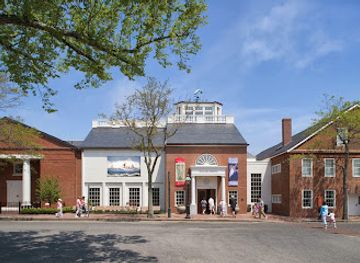
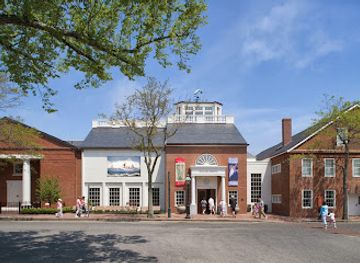
Nantucket's principal attractions unfold across a compact historic centre and a broad island landscape. The Nantucket Whaling Museum explains how the port's maritime economy shaped local society, while the cobbled streets around Main Street reveal restored houses, gardens and former merchants' premises. At the harbour, the waterfront and Brant Point Lighthouse provide an immediate sense of the island's seafaring setting. The Nantucket Shipwreck & Lifesaving Museum near Surfside examines the hazards of the surrounding shoals and the work of lifesaving crews. Beyond town, Siasconset offers flower-lined lanes and nineteenth-century cottages, and the Coskata-Coatue Wildlife Refuge combines dunes, beach and maritime habitat at the island's eastern end. Madaket's open shoreline, Cisco Beach and the protected landscapes cared for by the Nantucket Conservation Foundation add walking, wildlife observation and changing Atlantic scenery to the sightseeing experience.
-
Museum
Nantucket Whaling Museum
Discover the Nantucket Whaling Museum, where maritime history and culture come alive through fascinating exhibits and breathtaking views.
14 min drive · 4.5 km from city centre
-
Tourist attraction
Whaling Museum
Explore Nantucket's rich maritime heritage at the Whaling Museum, featuring fascinating exhibits and interactive displays that celebrate the whaling era.
14 min drive · 4.5 km from city centre
-
Tourist attraction
Nantucket Downtown Historic District
Discover the enchanting Nantucket Downtown Historic District, where history meets modern charm in a picturesque coastal setting.
14 min drive · 4.7 km from city centre
-
Beach
Madaket Beach
Experience the tranquil beauty of Madaket Beach, a serene escape on Nantucket's western shore, perfect for relaxation and stunning sunsets.
23 min drive · 7.8 km from city centre


Best landmarks in Nantucket
Nantucket's landmarks express the island's maritime wealth, religious history and carefully protected architectural character. The Nantucket Whaling Museum occupies a former candle factory and remains a major symbol of the town's nineteenth-century commercial life. Brant Point Lighthouse, at the harbour entrance, marks a dangerous and heavily travelled approach that has been lit since the colonial era, although the present tower dates from the nineteenth century. The Old Mill, built in 1746, is the only surviving smock mill among Nantucket's historic windmills and recalls the island's agricultural as well as maritime past. Quaker Meeting House reflects the importance of Friends in Nantucket society, while the cobbled streets around Main Street and the Oldest House preserve domestic architecture from the settlement period. The distinctive shingled buildings of the Historic District are collectively as important as any single monument.
-
Museum
Whaling Museum
Explore Nantucket's maritime history at the Whaling Museum, featuring fascinating exhibits and stunning views from the rooftop.
14 min drive · 4.5 km from city centre
-
Government office
Nantucket Downtown Historic District
Discover the rich maritime history and vibrant culture of Nantucket Downtown Historic District, where charming shops and historic sites await.
14 min drive · 4.7 km from city centre
-
 Hotel
HotelWhite Elephant Nantucket
Experience the epitome of luxury and charm at White Elephant Nantucket, a stunning hotel offering breathtaking views and exceptional service on this picturesque island.
13 min drive · 4.4 km from city centre
-
Bed & breakfast
Brass Lantern Inn
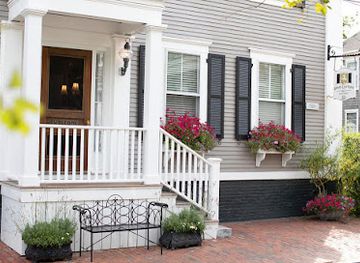
Discover the cozy elegance of Brass Lantern Inn, a charming bed & breakfast in Nantucket, perfect for your next coastal getaway.
13 min drive · 4.4 km from city centre
Explore Nantucket on the map
Plan your Nantucket trip on one map. See where the top attractions, landmarks, restaurants, bars and hotels are, find what's near where you're staying, and book hotels and experiences in a few clicks.
Best hotels in Nantucket
Best restaurants in Nantucket
Nantucket's dining identity is grounded in its Atlantic setting, with locally familiar menus built around seafood such as oysters, clams, lobster, scallops and fresh fish when available. The harbour and town centre contain the widest choice of restaurants, cafés, bakeries and takeaway counters, while Siasconset and the island's beach communities offer smaller seasonal dining scenes. New England staples, chowders, lobster rolls and fried seafood sit alongside contemporary cooking influenced by the island's affluent summer market and international visitors. Farm stands and specialist shops contribute produce, baked goods and picnic supplies, while cranberry growing remains part of Nantucket's agricultural story. Availability and opening patterns can change markedly between summer and the quieter months, so visitors should distinguish year-round businesses from seasonal establishments rather than assuming every venue operates throughout the calendar.
-
American
Millie's
Experience delicious American cuisine at Millie's in Nantucket—your go-to destination for fresh seafood and family-friendly dining.
22 min drive · 7.4 km from city centre
-
Grill
Brotherhood of Thieves
Experience delicious American cuisine at Brotherhood of Thieves in Nantucket—where every meal is a delightful adventure!
13 min drive · 4.5 km from city centre
-
American
Island Kitchen | Restaurant & Catering
Discover the culinary delights at Island Kitchen in Nantucket - your go-to spot for American cuisine, catering services & delightful ice cream.
18 min drive · 6.1 km from city centre
-
American
The Rose and Crown
Experience the best of American cuisine at The Rose and Crown – a family-friendly restaurant that transforms into a lively night club in Nantucket.
14 min drive · 4.6 km from city centre
Best bars in Nantucket
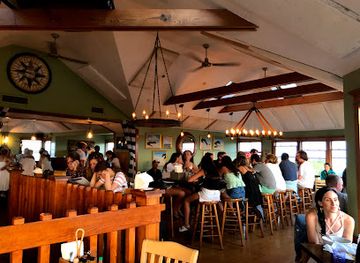
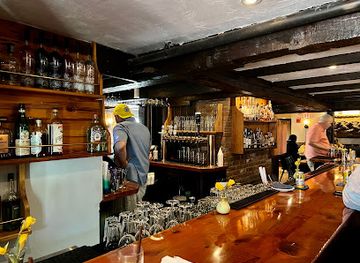
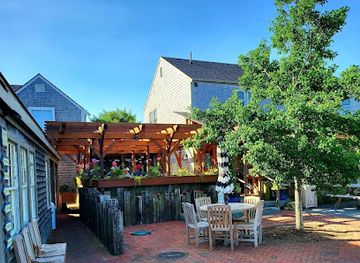
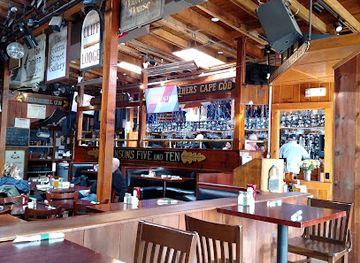
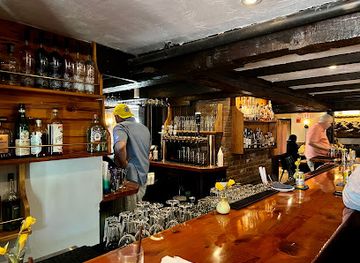
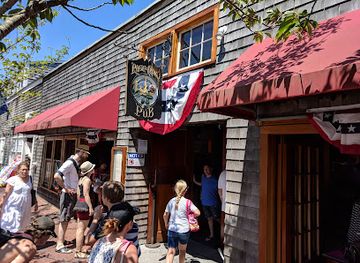
Nantucket's after-dark scene is social and seasonal rather than dominated by large nightclubs. The waterfront and historic centre contain traditional pubs, hotel bars, cocktail rooms and restaurants where evenings often begin with local seafood and continue with drinks or conversation. Summer brings the greatest choice, including live music and occasional performances, while the off-season is quieter and more community-oriented. Visitors can also find cultural evenings through theatre, music and talks associated with island institutions and seasonal events. The town centre is generally the most practical area for moving between venues on foot; outside it, taxis or a pre-arranged ride are more useful than relying on late public transport. Alcohol service follows Massachusetts law, and identification may be requested from visitors who appear under the legal drinking age.
-
Grill
Brotherhood of Thieves
Experience the best of Nantucket's culinary scene at Brotherhood of Thieves, where delicious American grill fare meets a cozy atmosphere.
13 min drive · 4.5 km from city centre
-
American
The Rose and Crown
Experience the heart of Nantucket at The Rose and Crown, where American cuisine meets vibrant nightlife in a family-friendly setting.
14 min drive · 4.6 km from city centre
-
Grill
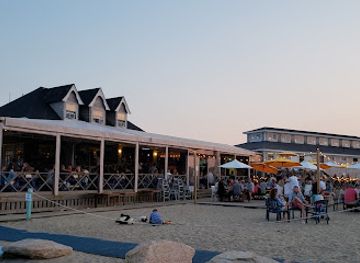
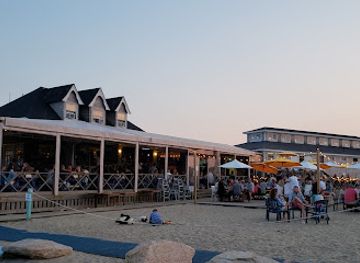
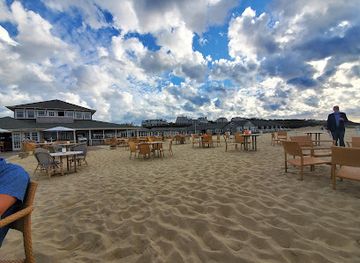
Sandbar at Jetties Beach Bar & Restaurant
Experience the best of beachside dining at Sandbar, where delicious grilled flavors meet breathtaking ocean views in Nantucket.
10 min drive · 3.3 km from city centre
-
Seafood
Cru
Experience upscale seafood dining at Cru, where exquisite flavors meet breathtaking harbor views in Nantucket.
15 min drive · 4.9 km from city centre
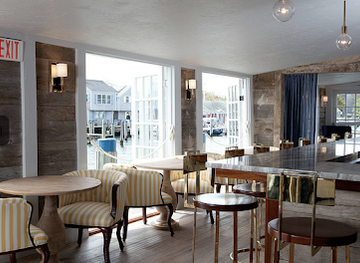
Best nightclubs in Nantucket
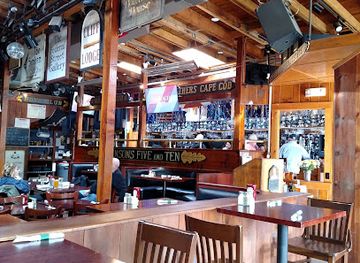
Nantucket's after-dark scene is social and seasonal rather than dominated by large nightclubs. The waterfront and historic centre contain traditional pubs, hotel bars, cocktail rooms and restaurants where evenings often begin with local seafood and continue with drinks or conversation. Summer brings the greatest choice, including live music and occasional performances, while the off-season is quieter and more community-oriented. Visitors can also find cultural evenings through theatre, music and talks associated with island institutions and seasonal events. The town centre is generally the most practical area for moving between venues on foot; outside it, taxis or a pre-arranged ride are more useful than relying on late public transport. Alcohol service follows Massachusetts law, and identification may be requested from visitors who appear under the legal drinking age.
-
American
The Rose and Crown
Experience the best of American cuisine at The Rose and Crown, Nantucket's family-friendly restaurant and sports bar with a vibrant atmosphere.
14 min drive · 4.6 km from city centre
-
Grill
Sandbar at Jetties Beach Bar & Restaurant
Discover beachside dining at the Sandbar at Jetties Beach, where fresh seafood meets stunning ocean views in a relaxed atmosphere.
10 min drive · 3.3 km from city centre
-
Seafood
Galley Beach
Galley Beach: Experience Nantucket's finest seafood dining with breathtaking ocean views and a luxurious coastal ambiance.
10 min drive · 3.2 km from city centre
-
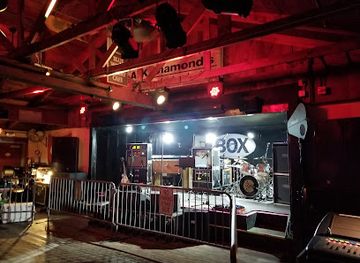
Night club
The Chicken Box
Experience the vibrant nightlife at The Chicken Box in Nantucket, a lively night club and bar perfect for dancing and socializing.
18 min drive · 6.0 km from city centre
Best shops in Nantucket
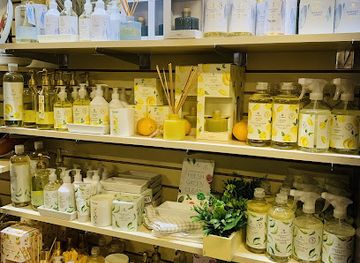
Shopping in Nantucket centres on the historic town, where narrow streets near Main Street and the waterfront are lined with independent clothing shops, galleries, jewellers, homeware stores, bookshops and food retailers. The island's visual language—weathered cedar shingles, nautical colours and maritime motifs—appears in many locally oriented goods, while galleries showcase painting, photography, ceramics and craft linked to Nantucket's light and seascapes. Visitors can also find woven textiles, handmade jewellery, nautical items and regional food products, though the island is not primarily a bargain-shopping destination. Siasconset has a smaller, village-scale selection, and seasonal markets or artists' events add variety at particular times of year. Nantucket baskets are a longstanding local craft tradition, but buyers should ask about provenance and workmanship rather than assuming every basket sold on the island was made locally.
-
Clothing store
Murray's Toggery Shop
Discover Nantucket's fashion gem at Murray's Toggery Shop, offering unique clothing and accessories for all ages in a charming island setting.
14 min drive · 4.7 km from city centre
-
Gift shop
Island Variety
Discover the charm of Nantucket at Island Variety, a delightful gift and toy shop offering unique treasures for every visitor.
23 min drive · 7.6 km from city centre
-
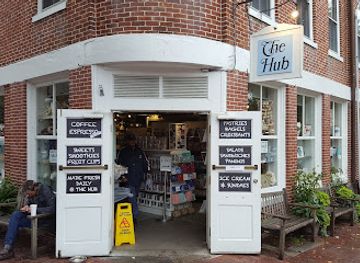
Gift shop
The Hub of Nantucket
Discover unique gifts and enjoy a cozy café experience at The Hub of Nantucket, where local charm meets delightful shopping.
14 min drive · 4.7 km from city centre
-
Clothing store
The Skinny Dip: A Summer Collective
Shop at The Skinny Dip in Nantucket for trendy summer styles that capture the spirit of coastal living. Explore unique clothing and accessories today.
15 min drive · 4.9 km from city centre


Get your free copy of our complete guide to Nantucket, delivered straight to you.
Everything on this page, from attractions and restaurants to essentials and local phrases, in one PDF you can read offline, print or share.
Already have an account? Sign in
Your Nantucket guide is ready.
We'll send it to · Not you? Sign out

Getting your guide ready…
We are putting together a fresh copy of the Nantucket guide. This can take up to a minute.
This can take a few moments. If your browser asks, choose Allow so the download can start. You'll find the guide in your Downloads folder.
Nothing happened? Download it again
Sorry, the guide is taking longer than usual. Please try again in a minute, or get it by email instead.
Nantucket essentials
Currency and Payment
Safety
Emergency Situations
Do's and Don'ts
Local Tips
From Eve
Local phrases worth knowing
You don't need to get them perfect. A few words go a long way, and locals appreciate the effort.
Basics
| English | Local | Say it |
|---|---|---|
| Hello | Howdy | [haʊ-di] |
| Goodbye | Farewell | [fɛr-wɛl] |
| Yes | Aye | [aɪ] |
| No | Nay | [neɪ] |
| Please/You're welcome | Please/You're welcome | [pliːz/jʊr ˈwɛlkəm] |
| Thank you | Thank ye | [θæŋk ji] |
| Excuse me/Sorry | Pardon/Sorry | [ˈpɑrdn/ˈsɔri] |
| How are you? | Howdy | [haʊ-di] |
| Fine. And you? | Fine. And you? | [faɪn. ænd ju] |
| Do you speak English? | Do ye speak English? | [du ji spiːk ˈɪŋɡlɪʃ] |
| I don't understand | I don't savvy | [aɪ doʊnt ˈsævi] |
Eating & Drinking
| English | Local | Say it |
|---|---|---|
| I'd like to see the menu, please | I'd like to see the menu, please | [aɪd laɪk tə siː ðə ˈmɛnjuː pliːz] |
| I don't eat meat | I don't eat meat | [aɪ doʊnt iːt mit] |
| Cheers! | Cheers! | [ʧɪrz] |
| I would like to pay, please | I would like to pay, please | [aɪ wʊd laɪk tə peɪ pliːz] |
Emergencies
| English | Local | Say it |
|---|---|---|
| Help! | Help! | [hɛlp] |
| Go away! | Go away! | [ɡoʊ əˈweɪ] |
| Call the Police! | Call the Police! | [kɔl ðə pəˈlis] |
| Call a doctor! | Call a doctor! | [kɔl ə ˈdɑktər] |
| I'm lost | I'm lost | [aɪm lɔst] |
| I'm ill | I'm ill | [aɪm ɪl] |
Shopping
| English | Local | Say it |
|---|---|---|
| I'd like to buy... | I'd like to buy... | [aɪd laɪk tə baɪ] |
| I'm just looking | I'm just looking | [aɪm ʤʌst ˈlʊkɪŋ] |
| How much is it? | How much is it? | [haʊ mʌʧ ɪz ɪt] |
| That's too expensive | That's too dear | [ðæts tuː dɪr] |
| Can you lower the price? | Can ye lower the price? | [kæn ji ˈloʊər ðə praɪs] |
Time & Numbers
| English | Local | Say it |
|---|---|---|
| What time is it? | What time is it? | [wʌt taɪm ɪz ɪt] |
| It's one o'clock | It's one o'clock | [ɪts wʌn əˈklɑk] |
| Half past (10) | Half past (10) | [hæf pæst (10)] |
| Morning | Morning | [ˈmɔrnɪŋ] |
| Afternoon | Afternoon | [ˌæftərˈnun] |
| Evening | Evening | [ˈivnɪŋ] |
| Yesterday | Yesterday | [ˈjɛstərdeɪ] |
| Today | Today | [təˈdeɪ] |
| Tomorrow | Tomorrow | [təˈmɔrəʊ] |
| 1 | 1 | [wʌn] |
| 2 | 2 | [tuː] |
| 3 | 3 | [θriː] |
| 4 | 4 | [fɔr] |
| 5 | 5 | [faɪv] |
| 6 | 6 | [sɪks] |
| 7 | 7 | [sɛvən] |
| 8 | 8 | [eɪt] |
| 9 | 9 | [naɪn] |
| 10 | 10 | [tɛn] |
Transport & Directions
| English | Local | Say it |
|---|---|---|
| Where's a/the...? | Where's a/the...? | [wɛrz ə/ðə] |
| What's the address? | What's the address? | [wʌts ðə əˈdrɛs] |
| Can you show me (on the map)? | Can you show me (on the map)? | [kæn ji ʃoʊ mi (ɒn ðə mæp)] |
| When's the next (bus)? | When's the next (bus)? | [wɛnz ðə nɛkst (bʌs)] |
| A ticket (to ....) | A ticket (to ....) | [ə ˈtɪkɪt (tu ....)] |
History of Nantucket
Wampanoag Island Before Colonisation
Nantucket is part of the homeland of the Wampanoag people, who knew the island as Nantucket and used its shores, marshes and waters for fishing, shellfishing, hunting and gathering. The island's ecological abundance supported seasonal movement and established knowledge of tides, shoals and weather long before English settlement. European exploration and the spread of colonial influence altered these patterns through introduced diseases, land pressure and changing political relationships. The Nantucket Historical Association and local cultural interpretation help place the island's later colonial and maritime story within this older Indigenous history, rather than treating English settlement as the beginning of Nantucket's past.
English Settlement and Town Formation
English colonists began settling Nantucket in the mid-seventeenth century after the island was acquired from the Wampanoag sachem Wanackmamack. In 1659, a group associated with Thomas Mayhew's colonial enterprise purchased interests in the island, and permanent English settlement developed around farming, livestock and coastal trade. Nantucket town grew along the protected harbour, while outlying communities such as Sherburne and later Siasconset reflected the island's dispersed geography. Quaker influence became particularly important from the late seventeenth century, shaping local religious and social life. Many eighteenth-century houses and the compact street pattern of the Historic District preserve the character of this settlement period.
The Rise of Nantucket Whaling
During the eighteenth century Nantucket became one of North America's leading whaling ports. Island mariners refined techniques for hunting right whales and sperm whales, and vessels undertook increasingly distant voyages into the Atlantic and Pacific. Whale oil supplied lighting and industry, while spermaceti was valued for candles and other products. Whaling created wealth but also exposed families to long absences, shipwreck and dangerous labour at sea. Nantucket's maritime economy was unusually international, involving Indigenous, African American and European-descended residents, as well as Quaker merchants and seafarers. The Brant Point Lighthouse, Nantucket Whaling Museum and surviving merchants' houses evoke the port that developed from this trade.
Fire, Decline and Economic Change
Nantucket's whaling economy declined in the mid-nineteenth century as whale populations were depleted, petroleum offered a competing source of illumination and the island's harbour became difficult for larger vessels. The Great Fire of 1846 destroyed much of the commercial centre, accelerating economic hardship and leaving a lasting mark on the townscape. Many residents left for mainland ports, while fishing, agriculture and small-scale commerce continued. Nantucket's relative isolation also helped preserve its older streets and buildings. By the late nineteenth century, visitors and artists were beginning to value the island's scenery, architecture and maritime atmosphere, laying foundations for its later tourism economy.
Preservation and the Modern Island
From the late nineteenth century onwards Nantucket increasingly attracted summer visitors, artists and residents seeking its beaches, light and historic character. The island's architectural heritage gained formal protection through local preservation efforts, culminating in the broad Nantucket Historic District, one of the United States' largest historic districts. Tourism, hospitality, conservation and seasonal commerce now play central roles, alongside fishing and other maritime activities. Organisations including the Nantucket Historical Association and Nantucket Conservation Foundation have helped interpret and protect the island's cultural landscape. Contemporary Nantucket therefore combines a carefully preserved nineteenth-century appearance with the practical pressures of a popular, environmentally sensitive island destination.
Nantucket in Photos
Browse through our photo collection highlighting the charm and character of the destination.
Cities near Nantucket
The closest cities to Nantucket, if you have time for more than one stop.
-

-

-

-

-


Swipe for more cities
Explore more

Explore more of Massachusetts
Discover Massachusetts: A blend of rich history, stunning landscapes, and vibrant culture. From Boston's historic sites to Cape Cod's beaches, it's the heart of New England.
Explore Massachusetts