

Free Baja California Peninsula Travel Guide & Mobile App
Explore Baja California Peninsula with free travel guides. Discover regional history, expert tips, proposed trips, and audio guides on web or mobile app.


Explore Baja California Peninsula for desert roads, Pacific surf, Gulf islands, historic missions, vineyards, whales and distinctive coastal cuisine.
Read more about Baja California Peninsula
When is the best time to visit Baja California Peninsula?
Best: April–May, November · 24–26°C| Month | High (°C) | Rainfall (mm) |
|---|---|---|
| January | 21 | 15 |
| February | 21 | 12 |
| March | 23 | 10 |
| April (best) | 24 | 5 |
| May (best) | 26 | 3 |
| June | 28 | 1 |
| July | 31 | 5 |
| August | 32 | 10 |
| September | 30 | 12 |
| October | 27 | 8 |
| November (best) | 24 | 6 |
| December | 21 | 10 |
Getting to and around Baja California Peninsula
How to get there
Transportation
Destinations in Baja California Peninsula
Resorts, valleys and scenic spots worth a trip of their own.

Swipe for more destinations
Best attractions in Baja California Peninsula
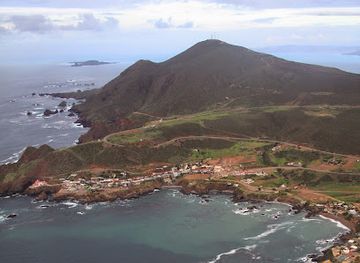
Baja California Peninsula's attractions are shaped as much by geography as by buildings. In Baja California, Ensenada provides access to the Valle de Guadalupe wine region, Pacific beaches and marine excursions, while the northern border cities offer museums, food culture and a distinctly urban experience. Farther south, the Pacific lagoons around Guerrero Negro and San Ignacio are associated with seasonal whale watching, while the El Vizcaíno region combines desert scenery, historic settlements and important wildlife habitat. The Gulf coast offers calmer water, islands and coves suited to kayaking, snorkelling, diving and fishing. La Paz is a base for marine trips and visits to nearby protected waters, and Loreto combines a historic mission settlement with access to the Loreto Bay islands. In the south, Los Cabos brings together beaches, boating, sport fishing and resort infrastructure, while the East Cape and Todos Santos provide a less concentrated coastal experience. Across the peninsula, visitors can also find desert hikes, off-road routes, ranch visits, cave-painting excursions in the Sierra de San Francisco and missions linked by historic roads. Conditions, permits and access vary, so remote activities are best arranged with experienced local operators.
-
Tourist attraction
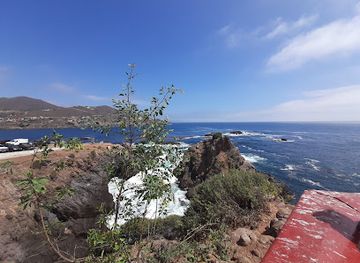
La Bufadora
Experience the breathtaking natural phenomenon of La Bufadora, a stunning blowhole on the coast of Baja California, perfect for tourists seeking adventure and beauty.
-
Cultural center
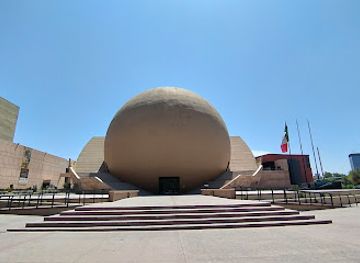
Tijuana Cultural Center
Discover the Tijuana Cultural Center, an architectural gem that celebrates art, history, and cinema in the heart of Tijuana.
-
Promenade
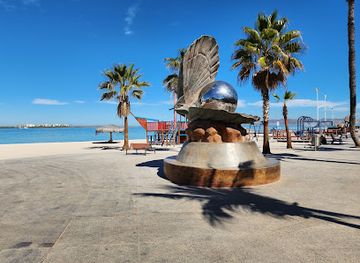
Malecón de La Paz
Experience the breathtaking views, local art, and vibrant atmosphere at Malecón de La Paz, the heart of La Paz's coastal charm.
-
Public beach
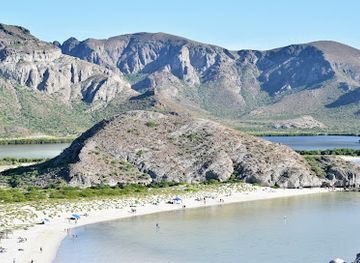
Playa Balandra
Experience the breathtaking beauty of Playa Balandra, a stunning beach in La Paz, Baja California Sur, perfect for relaxation, adventure, and natural wonders.
Best landmarks in Baja California Peninsula
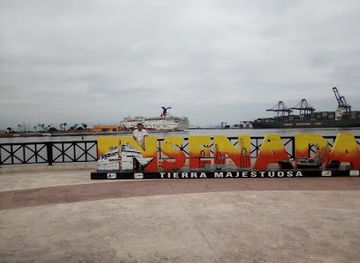
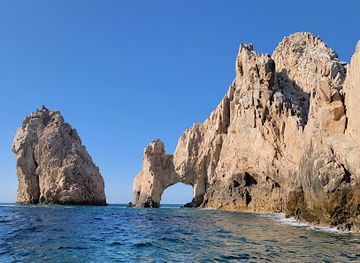
The peninsula's most meaningful landmarks range from mission churches to stark natural forms. The Mission of San Francisco Javier de Viggé-Biaundó, in the mountains south of Loreto, is one of the best-preserved surviving mission buildings in Baja California Sur and represents the colonial mission network's reach into a difficult landscape. Loreto's Mission of Our Lady of Loreto anchors the historic centre of the first capital of the Californias. Santa Rosalía is distinguished by its nineteenth-century mining heritage and the Church of Santa Barbara, associated with the French company that developed the town's copper industry. In the north, Ensenada's coastal position and the wine-country valleys define a different historical landscape, shaped by agriculture and maritime trade. The Sierra de San Francisco's rock shelters are landmarks of global archaeological importance, with large painted figures surviving in remote mountain settings. Natural landmarks include the dramatic granite formations at Land's End near Cabo San Lucas, the volcanic and desert scenery around the Gulf, and the long Pacific lagoons where grey whales gather seasonally. These places are important not merely for appearance but for the histories, ecosystems and communities connected to them.
-
Tourist attraction
La Bufadora
Experience the breathtaking La Bufadora, a natural wonder where the ocean meets the cliffs, creating stunning water displays in Baja California.
-
Park
Ventana al Mar
Discover the natural beauty and cultural vibrancy of Ventana al Mar, a must-visit park in Ensenada offering stunning ocean views and family-friendly activities.
-
Landmark
The Arch of Cabo San Lucas
Discover the breathtaking beauty of The Arch of Cabo San Lucas, a stunning natural landmark that captivates tourists with its unique rock formations and vibrant marine life.
-
Promenade
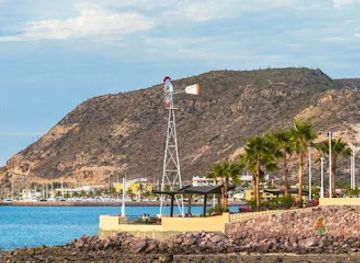
Malecon La Paz
Discover the charm of Malecon La Paz: a stunning promenade filled with local culture, breathtaking views, and delicious cuisine in Baja California Sur.
Explore Baja California Peninsula on the map
Plan your trip on one map. See where the top cities, national parks and sights are, and book hotels and experiences in a few clicks.
Best hotels in Baja California Peninsula
Best restaurants in Baja California Peninsula
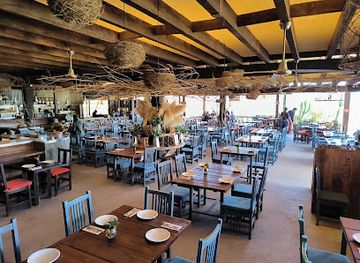
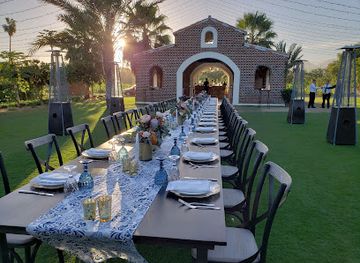
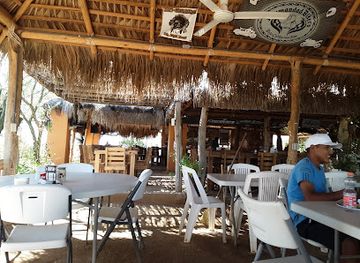
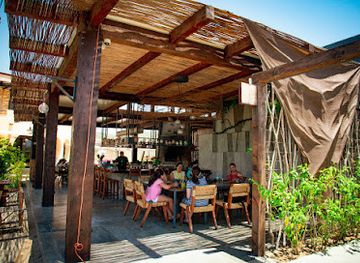
Dining across Baja California Peninsula reflects its two coasts, arid agriculture and proximity to the United States, but the strongest regional character comes from seafood, fire cooking and locally grown produce. Ensenada is widely associated with fish tacos, mariscos and casual waterfront eating, while the Valle de Guadalupe has vineyards, olive groves, farm produce and a concentration of contemporary restaurants and rural dining rooms. Baja California Sur places greater emphasis on Gulf and Pacific catches, including fish, shellfish and seasonal staples prepared simply or over charcoal. La Paz, Loreto, Todos Santos and Los Cabos offer everything from traditional taquerías and bakeries to international restaurants, though resort prices can be considerably higher. Dates, olives, cheeses, citrus, craft beer and wines from the northern valleys add variety to the peninsula's food culture. Markets and roadside stands are useful for tasting regional snacks, while small coastal communities may have the freshest seafood when local supply permits. Ask about seasonal availability and choose establishments with good food-handling practices.
-
Restaurant
Finca Altozano
Discover Finca Altozano: A culinary paradise blending local flavors with breathtaking views in Baja California.
-
Organic
Flora Farms
Experience exquisite farm-to-table dining at Flora Farms in San José del Cabo—an organic haven for food lovers amidst stunning natural beauty.
-
Mexican
La Garita Del Chilpa
Experience authentic Mexican flavors at La Garita Del Chilpa in Todos Santos - your destination for delicious cuisine in Baja California Sur.
-
Restaurant
Jazamango
Discover Jazamango in Todos Santos: Where local ingredients meet innovative cuisine for an unforgettable dining experience.
Best bars in Baja California Peninsula
Evening life varies sharply between the resort corridor of Los Cabos, the cities of northern Baja and the peninsula's small coastal communities. Cabo San Lucas has the most concentrated late-night scene, with bars, live music, restaurants and clubs serving a strongly international visitor market; neighbouring San José del Cabo generally has a more measured evening atmosphere centred on dining, galleries and hotel areas. Tijuana and Ensenada offer broader urban nightlife, including craft breweries, cocktail bars, music venues and restaurants, while La Paz has relaxed waterfront drinking and live entertainment. In Loreto, Todos Santos and rural Gulf communities, evenings are more likely to revolve around cafés, small bars, restaurants, hotel patios or local music than large clubs. Wine tasting and brewery culture are particularly relevant in northern Baja. Check current arrangements locally, as venues and seasonal activity change, and use licensed transport after drinking.
-
Grill
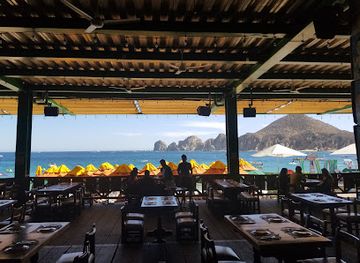
Mango Deck
Discover the vibrant atmosphere and delicious cuisine at Mango Deck in Cabo San Lucas, where every meal becomes a memorable experience.
-
Bar
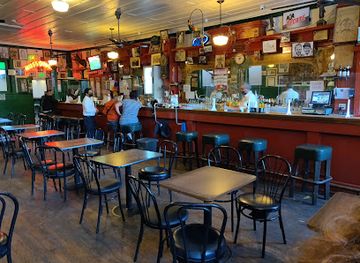
Hussong’s Cantina
Immerse yourself in the vibrant culture of Ensenada at Hussong’s Cantina, a historic bar known for its lively atmosphere and delicious drinks.
-
Bar
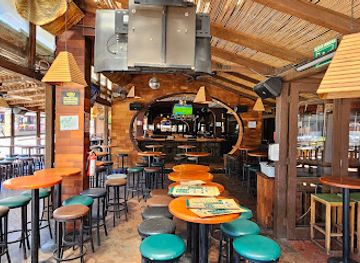
Papas & Beer
Papas & Beer: Discover Ensenada's vibrant bar and nightclub scene with lively music, signature drinks, and a welcoming atmosphere.
-
Brewpub
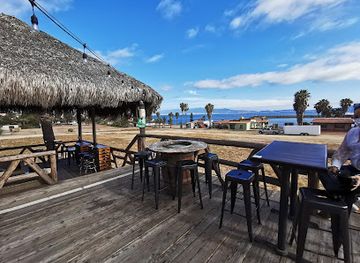
Cervecería Transpeninsular
Discover the flavorful craft beers and delectable bites at Cervecería Transpeninsular, a vibrant brewpub with stunning harbor views in Ensenada.
Best nightclubs in Baja California Peninsula
Evening life varies sharply between the resort corridor of Los Cabos, the cities of northern Baja and the peninsula's small coastal communities. Cabo San Lucas has the most concentrated late-night scene, with bars, live music, restaurants and clubs serving a strongly international visitor market; neighbouring San José del Cabo generally has a more measured evening atmosphere centred on dining, galleries and hotel areas. Tijuana and Ensenada offer broader urban nightlife, including craft breweries, cocktail bars, music venues and restaurants, while La Paz has relaxed waterfront drinking and live entertainment. In Loreto, Todos Santos and rural Gulf communities, evenings are more likely to revolve around cafés, small bars, restaurants, hotel patios or local music than large clubs. Wine tasting and brewery culture are particularly relevant in northern Baja. Check current arrangements locally, as venues and seasonal activity change, and use licensed transport after drinking.
-
Bar
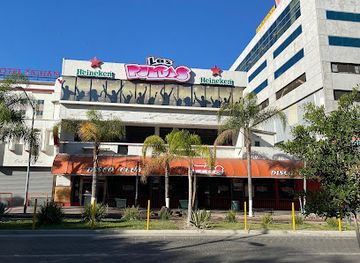
Las Pulgas
Explore the vibrant nightlife of Tijuana at Las Pulgas, a bar and disco club featuring live music, delicious food, and an unforgettable atmosphere.
-
Grill
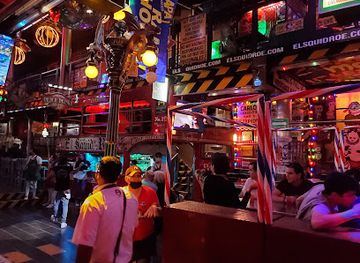
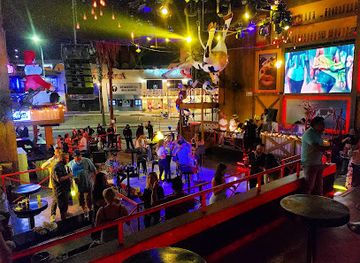
El Squid Roe - Cabo Bar & Restaurant
Discover the vibrant energy of El Squid Roe in Cabo San Lucas, where delicious grill cuisine meets lively nightlife for an unforgettable experience.
-
Disco club
La Vaquita
Experience the ultimate nightlife at La Vaquita, Cabo San Lucas' top disco club, where every night is a celebration of music, dance, and fun.
-
Disco club
El Mitote Night Club
Discover the pulse of Tijuana's nightlife at El Mitote Night Club, where music, dance, and vibrant energy create unforgettable experiences.
Best shops in Baja California Peninsula
Shopping in Baja California Peninsula is strongest in its market towns, food-producing valleys and resort centres rather than in one continuous retail district. Tijuana and Mexicali have large urban shopping areas and border-oriented commerce, while Ensenada combines a traditional centre with seafood markets, craft shops, galleries and regional food products. The Valle de Guadalupe is a useful place to look for wines, olive oil, cheeses and other produce from northern Baja. In La Paz, Loreto, Todos Santos and San José del Cabo, visitors will find independent galleries, Mexican crafts, textiles, jewellery, ceramics and locally made gifts, although resort zones often carry higher prices. Los Cabos has extensive contemporary retail and luxury shopping alongside more traditional markets. Regional purchases may include wine, dates, sauces, sea-salt products, leather goods and artisan work, but buyers should avoid archaeological objects, protected wildlife products and anything whose legal origin is unclear. Markets change by town and day, so ask locally about current locations and payment arrangements.
-
Shopping mall
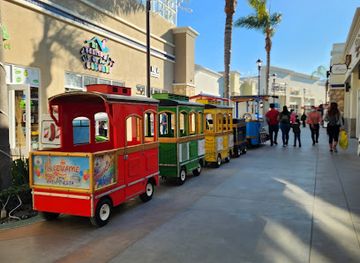
Plaza Sendero Tijuana
Discover the vibrant shopping scene at Plaza Sendero Tijuana, where local culture meets diverse retail therapy in a lively atmosphere.
-
Shopping mall
Pabellón Rosarito
Discover Pabellón Rosarito, a vibrant shopping mall in Baja California offering diverse shops, delicious dining, and a lively atmosphere.
-
Hotel
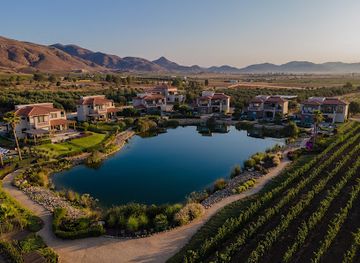
El Cielo Resort Valle de Guadalupe
Discover luxury and tranquility at El Cielo Resort Valle de Guadalupe, where stunning vineyards meet exquisite dining experiences.
-
Shopping mall
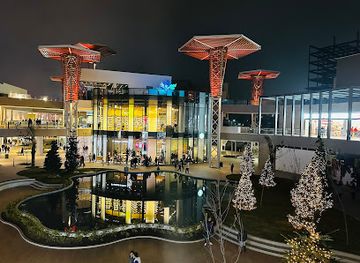
Península
Explore the vibrant shopping and entertainment offerings at Península, Tijuana's premier destination for fashion, food, and fun.

Get your free copy of our complete guide to Baja California Peninsula, delivered straight to you.
Everything on this page, from attractions and restaurants to essentials and local phrases, in one PDF you can read offline, print or share.
Already have an account? Sign in
Your Baja California Peninsula guide is ready.
We'll send it to · Not you? Sign out

Getting your guide ready…
We are putting together a fresh copy of the Baja California Peninsula guide. This can take up to a minute.
This can take a few moments. If your browser asks, choose Allow so the download can start. You'll find the guide in your Downloads folder.
Nothing happened? Download it again
Sorry, the guide is taking longer than usual. Please try again in a minute, or get it by email instead.
Baja California Peninsula essentials
Currency and Payment
Safety
Emergency Situations
Do's and Don'ts
Local Tips
From Eve
Local phrases worth knowing
You don't need to get them perfect. A few words go a long way, and locals appreciate the effort.
Basics
| English | Local | Say it |
|---|---|---|
| Hello | Hola | [OH-lah] |
| Goodbye | Adiós | [ah-DYOS] |
| Yes | Sí | [SEE] |
| No | No | [NO] |
| Please/You’re welcome | Por favor | [por fah-VOR] |
| Thank you | Gracias | [GRAH-syahs] |
| Excuse me/Sorry | Perdón | [per-DON] |
| How are you? | ¿Cómo estás? | [KOH-moh es-TAS] |
| Fine. And you? | Bien. ¿Y tú? | [BYEN. ee TOO?] |
| Do you speak English? | ¿Hablas inglés? | [AH-blas een-GLES?] |
| I don't understand | No entiendo | [NO en-TYEN-doh] |
Eating & Drinking
| English | Local | Say it |
|---|---|---|
| I'd like to see the menu, please | Me gustaría ver el menú, por favor | [may goos-tah-REE-ah VER el meh-NOO, por fah-VOR] |
| I don't eat meat | No como carne | [NO KOH-moh KAR-neh] |
| Cheers! | ¡Salud! | [sah-LOOD] |
| I would like to pay, please | Me gustaría pagar, por favor | [may goos-tah-REE-ah pah-GAR, por fah-VOR] |
Emergencies
| English | Local | Say it |
|---|---|---|
| Help! | ¡Ayuda! | [ah-YOO-dah] |
| Go away! | ¡Vete! | [VEH-teh] |
| Call the Police! | ¡Llama a la policía! | [YAH-mah ah lah poh-lee-SIA] |
| Call a doctor! | ¡Llama a un doctor! | [YAH-mah ah oon dok-TOR] |
| I'm lost | Estoy perdido | [es-TOY per-DI-doh] |
| I'm ill | Estoy enfermo | [es-TOY en-FER-mo] |
Shopping
| English | Local | Say it |
|---|---|---|
| I'd like to buy... | Quisiera comprar... | [kee-SYEH-rah kom-PRAR] |
| I'm just looking | Solo estoy mirando | [SOH-lo es-TOY mee-RAN-doh] |
| How much is it? | ¿Cuánto cuesta? | [KWAN-toh KWES-tah?] |
| That's too expensive | Eso es demasiado caro | [EH-so es de-ma-SYA-do KA-ro] |
| Can you lower the price? | ¿Puedes bajar el precio? | [PWEH-des bah-HAR el PREH-syo?] |
Time & Numbers
| English | Local | Say it |
|---|---|---|
| What time is it? | ¿Qué hora es? | [KEH OH-rah es?] |
| It's one o'clock | Es la una | [es lah OO-nah] |
| Half past (10) | Y diez y media | [ee DYEZ ee MEH-diah] |
| Morning | Mañana | [mah-NYAH-nah] |
| Afternoon | Tarde | [TAR-deh] |
| Evening | Noche | [NOH-cheh] |
| Yesterday | Ayer | [ah-YER] |
| Today | Hoy | [OY] |
| Tomorrow | Mañana | [mah-NYAH-nah] |
| 1 | Uno | [OO-no] |
| 2 | Dos | [DOS] |
| 3 | Tres | [TRES] |
| 4 | Cuatro | [KWAT-ro] |
| 5 | Cinco | [SEEN-ko] |
| 6 | Seis | [SACE] |
| 7 | Siete | [SYE-teh] |
| 8 | Ocho | [O-cho] |
| 9 | Nueve | [NWEH-veh] |
| 10 | Diez | [DYEZ] |
Transport & Directions
| English | Local | Say it |
|---|---|---|
| Where's a/the...? | ¿Dónde está un/una ...? | [DON-deh es-TAH oon/OO-nah ...?] |
| What's the address? | ¿Cuál es la dirección? | [KWAL es lah dee-rek-SYON?] |
| Can you show me (on the map)? | ¿Puedes mostrarme (en el mapa)? | [PWEH-des mos-TRAR-meh (en el MAH-pah)?] |
| When's the next (bus)? | ¿Cuándo es el próximo (autobús)? | [KWAN-doh es el PROK-si-mo (au-toh-BOOS)?] |
| A ticket (to ....) | Un boleto (a ...) | [OON bo-LEH-to (ah ...)] |
History of Baja California Peninsula
Indigenous Cultures and Ancient Rock Art
Long before Spanish settlement, the peninsula was home to distinct Indigenous peoples including the Kumeyaay, Paipai, Kiliwa, Cochimí and Pericú. Their societies adapted to highly varied environments, from the northern borderlands to the central desert and southern coasts. Rock shelters in the Sierra de San Francisco contain monumental paintings associated with ancient communities and are among the region's most important archaeological legacies. These sites, together with shell middens, trails and surviving Indigenous communities, demonstrate that Baja was never an empty wilderness but a lived-in landscape shaped by skilled environmental knowledge.
Spanish Missions and the Peninsula Frontier
Jesuit missionaries began establishing permanent missions in the late seventeenth century, followed by Franciscans and Dominicans after the Jesuits were expelled from Spanish territories in 1767. Missions such as Loreto, founded in 1697, became centres of colonial administration, agriculture and religious conversion. Water and transport difficulties limited settlement, while epidemic disease and colonial disruption severely affected Indigenous populations. The mission chain left adobe churches, orchards, place names and historic routes across both peninsula states, although many communities retained identities and traditions that were not absorbed into the colonial system.
Independence, Border Change and the Northern Peninsula
The peninsula remained a remote frontier during Mexico's struggle for independence in the early nineteenth century. After Mexico's war with the United States, the Treaty of Guadalupe Hidalgo in 1848 left the peninsula within Mexico while the territory north of the new international boundary became part of the United States. This border transformed northern Baja, encouraging migration, trade and the growth of settlements such as Tijuana and Mexicali. Later agricultural development in the Mexicali Valley made use of irrigation from the Colorado River, creating a major farming region in an otherwise arid environment.
Mining, Ranching and Maritime Economies
Mining shaped several settlements, particularly in the nineteenth and early twentieth centuries, when silver, gold and other minerals attracted investment and workers. Ranching, fishing, salt production and coastal trade remained equally important in more isolated districts. In Baja California Sur, the saltworks at Guerrero Negro became a major modern industrial enterprise, while Pacific ports and Gulf communities developed around fishing and marine transport. These industries connected scattered settlements to national markets and helped establish the working landscapes that still contrast with the peninsula's newer tourism economy.
Roads, Tourism and the Transpeninsular Highway
For much of its history, travel between northern and southern Baja depended on coastal shipping, mule routes, aircraft and difficult tracks. The gradual construction of the Federal Highway 1 corridor, commonly called the Transpeninsular Highway, transformed movement along the peninsula during the twentieth century. Improved roads supported agriculture, fishing, tourism and internal migration, making places such as La Paz, Loreto and Los Cabos more accessible. The highway also made the peninsula a celebrated overland route, while its distances and limited services continue to shape how visitors travel.
The Rise of Los Cabos and Marine Conservation
From the late twentieth century, the corridor linking Cabo San Lucas and San José del Cabo developed into one of Mexico's major tourism centres, with resorts, marinas, golf courses and a large international visitor economy. Elsewhere, conservation expanded around the peninsula's exceptional marine and desert environments. Protected areas such as El Vizcaíno, the Gulf of California islands and Loreto's marine park reflect growing recognition of whales, sea turtles, seabirds, desert plants and endemic wildlife. Contemporary Baja therefore combines rapid tourism development with continuing efforts to protect ecosystems and support established coastal communities.
Baja California Peninsula in Photos
Browse through our photo collection highlighting the charm and character of the destination.
Neighbouring regions of Baja California Peninsula
The closest regions to Baja California Peninsula, if you have time for more than one.
-

-

-

-

-


Swipe for more regions
Explore more

Explore more of Mexico
Discover Mexico: A land of ancient ruins, vibrant culture, and stunning natural landscapes. Experience diverse cuisine, rich traditions, and warm hospitality.
Explore Mexico