

Free Northern Mexico Travel Guide & Mobile App
Explore Northern Mexico with free travel guides. Discover regional history, expert tips, proposed trips, and audio guides on web or mobile app.


Northern Mexico combines desert landscapes, mountain cities, Pacific and Gulf coasts, border culture, historic towns and distinctive regional food.
Read more about Northern Mexico
When is the best time to visit Northern Mexico?
Best: March–April, November · 23–28°C| Month | High (°C) | Rainfall (mm) |
|---|---|---|
| January | 19 | 6 |
| February | 21 | 5 |
| March (best) | 25 | 4 |
| April (best) | 28 | 4 |
| May | 32 | 3 |
| June | 36 | 5 |
| July | 38 | 8 |
| August | 38 | 9 |
| September | 35 | 8 |
| October | 30 | 6 |
| November (best) | 23 | 5 |
| December | 19 | 6 |
Getting to and around Northern Mexico
How to get there
Transportation
Top city travel guides in Northern Mexico
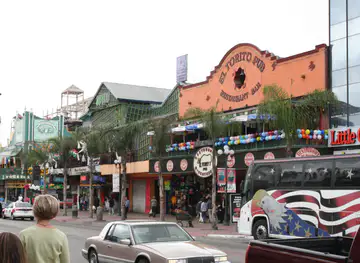
The cities of Northern Mexico, and the easiest places to base yourself.
-

-


Swipe for more cities
Destinations in Northern Mexico
Resorts, valleys and scenic spots worth a trip of their own.
-

-

-
-


Swipe for more destinations
Best attractions in Northern Mexico
Northern Mexico offers an unusually broad range of landscapes and outdoor experiences. In Baja California, visitors can combine the urban energy of Tijuana with the vineyards of the Valle de Guadalupe, Pacific beaches and the desert scenery around Mexicali. Baja California Sur brings sea-kayaking, diving, whale-watching and island landscapes, especially around La Paz and Loreto. Sonora is known for the Sonoran Desert, while Chihuahua provides access to the Copper Canyon region and the archaeological site of Paquimé. Around Monterrey, mountain parks and dramatic limestone formations support hiking and climbing, with Grutas de García among the best-known natural sites. Coahuila and Durango offer desert reserves, geological formations and historic mining communities, while Tamaulipas combines Gulf beaches, lagoons and wetlands. Museums in Monterrey, Saltillo, Chihuahua, Hermosillo and Tijuana explain the region's industrial, Indigenous, artistic and border histories. Because attractions are widely dispersed, visitors should choose a manageable route instead of attempting to cover the entire north in one trip.
-
Aquarium
Acuario de Veracruz
Explore the vibrant marine life at Acuario de Veracruz, Mexico's top aquarium, featuring interactive exhibits and educational programs for all ages.
-
Catholic cathedral
Guadalajara Cathedral
Explore the stunning Guadalajara Cathedral, an architectural marvel blending Gothic and Baroque styles, steeped in history and culture, in the heart of Guadalajara.
-
State park
Bosque Los Colomos
Explore the lush landscapes of Bosque Los Colomos, a serene state park in Guadalajara perfect for relaxation, nature walks, and family outings.
-
Theme park
Bioparque Estrella Estado de México
Discover the magic of Bioparque Estrella, a thrilling theme park with fun rides, wildlife encounters, and beautiful landscapes, perfect for family adventures.


Best landmarks in Northern Mexico
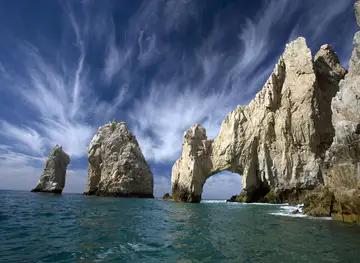
Northern Mexico's landmarks express its frontier history, industrial growth and varied geology. Paquimé at Casas Grandes in Chihuahua is the region's most important archaeological landmark, with extensive adobe remains testifying to pre-Hispanic trade and urban organisation. The Copper Canyon landscape, carved through the Sierra Madre Occidental, is a defining natural landmark rather than a single monument. In Monterrey, the distinctive limestone walls of the surrounding mountains form a powerful urban backdrop, while the Obispado complex preserves one of the city's best-known colonial structures. Saltillo's cathedral and historic centre reflect the old colonial and commercial importance of Coahuila's capital. The Baja California peninsula is marked by the contrasting shores of the Pacific Ocean and Sea of Cortez, as well as the vineyard landscape of the Valle de Guadalupe. In Baja California Sur, the historic mission church at Loreto recalls the peninsula's early Spanish mission network, while the El Arco rock formation at Cabo San Lucas is a prominent coastal landmark at the meeting of land and sea.
-
Plaza
Plaza de la Constitución
Explore the vibrant Plaza de la Constitución, the historical heart of Mexico City, surrounded by stunning architecture and rich cultural heritage.
-
Archaeological site
Chichén Itzá
Explore the wonders of Chichén Itzá, a UNESCO World Heritage site and the ultimate representation of Mayan culture and architecture in Mexico.
-
Historical place museum
Chapultepec Castle
Explore the historical grandeur of Chapultepec Castle in Mexico City, a majestic landmark offering stunning views and rich cultural insights.
-
Plaza
Macroplaza
Experience the vibrant culture and stunning architecture of Macroplaza, Monterrey's central plaza, where history meets modernity in a picturesque setting.


Explore Northern Mexico on the map
Plan your trip on one map. See where the top cities, national parks and sights are, and book hotels and experiences in a few clicks.
Best hotels in Northern Mexico
Best restaurants in Northern Mexico
Northern Mexican food is shaped by cattle ranching, wheat cultivation, desert agriculture and long coastlines. Sonora is closely associated with large flour tortillas and grilled beef, while cabrito is a notable speciality of Nuevo León and nearby northeastern states. Carne asada, machaca, regional stews and flour-based breads appear in many mainland cities, though recipes vary from state to state. Baja California adds Pacific seafood, fish tacos, shellfish and the contemporary food culture of the Valle de Guadalupe, whose vineyards support a significant wine-and-food circuit. Baja California Sur, Sinaloa and Tamaulipas offer their own coastal traditions, including fish, prawns and other Gulf or Pacific produce. In urban centres, seek out market kitchens, taquerías, contemporary restaurants, craft breweries and cafés; in smaller towns, family restaurants and roadside establishments may offer the clearest expression of local cooking. Ask whether produce is seasonal and try regional cheeses, dates, sweets and breads where available.
-
Restaurant
Ling Ling by Hakkasan
Discover the finest Asian cuisine with stunning views at Ling Ling by Hakkasan in Mexico City - where every meal is an unforgettable experience.
-
Mexican
El Cardenal
Experience the heart of Mexico through authentic cuisine at El Cardenal - a top-rated destination for traditional Mexican flavors.
-
Seafood
Contramar
Discover Contramar: Mexico City's premier seafood destination offering fresh flavors and vibrant ambiance in Roma Norte.
-
Mexican
Carmela y Sal
Experience the exquisite flavors of traditional Mexican cuisine at Carmela y Sal, an upscale restaurant in Mexico City.



Best bars in Northern Mexico
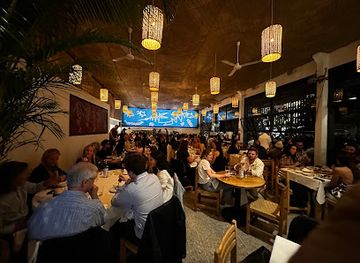
Nightlife in Northern Mexico differs sharply between major cities, border centres, resort towns and rural communities. Monterrey has the region's broadest evening scene, with live music, restaurants, bars and venues serving different age groups and musical tastes. Tijuana is known for its cross-border entertainment economy, while Mexicali, Ciudad Juárez, Chihuahua, Hermosillo, Torreón, Culiacán and Mazatlán have their own concentrations of bars, music venues and late-night restaurants. Coastal resorts in Baja California Sur and Sinaloa add seasonal nightlife, often centred on waterfront restaurants and entertainment areas. In smaller towns, the evening usually revolves around plazas, cafés, family restaurants, breweries and traditional cantinas rather than large clubs. Craft beer is particularly visible in Baja California, while regional spirits, cocktails and Mexican wines feature in urban and resort settings. Check local advice about transport at night and use established taxis or ride-hailing services where available.
-
Grill
La Opera
Experience the vibrant flavors of Mexico at La Opera, a historic grill and bar in the heart of Mexico City offering traditional cuisine and lively entertainment.
-
Bar
Pinche Bar
Discover the vibrant nightlife of Mexico City at Pinche Bar, where great drinks and an electric atmosphere await you.
-
Bar
Wallace Whisky Bar
Experience the vibrant nightlife of Mexico City at Wallace Whisky Bar, where exceptional drinks meet a lively atmosphere and unique architecture.
-
Restaurant
Bar Pata Negra
Discover the lively ambiance and authentic flavors at Bar Pata Negra, a premier restaurant-bar in the heart of Mexico City's Historic Center.



Best nightclubs in Northern Mexico
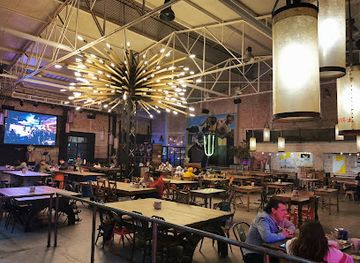
Nightlife in Northern Mexico differs sharply between major cities, border centres, resort towns and rural communities. Monterrey has the region's broadest evening scene, with live music, restaurants, bars and venues serving different age groups and musical tastes. Tijuana is known for its cross-border entertainment economy, while Mexicali, Ciudad Juárez, Chihuahua, Hermosillo, Torreón, Culiacán and Mazatlán have their own concentrations of bars, music venues and late-night restaurants. Coastal resorts in Baja California Sur and Sinaloa add seasonal nightlife, often centred on waterfront restaurants and entertainment areas. In smaller towns, the evening usually revolves around plazas, cafés, family restaurants, breweries and traditional cantinas rather than large clubs. Craft beer is particularly visible in Baja California, while regional spirits, cocktails and Mexican wines feature in urban and resort settings. Check local advice about transport at night and use established taxis or ride-hailing services where available.
-
Night club
Mandala Puerto Vallarta
Unleash your night with electrifying music and vibrant energy at Mandala Puerto Vallarta, the ultimate destination for nightlife enthusiasts.
-
Bar
Mandala Nightclub
Discover the ultimate nightlife experience at Mandala Nightclub in Cancun, where vibrant music and lively crowds create unforgettable nights.
-
Night club
Patrick Miller
Experience the electrifying nightlife of Mexico City at Patrick Miller, a premier dance club in Roma Norte known for its vibrant atmosphere and unforgettable music.
-
Night club
Kennedy Social Room
Experience the vibrant nightlife at Kennedy Social Room, a premier nightclub in Polanco, Mexico City, known for exquisite cocktails and electrifying entertainment.
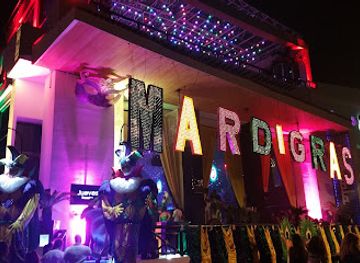



Best shops in Northern Mexico
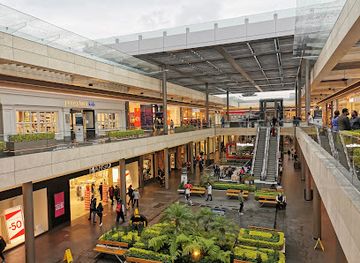
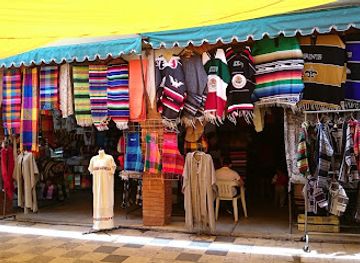
Shopping in Northern Mexico ranges from sophisticated urban retail to practical border markets and small-town produce stalls. Monterrey, Tijuana, Hermosillo, Chihuahua and Saltillo provide the widest choice of department stores, independent boutiques, galleries and contemporary design shops. Tijuana is particularly associated with cross-border commerce, food culture and locally produced crafts, while the Valle de Guadalupe offers wines, olive products and artisanal foods. In Baja California Sur and other coastal areas, look for regional crafts, woven goods, jewellery and locally produced food, while recognising that quality and provenance vary between sellers. Market towns across the mainland offer leather goods, saddlery, pottery, preserves, cheeses, sweets and dried products connected with ranching and desert agriculture. Regional wines, coffee from northern Pacific areas, dates from Baja California and packaged chilli or spice products make practical souvenirs. Bargaining is not expected in all shops; it is more appropriate in some markets than in fixed-price businesses.
-
Shopping mall
Oasis Coyoacán
Explore Oasis Coyoacán: A vibrant shopping mall in Mexico City, blending local charm with international retailers for a unique experience.
-
Shopping mall
La Isla Cancún
Discover La Isla Cancún, where luxury shopping meets local culture and stunning waterfront views in the heart of Cancún's Hotel Zone.
-
Handicraft fair
Mercado de Artesanías La Ciudadela
Explore the vibrant Mercado de Artesanías La Ciudadela, a handicraft fair in Mexico City filled with traditional art, unique souvenirs, and cultural treasures.
-
 Clothing wholesale market place
Escomarti Vestidos Comunión Presentación Pages Bautizo Y Accesorios
Explore Escomarti, Mexico City’s vibrant clothing wholesale market, offering unique dresses and accessories in a lively cultural setting.

Get your free copy of our complete guide to Northern Mexico, delivered straight to you.
Everything on this page, from attractions and restaurants to essentials and local phrases, in one PDF you can read offline, print or share.
Already have an account? Sign in
Your Northern Mexico guide is ready.
We'll send it to · Not you? Sign out

Getting your guide ready…
We are putting together a fresh copy of the Northern Mexico guide. This can take up to a minute.
This can take a few moments. If your browser asks, choose Allow so the download can start. You'll find the guide in your Downloads folder.
Nothing happened? Download it again
Sorry, the guide is taking longer than usual. Please try again in a minute, or get it by email instead.
Northern Mexico essentials
Currency and Payment
Safety
Emergency Situations
Do's and Don'ts
Local Tips
From Eve
Local phrases worth knowing
You don't need to get them perfect. A few words go a long way, and locals appreciate the effort.
Basics
| English | Local | Say it |
|---|---|---|
| Hello | Hola | [OH-lah] |
| Goodbye | Adiós | [ah-DYOHs] |
| Yes | Sí | [SEE] |
| No | No | [NO] |
| Please/You're welcome | Por favor/De nada | [por fah-VOR/deh NAH-dah] |
| Thank you | Gracias | [GRAH-syahs] |
| Excuse me/Sorry | Perdón/Lo siento | [per-DON/lo SYEN-toh] |
| How are you? | ¿Cómo estás? | [KOH-moh es-TAHS] |
| Fine. And you? | Bien. ¿Y tú? | [BYEN. ee TOO] |
| Do you speak English? | ¿Hablas inglés? | [AH-blas een-GLES] |
| I don't understand | No entiendo | [NO en-TYEN-doh] |
Eating & Drinking
| English | Local | Say it |
|---|---|---|
| I'd like to see the menu, please | Quisiera ver el menú, por favor | [kee-SYEH-rah vehr el meh-NOO, por fah-VOR] |
| I don't eat meat | No como carne | [NO KOH-moh KAR-neh] |
| Cheers! | ¡Salud! | [sah-LOOD] |
| I would like to pay, please | Me gustaría pagar, por favor | [meh goo-stah-REE-ah pah-GAR, por fah-VOR] |
Emergencies
| English | Local | Say it |
|---|---|---|
| Help! | ¡Ayuda! | [ah-YOO-dah] |
| Go away! | ¡Vete! | [VEH-teh] |
| Call the Police! | ¡Llama a la policía! | [YAH-mah ah lah poh-lee-SYAH] |
| Call a doctor! | ¡Llama a un doctor! | [YAH-mah ah oon dok-TOR] |
| I'm lost | Estoy perdido | [es-TOY per-DEE-doh] |
| I'm ill | Estoy enfermo/a | [es-TOY en-FER-mo/a] |
Shopping
| English | Local | Say it |
|---|---|---|
| I'd like to buy... | Quisiera comprar... | [kee-SYEH-rah kom-PRAR] |
| I'm just looking | Solo estoy mirando | [SOH-lo es-TOY mee-RAN-doh] |
| How much is it? | ¿Cuánto cuesta? | [KWAN-toh KWES-tah] |
| That's too expensive | Es demasiado caro | [es deh-mah-SYAH-doh KAH-roh] |
| Can you lower the price? | ¿Puedes bajar el precio? | [PWEH-des bah-HAR el PREH-syoh] |
Time & Numbers
| English | Local | Say it |
|---|---|---|
| What time is it? | ¿Qué hora es? | [KEH OH-rah es] |
| It's one o'clock | Es la una | [es lah OO-nah] |
| Half past (10) | Y diez y media | [ee DYESS ee MEH-diah] |
| Morning | Mañana | [mah-NYAH-nah] |
| Afternoon | Tarde | [TAR-deh] |
| Evening | Noche | [NOH-cheh] |
| Yesterday | Ayer | [ah-YER] |
| Today | Hoy | [OY] |
| Tomorrow | Mañana | [mah-NYAH-nah] |
| 1 | Uno | [OO-noh] |
| 2 | Dos | [DOS] |
| 3 | Tres | [TRES] |
| 4 | Cuatro | [KWAH-troh] |
| 5 | Cinco | [SEEN-koh] |
| 6 | Seis | [SAYS] |
| 7 | Siete | [SYEH-teh] |
| 8 | Ocho | [OH-choh] |
| 9 | Nueve | [NWEH-beh] |
| 10 | Diez | [DYESS] |
Transport & Directions
| English | Local | Say it |
|---|---|---|
| Where's a/the...? | ¿Dónde está...? | [DON-deh es-TAH] |
| What's the address? | ¿Cuál es la dirección? | [KWAL es lah dee-rek-SYON] |
| Can you show me (on the map)? | ¿Me puedes mostrar (en el mapa)? | [meh PWEH-des mohs-TRAR (en el MAH-pah)] |
| When's the next (bus)? | ¿Cuándo sale el próximo (autobús)? | [KWAN-doh SAH-leh el PROK-simo (ow-toh-BOOS)] |
| A ticket (to ....) | Un boleto (a ...) | [oon bo-LEH-toh (ah ...)] |
History of Northern Mexico
Ancient Desert Cultures and Paquimé
Northern Mexico was home to diverse Indigenous societies long before Spanish colonisation. The most prominent archaeological legacy is Paquimé, also known as Casas Grandes, in Chihuahua. Flourishing particularly between the thirteenth and fifteenth centuries, the settlement featured multi-storey adobe architecture, specialised spaces and trading links extending across present-day northern Mexico and the American Southwest. Other communities adapted to deserts, river valleys and mountain environments through farming, hunting and seasonal movement. Their histories remain visible in archaeological sites, museum collections and living Indigenous cultures, including Rarámuri communities in the Sierra Madre.
Spanish Frontier Missions and Presidios
Spanish expansion into the north developed more slowly than colonisation in central Mexico because of distance, arid terrain and sustained Indigenous resistance. From the seventeenth century onwards, missionaries and soldiers established networks of missions, presidios and settlements across areas now corresponding to Sonora, Chihuahua, Coahuila, Nuevo León and Baja California. Jesuit and later Franciscan missions helped reorganise local economies and communities, while presidios protected routes and mining districts. Many surviving churches, adobe structures and town plans reflect this frontier history, though the process also brought disease, displacement and coercive colonial rule.
Mining, Ranching and Colonial Trade
Silver mining and livestock ranching became major forces in the northern economy during the colonial period. Mining settlements and supply routes linked the northern frontier with central Mexico, while large ranches developed cattle, sheep and horse-breeding traditions suited to open country. Saltillo, Chihuahua and other inland centres grew as commercial and administrative hubs. The region's wide distances encouraged distinctive forms of transport, architecture and food preservation. Mining wealth was unevenly distributed, and frontier society remained marked by conflict over land, labour and relations with Indigenous nations.
The War of Independence and the Northern Frontier
The Mexican War of Independence reached the north through military campaigns, local uprisings and divisions among royalist authorities, settlers and regional elites. Miguel Hidalgo and other insurgent leaders were captured and executed in Chihuahua in 1811, making the city an important site in the national independence narrative. After independence, the northern frontier remained sparsely populated and politically unsettled. Raids, shifting trade routes and disputes over land and sovereignty affected communities on both sides of the international boundary, which was itself transformed dramatically during the nineteenth century.
The Mexican-American War and the New Border
The Treaty of Guadalupe Hidalgo in 1848 and the later Gadsden Purchase altered the northern map, placing much of the present international border on a new political line. Communities, Indigenous territories and commercial routes were divided by the boundary, while ports and crossings gradually became more important. Baja California remained part of Mexico, but the peninsula's relative isolation shaped a separate development from the mainland frontier states. The modern border cities of Tijuana, Mexicali and Ciudad Juárez grew from these changing political, economic and transport relationships.
Railways, Revolution and Industrial Growth
Railway construction in the late nineteenth and early twentieth centuries connected mines, ranches, border ports and agricultural districts with national and international markets. The network helped expand towns such as Torreón and strengthened Monterrey's industrial role. Northern Mexico also became a major theatre of the Mexican Revolution, with battles and political movements involving figures including Francisco I. Madero, Francisco Villa and Álvaro Obregón. After the Revolution, land reform, irrigation and state-led development reshaped rural economies, while manufacturing gradually became central to the larger cities.
Maquiladoras, Border Commerce and Contemporary Change
From the second half of the twentieth century, export manufacturing transformed many northern cities. Maquiladora plants, cross-border logistics and industrial corridors attracted workers from across Mexico and reinforced the economic importance of Tijuana, Ciudad Juárez, Mexicali, Reynosa and other urban centres. At the same time, Monterrey developed into a major business and manufacturing capital, while tourism expanded along the coasts of Baja California Sur and Sinaloa. Contemporary Northern Mexico therefore combines global industry, cross-border urban culture, agricultural production, Indigenous traditions and rapidly changing desert and coastal environments.
Northern Mexico in Photos
Browse through our photo collection highlighting the charm and character of the destination.
Neighbouring regions of Northern Mexico
The closest regions to Northern Mexico, if you have time for more than one.
-

-

-

-
-


Swipe for more regions
Explore more

Explore more of Mexico
Discover Mexico: A land of ancient ruins, vibrant culture, and stunning natural landscapes. Experience diverse cuisine, rich traditions, and warm hospitality.
Explore Mexico