

Costa Grande, Mexico Travel Guide
Discover Costa Grande, Mexico's hidden coastal gem, where pristine beaches, lush forests, and rich cultural heritage await every traveler.
Nestled between the Sierra Madre Mountains and the Pacific Ocean, Costa Grande in Mexico offers an unparalleled blend of natural beauty and cultural richness. This region is a paradise for nature lovers and adventure seekers alike, boasting pristine beaches, lush forests, and charming fishing villages. The coastline stretches for miles, providing ample opportunities for water activities like snorkeling, diving, and deep-sea fishing. The coral reefs teem with vibrant marine life, making it a snorkeling haven. Inland, the lush tropical forests are perfect for hiking and bird watching, with trails leading to breathtaking waterfalls and panoramic viewpoints. Costa Grande is also steeped in history and culture. The local communities are warm and welcoming, offering a glimpse into traditional Mexican life. You can explore quaint villages where time seems to stand still, enjoy fresh seafood dishes, and shop for handcrafted souvenirs at local markets. Whether you're looking to relax on a secluded beach, embark on an eco-adventure, or immerse yourself in local culture, Costa Grande is a destination that promises unforgettable experiences.

Know before you go
Hi, I'm Eve. Here are a few practical things to know before exploring Costa Grande.
- Visit during the dry season (November to April) for the best weather conditions.
- Bring cash, as many local vendors do not accept credit cards.
- Pack insect repellent for hikes and outdoor activities.
- Learn a few basic Spanish phrases to enhance your interactions with locals.
- Try the local seafood dishes, especially the ceviche and grilled fish.
Explore Costa Grande: Things to Do, Places to Eat, Hotels & More
Handpicked recommendations for top attractions, local dining, accommodations, and more

Top Attractions & Sightseeing in Costa Grande
Top-rated picks
Best Attractions
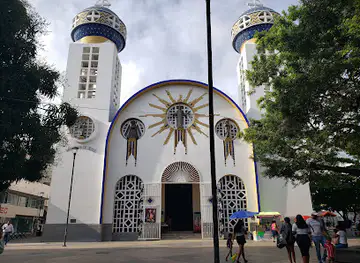
Plaza Álvarez
Explore Plaza Álvarez, a lush city park in Acapulco, offering tranquility, local culture, and vibrant community life in a picturesque setting.

Parque Ecológico Zacango
Explore the diverse wildlife and serene beauty of Parque Ecológico Zacango, a premier ecological park and zoo in the State of Mexico.

Parque Nacional Grutas de Cacahuamilpa
Discover the enchanting beauty of Parque Nacional Grutas de Cacahuamilpa, a national park filled with stunning caves and diverse wildlife in Guerrero, Mexico.

Diana the Huntress
Explore Diana the Huntress in Acapulco, a mesmerizing monument celebrating beauty and strength amidst breathtaking coastal views.

Best landmarks in Costa Grande
Top-rated picks
Best Landmarks

Cocodrilario Playa Linda
Explore Cocodrilario Playa Linda, the captivating wildlife refuge in Ixtapa Zihuatanejo, where crocodiles and nature come together in a breathtaking setting.

Park Royal Beach Ixtapa
Discover the luxurious escape at Park Royal Beach Ixtapa, where stunning ocean views meet exceptional service for a perfect tropical getaway.

Krystal Ixtapa
Discover the enchanting Krystal Ixtapa, where pristine beaches meet luxurious amenities for an unforgettable getaway in Ixtapa Zihuatanejo.

Sunscape Dorado Pacifico Ixtapa
Experience a tropical oasis at Sunscape Dorado Pacifico Ixtapa, where luxury meets the vibrant culture of Mexico's beautiful coast.

Best restaurants in Costa Grande
Top-rated picks
Best Restaurants

Mariscos El Sirenito
Discover the vibrant flavors of Acapulco at Mariscos El Sirenito – where fresh seafood meets authentic Mexican hospitality.

Paititi del Mar
Experience exceptional seafood dining at Paititi del Mar in Acapulco – where fresh flavors meet vibrant coastal culture.

Cira La Morena 1
Experience exquisite seafood dining at Cira La Morena in Acapulco - where fresh flavors meet stunning ocean views.

El Zorrito
Discover the authentic taste of Mexico at El Zorrito in Acapulco – where every bite tells a story of tradition and flavor.

Best bars in Costa Grande
Top-rated picks
Best Bars

Tóxica Snack & Bar
Discover the vibrant flavors of Mexico at Tóxica Snack & Bar, where grilled delights meet a lively atmosphere in Acapulco's Costa Azul.

Mentiritas
Mentiritas: A vibrant bar in Zihuatanejo offering delightful Mexican cuisine and refreshing drinks in a lively atmosphere.

Baby`O Acapulco
Discover the vibrant nightlife of Acapulco at Baby'O, a premier bar and disco club, where unforgettable memories await.

London English Pub
Discover the lively charm of London English Pub in Acapulco, where great drinks and good music create unforgettable nights.

Best nightclubs in Costa Grande
Top-rated picks
Best Nightclubs

Baby`O Acapulco
Discover the pulsating heart of Acapulco's nightlife at Baby'O, a premier disco club and bar perfect for unforgettable nights of dancing and fun.

Baby Lobster
Discover the energy and charm of Baby Lobster, Acapulco's beloved night club and piano bar, where unforgettable nights await.

Ronin 22 Acapulco
Experience the pulse of Acapulco's nightlife at Ronin 22, where electrifying music and vibrant atmosphere create unforgettable nights.

Hannah Sun Club
Discover the electrifying nightlife at Hannah Sun Club, where luxurious vibes and unforgettable parties await in Acapulco.

Best shops in Costa Grande
Top-rated picks
Best Shops

Galerías Acapulco
Explore Galerías Acapulco for an unmatched shopping experience with dining, entertainment, and vibrant local culture in the heart of the city.
Hotel Princess Mundo Imperial
Experience the ultimate luxury at Hotel Princess Mundo Imperial, a breathtaking resort in Acapulco with beachfront access, golf courses, and a rejuvenating spa.

La Isla Shopping Village
Explore La Isla Shopping Village in Acapulco for a vibrant blend of shopping, dining, and entertainment in a stunning open-air setting.

Hotel Emporio Acapulco
Discover the elegance of Hotel Emporio Acapulco, your perfect seaside retreat with luxurious amenities and stunning ocean views.

Explore Costa Grande on the Map
A handpicked selection of must-see spots in Costa Grande, mapped for you.
Costa Grande Essentials
-
Costa Grande is located in the state of Guerrero, Mexico. The nearest international airport is Ixtapa-Zihuatanejo International Airport (ZIH), which is well-connected to major cities in North America. From the airport, you can take a taxi or rent a car to reach your destination in Costa Grande. The region is also accessible by bus from Mexico City, with several operators offering daily services.
-
Transportation within Costa Grande is varied. Taxis are a convenient option and are available in most towns. For a more economical choice, you can use the local buses or 'combis' (shared vans), which are frequent and cover most areas. Renting a car is also an option, particularly if you plan to explore the region extensively. Note that some remote areas may have rough roads, so a vehicle with good ground clearance is advisable.
-
The official currency in Mexico is the Mexican Peso (MXN). Credit and debit cards are widely accepted in hotels, restaurants, and shops in major towns, but it is advisable to carry some cash, especially if you plan to visit smaller villages or local markets. ATMs are available in larger towns, but it is wise to withdraw sufficient cash beforehand to avoid inconvenience.
-
Costa Grande is generally safe for tourists, but it is important to take standard precautions. Avoid displaying valuables and be cautious in crowded places. Some neighborhoods in larger towns, such as Acapulco, have higher crime rates, particularly for crimes targeting tourists. It is best to stay in well-populated and well-lit areas, especially at night. Always check with locals or your accommodation for the latest safety advice.
-
In case of emergency, dial 911 for immediate assistance. Costa Grande has local police stations and medical facilities in larger towns. It is highly recommended to have travel insurance that covers medical emergencies. For minor health issues, pharmacies are available where you can purchase over-the-counter medications. Keep a note of the contact information of your country's embassy or consulate in Mexico.
-
Fashion: Do dress comfortably but modestly, especially when visiting religious sites. Avoid wearing overly revealing clothing. Religion: Do respect local customs and traditions. When visiting churches, dress conservatively and avoid disruptive behavior. Public Transport: Do be respectful and courteous. Offer your seat to elderly passengers and avoid eating or drinking on buses. Greetings: Do greet people with a handshake. A friendly 'Hola' or 'Buenos días' is also appreciated. Eating & Drinking: Do try local dishes and be open to new flavors. Don't refuse food or drink offerings without a polite explanation, as it may be considered rude.
-
To experience Costa Grande like a local, visit the traditional markets where you can buy fresh produce and handmade crafts. Engage with locals, who are often friendly and eager to share their culture and history. Don't miss the opportunity to attend a local festival or event, which offers a glimpse into the region's vibrant traditions. For a unique experience, explore the lesser-known beaches and enjoy the natural beauty away from the more touristy areas.
When is the best time to visit Costa Grande?
Useful Local Phrases for Costa Grande
You don't need to speak the language perfectly. Even learning a few simple words can make conversations warmer—and locals usually appreciate the effort.
— Eve

Here are the phrases I use most often in Costa Grande. Try a few—you'll be surprised how far they go! 😊
❤️
-
- HelloHola
[OH-lah] - GoodbyeAdiós
[ah-DYOS] - YesSí
[SEE] - NoNo
[NO] - Please/You're welcomePor favor
[por fah-VOR] - Thank youGracias
[GRAH-syahs] - Excuse me/SorryPerdón
[pehr-DON] - How are you?¿Cómo estás?
[KOH-moh es-TAS] - Fine. And you?Bien. ¿Y tú?
[BYEN. ee TOO] - Do you speak English?¿Hablas inglés?
[AH-blas een-GLES] - I don't understandNo entiendo
[NO en-TYEN-doh]
- HelloHola
-
- I'd like to see the menu, pleaseMe gustaría ver el menú, por favor
[meh goos-tah-REE-ah BEHR el meh-NOO, por fah-VOR] - I don't eat meatNo como carne
[NO KOH-moh KAR-neh] - Cheers!¡Salud!
[sah-LOOD] - I would like to pay, pleaseQuisiera pagar, por favor
[kee-SYEH-rah pah-GAR, por fah-VOR]
- I'd like to see the menu, pleaseMe gustaría ver el menú, por favor
-
- Help!¡Ayuda!
[ah-YOO-dah] - Go away!¡Vete!
[BEH-teh] - Call the Police!¡Llama a la policía!
[YAH-mah ah lah poh-lee-SEE-ah] - Call a doctor!¡Llama a un doctor!
[YAH-mah ah oon dok-TOR] - I'm lostEstoy perdido
[es-TOY pehr-DEE-doh] - I'm illEstoy enfermo
[es-TOY en-FER-mo]
- Help!¡Ayuda!
-
- I'd like to buy...Quisiera comprar...
[kee-SYEH-rah kom-PRAR] - I'm just lookingSolo estoy mirando
[SOH-lo es-TOY mee-RAN-doh] - How much is it?¿Cuánto cuesta?
[KWAN-toh KWES-tah] - That's too expensiveEso es muy caro
[EH-so es MOO-ee KAH-roh] - Can you lower the price?¿Puedes bajar el precio?
[PWEH-des bah-HAR el PREH-syo]
- I'd like to buy...Quisiera comprar...
-
- What time is it?¿Qué hora es?
[KEH O-rah es] - It's one o'clockEs la una
[es lah OO-nah] - Half past (10)Y media (10)
[ee MEH-dee-ah (10)] - MorningMañana
[mah-NYAH-nah] - AfternoonTarde
[TAR-deh] - EveningNoche
[NOH-cheh] - YesterdayAyer
[ah-YER] - TodayHoy
[OY] - TomorrowMañana
[mah-NYAH-nah] - 1Uno
[OO-no] - 2Dos
[DOS] - 3Tres
[TRES] - 4Cuatro
[KWAH-troh] - 5Cinco
[SEEN-koh] - 6Seis
[SAYS] - 7Siete
[SYEH-teh] - 8Ocho
[OH-choh] - 9Nueve
[NWEH-beh] - 10Diez
[DYEZ]
- What time is it?¿Qué hora es?
-
- Where's a/the...?¿Dónde hay un...?
[DON-deh eye oon] - What's the address?¿Cuál es la dirección?
[KWAHL es lah dee-rek-SYON] - Can you show me (on the map)?¿Puedes mostrarme (en el mapa)?
[PWEH-des mos-TRAR-meh (en el MAH-pah)] - When's the next (bus)?¿Cuándo es el próximo (autobús)?
[KWAN-doh es el PROK-see-mo (ow-toh-BOOS)] - A ticket (to ....)Un boleto (a....)
[oon boh-LEH-toh (ah....)]
- Where's a/the...?¿Dónde hay un...?
History of Costa Grande
-
Costa Grande, located along the Pacific coast of Guerrero, Mexico, was home to various indigenous groups before the arrival of Europeans. The region was inhabited by the Nahua, Mixtec, and other Mesoamerican cultures. These communities engaged in agriculture, fishing, and trade, and their influence is evident in archaeological sites scattered throughout the area.
-
In the early 16th century, Spanish explorers arrived on the shores of Costa Grande. The region was officially claimed for Spain by Hernán Cortés, who sent expeditions to explore and conquer the area. The Spanish influence led to significant changes in the local culture, economy, and social structure, including the introduction of Christianity.
-
During the colonial period, Costa Grande became an important region for maritime trade and agriculture. The Spanish established haciendas and missions, which facilitated the spread of European customs and religion. The port town of Zihuatanejo emerged as a key point for trade and transport, contributing to the region's economic growth.
-
Costa Grande played a role in Mexico's struggle for independence from Spain in the early 19th century. The region saw several skirmishes and battles as local insurgents joined the fight against colonial rule. After achieving independence in 1821, Costa Grande continued to develop, influenced by the broader political and social changes sweeping the nation.
-
The 20th century brought significant modernization to Costa Grande. Infrastructure development, including roads and ports, facilitated greater connectivity with the rest of Mexico. Tourism began to flourish, particularly in coastal towns like Ixtapa and Zihuatanejo, drawing visitors to the region's beautiful beaches and vibrant culture.
-
Costa Grande is rich in cultural heritage, blending indigenous traditions with Spanish influences. The region is known for its vibrant festivals, traditional music, and artisanal crafts. The Day of the Dead celebrations, in particular, are a significant cultural event, showcasing the region's deep-rooted customs and communal spirit.
Neighbouring Regions of Costa Grande
The closest regions to Costa Grande, if you have time for more than one.



Your all‑in‑one travel companion app
Explore expert travel guides, compare and book tours, experiences, hotels, and more—all from the palm of your hand. Download now for seamless trip planning wherever your wanderlust takes you.


Explore More of Mexico

Looking beyond Costa Grande? Discover Mexico for broader travel guides, local hot-spots, and regional highlights.
Explore MexicoCosta Grande in Photos
Browse through our photo collection highlighting the charm and character of the destination.


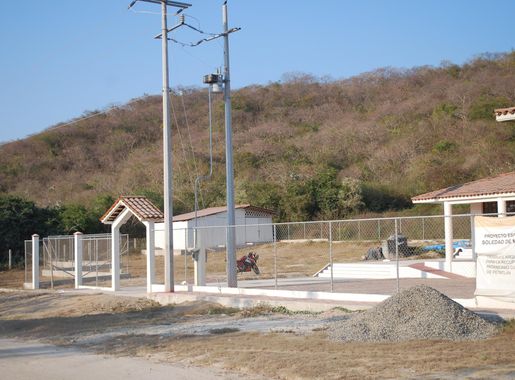
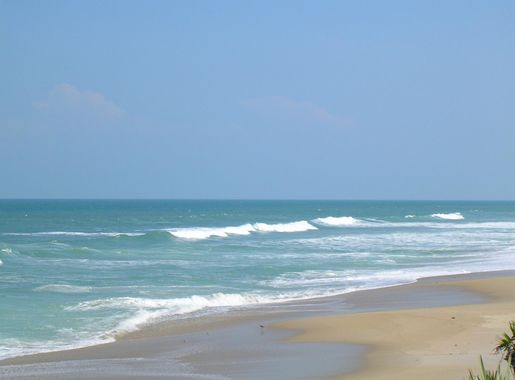
Costa Grande: Mexico's Hidden Coastal Gem
Nestled between the Sierra Madre Mountains and the Pacific Ocean, Costa Grande in Mexico offers an unparalleled blend of natural beauty and cultural richness. This region is a paradise for nature lovers and adventure seekers alike, boasting pristine beaches, lush forests, and charming fishing villages. The coastline stretches for miles, providing ample opportunities for water activities like snorkeling, diving, and deep-sea fishing. The coral reefs teem with vibrant marine life, making it a snorkeling haven. Inland, the lush tropical forests are perfect for hiking and bird watching, with trails leading to breathtaking waterfalls and panoramic viewpoints. Costa Grande is also steeped in history and culture. The local communities are warm and welcoming, offering a glimpse into traditional Mexican life. You can explore quaint villages where time seems to stand still, enjoy fresh seafood dishes, and shop for handcrafted souvenirs at local markets. Whether you're looking to relax on a secluded beach, embark on an eco-adventure, or immerse yourself in local culture, Costa Grande is a destination that promises unforgettable experiences.